

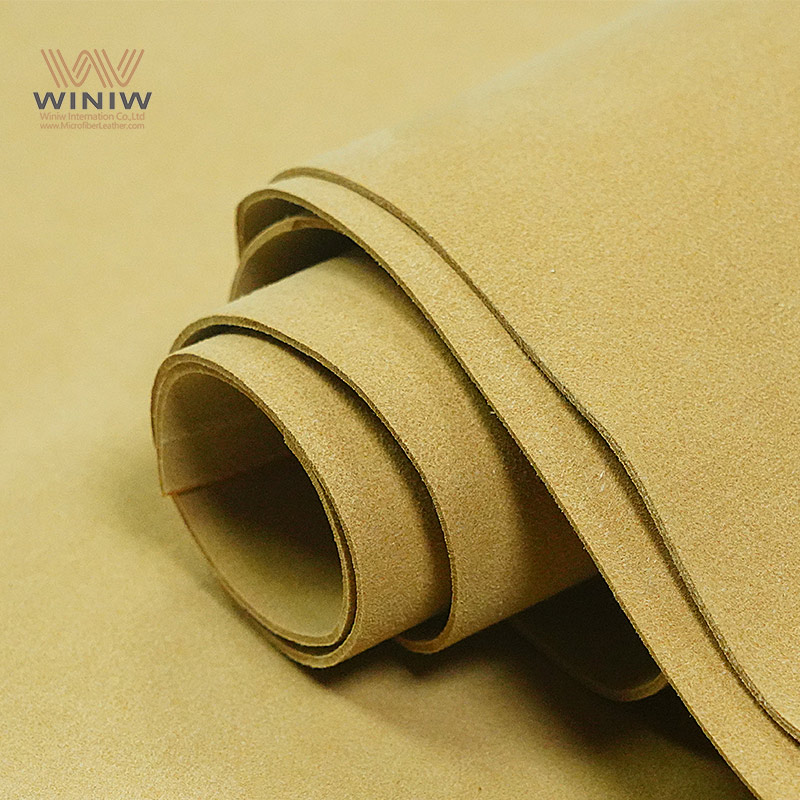

Nonwoven materials consist of fibers bonded together without weaving or knitting. These materials offer versatility and solve problems in many industries. Healthcare, hygiene, automotive, and construction sectors rely on non-woven materials for their unique properties. The table below shows how different industries contribute to the market share of nonwoven materials:
| Industry | Market Share Contribution |
|---|---|
| Healthcare | Significant |
| Hygiene | Significant |
| Automotive | Lucrative |
| Construction | Rising Adoption |
Nonwoven Materials: Practical Examples and Applications
Nonwoven materials are made from bonded fibers, not woven or knitted, making them versatile for many industries.
These materials are lightweight, cost-effective, and can be designed for specific properties like waterproofing or sterility.
Nonwoven fabrics excel in medical applications, providing essential protection in items like masks and surgical gowns.
Their absorbency makes nonwoven materials ideal for personal care products, such as diapers and sanitary napkins.
Nonwoven fabrics are used in household items like mops and bedding, offering durability and easy maintenance.
In construction, nonwoven materials improve energy efficiency and protect buildings from moisture and air infiltration.
Nonwoven fabrics play a crucial role in filtration, effectively trapping dust and bacteria in air and water filters.
Sustainability is a growing focus, with manufacturers exploring eco-friendly practices and materials in nonwoven production.
What Are Nonwoven Materials?
Definition
Nonwoven materials represent a unique category in the textile industry. International standards define a nonwoven as an engineered fibrous assembly, primarily planar, which gains structural integrity through physical or chemical means. This process excludes weaving, knitting, or paper making. Manufacturers create nonwoven by forming sheets of fibers, continuous filaments, or chopped yarns of any nature or origin. They bond these fibers together using various methods, but never through weaving or knitting.
The production of nonwoven materials involves several steps. Fiber selection comes first, where producers choose natural or synthetic fibers based on the desired properties. Web formation follows, using techniques such as dry-laid, wet-laid, or spun-laid. Dry-laid methods card fibers to form a web. Wet-laid methods disperse fibers in fluids, similar to paper-making. Spunbond techniques use melt-blown or porous film systems. Bonding methods include needle punching, stitch bonding, thermal bonding, chemical bonding, and hydro entanglement. Finishing processes enhance the material’s functionality for specific applications.
Key Features
Nonwoven materials possess several distinguishing features that set them apart from traditional textiles. They are lightweight and economical, making them attractive for many industries. Manufacturers can design nonwoven to be waterproof, flame-resistant, or sterile. These properties make nonwoven fabrics suitable for medical, hygiene, and industrial uses.
Nonwoven materials are easy to produce in bulk, which supports the creation of disposable items. They do not fray when cut, so they work well for single-use products. Although nonwoven fabrics may not match the strength or durability of woven fabrics, their versatility and cost-effectiveness drive widespread adoption.
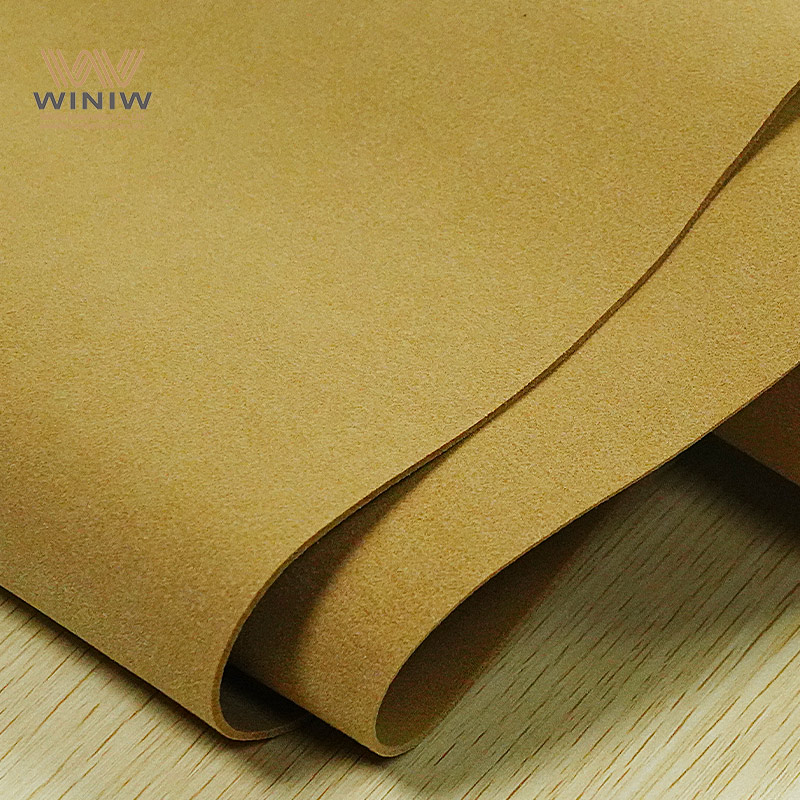
Tip: Nonwoven materials often appear in products like masks, wipes, and diapers because they combine absorbency, flexibility, and affordability.
Comparison with Woven Fabrics
The differences between nonwoven and woven fabrics become clear when examining their properties and uses. Woven fabrics rely on vertical and horizontal interweaving of fibers, which gives them higher strength and durability. Nonwoven fabrics use bonding methods such as chemical, mechanical, or heat treatment. This approach results in faster production and lower costs.
| Feature | Woven Fabrics | Non-Woven Fabrics |
|---|---|---|
| Manufacturing Method | Vertical and horizontal fiber interweaving | Fibers bonded through chemical, mechanical, or heat treatment |
| Strength | Typically higher strength | Typically lower strength |
| Cost-Effectiveness | Usually lower cost | Generally more cost-effective |
| Production Speed | Relatively slower production | Relatively faster production |
| Characteristics | Abrasion-resistant, high strength, durable | Absorbency, insulation, bacterial resistance |
| Customization | Different weave patterns can be tailored to needs | Customizable for various properties |
| Primary Applications | Clothing, industrial applications | Medical, consumer goods, industrial applications |
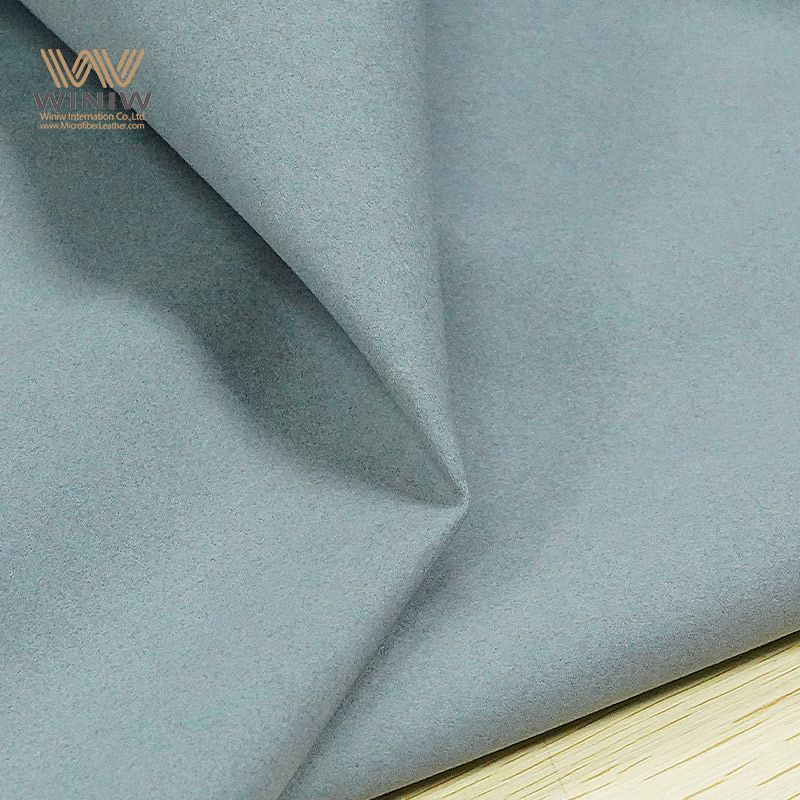
Woven fabrics excel in strength and durability, making them suitable for clothing and long-term industrial use. Nonwoven fabrics offer absorbency, insulation, and bacterial resistance, which make them ideal for medical, hygiene, and consumer goods. Their cost-effectiveness and production speed support the growing demand for disposable and specialized products.
Nonwoven Fabrics: Key Properties
Strength
Nonwoven fabrics demonstrate impressive strength, especially in applications that require durability. Manufacturers often test tensile strength to measure how much force a fabric can withstand before breaking. In medical settings, nonwoven materials must resist tearing and stretching during use. For example, surgical gowns and masks need reliable strength to protect healthcare workers.
Nonwoven fabrics used in medical applications show the following average tensile strength values:
Tensile strength in machine direction: 145 N
Tensile strength in cross direction: 94 N
These numbers indicate that nonwoven fabrics can handle significant stress, especially along the direction in which the fibers align. The difference between machine and cross direction strength highlights the importance of fiber orientation during production. Strong nonwoven fabrics help ensure safety and reliability in critical environments.
Flexibility
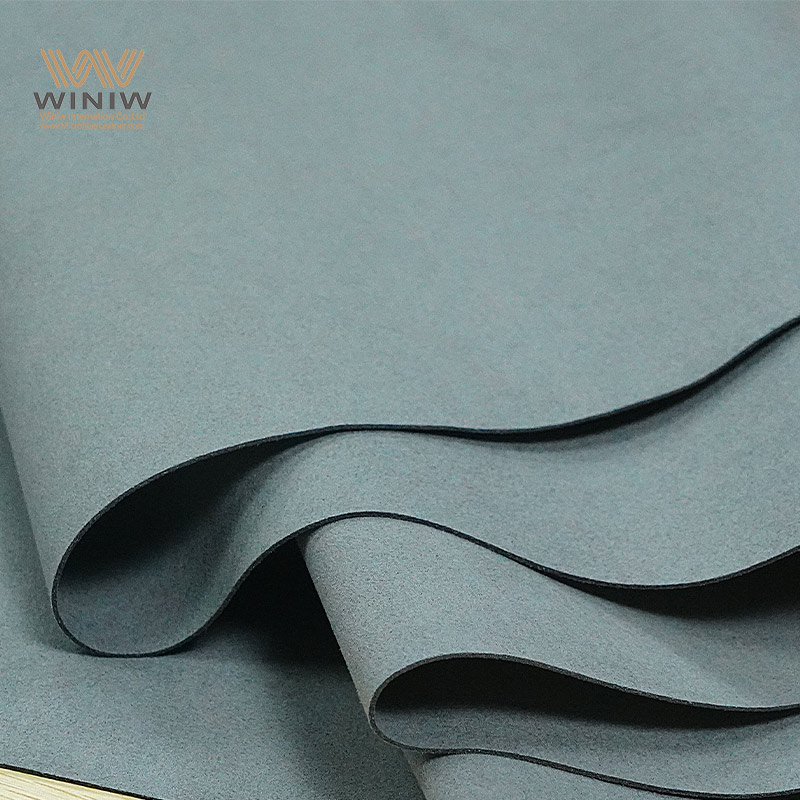
Flexibility is another key property that sets nonwoven fabrics apart from traditional textiles. Nonwoven materials bend easily without losing their shape, making them suitable for products that require frequent movement or folding. The structure of nonwoven fabrics provides high bending rigidity and stability, which means they maintain their form even under pressure.
The table below compares the flexibility of nonwoven fabrics with woven and knitted textiles:
| Material Type | Bending Rigidity | Structural Stability | Fiber Movement |
|---|---|---|---|
| Nonwoven Fabrics | Higher | High | Limited movement |
| Woven and Knitted | Lower | Lower | More fiber movement |
Nonwoven fabrics offer higher bending rigidity and structural stability than woven or knitted materials. Limited fiber movement in nonwovens helps maintain the integrity of the fabric, which is important for products like medical masks and filters. This flexibility allows manufacturers to design items that fit comfortably and perform reliably.
Absorbency
Absorbency plays a vital role in the effectiveness of nonwoven fabrics, especially in hygiene and personal care products. Nonwoven materials can absorb and retain moisture, making them ideal for diapers, sanitary napkins, and wipes. Cotton and rayon-based nonwoven fabrics are popular choices because they offer high absorbency rates.
Nonwoven fabrics excel in absorbency for several reasons:
They are essential in hygiene products like diapers and sanitary napkins due to their moisture absorption capabilities.
Cotton and rayon-based nonwoven fabrics are preferred for their high absorbency rates.
Hydrophilic nonwovens attract and retain water, enhancing their absorbency.
These fabrics are used in various applications, including personal hygiene products, due to their softness and durability.
Manufacturers design hydrophilic nonwovens to maximize water retention, which improves comfort and effectiveness. The combination of softness and absorbency makes nonwoven fabrics a top choice for products that come into direct contact with skin. This property ensures that users stay dry and comfortable throughout the day.
Cost-Effectiveness
Cost-effectiveness stands out as one of the most attractive features of nonwoven fabrics. Manufacturers and industries often choose nonwoven materials because they offer significant savings in both production and application. The process of making nonwoven fabrics uses fewer steps and less labor than traditional woven textiles. Factories rely on bonding techniques that do not require complex weaving machinery or skilled operators. This streamlined approach reduces expenses and increases efficiency.
Nonwoven fabrics typically cost less to produce than woven fabrics. The price difference becomes clear when comparing the cost per yard. Nonwoven fabrics usually range from $0.50 to $2.00 per yard. Woven fabrics, on the other hand, can cost anywhere from $2.00 to over $20.00 per yard. This wide gap in pricing allows companies to manufacture large quantities of nonwoven products without exceeding budget limits.
Nonwoven fabrics generally have lower production costs than woven fabrics.
Manufacturers use simpler bonding processes, which require less labor and fewer machines.
The typical price range for nonwoven fabrics is $0.50 to $2.00 per yard.
Woven fabrics often cost between $2.00 and $20.00 per yard or more.
Nonwoven materials are preferred for bulk applications, such as disposable medical products, because of their affordability.
Industries that produce disposable items benefit greatly from the cost-effectiveness of nonwoven fabrics. Hospitals and clinics use nonwoven masks, gowns, and wound dressings because these products can be made quickly and at a low cost. The hygiene sector relies on nonwoven materials for diapers, sanitary napkins, and wipes. These products must be affordable for consumers and easy to replace. Nonwoven fabrics meet these requirements by offering both low prices and reliable performance.
Nonwoven fabrics help companies reduce expenses while maintaining product quality. Their affordability supports the widespread use of single-use items in healthcare, hygiene, and consumer goods.
Bulk production also plays a key role in cost savings. Factories can produce thousands of nonwoven items in a short period. The simplified manufacturing process allows for rapid scaling, which is essential for meeting high demand during emergencies or seasonal spikes. Companies can respond quickly to market needs without sacrificing quality or increasing costs.
The cost-effectiveness of nonwoven fabrics extends beyond manufacturing. Transportation and storage costs remain low because nonwoven materials are lightweight and compact. Retailers and distributors can ship large quantities without paying extra for heavy loads. This advantage makes nonwoven products accessible to a wider audience.
Applications of Nonwoven Materials
Medical Uses
Nonwoven fabrics play a vital role in healthcare. Their unique properties make them essential for infection control and patient safety. The market for medical nonwoven disposables reached $18.92 billion in 2020 and is projected to grow to $25.27 billion by 2033, reflecting a compound annual growth rate of 6.72%. Several factors drive this growth, including the rise in surgical procedures, advancements in healthcare infrastructure, and an aging population that requires recurring medical treatment.
| Product Type | Market Size (2020) | Projected Size (2033) | CAGR (%) |
|---|---|---|---|
| Incontinence Products | N/A | N/A | N/A |
| Sterile Nonwoven Products | N/A | N/A | N/A |
| Disposable Surgical Masks | N/A | N/A | N/A |
| Surgical Gowns and Drapes | N/A | N/A | N/A |
| Total Medical Nonwoven Disposables | $18.92 billion | $25.27 billion | 6.72% |
Masks
Masks made from nonwoven materials provide high-performance applications in medical settings. Disposable face masks, including surgical masks and N95 respirators, offer superior barrier properties. These masks resist penetration by blood, liquids, and microorganisms, reducing the risk of cross-infection. SMS fabrics, commonly used in surgical apparel, enhance comfort and breathability for the wearer. The disposable nature of nonwoven masks ensures higher sanitation levels compared to reusable options. Medical professionals rely on these masks for personal protective equipment during procedures and patient care.
Nonwoven masks help prevent the spread of airborne pathogens and protect both healthcare workers and patients.
Gowns
Medical gowns and masks utilize nonwoven fabrics to deliver effective protection. Non-woven materials provide high resistance to fluids and microorganisms, making them ideal for surgical gowns and drapes. These gowns offer improved comfort and are designed for single-use, which enhances hygiene and reduces the risk of hospital-acquired infections. Compared to traditional cotton gowns, nonwoven surgical apparel maintains better barrier properties and sanitation. Hospitals choose nonwoven gowns for their reliability and ease of disposal.
Wound Dressings
Wound dressings represent another critical application of nonwoven fabrics in healthcare. Non-woven fabric applications in wound care include sterile pads and bandages that absorb fluids and protect wounds from contamination. These dressings maintain a moist environment, which promotes healing and reduces infection risk. The softness and flexibility of nonwoven materials ensure patient comfort during recovery. Medical staff prefer nonwoven wound dressings for their ease of use and effectiveness in managing different types of injuries.
Personal Care Uses
Nonwoven fabrics have transformed personal care products by improving comfort, absorbency, and protection. Their engineered structure provides strength, softness, and breathability, making them suitable for items that come into direct contact with skin.
Diapers
Diapers rely on nonwoven materials for both the absorbent core and outer layers. The acquisition-distribution layer (ADL) nonwoven fabric rapidly absorbs liquid, distributes it evenly, and locks it in to maintain a dry surface. This design prevents leakage and keeps babies comfortable. Nonwoven fabrics enhance the performance of diapers by providing effective fluid absorption and a soft touch.
Sanitary Napkins
Sanitary napkins use nonwoven fabrics to deliver essential benefits such as strength, softness, and breathability. The absorbent core made from nonwoven materials ensures efficient fluid management and prevents saturation. ADL nonwoven fabric distributes liquid evenly, maintaining dryness and comfort for users. The uses of non-woven fabrics in sanitary napkins have improved protection and hygiene for millions of women.
Cotton Pads
Cotton pads made from nonwoven materials offer gentle cleansing and makeup removal. Their soft texture and high absorbency make them ideal for sensitive skin. Nonwoven cotton pads do not fray or leave fibers behind, ensuring a smooth and effective application. Personal care brands choose nonwoven fabrics for cotton pads due to their reliability and user-friendly design.
Facial Masks
Facial masks utilize nonwoven fabric to deliver skincare benefits. These masks conform to facial contours and hold serums or lotions effectively. Nonwoven materials provide breathability and comfort, allowing users to enjoy a relaxing experience. The hygienic nature of nonwoven facial masks ensures single-use convenience and reduces the risk of skin irritation.
Hygiene Products
Nonwoven fabrics have revolutionized hygiene products by offering superior absorbency, durability, and safety. Their applications extend to wipes and adult incontinence products, meeting the needs of diverse consumers.
Wipes
Wipes made from biodegradable non-woven fabric provide effective cleaning and disinfecting. These wipes absorb liquids two to three times better than traditional cloths. Microfiber nonwoven wipes can absorb up to ten times their weight in oil, while cotton cloths absorb only three times. Nonwoven wipes contain fewer bacteria after use, reducing cross-contamination risks. High-strength nonwoven fabrics allow wipes to be reused over fifty times, compared to ten uses for cotton cloths. Switching to nonwoven wipes can reduce cleaning costs by 28% and manual cleaning time by 40%. Biodegradable non-woven wipes break down within 180 days, offering an eco-friendly alternative to traditional wipes that may take over 500 years to decompose.
Nonwoven wipes combine cleaning efficiency, durability, and environmental benefits for households and businesses.
Adult Incontinence
Adult incontinence products use nonwoven fabrics to deliver comfort, absorbency, and protection. These products feature engineered layers that rapidly absorb and lock in fluids, keeping the skin dry and reducing irritation. Nonwoven materials provide a soft touch and maintain structural integrity during use. The hygienic design of nonwoven adult incontinence products supports dignity and well-being for users.
Nonwoven materials continue to shape the future of medical, personal care, and hygiene products. Their versatility and benefits make them indispensable in high-performance applications across industries.
Household Uses
Nonwoven fabrics have become essential in many household products. Their unique properties improve comfort, hygiene, and durability. The table below highlights common household items that use nonwoven materials and their advantages:
| Household Product | Advantages |
|---|---|
| Bedding | Kills dust mites, repels dirt, contains antimicrobial qualities. |
| Wall coverings | Easier handling than traditional wallpaper, no seam separation, crack-bridging properties. |
| Safety features | Blast resistant curtains absorb pressure shockwaves, burglar-proof blinds, carpet alarm systems. |
| Electrically conductive | Can heat floor surfaces, replacing traditional heating systems. |
| General advantages | Easy to add treatments, fire-retardancy, dimensional stability, durability, anti-allergy properties. |
Bed Linen
Bed linen made from nonwoven fabrics offers several benefits. These materials kill dust mites and repel dirt, which helps maintain a clean sleeping environment. Antimicrobial qualities protect users from allergens and bacteria. Nonwoven bed linen also resists wear and tear, making it suitable for frequent washing and daily use.
Blankets
Blankets that use nonwoven fabrics provide warmth and comfort. The soft and flexible design ensures a pleasant texture against the skin. Nonwoven blankets maintain their shape and integrity over time, even after repeated laundering. Manufacturers can add fire-retardant treatments to enhance safety.
Curtains
Curtains made with nonwoven materials deliver both style and functionality. These curtains absorb moisture and block dust, improving indoor air quality. Blast-resistant nonwoven curtains can absorb pressure shockwaves, adding a layer of safety in homes and public spaces. The crack-bridging properties prevent seam separation, which keeps curtains looking neat.
Carpets
Nonwoven carpets offer durability and easy maintenance. Their absorbent nature helps trap dirt and moisture, making cleaning simpler. Electrically conductive nonwoven carpets can heat floor surfaces, replacing traditional heating systems. Carpet alarm systems use nonwoven layers to detect movement, enhancing home security.
Mops
Mops that use nonwoven fabrics excel at cleaning. The absorbent structure allows mops to soak up liquids quickly. Nonwoven mops resist bacterial growth, which reduces odors and improves hygiene. Their lightweight design makes them easy to handle during household chores.
The table below summarizes how nonwoven fabrics contribute to household textiles:
| Property | Contribution to Household Textiles |
|---|---|
| Durability | Nonwoven fabrics maintain their integrity over time, crucial for household items that experience frequent use. |
| Absorbency | Their absorbent nature enhances functionality in textiles like curtains and upholstery. |
| Flexibility | The soft and flexible design makes them suitable for comfortable home textiles. |
| Ease of Maintenance | Nonwoven fabrics are easy to clean and maintain, contributing to the longevity of household items. |
Nonwoven fabrics in household applications combine comfort, safety, and easy maintenance, making them a preferred choice for modern homes.
Garment Interlinings
Garment interlinings use nonwoven fabrics to provide structure and support in clothing. These materials help collars, cuffs, waistbands, and plackets retain their shape and improve garment durability.
Collars
Nonwoven interlinings in collars offer stability and shape retention. The lightweight structure adds support without making the collar stiff or uncomfortable. Manufacturers prefer nonwoven interlinings because they do not fray, which simplifies cutting and sewing.
Cuffs
Cuffs benefit from nonwoven interlinings due to their versatility and ease of use. The non-fraying nature reduces waste and speeds up production. Nonwoven cuffs maintain their form after repeated washing and wearing.
Waistbands
Waistbands require support to hold their shape. Nonwoven interlinings provide this support while remaining lightweight. The cost-effectiveness of nonwoven materials helps manufacturers reduce production expenses.
Plackets
Plackets use nonwoven interlinings for stability and durability. These interlinings are available in various weights and thicknesses, allowing designers to choose the best option for each garment. Nonwoven interlinings simplify the sewing process and enhance the finished product.
Nonwoven interlinings offer several benefits:
Cost-effectiveness makes them ideal for manufacturers seeking to lower production costs.
Versatility allows use in shirts, jackets, curtains, and upholstery.
Ease of use results from the non-fraying nature, which reduces waste.
Stability and shape retention ensure garments maintain their form.
Lightweight structure enhances comfort and natural drape.
However, nonwoven interlinings may dimple, crinkle, or wrinkle, which can affect garment quality. Manufacturers must balance cost and quality when choosing interlining materials.
Industrial Uses
Nonwoven materials play a vital role in industrial applications. Their durability, flexibility, and cost-effectiveness make them suitable for a wide range of products.
| Sector | Applications |
|---|---|
| Medical | Surgical gowns, protective clothing, disinfection wraps, masks |
| Personal Care | Baby diapers, sanitary pads, adult incontinence pants, wipes |
| Industrial | Filters, insulating materials, reinforced plastics, automotive parts |
| Agricultural | Crop protection cloth, seedling raising cloth, irrigation cloth |
| Household | Wall coverings, tablecloths, bed sheets, bed covers |
| Others | Thermal insulation, sound insulation materials, oil-absorbing felts, tea bags |
Geotextiles
Geotextiles use nonwoven fabrics to reinforce soil and prevent erosion. These materials allow water to pass through while holding soil in place. Construction projects rely on nonwoven geotextiles for road building, landscaping, and drainage systems.
Insulation
Nonwoven insulation materials provide thermal and sound protection in buildings and vehicles. Their lightweight structure makes installation easy. Nonwoven insulation helps reduce energy costs and improve comfort.
Packaging
Packaging uses nonwoven materials for bags, wraps, and protective covers. These materials are durable and lightweight, which lowers shipping costs. Nonwoven packaging can be biodegradable, reducing environmental impact. Manufacturers use nonwoven bags for shopping, storage, and promotional purposes.
Industrial applications of nonwovens enhance product performance and reduce manufacturing costs. Their versatility supports innovation in sectors such as healthcare, automotive, and agriculture.
Civil Engineering
Nonwoven materials have become essential in civil engineering due to their ability to solve complex problems related to soil stability, erosion, and water management. Engineers use these fabrics in a variety of applications, including road construction, landfills, and drainage systems.
Soil Reinforcement
Nonwoven geotextiles reinforce soil structures and improve overall stability. These fabrics add strength to embankments, retaining walls, and foundations. By acting as a barrier, nonwoven geotextiles prevent the mixing of different soil layers, which helps maintain the integrity of construction projects. Engineers often select nonwoven fabrics for soil reinforcement because they are easy to install and provide long-lasting support.
| Function | Description |
|---|---|
| Filtration | Allows water to pass while preventing soil particle migration, reducing erosion. |
| Drainage | Facilitates water flow through the fabric, maintaining soil stability. |
| Separation | Prevents mixing of different soil layers, preserving structural integrity. |
| Reinforcement | Adds strength to soil structures, enhancing stability. |
| Erosion Control | Stabilizes slopes and shorelines, protecting against environmental degradation. |
Erosion Control
Erosion control represents a critical application for nonwoven materials in civil engineering. These fabrics stabilize slopes, riverbanks, and shorelines, protecting them from environmental degradation. Nonwoven geotextiles allow water to pass through while retaining soil particles, which reduces the risk of erosion. Construction teams use nonwoven fabrics to cover exposed soil and prevent washouts during heavy rainfall.
Road construction
Landfills
Erosion control
Drainage systems
Nonwoven geotextiles also help maintain vegetation by holding soil in place, which supports plant growth and further reduces erosion.
Drainage
Drainage systems benefit greatly from nonwoven materials. These fabrics facilitate water flow through the soil, preventing water accumulation that can lead to instability and erosion. Nonwoven geotextiles act as filters, allowing water to move freely while blocking soil particles. This function keeps drainage channels clear and effective.
Act as filters to allow water passage while retaining soil particles.
Facilitate drainage, preventing water accumulation that can lead to erosion.
Provide separation between soil layers to maintain structural integrity.
Stabilize slopes and riverbanks to prevent erosion.
Civil engineering projects rely on nonwoven materials for their versatility and effectiveness. These applications help create safer, more durable infrastructure.
Automotive
Automotive manufacturers use nonwoven materials in over 40 different parts, including trunk liners, carpets, and filters. These fabrics offer unique benefits that improve vehicle performance, comfort, and sustainability.
Insulation
Nonwoven fabrics provide excellent thermal and sound insulation in vehicles. They help manage heat in engine compartments and underbody areas, keeping passengers comfortable. Nonwoven insulation also reduces noise from the road and engine, creating a quieter cabin environment.
| Aspect | Description |
|---|---|
| Thermal Insulation | Nonwoven fabrics are used for thermal management, insulating against heat in underbody and engine compartments. |
| Sound Insulation | These fabrics help reduce noise from the road and engine, enhancing passenger comfort. |
| Protective Barriers | They act as barriers against liquids and dust, contributing to the longevity of vehicle components. |
Nonwoven insulation materials weigh 20-30% less than traditional options, which improves fuel efficiency and vehicle range. Manufacturers often choose nonwoven fabrics for their lightweight and durable properties.
Surface Protection
Surface protection is another important application for nonwoven materials in the automotive industry. These fabrics act as barriers against liquids and dust, helping to preserve the condition of vehicle components. Nonwoven materials excel in vibration dampening and can be customized for specific shapes and sizes.
Protect against liquids and dust
Reduce noise and heat
Lightweight and durable properties
Automotive companies also use nonwoven materials to meet sustainability targets. Some nonwoven fabrics contain up to 100% recycled content, supporting eco-friendly manufacturing practices. Emerging applications include battery separators and thermal management materials for electric vehicles.
| Benefit | Description |
|---|---|
| Weight Reduction | Nonwoven materials weigh 20-30% less than traditional materials, improving fuel efficiency. |
| Acoustic Performance | They excel in noise, vibration, and harshness reduction, enhancing cabin acoustics and comfort. |
| Sustainability | Can incorporate up to 100% recycled content, aiding in meeting sustainability targets. |
| Emerging Applications | Used in electric vehicles for battery separators and thermal management materials. |
Nonwoven materials continue to shape the future of automotive design. Their wide range of applications supports innovation, cost savings, and improved passenger experience.
Uses of Non-Woven Fabrics in Filtration
Filtration stands out as one of the most important uses of non-woven fabrics. These materials help remove unwanted particles from air and water, making environments safer and healthier. Their unique structure allows for efficient trapping of dust, bacteria, and other contaminants. Many industries rely on nonwoven fabrics for filtration because they offer high performance and adaptability.
Air Filters
Air filters made with nonwoven fabrics play a crucial role in improving indoor air quality. These filters appear in homes, hospitals, vehicles, and factories. Nonwoven materials trap dust, pollen, bacteria, and even tiny airborne particles. The structure of nonwoven fabrics creates a web of fibers that captures contaminants while allowing air to pass through.
Several types of nonwoven materials serve different needs in air filtration:
Melt-blown nonwovens: Capture very small particles with high efficiency, making them ideal for surgical masks and HEPA filters.
Spunbond nonwovens: Provide strength and durability, often used as support layers in filter construction.
Needle-punched nonwovens: Offer strong depth filtration, suitable for industrial air filters.
Composite nonwovens: Combine multiple layers to enhance filtration performance.
Melt-blown nonwovens, in particular, can filter out particles as small as 0.3 microns. This level of efficiency helps protect people from allergens and harmful microorganisms. Air conditioning systems, vacuum cleaners, and respirators all benefit from these advanced materials.
Tip: Regularly replacing air filters made from nonwoven fabrics can improve air quality and extend the life of appliances.
Water Filters
Water filtration represents another key area where nonwoven fabrics excel. These filters remove dirt, sand, bacteria, and other impurities from drinking water and industrial fluids. The porous structure of nonwoven materials allows water to flow while trapping unwanted particles.
Wet-laid nonwovens often appear in water filtration systems because of their uniformity and high porosity. These materials provide consistent filtration and resist clogging. Composite nonwovens, which combine different layers, can target specific contaminants and improve overall filter life.
Needle-punched nonwovens also find use in water treatment plants. Their depth filtration capability makes them suitable for removing larger particles and protecting downstream equipment. Many water filters use a combination of nonwoven layers to achieve the best results.
The applications of nonwoven fabrics in water filtration extend to household water pitchers, industrial purification systems, and even portable water bottles. These filters help ensure that water remains clean and safe for consumption.
| Type of Nonwoven Material | Common Filtration Use | Key Benefit |
|---|---|---|
| Melt-blown | Air (HEPA, masks) | High particle capture |
| Spunbond | Air (support), water (pre-filter) | Strength and durability |
| Needle-punched | Industrial air, water | Depth filtration |
| Wet-laid | Water | Uniformity, high porosity |
| Composite | Air and water | Enhanced efficiency |
Nonwoven fabrics continue to shape the future of filtration technology. Their adaptability and effectiveness make them essential in protecting health and supporting clean environments.
Nonwoven in Agriculture and Construction
Crop Covers
Farmers use nonwoven crop covers to protect plants from harsh weather and pests. These covers shield crops from wind, frost, and heavy rain. The material filters sunlight, which helps regulate temperature and reduces the risk of disease. Nonwoven fabrics also retain soil moisture, so crops need less irrigation. Weed control improves because the covers block sunlight from reaching unwanted plants. Farmers see a reduction in herbicide use, which lowers chemical runoff and benefits the environment. Seedlings grow stronger under nonwoven covers, as the fabric prevents soil-borne diseases and makes transplanting easier.
| Application | Benefits |
|---|---|
| Weed Control | Reduces herbicide use by up to 50%, lowering chemical runoff and environmental impact. |
| Crop Protection from Weather | Shields crops from extreme weather, filters sunlight, and minimizes disease risk. |
| Water Conservation | Retains soil moisture, reducing irrigation needs by 20-30% in arid regions. |
| Seedling Support | Regulates temperature, prevents soil-borne diseases, and facilitates easy transplanting. |
| Soil Stabilization | Reinforces soil structure, promotes vegetation growth, and reduces sediment runoff. |
Nonwoven crop covers help farmers grow healthier plants while saving water and reducing chemicals.
Roofing
Nonwoven materials play a key role in modern roofing systems. Builders use nonwoven insulation to improve thermal and acoustic properties in homes and commercial buildings. These materials keep buildings warmer in winter and cooler in summer, which lowers energy costs. Nonwoven roofing underlays resist moisture and prevent leaks. Polyethylene nonwovens add lightweight strength and moisture resistance, making roofs more durable. Roofers prefer nonwoven fabrics because they install quickly and adapt to different roof shapes.
| Evidence Type | Description |
|---|---|
| Nonwoven Insulation | Nonwoven insulation materials provide superior thermal and acoustic properties, essential for energy-efficient buildings. |
| Polyethylene Nonwovens | Valued for their lightweight nature and moisture resistance, polyethylene nonwovens are effective in moisture control and building durability. |
Tip: Nonwoven roofing underlays help prevent mold and rot by keeping moisture out of the building structure.
House Wraps
Construction teams rely on nonwoven house wraps to protect buildings from wind, rain, and air infiltration. These wraps act as a barrier, keeping structures dry while allowing water vapor to escape. Nonwoven house wraps outperform woven and perforated alternatives in preventing water penetration. This reduces the risk of mold and rot inside walls. Builders see improved energy efficiency because nonwoven wraps help maintain indoor temperatures. The demand for nonwoven house wraps grows as more people focus on building envelope performance.
Nonwovens provide an effective weatherization system, keeping structures dry while allowing water vapor to escape.
They outperform woven and perforated house wraps in preventing water penetration, reducing risks of mold and rot.
The growing focus on building envelope performance is driving demand for nonwoven materials.
Nonwoven materials support a wide range of applications in agriculture and construction. Their benefits include better crop protection, improved energy efficiency, and enhanced building durability.
Nonwoven materials shape many aspects of daily life, from medical products to household goods. Their versatility supports industries by offering strength, flexibility, and cost savings. Manufacturers now focus on sustainability through practices such as closed-loop recycling, energy-efficient production, and using renewable resources.
Businesses adopt sustainable models and comply with new regulations.
Collaboration among suppliers and users drives innovation in green materials.
Lifecycle assessments help evaluate environmental impact.
Innovations in materials science, nanotechnology, and digital manufacturing continue to expand the possibilities for nonwoven fabrics. People encounter these materials every day, often without noticing their essential role.
FAQ
What are nonwoven materials made from?
Manufacturers use natural fibers like cotton or synthetic fibers such as polyester and polypropylene. They bond these fibers together using heat, chemicals, or mechanical processes.
How do nonwoven fabrics differ from woven fabrics?
Nonwoven fabrics do not use weaving or knitting. They rely on bonding fibers together. Woven fabrics use interlacing threads, which creates a stronger and more durable material.
Where can people find nonwoven products in daily life?
People encounter nonwoven products in masks, wipes, diapers, filters, and household items. These materials appear in medical, hygiene, and cleaning products.
Are nonwoven materials environmentally friendly?
Some nonwoven materials use biodegradable fibers or recycled content. Manufacturers continue to develop eco-friendly options. Consumers should check product labels for sustainability information.
Can nonwoven fabrics be reused?
Many nonwoven fabrics are designed for single use. Some types, like cleaning wipes or filters, can be reused several times before disposal.
What advantages do nonwoven fabrics offer in medical applications?
Nonwoven fabrics provide high absorbency, barrier protection, and comfort. They help reduce infection risks and support hygiene in hospitals and clinics.
How do nonwoven materials improve filtration?
Nonwoven materials trap dust, bacteria, and other particles. Their fiber structure allows air or water to pass through while capturing contaminants.
Tip: Always follow manufacturer instructions for using and disposing of nonwoven products.