

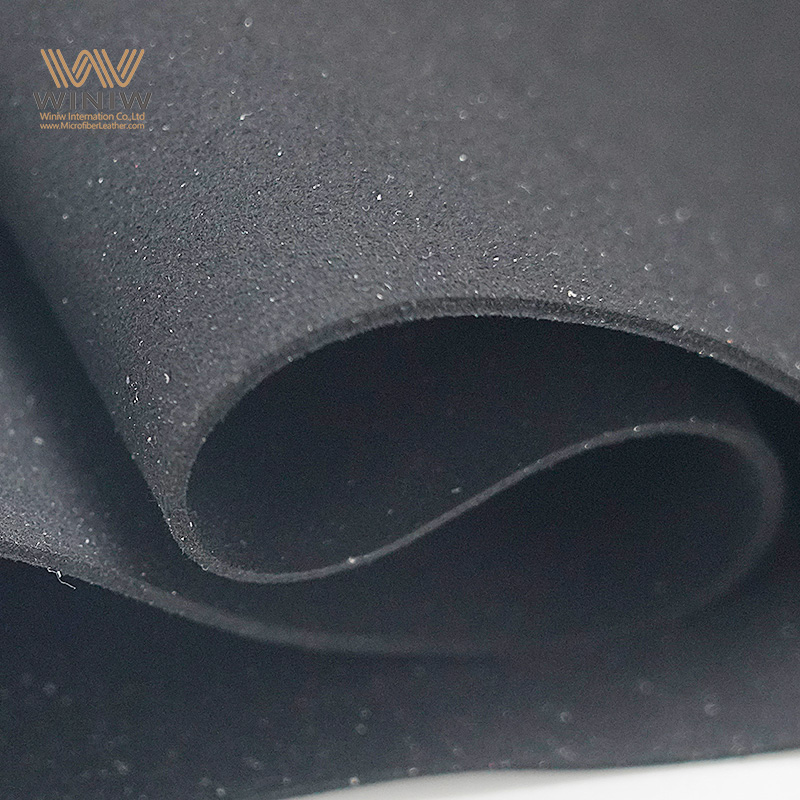
Nonwoven rolls consist of fibers bonded by chemical, mechanical, or heat methods. Unlike woven textile rolls, nonwoven rolls offer lightweight and flexible properties.
- Woven fabrics use interlaced yarns for strength.
- Nonwoven rolls suit disposable applications.
Nonwoven rolls play key roles in manufacturing across diverse industries.
Key Takeaways
- Nonwoven rolls are made from bonded fibers, offering flexibility and strength without the need for weaving.
- These rolls are widely used in hygiene products, medical supplies, and filtration systems, providing essential benefits like absorbency and durability.
- Nonwoven rolls support sustainability by being cost-effective and often recyclable, making them a smart choice for various industries.
Nonwoven Rolls Overview
What Are Nonwoven Rolls
Nonwoven rolls are engineered sheets made from staple or long fibers. These fibers are bonded together using methods such as chemical, mechanical, heat, or solvent processes. Unlike traditional textile materials, nonwoven rolls do not require weaving or knitting. Manufacturers often use thermoplastic fibers like polypropylene and polyester, sometimes blending them with cotton to enhance quality and performance. The bonding process can involve calendering, ultrasonic energy, or through-air bonding, which ensures the fibers form a strong and uniform structure.
Nonwoven rolls offer a unique combination of flexibility and strength. Their composition allows for customization in thickness, density, and color, making them suitable for a wide range of industrial applications.
- Common fibers used in nonwoven rolls:
- Polypropylene
- Polyester
- Cotton blends
- Thermoplastic powders
- Main bonding methods:
- Calendering (heated rolls)
- Ultrasonic bonding
- Through-air bonding
- Thermal bonding
Nonwoven Roll Technology and Features
Nonwoven roll technology delivers several performance advantages over traditional textile materials. These rolls are lightweight, durable, and resistant to tearing and abrasion. The manufacturing process allows for high customizability, supporting cost-effective material selection and sustainability goals. Nonwoven rolls can be tailored for specific performance characteristics, such as absorbency, breathability, and fluid resistance.
| Characteristic | Description |
|---|---|
| Strength | High strength supports demanding industrial uses. |
| Durability | Excellent durability ensures long-lasting performance. |
| Resistance to Tearing | Nonwoven rolls resist tearing, maintaining quality in harsh environments. |
| Resistance to Abrasion | Withstands abrasion for reliable performance. |
| Customizability | Available in various sizes and colors for diverse applications. |
| Raw Materials | Synthetic fibers like polypropylene and polyester enhance quality. |
| Manufacturing Process | Bonding methods impact final performance and quality. |
Nonwoven roll technology also provides enhanced absorbency and moisture resistance. Treated nonwoven rolls are more porous and flexible than woven fabrics, offering improved washability and bacterial protection. Lightweight nonwoven rolls are ideal for hygiene, medical, and filtration applications, supporting sustainability and efficient manufacturing.
Applications of Nonwoven Rolls
Hygiene and Personal Care Applications
Nonwoven rolls are essential in the production of hygiene products. These materials provide softness, absorbency, and breathability, which are important for comfort and skin health. Common hygiene and personal care products that use nonwoven rolls include:
- Baby diapers
- Adult incontinence products
- Feminine hygiene products
- Wet wipes
Nonwoven rolls offer customizable performance characteristics. Manufacturers can engineer them for specific application requirements, such as tailored absorbency, softness, and strength. The production process is cost-effective and scalable, supporting high-demand hygiene products. Single-use nonwoven rolls minimize cross-contamination risks and can include antimicrobial properties. Superior absorbency and fluid management make these materials ideal for products like diapers and wet wipes. Their structure ensures durability and safety, which are critical for hygiene and personal care applications.
Medical and Healthcare Uses
Nonwoven rolls play a vital role in medical supplies and medical textiles. They are used to produce a wide range of disposable products, including:
- Isolation gowns
- Surgical gowns
- Medical face masks
- Surgical drapes
- Pads and dressings
These medical supplies protect patients and healthcare personnel from microorganisms and fluids. Nonwoven rolls provide advanced barrier properties that block harmful contaminants such as bacteria and viruses. Their single-use design helps prevent cross-contamination between patients and staff. The disposability of these materials reduces the burden on laundry and sterilization departments, improving operational efficiency. Nonwoven rolls are also used in wound dressings and bandages, creating optimal healing environments by preventing adherence to wounds and wicking away excess exudate. The quality and performance of nonwoven medical textiles are crucial for infection control and patient safety.
Filtration and Environmental Applications
Filtration is one of the most important applications for nonwoven rolls. These materials are used in air filtration, automotive filters, medical filtration, and industrial filtration systems. Nonwoven rolls filter air, bacteria, dust, gases, and liquids. They are preferred for their cost efficiency and high performance, especially in demanding environments. Nonwoven rolls in filtration applications help reduce air and water pollution, supporting compliance with environmental regulations. Their versatility allows them to be engineered for various filtration needs, improving public health and reducing pollution. Nonwoven rolls are essential for industrial filtration, ensuring clean air and water in many industries.
Construction and Insulation
Nonwoven rolls are widely used in construction for insulation and barrier applications. These materials are lightweight and durable, making them easy to handle and install. Nonwoven rolls provide excellent thermal insulation and soundproofing, which enhances energy efficiency in buildings. They are moisture resistant, contributing to their longevity in different climates. Nonwoven rolls can be laminated with reflective aluminum foil to create radiant barriers that reflect up to 97% of radiation heat. In construction, nonwoven rolls are used in roofs, walls, and floors to prevent heat conduction and thermal radiation. They also serve as waterproofing and vapor barriers, supporting sustainable building practices. Nonwoven geotextiles are used for road stabilization, erosion control, and landfill liners. Performance metrics such as thermal conductivity and noise reduction coefficients demonstrate the effectiveness of nonwoven rolls in building insulation and sound absorption.
Automotive Applications
The automotive industry relies on nonwoven rolls for interior trims, upholstery, and filtration components. Nonwoven rolls provide sound absorption, energy efficiency, and comfort in automotive interiors. For example, products like WhisperWeb® are engineered for sound absorption and are lightweight, making them suitable for die cutting and molding. Heat-insulating nonwoven rolls control loft and air retention, slowing heat transfer in vehicles. These materials are used in acoustic panels, cabin air filters, and trunk liners. Nonwoven rolls enhance performance by improving comfort, reducing noise, and increasing energy efficiency in automotive applications.
| Product Name | Key Features | Application Areas |
|---|---|---|
| WhisperWeb® | Engineered for sound absorption, lightweight, effective for die cutting and molding | Automotive interiors, consumer products, acoustic panels |
| Heat insulating | Controlled loft and air retention to slow heat transfer | Automotive, industrial, building uses |
FAQ
What makes nonwoven rolls different from woven fabrics?
Nonwoven rolls do not use weaving or knitting. Manufacturers bond fibers directly. This process creates flexible, strong, and lightweight materials for many uses.
Can nonwoven rolls be recycled or reused?
Many nonwoven rolls use recyclable materials. ♻️ Some types support reuse, especially in packaging or cleaning. Always check product labels for recycling information.
Are nonwoven rolls safe for skin contact?
- Most nonwoven rolls for hygiene and medical use are skin-friendly.
- Manufacturers test these materials for softness, breathability, and safety.