

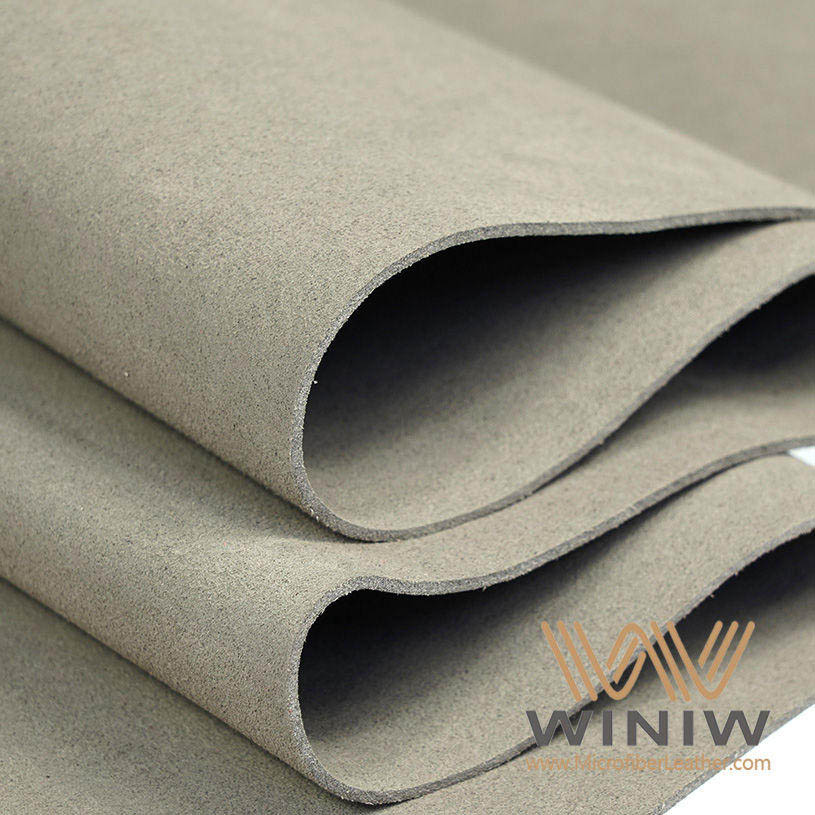
You encounter Nonwoven Roll Technology in products that demand durability and cost efficiency. Unlike traditional woven materials, Nonwoven Roll Technology utilizes polypropylene spunbond for enhanced strength and resistance against moisture and chemicals. Major sectors, including hygiene, construction, and automotive, rely on Nonwoven Roll Technology for their nonwoven rolls.
What is Nonwoven Roll Technology and How is it Used in Industry
- Nonwoven roll technology offers durability and cost efficiency, making it essential in industries like hygiene, construction, and automotive.
- The manufacturing process involves bonding fibers through various techniques, allowing customization for specific applications such as filtration and medical supplies.
- When selecting nonwoven rolls, consider application requirements, material properties, and environmental impact to ensure optimal performance.
Nonwoven Roll Technology Overview
What Are Nonwoven Rolls
You see nonwoven roll technology in many industries because it offers a unique way to create strong and versatile materials. Non woven rolls are made by bonding loose fibers together using physical, chemical, or thermal processes. This method differs from woven and knitted fabrics, which use interlacing or interlooping yarns. The structure of non woven rolls is lightweight and porous, making them ideal for disposable products and applications where cost matters.
Nonwoven roll technology uses a variety of raw materials. The choice of material affects the final product’s performance. Here is a table showing common raw materials and their attributes:
| Raw Material | Attributes Impacting Performance |
|---|---|
| Polypropylene | Cost-effective, excellent thermal and chemical resistance |
| Polyethylene | Flexible, lightweight, suitable for medical products |
| Polyester | Versatile, durable, ease of manufacture |
| Cotton | Softness, breathability, comfort, absorbency |
| Wool | Insulation, flame resistance |
| Rayon | Silk-like feel, high absorbency |
| Nylon | Strength, elasticity, durability |
Key Features of Nonwoven
Non woven rolls stand out for their durability, cost-effectiveness, and adaptability. You can measure their performance using several methods. The table below highlights key features and how you test them:
| Performance Feature | Description | Measurement Method |
|---|---|---|
| Tensile Strength | Maximum pulling stress before breaking | Burst strength tests |
| Absorbency | Ability to absorb liquids | Liquid absorption rate and moisture retention tests |
| Air Permeability | Ability to allow air to pass through | Airflow tests |
| Thickness | Affects durability and insulation | Thickness gauges |
Non woven fabric can be customized for different uses. You find nonwoven roll technology in filtration, landscaping, and medical products. Manufacturers can adjust color, thickness, pattern, and surface finish to meet your needs. Recent advancements include improved fiber processing, automation, and the use of bio-based polymers. These changes make non woven fabrics more durable and environmentally friendly.
Manufacturing Process of Non Woven Rolls
Fiber Arrangement and Web Formation
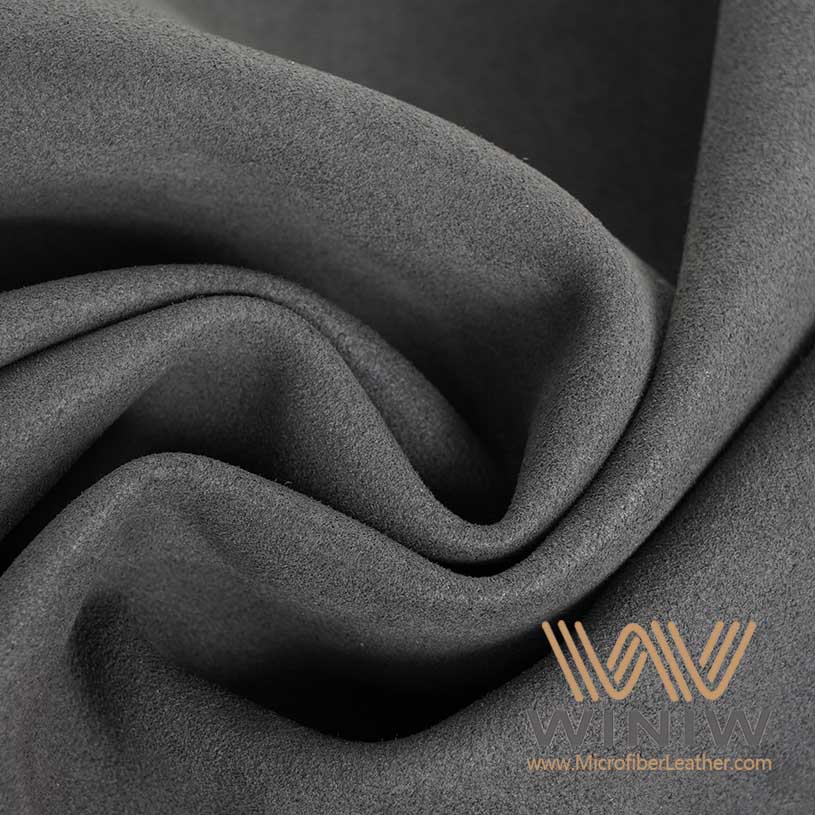
You start the journey of nonwoven roll technology with fiber arrangement and web formation. This step shapes the structure and performance of non woven fabrics. You begin by opening and blending fibers from bales. Air transport moves these fibers to a carding machine, where the fibers are combed into a web. This process ensures even distribution and prepares the fibers for bonding.
Here is a typical process flow for arranging fibers and forming webs:
- Open and blend fiber raw material.
- Convey fibers to the card using air transport.
- Comb fibers into a web with a carding machine.
- Reinforce the web.
- Post-process the web.
- Roll the finished non woven fabric.
| Step | Description |
|---|---|
| 1 | Fiber raw material |
| 2 | Pre-treatment of web forming |
| 3 | Web forming |
| 4 | Reinforcement |
| 5 | Post-processing |
| 6 | Rolling |
You use technologies like carding machines, air transport, and rotating drum configurations to achieve precise fiber alignment. The orientation of fibers during web formation affects the mechanical properties of non woven rolls. When fibers align in one direction, you get anisotropic properties. This means the non woven fabric will have different strengths and flexibility depending on the direction.
| Aspect | Description |
|---|---|
| Fiber Orientation | The alignment of fibers during web formation is anisotropic, affecting properties in different directions. |
| Mechanical Properties | Influences tensile strength, bending, thermal insulation, and permeability. |
| Orientation Distribution | The fiber orientation distribution function (ODF) characterizes the anisotropy in nonwoven materials. |
| Performance Characteristics | Anisotropic properties lead to variations in performance based on fiber alignment. |
You can use the fiber orientation distribution function to measure the angles of fiber alignment. This step is crucial for tailoring non woven fabrics for specific uses, such as filtration, construction, or medical supplies.
Extrusion and Bonding Techniques
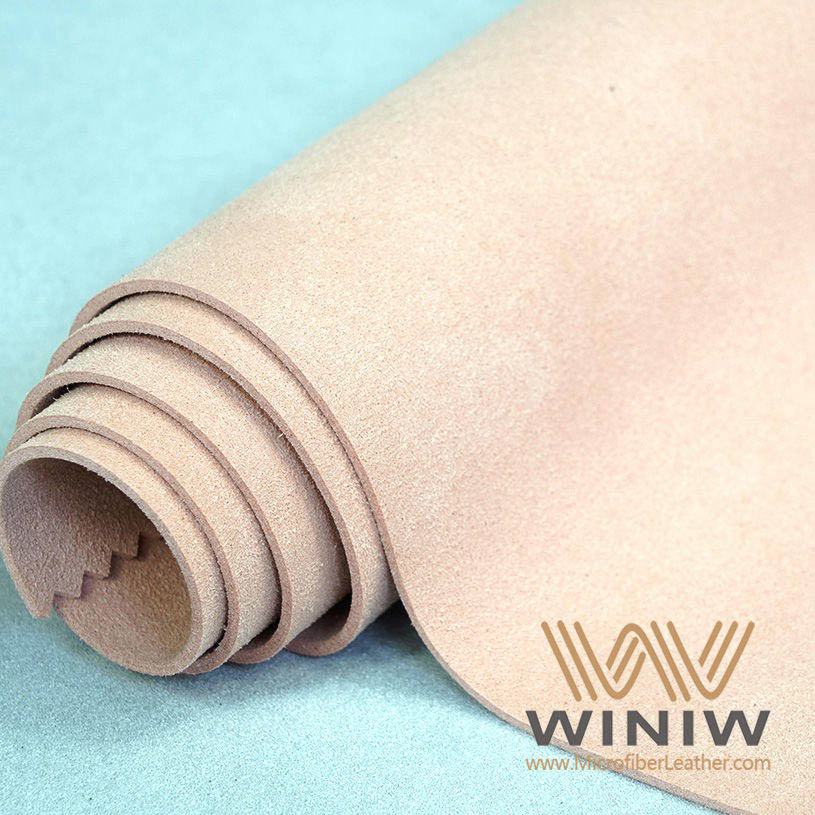
After web formation, you move to extrusion and bonding. These steps give non woven rolls their strength and durability. You can choose from several bonding techniques, each with unique advantages and disadvantages.
| Technique | Advantages | Disadvantages |
|---|---|---|
| Thermal Bonding | Highly efficient, minimal waste, suitable for high-volume production. | Energy-intensive, relies on virgin thermoplastic polymers, not suitable for natural fibers directly. |
| Needle Punching | Utilizes recycled materials, versatile for various applications. | Slower production speed, energy used in recycling must be considered. |
Thermal bonding stands out for its efficiency. You create strong bonds without using chemical additives, which boosts durability and lowers costs. Chemical bonding has evolved to include more sustainable options. This change can reduce production costs and improve the environmental impact of non woven roll technology. Mechanical bonding methods, such as needle punching, offer versatility but may affect the overall strength and durability of non woven fabrics.
Tip: You can select the bonding technique based on the desired properties of your non woven fabric. For example, thermal bonding works well for high-volume production, while needle punching suits applications that use recycled materials.
Role of Washing Rolls
Washing rolls play a vital role in ensuring the purity and quality of non woven rolls. During this stage, you remove impurities and residues from the non woven fabric. Quality assurance measures help you meet industry standards and deliver reliable products.
| Quality Assurance Measure | Description |
|---|---|
| In-Line Checks | Monitor fabric uniformity, moisture levels, and tension. |
| Raw Material Inspections | Verify fiber composition and solution pH. |
| Finished Product Tests | Assess tear strength, microbial load, and preservative efficacy. |
You perform in-line checks to monitor uniformity, moisture, and tension. You inspect raw materials to confirm fiber composition and solution pH. Finished product tests assess tear strength, microbial load, and preservative effectiveness. These steps ensure that non woven fabrics meet the strict requirements for applications in hygiene, filtration, and medical supplies.
By following these steps, you create non woven rolls that offer the benefits of non woven fabric: durability, cost-effectiveness, and adaptability. The manufacturing process allows you to tailor non woven fabrics for a wide range of uses, from construction to healthcare.
Applications of Non Woven Fabric in Industry
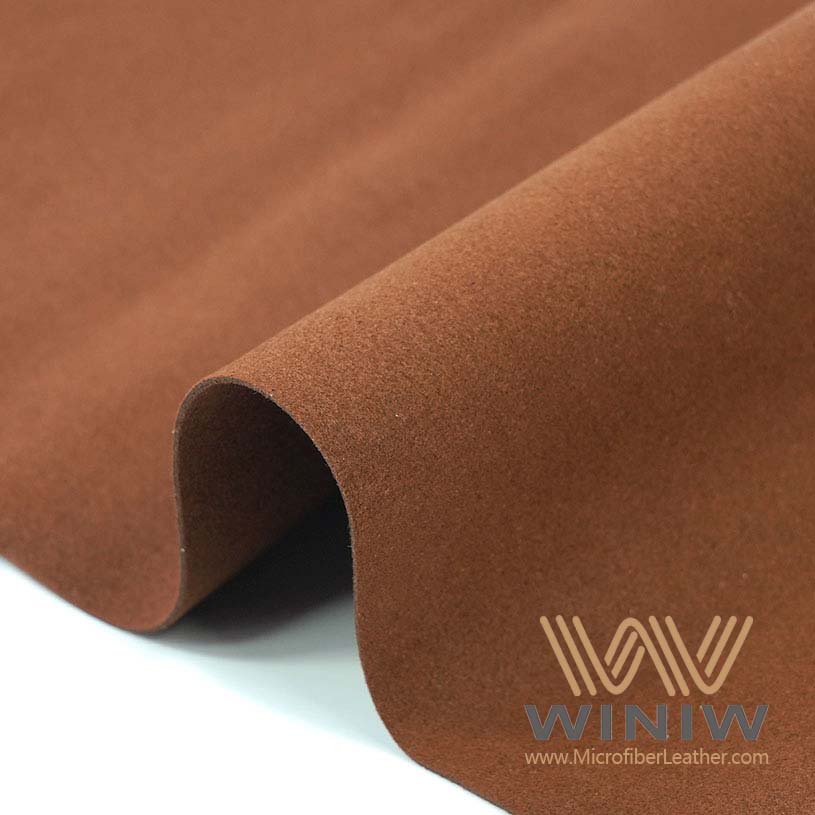
Non woven fabrics have transformed many sectors with their adaptability, cost-effectiveness, and performance. You can find non woven rolls in hygiene, healthcare, filtration, construction, home furnishing, automotive, and packaging. Each sector benefits from the unique properties and benefits of non woven fabric, making these materials essential for modern industrial applications.
Hygiene and Healthcare Uses
You see non woven fabrics at the core of hygiene products and medical supplies. The hygiene segment leads the nonwoven fabric market, driven by the rising demand for disposable items like baby diapers and feminine hygiene products. Urbanization, increased awareness of cleanliness, and an aging population all contribute to this growth. In 2023, the medical and hygiene segment held 47.1% of the market share. Health crises, such as COVID-19, have further increased demand for disposable wipes and feminine hygiene items.
Non woven rolls play a vital role in infection control and patient safety. You use nonwoven filters in heat and moisture exchangers to capture heat and moisture from exhaled breath, preventing airway dryness. These filters act as barriers against bacteria and viruses, protecting patients in breathing circuits. Nonwoven dressing rolls conform to body contours, allowing moisture vapor exchange while preventing contamination. Their structure minimizes trauma during application and removal, supporting healing and reducing infection risks.
Note: The flexibility, breathability, and lightweight nature of non woven fabrics make them ideal for hygiene products and medical supplies, ensuring comfort and safety for users.
Filtration and Environmental Solutions
You rely on non woven rolls for industrial filtration and environmental protection. These materials remove contaminants from air and water, helping industries meet strict quality standards. Non woven fabrics in filtration systems offer high efficiency, durability, and low pressure drop, which improves energy consumption and operational efficiency.
| Key Performance Metrics | Description |
|---|---|
| Filtration Efficiency | Effectiveness in removing contaminants from air and water |
| Pressure Drop | Resistance to airflow, impacting energy use and efficiency |
| Durability of Filter Media | Longevity and reliability in industrial applications |
Non woven rolls help reduce air and water pollution, improve indoor air quality, and conserve natural resources. However, you should consider the challenge of non-biodegradable waste from synthetic fabrics. When you choose non woven fabrics for filtration, you support cleaner environments and more sustainable industrial processes.
Construction and Home Furnishing
You find non woven fabrics in many construction and home furnishing products. In construction, non woven rolls stabilize soil and control erosion. In home furnishings, they appear in upholstery, carpet backing, bedding, acoustic ceilings, and mattress covers. These applications benefit from the durability, flexibility, and performance of non woven fabrics.
Popular product types include:
- Acoustic ceilings
- Carpet backings
- Mattress covers
- Upholstery
You must ensure that non woven rolls meet strict durability and safety standards for these uses.
| Feature | Description |
|---|---|
| UV Resistance | Protects fabric from sunlight, ensuring long-lasting performance |
| Tensile Strength | Provides durability and the ability to withstand significant loads, essential for construction |
| Water Permeability | Ensures effective drainage and prevents waterlogging, suitable for geotextiles |
These features make non woven fabrics reliable for demanding construction and home furnishing environments.
Automotive and Packaging Applications
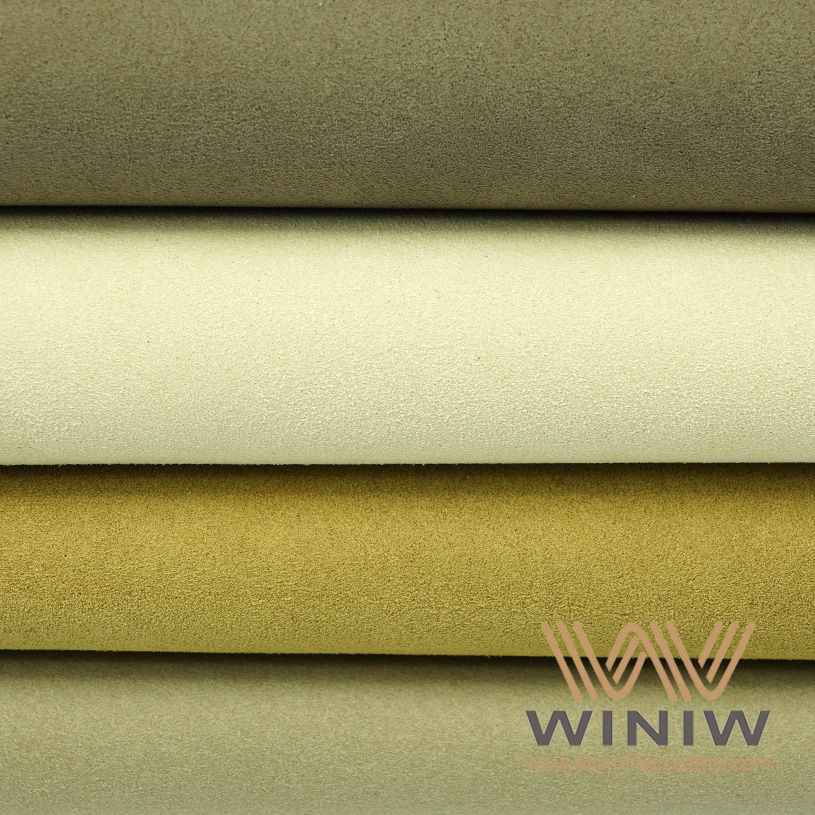
You use non woven rolls in automotive and packaging industries for their strength, lightweight nature, and versatility. In automotive manufacturing, non woven fabrics provide abrasion resistance, thermal protection, and flame resistance. You can easily mold these materials, making them ideal for interior trims, upholstery, and filtration components.
In packaging, non woven fabrics offer protective qualities and help reduce material waste. Their strength and moisture resistance make them suitable for a wide range of packaging solutions. You also benefit from their cost-effectiveness and recyclability, especially when using polyester and polypropylene.
| Attribute | Nonwoven Materials | Alternative Materials |
|---|---|---|
| Cost | Cost-effective, especially polyester and polypropylene | Generally higher costs for traditional textiles |
| Recyclability | High, especially with rPET | Varies, often lower than nonwovens |
| Performance | Strong, moisture-resistant, good acoustic insulation | Varies, often less effective in insulation |
Non woven fabrics enhance manufacturing efficiency by being lightweight, strong, and easy to process, giving you a competitive edge in both automotive and packaging sectors.
Choosing Nonwoven Rolls for Industrial Needs
When you select non woven rolls for your industry, you must consider several criteria to ensure optimal performance and value.
| Criteria | Description |
|---|---|
| Application Requirements | Identify the primary purpose, such as filtration or hygiene products |
| Material Properties | Evaluate strength, durability, and other essential characteristics for your application |
| Environmental Impact | Consider recyclability and biodegradability to address sustainability concerns |
| Cost | Balance quality with budget constraints for cost-effective material selection |
You may face challenges such as securing a reliable supply of raw materials, training your workforce to operate advanced equipment, and integrating non woven rolls into existing production systems. Accurate data collection and real-time monitoring help you maintain quality and efficiency.
Tip: Always match the properties of non woven fabrics to your specific industrial applications. This approach ensures you maximize the benefits of non woven fabric, from hygiene products to construction and beyond.
You gain many advantages from nonwoven roll technology, including higher productivity and lower costs through automation. The market continues to grow as industries demand sustainable solutions.
| Environmental Impact | Sustainability Initiatives |
|---|---|
| High waste output from disposables | Biodegradable nonwovens, recycled materials |
You should consider nonwoven rolls for reliable, certified, and eco-friendly industrial applications.
FAQ
What makes nonwoven rolls different from woven fabrics?
You get nonwoven rolls by bonding fibers, not weaving yarns. This process creates lightweight, porous materials ideal for disposable and industrial uses.
How do you choose the right nonwoven roll for your application?
| Factor | Why It Matters |
|---|---|
| Strength | Ensures durability |
| Absorbency | Matches liquid needs |
| Cost | Fits your budget |
Can you recycle nonwoven rolls?
You can recycle many nonwoven rolls, especially those made from polyester or polypropylene. ♻️ Always check local recycling guidelines for proper disposal.