

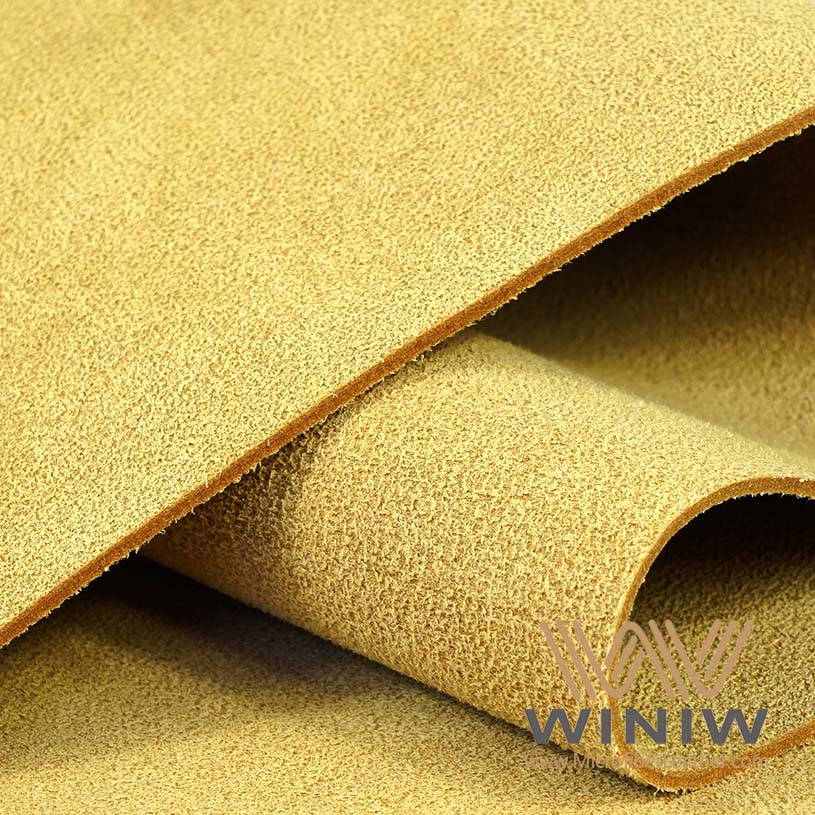
You find stitch bonded nonwovens in products that need strong, stable fabric. Unlike other nonwovens, these fabrics use stitching to hold fibers together, not glue or heat. They stand out because of their durability and versatility. You see them in automotive parts, furniture, and construction.
| Category | Market Size in 2023 |
|---|---|
| Stitch Bonded Nonwovens | $14.2 billion |
| Overall Nonwoven Fabrics Market | $52.56 billion |
Beginners should care because these materials shape many everyday items.
A beginner’s guide to stitch bonded nonwovens and their production
- Stitch bonded nonwovens use stitching to hold fibers together, making them strong and flexible. This unique method enhances durability and performance in various applications.
- These fabrics are breathable and soft, allowing air and moisture to pass through. They are ideal for products that require comfort and stability, such as automotive interiors and furniture.
- The manufacturing process involves web formation and stitch bonding, which can be customized for different properties. Adjusting stitch density allows for control over breathability and strength.
What Are Stitch Bonded Nonwovens?
Basic Definition
You encounter stitch bonded nonwovens when you need a fabric that combines strength and flexibility. Stitch bonded nonwovens are a type of nonwoven material where fibers are held together by stitching threads, not by glue or heat. You see this process use needles and yarns to create a web of fibers that stays intact because of the interlocking stitches. This method sets stitch bonded nonwovens apart from other nonwovens, which often rely on chemical bonding or thermal processes.
When you look at stitch bonded nonwovens, you notice a fabric that feels soft and flexible. The stitching creates a visible pattern on the surface, which gives the fabric a unique appearance. You can easily distinguish stitch bonded nonwovens from other types because the stitches form lines or grids, while other nonwovens may look flat or smooth.
Key Features of Stitch Bonded Fabric
Stitch bonded nonwovens offer several features that make them valuable in many industries. You benefit from their mechanical properties, which result from the stitching process. The stitches spread stress evenly across the fabric, so you get a material that resists tearing and stretching. You also notice that the fabric keeps its shape, even when you use it in demanding environments.
Tip: If you need a fabric that stays soft and breathable, stitch bonded nonwovens are a smart choice. The absence of glue or heat means the fabric remains gentle to the touch, and the stitch patterns allow air and moisture to pass through.
Here is a table that highlights the unique mechanical properties of stitch bonded nonwovens compared to other types:
| Characteristic | Description |
|---|---|
| Strength | Interlocking stitches spread stress evenly, making the fabric durable. |
| Softness | No heat or glue means the fabric stays soft to the touch. |
| Breathability | Stitch patterns create tiny pores, allowing air and moisture to pass through. |
| Durability and Strength | The stitching process creates a robust fabric that can handle stress and wear. |
| Dimensional Stability | The fabric keeps its shape even under pressure or in tough environments. |
| Increased Tensile Strength | Mechanical stitching boosts the fabric’s resistance to tearing and stretching. |
You find stitch bonded nonwovens in products that require abrasion resistance and dimensional stability. The fabric works well in automotive interiors, construction materials, and home textiles. You can rely on stitch bonded fabric for projects that demand both durability and comfort.
When you compare stitch bonded nonwovens to other nonwoven or non-woven fabric types, you see clear advantages. The stitching process gives you a fabric that lasts longer and performs better under stress. You also get a material that feels softer and allows for better airflow, which is important in many applications.
Stitch Bonding Manufacturing Process
Web Formation in Nonwovens
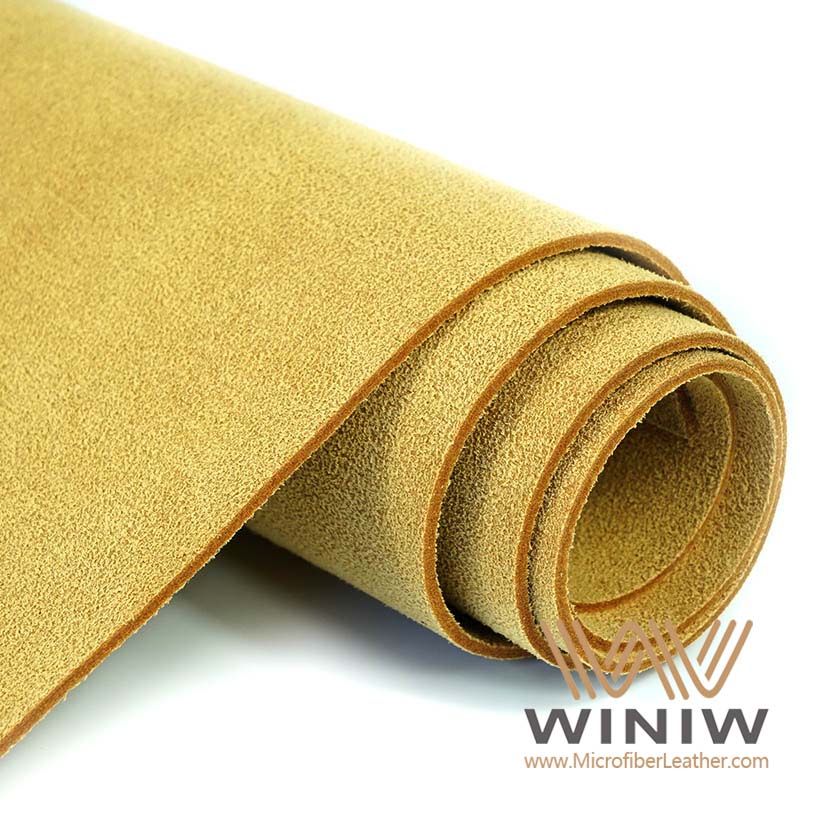
You start the manufacturing process by forming a web. This step creates a base layer of fibers. You lay the fibers down in a uniform mat, which sets the foundation for the fabric. The web can use different fiber types, such as polyester, polypropylene, or recycled cotton. You choose the fiber based on the desired properties and cost. The web formation process ensures that the fibers are evenly distributed, which helps you achieve consistent quality in the final product.
Note: The web forming step is crucial because it determines the strength and uniformity of the finished nonwovens.
Here is a table that summarizes the main steps in the manufacturing process:
| Step | Description |
|---|---|
| Web Forming | You create a base layer of fibers by laying them down in a uniform mat. |
| Stitch Bonding | You process the fiber web using specialized equipment to create a durable fabric. |
Stitch Bonding Techniques
You use stitch bonding to join the fibers in the web. This distinct bonding method relies on mechanical stitching, not glue or heat. You operate machines that use needles and yarns to interlock the fibers. The process combines elements of nonwoven, sewing, and knitting technologies. You often see warp knitting used in stitch bonding, which creates a multi-ply layered structure. This arrangement improves the tensile and impact strength of the fabric. The needle shift technique secures the outer warp layers, giving you flexibility in design and arrangement.
You can adjust stitch density to control breathability and air permeability. You increase stitch density for barrier properties or decrease it for more airflow. Stitch bonding enhances tensile strength and tear resistance. You notice that dimensional stability remains high, even under stress or temperature changes. Media migration resistance also improves, which means the fabric lasts longer in harsh environments.
- Stitch bonding increases tensile strength through mechanical stitching.
- Tear resistance exceeds other bonded alternatives.
- Dimensional stability stays consistent under mechanical stress and temperature variation.
- Media migration resistance ensures long-term durability.
- Breathability and air permeability depend on stitch density.
- You can use various fiber compositions, including recycled options, for sustainability.
- Stitch bonded nonwovens serve medical, automotive, geotextile, and consumer product industries.
Tip: Stitch bonding lets you create fabrics with custom properties by changing the stitch pattern and density.
Materials Used in Stitch Bonded Fabric
You select materials based on the application and cost. Polyester and polypropylene are common choices because they offer durability and cost-effectiveness. Recycled cotton provides eco-friendly options. You may also use jute for cost savings, especially when you blend it with synthetic fibers. This blend produces lighter nonwovens and reduces overall production costs. The choice of fiber affects the properties and price of the final product.
You need to consider safety during manufacturing. Chemical flame retardants can release hazardous substances when burned. You should protect yourself from dust and loose fibers, which may pose health risks. Some fabrics can cause skin irritation if they emit chemicals.
Recent innovations in stitch bonding technology have improved the manufacturing process. Machines now combine stitching and bonding techniques, producing strong, lightweight fabrics. These advancements reduce production time and offer more design options. The global market for stitch bonding continues to grow, driven by demand for versatile and durable textiles.
Note: You can optimize costs by adjusting minimum order quantities and volume pricing tiers. Lower initial costs may lead to higher failure rates and waste, so you should balance quality and price.
Properties and Applications
Main Properties of Stitch Bonded Nonwovens
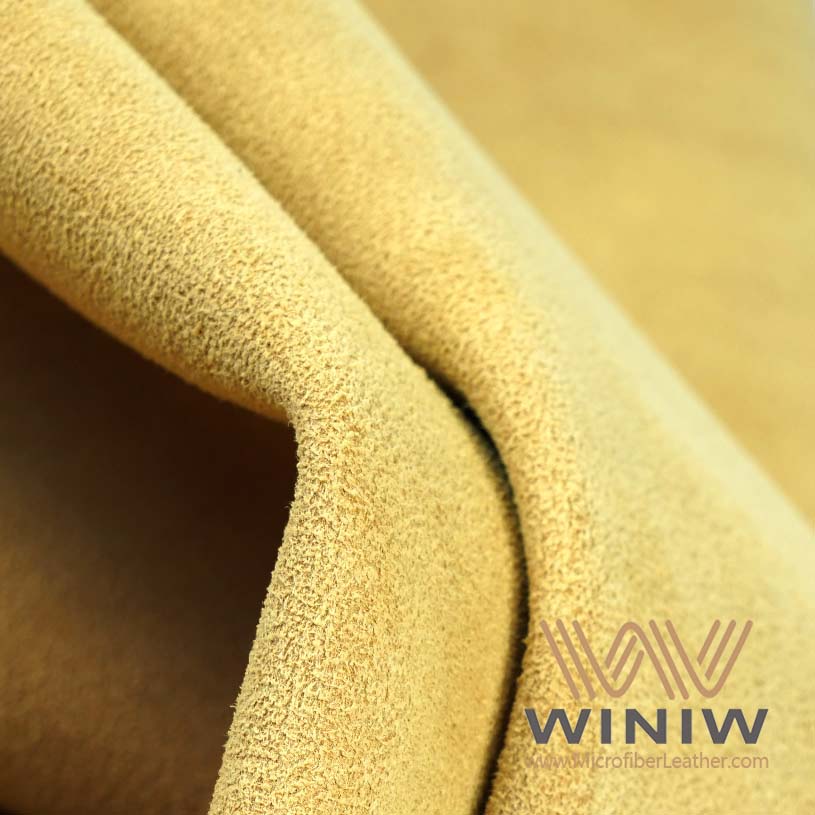
You notice that stitch bonded nonwovens stand out for their physical strength and stability. These fabrics resist tearing and abrasion, making them reliable in tough conditions. You see high tensile strength and good elongation, which means the fabric stretches without breaking. The table below shows how different nonwovens compare in tensile strength:
| Material Type | Tensile Strength (MD) | Tensile Strength (CD) |
|---|---|---|
| PP Spunbond | 14 to 220 N/5cm | 30 to 240 N/5cm |
| PET Spunbond | At least 20 N/5cm | 10 N/5cm |
Stitch bonded fabric has good dimensional stability, meaning it maintains its shape and structure well. This is beneficial for bags that require stability and retain their form.
You benefit from these properties when you need a durable fabric that performs under stress.
Common Applications Across Industries
You find nonwovens in many industries because they offer flexibility and strength. The table below highlights major uses and their advantages:
| Application Area | Advantages | Limitations |
|---|---|---|
| Structural Support in Workwear | Distributes tension, maintains flexibility, performs well under stress | Not as abrasion-resistant, requires pairing with surface fabrics |
| Upholstery Backing and Furniture | Holds structure, allows airflow, resistant to deformation | Not decorative, can fray at edges, lower tear strength |
| Agricultural and Horticultural Protection | Breathable, improves wind resistance, maintains soil coverage | UV resistance varies, not as long-lasting as woven cloth |
| Filtration Support and Technical Media | Maintains shape, prevents collapse, compatible with multi-layer designs | Not fine filtration, stitch pattern affects flow |
| Industrial Packaging and Surface Protection | Soft surface, better tear resistance, reusable | Limited impact absorption, stitching can imprint |
You also see stitch bonded nonwovens in automotive manufacturing. You benefit from their durability, cost-effectiveness, and lightweight nature. These fabrics resist wear, help with fuel efficiency, and are easy to clean. You use them for seat liners, interior panels, and air filter media.
- Strength and durability help prevent tearing and fraying.
- Polyester and polypropylene fibers improve oil resistance and mechanical performance.
- Water resistance and fire retardancy make them suitable for cars.
- Thermal and acoustic insulation add comfort to vehicle interiors.
Environmental Impact and Recyclability
You help the environment when you choose stitch bonded nonwovens. Many companies use recycled polyester and other fibers, reducing waste and conserving resources. You can recycle these fabrics, which means fewer new materials enter production.
- Uses fewer new resources.
- Reduces plastic waste in landfills.
- Factories use less energy and fewer chemicals.
- Allows reuse of old items, benefiting the Earth.
- Utilizes recycled polyester, reducing waste and conserving resources.
You support sustainability by selecting nonwovens that offer eco-friendly options and help conserve materials.
You see stitch bonded nonwovens offer strength, flexibility, and custom properties. You benefit from web formation and spun bond techniques that improve durability. Future advancements in fiber processing and automation will enhance quality. For deeper understanding, explore these resources:
| Title | Description |
|---|---|
| STITCH BONDED NONWOVENS – An overview | Comprehensive guide to stitch bonding and its versatility. |
| Nonwoven fabric: manufacturing and applications | Details stitching techniques and fabric properties. |
FAQ
What makes stitch bonded nonwovens different from regular woven fabrics?
You see stitches holding fibers together, not weaving. This gives you a fabric that feels softer and resists tearing better than many woven fabrics.
Can you wash stitch bonded nonwovens?
You can wash most stitch bonded nonwovens. Always check the care label. Some types handle machine washing, while others need gentle hand washing.
Are stitch bonded nonwovens safe for skin contact?
| Property | Safe for Skin? |
|---|---|
| Polyester | ✅ |
| Polypropylene | ✅ |
| Jute Blend | ⚠️ |
You can use most types safely. Some blends may cause irritation.