

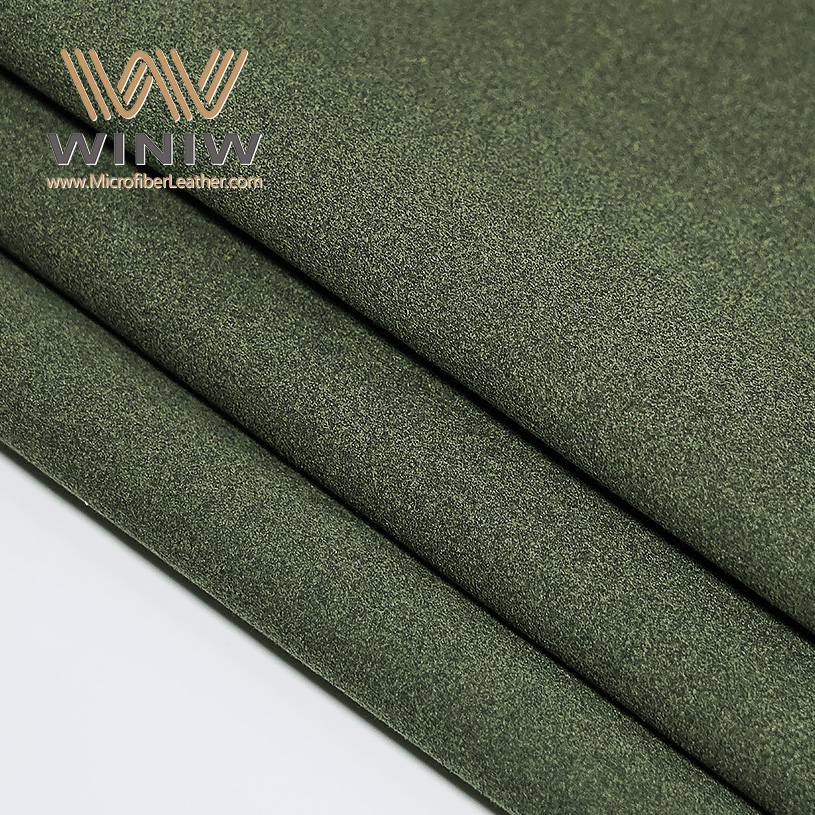
A nonwoven line lets you create fabric directly from fibers, skipping weaving or knitting. This innovative approach supports industries worldwide. Nonwoven fabrics show remarkable versatility, meeting growing demand across regions.
Understanding Nonwoven Lines and Their Working Principles
- Nonwoven lines produce fabric directly from fibers, eliminating the need for spinning and weaving. This process enhances efficiency and reduces production costs.
- Key stages in nonwoven production include fiber preparation, web formation, and bonding. Each stage influences the final fabric’s properties and applications.
- Nonwoven fabrics are versatile and used in various industries, including healthcare, construction, and filtration. They offer benefits like durability, absorbency, and environmental sustainability.
What Is a Nonwoven Line?
Nonwoven Line Definition
You encounter a nonwoven line as an integrated sequence of equipment that manufactures nonwoven fabrics through a continuous and automated process. This system bonds fibers using advanced methods, creating fabrics with properties tailored for diverse industrial needs. Unlike traditional textile manufacturing, you do not rely on spinning yarns or weaving them into fabric. Instead, you use direct bonding techniques that streamline production and boost efficiency.
Note: A nonwoven line stands apart from woven or knitted textile lines. You skip the labor-intensive steps of spinning and weaving, which results in a flexible, cost-effective process. This approach allows you to produce large volumes of material quickly, making it ideal for industries that demand high output and consistent quality.
When you operate a glass fiber nonwoven fabric production line, you work with a system designed for speed and precision. The process integrates fiber preparation, web formation, and bonding in a seamless flow. You can tailor the properties of the final product by adjusting the type of fiber and bonding method. This flexibility supports a wide range of applications, from filtration to medical supplies.
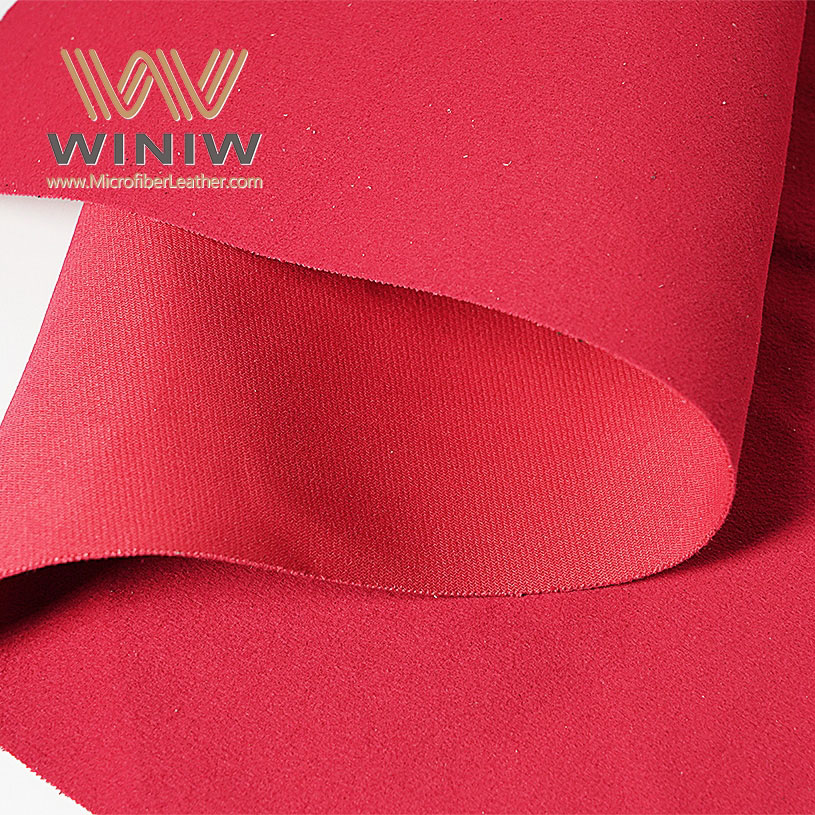
Nonwoven Fabric Processing Line Features
You will notice several features that distinguish a nonwoven line from traditional textile lines:
- You produce nonwoven fabrics without spinning or weaving. Instead, you bond fibers directly using mechanical, chemical, or thermal methods.
- The structure of nonwoven fabrics differs from woven textiles. You achieve a more flexible and variable structure, which can be engineered for specific performance needs.
- You benefit from high efficiency and low production costs. This makes nonwoven technology suitable for disposable products and applications where rapid turnaround is essential.
- You can create fabrics with unique properties, such as breathability or waterproofing, which are not typical in traditional textiles.
When you manage a glass fiber nonwoven fabric production line, you select from a variety of fiber types. The most common fibers include:
- Polyester
- Viscose (rayon)
- Nylon
- Microfiber
- Acrylic cotton
- Bamboo fiber
You also choose from several bonding methods to achieve the desired fabric characteristics. The table below summarizes the most prevalent bonding methods and their market share:
| Bonding Method | Market Share (%) |
|---|---|
| Drylaid | > 40 |
| Wetlaid | Not specified |
| Spunbond | Not specified |
| Meltblown | Not specified |
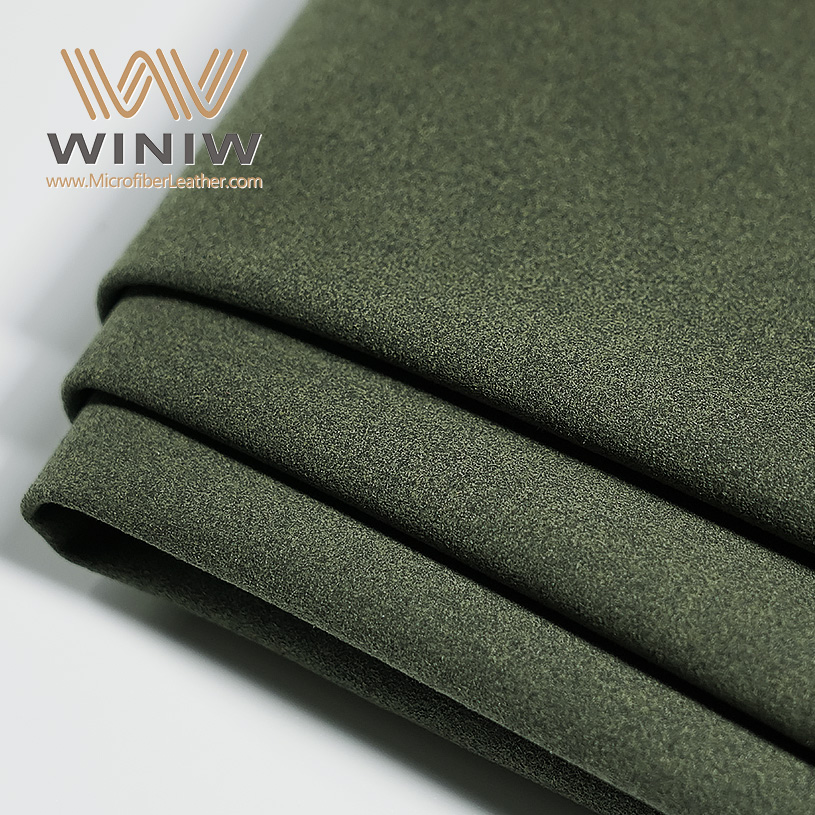
You may encounter misconceptions about nonwoven lines. Some believe that visual inconsistencies in nonwoven fabrics indicate flaws. In reality, these differences often result from camera issues or minor product variations, not from inherent defects. You should focus on color consistency and the absence of visible defects as key quality indicators. Tolerance standards for weight and dimensions help you maintain accurate expectations for your products.
Environmental considerations play a role in your choice of materials and processes. You can use both synthetic and bio-based materials in a glass fiber nonwoven fabric production line. However, about 66% of materials in nonwoven production remain synthetic, which raises environmental concerns. You can address these challenges by adopting recycled or biodegradable materials, reducing the environmental impact compared to traditional textile manufacturing.
A glass fiber nonwoven fabric production line gives you the flexibility to innovate and respond to changing market demands. You can optimize your process for efficiency, quality, and sustainability, ensuring your products meet the highest industry standards.
Nonwoven Production Line Processes
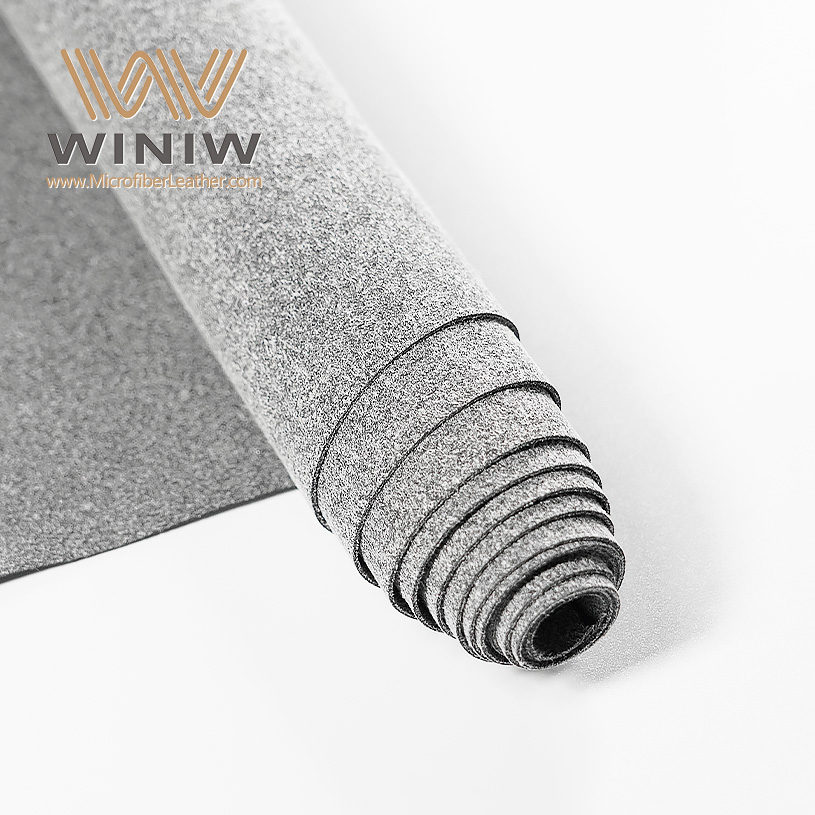
Fiber Preparation in Nonwoven Production
You begin the nonwoven line by selecting and preparing raw materials. The choice of fibers directly impacts the properties of the final nonwoven. You typically work with three main categories:
- Natural fibers
- Vegetable fibers
- Man-made synthetic polymers
Natural fibers, such as sheep’s wool, offer softness and breathability. Vegetable fibers like cotton provide strength and absorbency due to their cellulose content. Man-made synthetic polymers, including polyamide 6.6 (Nylon) and polyamide 6 (Perlon), deliver durability and consistency. You blend these fibers to achieve specific characteristics for high-performance nonwoven fabrics. The fiber preparation stage sets the foundation for the entire process, ensuring that the material meets the requirements for medical, filtration, or industrial applications.
Web Forming Techniques
You move to the web forming stage, where fibers are arranged into a loose sheet or web. This step is crucial for determining the structure and uniformity of the nonwoven. You can choose from several web forming techniques, each with distinct advantages:
- Dry-laid: You card fibers to create a lightweight web. This method gives you flexibility in fiber selection but may result in higher costs and lower throughput.
- Wet-laid: You use water to form a slurry, producing smooth, high-quality webs. This technique requires advanced equipment and significant water resources.
- Spunbond: You convert polymer granules into continuous filaments, forming robust webs at high speeds. This method is limited to thermoplastic polymers but excels in efficiency.
Each web forming method influences the efficiency and output quality of your nonwoven line. You select the technique based on your production goals and the desired properties of the nonwoven fabric.
Bonding Methods: Mechanical, Thermal, Chemical
After forming the web, you must bond the fibers to create a stable structure. You can use mechanical, thermal, or chemical bonding methods. The choice of bonding impacts the strength, durability, and appearance of the nonwoven.
| Bonding Method | Advantages |
|---|---|
| Thermal Bonding | High strength and durability, uniform structure, efficient production, environmental benefits. |
| Chemical Bonding | High strength, customizable properties, uniformity, cost-effective for high-volume production. |
Mechanical bonding, such as needle punching, physically entangles fibers. Thermal bonding uses heat to fuse fibers, resulting in a uniform and durable product. Chemical bonding applies adhesives or binders, allowing you to customize the nonwoven for specific applications. You select the bonding method based on the intended use, whether for medical products like surgical masks or industrial filtration.
Spunlace and Other Nonwoven Fabric Processing Methods
You may choose spunlace technology for applications requiring softness and absorbency. The spunlace process involves several steps:
- Fiber Selection: You choose natural or synthetic fibers and blend them for optimal properties.
- Web Formation: You align and layer fibers using carding and air laying techniques.
- Hydroentanglement: High-pressure water jets entangle the fibers, forming a coherent fabric.
- Drying and Finishing: You dry the fabric and apply finishing processes to enhance performance.
Spunlace differs from other methods, such as airlaid and needle-punched, by using hydroentanglement instead of mechanical or chemical bonding. You achieve a low-linting profile and versatile absorbency, making spunlace ideal for wipes and wound care. However, you must consider higher production costs and increased complexity compared to spunbond or meltblown processes.
Other nonwoven fabric processing methods, like airlaid and needle-punched, offer unique benefits. Airlaid relies on air to deposit fibers, while needle-punched uses barbed needles to entangle them. You select the method that best matches your product requirements and production capabilities.
Tip: Spunlace technology allows you to customize absorbency and cleanliness, which is essential for medical and hygiene products. You can tailor the nonwoven to meet specific fluid management needs.
Equipment in Nonwoven Production Line
You rely on specialized equipment to ensure efficient and high-quality production. Essential pieces of equipment in a typical nonwoven line include:
- Used Rapier Loom
- Used Spinning Machine
- Testing Equipment
- Industrial Belt
- Spinneret
- Embossing Roller
- Washer
- Metering Pump
- Booster Pump
Each machine serves a specific function. The spinneret forms continuous filaments for spunbond processes. The embossing roller creates patterns and textures. Testing equipment monitors quality, while pumps and washers support cleaning and finishing. You optimize your nonwoven line by integrating advanced technology and automation.
Modern nonwoven production lines incorporate artificial intelligence for real-time monitoring and automatic adjustments. You benefit from consistent quality and reduced defects. Small factories use these innovations to identify inefficiencies and minimize wastage. Spunmelt machines combine spinning and bonding, enabling high-speed production of durable materials. You achieve uniform filament laying and strength, which is vital for high-performance nonwoven fabrics.
Recent advancements in automation, robotics, and Industry 4.0 technology have transformed nonwoven production. You can analyze data in real time, reduce operational costs, and increase output. The shift toward biodegradable nonwoven fabrics has led to the adoption of specialized equipment for eco-friendly materials. Automation and machine learning help you adapt to changing market demands and enhance production efficiency.
Note: You must stay updated on the latest technology to maintain a competitive edge in nonwoven production. Innovations in equipment and processes allow you to produce high-quality nonwoven fabric for diverse applications, from medical supplies to industrial products.
Nonwoven Applications and Benefits
Industrial Uses of Nonwoven Fabrics
You find nonwoven materials in a wide range of industrial applications. Their adaptability allows you to meet specific requirements in sectors such as healthcare, construction, agriculture, and filtration. The table below shows how different industries use nonwoven fabric for essential products:
| Sector | Common Applications |
|---|---|
| Medical Textile | Disposable surgical gowns, masks, sterile wound dressings |
| Home Textile | Curtains, upholstery, mattress components |
| Geotextiles | Soil stabilization, erosion control, drainage in civil engineering and construction |
| Apparel and Fashion | Avant-garde clothing, accessories, shoes |
| Agriculture | Crop protection, weed control, soil stabilization, agricultural mulches |
| Construction | Housewrap materials, soil stabilization, erosion control |
| Filtration | Air and liquid filtration systems, HVAC filters, industrial dust collectors, face masks |
You see significant consumption of nonwoven products in the medical, automotive, and hygiene industries. The medical sector relies on nonwoven materials for protective equipment and infection control. Automotive manufacturers use nonwoven for lightweight interiors and soundproofing. Hygiene products, such as diapers and feminine items, represent the largest application area due to their absorbency and comfort.
Advantages of Nonwoven Production
You benefit from several advantages when you choose nonwoven production for industrial applications:
- Cost-effectiveness: Nonwoven materials are cheaper to produce than woven fabrics.
- Versatility: You can engineer nonwoven for specific properties like absorbency, strength, or liquid repellency.
- Durability: These fabrics withstand heavy use, making them suitable for demanding environments.
- Enhanced absorbency: Nonwoven made from natural fibers is ideal for wipes and hygiene products.
- Environmental benefits: You can select recycled or biodegradable fibers, supporting sustainability goals.
- Easy processing: The structure of nonwoven allows for simple cutting and shaping.
You notice that technological advancements in spunbond and meltblown production have improved fiber uniformity and filtration efficiency. These innovations help you respond quickly to market demands, especially in medical and hygiene sectors. Manufacturers now focus on sustainability by using recyclable and biodegradable fibers, supporting circular economy principles. Nonwoven technology enables you to produce high-quality products with lower costs and reduced environmental impact.
Tip: You can customize nonwoven fabrics for specialized applications, such as flame resistance or enhanced filtration, giving you a competitive edge in your industry.
You see nonwoven lines as systems that create fabrics directly from fibers using advanced bonding methods.
- Nonwovens form through fiber preparation, web formation, bonding, and finishing.
- You benefit from automation, high-speed production, and energy efficiency.
| Trend | Description |
|---|---|
| Degradability | Bio-based, biodegradable nonwovens for sustainability. |
| Technological Growth | Smart, multifunctional, and high-performance fabrics. |
Explore nonwoven technology to meet modern industry needs and future trends.
FAQ
What is the main difference between nonwoven and woven fabrics?
You create nonwoven fabrics by bonding fibers directly. Woven fabrics require interlacing yarns. Nonwovens offer faster production and more versatility for industrial applications.
Can you recycle nonwoven fabrics?
Yes, you can recycle many nonwoven fabrics. Choose materials labeled as recyclable or biodegradable to support sustainability in your production process.
Which industries benefit most from nonwoven technology?
| Industry | Key Benefit |
|---|---|
| Healthcare | Infection control |
| Filtration | High efficiency |
| Automotive | Lightweight design |
You see the greatest impact in these sectors.