

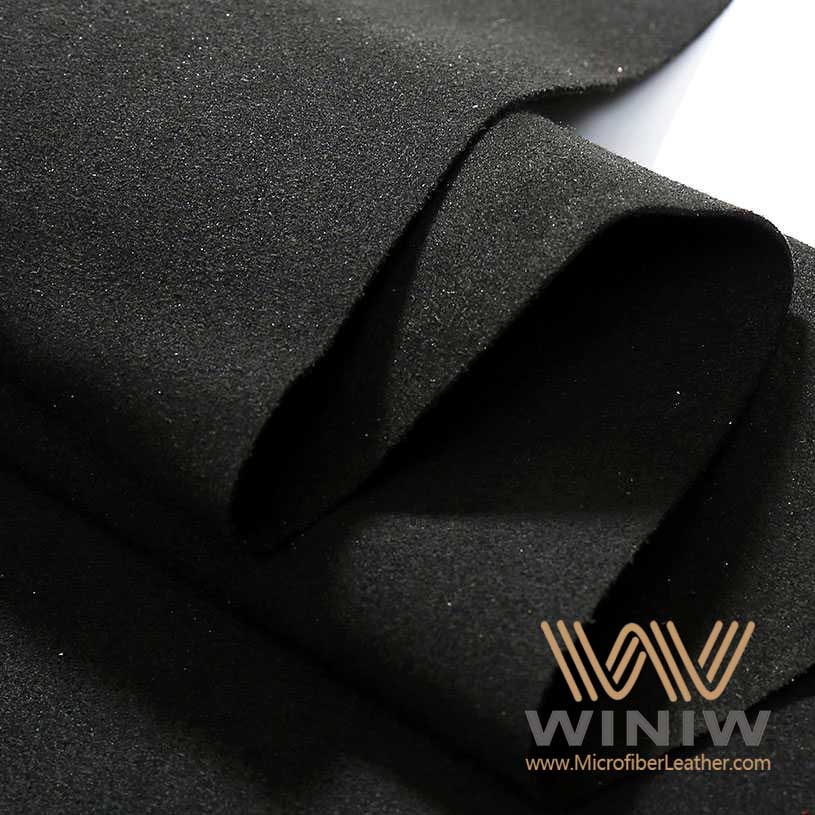
You encounter Nonwoven Spunbond fabric in many products every day. Unlike woven or knitted fabrics, Nonwoven Spunbond relies on bonding loose fibers with heat or pressure, giving it high porosity and permeability.
- The global Nonwoven Spunbond market reached USD 15.29 billion in 2023.
- Experts expect it to hit USD 26.58 billion by 2032.
Exploring Nonwoven Spunbond Fabric and Its Production Steps
- Nonwoven spunbond fabric is lightweight, strong, and breathable, making it ideal for medical and hygiene products like masks and gowns.
- The production process involves melting polymers, forming fibers, and bonding them through heat, resulting in a versatile fabric used in various industries.
- Spunbond nonwoven fabric is cost-effective and environmentally friendly, with applications in agriculture that improve crop yield and farmer income.
What Is Spunbond Nonwoven Fabric
Definition
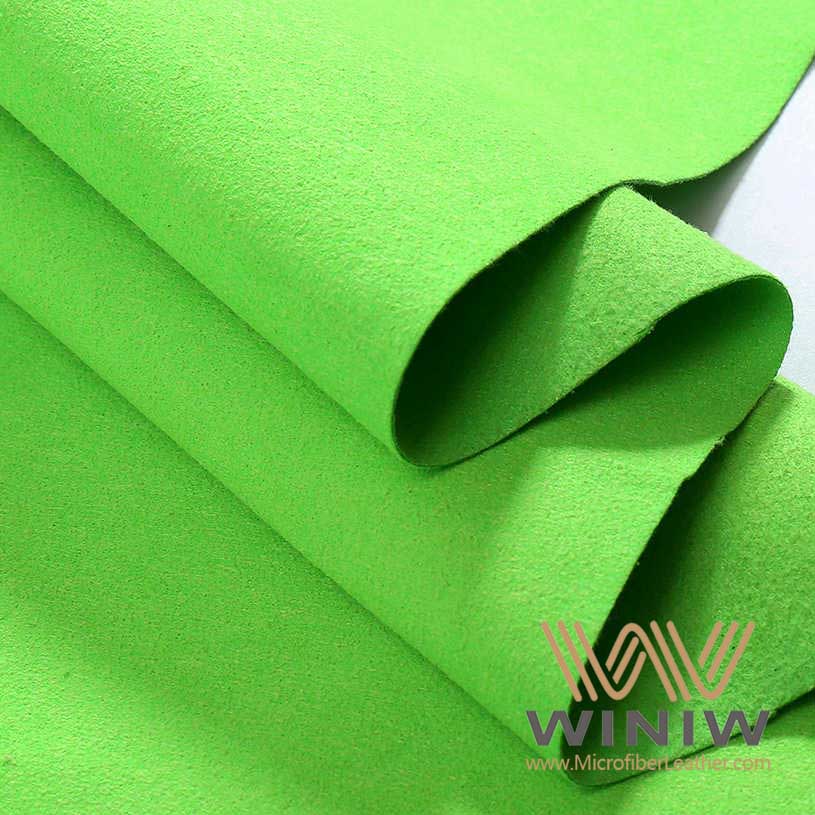
You often see spunbond nonwoven fabric in products that require strength and breathability. This material is made by bonding fibers together without weaving or knitting. Manufacturers use polypropylene or polyester as the main raw materials. They melt these polymers and extrude them onto a conveyor belt, then cool and bond the fibers using heat. This process creates a fabric that is lightweight, strong, and versatile.
According to international standards like ISO 9092 and CEN EN 29092, a nonwoven is an engineered fibrous assembly designed for structural integrity without weaving, knitting, or paper making.
Here is a table that summarizes the most widely accepted definitions in the textile industry:
| Definition | Description |
|---|---|
| Spunbond Nonwoven Fabric | A type of nonwoven fabric made from polypropylene or polyester, used in masks, PPE kits, and agricultural fabric. |
| Manufacturing Process | Made by extruding molten polypropylene onto a conveyor belt, cooled, and bonded through thermal bonding. |
| Applications | Used in medical products, automotive interiors, construction, packaging, agriculture, and furniture. |
| Properties | Lightweight, strong, breathable, cost-effective, resistant to water, chemicals, and UV light, environmentally friendly, and biodegradable. |
Key Features
Spunbond nonwoven fabric stands out because of its unique physical and chemical properties. You benefit from its dense and uniform structure, which gives excellent strength and abrasion resistance. The fabric allows air and moisture vapor to pass through, but it also acts as a barrier against liquids. This makes it ideal for hygiene and healthcare products.
- High permeability and breathability
- Chemical and biological inertness
- Thermal stability with a melting point around 160°C
- Lightweight and strong
- Cost-effective and customizable
You will notice that spunbond nonwoven fabrics are resistant to acids, alkalis, and solvents. They maintain their shape and fit during use, which is important for masks and protective clothing. The breathability and liquid barrier properties make spunbond non woven fabric valuable in medical and hygiene applications.
Here is a table showing how mechanical properties influence applications:
| Mechanical Property | Influence on Application |
|---|---|
| Tensile Strength | Determines the mask’s ability to maintain shape and fit during use. |
| Elongation | Affects comfort and flexibility of the fabric in practical applications. |
| Breathability | Critical for user comfort, especially in personal protective equipment like masks. |
| Filtration Efficiency | Essential for the effectiveness of masks in filtering out particles. |
| Porosity and Thickness | Influence breathability and overall comfort for the user. |
| Mechanical Strength | Impacts durability and the ability to withstand repeated use and cleaning. |
Comparison with Other Fabrics
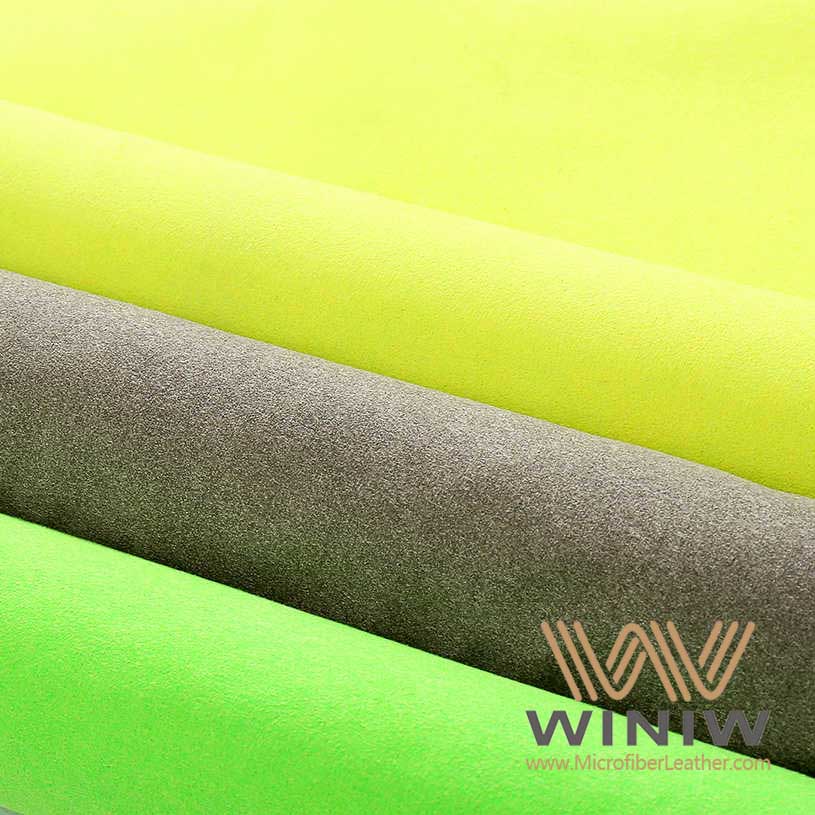
You may wonder how spunbond nonwoven fabric compares to other types of fabrics. Woven fabrics use more yarn and are generally stronger, making them more durable for long-term use. Knitted fabrics offer flexibility but less strength. Nonwoven spunbond is often chosen for disposable products because it balances strength, breathability, and cost.
Here is a quick comparison using a table:
| Type of Nonwoven | Advantages | Disadvantages |
|---|---|---|
| Spunbond | High Strength-to-Weight Ratio, Uniform Properties, Customizability, Cost Efficiency | Limited Stretchability, Environmental Concerns |
| Meltblown | High Filtration Efficiency, Softness and Comfort, Versatility, Barrier Properties | Mechanical Strength, Cost, Environmental Impact |
| Needle-Punched | Excellent Strength, Porosity, Versatility | Production Complexity |
- Woven fabrics are preferred for durability.
- Spunbond nonwoven fabrics are ideal for applications that need breathability and moderate strength.
- Meltblown fabrics excel in filtration but lack mechanical strength.
- Needle-punched fabrics offer versatility and strength but require complex production.
You can see that the choice depends on your needs. If you want a fabric for disposable masks or hygiene products, spunbond non woven fabric offers the right balance of properties.
Nonwoven Spunbond Fabric Production
You can understand the value of nonwoven spunbond by looking at how the manufacturing process works. This process transforms simple polymers into advanced fabrics used in many industries. Let’s break down each step so you can see how raw materials become spunbond nonwoven fabric.
Raw Materials
You start with high-quality polymers as the foundation for spunbond nonwoven fabric. The most common raw materials include:
- Polypropylene (PP): Chosen for its low cost, chemical stability, and excellent processing properties.
- Polyester (PET): Offers higher strength and better temperature stability. Recycled PET (r-PET) is also popular for sustainability.
- Polyethylene: Used for specific applications where flexibility or softness is needed.
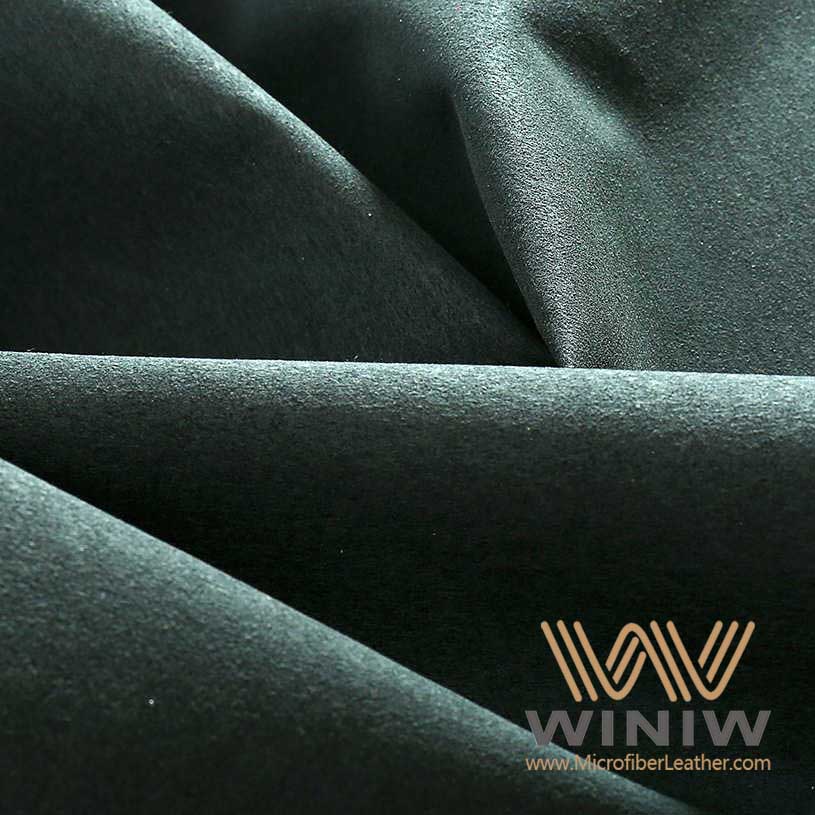
You need to pay attention to the quality of these polymers. For example, polypropylene granules must meet strict standards to ensure consistent results in the spunbond manufacturing process. Here’s a table that shows the key quality parameters for polypropylene:
| Quality Parameter | Description |
|---|---|
| Melt Flow Index (MFI) | Measures the flowability of polypropylene during extrusion, critical for consistent filament formation. |
| Molecular Weight | Affects the tensile strength and elasticity of the final fabric, ensuring durability under stress. |
| Tensile Strength | Indicates the fabric’s ability to withstand tension, essential for applications like medical masks. |
Spinning and Web Formation
You move to the heart of the spunbond manufacturing process with spinning and web formation. This stage transforms molten polymer into a continuous web of fibers. The steps include:
- Spinning the Continuous Filaments: You melt the polymer and push it through a spinning nozzle, called a spinneret. This forms fine, continuous filaments.
- Quenching and Attenuation: You cool the filaments quickly with air. Then, you stretch them to increase their strength and reduce their diameter.
- Web Laydown and Formation: You collect the filaments on a moving conveyor belt, forming a uniform web.
The design of the spinning nozzle plays a big role in the properties of spunbond nonwoven fabrics. You can adjust the fiber diameter from about 10 micrometers to sub-micron sizes. This flexibility lets you create fabrics with different strengths and filtration abilities. Improved nozzle designs help you achieve better fiber continuity, which means stronger and more reliable nonwoven spunbond products.
You should also consider the energy and environmental impact of this stage. The extrusion system uses a lot of thermal energy to melt the polymer. Quenching and drawing systems require powerful fans, which consume significant electricity. High-efficiency motors can help reduce energy use by matching motor speed to the process needs.
| Energy Consumer | Description |
|---|---|
| Extrusion System | Requires significant thermal energy to melt polymer |
| Quenching and Drawing System | Major consumers of energy due to powerful fans |
| High-Efficiency Motors | Reduce electrical power needed |
Bonding and Finishing
You complete the spunbond non woven fabric by bonding the web and applying finishing treatments. Several bonding techniques are available, each with unique benefits:
- Thermal Bonding: You apply heat to fuse the fibers. This method creates strong and resilient fabrics, perfect for hygiene and medical products.
- Chemical Bonding: You use adhesives to bond the fibers. This approach lets you add properties like waterproofing or extra softness.
- Hydroentanglement: You use high-pressure water jets to mechanically bond the fibers. This method increases breathability and is environmentally friendly.
- Needle Punching: You mechanically interlock the fibers with barbed needles. This technique produces durable fabrics without chemicals.
- Fusion Bonding: You combine heat and pressure for consistent bonding, which enhances strength and surface properties.
- Electrostatic Bonding: You use electrical charges to gently bond fibers, ideal for high-performance filters.
After bonding, you can apply finishing treatments to improve the performance and appearance of spunbond nonwoven fabric. Common treatments include:
- Chemical treatments for specific properties, such as flame retardance or UV resistance.
- Embossing to add decorative or functional patterns.
- Dyeing and printing for color and branding.
- Hydrophilic or repellent finishes to control liquid absorption or resistance.
- Antistatic coatings to reduce dust attraction.
- Cutting and slitting to achieve the desired dimensions.
- Lamination to bond multiple layers for extra functionality.
Tip: You can tailor spunbond non woven fabric for many uses by choosing the right bonding and finishing methods. This flexibility makes spunbond a top choice for medical, hygiene, industrial, and consumer products.
You see that the spunbond manufacturing process combines advanced materials, precise engineering, and innovative finishing. This approach produces spunbond nonwoven fabric that meets the demands of modern industries.
Spunbond Nonwoven Fabric Uses
Medical and Hygiene
You see spunbond non woven fabric in many medical and hygiene products. This material offers strength, breathability, and barrier protection, making it ideal for healthcare settings. You find it in surgical gowns, masks, drapes, wound dressings, and hygiene items. The COVID-19 pandemic caused a surge in demand for these products, especially for protective apparel and facemasks. Manufacturers have worked at full capacity to meet this need. Regulatory bodies like the FDA and the European Union require strict standards for medical nonwovens, including biocompatibility and performance tests.
Medical and hygiene applications account for 73% of global spunbond non woven fabric production. The hygiene segment alone uses over 55%, while medical uses represent nearly 18%.
Industrial and Agriculture
You benefit from spunbond nonwoven fabrics in industrial filtration and agriculture. In farming, these fabrics protect crops from pests, animals, and climate changes. Farmers now harvest up to 99% of their crops, compared to 80% before using these fabrics. Income has increased by 20-25% due to better crop quality. In India, 20-25% of agricultural land uses crop protection fabrics.
| Evidence Type | Details |
|---|---|
| Crop Protection Effectiveness | Nonwoven fabrics shield plants from climate change, pests, and animals, enhancing productivity. |
| Yield Improvement | Farmers now harvest around 99% of crops compared to 80% previously due to these fabrics. |
| Income Increase | Farmer incomes have increased by an average of 20-25% due to enhanced crop quality. |
| Adoption Rate | Acceptance of crop protection fabrics has reached 20-25% of agricultural land in India. |
You also help the environment by choosing these fabrics. UV resistant, water resistant, and biodegradable options reduce environmental impact. These fabrics improve soil moisture, control weeds, and make farming more efficient.
Consumer Products
You encounter spunbond non woven fabric in many everyday items. Manufacturers choose it for disposable masks, gloves, diapers, sanitary napkins, house wraps, drapes, upholstery, tea bags, and agricultural fabrics. The cost-effectiveness of this material allows companies to produce affordable, high-quality goods. This advantage is especially important for disposable and hygiene products.
| Consumer Product | Application Purpose |
|---|---|
| Disposable masks | Personal protective equipment for health safety |
| Use and throw gloves | Hygiene and protection in various settings |
| Child diapers | Absorbency and comfort for infants |
| Sanitary napkins | Hygiene management for women |
| House wraps | Protection and insulation in construction |
| Drapes and upholstery | Aesthetic and functional home furnishing products |
| Tea bags | Containment and brewing of tea |
| Agricultural fabrics | Weed control and crop protection |
You see that spunbond nonwoven fabrics offer versatility and value in daily life and industry. Their unique properties support health, improve agriculture, and make consumer goods more accessible.
You see spunbond nonwoven fabric as a lightweight, breathable material made from polypropylene filaments bonded into a web. This fabric supports healthcare, construction, and agriculture with durability and eco-friendly qualities.
- Easy recyclability
- High chemical resistance
- Growing demand in hygiene and sustainable products
You benefit from its versatility every day.
FAQ
What makes spunbond nonwoven fabric different from regular fabric?
You see spunbond nonwoven fabric made without weaving or knitting. Manufacturers bond fibers directly, which gives you a lightweight, breathable, and strong material.
Can you recycle spunbond nonwoven fabric?
Yes! You can recycle most spunbond nonwoven fabrics, especially those made from polypropylene. Always check local recycling guidelines for best results.
Where do you find spunbond nonwoven fabric in daily life?
- You find it in face masks, diapers, shopping bags, and crop covers.
- Many hygiene and medical products use spunbond nonwoven fabric for safety and comfort.