

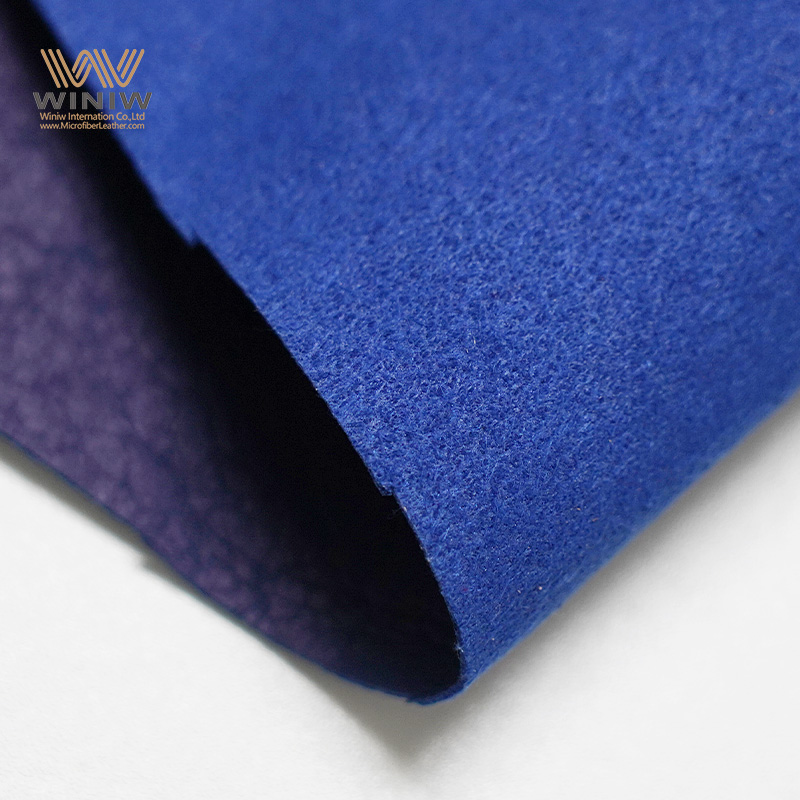
Stitch bonded nonwovens use needle and thread to lock fibers together, creating a strong and flexible textile. You notice their unique construction when compared to thermal or chemical bonding methods, as shown below:
| Bonding Method | Description | Characteristics |
|---|---|---|
| Stitch Bonding | Uses needle and thread to make stitches | Strong and flexible fabric |
| Thermal Bonding | Melts fibers with heat | No stitching used |
| Chemical Bonding | Uses glue or chemicals | Various types of glue |
You see their importance in the market:
- Stitch bonded nonwovens market size in 2023: $14.2 billion
- Overall global nonwoven fabrics market size in 2023: $52.56 billion
Understanding how these fabrics are made helps you recognize their special qualities and potential uses.
Key Takeaways
- Stitch bonded nonwovens use needle and thread to create strong, flexible fabrics, making them ideal for various applications.
- These fabrics offer high tensile strength and durability, making them suitable for demanding environments like automotive and construction.
- Sustainability is a growing focus, with many stitch bonded nonwovens made from recycled materials, reducing waste and environmental impact.
Stitch Bonded Nonwovens Overview
What Is Stitch Bonded Fabric
You encounter stitch bonded nonwovens in many industries because of their unique structure. These fabrics use a combination of fibers and yarns, held together by a series of stitches. You can see the difference when you compare them to other types of nonwoven fabric. Instead of relying on heat or chemicals, stitch bonded fabric uses needles and yarns to create interlooped stitches along the length of the material.
Stitch bond fabric is defined as a fabric in which fibres, yarns, fibres and yarns, or fibres and a ground fabric are held together by subsequent stitching or knitting-in additional yarns. The Textile Institute defines stitch bonded or ‘sew-knit’ fabric as a multi-component fabric, one component of which is a series of interlooped stitches running along the fabric length.
You notice that this construction gives the fabric a distinct appearance. The stitches form visible lines or patterns on the surface. You can identify stitch bonded nonwovens by their textured look and the presence of yarns running through the web. This method creates a strong and flexible nonwoven fabric that stands out from other bonding techniques.
You may wonder how this technology developed. The timeline below shows key moments in the history of stitch bonded nonwovens:
- Mid-20th Century: Initial developments in stitch bonded nonwovens began, focusing on advancements in manufacturing processes.
- 1949: Dr. Heinrich Mauersberger invented the modern stitch-bond process and created the first Maliwatt machine for efficient production.
- 1968: Arno Wildeman started manufacturing stitch-bonded non-woven fabric in the UK, commercializing its use in the West.
- Early 1970s: Wildeman redesigned the original stitch-bonding concept, leading to modern machines that are still in use today.
Key Features of Nonwoven Fabric
You find several features that make nonwoven fabric, especially stitch bonded nonwovens, valuable in different applications. The structure gives you high tensile strength and impressive elongation. You can see these mechanical properties in the table below:
| Specimen | Ultimate Tensile Strength (MPa) | Elongation (%) |
|---|---|---|
| S1 | 5.4 ± 0.4 (MD), 3.4 ± 0.3 (CMD) | 208 ± 18 (MD), 172 ± 14 (CMD) |
| S2 | 6.7 ± 0.5 (MD), 3.9 ± 0.3 (CMD) | 218 ± 20 (MD), 184 ± 16 (CMD) |
| S3 | 5.7 ± 0.5 (MD), 3.6 ± 0.3 (CMD) | 223 ± 19 (MD), 210 ± 19 (CMD) |
| S4 | 6.0 ± 0.5 (MD), 4.2 ± 0.4 (CMD) | 239 ± 19 (MD), 241 ± 21 (CMD) |
| S5 | 13.5 ± 0.6 (MD), 5.6 ± 0.3 (CMD) | 135 ± 7 (MD), 153 ± 8 (CMD) |
You benefit from the durability and flexibility of stitch bonded nonwovens. The fabric resists tearing and stretches well in both machine direction (MD) and cross-machine direction (CMD). You also notice that manufacturers use materials like polypropylene to enhance these properties. Polypropylene gives the nonwoven fabric lightweight strength and chemical resistance.
You can summarize the key features of nonwoven fabric used in stitch bonded nonwovens:
- High tensile strength and elongation
- Visible stitch patterns for easy identification
- Flexibility and resistance to tearing
- Lightweight and chemical resistant, especially when made with polypropylene
- Unique texture and appearance compared to other nonwoven fabric types
You see that stitch bonded nonwovens combine advanced manufacturing with practical benefits. You can rely on their performance in demanding environments, and you recognize their distinct look among other nonwoven fabric options.
Stitch Bonding Process and Manufacturing
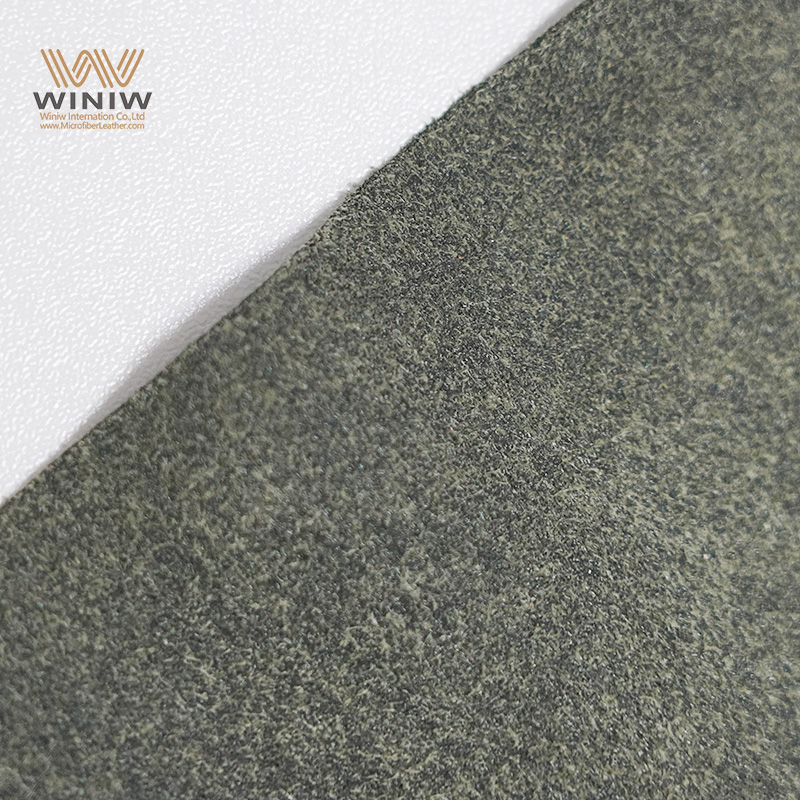
Web Formation in Manufacturing Process
You start the manufacturing process for stitch bonded nonwovens by forming a web. This web acts as the foundation for the fabric. You arrange loose fibers into a thin sheet, which gives the material its initial structure. You use several types of machinery to create this web:
- Carding machines align fibers into uniform layers.
- Air-laying systems disperse fibers with air streams, creating random orientations.
- Cross-lapping equipment positions fibers in alternating directions, which boosts fabric strength.
You follow these main steps during web formation:
- Web Formation: You arrange fibers into a thin layer called a web.
- Bonding: You treat the web to consolidate it and increase its strength.
You notice that the choice of machinery and method affects the final properties of the nonwoven. Carding produces a smooth, consistent web, while air-laying creates a more random structure. Cross-lapping enhances durability, which is important for demanding applications.
Stitch Bonding Technique Explained
You move to the stitch bonding process after forming the web. This step uses mechanical stitching to lock fibers together. You guide needles and yarns through the web, creating interlooped stitches that hold the fibers in place. You may hear this technique called wedge bonding in some industries.
You control several key parameters during stitch bonding:
- Ultrasonic power: You use ultrasonic energy to break down contamination and oxide layers, which improves adhesion between fibers.
- Bonding force: You apply force to produce sliding friction at the interface, which helps form strong bonds.
- Stitch density: You adjust the number of stitches per inch to control porosity and tensile strength.
You rely on mechanical stitching to create a durable, flexible fabric. You monitor needle thread tension to maintain stitch balance and prevent defects. You also inspect the grey fabric before processing and perform final quality checks for color consistency and finishing.
The measurement and control of the needle thread tension curve is used to monitor the balance of the modified lock stitch.
You see that modern stitch bonding machines enhance production efficiency and reduce material waste. Automation and smart technology, such as AI and IoT, allow you to monitor and adjust the manufacturing process in real time. You benefit from improved durability and reduced environmental impact when you use eco-friendly materials.
| Advancement Type | Description |
|---|---|
| Stitch Bonding Machines | Enhance production efficiency, reduce material waste, and improve fabric durability. |
| Automation and Smart Tech | Integration of AI and IoT for real-time monitoring and adjustments in production lines. |
| Eco-friendly Materials | Exploration of sustainable bonding materials and methods to reduce environmental impact. |
Materials and Properties
You select materials carefully for stitch bonded nonwovens. Polyester is a common choice because it offers strength and durability. You may also use cotton, Kevlar, or other synthetic and organic fibers. You can customize the yarn structure to improve flexibility and thermal resistance.
You choose from a range of technical specifications:
- Stitch count: 12, 14, 18, or 22 needles
- Weight: 70–300 g/㎡
- Width: 210–320 cm (can cut into tapes)
- Length: 100 or 200 meters
- Color: white, black, or custom prints
- Features: waterproof, sustainable
You notice that the type of fiber and stitch density influence the physical properties of the nonwoven. Polyester gives you lightweight strength and chemical resistance. Cotton provides softness and breathability. Kevlar adds high tensile strength for specialized uses. You adjust stitch density to control porosity and tensile strength.
You also consider environmental impacts. You see a growing movement to use biodegradable and organic fibers, such as chitin and cotton, instead of petrochemical-based materials. You recognize that sustainability concerns have increased, especially in healthcare, where disposable nonwovens generate significant waste.
The sustainability concerns surrounding nonwovens became more pronounced during the pandemic, as hospitals and other healthcare facilities generated significant amounts of waste in medical textiles. Although disposable equipment in healthcare is essential for preventing infections, there is a growing interest in addressing the mounting problem of waste with biodegradable alternatives.
You compare the energy consumption of stitch bonding to other nonwoven manufacturing techniques. Stitch bonding uses mechanical energy, which is generally lower than hydroentanglement but similar to needle-punching and thermal bonding.
| Bonding Technology | Primary Energy Type | Typical Energy Consumption (kWh/kg of product) | Key Advantages | Key Energy Challenges |
|---|---|---|---|---|
| Thermal Bonding (Calender) | Thermal (Electric/Oil) | 0.2 – 0.5 | High speed, low maintenance | Heating large roller mass, radiant heat loss |
| Needle-punching | Mechanical (Electric) | 0.3 – 0.7 | Creates bulk and strength | High motor loads, mechanical friction |
| Hydroentanglement (Spunlace) | Electric & Thermal | 1.5 – 3.0 | Superior softness, no binders | High-pressure water pumping, fabric drying |
| Chemical Bonding | Thermal | 0.8 – 1.5 | Versatility, specific properties | Curing oven energy, VOC abatement |
You see that stitch bonded nonwovens offer a balance of strength, flexibility, and sustainability. You can tailor the manufacturing process and material selection to meet specific requirements for different industries. You rely on mechanical stitching and advanced technology to produce high-quality nonwovens with minimal environmental impact.
Applications of Stitch Bonded Nonwovens
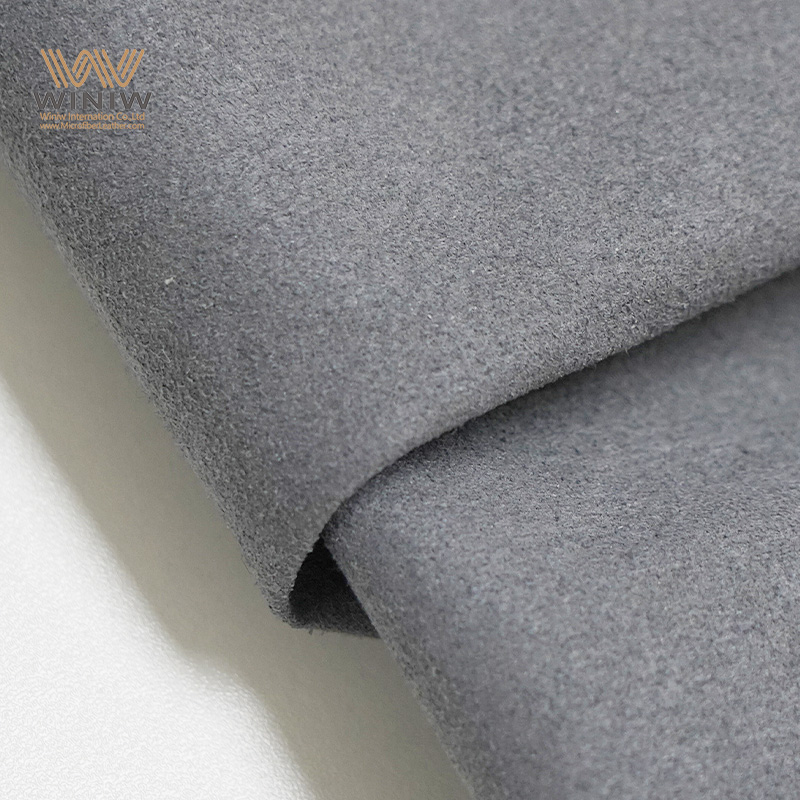
Industry Uses
You see stitch bonded nonwovens in a wide range of industries because of their versatility and performance. These nonwovens serve as essential materials in many products you use every day. Here are some common applications:
- Home textiles, including blankets and furniture padding
- Shoe components and carpet backing
- Geotextiles for road and railway construction
- Substrates for PU coated materials
- Car interiors and insulation wraps
- Aerospace and ship building
- Wind turbine units
- Packaging liners and composite fabrics
- Roofing layers and wall barriers
You notice that nonwovens play a key role in both consumer and industrial products. Their unique structure allows you to use them in demanding environments, such as automotive and construction, while also providing comfort in bedding and furniture.
Advantages and Limitations
You benefit from several advantages when you choose stitch bonded nonwovens. The table below highlights key features that make these nonwovens valuable in bedding and furniture:
| Feature | Description |
|---|---|
| Strength | High tensile and tear resistance for durability |
| Durability | Stable structure suitable for long-term use |
| Versatility | Good drapability and moldability for many applications |
You also find that nonwovens support sustainability. Many are made from recycled polyester, which reduces waste and energy use. Their durability means you replace them less often, lowering your environmental impact.
However, you should consider some limitations:
- Elongation under load can cause stretching in high-tension uses
- Higher fiber shedding compared to woven fabrics
- Not all nonwovens are biodegradable, contributing to waste
- Performance may decrease in extreme temperatures or moisture
- Limited recycling options and regulatory challenges
You weigh these factors when selecting nonwovens for your projects, ensuring you match their strengths to your specific needs.
You recognize stitch bonded nonwovens for their dimensional stability, high tensile strength, abrasion resistance, and moisture management. You see manufacturers use these fabrics for durable bags, protective covers, and unique clothing. You can explore stitch bonded nonwovens to improve product performance and discover new possibilities in design.
FAQ
What makes stitch bonded nonwovens different from other nonwovens?
You see visible stitch lines in the fabric. Stitch bonding uses yarn and needles, not heat or chemicals, to lock fibers together.
Can you recycle stitch bonded nonwovens?
You can recycle some stitch bonded nonwovens, especially those made from polyester. Always check local recycling guidelines for textile materials.
Where do you commonly use stitch bonded nonwovens?
You find these fabrics in bedding, automotive interiors, geotextiles, and furniture padding. Their strength and flexibility make them suitable for many industries.