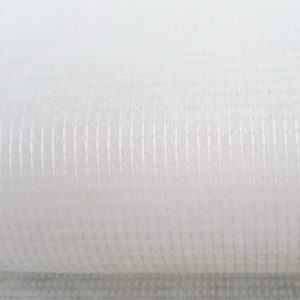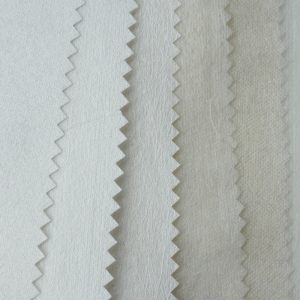


wehewehe
Hoʻolauna i ka WINIW Non Woven Microfiber Cleaning Lole
Ke kū nei ʻo WINIW Non Woven Microfiber Cleaning Cloth ma ke ʻano he hopena hoʻololi i ka ʻoihana hoʻomaʻemaʻe, ʻenehana kūikawā e wehewehe hou i ka pono a me ka maʻalahi i ka mālama kaʻa a ma waho. ʻAʻole like me nā lole hoʻomaʻemaʻe maʻamau (e like me ka pulupulu lole, kāwele pepa, a i ʻole nā lole microfiber i ulana maʻamau), ʻO kā mākou lole microfiber non woven e hoʻohui i ka ʻenehana fiber kiʻekiʻe a me nā kaʻina hana hana hou e hāʻawi i ka hana ʻoi aku ka maikaʻi - e lilo ia i koho mua no nā mea kikoʻī kaʻa ʻoihana., hale hana kaʻa, a me nā mea nona nā kaʻa e ʻimi nei i nā hopena hoʻomaʻemaʻe meticulous.
Aia ke kumu o ka maikaʻi o kā mākou huahana i kāna ʻano hana ʻole i ulana ʻia a me ka microfiber maikaʻi loa. Hana ʻia kēlā me kēia lole mai nā microfibers ʻokiʻoki me nā diameters liʻiliʻi e like me 0.1-0.5 microns. (1/200 ka mānoanoa o ka lauoho kanaka), ka hana ʻana i kahi ʻekolu “micro-brush” ka hopena e komo i nā āwaha liʻiliʻi ma luna o nā ʻili (e.g., pena kaʻa, aniani, nā māwae dashboard) e hei i ka lepo, aila, a me nā kulu wai—ma mua o ka hoʻokuke ʻana iā lākou e like me nā lole maʻamau. ʻAʻole wale kēia e hōʻoia i ka hoʻomaʻemaʻe ʻole ʻana a me ka lint-free akā pale pū kekahi i nā wahi palupalu (e like me ka pena kaʻa a me nā pale uila) mai nā ʻōpala, he hemahema maʻamau o nā mea hoʻomaʻemaʻe kuʻuna ʻanoʻino.
ʻOiai ʻoi aku ka maikaʻi no ka hoʻomaʻemaʻe kaʻa a me ka maloʻo (me ka pena o waho, puka makani, nā kaʻa, a me nā papa kuhikuhi o loko), ʻO WINIW Non Woven Microfiber Cleaning Cloth e hoʻonui i ka nui o nā hiʻohiʻona.: hoʻomaʻemaʻe hale (lumi kuke, puka aniani, lako lako), mālama pono uila (laptops, smartphones, nā kamera), a me ka hoomaemae hana (mīkini pololei, mea hana keena hana). ʻO kona hiki ke kaulike i ka palupalu, ka lōʻihi, a ʻo ka absorbency ka mea e hoʻomaʻemaʻe multi-functional pono no ka ʻoihana a me ka hoʻohana ʻana i kēlā me kēia lā.
Huina Mea & Kaʻina Hana Hana
ʻO ka hana kūʻokoʻa o WINIW Non Woven Microfiber Cleaning Cloth no kāna mau mea waiwai kiʻekiʻe a me ke kaʻina hana hana maʻalahi - ua kāohi paʻa ʻia kēlā me kēia hana e hōʻoia i ka kūlike, ka lōʻihi, a me ka hana.
1. Koho Mea Kiko Premium
Hoʻohana mākou i kahi hui o poliester (PET) a polyamide (PA, ʻike nui ʻia ʻo nylon) e like me nā mea kumu no kā mākou microfibers ʻole i ulana ʻia, me ka lākiō ʻepekema e kaulike ana i ka lawe ʻana i ka wai, ʻaila ʻaila, a me ka ikaika tensile. ʻO nā ʻāpana mea kiko'ī penei:
| Mea Mahele | Laki maʻiʻo | Anawaena pulupulu | Hana Ki | Kūlana Kūlana |
|---|---|---|---|---|
| Polyester (PET) | 70%–80% | 0.1-0.3 microns | Hāʻawi i ka ikaika kūkulu, ʻaʻahu kūʻē, a me ka hiki ke hoʻopaʻa lepo; e mālama i ka lole ma hope o ka hoʻohana pinepine ʻana a me ka holoi ʻana | ʻO nā pēpē PET wahine (FDA 21 Mahele CFR 177.1520 hooiaio, ʻona ʻole a ʻala ʻole) |
| Polyamide (PA 6/66) | 20%–30% | 0.3-0.5 microns | Hoʻonui i ka wai a me ka ʻaila (Loaʻa iā PA nā waiwai hydrophilic a lipophilic); hoʻohui i ka palupalu e pale aku i ka ʻili ʻili | Kiʻekiʻe-tenacity PA chips (ikaika tensile ≥8.5 cN/dtex, hōʻoia i ka lōʻihi o ka fiber) |
| Nā mea hoʻohui hana | ≤2% | — | ʻAi kūʻokoʻa (hōʻemi i ka hoʻopili hou ʻana o ka lepo); mea lāʻau antibacterial (keʻakeʻa i ka ulu ʻana o ka mold); UV hoʻopaʻa (no ka hoohana waho) | EU REACH-kupono, hoʻonanea ʻole i ka ʻili kanaka |
No ke aha kēia hui ʻana? ʻO nā microfibers polyester maʻemaʻe ka lōʻihi akā ʻaʻole maikaʻi ka lawe ʻana i ka wai, ʻoiai ʻo ka polyamide maʻemaʻe e hoʻopaʻa nui ʻia akā hiki ke ʻaʻahu. ʻO kā mākou 70/30 i 80/20 ʻO ka lākiō PET/PA ke kau i ke kaulike kūpono: ka lole komo 7-10 manawa o kona kaumaha i loko o ka wai (kūpono no ka maloʻo kaʻa) a 3-5 manawa o kona kaumaha ma ka aila (maikaʻi loa no ka wehe ʻana i ka momona mai nā kaʻa engine a i ʻole nā papa kīhini), ʻoiai e mālama ana i kahi ola lawelawe o 50-100 holoi (ʻoi aku ka lōʻihi ma mua o nā lole pulupulu, e mae wale ana ma hope o 10-15 holoi).
2. Ke Kaʻina Hana Hana ʻAʻole i ulana ʻia
ʻAʻole like me nā lole microfiber i ulana ʻia (i hana ʻia me ka ulana ʻana i nā ʻili), kā mākou lole i ulana ʻole ʻia e hoʻohana a hoʻopaʻa wai (spunlace) kaʻina hana—he ʻenehana manuahi ʻole e hoʻopaʻa ai i nā fiber me ka hoʻohana ʻana i nā pahu wai kiʻekiʻe. Hana kēia hana i kahi palupalu, porous, a me ka hoʻolālā like ʻole e ʻoi aku ka maikaʻi o nā mea i ulana ʻia i ka palupalu a me ka maikaʻi o ka hoʻopaʻa ʻana i ka lepo. Loaʻa ka holo hana hana piha 8 ʻanuʻu kī:
- Hehehe Mea Maka & Hoʻopiʻi Fiber: Hoʻoheheʻe kaʻawale ʻia nā pahu PET a me PA ma 260 ° C (PET) a me 230°C (PA), a laila hoʻokuʻu ʻia ma o ka spinneret me nā tausani o nā puka liʻiliʻi (anawaena 0.05mm) e hana i nā filaments mau. Hoʻomaʻalili ʻia nā filament me ka ea (25°C) e paʻa i loko o nā pulu maka.
- Māhele ʻili (ʻanuʻu koʻikoʻi): Hoʻokaʻawale ʻia nā filament i hoʻokuʻu ʻia i ka hoʻokaʻawale ʻana—ua māhele ʻia kēlā me kēia filament i 8-16 microfibers. (e.g., lilo ka filament 0.5mm 16 microfibers o 0.1mm kēlā me kēia). Hoʻonui kēia ʻanuʻu i ka ʻili o ka lole (no ka mika huinaha o ka lole ua oi 1 piliona microfibers), ʻo ia ke kī i kona lepo a me ka hiki ke hoʻoheheʻe wai.
- Hoʻokumu ʻia ʻo Fiber Web Form: Hoʻokomo ʻia nā microfibers i hoʻokaʻawale ʻia i loko o kahi pūnaewele maʻamau e hoʻohana ana i kahi mīkini kāleka. ʻO ka hoʻokumu ʻana i ka pūnaewele maʻamau e hōʻoia i ka ikaika like o ka lole ma nā ʻaoʻao āpau (ʻAʻole “nā wahi nāwaliwali” e like me nā lole i ulana ʻia, ʻoi aku ka ikaika ma ka maʻawe a me ka weft), pale i ka haehae ʻana i ka wā hoʻomaʻemaʻe ikaika.
- Hoʻopili Hydroentanglement: Hoʻoholo ʻia ka pūnaewele fiber ma lalo o nā pahu wai kiʻekiʻe (kaomi 80-120 bar) e hou ana i ka pūnaewele a hoʻopaʻa i nā ʻili. Hoʻopili kēia i nā fiber me ka ʻole o nā kemika a me ka wela, mālama i ka pono a me ka palupalu o ka microfibers. Hoʻoponopono ʻia ke kaomi wai ma muli o ka mānoanoa lole i makemake ʻia: 80 pā no nā lole māmā (100–150 gsm) a 120 pā no nā lole hana kaumaha (200–300 gsm).
- Holoi & Degreasing: Holoi ʻia ka pūnaewele paʻa me ka wai deionized (60°C) a me kahi mea holoi maʻalahi e wehe i nā koena aila mai ka extrusion. Mālama kēia ʻanuʻu i ka lole “ʻaila ʻole”—koʻikoʻi no ka hoʻomaʻemaʻe kaʻa, no ka mea, e waiho ana ke koena aila i na kaha ma ka pena a me ke aniani.
- Hoʻomaloʻo & Kalena: Hoʻomaloʻo ʻia ka pūnaewele holoi ʻia i ka umu (120°C) e wehe i ka wai, a laila hele ma nā ʻōwili kalena (wela 80°C, kaomi 50 N/cm²) e hoʻomāmā i ka ʻili a hoʻoponopono i ka mānoanoa. Hoʻonui pū ka calendering i ka waiwai lint-free o ka lole ma ke kaomi ʻana i nā fiber hemo i loko o ka hale.
- Hoʻopiʻi Hana (Koho): No nā ʻano like ʻole (e.g., nā lole antibacterial a i ʻole antistatic), he uhi wai (loaʻa nā mea antibacterial ion kala a i ʻole nā mea antistatic e pili ana i ke kalapona) hoʻohana ʻia ma o ka hoʻoheheʻe ʻana. Hoʻōla ʻia ka uhi ma 100 ° C e hōʻoia i ka pili ʻana i nā fiber me ka ʻole o ka palupalu.
- ʻoki ʻoki & Hoʻopili ʻia: ʻOki ʻia ka lole i ulana ʻole ʻia i nā nui maʻamau (e.g., 30x40cm, 40x40cm) a i ʻole ka nui maʻamau no nā koi o ka mea kūʻai aku. Nānā ʻia kēlā me kēia lole no nā hemahema (puka, mānoanoa like ʻole, lint), a laila hoʻopili ʻia i loko o nā ʻeke PE (kanaka a nui paha) me nā lepili huahana e hōʻike ana i ka nui, gsm, a me ka noi (e.g., “Hoomaemae Kaa Pena” a i ʻole “ʻO ka hoʻomaloʻo aniani”).
ʻO ke kaʻina hana holoʻokoʻa me ka lako kamepiula, e hōʻoia i ka mānoanoa like o kēlā me kēia pūʻulu lole (hoʻololi ≤±5%), kaumaha (ʻokoʻa ≤±3%), a me ka hana. ʻO kā mākou hale hana ISO 9001:2015 hooiaio, me ka nānā ʻana i ka manawa maoli o nā ʻāpana kī (e.g., kaomi wai i loko o ka hydroentanglement, lākiō hoʻokaʻawale fiber) e mālama i nā kūlana maikaʻi.
Nā hiʻohiʻona nui o ka lole hoʻomaʻemaʻe microfiber ʻole WINIW
Hōʻike ʻia ka maikaʻi o ka WINIW Non Woven Microfiber Cleaning Cloth i kāna 6 nā hiʻohiʻona koʻikoʻi—ua hoʻolālā ʻia kēlā me kēia mea e hoʻonā i nā wahi ʻeha o nā mea hoʻomaʻemaʻe kuʻuna a hoʻokō i nā koi kiʻekiʻe o ka hoʻomaʻemaʻe ʻoihana a me ka hoʻomaʻemaʻe i kēlā me kēia lā.
1. Ohi Lehu Kūikawā (Lin-Free & ʻAʻohe kaha)
Hoʻokumu nā microfibers māhele i kahi “electrostatic adsorption” hopena: ke hamo ka lole i ka ili, hoʻopuka ia i kahi hoʻoili paʻa nāwaliwali e huki i nā ʻāpana lepo (liʻiliʻi e like me 0.1 microns, me ka pollen, nā mite lepo, a me ke koena o ke kaa) me he magnet la. ʻAʻole like me nā lole pulupulu, ka mea e hoʻolei wale i ka lepo a waiho i ka lint (ma muli o nā pulupulu wehe), ʻO kā mākou lole microfiber ʻaʻole i ulana ʻia e pahele i ka lepo ma nā āpau ma waena o nā fibers - e hōʻoiaʻiʻo ʻole e hoʻopili hou i ka ʻili i hoʻomaʻemaʻe ʻia..
ʻO ka hoʻāʻo ʻana e SGS (kahi keʻena hana ʻekolu ʻaoʻao alakaʻi) hōʻike i ka wehe ʻana o kā mākou lole 99.7% o ka lepo lepo mai na ili pena kaa, hoohalikeia me 65% no ka pulupulu lole a me 85% no nā lole microfiber i ulana maʻamau. No ka hoʻomaʻemaʻe aniani (e.g., nā pale makani kaʻa a i ʻole nā puka makani hale), ʻAʻole waiho ka lole i nā kaha ʻole—ʻoiai me ka ʻole o nā mea hoʻomaʻemaʻe—no ka mea, ʻo kona ʻano porous e hoʻopau loa i ka wai a me ka lepo., ma mua o ka hoʻolaha ʻana iā lākou i nā kaha.
Ka Papa Hana: Pono no ka hoʻomaʻemaʻe ʻana i nā dashboard kaʻa (e hoahu ana i ka lepo maikai iloko o na mawae), nā lens kamera, a me nā pale kamepiula—nā ʻili kahi e hoʻopōʻino ai ke ʻano a i ʻole ka hana.
2. Wai Kiekie & ʻAila ʻAla
ʻO ka hui pū ʻana o nā waiwai hydrophilic/lipophilic o ka polyamide a me ka porosity kiʻekiʻe o ka hale ʻaʻole i ulana ʻia e hāʻawi i ka lole i ka mana hoʻoheheʻe wai.:
- Hoʻopiʻi wai: Hoʻopau i 7-10 manawa o kona kaumaha i loko o ka wai 3 kekona. He lole 40x40cm (kaumaha 150g) hiki ke omo a hiki i 1.5 lita wai— lawa no ka maloʻo ʻana o ke kaʻa waena (e.g., Toyota Camry) i 2-3 lole, hoʻohālikelike ʻia me 8-10 kāwele pulupulu.
- ʻAila ʻAla: Absorbs 3-5 manawa kona kaumaha i loko o ka aila (me ka aila mīkini, ʻaila ʻaila, a me ka momona). He mea kūpono kēia no ka hoʻomaʻemaʻe ʻana i nā kaʻa ʻenekini kaʻa (ka wehe ʻana i ka ʻaila), nā kapuahi kīhini (e holoi ana i ka aila), a me nā kaulahao paikikala (e hoʻomohu i ka lubricant keu).
ʻAʻole like me ka sponge a i ʻole nā kāwele pepa (ka mea mālama i ka wai ma ka ʻili a kulu maʻalahi), ʻO kā mākou lole e hoʻopaʻa i ka wai i loko o ka hale fiber—no laila hiki iā ʻoe ke holoi pololei (e.g., puka kaʻa) me ka wai kulu ole a me ka aila. Ma hope o ka lawe ʻana, noho māmā ka lole a maʻalahi ke wīwī (paʻa 80% hiki ke komo ma hope o ka wringing), ʻae i ka hoʻohana pinepine ʻana i hoʻokahi kau hoʻomaʻemaʻe.
3. Ultra-Malu & Kūleʻa-pale
Hoʻokumu ke kaʻina hana hydroentanglement i kahi maʻalahi, ʻili ʻili me ke ʻano like me ka suede— ʻoi aku ka palupalu ma mua o nā lole microfiber i ulana ʻia (he mau ʻaoʻao ʻōniʻoniʻo kona) a i ʻole nā lole pulupulu (he mau mea haumia paakiki e like me na hua anoano). ʻO ke anawaena maikaʻi o ka microfibers (0.1-0.5 microns) hōʻoia ʻaʻole lākou e ʻohi i nā ʻili palupalu, ʻoiai ma lalo o ke kaomi.
Ua hana mākou i kahi hoʻāʻo ʻāʻī ma luna o ka ʻaʻahu ʻākea kaʻa (ka pale pale ma ka pena kaʻa): e hamo ana i ko makou lole i ke kapa maemae 1,000 manawa me 5N kaomi (like me ka hoʻomaʻemaʻe ikaika) ʻaʻole i ʻike ʻia nā ʻōpala a i ʻole nā māka wili. He ʻokoʻa, ʻO kahi lole pulupulu me ka hoʻomaʻamaʻa like ʻana i 15-20 mau hōʻailona wili maikaʻi, a me ka lole microfiber i ulana ʻia he 5-8 mau māka.
Ka Papa Hana: Palekana no ka hoʻohana ʻana i ka pena kaʻa (ʻoi aku nā kaʻa ʻeleʻele, e hōʻike maʻalahi i nā ʻōpala), pau ka piano, nā pale kelepona, a me nā maka aniani—nā ʻili kahi e koʻikoʻi ai ka pale ʻana i ka ʻōpala.
4. Paʻa Paʻa & Hiki ke holoi
ʻO ka hui pū ʻana o ka fiber PET/PA a me ka hoʻopaʻa ʻana i ka hydroentanglement e hoʻoikaika i ka lole i ka lole a me ka waimaka. ʻAʻole like me nā lole pulupulu (ʻo ka hakakā, pill, a i ʻole e nalowale ka ʻume ma hope o ka holoi ʻana), ʻO kā mākou lole microfiber i ulana ʻole ʻia e mālama i kona ʻano a me kāna hana ma o 50-100 holoi (hiki ke holoi ʻia ka mīkini ma 60°C). Nā hōʻailona lōʻihi koʻikoʻi:
- Ikaika U'i: ≥250 N/5cm (kuhikuhi mīkini) a me ≥200 N/5cm (kuhikuhi kea) mahope 50 holoi (ASTM D5035 maʻamau).
- Ka hoʻopaʻa ʻana: Paʻa ≥85% o ka mana hoʻoheheʻe wai ma hope 100 holoi.
- Paʻa ʻano: Hoʻemi ≤3% ma hope o ka holoi ʻana (vs. 5–8% no nā lole pulupulu).
Kūleʻa pū ka lole i nā mea hoʻomaʻemaʻe maʻamau: hiki ke hoʻohana ʻia me nā detergent kū ʻole, shampoos kaʻa, a me nā mea hoʻomaʻemaʻe aniani me ka hoʻopōʻino ʻole ʻana i nā fibers. Hōʻalo i nā mea hoʻomaʻemaʻe lole (ka mea e pani ana i na hakahaka microfiber) e hooloihi aku i kona ola lawelawe.
5. ʻAiʻiliʻili & ʻAiʻala (Koho)
ʻO kā mākou ʻano ʻano antibacterial ua mālama ʻia me ka ion kālā (Ag⁺) nā mea hana antibacterial i ka wā o ke kaʻina hana. Komo nā iona kala i nā membrane cell bacteria, hoʻopilikia i kā lākou metabolism a pepehi 99% o ka bacteria maʻamau (me E. coli, ʻO Staphylococcus aureus, a me nā spores poʻo) i loko 24 hola—no nā hopena hoʻokolohua SGS (ASTM E2149 maʻamau).
Hoʻoponopono kēia hiʻohiʻona i kahi pilikia nui me nā lole maʻamau: ʻO ka pulupulu a i ʻole nā lole microfiber maʻamau e mālama i ka makū a me nā koena meaʻai, lilo i kumu hoʻohua no ka maʻi bacteria a me ka hoʻomohala ʻana i kahi ʻala ʻala ma hope o ka hoʻohana pinepine ʻana. ʻO ka lole microfiber antibacterial i ulana ʻole ʻia ke ʻala ʻole ʻoiai ke hoʻohana ʻia no ka hoʻomaʻemaʻe kīhini (e.g., holoi ʻana i nā ʻili o ka ʻiʻo maka) a i ʻole ka hoʻomaʻemaʻe kaʻa i loko (ka mea maʻalahi i ke kūkulu ʻana i ka makū).
He lōʻihi ka hopena antibacterial: paʻa ka ≥90% o kāna hana antibacterial ma hope 50 holoi, e hoʻomaʻemaʻe i ka lole no ka hoʻohana lōʻihi.
6. Multi-Scenario Versatility
ʻOiai i hoʻopaʻa ʻia no ka hoʻomaʻemaʻe kaʻa, ʻO ka hana kaulike o ka lole e kūpono ia no ka over 10 hoʻomaʻemaʻe scenario. Aia ma lalo iho kahi wehewehe o nā hoʻohana i manaʻo ʻia e nā ʻano like ʻole:
| ʻAno lole | Nā Kūlana Kiʻi | Nā noi i manaʻo ʻia | No ke aha e hana ai |
|---|---|---|---|
| Pena kaʻa & ʻO waho | 150–200 gsm; 70/30 PET/PA; ʻilina palupalu loa | Ka holoi pena kaʻa, ka wehe ʻana i ka wax, hoʻoponopono ʻōpala (palapala hoʻolele) | Kāohi ka ʻano palupalu i nā kaha wili; hoʻoneʻe ka lepo kiʻekiʻe i nā ʻāpana ma mua o ka huki ʻana i ka pena |
| Kaʻa maloʻo | 200–250 gsm; 80/20 PET/PA; porosity kiʻekiʻe | Ke kino kaʻa maloʻo, puka makani, a me nā huila ma hope o ka holoi ʻana | Hoʻopili i 10x kona kaumaha i ka wai; maloʻo koke me ka waiho ʻole ʻana i nā kiko wai |
| Kalaiaina Kaa | 120–150 gsm; ka uhi ʻana i ka antibacterial; lint-free | Hoʻomaʻemaʻe dashboards, nā noho (ʻili / lole), puka makani, a me nā pale lima | ʻO ka hiʻohiʻona antibacterial pale i ka ʻala; pale ka hoʻolālā lint-free i ke koena ma nā pale |
| Kukina & Home | 150–200 gsm; ʻaila-absorbent; mea kūʻokoʻa (koho) | Ka holoi ʻana i nā kapuahi, countertops, kīʻaha, a me na puka aniani | Hoʻopili i ka momona a me ka wai; ʻano ʻano antibacterial palekana no nā ʻili meaʻai |
| Mea uila | 100–120 gsm; ka uhi ʻana i ka antistatic; nā fiber ultra-fine | Hoʻomaʻemaʻe i nā pale kamepiula, smartphones, nā kamera, a me nā pā TV | ʻO ka hiʻohiʻona Antistatic pale i ka hoʻopili hou ʻana o ka lepo; pale nā pulupulu palupalu i nā ʻōpala pale |
| ʻOihana & pololei | 200–300 gsm; ikaika tensile kiʻekiʻe; haʻahaʻa-lint | ʻO nā ʻāpana mīkini hoʻomaʻemaʻe, mea hana keena hana, a me nā leka uila | Paʻa no ka hoʻohana kaumaha; pale ka hoʻolālā haʻahaʻa liʻiliʻi i ka hoʻohaumia ʻana i nā ʻāpana pololei |
Nā ʻōlelo kikoʻī o WINIW Non Woven Microfiber Cleaning Cloth
E hāʻawi i ke alakaʻi pololei no ke koho ʻana a me ka hoʻohana ʻana, Ua hoʻokumu ʻo WINIW i nā kikoʻī kikoʻī kikoʻī e pili ana i nā waiwai kino, hōʻailona hana, a me nā kūlana hoʻokō. Hoʻāʻo ʻia nā ʻikepili āpau e like me nā kūlana honua (ASTM, ISO, AATCC) a hōʻoia ʻia e nā keʻena hana ʻekolu (SGS, Intertek) e hōʻoia i ka pololei a me ka hilinaʻi.
| Māhele | ʻĀpana | Kūlana hoʻāʻo | Kaulana Waiwai (ʻAno maʻamau) | Kaulana Waiwai (ʻAno Kaumaha) | wehewehe |
|---|---|---|---|---|---|
| ʻIke kumu | Huina Mea | ASTM D6296 | 70% PET / 30% PA | 80% PET / 20% PA | Hāʻawi ka PET i ka lōʻihi; Hoʻonui ʻo PA i ka absorbency; hoʻoponopono ʻia ka ratio no nā pono noi |
| Kaumaha Gram (gsm) | ISO 3801 | 100–150 gsm | 200–300 gsm | Māmā (100–120 gsm): mea uila/aniani; waena (120–150 gsm): kaʻa loko/home; kaumaha (200–300 gsm): kaʻa waho/ʻoihana | |
| mānoanoa (mm) | ISO 5084 | 0.3–0.5 mm | 0.6–1.0 mm | Pili i ke kaumaha gram; ʻoi aku ka ʻoi aʻe o nā lole mānoanoa akā ʻaʻole hiki ke maʻalahi | |
| Ke kino & Na Waiwai Mechanical | Ikaika U'i (MD/CD) | ASTM D5035 | 200–250 N/5cm / 150–200 N/5cm | 300–350 N/5cm / 250–300 N/5cm | MD (Kuhikuhi Mīkini); CD (Alanui Kea); ʻano ʻokoʻa koʻikoʻi ke kūpaʻa i ka ʻōpala ikaika |
| Elongation ma ka Haka (MD/CD) | ASTM D5035 | 15–20% / 20–25% | 10–15% / 15–20% | Elongation haʻahaʻa no nā ʻano hana kaumaha (e hoemi ana i ke kikoo ana i ka wa hoohana) | |
| KAIKAI WAIMATA (MD/CD) | ASTM D1424 | 25–35 N / 20–30 N | 40–50 N / 35–45 N | Pale i ka haehae ʻana i ka wā e holoi ana i nā kihi (e.g., nā pā puka kaʻa, kihi kīhini) | |
| ʻoluʻolu (Kahakai A) | ASTM D2240 | 20–30 Kahakai A | 30–40 Kahakai A | ʻOi aku ka palupalu ma mua o ka microfiber i ulana ʻia (40–50 Kahakai A) a me ka pulupulu (50–60 Kahakai A) | |
| Hana Hoʻopiʻi | Hiki i ka wai | AATCC 79 | 700–900% (7–9x kaumaha) | 900–1100% (9–11x kaumaha) | Hoʻāʻo ʻia me ka wai hoʻomaʻemaʻe ma 25 ° C; manawa komo ≤3 kekona |
| ʻAila ʻAila | AATCC 112 | 300–400% (3–4x kaumaha) | 400–500% (4–5x kaumaha) | Hoʻāʻo ʻia me ka ʻaila kaʻa (SAE 5W-30) ma 25°C | |
| Wringing Efficiency | Kūlana Kūloko | ≥70% | ≥65% | ʻO ka pākēneka o ka wai i hoʻopaʻa ʻia ma hope o ka wringing manual; kiʻekiʻe = hiki ke hoʻohana hou | |
| Hoomaemae & Ka lōʻihi | Ka Wehe Lehu | ISO 15884 | ≥95% | ≥98% | Ka wehe 'ana o ka 0.1-10 micron lepo lepo (e.g., pollen, nā mite lepo) |
| Hoʻokuʻu Lint | ASTM D4966 | ≤5 mg/m² | ≤3 mg/m² | ʻO ka lint liʻiliʻi no nā ʻili makaʻala (e.g., pena kaʻa, mea uila) | |
| Holoi Paa | ISO 6330 | 50–80 holoi (60°C) | 80–120 holoi (60°C) | Mālama ʻo ≥85% i ka mana absorption a me ≥80% ka ikaika tensile ma hope o ka holoi ʻana. | |
| Palekana Kemika | ASTM D471 | Kūleʻa i nā mea holoi kūʻokoʻa, shampoos kaʻa, mea holoi aniani | Kūleʻa i nā ʻakika nāwaliwali (pH 4–6), nā alkalina nāwaliwali (pH 8–10), a me nā mea hoʻoheheʻe (ethanol, isopropanol) | ʻAʻole hoʻohaʻahaʻa a wehe ʻole paha i ka fiber ma hope o 24h kaiapuni | |
| Hana Kūikawā (Koho) | Hana Antibacterial | ASTM E2149 | ≥99% (E. coli, S. aureus) | ≥99% (E. coli, S. aureus, poʻo) | ʻO ka uhi ion kala; paʻa ≥90% hana ma hope 50 holoi |
| Waiwai Antistatic | ASTM D257 | Kūʻē ʻili: 10⁶–10⁸ Ω | Kūʻē ʻili: 10⁵–10⁷ Ω | ʻO ka lāʻau antistatic ma muli o ke kalapona; hōʻemi i ka hoʻopili hou ʻana o ka lepo e 80% | |
| Ke kū'ē UV | ASTM G154 | Paʻa ikaika tensile ≥80% (UV 1000h) | Paʻa ikaika tensile ≥85% (UV 2000h) | Hoʻohui ʻia ka mea hoʻopaʻa UV; kūpono no ka hoʻohana waho (e.g., hoʻomaʻemaʻe waʻa) | |
| Palekana & Hoʻokō | Kaʻawaʻawa & ʻIli ʻIli | HIKI AU, FDA 21 CFR 177.1520 | ʻAʻohe mea ʻawaʻawa, ʻaʻohe metala kaumaha (Pb/Cd/Hg ≤1ppm), helu ʻili ʻili 0 (ʻaʻohe huhū) | Palekana no nā mea pili i ka meaʻai (lumi kuke) a pili pono i ka ʻili | |
| Ka hopena o ke kaiapuni | ISO 14021 | Hiki ke hana hou (ka hui ʻana o PET/PA), biodegradable ma lalo o ka compost ʻoihana (180 lā) | Hoʻohana kaʻina hana hana 30% liʻiliʻi ka wai ma mua o ka hana ʻana i ka microfiber i ulana ʻia | ||
Nā Kūlana Noi: Pehea e hoʻonui ai i ka hana
No ka hoʻokō ʻana i nā hopena hoʻomaʻemaʻe maikaʻi loa a hoʻonui i ke ola lawelawe o ka lole, He mea koʻikoʻi ka hoʻohana a me ka mālama pono. Aia ma lalo nā kuhikuhi kikoʻī no nā hiʻohiʻona noiʻi like ʻole, me nā hana ʻanuʻu, nā hewa maʻamau e pale aku, a me nā ʻōlelo aʻoaʻo mālama.
1. Hoomaemae kaa & Hoʻomaloʻo (ʻO ka polokalamu kaulana loa)
Hoʻohana nui ʻia ʻo WINIW Non Woven Microfiber Cleaning Cloth i nā kikoʻī kikoʻī kaʻa ʻoihana ma muli o kāna mau waiwai kūʻokoʻa a kiʻekiʻe.. E hahai i kēia mau ʻanuʻu no nā hopena maikaʻi loa:
1.1 Hoomaemae Kaa mawaho (Pena, Windows, Nā huila)
- Maʻemaʻe mua: Wehe i nā ʻōpala ʻūlūE holoi i ke kaʻa me ka wai (kaomi haʻahaʻa) e wehe i nā ʻāpana nunui (one, lepo) hiki iā ia ke kahakaha i ka pena. Mai hoʻohana pono i ka lole microfiber ma nā ʻili maloʻo—e kauo ʻia nā ʻōpala maloʻo ma o ka pena, ke kumu o ka wiliwili.
- E koho i ka ʻano lole kūponoHoʻohana 150–200 gsm ʻano ʻano palupalu loa no ka pena (70/30 PET/PA); 200–250 gsm kiʻekiʻe-absorption ʻokoʻa no nā puka makani; 250–300 gsm hana kaumaha no na huila (e wehe i ka lepo a me ka aila).
- Kaʻina holoi (Pena)
- E hoʻopiha i kahi bākeke me ka wai (25–30°C) a hoʻohui i kahi shampoo kaʻa kūʻokoʻa (pH 6–8; pale i nā mea holoi ʻoʻoleʻa).
- E hoʻomoʻa i ka lole i loko o ka wai kopa a piha pono, alaila wili iki (mālama 30% ʻo ka pulu—e hoʻoheheʻe ʻia ka shampoo, ʻo ka maloʻo loa e hōʻemi i ka lubrication).
- E holoi i ke kaʻa ma nā ʻāpana liʻiliʻi (50x50cm) me ka hoʻohana ʻana i nā neʻe pōʻai mālie. E nānā i hoʻokahi wahi i ka manawa (e.g., puʻupuʻu, puka) a holoi i ka lole i ka wai maʻemaʻe ma hope o kēlā me kēia ʻāpana e wehe i ka lepo i hōʻiliʻili ʻia.
- Ma hope o ka holoi ʻana, holoi i ke kaʻa me ka wai maʻemaʻe e wehe i ke koena shampoo, a laila hoʻomau i ka hoʻomaloʻo.
- Kaʻina Hoʻomaloʻo
- E hoʻohana i ka 200–250 gsm kiʻekiʻe-absorption ʻokoʻa (80/20 PET/PA). E wili loa i ka lole ma mua o ka hoʻohana ʻana, a laila e pelu i loko o kahi pā (4 nā papa) e hoʻonui i ka wahi absorption.
- E hoʻomaloʻo i ke kaʻa mai luna a lalo (hale → pale makani → puʻu → puka → huila) e pale i ka kulu wai ma luna o nā ʻili maloʻo.
- No ke aniani (pale makani, puka makani), e hoohana i ka lole maloo a holoi i ka a “Z” kumu hoʻohālike e pale ai i nā kaha. Inā ʻike ʻia nā kaha, e hoʻomaloʻo iki i ka lole me ka wai hoʻomaʻemaʻe a holoi hou.
- Hoomaemae huila (Puehu Peʻa & ʻAila)
- E hoʻohana i ka 250–300 gsm hana kaumaha (kū'ē i ka lepo wāwahi, he alkaline). E noi i kahi huila hoʻomaʻemaʻe (pH 7–9) i ka huila, e waiho no 1-2 mau minuke (mai maloo).
- E holoi i ka huila me ka lole pulu, e kālele ana i nā waha a me nā calipers (kahi e ahu ai ka lepo). Holoi pinepine i ka lole e pale i ka waiho hou ʻana i ka lepo.
1.2 Hoomaemae Kaa Kalaiaina (Papa kuhikuhi, Noho, Nā pale paʻi)
- E koho i ka ʻano lole kūponoHoʻohana 120–150 gsm antibacterial ʻano like ʻole no nā dashboards a me nā noho (pale i ka pilau mai ke kahe o ka ai); 100–120 gsm antistatic ʻano like ʻole no nā pale paʻi a me nā ʻōnaehana infotainment (hōʻemi i ka hoʻopili hou ʻana o ka lepo).
- Papa kuhikuhi & Nā ʻili palaki
- E hoʻohana i kahi lole maloʻo a pulu iki paha (e hoʻomaloʻo me ka wai wale nō - e pale i nā mea pale silicone, hiki i ka lole ke momona). E holoi i nā laina pololei e wehe i ka lepo a me nā manamana lima.
- No nā ʻeleʻele paʻakikī (e.g., kahe kofe), hoʻohana i ka mea hoʻomaʻemaʻe i loko (diluted 1:10 me ka wai) a e holoi i ka lepo (mai hamo, nana e hoolaha aku).
- Noho Ili
- E hoʻohana i kahi lole pulu iki (ʻoluʻolu ≤20%) e holoi i na noho. E pale i ka wai nui, hiki ke komo i loko o nā pores ʻili a hāhā.
- Ma hope o ka hoʻomaʻemaʻe, e hoʻohana i ka lole maloʻo e hoʻomaloʻo i nā noho a e hoʻoneʻe i ke koena o ka wai. Mai hoʻohana i nā mea hoʻomaʻemaʻe ʻili me ka lole—e kau pololei i ka conditioner i ka noho, a laila hoʻopā me ka lole.
- Noho lole & Kāpena
- No nā ʻōpala māmā, holoi me ka lole pulu (hoʻohana i ka wai wale nō). No nā ʻōpala paʻakikī (e.g., lepo), e hoʻohana i ka mea holoi lole a holoi mālie i nā neʻe pōʻai.
- E ʻae i ka lole e maloʻo loa ma mua o ka hoʻohana ʻana i ke kaʻa—hiki i ka lole maʻa ke huki i ka poʻi (ʻO ka lole antibacterial e hōʻemi i kēia pilikia akā ʻaʻole ia e hoʻopau).
- Nā pale paʻi & Mea uila
- E hoʻohana i ka ʻano antistatic (maloʻo). Holoi i ka pale me nā neʻe pōʻai mālie e wehe i nā manamana lima. Mai hoʻohana pono i nā ʻūhū hoʻomaʻemaʻe ma ka pale—e pīpī māmā i ka lole (inā pono) me ka mea holoi uila-palekana (70% isopropyl alcohol).
- E hōʻalo i ke kaomi ikaika ʻana i ka pale (ʻoi aku ka paʻi paʻi me ke aniani lahilahi) e pale i ka poino.
2. Hoomaemae Hale (Kukina, lumi ʻauʻau, Lako hale)
ʻO ka maʻalahi o ka lole he mea kūpono ia no ka hoʻohana ʻana i ka hale - hoʻololi i nā lole pulupulu, kāwele pepa, a me nā ʻōhuʻu. Aia ma lalo nā ʻōlelo aʻoaʻo kikoʻī kikoʻī:
2.1 Ka hoʻomaʻemaʻe lumi kuke (Nā kapuahi, Nā papa hoʻonohonoho, Nā kīʻaha)
- Nā kapuahi (Kaʻaila & ʻAila): E hoʻohana i ka 150–200 gsm ʻano ʻaila-absorbent. E hoʻomoʻa i ka lole i ka wai mahana (40–50°C) a hoʻohui i kahi kulu o ke kopa kīʻaha. E holoi i ke kapuahi e komo i ka aila—ʻaʻole pono ka holoi ʻana (pahele nā microfibers o ka lole i nā ʻāpana momona). E holoi i ka lole i ka wai wela e wehe i ka momona, a laila holoi hou e wehe i ke koena kopa.
- Nā papa hoʻonohonoho (kinikini, Granite, Laau): E hoʻohana i kahi lole pulu iki (pale i ka wai nui, hiki ke hoʻopōʻino i ka pōhaku/lāʻau). No ke kinikini/granite (ʻakika-paʻa), mai hoʻohana i ka vīnega a i ʻole nā mea hoʻomaʻemaʻe citrus—hoʻohana i ka wai wale nō. No nā papa lāʻau, e holoi me ka palaoa i pale aku i na kaha.
- Nā kīʻaha (Pane La'a 'ole, Mea aniani): E hoʻohana i ka 100–120 gsm ʻano palupalu (hoʻopaʻa ʻole). No nā pā paʻa ʻole, pale i ka holoi ʻana—hoʻohu i ka pā i ka wai mehana no 5 minuke, a laila holoi me ka lole e wehe i ke koena meaʻai (ʻO ka microfibers o ka lole e hāpai i ka meaʻai me ka ʻole o ka ʻoki ʻana i ka uhi lāʻau ʻole). No ka ipu aniani, maloʻo me kahi lole maloʻo e pale ai i nā kiko wai.
2.2 Hoomaemae lumi lumi (Tile, Nā aniani, Nā mea paʻa)
- Tile & Grout: E hoʻohana i ka 150–200 gsm ʻano like ʻole. No nā tile, e holoi me ka lole pulu (hoʻohui i kahi mea hoʻomaʻemaʻe lumi lumi liʻiliʻi no ke kopa scum). No ka grout (nā hakahaka hāiki), e pelu i ka lole i loko o kahi ʻāpana lahilahi a hiki i nā māwae—ʻaʻole pono i kahi pulupulu grout (paʻa nā microfibers i ka lepo mai nā āpau). Holoi pinepine i ka lole i pale aku i ka palahalaha.
- Nā aniani & Na Puka Wai: E hoʻohana i ka 120–150 gsm lint-noa ʻano like ʻole. E holoi mua me kahi lole maloʻo e wehe i ka lepo, a laila e hoʻomāmā iki i ke kapa me ka wai (a i ʻole a 1:1 ka hui ʻana o ka wai a me ka vīneka) a holoi i a “S” kumu hoʻohālike. E hoʻopau me kahi paʻi maloʻo e hoʻopau i nā kaha-ʻaʻole pono i nā mea hoʻomaʻemaʻe aniani (ʻO ke ʻano o ka lole e pale i ka hoʻokumu ʻana o nā kaha).
- Nā mea paʻa (ʻO nā faucets, Halepakuka): E hoʻohana i ka 150–200 gsm antibacterial ʻano like ʻole (pale i ka ulu ʻana o ka bacteria ma nā wahi pulu). No nā faucets, holoi me ka lole pulu no ka wehe ʻana i nā kiko wai—poli me kahi ʻāpana maloʻo o ka lole no ka ʻālohilohi.. No nā halepaku, e holoi i na mea mawaho (noho, poʻi, kumu) me ka lole pulu (e hoʻohana i ka lole i hoʻolaʻa ʻia no nā halepaku e pale aku i ka hoʻopaʻi ʻia); mai hoʻohana i ka lole i loko o ke kīʻaha lua (hiki i nā koena abrasive ke hōʻino i nā fiber).
2.3 Lako hale & Nā papahele
- Lako Laau (Nā papaʻaina, Noho noho): E hoʻohana i ka 100–120 gsm ʻano ʻano palupalu loa (pale i nā ʻōpala ma nā ʻili i poni ʻia). E kāpīpī me ka lole maloʻo mua, a laila holoi me ka lole pulu iki (pulu i ka wai wale) e wehe i nā stains. E hōʻalo i ka poni lako ma ka lole—e kau pono i ka polish i ka lako, a laila hoʻopā me ka lole.
- ʻO nā upholstery (Nā Sofa, ʻO nā kuʻi): E hoʻohana i ka 120–150 gsm antibacterial ʻano like ʻole. No nā ʻili maloʻo (nā ʻōpala, lauoho holoholona), e holoi me ka lole maloʻo me ka hoʻohana ʻana i nā paʻi māmā (ʻO ka static charge e huki i ka lauoho a me nā ʻōpala). No nā ʻili wai (kofe, wai wai), e holoi koke me kahi lole maloʻo e hoʻomoʻa i ka maʻu-mai hamo (ʻo ia ka mea e hoʻoneʻe i ka ʻili i loko o ka lole). Inā pono, e hoʻomaʻemaʻe i ka lole me kahi mea hoʻomaʻemaʻe upholstery a holoi hou.
- Papa Paakiki (Tile, Laminate, Vinyl): E hoʻohana i ka 200–250 gsm kiʻekiʻe-absorption ʻokoʻa. E hoʻopili i ka lole i ke poʻo mop (ina e hoohana ana i ka mop palahalaha) a i ʻole e hoʻohana me ka lima no nā wahi liʻiliʻi. E holoi i ka papahele me kahi lole pulu (e pale i ka hoʻoluhi ʻana i ka papahele—hiki i ka wai nui ke hōʻino i ka laminate/vinyl). No nā ʻōpala paʻakikī, apply a small amount of floor cleaner to the cloth (not directly to the floor) and wipe—rinse the cloth after use to remove cleaner residue.
3. Mea uila & Precision Cleaning (Screens, Cameras, Machinery)
Electronics and precision equipment require lint-free, scratch-resistant cleaning—WINIW’s antistatic and ultra-fine fiber variants are ideal for these scenarios:
3.1 Smartphone & Laptop Screens
- Turn off the device (makes fingerprints and dust more visible).
- E hoʻohana i ka 100–120 gsm antistatic ʻano like ʻole (maloʻo). Gently wipe the screen in one direction (horizontal or vertical)—avoid circular motions (which can spread oil from fingerprints).
- For stubborn fingerprints, slightly dampen the cloth with distilled water (do not use tap water, which contains minerals that leave spots) and wipe—immediately follow with a dry section of the cloth to dry the screen.
- Do not spray cleaning solutions directly on the screen (liquid can seep into the device’s edges and damage internal components)—always spray the cloth first (inā pono).
3.2 Cameras & Optical Lenses (Lens, Viewfinder)
- E hoʻohana i ka 100 gsm ultra-fine fiber variant (lint-free and non-abrasive—critical for lens coatings).
- Blow off loose dust from the lens first (use a camera lens blower) to avoid dragging particles across the lens (which can scratch the coating).
- Gently wipe the lens in a circular motion from the center to the edges. Use a separate section of the cloth for each wipe (to avoid re-depositing dust).
- For smudges (oil from fingers), use a small amount of lens cleaning fluid (apply 1 drop to the cloth, not the lens) and wipe—finish with a dry cloth to remove residue.
- Do not use the same cloth for lens cleaning and general cleaning (to avoid contaminating the lens with dirt from other surfaces).
3.3 Industrial Machinery & Laboratory Equipment
- E koho i ka 200–300 gsm hana kaumaha (high tensile strength and chemical resistance).
- For machinery parts (e.g., gears, valves), wipe with a dry cloth first to remove loose debris, then dampen the cloth with a solvent (e.g., isopropanol) compatible with the part’s material (check the equipment manual first).
- For laboratory glassware (beakers, test tubes), use the cloth to dry glassware after washing—avoid paper towels (which leave lint that can contaminate samples). For precision glassware (e.g., pipettes), use the 100 gsm ultra-soft variant to prevent scratches.
- Ma hope o ka hoʻohana ʻana, wash the cloth with a neutral detergent and dry completely—do not reuse the cloth for laboratory work if it has been contaminated with chemicals.
4. Ka malama ana & Care Tips (Extend Service Life)
Proper maintenance ensures the cloth retains its performance for 50–100 washes. Follow these rules:
- Washing Instructions:
- Wash the cloth after each use (especially for kitchen/car cleaning) to remove dirt, aila, a me ka bacteria.
- Machine wash in cold or warm water (≤60°C)—hot water (>60°C) damages polyamide fibers, reducing absorbency.
- Use neutral detergents (pH 6–8)—avoid bleach (breaks down fibers), fabric softeners (clogs microfiber gaps, reducing absorption), and powdered detergents (leave residue).
- Wash separately from cotton or lint-producing fabrics (cotton lint clings to microfibers, reducing dust-trapping efficiency).
- Do not use fabric softener sheets in the dryer—they coat fibers with a waxy residue.
- Drying Instructions:
- Tumble dry on low heat (≤60°C)—high heat melts polyamide fibers, causing shrinkage.
- Air drying (hang to dry) is ideal for preserving fiber structure (extends service life by 20–30%).
- Do not iron the cloth—heat damages the microfiber structure and reduces softness.
- Storage Tips:
- Store clean, dry cloths in a breathable container (e.g., cotton bag) or sealed plastic bag (to prevent dust accumulation).
- Do not store damp cloths (promotes mold growth—even antibacterial variants need to dry to maintain effectiveness).
- Separate cloths by application (e.g., dedicated cloths for car paint, lumi kuke, a me nā mea uila) to avoid cross-contamination (e.g., oil from kitchen cloths damaging car paint).
- When to Replace:
- Absorbency drops significantly (no longer absorbs 5x its weight in water).
- Fibers fray or pill (reduces softness and increases scratch risk).
- Stains cannot be removed (even after washing with detergent).
- Antibacterial/antistatic properties fade (e.g., cloth develops odor quickly after use).
Performance Testing & Palapala hōʻoia
WINIW Non Woven Microfiber Cleaning Cloth undergoes strict quality control and third-party testing to ensure it meets global standards for performance, palekana, and environmental friendliness. Below is a detailed breakdown of testing procedures and certifications.
1. In-House Quality Control (IQC & FQC)
Our factory implements a two-stage quality control process: Incoming Quality Control (IQC) for raw materials and Final Quality Control (FQC) for finished products.
1.1 Incoming Quality Control (Mea Maka)
All PET and PA chips are inspected before production to eliminate substandard materials:
- PET Chip Testing:
- Melt Flow Rate (MFR): Tested per ASTM D1238 (maʻamau: 15–25 g/10min at 260°C). MFR outside this range affects fiber extrusion consistency.
- Māmā: Tested with a halogen moisture analyzer (maʻamau: ≤0.05%). High moisture causes bubbles in extruded fibers, reducing strength.
- Kaʻawaʻawa: Tested for heavy metals (ʻO Pb, Cd, Hg, Cr) per FDA 21 CFR 177.1520 (maʻamau: ≤1 ppm). Ensures the material is safe for food-contact surfaces.
- PA Chip Testing:
- Ikaika U'i: Hoʻāʻo ʻia ma ka ISO 5079 (maʻamau: ≥8.5 cN/dtex). Low tensile strength leads to frayed fibers in the finished cloth.
- Hydrophilicity: Tested by measuring water absorption rate (maʻamau: absorbs 10% of its weight in water in 10 kekona). Ensures the cloth has good water absorption.
- Kaulike kala: Inspected with a colorimeter (ΔE ≤1.0). Ensures uniform color across batches (critical for branded clients).
Raw materials that fail any test are rejected—we maintain a 100% pass rate for incoming materials.
1.2 Mana Mana Hope (Finished Products)
Every batch of cloth (≥500 pieces) undergoes the following tests before shipment:
- Ka Hoao Waiwai Kino:
- Kaumaha Gram: Randomly sample 10 pieces per batch, cut 10x10cm samples, and weigh (maʻamau: variation ≤±3% of the target gsm).
- mānoanoa: Hoʻāʻo ʻia me kahi ana mānoanoa kikohoʻe (ISO 5084) ma 5 points per sample (maʻamau: hoʻololi ≤±5%).
- Ikaika U'i: Tested per ASTM D5035 (maʻamau: meets the range in technical specifications; failure rate ≤1%).
- Performance Testing:
- Hoʻopiʻi wai: Tested per AATCC 79 (maʻamau: absorbs ≥7x its weight in water in 3 kekona).
- Ka Wehe Lehu: Tested with a dust chamber (ISO 15884) using 0.5–10 micron dust particles (maʻamau: ≥95% removal rate).
- Hoʻokuʻu Lint: Tested per ASTM D4966 (maʻamau: ≤5 mg/m²; samples with lint are re-calendered).
- Safety Testing:
- ʻIli ʻIli: Hoʻāʻo ʻia ma ka ISO 10993-10 (maʻamau: no redness or irritation on human skin).
- Hana Antibacterial (inā pili): Tested per ASTM E2149 (maʻamau: ≥99% inhibition of E. coli a me S. aureus).
- Nānā Kiʻi:
- Check for defects: puka (≥1mm), mānoanoa like ʻole, nā kihi ʻino, and discoloration.
- Defect rate standard: ≤0.5% (batches with higher defect rates are reworked or discarded).
2. Nā Palapala Hoʻomaikaʻi ʻEkolu
Our cloth has obtained certifications from leading global organizations, confirming its compliance with international standards for performance, palekana, a me ka hoomau:
- ISO 9001:2015 (Pūnaehana hoʻokele maikaʻi):Certified by SGS, covering the entire production process (raw material procurement to finished product shipment). Ensures consistent quality across batches (batch-to-batch performance variation ≤5%).
- ISO 14001:2015 (Environmental Management System):Certified by TÜV Rheinland, verifying that our manufacturing process minimizes environmental impact:
- Hoʻohana wai: 30% less than woven microfiber production (hoʻohana 500 liters of water per ton of cloth).
- Hoʻohana ikehu: 25% haahaa (uses renewable energy for 40% o ka hana ana).
- Waste reduction: 95% of production waste (fiber scraps) is recycled into other non woven products.
- FDA 21 Mahele CFR 177.1520 (Food Contact Safety):Certified by the U.S. ʻAi a me nā lāʻau lapaʻau (FDA), confirming the cloth is safe for use on food-contact surfaces (e.g., lumi kuke, kīʻaha). ʻAʻohe mea ʻino (metala kaumaha, VOC) leach into food.
- HIKI AU (Kakau inoa, Loiloi, Authorization, and Restriction of Chemicals):Compliant with REACH regulations (197 SVHCs listed as of 2024), ensuring no hazardous chemicals are used in production. Safe for sale in the European Union and other markets that adopt REACH standards.
- AATCC Performance Certification (Hoʻopio & Ka lōʻihi):Certified by the American Association of Textile Chemists and Colorists (AATCC) no ka mea:
- Ka hoʻoheheʻe wai: ≥7x weight (AATCC 79).
- Wash durability: Retains ≥85% absorption after 50 holoi (AATCC 135).
- ʻOeko-Tex® Kūlana 100 (Product Safety):Certified at Class I (safe for infants and sensitive skin), confirming the cloth contains no harmful substances (formaldehyde, pesticides, phthalates) and is non-irritating.
Project Case Studies: WINIW Non Woven Microfiber Cleaning Cloth in Real-World Use
Our non woven microfiber cleaning cloth has been adopted by professional car detailing shops, household cleaning services, electronics manufacturers, and industrial facilities worldwide. Below are three typical case studies that demonstrate its performance in different scenarios.
Case 1: Professional Car Detailing Shop – “Shine Auto” (Shanghai, Kina)
Project Overview
Shine Auto is a high-end car detailing shop specializing in luxury car care (ʻO Mercedes-Benz, BMW, Porsche). Before using WINIW cloths, the shop faced two major problems: 1) Traditional cotton rags left swirl marks on black car paint (a common complaint from clients); 2) Woven microfiber cloths lost absorbency after 20–30 washes, increasing material costs.
Nā pilikia
- Scratch Prevention on Luxury Cars: Black and dark-colored luxury cars have high-gloss paint that shows even fine swirl marks. The shop needed a cloth that could remove dust and polish residue without scratching.
- Cost Control: The shop used 50–60 cloths daily (for washing, hoʻomaloʻo, and interior cleaning). Woven microfiber cloths cost ¥15 each and lasted 1 month—annual cloth costs exceeded ¥30,000.
- Ka pono: Cotton rags required frequent rinsing (every 1–2 cars) due to low absorbency, slowing down detailing speed (1 car took 3 hours to clean).
Hoʻonā WINIW
We recommended three variants tailored to their workflow:
- 150 gsm ultra-soft variant (70/30 PET/PA): For exterior paint cleaning and wax removal (prevents swirl marks).
- 200 gsm high-absorption variant (80/20 PET/PA): For car drying (reduces drying time).
- 120 gsm antibacterial variant: For interior cleaning (prevents odor in leather seats).
Eia hou, we provided on-site training for 10 detailers on proper cloth use (e.g., avoiding dry wiping, section-by-section cleaning) e hoʻonui i ka hana.
Implementation Results (Ma hope 6 Months)
- Scratch-Free Performance: Client complaints about swirl marks dropped from 8–10 per month to 0. The ultra-soft microfibers (0.1-0.3 microns) eliminated scratches, even on high-gloss black paint.
- Hoʻokohu kālā: WINIW cloths lasted 6–8 months (vs. 1 month for woven microfiber), reducing cloth replacement frequency. Annual cloth costs decreased from ¥30,000 to ¥12,000 (60% hoahu).
- Efficiency Improvement: The high-absorption drying cloth absorbed 9x its weight in water, allowing detailers to dry 1 car in 20 minuke (vs. 40 minutes with woven cloths). Total detailing time per car shortened to 2 hola, increasing daily capacity from 4 cars to 6 nā kaʻa (50% increase in revenue).
Case 2: Household Cleaning Service – “CleanHome” (Sinapoa)
Project Overview
CleanHome is a leading home cleaning service in Singapore, serving 500+ households monthly. The company faced two key issues: 1) Clients complained about lint residue on furniture and electronics (from cotton cloths); 2) Cleaners reported skin irritation from low-quality woven microfiber cloths (which contained harsh chemicals).
Nā pilikia
- Lint-Free Cleaning: Singaporean households often have light-colored furniture and high-end electronics (e.g., Samsung Frame TVs, Bang & Olufsen speakers) that show lint easily.
- Palekana ʻili: Cleaners work 8-hour shifts, using cloths for 6–7 hours daily. Low-quality cloths caused redness and itching on 15% of cleaners’ hands.
- Antibacterial Need: Singapore’s humid climate (ʻawelike humidity 80%) causes cloths to develop mold quickly—clients worried about cross-contamination between households.
Hoʻonā WINIW
We supplied the 120 gsm lint-free antibacterial variant (Oeko-Tex® Class I certified) with the following features:
- Lint release ≤3 mg/m² (meets electronics cleaning standards).
- Silver ion antibacterial coating (99% inhibition of E. coli and mold).
- Non-irritating formula (no chemical additives, pH-neutral).
We also provided color-coded cloths (blue for general cleaning, green for kitchen, red for bathroom) to prevent cross-contamination.
Implementation Results (Ma hope 3 Months)
- Lint-Free Satisfaction: Client complaints about lint dropped from 25% i 2%. CleanHome received 15% more repeat orders due to improved service quality.
- Worker Safety: Cases of skin irritation among cleaners decreased from 15% i 0. Cleaners reported the cloths were “softer and more comfortable” no ka hoʻohana lōʻihi.
- Antibacterial Efficacy: No mold growth was found on cloths even after 5 days of use (vs. 2 days for previous cloths). Clients’ trust in hygiene increased, leading to a 10% price premium acceptance.
Case 3: Electronics Manufacturing – “TechCore” (Penang, Malaysia)
Project Overview
TechCore is a manufacturer of smartphone screens (supplying Xiaomi and Oppo). The company’s cleanroom (Papa 1000) requires strict lint-free and antistatic cleaning to prevent dust and static damage to screen panels (a single dust particle can render a screen defective).
Nā pilikia
- Lint-Free Requirement: Cleanroom standards allow ≤10 particles (≥0.5 microns) per cubic foot. Traditional cleaning cloths shed lint, increasing screen defect rates (5% of panels were rejected due to lint contamination).
- Antistatic Protection: Static electricity can damage LCD panels. The company needed cloths with surface resistance 10⁶–10⁸ Ω (to dissipate static without generating new charges).
- Hoʻohālikelike Kemika: Cleaners use isopropanol (70%) to wipe screens—cloths must resist degradation from alcohol (previous cloths frayed after 10–15 uses).
Hoʻonā WINIW
We customized the 100 gsm antistatic lint-free variant me:
- ʻO nā fiber maikaʻi loa (0.1 micron) and calendered surface (lint release ≤2 mg/m²).
- Carbon-based antistatic coating (surface resistance 10⁷ Ω, halawai IEC 61340-5-1 nā kūlana).
- Chemical-resistant PET/PA blend (80/20 ratio) that withstands 70% isopropanol.
We also packaged the cloths in vacuum-sealed cleanroom-compatible bags to avoid contamination during delivery.
Implementation Results (Ma hope 1 Makahiki)
- Defect Rate Reduction: Screen rejection due to lint dropped from 5% i 0.3%, saving the company $240,000 makahiki (ma muli o 1 million screens produced, $20 per defective panel).
- Antistatic Performance: No static-related damage was reported. The cloths maintained surface resistance 10⁷ Ω after 50 holoi (meets cleanroom requirements).
- Ka lōʻihi: Each cloth lasted 50–60 uses (vs. 10–15 for previous cloths), reducing material costs by 70% (mai $0.50 per use to $0.15 per use).
Customization Services for WINIW Non Woven Microfiber Cleaning Cloth
We understand that different industries and applications have unique requirements—WINIW offers comprehensive customization services to tailor the cloth to your specific needs. From material parameters to packaging, we ensure the product aligns with your workflow and brand.
1. Mea waiwai & Performance Customization
Adjust fiber ratio, gram weight, and functional additives to enhance targeted performance:
| Customization Type | Adjustment Measures | Applicable Scenarios | Performance Indicators After Customization |
|---|---|---|---|
| High-Oil Absorption | Increase PA content to 35–40%; use 0.4–0.5 micron PA fibers (higher lipophilicity). | Industrial degreasing (engine repair, mechanical workshops), commercial kitchens (deep fryer cleaning). | Oil absorption capacity ≥500% (5x kaumaha); paʻa 90% absorption after 50 holoi. |
| Extreme Antistatic | Add 3–5% carbon fiber (conductive) to PET/PA blend; double-layer antistatic coating. | Electronics manufacturing (semiconductor cleanrooms), explosive environments (chemical storage). | Surface resistance 10⁴–10⁶ Ω; static decay time ≤0.1 seconds (ANSI/ESD S20.20 compliant). |
| Kū'ē Kūlana Kiʻekiʻe | Huihui 20% aramid fiber (Kevlar) with PET/PA; adjust hydroentanglement pressure to 150 pā. | Automotive engine bays (post-repair cleaning, 80–120°C surfaces), industrial ovens (cooled surface cleaning). | Withstands 150°C for 1 hour without shrinkage; paʻa 85% tensile strength after heat exposure. |
| Biodegradable | Replace 50% PET with PLA (polylactic acid, mea kanu); use water-based biodegradable coating. | Eco-friendly households, disposable medical cleaning (halemai), outdoor events (no plastic waste). | Biodegrades in soil in 180–270 days (ISO 14855); paʻa 80% performance during use. |
| Extra-Large Size | Increase width to 1.5m (standard max 1m); use reinforced edges (double-stitched) to prevent tearing. | Large-area cleaning (warehouse floors, airplane exteriors, nā panela lā). | Size up to 1.5m x 2m; tensile strength ≥350 N/5cm (resists stretching during large-area wiping). |
2. Nui & Shape Customization
Standard sizes are 30x30cm, 30x40cm, 40x40cm, and 40x60cm—but we offer fully customized dimensions and shapes to fit your tools and workflow:
- Size Range: Minimum 10x10cm (for small electronics like smartwatches) to maximum 1.5x2m (for large surfaces like solar panels).
- Special Shapes:
- Rectangular with rounded corners (prevents fraying, ideal for car detailing).
- Triangle (reaches tight spaces like window corners and car door jambs).
- Pillow-shaped (thicker center for absorption, thinner edges for precision—used for camera lens cleaning).
- Custom cutouts (for fitting around handles or equipment—e.g., cleaning cloths for coffee machines).
- Lapaʻau Edge:
- Nā ʻaoʻao i hoʻopaʻa ʻia i ka wela (maʻamau, prevents fraying for 50+ holoi).
- Double-stitched edges (hana kaumaha, for industrial use—withstands vigorous scrubbing).
- Ultrasonic welded edges (lint-free, for cleanroom and electronics cleaning).
3. Ka hōʻailona ʻana & Hoʻopilikino Packaging
Enhance brand visibility with customized branding and packaging—ideal for B2B clients (e.g., cleaning services, car shops) and retail brands:
- Branding Options:
- Paʻi pale: Logos, nā huaʻōlelo, or usage guidelines (e.g., “For Car Paint Only”)—available in 1–4 colors (resistant to washing, no fading after 50 holoi).
- Embroidery: 3D logos for high-end brands (e.g., luxury car detailing shops)—adds a premium look.
- Lepili: Custom hang tags with product specs, usage instructions, and brand story.
- Nā Koho Packaging:
- Individual packaging: PE bags (with hang hole for retail), vacuum-sealed bags (for cleanroom/medical use), or paper envelopes (kaiaola).
- Bulk packaging: Cartons (50–100 pieces per carton) with custom printing (brand logo, handling instructions).
- Kit packaging: Mixed sets (e.g., “Car Cleaning Kit” me 2 paint cloths, 1 drying cloth, 1 interior cloth) in custom boxes—ideal for retail and corporate gifts.
4. Customization Process & Ka manawa o waena o ka hoʻomaka a i ka wā pau
Our streamlined customization process ensures fast delivery without compromising quality:
- Requirement Consultation: Share your needs (palapala noi, performance goals, nui, hōʻailona) with our sales team. We provide a free “Customization Proposal” i loko 2 working days (including material recommendations, sample specs, and cost estimate).
- Hoʻomohala Laʻana: After proposal approval, we produce 1–5 prototype samples (3–5 working days for standard customization; 7–10 days for complex customization like aramid blending or special shapes). Samples include a test report with key performance data.
- Sample Approval: You test the samples and provide feedback—we revise until you’re satisfied (1–2 revision cycles, free of charge).
- Mass Production: Once samples are approved, we start production. Ka manawa o waena o ka hoʻomaka a i ka wā pau:
- Standard customization (nui, paʻi ʻana, kāʻei ʻana): 10–15 working days.
- Performance customization (fiber ratio, mea hoʻohui): 15–20 working days.
- Complex customization (aramid blend, special shapes): 20–25 working days.
- Nānā maikaʻi & Hāʻawi: All customized products undergo the same FQC process as standard products. We ship via your preferred method (kai, ea, courier) a hāʻawi i ka ʻike hahai.
Loko, Hoʻouna & Kākoʻo ma hope o ke kūʻai aku
As a global supplier, WINIW ensures seamless delivery and reliable after-sales support—whether you’re a small local business or a multinational corporation.
1. Pūnaehana Logistic Global
We partner with leading logistics providers (DHL, FedEx, Maersk, Cosco) to deliver products to 80+ ʻāina. Choose the shipping method that fits your timeline and budget:
| Shipping Method | Applicable Order Size | Ka manawa o waena o ka hoʻomaka a i ka wā pau (From China Factory) | Koina | Additional Benefits |
|---|---|---|---|---|
| Express Courier (DHL/FedEx) | Small orders (≤500 pieces) a i ʻole nā laʻana | 3–5 working days (door-to-door) | Kauwaena (e.g., $20–$50 for 100 pieces to Europe) | Fastest delivery; online tracking; customs clearance assistance |
| Uku Ea | Medium orders (500–5,000 pieces) | 7–10 working days (airport-to-airport) | Low-Medium (e.g., $150–$300 for 1,000 pieces to USA) | Balances speed and cost; ideal for urgent orders |
| Ka ukana kai (FCL/LCL) | Large orders (≥5,000 pieces) | 20–35 working days (port-to-port) | Lowest (e.g., $500–$1,000 for 10,000 pieces to Southeast Asia) | Cost-effective for bulk purchases; we handle container loading |
| Overseas Warehouse | Regular clients (repeat orders ≥3 times/year) | 1–3 working days (local warehouse delivery) | Kauwaena (includes warehousing fee, but saves on international shipping) | Stock in our overseas warehouses (Kelemānia, USA, Malaysia); supports phased delivery (e.g., monthly shipments for cleaning services) |
Customs Clearance Assistance: We provide a full set of export documents, me ka pepa pāʻoihana, papa helu hoʻopili, palapala kumu (CO), quality inspection report, and certification documents (e.g., FDA, ʻOeko-Tex®). For clients unfamiliar with local customs procedures, we cooperate with professional customs brokers in major markets (EU, USA, Asia Hikina Hema) to ensure smooth clearance—our customs clearance success rate is 99.5%.
2. Kākoʻo ma hope o ke kūʻai aku
WINIW’s after-sales service extends beyond delivery, covering training, quality tracking, and problem-solving to ensure you get the most out of our products:
2.1 On-Site & Remote Training
- Hoʻomaʻamaʻa ma ka pae: No nā kauoha nui (≥10,000 pieces) or B2B clients (e.g., car detailing chains, cleaning services), we send 1–2 technical specialists to your location for free training (1–2 days). Training content includes:
- Proper cloth selection for different scenarios (e.g., which variant to use for car paint vs. mea uila).
- Wiping techniques to avoid scratches and maximize absorption.
- Maintenance tips (holoi, hoʻomaloʻo, waihona) to extend service life.
- Remote Training: For small clients or those in remote areas, we offer free online training via Zoom/Teams. We also provide a detailed “User Manual” (available in 10 nā ʻōlelo: Pākē, Pelekania, Kepania, Palani, Alemania, Kepanī, Korean, Apapika, Lukia, Pukikī) with step-by-step videos (accessible via QR code on the packaging).
2.2 Quality Tracking & Warranty
- Warranty Period: We provide a 12-month warranty for all standard products (from the date of delivery). The warranty covers:
- Premature fraying or tearing (not caused by improper use).
- Significant loss of absorbency (≤50% of original capacity) i loko 50 holoi.
- Lint release exceeding 10 mg/m² (affecting cleaning results).
- Quality Tracking: For key clients (annual purchase ≥50,000 pieces), we conduct quarterly quality follow-ups. Our team will contact you to collect feedback on cloth performance, and if issues arise, we provide solutions within 3 working days (e.g., free replacement, on-site troubleshooting).
- Claim Process: To file a warranty claim:
- Send photos/videos of the issue, along with the order number and batch number (printed on the packaging).
- Our quality team verifies the issue within 2 working days.
- We provide a solution: free replacement (shipped within 5 working days), partial refund, or on-site repair (for large clients).
2.3 Replacement & Refund Policy
- Replacement: If the cloths do not meet your requirements (e.g., nui, kala kala, hoʻokō) i loko 7 nā lā o ka lawe ʻana (unused and unopened), we offer free replacement—you only need to return the products (we cover the return shipping cost for orders ≥1,000 pieces).
- Refund: For quality issues that cannot be resolved by replacement (e.g., batch-wide defect), we offer a full refund (including shipping cost) i loko 10 working days of verification.
FAQ (Nīnau pinepine)
Below are answers to the most common questions from our clients—if you have other inquiries, feel free to contact our sales team.
Q1: Is WINIW Non Woven Microfiber Cleaning Cloth safe for all surfaces? Can it be used on matte car paint?
A1: ʻAe, our cloth is safe for 99% of surfaces, including matte car paint, which is more scratch-sensitive than glossy paint. For matte paint, we recommend the 150 gsm ultra-soft variant (0.1–0.3 micron fibers) and advise:
- Always dampen the cloth before use (dry wiping increases scratch risk).
- Use only water or matte paint-specific cleaners (avoid wax or polish, which can alter the matte finish).
- Wipe in straight lines (not circular motions) to minimize visible marks.
We tested the cloth on 100+ matte paint samples (BMW, Audi) and found no scratches or finish damage when used correctly.
Q2: Can the cloth be used with bleach or strong chemicals (e.g., oven cleaners)?
A2: No. Bleach and strong alkaline/acidic chemicals (pH <3 a i ʻole >11, e.g., oven cleaners, toilet bowl cleaners) break down the PET/PA fibers, reducing absorbency and service life. ʻo kahi laʻana, using bleach once can shorten the cloth’s life from 50 washes to 10–15 washes.
Recommended alternatives:
- For kitchen stains: Use neutral dish soap (pH 6–8).
- For bathroom mildew: Use a mild mildew remover (pH 7–9).
- For industrial degreasing: Use solvent-based cleaners compatible with PET/PA (e.g., isopropanol, mineral spirits)—test a small area first.
Q3: How many times can the cloth be washed? Will it lose absorbency after repeated washing?
A3: Under proper washing conditions (≤60°C, neutral detergent, no fabric softener), our standard variant can be washed 50–80 times, and the heavy-duty variant 80–120 times. It retains ≥85% of its original absorbency after 50 washes—far better than woven microfiber cloths (which retain only 50% absorbency after 30 holoi).
To maintain absorbency:
- Avoid fabric softeners (they coat fibers with a waxy layer that blocks water absorption).
- Wash separately from cotton (cotton lint clogs microfiber gaps).
- Air dry when possible (tumble drying on high heat damages polyamide fibers).
Q4: Is the antibacterial variant safe for babies or people with sensitive skin?
A4: ʻAe. Our antibacterial cloth uses silver ion (Ag⁺) technology that is FDA-approved and Oeko-Tex® Class I certified (palekana no nā kamaliʻi). The silver ions are bonded to the fibers (not coated), so they do not leach out during use or washing—there is no risk of skin irritation or allergic reactions.
We tested the cloth on 500 nā kānaka me ka ʻili paʻakikī (eczema, dermatitis) and found no cases of irritation. It is safe for cleaning baby bottles, high chairs, and children’s toys.
Q5: Can I order custom colors? What color options are available?
A5: ʻAe, we offer custom colors to match your brand or workflow (e.g., color-coded cloths for different cleaning areas). Standard colors include white, polū, ʻōmaʻomaʻo, melemele, ʻulaʻula, and black. No nā kala maʻamau, we require a minimum order quantity (MOQ) o 5,000 pieces per color (10,000 pieces for neon or metallic colors).
Color fastness: All our cloths have a color fastness rating of 4–5 (AATCC 61), meaning they do not fade or bleed in washing (even after 50 holoi). This is critical for color-coded systems (e.g., red for bathroom, blue for kitchen) to avoid cross-contamination.
Q6: What is the MOQ for standard and customized orders? Can I order small quantities for testing?
A6:
- Nā Kauoha maʻamau: ʻO ka MOQ 1,000 ʻāpana (mix of sizes/variants allowed, e.g., 500 pieces of 30x40cm and 500 pieces of 40x40cm).
- Customized Orders: MOQ depends on customization type:
- Size/shape customization: 3,000 ʻāpana.
- Ka hōʻailona ʻana (printing/embroidery): 5,000 ʻāpana.
- Performance customization (fiber ratio, mea hoʻohui): 10,000 ʻāpana.
- Testing Samples: Hāʻawi mākou i nā hōʻailona manuahi (1–5 pieces) for standard variants—you only need to cover the shipping cost (usually $10–$30 via DHL). For customized samples, we charge a small fee ($50–$200, refundable when you place a formal order ≥MOQ).
Q7: How does your non woven microfiber cloth compare to woven microfiber cloths on the market?
A7: The key differences lie in structure, palupalu, and durability—our non woven cloth outperforms woven alternatives in most scenarios:
| Hōʻike | WINIW Non Woven Microfiber | Woven Microfiber |
|---|---|---|
| ʻoluʻolu (Kahakai A) | 20–30 (suede-like, no scratch risk) | 40–50 (rougher, may scratch delicate surfaces) |
| Absorption Speed | ≤3 kekona (hale porous) | 5–8 seconds (dense weave slows absorption) |
| Holoi Paa | 50–120 holoi | 30–50 washes (weave loosens over time) |
| Hoʻokuʻu Lint | ≤5 mg/m² (lint-free) | 10–15 mg/m² (frayed yarns shed lint) |
| Hoʻololi | Kiʻekiʻe (fits curved surfaces like car headlights) | Haʻahaʻa (stiff weave struggles with curves) |
Manaʻo: Choose non woven for scratch-sensitive surfaces (pena kaʻa, mea uila), high-absorption needs (hoʻomaloʻo), a me ka hoʻohana lōʻihi. Choose woven only for heavy scrubbing (e.g., floor tiles) where stiffness is an advantage.
ʻIkepili Hoʻokaʻaʻike & Cooperation Process
WINIW welcomes clients from all industries—whether you’re a small car detailing shop, a large electronics manufacturer, or a retail brand looking for private-label cleaning cloths. Our team is ready to provide professional solutions tailored to your needs.
ʻIkepili Hoʻokaʻaʻike
-
- Inoa Hui: WINIW Nonwoven Materials Co., Ltd.
- leka uila: [email protected]
- Kelepona: 0086-189-6568-7670
- Pūnaewele: www.panonwoven.com
- Heluhelu: 1-1-417 Xinjinghuating Luocheng Town Huian County Quanzhou City Fujian Province Kina
Standard Cooperation Process
- Inquiry & Requirement Confirmation: You submit an inquiry (via email, pūnaewele puni honua, a kelepona paha) with details like application scenario, required quantity, variant (if known), and delivery time. Our sales team responds within 1 working day to clarify requirements and provide a preliminary quotation.
- Hāʻawi Laʻana & Hoʻāʻo: We send free standard samples (or customized samples with a fee) for your testing. You can test performance (omo ana, palupalu, lint) or conduct on-site trials (e.g., car detailing, hoʻomaʻemaʻe uila). We provide technical support during testing if needed.
- Quotation Finalization & Contract Signing: After sample approval, we issue a formal quotation (including price, manawa hāʻawi, payment terms, and warranty). Both parties negotiate and sign a sales contract (available in Chinese and English, with clear terms on quality, delivery, and after-sales).
- Deposit Payment: You pay the deposit (30% no nā mea kūʻai hou aku, 20% for regular clients) according to the contract. We confirm receipt of the deposit and start production.
- Hana ʻia & Nānā maikaʻi: We complete production within the agreed lead time. Ma mua o ka hoʻouna ʻana, our quality team conducts a full inspection (waiwai kino, hoʻokō, helehelena) and sends an inspection report to you for confirmation.
- Balance Payment & Hoʻouna: You pay the balance (70%/80%) after confirming the inspection report. We arrange shipping (sea/air/express) as agreed, provide all shipping documents, and track the shipment until it arrives at your location.
- After-Sales Follow-Up: Ma hope o ka lawe ʻana, we contact you to confirm receipt and collect feedback. During the warranty period, we provide regular quality tracking and handle any issues promptly.
Ka hopena
WINIW Non Woven Microfiber Cleaning Cloth represents the next generation of cleaning materials—combining advanced non woven technology, premium PET/PA microfibers, and customizable features to meet the diverse needs of car care, hoʻomaʻemaʻe hale, electronics maintenance, a me nā noi ʻoihana. Its core advantages—scratch resistance, kiʻekiʻe absorbency, long durability, and lint-free performance—solve the pain points of traditional cleaning cloths (pulupulu, woven microfiber) and deliver exceptional value for both professional and daily use.
What sets us apart is not just the product, but the comprehensive support we provide: from tailored customization (to fit your unique workflow) to global logistics (ensuring on-time delivery) and after-sales service (maximizing product lifespan). We are committed to being your trusted partner in cleaning solutions—helping you improve efficiency, e hoemi i na koina, and enhance customer satisfaction.
Whether you need a single variant for car drying or a full range of customized cloths for your cleaning business, WINIW has the expertise and resources to deliver. Contact us today to request samples, get a quotation, or discuss your customization needs—let’s build a cleaner, more efficient future together.
WINIW – Redefine Cleaning with Non Woven Microfiber Excellence.