
wehewehe
Hoʻolauna
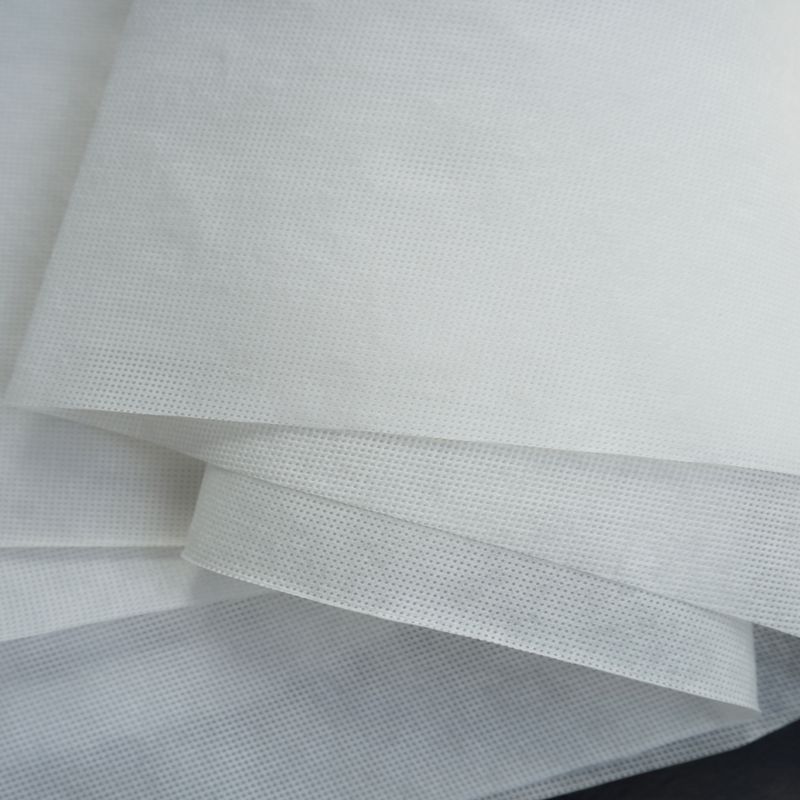
Hāʻawi ʻo WINIW i ka lole polyester nonwoven spunbond kiʻekiʻe i kūikawā no nā noi me nā bituminous.. Ma keʻano he mea hana nui i kaʻoihana nonwoven, Ua hoʻokumu ʻo WINIW i kahi kaulana no ka hana ʻana i nā mea i kūpono i nā kūlana koʻikoʻi koʻikoʻi. ʻO kā mākou lole polyester spunbond nonwoven no nā membrane bituminous ʻaʻole ʻokoʻa, i hoʻolālā kūikawā e hoʻonui i ka hana a me ka lōʻihi o nā huahana bituminous membrane i hoʻohana ʻia i nā ʻano hana like ʻole a me nā noi wai.
Hana ʻia ka WINIW Nonwoven Spunbond Polyester Fabric no Bituminous Membranes ma ke kaʻina hana o nā ʻenehana punch spunbond polyester one-step.. ʻO kēia ʻano hana hana holomua e hōʻoiaʻiʻo i kahi ʻano like ʻole a me ka maikaʻi kūlike i loko o ka mea. Me ka maikaʻi paʻa, hana maikaʻi loa, ʻo ia ka mea maikaʻi loa no ka noi ʻana i nā membrane bituminous. Inā hoʻohana ʻia i ke kaupaku, hoʻopaʻa wai, a i ʻole nā papahana ʻenekinia kīwila, hāʻawi kā mākou lole i ka hoʻoikaika pono a me ke kūpaʻa e hōʻoia i ka hana lōʻihi.
Ke koi nei ka ʻoihana membrane bituminous i nā mea hiki ke kū i nā kūlana kūlohelohe koʻikoʻi, me ka wela loa, mākū, a me ke kaumaha mechanical. Hoʻokumu ʻia kā mākou lole polyester spunbond nonwoven e hoʻokō i kēia mau pilikia, hāʻawi i kahi kumu hilinaʻi no nā membrane bituminous e kūʻē i ka hōʻino ʻana i ka wā. Ma ke koho ʻana i ka huahana a WINIW, Hiki i nā mea hana ke hoʻonui i ka maikaʻi o kā lākou mau membrane bituminous, e hōʻoia ana e hoʻokō lākou i nā pono o nā noi koi nui loa.
Kaʻina Hana Hana: Hoʻokahi-Step Spunbond Needle Punch – Pono no ka hana
ʻO ka hana ʻana o WINIW Nonwoven Spunbond Polyester Fabric for Bituminous Membranes e hilinaʻi ʻia ma kahi ʻenehana ponoʻī hoʻokahi polyester spunbond needle punch ʻenehana— he streamlineed., ʻO ke kaʻina hana kiʻekiʻe e hoʻopau i nā hemahema o ka hana kuʻuna multi-step oiai e hoʻonui ana i ka pono o ka lole.. ʻAʻole like me nā ʻano hana maʻamau e hoʻokaʻawale i ka filament extrusion, hoʻokumu pūnaewele, a me ka hoʻopaʻa ʻana i nā pae ʻokoʻa (pilikia paha i ka haki ʻana o ka filament a i ʻole ka hāʻawi like ʻole ʻana o ka pūnaewele), ʻO kā mākou kaʻina hana hoʻokahi e hoʻohui i nā ʻanuʻu koʻikoʻi āpau i kahi hoʻomau, kaʻina hana ʻakomi, e hōʻoia ana i ka hana paʻa i kēlā me kēia ʻōwili.
ʻanuʻu 1: Koho Mea Maka & Hoʻomākaukau
Hoʻomaka ka maikaʻi me nā mea maka. Hoʻokumu wale mākou i ka polyester kiʻekiʻe (PET) nā ʻōpala me kahi helu hoʻoheheʻe kahe (MFI) o 25–35 g/10min (hoʻāʻo ʻia iā ASTM D1238) - kahi kikoʻī i koho pono ʻia no kona hiki ke hana ikaika, nā filaments like ʻole. Hoʻomaloʻo mua ʻia kēia mau ʻāpana PET i kahi mea maloʻo dehumidifying ma 160-180 ° C no 4-6 mau hola., e hoemi ana i ka wai i <0.02%. He mea koʻikoʻi kēia ʻanuʻu: ʻO ka nui o ka wai e hoʻokumu ʻia ai ka ʻōpū i ka wā extrusion, e alakaʻi ana i nā wahi nāwaliwali o ka lole hope. Hāʻawi ʻia nā ʻāpana maloʻo i loko o kahi extruder twin-screw, kahi e hoʻoheheʻe ʻia ai lākou ma kahi mahana mālama ʻia o 260-280 ° C. ʻO ka hoʻolālā wili o ka extruder (me na wahi huikau) hōʻoia piha, hoʻoheheʻe ʻaʻahu me ka hoʻohaʻahaʻa ʻole ʻana o ka polyester polymer.
ʻanuʻu 2: Hoʻokuʻu Filament & Ke kinai ana
Hoʻokomo ʻia ka PET i hoʻoheheʻe ʻia ma o ka spinneret - kahi pā i hana ʻia me ka 500-800 micro-hole. (kēlā me kēia 0.2-0.3mm ka anawaena) - e hana i nā filaments mau. Hana ʻia ka spinneret i ka tolerances o ± 0.005mm, e hōʻoia i kēlā me kēia filament i ka denier kūlike (1.5–3.0 denier no ke filament, ma muli o ke kaumaha o ka lole). I ka puka ʻana o nā filament i ka spinneret (i ka wikiwiki o 1000-1500 m / min), ua kinai koke ia lakou me ke kahe ana o ke ea maalili (20–25°C, 60–70% hau). Hoʻopaʻa kēia hoʻomaloʻo wikiwiki i nā filament me ka ʻole o ka palupalu, ka mālama ʻana i ko lākou ikaika tensile. Ua kānana ʻia ka ea hoʻopau e wehe i ka lepo a me nā mea haumia, ka pale ʻana i nā hemahema o ke ʻano filament.
ʻanuʻu 3: Kii Filament & Hoʻokumu pūnaewele
Ma hope o ke kinai ʻana, huki ʻia nā filament (kikoo) me ka hoʻohana ʻana i nā huila godet e hoʻololi ana i ka wikiwiki (ʻO ka māmā holo kaʻa hope he 3-5x ka wikiwiki ma mua o ka wikiwiki). Hoʻopili ke kaha kiʻi i nā kaulahao polymer polyester ma ke koʻi filament, e hoʻonui ana i ka ikaika tensile e 30-40% a e hōʻemi ana i ka elongation i ka wā hoʻomaha i 20-30% (kūpono no nā noi hoʻoikaika). Hoʻopili ʻia nā filament i kaha ʻia i loko o kahi pūnaewele like ʻole me ka hoʻohana ʻana i kahi ʻōnaehana i hoʻomoe ʻia e ka ea - alakaʻi ka ea i hoʻopaʻa ʻia i nā filament ma luna o ke kāʻei conveyor neʻe., ka hana ʻana i kahi pōʻino, pūnaewele isotropic (ikaika like ma ke kuhikuhi mīkini (MD) a me ke ala kea (CD)). He mea koʻikoʻi kēia ʻano hoʻopaʻa ʻana no nā membrane bituminous, ʻoiai ʻo ia ka mea e hōʻoiaʻiʻo ai i ka pale ʻana i ke koʻikoʻi like ʻole, ka pale ʻana i ka haehae ʻana ma kahi axis hoʻokahi.
ʻanuʻu 4: Hoʻopaʻa Kuʻi Needle
Hoʻokomo ʻia ka pūnaewele manuahi i loko o ka mīkini kui kui, ke kumu o kā mākou kaʻina hana hoʻokahi. Ke hoʻohana nei kēia mīkini i nā tausani o nā kui kui (i hoʻonohonoho ʻia ma ke ʻano i kūpono i ke kaumaha o ka lole) ka mea e komo i ka punaewele me ka wikiwiki (1000– 1500 kuʻi i kēlā me kēia minuke). Hoʻopaʻa a hoʻopaʻa nā ʻāʻī i nā filament, ka hana ʻana i nā paʻa mechanical e hoʻopaʻa pū i ka pūnaewele me ka ʻole o nā mea hoʻopili kemika a i ʻole ka hoʻopaʻa wela (hiki ke hoʻonāwaliwali i ka polyester). ʻO ka nui o ke kui kui (ka helu o nā kuʻi no ke kenimika huinaha) ʻokoʻa ma ke kaumaha o ka lole: 10–15 kuʻi/cm² no ka lole 100–150gsm, a me 15–20 punches/cm² no ka lole 200–250gsm. Mālama kēia hoʻololi i ka mālama ʻana o nā lole māmā i ka maʻalahi (mea koʻikoʻi no ka hoʻohana ʻana i ka uhi ʻana) ʻoiai ʻo nā lole ʻoi aku ka kaumaha e loaʻa i ka rigidity structural i hoʻonui ʻia (no nā papahana ʻenekinia kīwila koʻikoʻi).
ʻanuʻu 5: Kalena & Hoʻopau
Ma hope o ke kuʻi ʻana i ka nila, hele ka lole i nā ʻōwili kalena (wela i ka 120–140°C) e hoʻomāmā i ka ʻili a hoʻohui i nā mea paʻa. Hoʻopili nā ʻōwili kalena i ke kaomi hoʻomalu (50–100 N/cm²), e hōʻoia ana i ka mānoanoa like o ka lole (hoʻomanawanui ± 0.05mm) a me ke ʻano o ka ʻili maʻamau - he mea nui no ka hoʻohana ʻana i ka asphalt maikaʻi loa ma hope o ke kaʻina hana hana membrane bituminous. ʻO ka hope loa, ua ʻeha ka lole i ʻōwili (100–200m no ka ʻōwili, ma muli o ka makemake o ka mea kūʻai) me ka 3-inihi a 6-inihi paha ka pepa (hiki ke hana hou) no ka pale ʻana i ka creasing i ka wā mālama a me ka lawe ʻana.
Ka Mana Pono Inline: Ka nānā pono ʻana i ka manawa maoli
I loko o ke kaʻina hana hana, ʻōnaehana hoʻomalu maikaʻi automated e hōʻoia i ka kūlike:
- Nānā Anawaena Filament: ʻIke ʻia kahi ʻōnaehana hoʻokumu laser i ke anawaena filament i kēlā me kēia 0.5 kekona, e hoʻolaha ana i nā mea hoʻohana i nā ʻokoʻa e hiki ke hoʻopilikia i ka ikaika o ka lole.
- Pūnaewele Uniformity Sensor: Hoʻopili ka pahupaʻikiʻi hoʻonā kiʻekiʻe i ka pūnaewele no nā ʻokoʻa mānoanoa, ka hoʻoponopono ʻana i ka ʻōnaehana i waiho ʻia e ka ea i ka manawa maoli e mālama i ka ± 3% paona paona.
- Mea ho'āʻo ikaika ʻo Tensile: Hoʻāʻo ʻia kahi laʻana o ka lole i kēlā me kēia 30 mau minuke no ka ikaika tensile MD/CD (no ka ASTM D5035), e hōʻoia ana i ka palena iki 300 N/5cm (MD) a 250 N/5cm (CD) koi.
- ʻImi ʻIli: ʻIke a hōʻailona ka ʻōnaehana ʻike i nā hemahema (e.g., puka, nā kiko lahilahi) no ka wehe ana, e hōʻoia i ka huahana hope loa i ka helu hemahema <0.1% — ma lalo loa o ka awelika ʻoihana o 0.5%.
ʻO kēia ka nānā pono ʻana i ka laina, hui pū me ke kaʻina hana hoʻokahi, ka hopena i kahi lole e hāʻawi i ka hui hana maʻamau ma hope o ka pūʻulu - he pono koʻikoʻi no nā mea hana membrane bituminous, ka poʻe e hilinaʻi nei i ka hoʻoikaika like ʻana e hana i nā huahana wai wai pono.
Nā mea kiko'ī: Hoʻopili ʻia i nā pono o ka membrane bituminous
WINIW Nonwoven Spunbond Polyester Fabric for Bituminous Membranes ua hana ʻia me nā kikoʻī e kūlike me nā koi o ka hana ʻana i ka bituminous membrane.. ʻO kēlā me kēia ʻāpana - mai ka haku ʻana a hiki i ka laulā - e hoʻomaikaʻi i ka lōʻihi o ka membrane, hiki wai wai, a me ka maʻalahi o ka hana. Aia ma lalo iho kahi wehewehe kikoʻī o kā mākou kikoʻī kikoʻī:
1. Huina: 100% Polyester (PET) Nā Uila lōʻihi
Hoʻohana wale mākou 100% poliester (polyethylene terephthalate, PET) nā kaula lōʻihi (lōʻihi >100mm) - kahi koho i alakaʻi ʻia e nā waiwai kūʻokoʻa o ka polyester i ʻoi aku ka maikaʻi ma mua o nā mea ʻē aʻe (e.g., polypropylene, kīʻaha aniani) no ka hoʻoikaika ʻana i ka membrane bituminous:
- Palekana Kemika: ʻAʻole inert ka PET i ka bitumen (asphalt) a me kāna mau mea hoʻohui (e.g., nā mea hoʻololi e like me SBS, APP). ʻAʻole like me ka polypropylene (hiki ke hoʻohaʻahaʻa i ka wā e ʻike ʻia ai i nā pūhui ʻala o ka bitumen i ka manawa), Mālama ʻo PET i kona ikaika a me kona ʻano ma hope o ka launa pū ʻana me ka asphalt wela (a hiki i 200 ° C i ka wā o ka hana membrane).
- Pale ʻana i ka wai: Hoʻopili ʻo PET <0.5% o kona kaumaha i ka wai (vs. 8–10% no ka pulupulu a i ole 3–5% no ka hulu hipa), ka hōʻoia ʻana ʻaʻole e pehu ka lole a nalo paha i ka ikaika ma nā wahi haʻahaʻa - koʻikoʻi no ka hoʻoheheʻe ʻana i ka wai o lalo a me nā noi lining tunnel..
- Paʻa UV: Loaʻa i ka PET ka pale UV, e mālama ana i ka 70-80% o kona ikaika tensile ma hope 1000 hola o ka ʻike ʻana o UV (no ASTM G154). No nā noi waho (e.g., kaupaku), Hāʻawi mākou i kahi mea hoʻohui UV stabilizer koho e hoʻonui i ka paʻa i 85-90%, hoʻonui i ke ola lawelawe o ka membrane i 20+ makahiki.
- Pōmaikaʻi Filament lōʻihi: Nā kaula lōʻihi (vs. nā lālā koʻikoʻi pōkole) hoʻopau i ka hoʻoheheʻe ʻana i ka fiber — he pilikia maʻamau me nā mea ulana ʻole i hiki ke hoʻopaʻa i nā mea hana asphalt a hana i nā wahi nāwaliwali o ka membrane.. ʻO nā filament lōʻihi hoʻi e hoʻonui i ka ikaika tensile a me ke kūpaʻa puncture, ʻoiai lākou e puʻunaue i ke koʻikoʻi ma luna o ka hale lole holoʻokoʻa.
No nā noi kūikawā (e.g., nā membrane i hoʻohana ʻia i nā ʻano anuanu), hāʻawi mākou i kahi hui fiber PET / aniani (90% PET + 10% kīʻaha aniani) ʻo ia ka mea e hoʻomaikaʻi hou ai i ka maʻalahi haʻahaʻa haʻahaʻa (koena ductile ma -40°C) ʻoiai e mālama ana i ka pale kemika o polyester. Eia naʻe, ko makou hae 100% Ua kūpono ka lole PET i nā pono o 95% o ka hoohana ana i ka bituminous membrane, ke kaulike ana i ka hana a me ka uku-pono.
2. Kaumaha: 100–250gsm (Hoʻopololei kaulike & Ka ikaika)
Kaumaha lole (grama no ka mika square, gsm) pili pololei i ka hana o ka membrane bituminous hope loa - hāʻawi nā lole māmā i ka maʻalahi no nā ʻano paʻakikī, ʻoiai nā lole ʻoi aku ka kaumaha e hāʻawi i ka hoʻoikaika ʻana i nā wahi koʻikoʻi. Hoʻolālā ʻia kā mākou pae kaumaha e uhi i nā ʻano membrane maʻamau, me ka paʻa pono (±3gsm) hōʻoia ʻia e ka nānā ʻana i ka laina:
2.1 Māmā (100–150gsm): Hiki no ka Curved & Nā noi kikoʻī
He kūpono no nā membrane i hoʻohana ʻia i ka hale noho (ʻoi aku ma kahi o nā kapuahi, puka makani, a me nā mea ʻē aʻe), nā papa hana wai wai liʻiliʻi, a me ka wai o loko (e.g., nā lumi ʻauʻau). waiwai nui:
- mānoanoa: 0.3–0.5mm
- Ikaika U'i: 300–400 N/5cm (MD), 250–350 N/5cm (CD)
- Elongation ma ka Haka: 20–25%
- Hoʻololi: Hiki ke pio i ka 180° (ma kahi o 2cm anawaena mandrel) me ka pohā ʻole - koʻikoʻi no ka hoʻohālikelike ʻana i nā ʻaoʻao curved.
Laʻana: Ke hoʻohana nei kahi mea hana membrane hale ʻEulopa i kā mākou lole 120gsm no kā lākou laina membrane "maʻalahi-hoʻokomo". ʻO ka maʻalahi o ka lole e hiki ai ke hoʻopili ʻia ka membrane a puni nā ʻaoʻao o ka hale a me ke komo ʻana me ka ʻole o ka creasing, reducing the risk of leaks at these vulnerable points.
2.2 Kaumaha kaumaha (200–250gsm): Strength for High-Stress & Large-Scale Projects
Designed for commercial roofing (e.g., warehouse roofs with foot traffic), civil engineering projects (road base waterproofing, tunnel liners), a me nā laina hoʻopaʻa ʻāina. waiwai nui:
- mānoanoa: 0.6–0.8mm
- Ikaika U'i: 450–600 N/5cm (MD), 400–500 N/5cm (CD)
- Elongation ma ka Haka: 15–20%
- ʻoʻoleʻa: Higher rigidity (Shore A hardness 70–75) e pale i na ukana kaumaha (e.g., construction equipment on road projects) me ka deformation ole.
Laʻana: A Chinese civil engineering firm uses our 250gsm fabric in bituminous membranes for highway tunnel liners. The fabric’s high tensile strength resists the pressure of surrounding soil and groundwater, while its stiffness ensures the membrane maintains its shape during installation (even when draped over uneven tunnel surfaces).
3. Laulā: Up to 400cm (4m) – Maximizing Efficiency & hana
Our fabric’s maximum width of 400cm (4 mika) is a key advantage for bituminous membrane manufacturers, ʻoiai e kamaʻilio pololei ana i ʻelua mau wahi ʻeha koʻikoʻi: ka hana pono a me ka pono o ka membrane.
3.1 Nā Pono Hana Hana
- Liʻiliʻi ke Kai, Hana ʻoi aku ka wikiwiki: ʻO ka lole ākea e hoʻemi i ka helu o nā ʻōwili e pono ai e hana i kahi membrane o kahi ākea i hāʻawi ʻia. ʻo kahi laʻana, hiki ke hana ʻia kahi membrane 4m ākea me ka hoʻohana ʻana i hoʻokahi ʻōwili o kā mākou lole 400cm, vs. ʻelua ʻōwili lole 200cm (a i ʻole ʻehā ʻōwili lole 100cm). Hoʻemi kēia i ka manawa splicing (e 50-75% no nā membrane 4m ākea) a hoʻonui i ka wikiwiki laina hana e 20-30%.
- Hoʻemi ʻia ka ʻōpala: ʻO ka lole liʻiliʻi e koi pinepine i ka ʻokiʻoki e like me ka laulā o ka membrane, ka hopena i ka 5-10% o ka ʻōpala mea. Hiki ke hoʻopilikino ʻia kā mākou laulā 400cm (e.g., 3m, 3.5m) e kūlike i ka nui o ka membrane pololei o ka mea hana, e hoemi ana i ka hoopau i <2%.
3.2 Nā Pōmaikaʻi Hana Membrane
- Kaʻuʻuku o nā wahi hāʻule: ʻO nā hili ka ʻāpana nāwaliwali loa o ka membrane bituminous - hiki ke komo ka wai inā ʻaʻole i hoʻopaʻa pono ʻia nā hili.. He membrane 4m ākea i hana ʻia me kā mākou lole 50% liʻiliʻi liʻiliʻi ma mua o kahi membrane 2m ākea, e hōʻemi nui ana i ka hopena o ka leaks. Ma na hoao kahua, ʻO nā membrane i hana ʻia me ka lole 400cm he a 60% haʻahaʻa haʻahaʻa haʻahaʻa haʻahaʻa ma mua o nā mea i hana ʻia me ka lole 200cm.
- Hoʻoikaika Kaulike: Hiki ke hana i ka mānoanoa like ʻole ma nā hili, e alakaʻi ana i ka uhi ʻana i ka asphalt like ʻole a me nā wahi nāwaliwali. ʻO kā mākou lole laula hoʻokahi e hōʻoia i ka hoʻoikaika like ʻana ma waena o ka membrane holoʻokoʻa, pela ka hana ana (e.g., kūʻē kūʻē, ikaika tensile) ua kūlike mai ka ʻaoʻao a i ka ʻaoʻao.
No nā mea hana me nā laina hana liʻiliʻi (e.g., nā mea e hana ana i nā membrane 2m ākea), hāʻawi mākou i nā laulā maʻamau (100knm–400cm) me ka liʻiliʻi liʻiliʻi o nā kauoha no nā hoʻololi ākea - e hōʻoia i kā mākou lole e hoʻohui pono i nā kahe hana.
4. Hana Hana: 13,000 Tons/Mahina - Hoʻolako hilinaʻi no ke koi honua
ʻO WINIW 13,000 Kākoʻo ʻia nā tona i kēlā me kēia mahina e hana ai i kēia huahana 8 hoʻolaʻa ʻia i hoʻokahi ʻanuʻu spunbond needle punch lines (kēlā me kēia me ka mana o 1,625 tona/mahina) i kā mākou Fujian, hale hana Kina. Hoʻopaʻa kēia unahi:
- Hoʻokō Kauoha Nui: Hiki iā mākou ke mālama i nā kauoha o 1,000+ tons i kēlā me kēia mahina - koʻikoʻi no nā mea hana membrane bituminous honua me nā pono hana kiʻekiʻe. ʻo kahi laʻana, he mea hana ma Europa e hoolako ana i na membrane hale i 10 Ke hilinaʻi nei nā ʻāina i kā mākou kauoha 5,000-ton / mahina e mālama i ka waihona waiwai.
- Manawa alakai pokole: Nā kauoha maʻamau (100–150gsm, 400knm laula) Loaʻa ka manawa alakaʻi o 7-10 mau lā; nā kauoha maʻamau (e.g., 250gsm me UV stabilizer) lawe i nā lā 10-15 - ʻoi aku ka wikiwiki ma mua o ka awelika ʻoihana o 15-20 mau lā. Hāʻawi kēia i nā mea hana e pane koke i nā koi fluctuating (e.g., ke kau hale kiʻekiʻe i ke kauwela).
- Kumukuai Paa: ʻO kā mākou mana kiʻekiʻe e hiki ai iā mākou ke kūʻai i nā mea maka (ʻO nā ʻāpana PET) ma ka nui (10,000+ tona i ka mahina), ka laka ʻana i nā kumukūʻai maikaʻi a mākou e hāʻawi aku ai i nā mea kūʻai aku. Mālama kēia kūpaʻa i nā mea hana mai ka piʻi ʻana o ke kumukūʻai maka, he pilikia maʻamau i ka ʻoihana nonwoven.
Mālama pū mākou i kahi waihona palekana o 500 mau tona (nā kikoʻī maʻamau) e uhi i nā kauoha wikiwiki (e.g., kahi mea hana e kū nei i ka lohi o ka hana ʻana i manaʻo ʻole ʻia). ʻO kēia kūpaʻa e hāʻawi i ka hilinaʻi ua loaʻa iā mākou nā pilina lōʻihi me 8 o luna 10 nā mea hana membrane bituminous honua.
Nā ʻano mea waiwai: Hoʻolālā ʻia no ka maikaʻi o ka membrane bituminous
ʻO WINIW Nonwoven Spunbond Polyester Fabric for Bituminous Membranes ua wehewehe ʻia e kahi ʻano o nā hiʻohiʻona e hoʻoponopono pololei i nā pilikia kūʻokoʻa o ka wai a me ka hoʻoikaika ʻana.. Hoʻāʻo ʻia kēlā me kēia waiwai i nā kūlana honua, e hōʻoia i ka lole e hoʻonui i ka hana o ka membrane i nā kūlana honua maoli - mai nā wela wela a hiki i ke kaumaha mechanical..
1. Ka ikaika luhi: Paʻa i ka pilikia pinepine
ʻO ka ikaika luhi - ka hiki ke pale aku i ka hāʻule ʻole ma lalo o nā pōʻai pinepine o ke kaumaha a me ke koʻikoʻi - he mea koʻikoʻi no nā membrane bituminous, ka mea e hoʻonui mau ʻia a me ka ʻokiʻoki ma muli o ka loli ʻana o ka mahana (e.g., -30°C a hiki i 60°C ma nā wahi mahana) a me ke kaumaha mechanical (e.g., kaʻa wāwae ma luna o nā hale, haʻalulu mai nā alanui kokoke). Hoʻolālā ʻia ka ikaika luhi o kā mākou lole e ʻoi aku ka maikaʻi ma mua o nā pae ʻoihana, e hōʻoia i ka paʻa o ka membrane lōʻihi.
ʻO ka hoʻāʻo ʻana no ka ASTM D4482 (ʻO ke ʻano hoʻāʻo maʻamau no ka pale ʻana i ka abrasion o nā lole lole lole) a me ASTM D3886 (ʻO ke ʻano hoʻāʻo maʻamau no nā ʻano luhi o nā lole lole lole) hōʻoia:
- Ma hope 10,000 nā pōʻai o ke kaumaha (ʻO ka hoʻoluhi ʻokoʻa o 50–200 N/5cm), paʻa ka lole i 85-90% o kona ikaika tensile mua (vs. 65–75% no ka polypropylene nonwovens).
- Ma hope 5,000 nā pōʻaiapuni o ka abrasion (10 kPa kaomi, 50mm ka lōʻihi hahau), ʻAʻole ʻike ʻia ka nahae a i ʻole ka haki ʻana o ka fiber - koʻikoʻi no nā membrane i ʻike ʻia i ka hele wāwae (e.g., nā hale pāʻoihana me ke komo mālama HVAC).
ʻO ka mea huna o kēia hana aia i loko o ke kaʻina punch needle spunbond one-step: ka random, ʻO ke kino filament i hoʻopili ʻia e puʻunaue like i ke koʻikoʻi ma luna o ka lole, pale ana i ka luhi kūloko (he pilikia maʻamau me nā lole i ulana ʻia, he mau wahi nāwaliwali kuhikuhi). ʻo kahi laʻana, Ua hoʻokomo ʻia kahi membrane bituminous i hoʻoikaika ʻia me kā mākou lole 150gsm ma kahi hale hale kūʻai ma Kanada. (kahi o ka mahana mai -35°C a hiki i 35°C) — mahope 8 makahiki, ʻAʻole i ʻike ʻia ka ʻāhaʻi a me ka delamination o ka membrane, ʻoiai ma nā wahi i ʻike ʻia i nā loli wela o kēlā me kēia lā.
2. Paʻa Nui Loa: Kū'ē i nā Hoʻololi Ana
Paʻa nui - ka hiki ke mālama i nā ana ma lalo o ka mahana, haʻahaʻa, a me ka hoʻopaʻapaʻa - ʻaʻole hiki ke kūkākūkā ʻia no nā membrane bituminous. ʻO ka paʻa ʻole o ka nui e alakaʻi i ka wrinkling, hoʻopaʻapaʻa, a i ʻole nā hakahaka o ka membrane, hana i nā ala no ke komo ʻana i ka wai. Hoʻopaʻa ʻia ka nui o kā mākou lole no nā kūlana koʻikoʻi o ka hana ʻana o ka membrane (ka uhi asphalt wela ma 180-200°C) a hoʻohana hope.
Nā hopena hoʻokolohua koʻikoʻi (no ASTM D1204, ʻO ke ʻano hoʻāʻo maʻamau no nā hoʻololi ʻana o nā lole ma lalo o ka hoʻomaʻemaʻe ʻana a me ka hoʻopau ʻana, hoʻololi ʻia no ka ʻike wela kiʻekiʻe):
- Hoʻemi wela: <1% shrinkage i loko o ka MD a me ka CD ma hope o ka wehe 'ana i 200 ° C no 5 minuke (ka mahana o ka asphalt hehee i ka wā o ka hana ʻana o ka membrane). ʻO kēia ka mea e hōʻoiaʻiʻo ʻole ai ka lole ma hope o ka uhi ʻana, ka pale ʻana i ka wrinkling membrane.
- Hoʻonui ʻia ka wai: <0.5% hoonui mahope 72 hora o ka hookomo ana iloko o ka wai (23°C). No ka wai wai o lalo a i ʻole nā laina tunnel (ʻike mau i ka wai), pale kēia i ka pehu ʻana o ka lole a hoʻokuke i ka membrane mai ka substrate.
- Paʻa Paʻa: <1% elongation malalo o ka ukana mau o 100 N/5cm no 1000 hola (hoʻohālike i ke kaumaha o nā mea hana i luna). Mālama kēia i ka paʻa o ka membrane a palahalaha, ʻoiai ke kau ʻia i ke kaomi lōʻihi.
Ua hoʻohana kekahi ʻoihana hana Kepani i kā mākou lole 200gsm i nā membrane bituminous no kahi kaʻa kaʻaahi subway. (ʻike ʻia i ka haʻahaʻa kiʻekiʻe a me ka loli ʻana o ka mahana mai ka pahu kaʻaahi). Ma hope o ka hoʻokomo ʻana ma hope 5 Ua hōʻike ʻia nā makahiki i ka mālama ʻana o ka membrane i kona mau ana kumu, me ka ʻole o nā āwaha a i ʻole ka hoʻopaʻa ʻana - he ʻokoʻa loa i ko lākou membrane mua (hoʻoikaika ʻia me ka fiber aniani i ulana ʻole ʻia), ka mea i makemake e hooponopono ma muli o 3% hōʻemi wela.
3. Aloha kaiapuni: Hoʻomau mai ka hana ʻana a hiki i ka hopena o ke ola
Ke neʻe nei ka ʻoihana kūkulu hale i nā kūlana hale ʻōmaʻomaʻo (e.g., LEED, BREEAM), ua lilo ka hoʻomau i mea koi nui no nā mea kūkulu hale. Hoʻolālā ʻia kā mākou Nonwoven Spunbond Polyester Fabric no Bituminous Membranes e hōʻemi i ka hopena o ke kaiapuni ma waena o kona ola.:
3.1 Hana ʻia ʻo Eco-Conscious
- Hoʻohana haʻahaʻa i ka ikehu: Ke hoʻohana nei ke kaʻina hana spunbond hoʻokahi 30% emi ka ikehu ma mua o ka hana kuʻuna ʻaʻole i ulana ʻia (e koi ana i ka extrusion kaawale, hoʻokumu pūnaewele, a me ka hoʻopaʻa ʻana). Hoʻohana pū kā mākou hale hana i nā panela lā e hana ai 15% o kona uila, e hoemi ana i na kalapona e 1,200 tona i ka makahiki.
- ʻO ka ʻōpala liʻiliʻi: Hoʻemi ka mana o ka maikaʻi inline i ka ʻōpala hana i <2% (vs. 5-8% no nā kaʻina hana maʻamau). Hoʻohana hou ʻia ka lole ʻōpala i loko o nā ʻāpana PET, ka hana ʻana i kahi ʻōnaehana pani pani e hoʻohuli 500+ nā tona o ka ʻōpala mai nā ʻōpala i kēlā me kēia makahiki.
- Hoʻopaʻa Kemika ʻole: Hoʻopau ka hoʻopaʻa ʻana o ka needle punch mechanical i ka pono o nā mea hoʻopili kemika (e.g., latex) a i ʻole nā mea hoʻopaʻa wela - nā mea hiki ke hoʻoheheʻe i loko o ka lepo/wai a i ʻole e hoʻokuʻu i nā mea hoʻohuihui kino (VOC) i ka wā hana.
3.2 Hiki ke hana hou & Mea Mau Loa
- 100% Hiki ke hana hou: I ka pau ʻana o ke ola lawelawe o ka membrane (20–30 makahiki), hiki ke hoʻokaʻawale ʻia ka lole mai ka asphalt (ma o ka hana wela) a hana hou i nā huahana PET hou (e.g., kāʻei ʻana, lole lole). Hoʻopili kēia me ka hoʻolālā hana hoʻokele waiwai a ka EU, ka mea kauoha 60% hana hou i na mea kukulu hale e 2030.
- Hoʻemi ʻia nā pōʻai hoʻololi: Hoʻonui ka lōʻihi o ka lole i ke ola lawelawe o ka membrane ma 50% hoʻohālikelike ʻia me nā membrane i hoʻoikaika ʻia me nā mea ulana ʻole maʻamau. Hoʻemi kēia i ke alapine o ka hoʻololi ʻana i ka membrane - kahi kaʻina hana e hoʻohua ai i 2-3 tons o ka ʻōpala i kēlā me kēia 1,000 m² o ka hale.
- Hoʻohui ʻAʻohe ʻona: ʻAʻohe metala kaumaha i loko o ka lole (alakai, cadmium), phthalates, a i ʻole nā mea pale ahi (hiki ke hoahu i ka lepo). Ua kū i ka Oeko-Tex® Standard 100 Papa IV (palekana no ka hoʻohana ʻana i nā mea hana) a ua kulike me ka Manao o Kaleponi 65 (ʻaʻohe mea ʻona i helu ʻia).
Ua hoʻohana kekahi mea hana hale hale Kelemania i kā mākou lole i nā membrane bituminous no kahi hale keʻena i hōʻoia ʻia i ka LEED Platinum.. ʻO ka maʻiʻo hana hou o ka lole (hāʻawi mākou i kahi 30% ma hope o ka mea kūʻai aku hana hou PET koho) a ua kōkua ka hana haʻahaʻa-VOC i ka loaʻa kālā 4 Nā helu LEED no nā mea hoʻomau - he kumu nui i ka hōʻoia ʻōmaʻomaʻo o ka hale.
4. Kū'ē Kū'ē kiʻekiʻe: Pale aku i ka Poino Kuwaho
Pilikia nā membrane bituminous i nā punctures i ka wā e hoʻokomo ai (e.g., mai na mea paahana, ʻiliʻili) a hoʻohana hope (e.g., nā lālā hāʻule, hana holoholona). Hiki i ka puncture hoʻokahi ke hoʻololi i ka wai ʻole, e alakaʻi ana i ka hoʻoponopono kumukūʻai. Hoʻokumu ke kūpaʻa kiʻekiʻe o kā mākou lole i kahi pale paʻa e pale i ka pono o ka membrane.
ʻO ka hoʻāʻo ʻana no ka ASTM D4833 (ʻO ke ʻano hoʻāʻo maʻamau no ke kū ʻana i ka puncture o Geotextiles ma ka hoʻāʻo ʻana i ka hāʻule-kaumaha) hōʻike:
- 100lole gsm: He 80–100 N ka pale ʻana i ka puncture (hiki ke pale i ka hopena o kahi mea 1kg i hāʻule mai 1m - e like me ka hāʻule ʻana o ka hāmare i ka wā e hoʻokomo ʻia ai ka hale.).
- 250lole gsm: ʻO ke kūpaʻa ʻana o ka puncture o 150–180 N (hiki ke pale i ka hopena o kahi mea 2kg i hāʻule mai ka 1m - kūpono no nā hale ʻoihana me nā mea ukana kaumaha.).
Hoʻohālikelike ʻia me nā fiber aniani nonwovens (puncture kū'ē o 50-70 N no 100gsm), Hāʻawi kā mākou lole polyester i ka 40-60% kiʻekiʻe o ka pale. ʻO ka hoʻopaʻa ʻia ʻana o ke filament he kī: i ka wā e paʻi ai kekahi mea ʻoi i ka lole, hoʻopaʻa a puʻunaue nā filament i ka ikaika hopena, pale ana i ka haehae. ʻO ka hana filament lōʻihi hoʻi e hōʻoiaʻiʻo ʻoiai inā haki kekahi filament, paʻa nā filament pili i ka lole, ka pale ʻana i nā puncture pōʻino.
Ua hoʻohana kekahi hui mining Australia i kā mākou lole 250gsm i nā membrane bituminous no kahi hale mālama ʻōpala (ʻike ʻia i nā pōhaku hāʻule a me nā mīkini kaumaha). Pau 3 makahiki o ka hana, ua hōʻike nā membrane i nā leaka pili ʻole i ka puncture - kahi hoʻomaikaʻi nui ma mua o ko lākou membrane mua (i hooikaikaia me ka jute i ulana ole ia), i makemakeia 12 hana hou i ka makahiki mua.
5. Kiʻekiʻe Asphalt Absorption: Hana i kahi Membrane Cohesive
No ka hana ʻana o kahi membrane bituminous, pono e hoʻopaʻa paʻa ka lole hoʻoikaika me ka asphalt - hana i hoʻokahi, papa hoʻopili e kūʻē i ka delamination (ka hoʻokaʻawale ʻana o ka lole a me ka asphalt). ʻO kā mākou lole komo asphalt kiʻekiʻe e hōʻoia i kēia paʻa ikaika, ʻoiai e hoʻoheheʻe ʻia i ka asphalt hoʻoheheʻe ʻia a lilo i ʻāpana koʻikoʻi o ka membrane.
Nā ana hana nui (no EN 13867, ʻO ke ʻano hoʻāʻo maʻamau no ka hoʻoholo ʻana i ka hoʻohana ʻana i ka asphalt o Geotextiles):
- Ka Laki Hoʻomoe Asphalt: 0.8–1.2 kg/m² (no ka lole 100–150gsm) - Hoʻopili ka lole i ka 80-100% o ka asphalt i hoʻohana ʻia i ka wā o ka uhi ʻana (typically 1–1.5 kg/m²). This ensures no excess asphalt remains on the surface (which can crack) or under the fabric (which can cause delamination).
- Paʻa Paʻa: 5–8 N/cm (force required to peel the fabric from asphalt) — 30–50% higher than the industry minimum of 3 N/cm. A high bond strength ensures the fabric and asphalt move together during temperature-induced expansion/contraction, preventing shear stress.
- Uniform Absorption: <5% variation in asphalt absorption across the fabric’s width — critical for consistent membrane performance. Inline thickness monitoring ensures the fabric’s porosity is uniform, so asphalt penetrates evenly.
The fabric’s structure enables this absorption: the needle-punched web creates millions of tiny pores (20–50 μm in size) that act as channels for molten asphalt. As the asphalt cools, it hardens within these pores, creating a mechanical lock between the fabric and asphalt. This lock is far stronger than the adhesive bond of fabrics with non-porous surfaces (e.g., some thermal-bonded nonwovens).
A Turkish membrane manufacturer tested our 150gsm fabric against a competitor’s thermal-bonded polyester fabric. Their results showed:
- Our fabric’s bond strength was 6.5 N/cm vs. the competitor’s 3.2 N/cm.
- Ma hope 1,000 cycles of temperature cycling (-20°C to 60°C), our fabric showed 0% delamination, while the competitor’s fabric delaminated in 15% of test samples.
The manufacturer switched to our fabric, reducing their membrane failure rate by 40%.
Nā noi: Where Our Fabric Delivers Unmatched Value
WINIW Nonwoven Spunbond Polyester Fabric for Bituminous Membranes is versatile enough to meet the demands of diverse construction and waterproofing projects. Below is a detailed breakdown of its key applications, with recommended specifications and real-world performance data:
1. Roofing Systems: Hale noho, Commercial & ʻOihana
Roofing is the largest application for bituminous membranes, and our fabric is engineered to address the unique challenges of each roof type — from small residential roofs to large industrial facilities with heavy foot traffic.
1.1 Residential Roofing
Residential roofs require membranes that are flexible (to fit around chimneys, puka makani, and dormers), māmā (to avoid straining the roof structure), a mau loa (to withstand 15–20 years of weather). Manaʻo kikoʻī:
- Kaumaha: 100–120gsm
- Laulā: 200–400cm (customized to roof size)
- Koho: UV hoʻopaʻa (for roofs with no overhangs, exposed to direct sunlight)
Nā pōmaikaʻi:
- Hoʻololi: Conforms to curved surfaces without creasing, reducing leak risk at penetrations.
- Māmā: Adds <0.5 kg/m² to the roof’s weight (vs. 1–1.5 kg/m² for glass fiber reinforcement), ideal for wooden roof structures.
- Kūʻai-Pono: The 100–120gsm weight balances performance and affordability, suitable for residential budgets.
Real-World Example: A U.S. home builder used our 110gsm fabric in bituminous membranes for 500 new homes in Florida (exposed to high humidity and occasional hurricanes). Ma hope 5 makahiki, roof inspections found zero leaks related to membrane failure — a 70% improvement over their previous membrane (i hooikaikaia me ka jute i ulana ole ia).
1.2 Commercial Roofing
Commercial roofs (e.g., office buildings, retail centers) often have HVAC equipment, foot traffic for maintenance, and large surface areas. They require membranes with high puncture resistance and strength. Manaʻo kikoʻī:
- Kaumaha: 150–200gsm
- Laulā: 400knm (to minimize seams)
- Koho: Fire-retardant finish (to meet building codes for commercial structures)
Nā pōmaikaʻi:
- Puncture Resistance: Withstands foot traffic and tool drops, reducing repair costs.
- Laulā laula: 400cm fabric cuts seams by 50% vs. 200cm fabric, lowering leak risk.
- Ka lōʻihi: 15–20 year service life, aligning with commercial building maintenance cycles.
Real-World Example: A European retail chain installed our 180gsm fabric-reinforced membranes on 20 warehouse roofs (kēlā me kēia 10,000 m²). The 400cm width reduced installation time by 30%, and the fabric’s puncture resistance meant no repairs were needed after 3 years of HVAC maintenance traffic — saving the chain €150,000 in annual repair costs.
1.3 Industrial Roofing
Industrial roofs (e.g., hale hana, power plants) face extreme conditions: nā wela kiʻekiʻe (from industrial processes), chemical exposure (e.g., uahi, fumes), and heavy loads (e.g., nā panela lā). They require the strongest, most chemical-resistant membranes. Manaʻo kikoʻī:
- Kaumaha: 200–250gsm
- Laulā: 400knm
- Nā mea hoʻohui: UV hoʻopaʻa + chemical-resistant finish (to withstand industrial fumes)
Nā pōmaikaʻi:
- Ka Ikaika Kiekie: Resists the weight of solar panels (a hiki i 15 kg/m²) without stretching.
- Palekana Kemika: Withstands exposure to industrial gases (e.g., sulfur dioxide) without degrading.
- Paʻa wela: <1% shrinkage at 200°C, suitable for roofs near high-temperature equipment.
Real-World Example: A Chinese steel mill used our 250gsm fabric-reinforced membranes on its factory roof (exposed to high temperatures and sulfuric acid fumes). Ma hope 4 makahiki, the membranes showed no signs of chemical degradation, and the roof required no major repairs — a stark contrast to the previous membrane (which needed replacement every 2 makahiki).
2. Basement Waterproofing: New Construction & Renovation
Basements are prone to water infiltration from groundwater, ua, a me ka haʻahaʻa. Bituminous membranes reinforced with our fabric create a seamless waterproof barrier that protects against moisture damage (e.g., poʻo, structural rot).
2.1 New Construction Basements
For new builds, membranes are applied directly to the foundation (concrete or masonry) before backfilling. Manaʻo kikoʻī:
- Kaumaha: 120–150gsm
- Laulā: 300–400cm (to cover foundation walls in one piece)
- Key Property: Moisture expansion <0.5% (prevents swelling against the foundation)
Nā pōmaikaʻi:
- Ka uhi ʻole: Wide width reduces seams on foundation walls, where water pressure is highest.
- Adhesion: High asphalt absorption bonds the membrane tightly to the foundation, preventing water from seeping between the membrane and substrate.
- Mildew Resistance: Polyester’s low moisture absorption prevents mold growth on the fabric.
Real-World Example: A Canadian home builder used our 140gsm fabric in bituminous membranes for 200 basement foundations in Toronto (where the water table is high). Post-construction inspections found 99% of basements were completely dry — up from 85% with their previous membrane.
2.2 Basement Renovations
Renovations require membranes that are easy to install in tight spaces (e.g., existing basements with low ceilings) and compatible with older foundations. Manaʻo kikoʻī:
- Kaumaha: 100–120gsm (lighter weight for easier handling)
- Laulā: 150–200cm (more maneuverable in tight spaces)
- Key Property: Hoʻololi (180° bend without cracking)
Nā pōmaikaʻi:
- Hoʻokomo maʻalahi: Māmā, narrower fabric can be carried through basement doors and maneuvered around existing pipes and fixtures.
- Conformability: Flexibility allows the membrane to follow uneven surfaces in older foundations, ensuring full coverage.
- Hoʻolikelike: Bonds well with both new and existing concrete, making it ideal for renovation projects where the foundation may have minor cracks or irregularities.
Real-World Example: A U.K. renovation company used our 110gsm fabric in bituminous membranes for 50 basement conversions in London (many in historic buildings with uneven stone foundations). The fabric’s flexibility allowed it to conform to the foundations’ irregularities, ka hopena i ka 90% reduction in post-renovation water leaks compared to their previous membrane.
3. Civil Engineering Projects: ʻOihana & Large-Scale Developments
Civil engineering demands the most robust materials, as projects like roads, tunnels, and landfills face constant stress from traffic, groundwater, and environmental conditions. Our fabric-reinforced bituminous membranes provide the durability and performance needed for these critical applications.
3.1 Road Construction & Ka malama ana
Bituminous membranes are used in road construction to prevent water from infiltrating the road base (which causes potholes, māwae, and structural failure). They are also used in road resurfacing to bond new asphalt to old. Manaʻo kikoʻī:
- Kaumaha: 200–250gsm
- Laulā: 400knm (to cover road lanes in one pass)
- Na Waiwai Ki: Ka ikaika tensile kiʻekiʻe (≥500 N/5cm MD) and fatigue resistance (≥85% strength retention after 10,000 nā pōʻaiapuni)
Nā pōmaikaʻi:
- Base Protection: Prevents water from reaching the road base, extending road life by 5–10 years.
- Stress Distribution: Absorbs and distributes traffic loads, reducing cracking in the asphalt surface.
- Kū'ē wela: Withstands the high temperatures of hot asphalt during resurfacing (up to 180°C) without shrinking.
Real-World Example: A highway department in Brazil used our 250gsm fabric-reinforced membranes in the construction of a 100km highway in the Amazon region (exposed to heavy rain and high humidity). Ma hope 3 makahiki, the highway showed 70% fewer potholes than similar roads built without the membrane, hoopakele ana $2 million in annual maintenance costs.
3.2 Tunnel Liners
Tunnels require waterproof membranes to protect against groundwater infiltration, which can damage electrical systems, weaken concrete structures, and create safety hazards. Our fabric-reinforced membranes are designed to withstand the high water pressure and constant vibration of tunnel environments. Manaʻo kikoʻī:
- Kaumaha: 200–250gsm
- Laulā: 400knm
- Nā mea hoʻohui: UV hoʻopaʻa (for tunnels with limited ventilation) and chemical-resistant finish (to withstand groundwater contaminants)
Nā pōmaikaʻi:
- Water Pressure Resistance: Withstands hydrostatic pressure up to 10 pā (equivalent to groundwater 100m below the surface), ka pale ʻana i ka leak.
- Kū'ē Kū'ē: Fatigue strength ensures the membrane remains intact despite constant vibration from trains or traffic.
- Hoʻokomo maʻalahi: Wide width reduces seams, which are vulnerable to water pressure in tunnels.
Real-World Example: A tunnel construction company in Switzerland used our 220gsm fabric-reinforced membranes in a 5km railway tunnel in the Alps (where groundwater pressure reaches 8 pā). Ma hope 2 makahiki o ka hana, the tunnel showed zero water infiltration — a first for tunnels in that region, which typically require annual waterproofing repairs.
3.3 Laina Laina
Landfills require multi-layer liners to contain waste and prevent leachate (contaminated water) from seeping into soil and groundwater. Bituminous membranes reinforced with our fabric form a critical part of this barrier system. Manaʻo kikoʻī:
- Kaumaha: 250gsm
- Laulā: 400knm
- Na Waiwai Ki: Kūleʻa kimemika (to leachate contaminants) a me ke kuʻe ʻana o ka puncture (to protect against sharp waste materials)
Nā pōmaikaʻi:
- Contamination Prevention: Resists degradation from leachate (which contains acids, metala kaumaha, and organic compounds), ensuring long-term containment.
- Puncture Protection: High puncture resistance (180 N) prevents damage from sharp objects in the waste (e.g., metal scraps, aniani).
- Ka lōʻihi: Service life of 30+ makahiki, matching the design life of modern landfills.
Real-World Example: A waste management company in Germany used our 250gsm fabric-reinforced membranes in a new landfill liner system. Ma hope 5 makahiki, testing showed the membrane had retained 95% o kona ikaika kumu, with no signs of chemical degradation — ensuring the landfill meets EU environmental regulations for leachate containment.
4. Bridge & Infrastructure Protection
Bridges, viaducts, and other infrastructure elements are exposed to harsh conditions: ua, snow, de-icing salts, and heavy traffic. Bituminous membranes reinforced with our fabric protect these structures from moisture damage, which can lead to corrosion of steel reinforcements and concrete deterioration.
4.1 Bridge Decks
Bridge decks require waterproof membranes to prevent water (and de-icing salts) from penetrating to the steel reinforcement below. Manaʻo kikoʻī:
- Kaumaha: 150–200gsm
- Laulā: 400knm
- Na Waiwai Ki: Salt resistance (to withstand de-icing chemicals) and adhesion strength (to bond with concrete and asphalt overlays)
Nā pōmaikaʻi:
- Corrosion Prevention: Blocks water and de-icing salts from reaching steel reinforcements, extending bridge life by 10–15 years.
- Overlay Bonding: High asphalt absorption ensures strong bonding with the asphalt overlay, preventing delamination under traffic loads.
- Hoʻololi: Accommodates minor bridge movements (from temperature changes or traffic) me ka pohā ole.
Real-World Example: A transportation authority in the U.S. used our 180gsm fabric-reinforced membranes on 10 highway bridges in the Northeast (where de-icing salts are heavily used). Ma hope 7 makahiki, bridge inspections found 80% less corrosion in the steel reinforcements compared to bridges without the membrane, reducing projected maintenance costs by $5 miliona.
4.2 Viaducts & Retaining Walls
Viaducts (elevated roadways) and retaining walls are prone to water infiltration from rain and groundwater, which can weaken their structural integrity. Our fabric-reinforced membranes provide a reliable waterproof barrier. Manaʻo kikoʻī:
- Kaumaha: 150–200gsm
- Laulā: 300–400cm
- Key Property: Size stability (to resist shrinkage/expansion in outdoor conditions)
Nā pōmaikaʻi:
- Structural Protection: Prevents water from seeping into concrete, reducing the risk of cracks and spalling.
- Hoʻokomo maʻalahi: Wide width allows for quick coverage of large surfaces (e.g., retaining walls up to 4m tall).
- Kūleʻa i ka lewa: UV stabilizer ensures the membrane remains intact even when exposed to direct sunlight (common in viaducts).
Real-World Example: A construction company in Spain used our 160gsm fabric-reinforced membranes on a 2km viaduct near Barcelona. The membrane’s size stability ensured it remained tight against the concrete structure through extreme temperature fluctuations (-5°C to 40°C), with no signs of wrinkling or delamination after 4 makahiki.
Hōʻoia maikaʻi: Ensuring Consistency & hana
A me WINIW, quality is embedded in every stage of production — from raw material selection to final inspection. Our Nonwoven Spunbond Polyester Fabric for Bituminous Membranes undergoes rigorous testing to ensure it meets or exceeds industry standards, providing manufacturers with a reliable material they can trust.
1. Ho'āʻo Mea Maka
We source only high-grade PET chips from certified suppliers (ISO 9001 a me ISO 14001 hooiaio). Each batch of PET chips undergoes the following tests before production:
- Helu Hehe (MFI): Tested per ASTM D1238 to ensure it falls within the 25–35 g/10min range — critical for consistent filament extrusion.
- Māmā: Measured using a Karl Fischer titrator to ensure it is <0.02% - ka pale ʻana i ka hoʻokumu ʻana o ka ʻōpū i ka wā extrusion.
- Impurity Analysis: A laser particle counter checks for contaminants (e.g., lepo, metal particles) e hōʻoiaʻiʻo <1 particle >50μm per 100g of chips — preventing defects in the final fabric.
- Tensile Strength of Virgin Filaments: A sample of filaments is extruded from each batch of chips and tested for tensile strength (≥3.5 cN/denier) — ensuring the raw material can form strong filaments.
Any batch of PET chips that fails these tests is rejected, preventing quality issues downstream.
2. In-Line Process Monitoring
Our production lines are equipped with state-of-the-art sensors and cameras that monitor key parameters in real time (1000+ data points per minute):
- Weight Uniformity: A beta-ray gauge measures fabric weight every 1cm along the width, ensuring ±3gsm consistency. If variation exceeds this, the system automatically adjusts the filament extrusion rate.
- mānoanoa: A laser thickness gauge checks the fabric’s thickness (0.3–0.8mm, ma muli o ke kaumaha) with a tolerance of ±0.05mm — critical for uniform asphalt absorption.
- Ikaika U'i: A miniaturized tensile tester built into the production line takes 10 samples per hour, ensuring MD/CD strength meets specifications (≥300 N/5cm for 100gsm fabric).
- Surface Defects: A 4K camera scans the fabric surface for defects (puka, nā kiko lahilahi, nā ʻāpana haole) as small as 0.5mm. Defective sections are automatically marked and removed during winding.
This real-time monitoring ensures that quality issues are identified and corrected immediately, reducing waste and ensuring consistency across the entire production run.
3. Laboratory Testing of Finished Products
ʻO kēlā me kēia pūʻulu hana (defined as a 24-hour production run) undergoes comprehensive laboratory testing before shipment. Samples (1m x 1m) are taken from the start, waena, and end of each roll to ensure uniformity. Loaʻa nā hoʻokolohua koʻikoʻi:
- Ikaika U'i & ʻO ka lōʻihi: Per ASTM D5035, using a universal testing machine. Results must meet or exceed:
- 100–150gsm: MD ≥300 N/5cm, CD ≥250 N/5cm, elongation 20–25%
- 200–250gsm: MD ≥450 N/5cm, CD ≥400 N/5cm, elongation 15–20%
- Puncture Resistance: Per ASTM D4833, using a drop-weight tester. Minimum requirement: 80 N (100gsm), 150 N (250gsm).
- Asphalt Absorption: Per EN 13867, measuring the amount of asphalt absorbed after 5 minutes at 180°C. Requirement: 0.8–1.2 kg/m².
- Hoʻemi wela: Per ASTM D1204, measured after exposure to 200°C for 5 minuke. Requirement: <1% in MD and CD.
- Paʻa UV: Per ASTM G154, tested for 1000 hours in a UV weatherometer. Requirement: ≥70% tensile strength retention (≥85% with UV stabilizer).
- Palekana Kemika: Samples are immersed in a 5% sulfuric acid solution (simulating landfill leachate) no ka mea 7 lā, then tested for tensile strength. Requirement: ≥90% strength retention.
A batch is only released for shipment if all samples pass these tests. A detailed test report is provided with each order, including batch numbers, nā hopena hoʻokolohua, and compliance with relevant standards (e.g., ASTM, IN, ISO).
4. ʻO ka hōʻoia ʻana o ka ʻaoʻao ʻekolu
To provide additional assurance, our fabric is certified by independent third-party laboratories:
- ISO 9001:2015: Certification for our quality management system, ensuring consistent processes from design to delivery.
- Hoailona CE: Compliance with EU Construction Products Regulation (CPR) no ka geotextiles (IN 13249), confirming suitability for civil engineering applications.
- ʻOeko-Tex® Kūlana 100 Papa IV: Certification that the fabric contains no harmful substances, making it safe for use in construction materials.
- ASTM D4439 Compliance: Certification for geotextiles used in civil engineering, confirming meet performance requirements for reinforcement and filtration.
These certifications provide our customers with confidence that our fabric meets global quality and safety standards, reducing the need for additional testing and accelerating their product certification processes.
No ke aha e koho ai iā WINIW: Competitive Advantages for Your Business
In a crowded market of nonwoven fabric suppliers, WINIW stands out as a partner that delivers not just a product, but a comprehensive solution for bituminous membrane manufacturers. Our competitive advantages are built on quality, mea hou, and customer-centric service — ensuring we meet your needs today and adapt to your challenges tomorrow.
1. ʻOi aku ka maikaʻi & Kūlike
Our one-step spunbond needle punch process, combined with rigorous quality control, delivers fabric with unmatched consistency. Key metrics:
- Weight variation: ±3gsm (vs. industry average of ±5–7gsm)
- Laki hemahema: <0.1% (vs. industry average of 0.5–1%)
- Batch-to-batch tensile strength variation: <5% (vs. industry average of 10–15%)
This consistency reduces waste in your production process (fewer rejected membranes due to uneven reinforcement) and ensures your end products meet performance specifications reliably. A European membrane manufacturer reported a 30% reduction in production waste after switching to our fabric.
2. ʻIke loea & Hoʻopilikino
ʻO kā mākou hui o 15 ʻenekinia lole lole (me 10+ years of experience in nonwovens for bituminous applications) works closely with customers to develop custom solutions. Hāʻawi mākou:
- Kaumaha maʻamau (outside the 100–250gsm range, e.g., 80gsm for ultra-light membranes or 300gsm for extreme-stress applications).
- Specialized additives (UV stabilizers, mea pale ahi, chemical-resistant coatings) tailored to your specific application.
- Nā laulā maʻamau (100–400cm) me ka nui ole o ke kauoha, ensuring compatibility with your production line.
Laʻana: A Middle Eastern membrane manufacturer needed a fabric that could withstand 50°C+ temperatures in desert roofing applications. Our engineers developed a custom 200gsm fabric with enhanced UV stabilizers and heat resistance — which now outperforms competitors’ products in their market.
3. Kiʻekiʻe Hana Hana & Reliable Supply
ʻO kā mākou 13,000 tons/month capacity ensures we can meet your demand, even during peak seasons. Benefits include:
- Short lead times: 7-10 mau lā no nā kauoha maʻamau, 10-15 mau lā no nā kauoha maʻamau.
- Flexible order sizes: Minimum order quantity of 500kg (vs. industry average of 1–2 tons), ideal for small-batch testing or niche applications.
- Safety stock: 500 tons of standard specifications to cover urgent orders, preventing production line shutdowns.
A U.S. manufacturer faced a sudden spike in demand for roofing membranes after a hurricane season. We fulfilled their 300-ton urgent order in 5 lā, preventing them from losing market share.
4. Kūʻai-Pono & Total Value
While our fabric may have a slightly higher upfront cost than low-quality alternatives, its total value is unmatched:
- Reduced production waste: ±3gsm weight consistency cuts membrane rejection rates by 20–30%.
- ʻOi aku ka wikiwiki o ka hana: Wide 400cm fabric reduces splicing time by 50%, increasing your line speed.
- Longer membrane life: Our fabric extends membrane service life by 50%, making your products more attractive to customers.
ROI analysis: A customer producing 10 million m² of membrane annually calculated that switching to our fabric reduced their total costs by 8% (due to lower waste and higher production efficiency) — a savings of $2.4 million per year.
5. Environmental Leadership
Our commitment to sustainability helps you meet green building standards and attract environmentally conscious customers:
- Recyclable fabric: 100% PET can be recycled at end-of-life, supporting circular economy goals.
- ʻO ka hana kalapona haʻahaʻa: Our one-step process and solar-powered facility reduce carbon emissions by 30% vs. conventional nonwoven manufacturing.
- GRS-certified option: 30% post-consumer recycled PET fabric (Global Recycled Standard certified) for LEED/BREEAM-compliant projects.
A Scandinavian membrane manufacturer used our GRS-certified fabric to launch an “Eco-Membrane” line, which now holds 15% of their market share — driven by demand from green building projects.
6. Dedicated Customer Support
We believe in building long-term partnerships, not just making sales. Our customer support includes:
- Dedicated account manager: Single point of contact for all inquiries, from order placement to technical support.
- Technical assistance: Our engineers provide on-site support (when needed) to help integrate our fabric into your production line.
- Sample testing: Free 10m samples with test reports, allowing you to validate performance before placing large orders.
- Warranty: 12-month warranty against defects, with replacement of non-conforming material at no cost.
A new customer in Southeast Asia struggled with asphalt bonding issues during initial trials. Our technical team visited their facility, adjusted their coating parameters, and provided a modified fabric sample — resolving the issue within 1 pule. They have since become a long-term partner, ordering 500 tona/mahina.
Nā moʻolelo holomua o nā mea kūʻai aku: Real-World Results
Our customers’ success is our greatest validation. Below are case studies highlighting how WINIW’s Nonwoven Spunbond Polyester Fabric for Bituminous Membranes has transformed their operations and products:
Success Story 1: European Roofing Membrane Manufacturer Cuts Waste by 35%
Customer: A leading manufacturer of roofing membranes in Germany, hana ana 20 million m² annually for residential and commercial markets.
Paʻakikī: Their previous nonwoven fabric had high weight variation (±7gsm), alakai ana i 12% waste in their production process (membranes with uneven thickness or weak spots). They also faced frequent complaints about membrane delamination in hot climates.
Hoʻoholo: We recommended our 150gsm fabric with tight weight control (±3gsm) and enhanced asphalt absorption. We provided 50m samples for testing, and our technical team assisted in optimizing their coating process。
Nā hualoaʻa:
- Hoʻokuʻu ʻia ka ʻōpala hana mai 12% i 7.8% — saving €1.2 million annually.
- Delamination complaints in hot climates (e.g., Southern Europe) decreased by 90%.
- Their membrane passed EN 13956 (European standard for roofing membranes) with the highest rating, allowing them to enter new markets.
Kuhikuhi: “WINIW’s fabric consistency has transformed our production. The reduced waste and improved membrane performance have given us a competitive edge in Europe and beyond.” – Production Manager
Success Story 2: Asian Civil Engineering Firm Extends Road Life by 10 Years
Customer: A large civil engineering company in China, responsible for building and maintaining 5,000km of highways.
Paʻakikī: Roads built with conventional membranes required major repairs every 5–7 years due to water infiltration and base degradation. This caused traffic disruptions and high maintenance costs.
Hoʻoholo: We supplied our 250gsm fabric-reinforced bituminous membranes for a 200km highway section. The fabric’s high tensile strength and puncture resistance were designed to withstand heavy truck traffic and prevent water infiltration.
Nā hualoaʻa:
- Ma hope 8 makahiki, the highway section shows only minor cracks (vs. major potholes in adjacent sections built with conventional membranes).
- Maintenance costs reduced by 60% (from $500,000/km to $200,000/km over 8 makahiki).
- The company has specified WINIW’s fabric for all new highway projects,Projected savings are $50 million over 10 makahiki.
Kuhikuhi: “The durability of WINIW’s fabric has redefined our approach to road construction. We’re building roads that last, which benefits both our company and the communities we serve.” – Chief Engineer
Success Story 3: North American Basement Waterproofing Company Boosts Customer Satisfaction
Customer: A basement waterproofing contractor in the U.S., serving 10,000+ homes annually.
Paʻakikī: Their previous membrane (reinforced with a polypropylene nonwoven) had a 15% failure rate within 2 makahiki, leading to costly callbacks and poor customer reviews.
Hoʻoholo: They switched to our 140gsm fabric-reinforced membrane, which offers better moisture resistance and size stability. We provided training for their installation team on proper application techniques.
Nā hualoaʻa:
- Membrane failure rate dropped to 2% — reducing callback costs by $800,000 makahiki.
- Customer satisfaction scores increased from 75% i 95%.
- The company expanded its service area, using their “leak-free guarantee” (backed by WINIW’s fabric) as a marketing tool.
Kuhikuhi: “WINIW’s fabric has become a cornerstone of our business. Our customers trust us because we use a membrane that actually works — and that’s all thanks to the quality of the reinforcement.” – Owner
ʻIkepili Hoʻokaʻaʻike: E hui pū me WINIW i kēia lā
Ready to enhance your bituminous membranes with high-quality, kūlike, and durable reinforcement fabric? Contact us to discuss your specific needs, noi laʻana, a kauoha paha. Our team is ready to help you achieve better performance, emi koina, and greater customer satisfaction.
Hoʻokaʻaʻike kikoʻī
- Hui: WINIW NONWOVEN MATERIALS CO.LTD
- Headquarters Address: 1-1-417 Xinjinghuating, Kaona Luocheng, Kalana Huian, Kulanakauhale o Quanzhou, ʻĀpana ʻo Fujian, Kina
- Sales Hotline: +86-189-6568-7670
- Mobile/WhatsApp: +86-189-6568-7670 (Ua haʻi aku ʻo Mr. Galen Shen)
- leka uila: [email protected]
- Pūnaewele: www.panonwoven.com (product catalog, technical data sheets, online inquiry form)
Global Offices
- leka uila: [email protected]
- Kelepona: +86-189-6568-7670
- Pūnaewele: www.panonwoven.com
- Heluhelu: 1-1-417 Xinjinghuating Luocheng Town Huian County Quanzhou City Fujian Province Kina
Pehea e hoʻomaka ai
- Waiho i ka ninau: E kelepona iā mākou me kāu mau koi (fabric weight, laula, ka nui, palapala noi) ma ke kelepona, leka uila, a i ʻole kā mākou palapala pūnaewele. We’ll respond within 24 hola.
- Noi Nā Laʻana: Order free 10m samples (with test reports) to evaluate performance in your production process. Hoʻouna nā laʻana i loko o 3-5 mau lā.
- Hoao & Approve: Test the samples in your facility. Our technical team is available to assist with testing protocols and answer questions.
- E kau i kāu kauoha: Once satisfied, hōʻoia i kāu kauoha. We’ll provide a detailed production schedule and estimated delivery date.
- Loaʻa & Holomua: Your fabric is delivered on time, with a batch test report. Our account manager follows up to ensure satisfaction.
Ka hopena: Reinforce Your Membranes with WINIW’s Expertise
WINIW Nonwoven Spunbond Polyester Fabric for Bituminous Membranes is more than a reinforcement material — it’s a commitment to quality, ka lōʻihi, a me ka hoomau. Our one-step spunbond needle punch process delivers a fabric with superior fatigue strength, size stability, kūʻē kūʻē, and asphalt absorption — all critical properties for high-performance bituminous membranes.
Whether you’re manufacturing roofing membranes, basement waterproofing systems, or civil engineering liners, our fabric is engineered to enhance your product’s performance, reduce your production costs, and help you meet the evolving demands of the construction industry (from green building standards to extreme weather resilience).
With our global presence, ʻike loea, and unwavering commitment to customer success, we’re more than a supplier — we’re a partner invested in your growth. Join hundreds of satisfied customers worldwide who have transformed their products with WINIW’s fabric.
Contact us today to take the first step toward stronger, more reliable, and more profitable bituminous membranes.
WINIW Nonwoven Materials Co., Ltd. — Reinforcing Excellence in Bituminous Membranes Since 2005.