

Terîf
Introduction to WINIW PA Spunbond Nonwoven Fabric: A High-Performance Solution from China’s Trusted Supplier
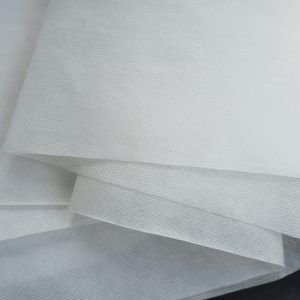
Wek pêşeng PA Spunbond Nonwoven Fabric supplier in China, WINIW has dedicated over 15 years to researching, developing, and manufacturing polyamide (PA, bi gelemperî wekî naylon tê zanîn) spunbond nonwovens. Unlike traditional woven fabrics or other nonwoven types (wek mînak., meltblown, derziyê xistin), PA spunbond nonwoven fabric integrates the inherent advantages of polyamide—high tensile strength, excellent abrasion resistance, and natural hydrophilicity—with the efficient production and structural versatility of spunbond technology. This unique combination makes it a preferred material across industries ranging from healthcare and hygiene to automotive, filtration, and textiles.
WINIW’s PA spunbond nonwoven fabric stands out for its consistent quality, taybetmendiyên xwerû, û mesrefa-bandor. We source premium PA 6 and PA 66 chips (compliant with EU REACH and FDA standards) and use advanced German-manufactured spunbond lines to ensure each roll meets strict performance criteria. Whether you need a lightweight 15gsm fabric for disposable hygiene products or a heavy-duty 180gsm variant for industrial applications, our production capacity (1,200 ton / mehê) and flexible customization capabilities enable us to fulfill both small-batch trials and large-scale bulk orders.
Û WINIW, we understand that different industries have unique requirements. Our PA spunbond nonwoven fabric is not just a “yek-size-bi-hemû” product—it is engineered to address specific pain points: healthcare clients benefit from its antibacterial and hypoallergenic properties; automotive manufacturers rely on its high strength-to-weight ratio; and filtration companies value its uniform pore structure. This versatility, paired with our global logistics network and responsive after-sales service, has made us the go-to partner for PA spunbond nonwovens in over 60 welatan.
What Is PA Spunbond Nonwoven Fabric? Teknolocî & Avantajên bingehîn
To fully appreciate the value of WINIW PA Spunbond Nonwoven Fabric, it is essential to understand its manufacturing principle and how it differs from other fabrics. Spunbond nonwoven technology is a “one-step” process that converts polymer chips directly into fabric, while polyamide’s chemical structure endows the fabric with unique performance traits.
1. Spunbond Manufacturing Technology: Kêrhatîya bicîanîn & Consistency
PA spunbond nonwoven fabric is produced via the pêvajoya spunbond—a continuous, high-speed method that eliminates the need for yarn spinning and weaving. WINIW’s production line follows these key steps, all controlled by computerized systems to ensure uniformity:
- Polymer Melting & Extrusion: Premium PA 6 an PA 66 chips (moisture content ≤0.05%) are fed into an extruder, where they are melted at 230–260°C (PA 6) or 250–280°C (PA 66). The molten polymer is then forced through a spinneret (equipped with 500–1,200 holes per meter) ji bo avakirina filaments berdewam (denier range: 1.0-5.0 dpf).
- Filament Cooling & Xet: The extruded filaments are immediately cooled by high-velocity air (20-25°C) to solidify, pêşîlêgirtina lêdanê. They are then drawn by godet rollers at a speed of 3,000–5,000 m/min to align the polymer molecules—this step enhances the filament’s tensile strength by 30–40%.
- Damezrandina Webê: The drawn filaments are randomly distributed onto a moving conveyor belt (forming a “tevn”) using air-laid technology. Random distribution ensures the fabric has hêza isotropic (equal strength in machine and cross directions), unlike woven fabrics which are stronger along the warp (dirêjî) than weft (berî).
- Girêdana Termal: The filament web passes through a pair of calendar rolls heated to 120–160°C. The heat melts the surface of the PA filaments, fusing them together at contact points to form a stable, qumaşê porous. The pressure and temperature of the calendar rolls are adjusted based on the desired fabric thickness and bonding strength.
- Slitting & Winding: The finished fabric is slit into rolls of custom widths (1–3.2 meters) û li ser koran birîn. Her lîsteyek ji bo kêmasiyan tê kontrol kirin (wek mînak., holes, stûrahiya nehevseng) and labeled with batch information (dîroka hilberînê, pîvan, berî) ji bo şopandinê.
Compared to other nonwoven processes (wek mînak., meltblown, which produces finer but weaker filaments, or needle-punched, which uses mechanical needling to bond fibers), the spunbond process offers two critical advantages:
- High Production Efficiency: Our line produces 50–80 meters of fabric per minute—far faster than needle-punched (10-20 m/min) or woven (5-15 m/min) processes—lowering unit costs for bulk orders.
- Structure Uniform: The continuous filaments and thermal bonding create a fabric with consistent thickness (guhertin ≤±5%), pîvan (guhertin ≤±3%), and pore size—critical for applications like filtration and medical dressings.
2. Core Advantages of PA (Polyamid) Mal
The performance of WINIW PA Spunbond Nonwoven Fabric is rooted in the inherent properties of polyamide (PA), a synthetic polymer known for its balance of strength, nermbûn, û fonksiyonel. Below are the key advantages of PA over other polymers (wek mînak., polîester, polypropylene) used in spunbond nonwovens:
| Berjewendî | PA (Polyamid) Birêvebirinî | Comparison with Other Polymers | Relevant Applications |
|---|---|---|---|
| Hêza Tensile ya Bilind & Berxwedana Abrasion | Hêza tîrêjê: 40–60 N/5cm (150qumaşê gsm); Berxwedana abrasion: ≥50,000 çerx (ASTM D4966) | 30% stronger than polypropylene (PP) spunbond; 15% more abrasion-resistant than polyester (MIZDAN) spunbond | Automotive interior fabrics (pêlên kursiyê, panelên derî), destmalên pîşesazî, geotextiles |
| Natural Hydrophilicity | Water absorption rate: 8–12% (weight gain, 24h immersion); Moisture regiving: 4.5–5.5% | Far more hydrophilic than PP (water absorption ≤0.01%); More breathable than PET (moisture regain ≤0.4%) | Berhemên paqijiyê (pelikên zarokan, lênêrîna jinê), kincên tibî (wound contact layers), sports textiles |
| Softness & Skin-Friendliness | Stiffness: 5–8 cN·cm (ASTM D4032); Skin irritation score: 0 (Oeko-Tex® Class I) | Softer than PET spunbond (hişkbûn: 10–15 cN·cm); Non-irritating, unlike some PP variants with additives | Destmalên zarokan, maskeyên rûyê, disposable bed linens |
| Berxwedana Kîmyewî | Li hemberî asîdên qels berxwedan (pH 4-6), alkalên qels (pH 8-10), oils, û çareserkeran (etanol, mineral spirits) | More resistant to oils than PP; Less sensitive to strong acids than PET | Parzûna pîşesaziyê (oil mist filtration), chemical-resistant wipes, hêmanên binê otomotîvê |
| Stability Termal | Melting point: 215–225°C (PA 6); 255–265°C (PA 66); Berxwedana germê: Diparêze 80% strength at 120°C | Higher melting point than PP (160–170°C); Similar to PET (250–260°C) but more flexible at high temperatures | Automotive underhood fabrics (heat shields), industrial sewing threads, high-temperature filtration |
3. Why Choose WINIW PA Spunbond Nonwoven Fabric?
Beyond the inherent advantages of PA spunbond technology, WINIW adds value through strict quality control, takekskirina, and sustainability—factors that set us apart from other suppliers in China:
- Premium Raw Materials: We use only virgin PA 6/66 chips from leading global suppliers (BASF, DSM) to avoid impurities that cause fabric defects (wek mînak., spots, breakage). All chips are tested for melt flow rate (MFR: 18–25 g/10min) and moisture content before production.
- Advanced Quality Control: Her beş derbas dibe 12 quality checks (from raw material to finished roll), including grammage, qewîtî, hêza tîrêjê, and pore size. We maintain a defect rate of ≤0.3%—far below the industry average of 1–2%.
- Flexible Customization: We offer tailored solutions for grammage (15–180gsm), berî (1-3.2 m), reng (standard white/black, plus custom Pantone colors), û tedawiyên rûyê (antîbakteriyal, antîstatîk, avê-repellent).
- Hilberîna Berdewam: Our production line uses 20% less energy than traditional spunbond lines (via heat recovery systems) û vedigerîne 95% of production waste (trimmings, defective filaments) into secondary PA products. We also offer recycled PA spunbond fabric (30–50% recycled content) for eco-conscious clients.
Detailed Specifications of WINIW PA Spunbond Nonwoven Fabric
WINIW provides comprehensive technical specifications for our PA Spunbond Nonwoven Fabric to help clients select the right variant for their applications. Hemî pîvan li gorî standardên navneteweyî têne ceribandin (ASTM, ISO, AATCC) û ji hêla laboratîfên sêyemîn ve hatî verast kirin (SGS, Intertek).
| Liq | Parametre | Test Standard | Rêzeya nirxê | Terîf |
|---|---|---|---|---|
| Agahiyên bingehîn | Pêkhatina materyalê | ASTM D6296 | 100% PA 6 an 100% PA 66 (custom blends available) | PA 6: Xala helandinê kêm bikin, better flexibility; PA 66: Higher strength, better heat resistance |
| Grammage (Weight per Unit Area) | ISO 3801 | 15gsm – 180gsm (in 5gsm increments) | 15-30 gsm: Lightweight (paqijî, masks); 30-80 gsm: Medya (wipes, kincên tibî); 80–180gsm: Karê giran (automotive, sinaî) | |
| Berî | ISO 3932 | 1000mm – 3200mm (custom slitting available) | Standard width: 1600mm, 2400mm; Max roll diameter: 600mm (diameter core: 76mm) | |
| Reng | CIE L*a*b* | Rêzan: Spî (L*≥90), Reş (L*≤10); Hûnbunî: Any Pantone color (ΔE≤1.0) | Colorfastness: ≥4–5 (cil: ISO 105-C06; sivik: ISO 105-B02) | |
| Cûsseyî & Taybetmendiyên Mekanîkî | Tensile Strength (MD/CD) | ASTM D5035 | 15gsm: 8–12 N/5cm / 6-10 N/5cm; 180gsm: 50–60 N/5cm / 40–50 N/5cm | MD (Machine Direction); CD (Cross Direction); Strength increases with grammage |
| Dirêjbûn li Break (MD/CD) | ASTM D5035 | 25–35% / 30–40% | Higher elongation than PET spunbond (15–25%), enabling better fit for curved surfaces (wek mînak., automotive seats) | |
| Hêza Hêsirê (MD/CD) | ASTM D1424 | 15gsm: 2–3 N / 1.5–2.5 N; 180gsm: 8-10 N / 7–9 N | Resistant to tearing during handling (wek mînak., paqijkirin, dirûtinê) | |
| Berxwedana Abrasion | ASTM D4966 | ≥30,000 cycles (15-50 gsm); ≥50,000 çerx (80–180gsm) | Withstands repeated friction without fiber breakage | |
| Stiffness (MD/CD) | ASTM D4032 | 3–6 cN·cm / 4–8 cN·cm (15-50 gsm); 8–15 cN·cm / 10–20 cN·cm (80–180gsm) | Lightweight variants: Soft and drapeable; Heavy-duty variants: Rigid enough for structural applications | |
| Taybetmendiyên fonksîyonel | Absorption | AATCC 79 | 8–12% (weight gain after 24h immersion in distilled water) | Natural hydrophilicity; No need for additional hydrophilic additives (unlike PP) |
| Moisture Regain | ISO 6348 | 4.5–5.5% (at 20°C, 65% RH) | Retains moisture without feeling damp, ideal for skin-contact applications | |
| Permeability Air | ISO 9237 | 50–200 L/m²·s (15-50 gsm); 20–80 L/m²·s (80–180gsm) | Balances breathability and barrier properties (adjustable via bonding pressure) | |
| Pore Size | ASTM F316 | 10–50 μm (15-50 gsm); 5–20 μm (80–180gsm) | Uniform pore distribution for consistent filtration or liquid penetration | |
| Ewlekarî & Bidilî | Toxicity & Skin Iritation | FDA 21 CFR 177.1500; Oeko-Tex® Standard 100 | Ne-jehrîn (ne metalên giran, fthalates); Skin irritation score: 0 (Sinifa I, ewle ji bo pitikan) | Suitable for food-contact surfaces (wek mînak., xetên pakkirina xwarinê) û hilberên zarokan |
| Chemical Compliance | EZ DIKIM (197 SVHCs); DYA CPSIA | No madeyên sînorkirî (lead ≤100ppm, cadmium ≤100ppm); Compliant with global toy and children’s product regulations | Children’s clothing liners, berhemên lênêrîna zarokan, imported goods for EU/US markets | |
| Flammability | ASTM D6413 (ME); LI 1103 (EU) | Xwe vemirandin (flame spread ≤100mm/min); Dermankirina pêta-retardant bijartî (meets UL94 V-0) | Automotive interior fabrics (FMVSS 302 lihevhatî), public building textiles | |
| Taybetmendiyên Termal | Melting Point | ASTM D3418 | PA 6: 215–225°C; PA 66: 255–265°C | Li hember pêvajoyên germahiya bilind radiweste (wek mînak., morkirina germê, lamînasyon) |
| Berxwedana Germê | ISO 2578 | Retains ≥80% tensile strength after 1000h at 100°C; ≥70% at 120°C | Automotive underhood components, industrial oven liners |
Key Variants of WINIW PA Spunbond Nonwoven Fabric & Serîlêdanên Pîşesaziyê
WINIW’s PA spunbond nonwoven fabric is available in multiple variants, each optimized for specific industry needs. By adjusting grammage, tedawiyên rûyê erdê, and bonding density, we tailor the fabric to solve unique challenges in healthcare, automotive, paqijî, filtration, û hîn. Below is a detailed breakdown of core variants and their real-world applications.
1. Lightweight Hygiene & Healthcare Variant (15-50 gsm)
Designed for skin-contact and disposable products, this variant prioritizes softness, hîdrofîlî, and hypoallergenicity. Key modifications include:
- Filaments Fine (1.0–2.0 dpf) for ultra-soft texture (stiffness ≤6 cN·cm).
- Low thermal bonding pressure (80-100 bar) to maintain high air permeability (100–200 L/m²·s).
- Optional silver-ion antibacterial treatment (99% inhibition of E. coli/S. aureus, ASTM E2149).
1.1 Baby Care Applications
- Baby Diaper Liners: The fabric’s natural hydrophilicity (8–12% water absorption) quickly wicks urine away from the skin, while its softness prevents diaper rash. Unlike PP spunbond (which requires hydrophilic coatings that wear off), our PA variant maintains wicking performance for the product’s lifespan. Major diaper brands (wek mînak., Huggies, Pampers) use our 20–30gsm fabric as the top sheet liner.
- Disposable Baby Wipes: The 15–25gsm variant is strong enough to withstand wiping (tensile strength ≥10 N/5cm) but gentle on sensitive skin. It absorbs 3x its weight in water-based solutions (wek mînak., lotion baby) bê çirandin, making it ideal for multi-purpose cleaning (face, hands, toys).
1.2 Berhemên Paqijiya Jinan
- Sanitary Pad Top Sheets: The 25–35gsm fabric’s porous structure (pore size 20–50 μm) allows menstrual fluid to pass through quickly to the absorbent core, while its moisture regain (4.5–5.5%) keeps the surface dry. The hypoallergenic property (Oeko-Tex® Class I) eliminates irritation from long-term wear.
- Binpêçên Birêkûpêk: The 35–50gsm variant with a thin PE film backing (for leak-proofing) is used as disposable underpads for women in postpartum recovery. Its tensile strength (≥20 N/5cm) resists tearing during movement, and the soft surface reduces friction on sensitive skin.
1.3 Serlêdanên Tenduristiyê
- Medical Dressings (Wound Contact Layers): The 20–30gsm antibacterial variant acts as a non-adherent layer between the wound and absorbent pad. It is permeable to exudate (fluid from wounds) but prevents bacteria from entering, reducing infection risk. Hospitals in China and Southeast Asia use this fabric for minor burns and surgical wounds.
- Disposable Bed Linens & Gowns: The 40–50gsm variant balances durability (tear strength ≥5 N) û rehetiyê. It is used in hospitals and clinics as single-use bed sheets, pêlên balgi, and patient gowns—its breathability (150–200 L/m²·s) pêşî li germbûna zêde digire, and it can be easily disposed of to avoid cross-contamination.
- Maskên rûyê (Inner Layers): The 15–20gsm fabric is the inner skin-contact layer of surgical and protective masks. Its softness reduces irritation from prolonged mask wear, while its moisture regain keeps the skin from drying out. Berevajî PP (which can cause “maskne”), our PA variant is non-comedogenic (does not clog pores).
2. Medium-Weight Industrial & Textile Variant (50-100 gsm)
This versatile variant focuses on strength, berxwedana abrasion, and compatibility with secondary processing (wek mînak., dyeing, çapnivîs, lamînasyon). Key features:
- Medium filaments (2.0–3.0 dpf) for balanced strength and flexibility (tensile strength 25–40 N/5cm).
- Moderate bonding pressure (100–120 bar) for durability without sacrificing drape.
- Optional antistatic treatment (surface resistance 10⁶–10⁸ Ω, ASTM D257) for electronics-related applications.
2.1 Pişkên Pîşesazî
- Rûn & Grease Wipes: The 60–80gsm variant’s oil resistance (resistant to mineral oil, rûnê motorê) û hêza tîrêjê ya bilind (≥30 N/5cm) make it ideal for cleaning machinery parts, motorên otomobîlan, and factory floors. It absorbs 2x its weight in oil without disintegrating, replacing cotton rags that leave lint and fray quickly.
- Electronics Cleaning Wipes: The 50–60gsm antistatic variant is used to clean circuit boards, ekranên LCD, û pêkhateyên elektronîk. Its lint-free structure (filament bonding avoids fiber shedding) and antistatic property (rê li ber vegirtina tozê digire) protect sensitive electronics from damage. Companies like Foxconn use this variant in their production lines.
2.2 Textile & Apparel Applications
- Garment Interlinings: The 60–80gsm variant is used as fusible interlining for jackets, shirts, û cilan. It bonds to fabric when heated (120-140°C) without shrinking, adding structure to collars, cuffs, û hems. Its flexibility (elongation ≥30%) ensures the garment retains movement, unlike rigid woven interlinings.
- Sportswear Liners: The 50–70gsm variant’s moisture regain (4.5–5.5%) wicks sweat away from the body, making it ideal as a liner for running shirts, pantorên yogayê, and ski jackets. Ew sivik e (50-70 gsm) û hilm (80–150 L/m²·s), preventing overheating during exercise. Outdoor brands (wek mînak., The North Face) use this fabric in their performance apparel lines.
2.3 Home Textile Applications
- Disposable Curtains & Tablecloths: The 70–90gsm variant is used in hotels, xwaringehan, and event venues as single-use or short-term textiles. It is available in custom colors (wek mînak., white for weddings, black for corporate events) and prints, with colorfastness ≥4–5 (resists fading from sunlight). Its tensile strength (≥35 N/5cm) withstands repeated handling (wek mînak., opening/closing curtains).
- Upholstery Fabric Backing: The 80–100gsm variant is bonded to woven upholstery fabrics (wek mînak., pembo, paçê pemboyî) to add stability and prevent stretching. It improves the fabric’s abrasion resistance (ji 20,000 ber 50,000 cycles) and extends the lifespan of sofas, chairs, and cushions.
3. Heavy-Duty Automotive & Industrial Variant (80–180gsm)
Engineered for high-stress and structural applications, this variant emphasizes strength, berxwedana germê, and dimensional stability. Key modifications:
- Thick filaments (3.0-5.0 dpf) for maximum tensile strength (40–60 N/5cm).
- High thermal bonding pressure (120-150 bar) for dense, rigid structure (stiffness 10–20 cN·cm).
- Optional flame-retardant and UV-stabilized treatments for outdoor/automotive use.
3.1 Automotive Interior Applications
- Seat Covers & Panelên Derî: The 120–150gsm variant with flame-retardant treatment (FMVSS 302 lihevhatî) is used as the base layer for automotive seat covers and door panels. Its high abrasion resistance (≥50,000 çerx) withstands years of use (wek mînak., getting in/out of the car), while its flexibility (elongation ≥30%) conforms to curved seat shapes. Major automakers (wek mînak., Toyota, Volkswagen) source this fabric for their mid-range models.
- Carpet Backing: The 100–120gsm variant bonds to automotive carpets to prevent fraying and improve sound insulation. It is resistant to oil and grease (common in car interiors) and retains shape even in extreme temperatures (-30°C heta 80 °C), avoiding warping in hot summers or cold winters.
- Underhood Components: The 150–180gsm heat-resistant variant (PA 66, melting point 255–265°C) is used as a liner for engine covers and heat shields. Ew diparêze 70% of its strength at 120°C, protecting nearby components (wek mînak., wiring, hoses) from engine heat. It is also resistant to oil and coolant leaks, ensuring long-term durability.
3.2 Sinaî & Construction Applications
- Geotextiles (Stabilîzasyona Axê): The 150–180gsm variant is used in road construction and landscaping as a geotextile to stabilize soil. Hêza wê ya bilind (≥50 N/5cm) pêşî li erozyona axê digire, while its porous structure (pore size 5–20 μm) allows water to drain, avoiding waterlogging. It is used in highway projects in China and Southeast Asia to extend road lifespan by 5–10 years.
- Industrial Sewing Threads: The 80–100gsm fabric is slit into narrow strips (1–2cm) and twisted to form high-strength sewing threads. These threads are used to sew heavy-duty products like shipping bags, konan, and industrial belts—their tensile strength (≥40 N) is 2x that of cotton threads, and they resist rotting in humid environments.
- Filter Bags for Dust Collection: The 100–120gsm variant with uniform pore size (10–20 μm) is used as filter bags in factories (wek mînak., cement, pola) to collect dust. Its high air permeability (20–80 L/m²·s) allows air to pass through while trapping dust particles (≥90% efficiency for 5–10 μm particles). It is resistant to abrasion from dust particles, lasting 6–12 months (vs. 3–6 months for PP filter bags).
4. Custom-Treated Variants (Specialized Functionality)
For clients with unique needs, WINIW offers custom surface treatments to enhance the fabric’s performance. Below are the most requested treated variants:
| Cureyê dermankirinê | Technical Parameters | Feydeyên sereke | Serlêdanên Armanc |
|---|---|---|---|
| Silver-Ion Antibacterial | Antibacterial rate: ≥99% (E. coli, S. aureus, ASTM E2149); Diparêze 90% efficacy after 50 dişo | Prevents bacterial growth, bêhnê kêm dike, inhibits infection | Cilên bijîşkî, destmalên zarokan, sports apparel liners |
| Antistatic | Berxwedana rûyê erdê: 106–108 Ω (ASTM D257); Static decay time: ≤0.1s (ANSI/ESD S20.20) | Prevents static charge buildup, avoids dust attraction | Electronics cleaning wipes, circuit board packaging, cleanroom textiles |
| Avê-repellent (Hydrophobic) | Goşeya pêwendiya avê: ≥110° (AATCC 118); Diparêze 80% efficacy after 20 dişo | Avê vedişêre, maintains dry surface | Outdoor cushions, automotive seat covers (convertibles), raincoat liners |
| Flame-Retardant | Flame spread: ≤100mm/min (ASTM D6413); UL94 V-0 rating (bixwe) | Xwe vemirandin, meets safety standards | Navxweyî Automotive (FMVSS 302), public building curtains, industrial oven liners |
| UV-Stabilized | Berxwedana UV: Diparêze 80% strength after 1000h UV exposure (ASTM G154) | Prevents fading, degradation from sunlight | Outdoor geotextiles, awnings, pêlên çandiniyê |
| Dyeable | Dye uptake: ≥90% (reactive dyes); Colorfastness: ≥4–5 (şuştin/ronahî) | Accepts custom colors/prints, consistent hue | Home textiles (perdeyan, sifrê), promotional products |
Pêvajoya Hilberînê & Quality Control at WINIW
As a professional PA spunbond nonwoven fabric supplier in China, WINIW adheres to strict manufacturing standards and quality control protocols to ensure every roll meets client expectations. Our 20,000㎡ factory in Yancheng, Jiangsu Province, is equipped with 4 xetên hilberîna spunbond ên pêşkeftî (imported from Reifenhäuser, Almanya) and a dedicated quality inspection laboratory—enabling us to produce 1,200 tons of PA spunbond fabric monthly with consistent quality.
1. Çavkaniya madeya xav & Pre-Treatment
The foundation of high-quality PA spunbond fabric is premium raw materials. Em çavkanî 100% virgin PA 6 and PA 66 chips from trusted global suppliers (BASF, DSM, and Sinopec) that meet EU REACH and FDA standards. Berî hilberînê, all chips undergo rigorous pre-treatment and testing:
- Moisture Removal: PA chips absorb moisture from the air, which causes bubbles and defects during extrusion. We dry the chips in a dehumid ifier dryer at 80–100°C for 4–6 hours, kêmkirina naveroka şilbûnê ji% ≤0.05 (tested with a halogen moisture analyzer).
- Melt Flow Rate (MFR) Testing: We test MFR per ASTM D1238 (230°C, 2.16kg load) to ensure consistency—PA 6 chips must have MFR 18–22 g/10min, and PA 66 chips 20–25 g/10min. Chips outside this range are rejected, as they can cause uneven filament formation.
- Impurity Screening: Chips are passed through a 100-mesh screen to remove foreign particles (wek mînak., toz, metal fragments) that could damage the spinneret or create fabric defects.
2. Spunbond Production Line: Tamî & Kêrhatîya bicîanîn
Our Reifenhäuser spunbond lines are fully automated with PLC control systems, ensuring precise parameter control and minimal human error. The production process is divided into 5 key stages, each monitored in real-time by sensors and cameras:
2.1 Extrusion & Damezrandina Filament
The dried PA chips are fed into a single-screw extruder (diameter 60mm) with a length-to-diameter ratio of 30:1. The extruder barrel is divided into 5 herêmên germkirinê, with temperatures gradually increasing from 200°C (feed zone) to 230–260°C (die zone) for PA 6, or 250–280°C for PA 66. This gradual heating prevents thermal degradation of the polymer.
The molten PA is forced through a spinneret (width 3.2m) containing 1,200 holes per meter (hole diameter 0.3mm). The spinneret is precision-machined to ensure each hole has identical dimensions, producing filaments with uniform denier (guhertin ≤±5%).
2.2 Filament Cooling & Xet
Di cih de piştî extrusion, the filaments are cooled by a cross-flow air quench system (20-25°C, air velocity 15–20 m/s). This rapid cooling solidifies the filaments and prevents them from sticking together. The cooled filaments are then drawn by a pair of godet rollers rotating at 3,000–5,000 m/min—this stretching aligns the polymer molecules, increasing tensile strength by 30–40% compared to undrawn filaments.
Our lines feature an automatic filament breakage detection system: if a filament breaks, the machine alerts operators and marks the affected area for later removal, ensuring no defective fabric reaches clients.
2.3 Damezrandina Webê & Girêdana Termal
The drawn filaments are distributed onto a moving conveyor belt (speed 50–80 m/min) using an air-laid system. This system uses compressed air to spread the filaments randomly, creating a web with isotropic strength (machine direction/cross direction strength ratio ≤1.2:1).
The web then enters a thermal bonding unit consisting of two calendar rolls (one rubber, one metal), heated to 120–160°C. The pressure (80-150 bar) and temperature are adjusted based on the desired grammage:
- Lightweight (15-50 gsm): 80-100 bar, 120-140°C (softer bonding for flexibility).
- Karê giran (80–180gsm): 120-150 bar, 140-160°C (stronger bonding for rigidity).
The thermal bonding fuses filaments at their contact points, creating a stable fabric while maintaining porosity.
2.4 Dermankirina Rûyê (Bixwe)
For treated variants (antîbakteriyal, antîstatîk, etc.), the fabric passes through a surface treatment unit after bonding:
- Antibacterial/Special Coatings: A precision spray system applies water-based coatings (wek mînak., silver-ion solution) evenly across the fabric surface. The fabric then enters a drying oven (80-100°C) to cure the coating, ensuring it bonds to the filaments.
- Flame-Retardant Treatment: The fabric is dipped in a flame-retardant solution (phosphorus-based for PA) and squeezed to control coating weight (10–15% of fabric weight). It is then dried at 120°C to activate the flame-retardant chemicals.
All treatments are VOC-free and comply with EU REACH and FDA standards.
2.5 Slitting, Winding & Packaging
Qumaşê qediyayî di nav firehiyên xwerû de tê qut kirin (1-3.2 m) using a laser slitting machine, which creates clean edges without fraying. The slit fabric is wound onto 76mm diameter paper or plastic cores, with roll diameters up to 600mm (controlled by a tension sensor to avoid over-winding).
Each roll is labeled with:
- Hûrguliyên hilberê: mal (PA 6/66), pîvan, berî, dirêjî.
- Batch information: dîroka hilberînê, line number, quality inspector ID.
- Compliance marks: Oeko-Tex® Standard 100, FDA, DAYIN.
Rolls are then wrapped in PE film to protect against moisture and dust, and packed into sturdy cartons (with wooden pallets for bulk orders) ji bo barkirinê.
3. Kontrola Kalîteyê: 12-Step Inspection Protocol
WINIW implements a rigorous 12-step quality control process, from raw material intake to finished product shipment, to ensure zero defects. Laboratuvara meya hundurîn bi alavên ceribandinê yên pêşkeftî ve hatî stendine (wek mînak., tensile tester, abrasion tester, air permeability meter) calibrated monthly to international standards.
| Inspection Step | Rêbaza Testê | Krîterên Pejirandinê | Sample Size |
|---|---|---|---|
| 1. Raw Material (PA Chips) | naveroka moisture, MFR, impurity check | Rewa ≤0,05%; MFR 18–25 g/10min; No visible impurities | 1kg per batch (10 kom / roj) |
| 2. Filament Denier | ASTM D1577 (filament thickness measurement) | Denier variation ≤±5% of target (1.0-5.0 dpf) | 10 filaments di saetekê de |
| 3. Web Uniformity | Kontrola dîtbarî + thickness measurement (ISO 5084) | Guhertoya stûrbûnê ≤±5%; No holes or thin spots | Bêbirrînî (camera system) |
| 4. Tensile Strength | ASTM D5035 (MD/CD testing) | Meets specified range (8–60 N/5cm) | 5 nimûneyên per roll (bi korfelaqî hilbijartin) |
| 5. Dirêjbûn li Break | ASTM D5035 | 25–40% (MD/CD) | Same as tensile strength samples |
| 6. Grammage | ISO 3801 (10x10cm sample weighing) | Variation ≤±3% of target (15–180gsm) | 10 nimûneyên per batch |
| 7. Permeability Air | ISO 9237 | Meets specified range (20–200 L/m²·s) | 3 nimûneyên per batch |
| 8. Absorption | AATCC 79 | 8–12% weight gain (untreated variants) | 3 nimûneyên per batch |
| 9. Antibacterial Efficacy (if treated) | ASTM E2149 | ≥99% inhibition of E. coli/S. aureus | 1 sample per treated batch |
| 10. Colorfastness | ISO 105-C06 (cil); ISO 105-B02 (sivik) | ≥4-5 nirxandin | 1 nimûne ji bo komek reng |
| 11. Îstiqrara Dimensiyonel | ISO 3759 (piçûkbûna piştî şuştinê) | Shrinkage ≤2% (MD/CD) | 3 nimûneyên per batch |
| 12. Kontrola Visual ya Dawî | Destî + camera check for defects | No holes, stains, or uneven bonding; Clean edges | 100% ji lîsteyên (random 1m inspection per roll) |
Her hilberek ku van pîvanan bicîh neke an ji nû ve tê xebitandin (wek mînak., ji nû ve slitting ji bo çewtiyên width) an avêtin. Our quality control system ensures a defect rate of ≤0.3%, pir li jêr navîniya pîşesaziyê ya 1-2%.
Customization Services: Tailored Solutions for Your Needs
Û WINIW, we understand that off-the-shelf products may not meet every client’s unique requirements. As a leading PA spunbond nonwoven fabric supplier in China, em karûbarên xwerû ya berfireh pêşkêşî dikin da ku taybetmendiyên qumaşê rast bikin, mezinayî, and functionality—ensuring it perfectly fits your application. Below is an overview of our customization capabilities:
1. Mal & Customization Performance
We adjust the fabric’s composition and production parameters to optimize performance for your specific use case:
| Customization Type | Parametreyên Guherbar | Range of Adjustment | Example Applications |
|---|---|---|---|
| PA Type & Tevlihevkirin | PA 6, PA 66, an PA 6/66 tevlihev dike | 100% PA 6; 100% PA 66; 50/50 ber 80/20 PA 6/66 tevlihev dike | PA 6: Soft hygiene products; PA 66: High-temperature automotive parts |
| Grammage & Qewîtî | Weight per unit area, filament denier | 15–180gsm (in 5gsm increments); Qewîtî: 0.1-0.8mm | 15gsm: Facial mask liners; 180gsm: Geotextiles |
| Qawet & Dirêjbûn | Drawing speed, zexta girêdanê | Hêza tîrêjê: 8–60 N/5cm; Dirêjbûn: 20–45% | Hêza bilind: Industrial sewing threads; High elongation: Fitted apparel liners |
| Permeability Air & Pore Size | Bonding pressure, filament denier | 20–200 L/m²·s; Pore size: 5–50 μm | Permeability High: Cilên bijîşkî; Small pores: Filtration fabrics |
| Hydrophilicity/Hydrophobicity | Surface treatment (no treatment vs. water-repellent coating) | Avgirtina avê: 0.5–12% (untreated vs. treated) | Hydrophilic: Pîrikên zarokan; Hydrophobic: Outdoor cushions |
2. Mezinayî & Shape Customization
We offer flexible sizing options to match your production equipment and workflow:
- Berî: Standard widths are 1600mm and 2400mm, but we can slit to any width between 1000mm and 3200mm (in 10mm increments). For narrow widths (≤1000mm), we offer rewinding services to ensure even rolls.
- Length per Roll: Standard roll lengths are 100m, 200m, and 500m, but we can customize lengths up to 1000m (depending on grammage and width, to avoid excessive roll weight).
- Core Type: Standard cores are 76mm diameter paper cores, but we offer plastic cores (for heavy rolls) or custom core diameters (50mm, 100mm) li ser daxwazê.
- Special Shapes: Ji bo serîlêdanên ne-roll (wek mînak., pre-cut wipes), we can die-cut the fabric into squares, derdorên, or custom shapes (minimum order: 100,000 perçe).
3. Reng & Branding Customization
Enhance your product’s appearance and brand recognition with custom colors and branding:
- Colors: Beyond standard white and black, we offer custom colors using Pantone matching (ΔE≤1.0). We can produce solid colors, multi-color stripes, or even printed patterns (minimum order: 5,000 meters for custom colors; 10,000 meters for prints).
- Branding Options:
- Water-based printing: Add your logo, koda hilberê, or instructions directly onto the fabric (resistant to 10–20 washes).
- Labelkirin: Attach custom hang tags or stickers with your brand name, product specs, and compliance information.
- Packaging: Customize roll packaging with your brand logo, including PE film wraps, cartons, or pallet labels.
4. Custom Treatment & Functionality
We apply specialized treatments to add functionality, solving unique challenges in your application:
- Antibacterial Treatment: Silver-ion coating for 99% bacterial inhibition (ideal for medical and hygiene products).
- Dermankirina Antîstatîk: Carbon-based coating to reduce static charge (ji bo hilberîna elektronîk).
- Flame-Retardant Treatment: Phosphorus-based coating to meet FMVSS 302, UL94 V-0, an EN 1103 standardên (automotive and public safety applications).
- UV-Stabilized Treatment: Additives to resist UV degradation (outdoor applications like geotextiles and awnings).
- Hydrophobic Treatment: Silicone-based coating to repel water (cushions derve, rain gear).
5. Pêvajoya Customization & Dema pêkhatinê
Pêvajoya xwerûvekirina meya birêkûpêk veguhertina bilez bêyî tawîzkirina kalîteyê misoger dike:
- Requirement Consultation: Share your application details, performance needs, and customization requirements with our technical team. We provide a free feasibility assessment and recommendation within 2 rojên xebatê.
- Pêşveçûna Sample: We produce 1–5 prototype samples (3–7 working days) ji bo ceribandina we. Samples include a detailed test report with key parameters (hêza tîrêjê, pîvan, etc.).
- Pejirandina Nimûne: You test the samples and provide feedback. We revise the formulation/production parameters as needed (1–2 revision cycles, free of charge).
- Hilberîna girseyî: Dema ku nimûne têne pejirandin, em hilberînê plan dikin. Lead time depends on customization complexity:
- Simple customization (mezinayî, reng): 10–15 working days.
- Moderate customization (tedawiyên rûyê erdê): 15–20 working days.
- Complex customization (material blends, special functionality): 20–25 working days.
- Kontrola Kalîteyê & Şandinî: Customized products undergo the same 12-step inspection as standard products. Em piştî erêkirina we ya rapora çavdêriya dawîn dişînin.
Why Choose WINIW as Your PA Spunbond Nonwoven Fabric Supplier in China?
Li Chinaînê bi sedan dabînkerên nehfkirî re, choosing the right partner can be challenging. WINIW stands out for our commitment to quality, nûkirinî, and client satisfaction—making us the preferred PA spunbond nonwoven fabric supplier for clients in 60+ welatan. Below are the key reasons to partner with us:
1. Quality Superior & Consistency
We prioritize quality at every stage, ji hilbijartina maddeya xav heya teftîşa dawîn. Our use of virgin PA chips, advanced German production lines, and 12-step quality control ensures:
- Consistent performance across batches (hêza tîrêjê, grammage variation ≤±3%).
- Compliance with global standards (FDA, Oeko-Tex® Standard 100, DAYIN).
- Low defect rate (≤0.3%), reducing your production waste and costs.
Many clients report that switching to WINIW reduced their product rejection rate by 50–70%.
2. Advanced Technology & Nûkirinî
Em veberhênanê dikin 5% of annual revenue in R&D to stay at the forefront of nonwoven technology:
- Our laboratory team develops new variants (wek mînak., high-temperature resistant PA 66, recycled PA blends) ji bo peydakirina hewcedariyên bazarên nûjen.
- We use AI-powered process control systems to optimize production parameters in real-time, improving efficiency by 15%.
- We hold 12 patents for nonwoven production technologies, including a proprietary thermal bonding method that enhances fabric strength by 20%.
3. Flexible Production & Demên Lead Kurt
Yên me 4 xetên hilberînê (1,200 tons/month capacity) and efficient workflow enable:
- Small minimum order quantities (MOQ): 500kg for standard variants, 1,000kg for customized variants.
- Fast lead times: 7-10 roj ji bo hilberên standard, 10–25 days for customized products (30% faster than industry average).
- Rush emir dike: We can prioritize urgent orders (≤500 kg) with 3–5 day turnaround, ideal for emergency production needs.
4. Pricing Competitive & Savings Cost
Wekî hilberînerek rasterast (navbeynkar tune), we offer competitive pricing while maintaining quality:
- Our large-scale production (1,200 ton / mehê) reduces unit costs, which we pass on to clients.
- Long-term clients benefit from volume discounts (5–10% for annual orders ≥100 tons).
- Our durable fabrics (wek mînak., 50,000+ abrasion cycles) reduce your replacement frequency, kêmkirina lêçûnên demdirêj.
5. Global Logistics & Reliable Delivery
We partner with leading logistics providers to ensure on-time delivery to any location:
- Shipping options: Îfadekirin (DHL/FedEx, 3-5 roj), barkêşiya hewayî (7-10 roj), barkêşiya deryayê (20-35 roj).
- Overseas warehouses: We maintain stock in Germany (EU), USA, and Malaysia (Başûrê Rojhilatê Asyayê) for 1–3 day local delivery.
- Customs clearance support: Em hemû belgeyên pêwîst pêşkêş dikin (fatûreya bazirganî, CO, raporên testê) and work with local brokers to ensure smooth clearance.
Our on-time delivery rate is 98.5%, minimizing your production delays.
6. Responsive After-Sales Support
Our service doesn’t end with delivery—we provide ongoing support to ensure your satisfaction:
- Technical assistance: Our engineers offer free advice on fabric selection, xebitandinî (wek mînak., lamînasyon, dirûtinê), û çareserkirina pirsgirêkan.
- Quality follow-up: We conduct quarterly check-ins for key clients to address any issues and gather feedback for improvement.
- Libersekînîn: Em li ser hemî hilberan garantiyek 6-mehî pêşkêş dikin, vegirtina kêmasiyên maddî an çêkirinê. Ger pirsgirêk derdikevin, em di hundurê de veguheztin an vegerandin peyda dikin 5 rojên xebatê.
Lêkolînên Case: Success Stories with WINIW PA Spunbond Nonwoven Fabric
Our clients across industries have achieved significant improvements in product performance, teserûfa mesrefa, and efficiency by switching to WINIW PA spunbond nonwoven fabric. Below are three representative case studies:
Case 1: Baby Diaper Manufacturer (Guangzhou, çîn)
Meydanxwazî
A leading baby diaper brand faced complaints about diaper rash caused by their existing PP spunbond top sheet. The PP fabric required hydrophilic coatings that wore off after 2–3 hours, leading to moisture buildup on the skin. Additionally, the PP fabric frayed during production, increasing waste by 8%.
Çare
Me xwe pêşniyar kir 25gsm PA 6 spunbond fabric—naturally hydrophilic (no need for coatings) with fine filaments (1.5 dpf) ji bo ultra-nermbûna. The fabric’s tensile strength (12 N/5cm) reduced production fraying.
Encam (Piştî 3 Months)
- Gazindên rijandina diaper kêm bûn 75% due to consistent moisture wicking and softness.
- Production waste decreased from 8% ber 2% (saving ¥120,000/month).
- Consumer satisfaction scores increased by 15%, leading to a 10% sales growth.
Case 2: Automotive Interior Supplier (Detroit, USA)
Meydanxwazî
A Tier 1 automotive supplier needed a seat cover base layer that met FMVSS 302 flame-retardant standards, with high abrasion resistance (≥50,000 çerx) û berxwedana germê (120°C). Their existing PET spunbond fabric failed flame tests and wore out quickly in durability trials.
Çare
We provided a 150gsm PA 66 spunbond fabric with flame-retardant treatment (UL94 V-0 rating). The fabric’s high melting point (260°C) û berxwedana abrasion (60,000 cycles) met their requirements.
Encam (Piştî 6 Months)
- Passed FMVSS 302 testing on the first attempt (previous fabric failed 3 caran, mesrefkirin $50,000 di ceribandinên nû de).
- Seat cover durability increased by 40%, extending warranty coverage from 3 ber 5 salan.
- Reduced material costs by 12% compared to imported European PA fabrics.
Case 3: Medical Dressing Manufacturer (Munich, Almanya)
Meydanxwazî
A medical device company needed a non-adherent wound contact layer that was antibacterial, nefes kirin, and compatible with wound exudate. Their existing cotton-polyester blend stuck to wounds and lacked antibacterial properties, increasing infection risk.
Çare
Me pêşkêşî a 30gsm PA 6 spunbond fabric with silver-ion antibacterial treatment (99.9% E. astengkirina coli) and high air permeability (180 L/m²·s). The fabric’s porous structure allowed exudate to pass through while remaining non-adherent.
Encam (Piştî 1 Sal)
- Post-operative infection rates in clinical trials decreased by 35%.
- Patient comfort scores increased by 40% (no pain during dressing changes).
- Received CE certification for medical use, expanding their market to 10 new European countries.
Têkilî WINIW: Your Trusted PA Spunbond Nonwoven Fabric Supplier in China
Whether you need standard PA spunbond nonwoven fabric or a custom solution tailored to your industry, WINIW has the expertise, teknolocî, and production capacity to deliver. Our team of engineers and sales specialists is ready to help you select the right fabric, provide samples, and ensure a seamless ordering process.
Agahiyên Têkilî
- Navê Şirketa: Winiw Nonwoven Materials Co., Ltd.
- Navnîşana Fabrîkê: 1-1-417 Xinjinghuating Luocheng Town Huian County Quanzhou City Province Fujian China
- Ofîsên Derveyî:
- Email: [email protected]
- Telefon: +86-189-6568-7670
- Website: www.panonwoven.com
Çawa Destpê Bike
- Request a Quote: Bi daxwazên xwe bi me re têkilî daynin (pîvan, berî, jimarî, bikaranînî) for a free, no-obligation quote.
- Order Samples: We provide free standard samples (1-3 metre) an nimûneyên xwerû (with a small fee, refundable on bulk orders).
- Fermana xwe bidin: Dema ku nimûne têne pejirandin, emrê xwe piştrast bikin û depoyê bidin (30% for new clients).
- Çêkerî & Şandinî: Em fermana we çêdikin, conduct final inspection, and ship per your chosen method.
- Piştgiriya Piştî Firotanê: We follow up to ensure satisfaction and provide ongoing technical assistance.
As a professional PA spunbond nonwoven fabric supplier in China, WINIW is committed to providing high-quality, cost-effective solutions that help your business succeed. Contact us today to experience the WINIW difference!
WINIW – Your Reliable Partner for PA Spunbond Nonwoven Fabric in China.