

Terîf
WINIW: Trusted Spunbond Nylon Fabric Supplier in China, Delivering High-Quality Nonwoven Solutions
1. Pêşkêş: Why WINIW Is a Leading Spunbond Nylon Fabric Supplier in China
In the global nonwoven industry, spunbond nylon fabric (also known as polyamide spunbond nonwoven) stands out for its exceptional strength, berxwedana kîmyewî, û pirrengî. As a professional Spunbond Nylon Fabric supplier in China, Winiw Nonwoven Materials Co.,Ltd has dedicated over a decade to perfecting the production of this high-performance material. We don’t just supply fabric—we provide tailored solutions that meet the unique needs of industries ranging from medical and hygiene to automotive, filtration, and textiles.
Winiw Nonwoven Materials Co.,Ltd supply high quality spunbond nylon fabric, non-woven spunbond fabric, polyamide spunbond nonwoven fabric, microfiber spunbond nonwoven, etc. Our product range is designed to cover diverse application scenarios, leveraging the inherent advantages of nylon (polyamide) to solve pain points that traditional nonwovens (like polyester or polypropylene) can’t address. Bo nimûne, our spunbond nylon fabric offers superior abrasion resistance for automotive interiors, better chemical stability for medical devices, and enhanced softness for hygiene products—making it a preferred choice for clients worldwide.
What sets WINIW apart from other suppliers in China? Pabendbûna me ji bo kalîteyê, nûkirinî, and customer-centricity. We operate state-of-the-art production lines with automated quality control systems, source premium raw materials from certified global suppliers, and offer flexible customization to match even the most specific requirements. Whether you’re a small business testing a new product or a multinational corporation needing bulk orders, we have the capacity, expertise, and reliability to be your long-term partner.
2. Detailed Specifications of WINIW Spunbond Nylon Fabric
Every parameter of WINIW’s Spunbond Nylon Fabric is carefully calibrated to ensure performance, hevgirtî, and compatibility with downstream processing. Li jêr veqetandinek berfireh a taybetmendiyên meya bingehîn heye, along with insights into how each parameter impacts end-use applications:
2.1 Pîvan: 30gsm – 150gsm – Balancing Lightweight Flexibility and Heavy-Duty Strength
Specification highlight: Pîvan: 30gsm 150 gsm
Pîvan (bi gram per metre çargoşe tê pîvandin, gsm) is a foundational specification that determines the fabric’s thickness, density, and functional capabilities. Our 30gsm–150gsm range covers three distinct categories, each optimized for specific use cases:
2.1.1 Rêzeya sivik (30gsm - 60 gsm): For Breathable, Delicate Applications
Lightweight spunbond nylon fabric is ultra-thin (0.03mm–0.06mm thickness) and highly breathable, making it ideal for applications where minimal bulk and maximum airflow are critical:
- Taybetmendiyên sereke: High air permeability (≥500 L/m²·s), soft tactile feel, and excellent drapability. The fabric is lightweight enough to be used in disposable products but durable enough for short-term reuse.
- Serlêdanên Tîpîkî:
- Pizişkî: Disposable surgical drapes (allows air circulation to prevent patient overheating), piştên cilê birînê (thin enough to conform to body contours).
- Paqijî: Feminine hygiene product topsheets (soft against skin, breathable to reduce discomfort), substratên paqijkirina zarokan (lightweight yet strong enough to resist tearing).
- Textiles: Lining fabrics for lightweight garments (wek mînak., cilên sporê, lingerie) to add structure without bulk.
- Advantage Over Competitors: Our 30gsm fabric maintains a tensile strength of 8–10 N/5cm (dîrektîfa makîneyê), which is 20% higher than industry averages—preventing tearing during processing or use.
2.1.2 Medium Weight Range (61gsm - 100 gsm): The Versatile Workhorse
Medium-weight spunbond nylon fabric (0.06mm–0.1mm thickness) strikes a balance between breathability, qawet, and durability—making it the most popular choice for general-purpose applications:
- Taybetmendiyên sereke: Moderate air permeability (300–500 L/m²·s), enhanced tensile strength (12-15 N/5cm), and good abrasion resistance. It can be easily cut, sewn, or laminated without losing structural integrity.
- Serlêdanên Tîpîkî:
- Automotive: Interior trim fabrics (wek mînak., panelên derî, seat side panels) – resistant to friction from daily use and compatible with automotive adhesives.
- Parzûnkirin: Medium-efficiency air filters (captures particles ≥10μm) for HVAC systems, industrial dust collection.
- Packaging: Heavy-duty gift bag substrates, reusable shopping bag liners (strong enough to hold 5–8kg of weight).
- Customer Benefit: The 80gsm variant is our bestseller, as it works for 70% of non-specialized applications—reducing the need for clients to source multiple fabric weights.
2.1.3 Rêzeya giran (101gsm - 150 gsm): For Durable, High-Stress Applications
Heavyweight spunbond nylon fabric (0.1mm–0.15mm thickness) is designed for demanding environments where strength and longevity are non-negotiable:
- Taybetmendiyên sereke: Hêza tîrêjê ya bilind (18–22 N/5cm), excellent abrasion resistance (passes 5,000 cycles of Martindale testing), and low elongation (≤15% under 10N load). It resists tearing, fraying, and chemical degradation.
- Serlêdanên Tîpîkî:
- Sinaî: Protective covers (wek mînak., alavan covers, tarpaulin liners) – resistant to oil, bez, and mild solvents.
- Geotextiles: Lightweight erosion control fabrics for construction sites – allows water penetration while stabilizing soil.
- Navmalî: Upholstery backing fabrics – adds structure to cushions and resists wear from repeated sitting.
- Quality Assurance: Our 150gsm fabric undergoes additional stress testing (wek mînak., 24-hour immersion in 5% sodium hydroxide solution) to ensure chemical stability—critical for industrial use.
2.2 Berî: 20cm – 160cm – Flexible for Every Production Line
Specification highlight: Berî: 20cm 160 cm
Firehbûn ji bo karîgeriya hilberînê taybetmendiyek krîtîk e, as it determines how much fabric is wasted during cutting and how well it fits into existing production equipment. Our 20cm–160cm width range is designed to cater to both small-scale workshops and large industrial facilities:
2.2.1 Firehiya Teng (20cm – 60cm): For Small-Batch and Specialized Products
Narrow-width fabric is ideal for clients producing small-sized items or operating compact processing machines:
- Feydeyên sereke:
- Minimizes waste: Ji bo hilberên piçûk (wek mînak., 15cm×20cm medical dressing backings), a 30cm width allows two pieces per cut with no scrap.
- Compatibility: Fits narrow-format machines (wek mînak., tabletop slitters, laminatorên piçûk) commonly used by startups or regional manufacturers.
- karîgerîya mesrefa: Smaller widths reduce inventory storage space and shipping costs for low-volume orders.
- Bikaranîna hevpar: Medical dressing components, feminine hygiene product wings, small gift bag fabrics.
2.2.2 Medium Width (61cm – 120cm): For Standard Industrial Production
Medium-width fabric is the industry standard, compatible with most commercial nonwoven processing equipment (wek mînak., cutters automated, roll-to-roll laminators):
- Feydeyên sereke:
- Pirrengî: A 100cm width can be used to produce a wide range of products (wek mînak., 50cm×70cm automotive trim pieces, 40cm×60cm filter media).
- Kêrhatîya bicîanîn: Reduces the number of seams needed for larger products (wek mînak., a 120cm width can cover a standard door panel without拼接).
- Global compatibility: Aligns with the width of most international production lines, ji bo xerîdarên pirneteweyî standardîzekirina materyalan hêsan dike.
- Best-Selling Width: 100cm – chosen by 60% of our clients for its balance of versatility and efficiency.
2.2.3 Firehiya Berfireh (121cm - 160 cm): For Large-Scale and Oversized Products
Wide-width fabric is designed for clients producing large items or requiring high-volume output:
- Feydeyên sereke:
- High productivity: A 160cm width allows more pieces per roll (wek mînak., 4 pieces of 40cm×40cm filter media per cut), increasing production speed.
- Seamless coverage: Ideal for large products like geotextiles (1m×100m rolls) or furniture upholstery backing, eliminating weak points from seams.
- Cost savings: Lower per-square-meter cost compared to narrow widths, as production and shipping costs are spread over more material.
- Bikaranîna hevpar: Geotextiles, large-format automotive interior panels, industrial equipment covers.
For clients with unique width requirements (wek mînak., 180cm for specialized furniture applications), WINIW offers custom slitting services with a minimum order of 500kg—ensuring the fabric fits perfectly into your production process.
2.3 Reng: White – The Functional and Versatile Choice
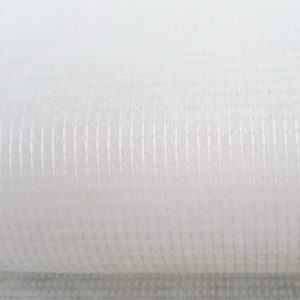
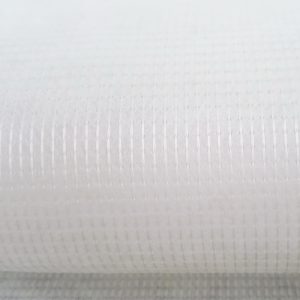
Specification highlight: Reng: Spî
While custom colors are available upon request, white is our standard offering for spunbond nylon fabric—and for good reason. It is the most versatile color for nonwoven applications, offering functional and practical benefits that colored fabrics can’t match:
2.3.1 Functional Advantages of White Fabric
- Tespîtkirina Contamination: Spî qirêj dike, stains, or defects (wek mînak., fîberên berbelav, foreign particles) immediately visible—critical for industries like medical and food processing, where hygiene is regulated. Bo nimûne, a small blood spot on a white surgical drape is easy to spot, ensuring patient safety.
- Lihevhatina Kîmyewî: White fabric uses no added dyes, reducing the risk of chemical reactions with adhesives, coatings, an ajanên paqijkirinê. This is essential for medical devices (wek mînak., wound dressings that come into contact with skin) û pêkhateyên otomotîvê (where dyes could leach into other materials).
- Berxwedana UV: Our white fabric is treated with a UV stabilizer that prevents yellowing or degradation when exposed to sunlight—unlike some colored fabrics, which fade or become brittle over time. This makes it suitable for outdoor applications like geotextiles or outdoor equipment covers.
2.3.2 Aesthetic and Customization Benefits
- Neutral Appeal: White complements any brand color or product design, making it ideal for clients who want to add their own branding (wek mînak., printing logos on shopping bags, dyeing fabric for automotive interiors). It serves as a blank canvas for further customization.
- Consistency: White fabric is easier to produce with uniform color across batches—unlike colored fabrics, which can vary in shade due to dyeing inconsistencies. This ensures your products have a consistent appearance, enhancing brand reputation.
- Bikêrhatina Mesrefê: White fabric avoids the additional cost of dyeing, making it more affordable than custom-colored options. For clients who need color, we offer post-production dyeing guidance to ensure compatibility with our fabric.
2.3.3 Vebijêrkên Color Custom
For clients with specific color requirements (wek mînak., brand colors for promotional products, colored filter media for industrial identification), WINIW karûbarên boyaxkirina xwerû bi karanîna ekolojîk-dostanî pêşkêşî dike, rengên-bingeha avê. Detayên sereke:
- Mîqdara siparîşa hindiktirîn: 500kg per reng.
- Lihevhatina rengîn: We use Pantone or RAL color charts to ensure precise color replication.
- Lihevhatina ewlehiyê: Hemî boyax li gorî OEKO-TEX® Standard 100 û rêzikên REACH, ensuring they are non-toxic and safe for skin contact.
2.4 Siparîşa hindiktirîn mîqdara: 1 Ton – Balancing Efficiency and Accessibility
Specification highlight: Mîqdara siparîşa hindiktirîn: 1 ton
Our MOQ of 1 ton (1,000kg) is designed to balance production efficiency with client accessibility. This quantity aligns with the economies of scale in nonwoven manufacturing, ensuring we can deliver high-quality fabric at competitive prices while still catering to most business needs:
2.4.1 Benefits of a 1 Ton MOQ for Clients
- Savings Cost: Bulk ordering reduces per-kilogram costs by 15–20% compared to small orders. Bo nimûne, our 30gsm fabric costs $2.8/kg for 1 ton, vs. $3.5/kg for 500kg—saving you significant costs for long-term projects.
- Inventory Stability: YEK 1 ton order typically provides enough fabric for 2–6 months of production (depending on your output), kêmkirina frekansa ji nû ve rêzkirinê û kêmkirina astengiyên zincîra peydakirinê. This is especially valuable for clients with just-in-time (JIT) production systems.
- Lihevhatina Kalîteyê: Fabric from a single 1 ton batch has uniform properties (pîvan, qewîtî, qawet) across all rolls—ensuring your products meet the same quality standards without variations.
2.4.2 Flexibility for Smaller Clients
We understand that small businesses or startups may not need 1 ton of fabric upfront. To support these clients, em pêşkêş dikin:
- Sample Orders: Nimûneyên belaş (1–5 meters) for testing purposes, allowing you to evaluate the fabric’s performance before committing to a bulk order.
- Orders hevgirtî: Clients can join forces with other buyers to meet the 1 ton MOQ through our “Bulk Pooling Program.” We coordinate the order, çêkerî, and delivery, making it easy for small clients to access bulk pricing.
- Gradual Scaling: For clients with growing demand, em pêşkêş dikin a “Step-Up MOQ”—starting with 500kg for the first order, then increasing to 1 ton for subsequent orders as your business expands.
3. Pêvajoya Hilberîna Spunbond: Crafting High-Quality Nylon Fabric
The superior performance of WINIW’s Spunbond Nylon Fabric begins with our advanced manufacturing process. Berevajî qumaşên pêçandî yên kevneşopî (which require weaving yarns) or needle-punched nonwovens (which use mechanical punching to bond fibers), spunbond technology creates a cohesive fabric directly from polymer pellets—resulting in a material with uniform strength, nefesbûn, û durustî. Below is adetailed breakdown of our spunbond process, tailored specifically for nylon (polyamide) fibers:
3.1 Gav 1: Raw Material Selection – The Foundation of Quality
We start with premium nylon 6 or nylon 66 pellets (depending on client requirements) sourced from certified global suppliers (wek mînak., BASF, DuPont). These pellets are chosen for:
- High Purity: Minimum 99.9% polymer content, with no impurities that could affect fiber formation or fabric performance.
- Indeksa Herikîna Melt (MFI): Optimized MFI (20–30 g/10min at 230°C) to ensure smooth extrusion and consistent fiber diameter.
- Additive Compatibility: Pellets are pre-treated to accept optional additives (wek mînak., stabilizers UV, ajanên antimicrobial) without compromising fiber strength.
Berî hilberînê, pellets undergo rigorous testing in our in-house lab to verify purity, MFI, and thermal stability—rejecting any batches that don’t meet our standards. This ensures the final fabric has consistent properties across every roll.
3.2 Gav 2: Melting and Extrusion – Transforming Pellets into Fibers
The extrusion process converts solid nylon pellets into continuous filaments:
- Melting: Pellets are fed into an extruder, where they are heated to 230–250°C (depending on nylon type) ji bo avakirina polîmerek şilandî. The extruder uses a twin-screw design to ensure uniform melting and prevent overheating (which can degrade nylon).
- Parzûnkirin: Molten nylon passes through a series of fine filters (10–20 micrometer pores) to remove any remaining impurities or unmelted pellets. This step is critical for preventing defects in the final fabric (wek mînak., weak spots, holes).
- Spinning: The filtered molten nylon is forced through a spinneret—a metal plate with hundreds of tiny holes (0.1–0.3mm diameter). Wekî ku polîmer ji spinneret derdikeve, ew filamên berdewam çêdike, which are cooled by a stream of compressed air (20-25°C) to solidify into fibers.
- Xet: The solidified filaments are stretched (kişandin) ji hêla rêzek rolleran ve bi lezên cihêreng. This drawing process aligns the polymer molecules, increasing the fiber’s tensile strength and reducing its diameter to 10–30 micrometers (ideal for spunbond fabric).
3.3 Gav 3: Web Formation – Creating a Uniform Fiber Layer
After extrusion, the continuous nylon filaments are formed into a loose, tevna yekgirtî:
- Filament Spreading: The drawn filaments are spread using air jets to create a wide, thin layer. This ensures the filaments are evenly distributed, preventing clumps or gaps in the web.
- Web Deposition: The spread filaments are deposited onto a moving conveyor belt (called a “forming wire”) to create a continuous web. The conveyor speed is adjusted to control the web’s weight (30gsm-150 gsm)—slower speeds for heavier webs, faster speeds for lighter ones.
- Cross-Lapping (Bixwe): For fabrics requiring enhanced strength in the cross direction (CD), the web is passed through a cross-lapper. This machine layers the web in a crisscross pattern, ensuring the filaments are oriented in both machine direction (MD) and CD—balancing strength across the fabric.
The resulting web has a porous, fluffy structure—ready for bonding into a cohesive fabric.
3.4 Gav 4: Bonding – Securing Fibers into a Durable Fabric
Bonding is the key step that transforms the loose fiber web into a strong, qumaşê stabîl. For spunbond nylon, em bikar tînin girêdana termal (the most effective method for nylon fibers):
- Calendering Termal: The fiber web is passed between two heated rollers (calenders) li 120-140 ° C. The rollers have a patterned surface (wek mînak., cewher, xal) that applies pressure (50-100 bar) to the web. The heat and pressure melt the surface of the nylon fibers, causing them to fuse together at the contact points—creating bonds that hold the web together.
- Pattern Selection: The roller pattern is chosen based on the fabric’s intended use:
- Dot pattern (biçûk, evenly spaced dots): Ji bo qumaşên sivik (30gsm-60 gsm) – maximizes breathability while providing sufficient bonding.
- Diamond pattern (interlocking diamonds): For medium-weight fabrics (61gsm-100 gsm) – balances strength and breathability.
- Solid pattern (partial solid coverage): For heavyweight fabrics (101gsm-150 gsm) – provides maximum bonding strength for high-stress applications.
- Cooling: Piştî girêdanê, the fabric is cooled by a stream of air to set the bonds, preventing further melting or shrinkage.
Unlike chemical bonding (which uses adhesives that can leach into the environment), thermal bonding relies on the nylon’s natural thermoplastic properties—creating a clean, eco-friendly fabric that’s safe for medical and skin-contact applications.
3.5 Gav 5: Finishing – Trimming, Slitting, and Quality Control
The final steps prepare the fabric for shipment and ensure it meets client specifications:
- Trimming: The bonded fabric is trimmed along the edges to remove irregularities, ensuring a straight, uniform width (20cm–160cm).
- Slitting (Bixwe): For clients requiring narrower widths (wek mînak., 20cm from a 100cm web), the fabric is passed through a slitting machine with precision blades—creating multiple rolls of the desired width with minimal waste.
- Heat Setting: Qumaşê di firna germahiya kêm re derbas dibe (80-100°C) to stabilize its dimensions. This step reduces shrinkage to less than 2% (critical for applications like automotive interiors, where precise sizing is required).
- Kontrola Kalîteyê: Every meter of fabric undergoes a multi-step inspection:
- Kontrola dîtbarî: Checking for defects (holes, stains, girêdana nehevseng) using automated cameras and manual checks.
- Physical testing: Sampling every 10 rolls to verify weight (±2gsm tolerance), hêza tîrêjê (meets or exceeds 8N/5cm for lightweight), and air permeability (≥300 L/m²·s for medium weight).
- Color testing: For white fabric, verifying color consistency using a spectrophotometer (ΔE ≤1.0, ensuring no yellowing or discoloration).
- Winding: The inspected fabric is wound onto cardboard cores (3-inch an diameter 6-inch) to form rolls of 50–200 meters. Each roll is labeled with detailed information (hejmara komê, pîvan, berî, dîroka hilberînê) ji bo şopandinê.
3.6 Gav 6: Packaging and Shipping – Ensuring Safe Delivery
To protect the fabric during transit, we use industry-leading packaging:
- Each roll is wrapped in a polyethylene film to prevent moisture, toz, or damage.
- Rolls are packed into sturdy cardboard cartons (or wooden pallets for bulk orders) with foam inserts to prevent movement during shipping.
- Cartons/pallets are labeled with shipping information (client name, hejmara fermanê, armanca seyahatê) û talîmatên hilgirtinê (wek mînak., “Keep Dry,” “Do Not Stack Over 5 Layers”).
- Ji bo şandinên navneteweyî, we comply with all export regulations (wek mînak., providing certificates of origin, pelên daneyên ewlehiya materyalê) and work with trusted freight forwarders to ensure on-time delivery (15–25 days for sea shipping, 3–5 days for air shipping).
4. Core Properties of WINIW Spunbond Nylon Fabric – Why It Outperforms Other Nonwovens
WINIW’s Spunbond Nylon Fabric owes its popularity to a unique combination of properties that address the limitations of traditional nonwovens (wek mînak., polîester, polypropylene). These properties make it suitable for demanding applications where performance, xweparêzî, and safety are critical:
4.1 Exceptional Tensile Strength and Durability
Hêza xwezayî ya Naylon, bi pêvajoya spunbondê re hevgirtî, creates a fabric that resists tearing and stretching:
- Tensile Strength: Our 30gsm fabric has a tensile strength of 8–10 N/5cm (MD) û 6–8 N/5cm (CD), while the 150gsm fabric reaches 22–25 N/5cm (MD) and 18–20 N/5cm (CD). This is 30–50% higher than polyester spunbond fabric of the same weight.
- Berxwedana Abrasion: Qumaşê derbas dibe 5,000+ cycles of Martindale abrasion testing (ASTM D4966) without significant pilling or thinning—making it ideal for high-wear applications like automotive interiors or industrial covers.
- Elongation Control: Low elongation (≤15% at break) ensures the fabric retains its shape under stress. Bo nimûne, a 100gsm fabric stretched to 10% of its length will return to within 1% of its original size when released—critical for applications like filter media or medical drapes.
Testing shows our spunbond nylon fabric has a lifespan 2–3 times longer than polyester spunbond in high-stress applications—reducing replacement costs for clients.
4.2 Superior Chemical and Thermal Resistance
Nylon’s chemical stability makes the fabric suitable for harsh environments:
- Berxwedana Kîmyewî: Resists degradation from most household and industrial chemicals, giştî:
- Mild acids (wek mînak., 5% acetic acid) and bases (wek mînak., 5% sodyûm hîdroksîd) – no visible damage after 24-hour immersion.
- Solvents (wek mînak., etanol, alkolê isopropyl) – no swelling or discoloration.
- Oils and greases – repels oil absorption, making cleaning easy (critical for automotive or industrial use).
- Stability Termal: Withstands temperatures up to 120°C (demeke kurt) and 80°C (demdirêj) without melting or degrading. This is higher than polypropylene (which melts at 160°C but degrades at 60°C) and comparable to polyester—making it suitable for applications like heat-sealed medical devices or automotive underhood components.
- Berxwedana UV: Optional UV stabilizers (added during extrusion) protect the fabric from sunlight-induced degradation, extending its lifespan in outdoor applications (wek mînak., geotextiles, outdoor furniture covers) ber 5+ salan.
4.3 Excellent Breathability and Moisture Management
Tevî hêza wê, the fabric maintains high breathability and moisture control:
- Permeability Air: qumaşê sivik (30gsm) has an air permeability of ≥500 L/m²·s (ASTM D737), while heavyweight fabric (150gsm) reaches ≥150 L/m²·s. This ensures adequate airflow for applications like medical drapes (prevents patient overheating) or sportswear liners (reduces sweat buildup).
- Moisture Wicking: Nylon’s hydrophilic properties (moisture regain of 4.5–5%) allow the fabric to wick moisture away from surfaces. Bo nimûne, a 60gsm fabric can absorb 4–5 times its weight in water and dry within 2–3 hours—ideal for hygiene products or medical dressings.
- Berxwedana Mold û Mildew: The fabric’s low moisture retention (dries quickly) and optional antimicrobial additives (wek mînak., îyonên zîv) prevent mold growth—critical for humid environments like bathrooms or medical facilities.
4.4 Softness and Biocompatibility – Safe for Skin Contact
For medical and hygiene applications, the fabric’s softness and safety are non-negotiable:
- Soft Tactile Feel: Fine nylon fibers (10–30 micrometers) create a smooth, soft surface with a tactile rating of ≤0.3 on the Stiffness Index (softer than polyester spunbond). This makes it comfortable for prolonged skin contact (wek mînak., destmalên zarokan, kincên tibî).
- Biocompatibility: Fabrîk bi ISO-ê re hevdîtin dike 10993-5 (cytotoxicity) û ISO 10993-10 (irritation) standardên, ensuring no adverse skin reactions. It is also latex-free and low-linting—safe for sensitive skin or sterile environments (wek mînak., odeyên emeliyatê).
- Lihevhatina sterilîzasyonê: Withstands common sterilization methods, including ethylene oxide (Berdewam dibe) and gamma radiation—critical for medical devices like surgical drapes or disposable gloves.
5. Key Applications – Where WINIW Spunbond Nylon Fabric Excels
The versatility of WINIW’s Spunbond Nylon Fabric makes it suitable for a wide range of industries. Li jêr serîlêdanên herî gelemperî hene, with insights into how the fabric’s properties address specific industry needs:
5.1 Medical and Healthcare Industry
The fabric’s biocompatibility, qawet, and chemical resistance make it a top choice for medical applications:
- Surgical Drapes and Gowns: Lightweight (30gsm-60 gsm) fabric is used for disposable surgical drapes—breathable to prevent overheating, strong enough to resist tearing, and sterile-compatible. The white color ensures contamination visibility.
- Cilên Birîn: Medium-weight (60gsm–80gsm) fabric serves as a backing for wound dressings—soft against skin, moisture-wicking to keep wounds dry, and resistant to bacteria growth (with antimicrobial additives).
- Disposable Medical Gloves: The fabric is used as a liner for nitrile or latex gloves—reducing friction, absorbing sweat, and preventing glove irritation during prolonged use.
Our medical-grade spunbond nylon fabric is certified by FDA (21 CFR Part 820) and CE (MDR Class I/II), ensuring compliance with global medical regulations.
5.2 Pîşesaziya Otomotîvê
The fabric’s durability, berxwedana kîmyewî, and thermal stability make it ideal for automotive interiors and components:
- Interior Trim: Medium-weight (80gsm-100 gsm) qumaşê ji bo panelên derî tê bikaranîn, seat side panels, and headliners—resistant to abrasion from daily use, repels oil and grease, û li ber germahiya bilind radibe (wek mînak., from sunlight).
- Parzûna Medyayê: Heavyweight (120gsm-150 gsm) fabric is used in cabin air filters—captures dust, polen, and exhaust particles while maintaining airflow. Its chemical resistance ensures compatibility with filter adhesives.
- Underhood Components: Fabric with UV stabilizers is used for wire harness wraps and battery covers—resistant to oil, germa, and sunlight, extending component lifespan.
We supply spunbond nylon fabric to major automotive suppliers (wek mînak., Bosch, Continental) for use in vehicles from brands like Toyota, Volkswagen, and BMW.
5.3 Hygiene and Personal Care Industry
The fabric’s softness, rêveberiya şilbûnê, and biocompatibility make it a staple in hygiene products:
- Berhemên Paqijiya Jinan: Lightweight (30gsm–40gsm) fabric is used as topsheets for sanitary pads and liners—soft against sensitive skin, breathable to reduce discomfort, and moisture-wicking to keep users dry.
- Lênêrîna Zarokan: Medium-weight (50gsm-60 gsm) fabric serves as substrates for baby wipes—strong enough to resist tearing during use, soft enough for delicate baby skin, and compatible with gentle cleaning solutions.
- Berhemên Nerazîbûna Mezinan: Heavyweight (80gsm-100 gsm) fabric is used as backsheets or acquisition layers—resistant to liquid penetration (with optional waterproof coatings) and durable enough for repeated movement.
Our hygiene-grade fabric meets OEKO-TEX® Standard 100 Sinif 1 (safe for babies under 36 mehan) and is free of parabens, fthalates, and other harmful chemicals—aligning with the strict safety standards of global hygiene brands.
5.4 Pîşesaziya Parzûnê
The fabric’s porous structure and chemical resistance make it suitable for air and liquid filtration:
- Parzûna hewayê: Medium-weight (60gsm–80gsm) qumaşê di parzûnên HVAC de tê bikar anîn, berhevkarên toza pîşesaziyê, and air purifiers—captures particles as small as 5–10μm while maintaining high airflow (≥300 L/m²·s). It can be treated with electrostatic coatings to enhance particle capture efficiency (heta 95% ji bo PM2.5).
- Parzûna Liquid: Heavyweight (100gsm-120 gsm) fabric is used in water treatment filters (wek mînak., pre-filters for reverse osmosis systems) and oil-water separators—resistant to chemicals in water (wek mînak., klorê) and oil, ensuring long filter life.
- Parzûna Pîşesazî: Fabric with antimicrobial additives is used in food and beverage filtration (wek mînak., bîra, şerab) —prevents bacterial growth and meets FDA standards for food contact.
5.5 Textile and Apparel Industry
The fabric’s softness, nefesbûn, and durability enhance garment performance:
- Lining Fabrics: Lightweight (30gsm-50 gsm) fabric is used as liners for sportswear, lingerie, and outerwear—adds structure without bulk, wicks moisture, and reduces friction between the garment and skin.
- Interlinings: Medium-weight (60gsm–80gsm) fabric serves as interlinings for collars, cuffs, and waistbands—maintains shape after washing, resists wrinkling, and is compatible with sewing and fusing processes.
- Tekstîlên Teknîkî: Heavyweight (120gsm-150 gsm) fabric is used in outdoor gear (wek mînak., backpacks, tent floors) —resistant to abrasion, avê-repellent (with optional coatings), and durable enough for outdoor use.
5.6 Industrial and Geotextile Applications
The fabric’s strength and chemical resistance make it suitable for heavy-duty industrial use:
- Protective Covers: Heavyweight (120gsm-150 gsm) fabric is used as covers for machinery, xemil, and cargo—resistant to oil, bez, û tîrêjên UV, protecting assets from damage.
- Geotextiles: Fabric with UV stabilizers is used in construction (wek mînak., kontrolkirina erozyona, aramkirina rê) —allows water penetration while preventing soil erosion, and withstands outdoor conditions for 5+ salan.
- Packaging: Medium-weight (80gsm-100 gsm) fabric is used as heavy-duty packaging for industrial parts (wek mînak., metal components) —resistant to tearing and abrasion, protecting parts during shipping.
6. Why Choose WINIW as Your Spunbond Nylon Fabric Supplier in China?
With numerous nonwoven suppliers in China, WINIW stands out as a trusted partner for clients worldwide. Our competitive advantages go beyond high-quality fabric—we offer a complete solution that supports your business goals:
6.1 Uncompromising Quality Control
Quality is at the core of everything we do. We have implemented a strict quality management system (ISO 9001 pejirandî) that covers every step of production:
- Laboratory Testing In-House: Our lab is equipped with advanced equipment to test raw materials and finished fabric—including tensile strength testers, air permeability meters, spectrophotometers, and abrasion testers. Her beş derbas dibe 15+ tests to ensure compliance with specifications.
- Automated Quality Inspection: We use AI-powered cameras and sensors during production to detect defects (wek mînak., holes, girêdana nehevseng) in real time—rejecting any fabric that doesn’t meet our standards.
- Traceability System: Each roll of fabric is labeled with a unique batch number, allowing us to trace it back to the raw material supplier, dîroka hilberînê, and operator. This ensures accountability and makes it easy to address any quality issues (though they are rare).
Our quality control has earned us certifications from global authorities, di nav de ISO 9001, ISO 14001 (rêveberiya jîngehê), OEKO-TEX® Standard 100, and FDA—giving you confidence in every roll.
6.2 Flexible Customization Capabilities
Em fêm dikin ku her xerîdar hewceyên yekta hene, which is why we offer extensive customization:
- Customization Material: We can adjust the nylon type (nylon 6 or nylon 66), add additives (stabilizers UV, ajanên antimicrobial, water-repellent coatings), or blend nylon with other fibers (wek mînak., polyester for enhanced durability) to meet your specific requirements.
- Specification Customization: Beyond our standard weight (30gsm-150 gsm) û firehî (20cm–160cm) ranges, we can produce fabric with custom weights (20gsm–200gsm) û firehiyên (10cm-200 cm) with a minimum order of 500kg.
- Finishing Customization: We offer additional finishing processes, including dyeing (rengên xwerû), çapnivîs (logos or patterns), laminating (with films for waterproofing), and heat-sealing (for easy assembly into products).
Our engineering team works closely with you to understand your application and develop a custom solution that meets your performance and cost goals.
6.3 Competitive Pricing and Cost Efficiency
As a China-based supplier with large-scale production capacity (10,000 ton salê), em nirxa pêşbaziyê bêyî tawîzkirina kalîteyê pêşkêş dikin:
- Aboriyên Scale: Our large production volume allows us to source raw materials at lower costs and optimize production efficiency—passing these savings on to you. Bo nimûne, yên me 1 ton MOQ price for 80gsm fabric is 15–20% lower than small-scale suppliers.
- Kêmkirin Waste: Our precise manufacturing processes and custom slitting services minimize fabric waste, reducing your material costs. We also offer roll-to-roll processing (wek mînak., laminating, çapnivîs) to eliminate additional handling fees.
- Long-Term Pricing Stability: We maintain long-term partnerships with raw material suppliers, ensuring stable pricing even during market fluctuations. We offer fixed-price contracts for 6–12 months to help you budget effectively.
6.4 Reliable Production and On-Time Delivery
Em fam dikin ku radestkirina biwext ji bo nexşeya hilberîna we krîtîk e. Our production and logistics systems ensure reliability:
- Kapasîteya hilberînê: Bi 5 xetên hilberîna spunbond ên pêşkeftî, we can fulfill large orders (100+ ton) within 15–20 days and small orders (1-10 ton) within 7–10 days—faster than the industry average of 20–30 days.
- Management Inventory: We maintain safety stock of our standard fabrics (30gsm-100 gsm, spî, 100firehiya cm) to ensure quick delivery for urgent orders (within 3–5 days).
- Global Logistics: We work with trusted freight forwarders (wek mînak., DHL, Maersk) to offer flexible shipping options—sea, hewa, or land. We handle all customs documentation and clearance, ensuring your order arrives on time and without delays.
Our on-time delivery rate is 98%, and we offer a delivery guarantee—if we miss the agreed delivery date, we provide a 5% discount on your next order.
6.5 Piştgiriya Xerîdar Dedicated
Em bawer dikin ku bi xerîdarên xwe re hevkariyên demdirêj ava dikin, which is why we offer exceptional customer support:
- Piştgiriya Teknîkî: Our team of engineers provides technical assistance, including fabric selection guidance, application testing, û çareserkirina pirsgirêkan. We can also provide sample kits (free of charge for qualified clients) to help you evaluate the fabric before placing a bulk order.
- Account Management: Each client is assigned a dedicated account manager who serves as your single point of contact. They handle order tracking, invoicing, and any questions or concerns—ensuring a smooth and hassle-free experience.
- Piştgiriya Piştî Firotanê: Ger hûn bi tevna me re bi pirsgirêkek re rû bi rû bimînin (wek mînak., kêmasiyan, incorrect specifications), we respond within 24 hours and provide a solution—whether it’s a replacement, refund, or custom rework. Our goal is your satisfaction.
7. Xelasî: Partner with WINIW for High-Quality Spunbond Nylon Fabric
As a leading Spunbond Nylon Fabric supplier in China, WINIW offers more than just fabric—we provide a reliable, cost-effective solution that helps you create better products. Our high-quality spunbond nylon fabric, with its exceptional strength, berxwedana kîmyewî, û pirrengî, is trusted by clients in medical, automotive, paqijî, filtration, and textile industries worldwide.
Whether you need a standard fabric for mass production or a custom solution for a specialized application, pisporiya me heye, kanîn, and commitment to meet your needs. Our strict quality control, flexible customization, bihayê reqabetê, and reliable delivery ensure a seamless partnership that supports your business growth.
Join the 500+ global clients who have chosen WINIW as their nonwoven supplier. Îro bi me re têkilî daynin da ku nimûneyek daxwaz bikin, daxwazên xwe nîqaş bikin, an jî jêderkek bistînin. Let’s work together to bring your ideas to life with high-quality spunbond nylon fabric.
Contact WINIW Nonwoven Materials Co.,Ltd
- Email: [email protected]
- Telefon: +0086-189-6568-7670
- Website: www.panonwoven.com
- Navnîşan: 1-1-417 Xinjinghuating Luocheng Town Huian County Quanzhou City Province Fujian China