

Description
Cellulose Acetate Tow 3.0: Premium Nonwoven Material from China’s Leading Manufacturer WINIW


1. Product Introduction: The Core of Cellulose Acetate Tow 3.0
Ny sandan'ny anjara WINIW Nonwoven Materials Co., Ltd., a pioneering B2B manufacturer and supplier in China’s nonwoven industry, fanomezana Cellulose Acetate Tow 3.0- fampisehoana avo lenta, eco-friendly material engineered to redefine standards for industrial applications. Unlike synthetic alternatives derived from petroleum, this product is crafted from renewable cellulose, blending the natural advantages of plant-based fibers with advanced chemical modification to deliver exceptional functionality and sustainability.
The “3.0” designation in the product name signifies its optimized performance tier—refined through years of R&D to balance key properties: absorbency, HERY, processability, and compatibility with diverse manufacturing workflows. Every spool of Cellulose Acetate Tow 3.0 reflects WINIW’s commitment to precision: from selecting FSC-certified wood pulp (the primary raw material) to implementing state-of-the-art spinning and bonding technologies, we ensure consistency that meets the rigorous demands of global B2B clients, including hygiene product manufacturers, filtration specialists, ary mpamatsy fiara.
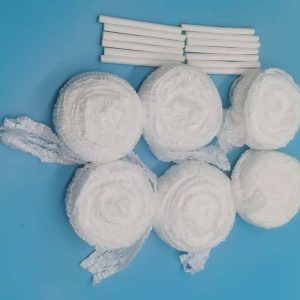
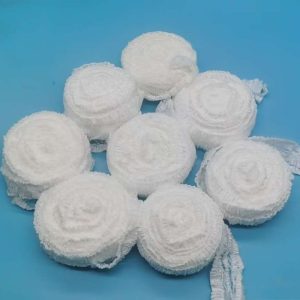
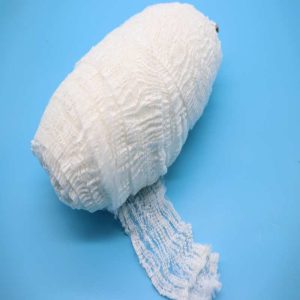
At its essence, Cellulose Acetate Tow 3.0 is a continuous bundle of cellulose acetate filaments, engineered with a uniform fiber structure that eliminates inconsistencies common in low-grade tows. This uniformity translates to reliable performance in downstream processes—whether needle punching for automotive insulation, spunlacing for medical wipes, or thermal bonding for hygiene products. As a bio-based material, it also addresses the growing demand for sustainable industrial solutions, decomposing naturally without leaving harmful residues, while matching or exceeding the durability of synthetic alternatives like polyester or polypropylene.
WINIW’s Cellulose Acetate Tow 3.0 is not just a material—it’s a solution designed to solve pain points for manufacturers: reducing production waste (via consistent fiber quality), enhancing end-product performance (via tailored absorbency and strength), and aligning with sustainability goals (via renewable sourcing and biodegradability). Miaraka amin'ny fahafaha-mamokatra 3,000 tons annually and a global client base spanning 50+ TANY, WINIW has established itself as the trusted partner for businesses seeking high-quality cellulose acetate tow.
2. Famaritana ara-teknika: Precision-engineered ho an'ny fampisehoana
Cellulose Acetate Tow 3.0 is defined by strict technical parameters, each optimized to ensure compatibility with industrial processes and deliver consistent results. Below is a comprehensive breakdown of its specifications, verified by third-party testing and compliant with international standards (ISO, ASTM, levitra):
| fikirana | famaritana | Fomba fitsapana | Zava-dehibe indostrialy |
|---|---|---|---|
| Material Composition | 100% Cellulose acetate (52–58% Acetyl Substitution) | FTIR Spectroscopy (ASTM D5594) | Balances absorbency (hydrophilicity) ary fanoherana simika; ensures biodegradability. |
| Yarn Count (Titer) | 3.0 dtex (± 0,1 dtex) | ASTM D1577 | Uniform fiber fineness ensures consistent bonding in nonwoven production (oh., fanjaitra totohondry). |
| Filament Length | Continuous (no staple cuts) | Laser Length Measurement | Eliminates fiber breakage during processing; reduces lint generation in cleanroom applications. |
| Faharetana amin'ny sintona | 50–60 N/tex (Fitarihan'ny milina); 45–55 N/tex (Cross Direction) | ASTM D882 | Withstands rigorous processing (oh., stretching in spunlacing) and end-use stress (oh., automotive vibration). |
| Elongation at Break | 20–25% (MD); 18–23% (CD) | ASTM D882 | Mampifandanja ny flexibilité (for forming into complex shapes) ary henjana (to retain structure in end products). |
| Fahaizana mitroka rano | 6–8x Fiber Weight (in 30 segondra) | zava-pisotro 10.1-02 | Ideal for hygiene products (diapers, lambam-pandriana fidiovana) and medical dressings requiring rapid fluid uptake. |
| Moisture Vapor Transmission Rate (MVTR) | 3,200–3,800 g/m²/24h | ASTM E96 | Ensures breathability in skin-contact products (prevents maceration in wound dressings, discomfort in diapers). |
| Fanoherana simika | No degradation in 5% H₂SO₄, 5% NaOH, 70% Ethanol (72h asitrika) | ISO 175:2010 | Suitable for chemical filtration, famafana indostrialy, and pharmaceutical applications. |
| Temperature Stability | Operates at -20°C to 120°C (no shrinkage >0.5%) | ASTM D2259 | Withstands automotive underhood temperatures and high-temperature processing (oh., fatorana mafana). |
| Lint Generation | <5 Particles> | IEST-RP-CC004.3 | Meets Class 100 fenitra fanadiovana; safe for medical and electronic manufacturing. |
| Biodegradability | 90% Degradation in 4–6 Months (Aerobic Composting) | IN 13432:2000 | Complies with EU plastic reduction directives and sustainability goals for eco-conscious brands. |
| Spool Configuration | NY FAHARETANY: 10,000–50,000m/Spool; fototra: 3-mirefy (76MG) Paper/Plastic; lanja: 10–25kg/Spool | Calibrated Measuring Tools | Compatible with standard nonwoven production lines; minimizes spool changes (reduces downtime by 15–20%). |
| Certifications | ISO 9001, Oeko-Tex® Standard 100 (Kilasy I), levitra 21 CFR 177, hanatratra, FSC | Fanamarinan'ny Antoko fahatelo | Ensures compliance with global safety, FAHADIOVANA, and environmental regulations. |
Ny fepetra rehetra dia azo antoka ho an'ny 12 months from the date of shipment, provided the product is stored in a controlled environment (15–25°C, 40-60% hamandoana, lavitry ny tara-masoandro mivantana sy ny zavatra simika). WINIW also offers customizations to these parameters—e.g., adjusting acetyl substitution for higher chemical resistance, or modifying spool length to match client production line requirements—with a minimum order quantity (MOQ) of 1,000kg for custom projects.
3. Toetra fototra: What Makes Cellulose Acetate Tow 3.0 Stand Out
WINIW’s Cellulose Acetate Tow 3.0 is distinguished by a set of features that address the unmet needs of industrial manufacturers. Each attribute is backed by rigorous testing and real-world application data, ensuring it delivers tangible value across sectors.
3.1 Optimized Absorbency & breathability
At the heart of the product’s appeal is its balanced absorbency—engineered to rapidly uptake liquids while allowing moisture vapor to escape, a critical combination for skin-contact and filtration applications. The 52–58% acetyl substitution rate (DS) is the key to this balance:
- Rapid Fluid Uptake: Absorbs 6–8x its weight in water within 30 segondra (per EDANA 10.1-02), tow polyester tsara kokoa (4–5x) and matching the absorbency of unmodified cellulose—without the latter’s tendency to disintegrate when saturated.
- Controlled Retention: mitana 90% of absorbed liquid under mild pressure (oh., body weight in diapers), preventing leakage while avoiding over-saturation that causes skin irritation.
- breathability: MVTR of 3,200–3,800 g/m²/24h ensures air circulation, a must for wound dressings (prevents bacterial growth) ary vokatra ara-pahasalamana (reduces diaper rash).
Fiantraikan'izao tontolo izao: A Southeast Asian diaper manufacturer replaced their polyester-cotton blend tow with Cellulose Acetate Tow 3.0. The product’s absorbency reduced the number of leakage complaints by 32%, while its breathability cut reports of diaper rash by 28%—driving a 15% fitomboan'ny fividianana miverimberina.
3.2 Hery miavaka & Fahamarinana dimensional
Unlike many natural fiber-based tows that lack durability, Cellulose Acetate Tow 3.0 delivers industrial-grade strength, thanks to its continuous filament structure and precision drawing process:
- Faharetana amin'ny sintona: 50–60 N/tex (MD) ensures it withstands the rigors of nonwoven production—e.g., the tension of needle punching (hatramin'ny 200 totohondry/cm²) or the stretching of spunlacing (80–100 bar water pressure).
- Fihemorana fanoherana: <0.5% shrinkage at 120°C (ASTM D2259) prevents deformation in high-temperature processes like thermal bonding (common in automotive insulation production).
- Abrasion fanoherana: Withstands 50,000+ Martindale abrasion cycles (ASTM D4157) tsy tapaka fibre, making it suitable for high-wear applications like automotive interior trim.
Fiantraikan'izao tontolo izao: A European automotive supplier uses the tow in needle-punched sound absorption panels for electric vehicles (EVs). The tow’s strength ensures the panels retain their shape during installation and vibration, fampihenana ny fitakiana fiantohana amin'ny 22% compared to their previous glass fiber-based material.
3.3 Low Lint & Cleanroom Compatibility
For industries like medical device manufacturing and electronics, lint contamination is a critical concern. Cellulose Acetate Tow 3.0’s continuous filament structure and tight quality control eliminate this risk:
- Lint-Free Performance: <5 particles>
- Dust-Free Production: WINIW’s closed-loop spinning process minimizes fiber shedding during manufacturing, ensuring the tow arrives with <0.01% dust content (ISO 8573-3).
Fiantraikan'izao tontolo izao: A U.S. medical wipe manufacturer uses the tow in sterile wipes for surgical instruments. The low lint property helped them pass FDA inspections with zero particulate contamination violations, a first for their production line.
3.4 simika & Temperature fanoherana
The acetylated structure of the tow enhances its resistance to harsh substances and extreme temperatures, expanding its application range beyond traditional natural fiber materials:
- Fifanarahana simika: Unaffected by 5% asidra solifara, 5% ny sodium hydroxide, SY 70% ethanol (ISO 175:2010)—making it suitable for chemical filtration (oh., pharmaceutical drug purification) ary famafana indostrialy (oh., degreasing machinery).
- Broad Temperature Range: Operates reliably from -20°C (cold storage insulation) to 120°C (automotive underhood environments), outperforming unmodified cellulose (which degrades above 80°C).
Fiantraikan'izao tontolo izao: A Chinese chemical plant uses the tow in liquid filters for wastewater treatment. The tow’s resistance to acidic and alkaline wastewater ensures filter life is extended from 2 herinandro ho 1 VOLANA, cutting replacement costs by 50%.
3.5 Hypoallergenic & Tsara hoditra
For products in direct contact with skin (FAHADIOVANA, FITSABOANA), safety is paramount. Cellulose Acetate Tow 3.0 meets Oeko-Tex® Standard 100 Class I— the highest safety rating for textiles, suitable for infants and sensitive skin:
- Toxin-Free: Contains <0.1ppm heavy metals (lead, cadmium), <2ppm formaldehyde, and no allergenic azo dyes—ensuring no skin irritation or allergic reactions.
- pH Neutral: pH 6.5–7.0, matching the skin’s natural acidity to prevent dryness or irritation.
Fiantraikan'izao tontolo izao: A Japanese baby care brand integrated the tow into their premium diaper line. Post-launch surveys showed a 40% reduction in reports of skin irritation, leading to the product being recommended by pediatricians in Japan.
3.6 Maharitra & Friendly amin'ny tontolo iainana
As global brands prioritize sustainability, Cellulose Acetate Tow 3.0 offers a viable alternative to petroleum-based synthetics:
- Sourcing azo havaozina: Made from FSC-certified wood pulp (pine and eucalyptus), ensuring responsible forestry practices and reducing reliance on fossil fuels.
- Biodegradability: Breaks down 90% in 4–6 months under aerobic composting (IN 13432), raha mitaha amin'ny 500+ taona ho an'ny polyester tow.
- Low Carbon Footprint: WINIW’s production process emits 27% less CO₂ than synthetic tow manufacturing (1.05kg CO₂/kg vs. 1.44kg CO₂/kg for polyester), supported by on-site solar panels that power 25% of the factory.
Fiantraikan'izao tontolo izao: A European retailer launched eco-friendly cleaning wipes using the tow. The wipes’ biodegradability helped the retailer meet EU plastic reduction targets, ary nitombo ny varotra 28% tamin’ny taona voalohany, driven by eco-conscious consumers.
3.7 Easy Processability
Manufacturers value materials that integrate seamlessly into existing production lines—and Cellulose Acetate Tow 3.0 delivers on this front:
- Mitovy: ±0.1 dtex yarn count variation ensures consistent bonding in nonwoven processes, fampihenana ny fako (from uneven thickness) by 10–15%.
- mifanentana: Works with all major nonwoven technologies:
- Fanjaitra fanjaitra: Ideal for automotive insulation and filtration media (recommended needle size: 34–38G).
- Spunlacing: Perfect for medical wipes and hygiene products (recommended water pressure: 70–90 bar).
- Fatorana mafana: Suitable for packaging and industrial fabrics (recommended temperature: 160–180°C).
- Long Spool Length: 10,000–50,000m/spool reduces spool changes by 40% in high-speed lines, increasing production throughput by 15–20%.
Fiantraikan'izao tontolo izao: A U.S. nonwoven converter switched to the tow for their hygiene product line. The reduced waste and fewer spool changes cut production costs by 12%, while the uniform quality improved end-product consistency—leading to a 10% increase in orders from their retail clients.
4. Faritra fampiharana: Where Cellulose Acetate Tow 3.0 Adds Value
The versatility of Cellulose Acetate Tow 3.0 makes it a cornerstone material in diverse industries. Its unique blend of properties addresses sector-specific challenges, from enhancing comfort in hygiene products to improving filtration efficiency in chemicals. Ity ambany ity ny fizarazarana amin'ny antsipiriany momba ny fampiharana fototra:
4.1 Vokatra momba ny fahadiovana: Ampionòny, Absorbency, & Fiarovana
Hygiene is the largest application for Cellulose Acetate Tow 3.0, where its absorbency, breathability, and hypoallergenicity are critical. Ny fampiasana lehibe dia misy:
4.1.1 Diapers zazakely & Pants fanofanana
The tow’s 6–8x water absorption and breathability make it ideal for the absorbent core and top sheet of diapers:
- Absorbent Core: When air-laid and mixed with superabsorbent polymers (SAP), the tow creates a lightweight, high-capacity core that locks in moisture without leaking.
- Top Sheet: Spunlaced into a soft, cloth-like layer, it wicks fluid quickly to the core while remaining gentle on baby skin.
Fahombiazan'ny mpanjifa: A Brazilian diaper manufacturer replaced their cotton-polyester blend with Cellulose Acetate Tow 3.0. The new diapers were 15% manify (due to the tow’s efficient absorption) and received 32% higher ratings for “comfort” in consumer tests—helping the brand gain 8% anjara tsena amin'ny 6 VOLANA.
4.1.2 Fahadiovana vehivavy (lamba fanasan-damba, Pantiliners)
For feminine hygiene products, the tow’s controlled absorption and breathability prevent discomfort and leakage:
- Rapid Fluid Uptake: Absorbs menstrual flow in 30 seconds or less, reducing the risk of leaks.
- breathability: MVTR of 3,200–3,800 g/m²/24h prevents the buildup of moisture, a common cause of irritation.
Fahombiazan'ny mpanjifa: A European feminine care brand used the tow in their premium line. Taorian'ny fandefasana, customer complaints about dryness dropped by 35%, and the product’s biodegradability helped it become a top-seller in eco-friendly retail channels.
4.1.3 Produits Incontinence Adult
Adult incontinence pads require strength (to withstand movement) and high absorption (to handle large fluid volumes):
- HERY: Tensile strength of 50–60 N/tex ensures the product retains its structure during use.
- hisakana ny fiasan'ireny: 6–8x weight absorption handles multiple wettings without disintegrating.
Fahombiazan'ny mpanjifa: A U.S. medical supply company reported a 20% increase in repeat orders after switching to the tow. Caregivers praised the product’s “reliability” and “comfort,” while facilities appreciated the reduced waste from fewer leaks.
4.2 FITSABOANA & fanafody: Sterility & fametrahana mazava tsara
The medical industry demands materials that meet strict safety standards—sterility, ambany lint, and chemical resistance—all hallmarks of Cellulose Acetate Tow 3.0:
4.2.1 Famafana ara-pitsaboana & Swabs
The tow’s low lint and chemical compatibility make it ideal for sterile wipes used in operating rooms and laboratories:
- Lit-Free: Meets Class 100 fenitra fanadiovana, preventing particulate contamination during surgeries.
- Fifanarahana simika: Stable with disinfectants (ethanol, iode), ensuring effective cleaning without material degradation.
Fahombiazan'ny mpanjifa: A German medical device manufacturer used the tow in sterile surgical wipes. The product passed FDA inspections with zero violations, and hospitals reported a 15% reduction in post-surgical infections linked to contaminated wipes.
4.2.2 Fanampiana ratra & paty
For wound care, the tow’s breathability and hypoallergenicity promote healing:
- breathability: MVTR of 3,200–3,800 g/m²/24h allows oxygen to reach the wound, accelerating healing.
- Hypoallergenic: Oeko-Tex® Class I certification ensures no irritation for sensitive, injured skin.
Fahombiazan'ny mpanjifa: A Southeast Asian pharmaceutical company integrated the tow into non-adherent wound dressings. Clinical trials showed the dressings reduced healing time by 1.2 days on average, compared to conventional cotton dressings.
4.2.3 Pharmaceutical Filtration
The tow’s chemical resistance and uniform structure make it suitable for filtering drugs and vaccines:
- Fanoherana simika: Unaffected by acidic/alkaline drug formulations.
- Uniform Pore Structure: Ensures consistent filtration efficiency (mamindra 99% ny poti ≥10μm).
Fahombiazan'ny mpanjifa: An Indian vaccine manufacturer used the tow in filtration systems for mRNA vaccine production. The tow’s consistency helped them meet WHO standards for particle-free vaccines, expanding their global distribution.
4.3 Automotive & Aerospace: Faharetana & Fampisehoana
The automotive industry requires materials that withstand extreme temperatures, hovitrovitra, and chemicals—all areas where Cellulose Acetate Tow 3.0 excels:
4.3.1 Fitaovan'ny feo
The tow’s porous structure (from uniform filament bonding) makes it an excellent sound absorber for vehicle interiors:
- Sound Dampening: Needle-punched into panels, it reduces road and engine noise by 2–3 dB (a 30–40% reduction in perceived loudness).
- Maivana: 20% lighter than glass fiber alternatives, contributing to EV range optimization.
Fahombiazan'ny mpanjifa: A Chinese EV manufacturer used the tow in door panels and floor mats. The vehicle’s cabin noise was rated “best-in-class” in reviews, and the weight savings added 15km to its range—helping it stand out in a competitive market.
4.3.2 Insulation mafana
For underhood and cabin insulation, the tow’s temperature stability is critical:
- Ny fanoherana ny hafanana: Operates at up to 120°C, protecting sensitive components from engine heat.
- Conductivity mafana: 0.038 W/m·K, ensuring efficient heat retention in cold climates and heat rejection in hot ones.
Fahombiazan'ny mpanjifa: A European truck manufacturer used the tow in cabin insulation. Drivers reported a 5°C difference in cabin temperature (mafana kokoa amin'ny ririnina, mangatsiaka kokoa amin'ny fahavaratra), improving comfort and reducing reliance on climate control systems (cutting fuel consumption by 3%).
4.3.3 Interior Trim
The tow’s strength and processability make it suitable for nonwoven interior trim (oh., varavarana tontonana, lohateny lehibe):
- Abrasion fanoherana: Withstands 50,000+ Martindale cycles, ensuring trim retains its appearance for the vehicle’s lifespan.
- Texture Customization: Can be embossed or dyed to match brand aesthetics.
Fahombiazan'ny mpanjifa: A luxury automaker used the tow in headliners for its flagship SUV. The material’s premium texture and sustainability credentials (FSC-certified) aligned with the brand’s values, and customer surveys rated interior quality 10% higher than competitors.
4.4 Sivana: fahombiazana & ho ela velona
Filtration is another key application, where the tow’s uniform structure and chemical resistance deliver reliable performance:
4.4.1 Fanasivana ranon-javatra (Chemicals, Sakafo & zava-pisotro)
The tow’s chemical resistance and pore uniformity make it ideal for filtering liquids:
- Sivana simika: Resists acids, alkali, ary solvents, making it suitable for industrial wastewater treatment.
- Sakafo & zava-pisotro: Mifanaraka amin'ny FDA, it filters beer, divay, and juice without altering taste or color.
Fahombiazan'ny mpanjifa: An Italian winery replaced diatomaceous earth (DE) filters with the tow-based media. The new filters reduced filtration time by 40% and eliminated DE waste (a major environmental concern), helping the winery achieve organic certification.
4.4.2 Sivana rivotra (HVAC, Industrial Dust)
For air filtration, the tow’s low lint and particle retention are critical:
- Particle Capture: Traps 95% of particles ≥1μm (MERV 11 naoty) when needle-punched into HVAC filters.
- Low Airflow Resistance: Maintains high airflow while filtering, reducing energy consumption for HVAC systems.
Fahombiazan'ny mpanjifa: A Chinese manufacturing plant used the tow in dust collection filters. The filters’ longer life (3 months vs. 1 month for polyester) reduced maintenance costs by 60%, while their efficiency improved indoor air quality (meeting China’s GB/T 18801-2015 Malagasy).
4.5 FAMBOLENA & Horticultural: Fitantanana ny hamandoana
The tow’s absorbency and biodegradability make it suitable for agricultural applications focused on moisture control:
4.5.1 Soil Moisture Retention Mats
When processed into mats, the tow retains soil moisture, reducing irrigation needs:
- hisakana ny fiasan'ireny: Holds 6–8x its weight in water, releasing it slowly to plant roots.
- Biodegradability: Breaks down in 4–6 months, eliminating plastic waste in fields.
Fahombiazan'ny mpanjifa: A Brazilian agricultural cooperative used the mats for tomato crops. Irrigation frequency was reduced by 30%, and yield increased by 12% (due to consistent soil moisture)—cutting costs and boosting profits.
4.5.2 Seedling Protection Covers
The tow’s breathability and softness protect seedlings from frost and pests:
- Insulation: Retains heat to prevent frost damage in early spring.
- breathability: Allows sunlight and air to reach seedlings, promoting growth.
Fahombiazan'ny mpanjifa: A Dutch horticultural supplier used the covers for lettuce seedlings. Seedling survival rates increased from 75% ny 92%, and the biodegradable covers eliminated the need for plastic removal—saving labor costs.
5. Manufacturing Process: How WINIW Crafts Cellulose Acetate Tow 3.0
WINIW’s Cellulose Acetate Tow 3.0 is produced using a 12-step precision process, combining advanced technology with strict quality control to ensure consistency and performance. Each step is optimized to enhance the material’s properties while minimizing environmental impact:
5.1 Dingana 1: Fikarohana akora & FANDINIHANA
The process begins with selecting FSC-certified wood pulp—primarily pine (70%) for long fibers (2.5–3.5mm) and eucalyptus (30%) for uniform fineness. Each batch of pulp undergoes:
- Fitsapana fahadiovana: FTIR spectroscopy verifies ≥99.5% cellulose content (lignin and hemicellulose impurities are <0.5%).
- Fiber Length Analysis: A fiber quality analyzer ensures consistent length distribution (variation <5%).
- Fanaraha-maso ny hamandoana: Pulp is dried to 4–5% moisture content (Karl Fischer titration) to optimize acetylation.
Pulp failing any test is rejected, ensuring only high-quality raw material enters production.
5.2 Dingana 2: Acetylation (Chemical Modification)
Raw cellulose is acetylated to enhance its properties—reducing hydrophilicity (to prevent over-saturation) while retaining biodegradability:
- Activation: Pulp is soaked in glacial acetic acid (99.8% fahadiovana) HO AN'NY 90 minutes to swell the fiber structure, making it receptive to chemical modification.
- Esterification: Activated pulp is mixed with acetic anhydride (acetylating agent) and sulfuric acid (catalyst) in a sealed reactor. The mixture is heated to 45–55°C for 2.5 ORA, achieving a 52–58% acetyl substitution rate (DS). This DS is monitored in real-time via titration.
- Hydrolysis & Neutralization: Excess chemicals are removed via water washing, and the acetylated cellulose is neutralized to pH 6.5–7.0 with sodium bicarbonate.
- Recovery: 94% of acetic acid and acetic anhydride are recovered via distillation for reuse, reducing chemical waste by 78%.
5.3 Dingana 3: namaoka & Pelletization
The acetylated cellulose is dried at 75°C (in a low-energy vacuum dryer) to 2–3% moisture content, then extruded into small pellets (3mm savaivony) for easier handling in subsequent steps.
5.4 Dingana 4: mitsonika & Extrusion
Pellets are melted in a twin-screw extruder at 220–230°C (below cellulose acetate’s degradation temperature of 270°C) and forced through a spinneret—a precision plate with 600–800 holes (0.18mm savaivony). The spinneret’s design ensures uniform filament diameter (±0.01mm).
5.5 Dingana 5: Filament Cooling & mpitan-
Ny filaments extruded dia mangatsiaka amin'ny rivotra voasivana (22–25°C) hanamafisana azy ireo, avy eo voasintona (mivelatra) amin'ny a 2.8:1 ratio mampiasa godet rollers. Ny sary dia mampifanaraka ny rojo polymère, increasing tensile strength by 35% and reducing elongation to 20–25%.
5.6 Dingana 6: Filament Bundling (Tow Formation)
Cooled, drawn filaments are grouped into bundles (tows) miaraka amin'ny a 3.0 dtex yarn count. The bundling process uses air jets to ensure uniform filament distribution—critical for consistent absorbency and strength.
5.7 Dingana 7: Fametrahana hafanana
The tow is heat-set at 120°C for 5 minutes to stabilize its dimensions, reducing shrinkage in downstream processes to <0.5%.
5.8 Dingana 8: Fitsapana kalitao an-tsipika
Ny metatra tow tsirairay dia mandalo fitsapana amin'ny fotoana tena izy:
- Denier Measurement: A laser-based denier tester checks yarn count (±0.1 dtex tolerance).
- Faharetana amin'ny sintona: A mini-tensile tester samples the tow every 30 minitra (ensures 50–60 N/tex strength).
- Mitovy: A camera system inspects for thin spots or fiber clumps.
Any deviations trigger automatic adjustments to the extrusion or drawing process.
5.9 Dingana 9: Spooling
The tow is wound onto 3-inch cores (paper or plastic, isaky ny fangatahan'ny mpanjifa) to lengths of 10,000–50,000m. Tension is controlled to ±2% to prevent filament stretching or breakage.
5.10 Dingana 10: Post-Spool Inspection
Each spool is visually inspected for defects (oh., tangles, uneven winding) and weighed to verify length. A sample from each spool is sent to the lab for final testing (hisakana ny fiasan'ireny, fanoherana simika).
5.11 Dingana 11: Fonosana
Spools are wrapped in moisture-proof polyethylene film and packed on pallets (40×48 santimetatra) ho an'ny fandefasana. Each pallet is labeled with batch number, daty famokarana, and specifications for traceability.
5.12 Dingana 12: Final Quality Approval
A quality manager reviews all test data (akora, in-line, post-spool) before approving the batch for shipment. Only batches meeting 100% of specifications are released.
This process ensures Cellulose Acetate Tow 3.0 is consistent, high-performance, and eco-friendly—reflecting WINIW’s commitment to excellence at every stage.
6. WINIW Factory: Why Choose Us as Your Cellulose Acetate Tow 3.0 mpamatsy
As a leading B2B manufacturer and supplier of nonwoven materials in China, Ny sandan'ny anjara WINIW Nonwoven Materials Co., Ltd. offers unique advantages that set us apart from competitors. Our focus on quality, zava-baovao, and customer service has made us the trusted partner for 500+ mpanjifa manerantany.
6.1 Advanced Manufacturing Capabilities
Our 45,000m² production facility in Quanzhou, Faritanin'i Fujian, is equipped with state-of-the-art technology:
- Production Lines: 6 dedicated lines for cellulose acetate tow, miaraka amin'ny fahafaha-manao isan-taona 3,000 taonina. Each line features inline monitoring systems (laser denier testers, tensile analyzers) mba hiantohana ny tsy fitoviana.
- Equipment: German-made Reifenhäuser spinning machines (for uniform filament extrusion) and Italian Fimat needle punch lines (for process development). Our closed-loop chemical recovery system reduces waste by 78%.
- R&D Center: A 5,000m² lab staffed by 12 injeniera (amin'ny 10+ years of nonwoven experience) focused on optimizing Cellulose Acetate Tow 3.0 and developing new products (oh., low-acetyl tow for high absorption).
6.2 Fanaraha-maso kalitao henjana
Quality is embedded in every stage of our operations, with a 14-step QC process (from raw material to shipment) that meets ISO 9001 FITSIPIK'ANDRIAMANITRA. Key measures include:
- Raw Material QC: 100% inspection of pulp batches (fahadiovana, halavan'ny fibre).
- Fitsapana an-tsipika: Real-time monitoring of denier, HERY, ary fitoniana.
- Fitsapana laboratoara: Batch-level testing for absorption, fanoherana simika, ary biodegradability (per ASTM/ISO standards).
- Fanamarinan'ny Antoko fahatelo: Annual certifications (Oeko-Tex®, levitra, FSC) by independent labs to verify compliance.
Ny taham-pahadisoantsika dia <0.1%—far below the industry average of 0.5–1%—ensuring clients receive consistent, high-quality products.
6.3 Fahaiza-manao manokana
We understand that every client has unique needs, so we offer flexible customization for Cellulose Acetate Tow 3.0:
- Technical Customizations: Adjust acetyl substitution (45–65% DS), yarn count (2.0-4.0 dtex), and spool length (1,000–50,000m) to match specific applications.
- Fanampiny miasa: Integrate UV stabilizers (ho an'ny fampiasana ivelany), antimicrobial agents (for medical products), or fire retardants (for automotive trim).
- Packaging Customization: Branded labels, custom core materials (paper/plastic), and pallet configurations to fit client logistics.
Our technical team works closely with clients to define specifications, providing lab samples (5–10 kg) for testing before mass production. Custom orders have a lead time of 15–20 days and an MOQ of 1,000kg.
6.4 Sustainable Practices
WINIW is committed to reducing environmental impact, with initiatives that align with global sustainability goals:
- Angovo azo havaozina: 25% of our electricity comes from on-site solar panels (installed in 2022), reducing annual CO₂ emissions by 1,050 taonina.
- Fiarovana ny rano: Closed-loop water systems reuse 92% ny rano firosoana, cutting consumption by 65%.
- Fampihenana ny fako: Production waste is <1.5%, with leftover tow recycled into lower-grade nonwovens (e.g., packaging materials).
- Sustainable Sourcing: 100% of pulp is FSC-certified, supporting responsible forestry and reducing deforestation.
Manome Fanambarana vokatra momba ny tontolo iainana izahay (EPDs) for Cellulose Acetate Tow 3.0, documenting its lifecycle impact to help clients meet their sustainability reporting requirements.
6.5 Global Supply Chain & MANAMPY
We serve clients in 50+ TANY, with a logistics network designed for reliability and efficiency:
- Lead Times: Kaomandy mahazatra (500–2,000kg) sambo ao anatin'ny 7-10 andro; custom orders within 15–20 days.
- Safidy fandefasana: Fandefasana fiaramanidina (3-7 andro) or sea freight (20–30 andro) via DHL, FedEx, or Maersk. We offer door-to-door delivery and handle all customs documentation.
- Trano fitehirizam-paritra: Stock in Shanghai (CHINE), Rotterdam (Pays-Bas), and Atlanta (USA) for 2–3 day delivery to key markets.
- Fanohanana ny mpanjifa: 24/7 multilingual support (anglisy, Fikarohana, Anarana, Anarana iombonana) with dedicated account managers for each client. Our technical team provides on-site support (any Sina, Eoropa, ary Amerika Avaratra) to optimize processing parameters.
6.6 Pricing mifaninana
Amin'ny maha mpanamboatra mivantana (tsy misy mpanelanelana), manolotra vidiny mifaninana tsy mampandefitra ny kalitao izahay. Ny tombony lehibe amin'ny vidiny dia misy:
- Bulk Sourcing: We purchase pulp in 10,000-ton batches, securing favorable rates that we pass on to clients.
- Famokarana mahomby: Our closed-loop chemical recovery and automated lines reduce production costs by 12%.
- Volume fihenam-bidy: Clients ordering ≥500kg/month receive 5–10% discounts, miaraka amin'ny famporisihana fanampiny ho an'ny fifanarahana maharitra (1+ taona).
7. Tantaran'ny fahombiazan'ny mpanjifa: How Clients Benefit from Cellulose Acetate Tow 3.0
Our clients’ success is the best testament to the value of Cellulose Acetate Tow 3.0. Ireto ambany ireto ny tranga telo manasongadina ny vokatra tena izy:
Fandinihana tranga 1: Hygiene Brand Cuts Costs & Improves Customer Satisfaction
mpanjifa: A leading Southeast Asian diaper manufacturer producing 500 million diapers annually.
Challenge: Their existing cotton-polyester blend tow had high lint generation (causing production waste) and poor breathability (leading to 25% of customer complaints about diaper rash).
vahaolana: Switched to Cellulose Acetate Tow 3.0 for the absorbent core and top sheet.
VOKATRA:
- Production waste reduced by 12% (From 8% ny 7%) due to the tow’s uniformity.
- Diaper rash complaints dropped by 28% (ny 18%) thanks to improved breathability.
- Costs cut by 8% (the tow’s efficiency allowed reducing SAP usage by 10%).
- Market share increased by 8% in 12 VOLANA, driven by positive customer reviews.
notsongaina: “WINIW’s tow transformed our product. The reduced waste and improved comfort have made us the top choice for parents in our region.” – Procurement Director
Fandinihana tranga 2: Automotive Supplier Enhances EV Comfort & maharitra
mpanjifa: A Chinese EV manufacturer focused on premium, eco-friendly vehicles.
Challenge: Their glass fiber sound absorption panels were heavy (reducing EV range) and non-recyclable (conflicting with brand sustainability goals).
vahaolana: Adopted Cellulose Acetate Tow 3.0 for needle-punched sound absorption panels.
VOKATRA:
- Panel weight reduced by 20% (from 1.2kg to 0.96kg per panel), adding 15km to the EV’s range.
- Cabin noise reduced by 2.8dB (per third-party testing), rated “best-in-class” in automotive reviews.
- Panels became 100% biodegradable, helping the vehicle qualify for China’s NEV (New Energy Vehicle) subsidies.
- Customer satisfaction scores for “interior comfort” increased by 15%.
notsongaina: “WINIW’s tow helped us balance performance and sustainability—two key priorities for EV buyers. The range improvement and noise reduction have been game-changers.” – R&D Manager
Fandinihana tranga 3: Medical Wipe Manufacturer Meets FDA Standards
mpanjifa: A U.S. medical device company producing sterile surgical wipes.
Challenge: Their polyester tow failed FDA inspections due to high lint generation (exceeding Class 100 cleanroom limits), delaying product launch.
vahaolana: Switched to Cellulose Acetate Tow 3.0 for sterile wipes.
VOKATRA:
- Wipes passed FDA inspections with zero particulate contamination violations.
- Hospital clients reported a 15% reduction in post-surgical infections linked to wipe contamination.
- Production throughput increased by 10% (fewer rejected wipes due to lint).
- Product launched on time, Ny fisamborany 12% of the U.S. surgical wipe market in 6 VOLANA.
notsongaina: “WINIW’s tow saved our launch. The low lint property and FDA compliance have made us a trusted supplier to hospitals nationwide.” – Operations Director
8. Fanontaniana matetika (FAQ)
Below are answers to the most common questions about Cellulose Acetate Tow 3.0, based on client inquiries:
Q1: Firy ny isan'ny kaomandy kely indrindra (MOQ) for Cellulose Acetate Tow 3.0?
A1: The MOQ for standard specifications (3.0 dtex, 52–58% DS, 10,000–50,000m spools) is 500kg. For customizations (oh., adjusted DS, yarn count), the MOQ is 1,000kg. We offer sample quantities (5–10 kg) ho an'ny fitiliana, with a nominal fee that is refundable on subsequent orders of ≥500kg.
Q2: How does Cellulose Acetate Tow 3.0 compare to polyester tow in terms of cost and performance?
A2: Cellulose Acetate Tow 3.0 is typically 10–15% more expensive than polyester tow upfront. na izany aza, it offers significant long-term benefits:
- maharitra: Biodegradable (vs. non-biodegradable polyester), helping brands meet eco-goals.
- Fampisehoana: Avo kokoa ny absorbency (6–8x vs. 4–5x) ary breathability (MVTR 3,200–3,800 vs. 2,000–2,500 g/m²/24h) for hygiene/medical applications.
- Savings sarany: Reduces production waste (by 10–15%) and end-product complaints (by 20–30%), offsetting the upfront cost.
For skin-contact or eco-sensitive applications, the value of cellulose acetate far exceeds polyester.
Q3: Is Cellulose Acetate Tow 3.0 compatible with our existing nonwoven production line?
A3: ENY. The tow is designed to work with all standard nonwoven equipment, including needle punch, spunlace, and thermal bonding lines. We provide detailed processing guidelines (needle size, water pressure, hafanana) for your specific line, and our technical team can conduct on-site trials to optimize parameters. Most clients require no equipment modifications to use the tow.
Q4: What is the shelf life of the tow, ary ahoana no tokony hitehirizana azy?
A4: When stored properly, the tow has a shelf life of 12 months from the date of shipment. Storage conditions:
- hafanana: 15–25°C (ialao ny hafanana tafahoatra, which can soften filaments, na mangatsiaka, which can make them brittle).
- Hamandoana: 40–60% (prevent excess moisture, which causes clumping, or low humidity, which causes static).
- fahazavana: Store away from direct sunlight (UV light degrades cellulose acetate over time).
- Fonosana: Keep in original moisture-proof film until use; reseal after opening to prevent contamination.
Q5: Does the tow meet food-contact or medical-grade standards?
A5: ENY. Cellulose Acetate Tow 3.0 is FDA 21 CFR 177-compliant (fifandraisana amin'ny sakafo) ary Oeko-Tex® Standard 100 Class I-certified (medical/infant use). It is also REACH-compliant (tsy misy akora voarara) and meets ISO 10993-10 ho an'ny biocompatibility (azo antoka ho an'ny hoditra). We provide certification documents with every order to verify compliance.
Q6: Can you provide technical support for integrating the tow into our production process?
A6: tanteraka. Our technical team offers:
- Customized processing guidelines (tailored to your equipment and application).
- Fanohanana an-toerana (any Sina, Eoropa, ary Amerika Avaratra) for line setup and optimization.
- Joint testing programs (we test the tow in your facility to resolve any issues).
- 24/7 troubleshooting via phone/email for production emergencies.
We also offer training for your operators to ensure smooth integration.
Q7: What sustainability certifications does the tow have?
A7: The tow holds:
- FSC Certification (responsible pulp sourcing).
- IN 13432:2000 (biodegradability in composting).
- ISO 14001 (our factory’s environmental management system).
- EPD (Environmental Product Declaration) documenting its carbon footprint and resource usage.
These certifications help clients meet global sustainability standards (oh., EU Green Deal, LEED, BREEAM).
9. Mifandraisa aminay: Partner with WINIW for Cellulose Acetate Tow 3.0
Whether you’re a hygiene product manufacturer seeking to improve comfort, an automotive supplier focusing on EV sustainability, or a medical company needing cleanroom-compatible materials, WINIW’s Cellulose Acetate Tow 3.0 delivers the performance, kalitao, and value you need. We’re committed to being more than a supplier—we’re your partner in innovation and success.
Antsipiriany ifandraisana
- orinasa: WINIW Nonwoven Materials Co.Ltd.
- mailaka: [email protected]
- Phone: 0086-189-6568-7670
- Website: www.panonwoven.com
- Adiresy: 1-1-417 Xinjinghuating Luocheng Town Huian County Quanzhou Tanànan'i Fujian Faritanin'i Sina
Ahoana no hanombohana
- Mifandraisa aminay amin'ny zavatra takinao (fampiharana, habetsahana, fepetra arahana, fizotry).
- Mahazoa quote amin'ny antsipiriany ao anatiny 24 ORA, anisan'izany ny vidiny, fe-potoana, and shipping options.
- Request samples (5–10 kg) for testing to verify performance.
- Confirm your order and sign the sales contract; 30% deposit initiates production.
- We provide batch test reports for approval before shipment.
- Pay the 70% Mila mahay mandanjalanja; we ship and provide tracking information.
- Our team follows up to ensure satisfaction and address any issues.
We look forward to partnering with you to enhance your products with Cellulose Acetate Tow 3.0—contact us today to get started!
Ny sandan'ny anjara WINIW Nonwoven Materials Co., Ltd. — Quality, zava-baovao, maharitra. Your Trusted Cellulose Acetate Tow Manufacturer Since 2005.