

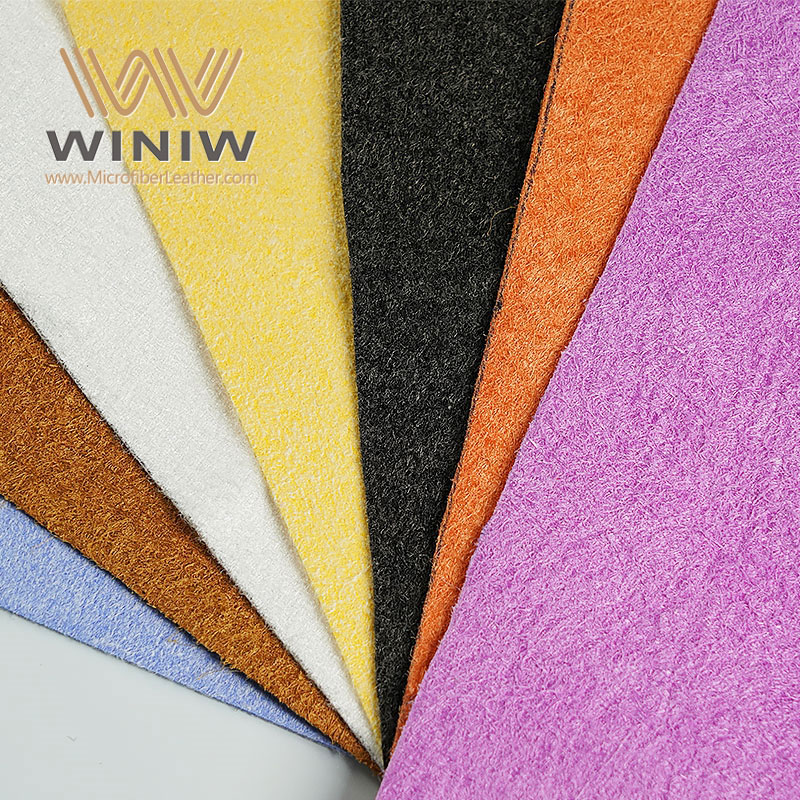
Nonwoven fabrics appear in many forms, each with its own method of production. The main types include:
- Spunbond
- Meltblown
- Spunlace
- Needle-punched
- Wet-laid
- Airlaid
- Flashspun
- Pulp air-laid
Nonwoven Fabric production uses innovative techniques that create unique materials for different needs. Industry experts expect the global market for these materials to reach nearly $86.6 billion by 2035, with steady growth over the next decade.
Nonwoven Fabric Facts Fast and Friendly Guide
- Nonwoven fabrics come in various types, including spunbond, meltblown, and spunlace, each with unique properties and uses.
- Spunbond fabrics are strong and lightweight, making them ideal for products like diapers and medical masks.
- Meltblown fabrics excel in filtration, capturing up to 99% of particles, and are commonly used in air filters and surgical masks.
- Spunlace fabrics are soft and gentle, perfect for wipes and facial masks, as they contain no binders or adhesives.
- Needle-punched fabrics are durable and resistant to wear, suitable for heavy-duty applications like automotive interiors.
- Airlaid fabrics are highly absorbent and soft, making them great for hygiene products like feminine pads and baby diapers.
- Flashspun fabrics offer excellent strength and protection, often used in safety gear and industrial packaging.
- Choosing the right nonwoven fabric depends on the application, required properties, and environmental impact.
Types of Nonwoven Fabrics
Spunbond
Definition
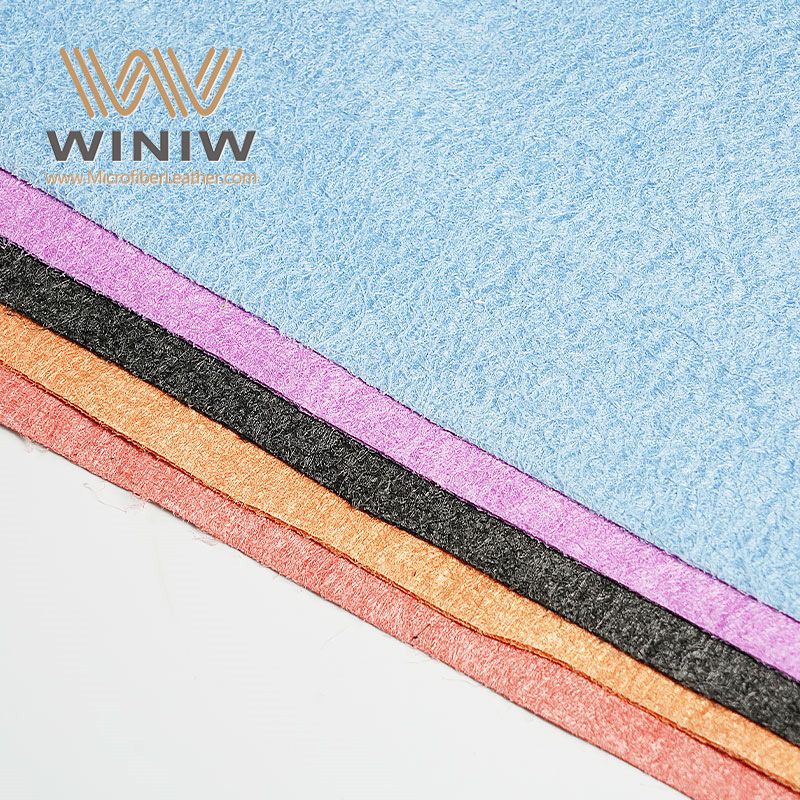
Spunbond nonwoven fabrics stand out for their strength and versatility. Manufacturers create these materials by spinning continuous filaments and laying them into a web. This method produces a fabric that resists tearing and stretching.
Manufacturing Process
The spunbond process begins with melting polymer granules. Machines extrude the molten polymer through spinnerets, forming long, continuous fibers. These fibers cool and lay randomly on a moving belt, creating a web. Rollers then bond the fibers together using heat and pressure. This continuous process results in a strong, uniform fabric.
Features
- High strength and durability
- Lightweight and breathable
- Cost-effective for large-scale production
- Suitable for hygiene, medical, agricultural, and household products
Did you know?
Spunbond nonwoven fabrics appear in many everyday items. They serve as the base for diapers, surgical masks, gowns, pillowcases, crop covers, and even mattress padding.
Meltblown
Definition
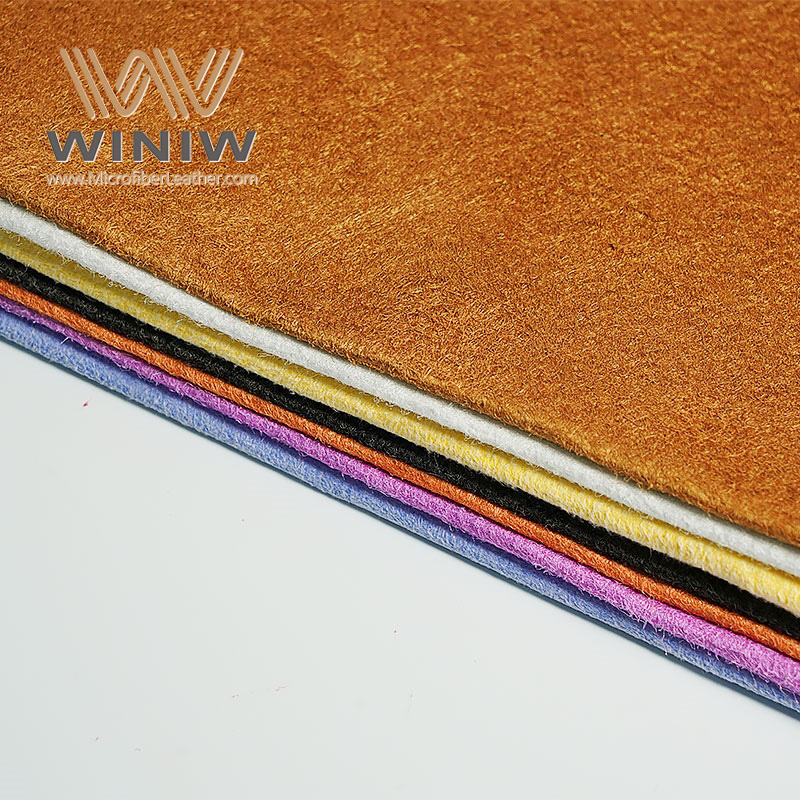
Meltblown nonwoven fabrics feature ultra-fine fibers and a soft texture. This type excels in filtration and absorbency, making it a top choice for protective and cleaning applications.
Manufacturing Process
The meltblown process uses high-velocity hot air to stretch and break molten polymer into microfibers. These fibers, much finer than those in spunbond fabrics, collect on a conveyor belt to form a delicate web. The web bonds together as it cools, creating a lightweight and porous material.
Features
- Exceptional filtration efficiency, capturing up to 99% of particles
- Lightweight, with fabric weights as low as 10 g/m²
- High absorbency, especially for oils
- Lower production costs compared to woven fabrics
- Sustainable options available, including biodegradable and recycled materials
Meltblown nonwovens play a crucial role in medical masks, air filters, and environmental cleanup products.
Spunlace
Definition
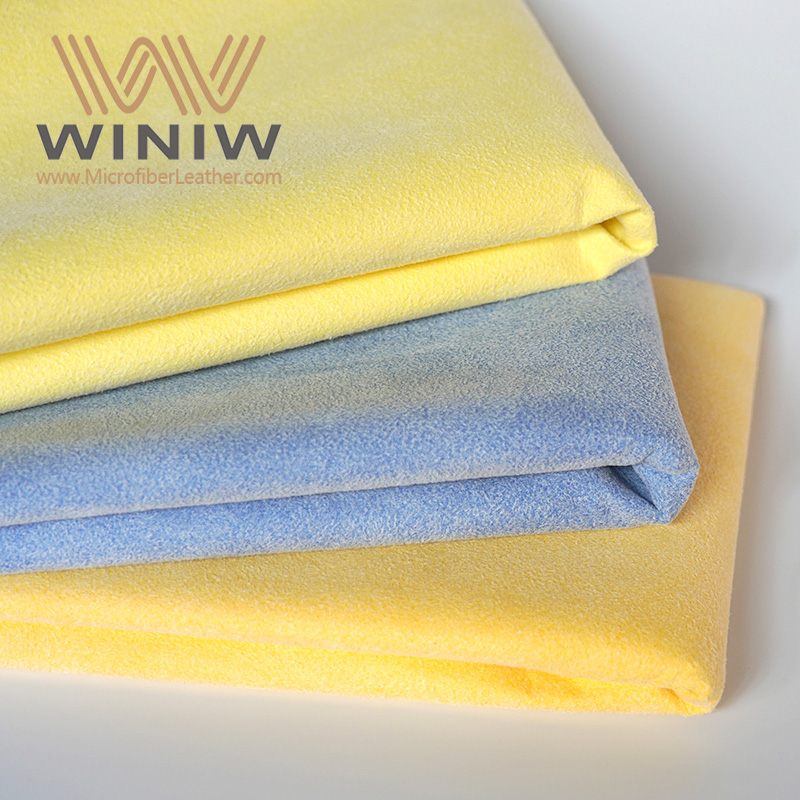
Spunlace nonwoven fabrics, also known as hydroentangled fabrics, offer a soft, cloth-like feel. They contain no binders or adhesives, making them gentle on the skin and suitable for sensitive applications.
Manufacturing Process
The spunlace process uses high-pressure water jets to entangle loose fibers. The force of the water intertwines the fibers, forming a cohesive web. This method does not require heat or chemicals, resulting in a pure and soft fabric.
Features
- Soft and flexible, with a texture similar to traditional textiles
- High absorbency and strength
- Eco-friendly, as the process uses only water and fibers
- Widely used in wipes, facial masks, surgical gowns, and automotive components
| Industry | Applications |
|---|---|
| Healthcare | Surgical gowns, drapes, medical packaging, wipes |
| Hygiene | Facial masks, personal care wipes |
| Automotive | Components needing strength and absorbency |
| Industrial | Eco-friendly material applications |
Spunlace nonwoven fabrics combine softness, strength, and environmental benefits, making them a popular choice in healthcare and hygiene industries.
Needle-punched
Definition
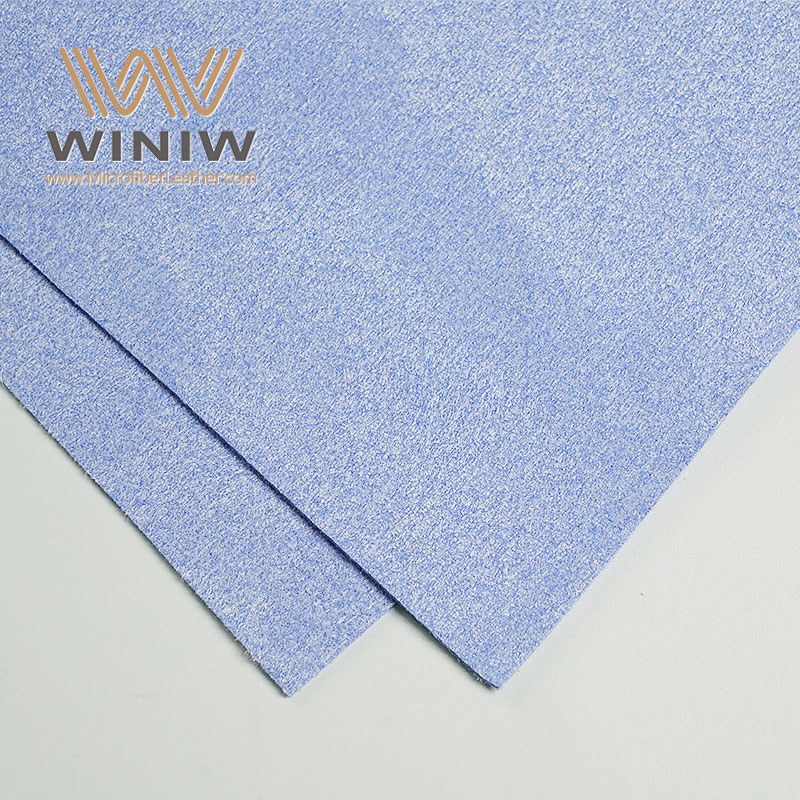
Needle-punched nonwoven fabrics feature a dense and robust structure. Manufacturers create these materials by mechanically bonding fibers using barbed needles. The resulting fabric stands out for its toughness and resistance to wear.
Manufacturing Process
The needle-punching process starts with loose fibers laid into a web. Machines equipped with thousands of barbed needles repeatedly punch through the web. Each needle entangles the fibers, locking them together. This mechanical action forms a thick, durable fabric without the need for heat or chemicals.
Features
- Superior durability compared to spunlace nonwoven fabrics
- High resistance to tearing and fraying
- Suitable for heavy-duty applications such as automotive interiors, geotextiles, and filtration
- Maintains structure under stress and repeated use
Needle-punched nonwoven fabrics exhibit greater durability than spunlace types. Their dense structure, achieved through mechanical bonding, makes them ideal for products that demand robust performance. While spunlace fabrics offer softness, needle-punched fabrics provide strength and longevity.
Tip: Needle-punched nonwovens work well in environments where toughness matters more than softness.
Wet-laid
Definition
Wet-laid nonwoven fabrics resemble paper in texture and appearance. Manufacturers use a water-based process to disperse fibers and form a uniform web. This method produces fabrics with excellent absorbency and smoothness.
Manufacturing Process
The wet-laid process begins by suspending fibers in water. The mixture flows onto a moving screen, where water drains away and fibers settle into a thin layer. Rollers press and bond the fibers, creating a flat, even fabric. This technique allows precise control over thickness and composition.
Features
- Smooth surface and consistent thickness
- High absorbency and softness
- Ideal for products requiring gentle contact with skin
| Industry | Primary Uses |
|---|---|
| Medical | Surgical gowns and drapes for fluid and bacteria protection |
| Automotive | Insulation and noise reduction, e.g., under-hood insulation and trunk liners |
| Home and Personal Care | Facial wipes and diapers for absorbency and softness |
Wet-laid nonwoven fabrics serve many industries. Medical products use them for protection against fluids and bacteria. Automotive manufacturers rely on them for insulation and noise reduction. Home and personal care items, such as wipes and diapers, benefit from their absorbency and gentle feel.
Airlaid
Definition
Airlaid nonwoven fabrics stand out for their bulkiness and softness. The airlaid process uses air to distribute fibers, forming a thick, cushiony web. This method creates fabrics with high absorbency and customizable properties.
Manufacturing Process
The airlaid process begins with dry fibers suspended in air. Machines blow the fibers onto a moving screen, where they settle into a fluffy web. Binders or thermal bonding secure the fibers, resulting in a fabric with excellent liquid absorption and softness.
Features
- High absorbency and quick liquid uptake
- Soft texture, ideal for hygiene products
- Bulkiness provides cushioning and insulation
- Uniform performance across the fabric
- Customizable for specific applications
| Advantage | Description |
|---|---|
| High Absorbency | Suitable for products requiring quick and high liquid absorption. |
| Softness | The process allows for the creation of very soft fabrics, ideal for hygiene. |
| Bulkiness | Provides cushioning and insulation properties. |
| Uniformity | Ensures consistent performance across the fabric. |
| Customizability | Fiber types and bonding methods can be varied for specific applications. |
Airlaid nonwoven fabrics offer unique advantages over wet-laid and spunbond types. Their high absorbency and softness make them perfect for hygiene products. Bulkiness adds comfort and insulation, while uniformity ensures reliable performance. Manufacturers can adjust fiber types and bonding methods to meet different needs.
Note: Airlaid nonwovens excel in products like disposable wipes, feminine hygiene items, and absorbent pads.
Flashspun
Definition
Flashspun nonwoven fabrics use a unique technology that creates a strong, lightweight material. Manufacturers use high-density polyethylene to produce these fabrics. The result is a sheet that resists tearing and provides excellent protection.
Manufacturing Process
The flashspun process starts with dissolving polyethylene in a solvent under high pressure. When the solution is released through a small nozzle, the rapid evaporation of the solvent causes the polymer to form a web of fine filaments. These filaments bond together as they settle, creating a continuous sheet. This method produces a fabric with a dense structure and high barrier properties.
Features
Flashspun nonwovens offer several advantages, especially in protective apparel and industrial uses. The table below highlights the main performance features:
| Feature | Description |
|---|---|
| Flash-Spun Technology | Provides superior strength and lightweight characteristics. |
| High-Density Polyethylene | Offers excellent durability, water resistance, and tear resistance. |
| Composite PE Lamination | Enhances barrier properties and adds flexibility and stability. |
| Lightweight & Strong | Weighs only 85g/m², ideal for protective and flexible applications. |
| Wide Width | 160cm width suitable for large-scale applications, from packaging to industrial uses. |
Flashspun nonwovens protect against liquids and particles. They remain lightweight while offering high durability. Many industries use them for coveralls, envelopes, and packaging that require both strength and flexibility.
Note: Flashspun nonwoven fabric stands out for its balance of protection, strength, and lightness. This makes it a top choice for safety gear and industrial packaging.
Pulp Air-laid
Definition
Pulp air-laid nonwoven fabric uses cellulose pulp fibers to create a bulky, absorbent material. This type of nonwoven is softer and stronger than regular tissue. It absorbs liquids quickly and maintains its shape when wet.
Manufacturing Process
The pulp air-laid process begins by breaking down cellulose pulp into individual fibers. Air blows these fibers onto a moving screen, forming a uniform web. Binders or thermal bonding agents hold the fibers together. This method creates a fabric with a porous structure and high absorbency.
Features
Pulp air-laid nonwovens excel in hygiene and personal care products. Their properties make them suitable for applications that require softness, absorbency, and strength. The list below summarizes their key benefits:
- Bulky and porous structure
- Soft texture for comfort
- Good water absorption
- Stronger than normal tissue
The table below shows how pulp air-laid nonwoven fabric performs in different hygiene products:
| Application | Benefits |
|---|---|
| Baby diapers | Excellent absorption, softness, smoothness, stretchability, comfort and fit, strength |
| Menstrual products | Good uniformity, double fluid barrier, leak prevention, cost effectiveness |
| Adult incontinence products | Stability, tear resistance, opacity, breathability |
| Personal care products | Ability to add lotions for specific uses, good strike through, wet back, and run off |
Pulp air-laid nonwovens provide reliable performance in products that need to stay soft and absorbent. Manufacturers often choose this material for baby diapers, feminine hygiene items, and adult incontinence pads.
Tip: Pulp air-laid nonwoven fabric combines comfort and function, making it a favorite for personal care and hygiene applications.
Nonwoven Fabric Manufacturing
Mechanical Methods
Mechanical methods shape nonwovens by physically bonding fibers without using heat or chemicals. These techniques create fabrics with unique textures and strengths.
Needle Punching
Needle punching uses thousands of barbed needles to push and pull fibers through a web. The needles entangle the fibers, locking them together. This process produces a dense, durable fabric that resists tearing and fraying. Many automotive interiors, geotextiles, and filtration products use needle-punched nonwovens for their toughness.
- Needle punching increases fabric strength and durability.
- The process creates a thick, robust structure.
- Products made this way withstand repeated use and stress.
Recent innovations, such as DiloGroup’s 3D-Lofter, allow for precise fiber placement. This technology enables the creation of textured designs and improves the structural integrity of the fabric.
Hydro-entanglement
Hydro-entanglement, also called spunlace, uses high-pressure water jets to entangle fibers. The water jets force fibers to wrap around each other, forming a soft, flexible web. This method does not require heat or adhesives, making it ideal for products that need to be gentle on the skin.
- Hydro-entanglement produces soft, cloth-like fabrics.
- The process results in high absorbency and flexibility.
- Many wipes, facial masks, and medical textiles use hydro-entangled nonwovens.
Mechanical methods also include dry laid, wet laid, and stitch bonding. Each method affects the final fabric’s properties:
- Dry laid: Uses staple fibers and controls strength and texture through fiber orientation.
- Wet laid: Suspends short fibers in water, improving uniformity and durability.
- Stitch bonding: Combines fiber webs, increasing production speed and reducing costs.
Thermal Methods
Thermal methods use heat to bond fibers together. These techniques create nonwovens with specific insulation and strength properties.
Calendering
Calendering presses fibers between heated rollers. The heat and pressure fuse the fibers at contact points, creating a smooth, thin fabric. Calendered nonwovens often appear in hygiene products and medical supplies.
Thermal Bonding
Thermal bonding melts thermoplastic fibers so they stick together as they cool. This process forms a strong, uniform web. The table below compares thermal methods:
| Method | Thermal Insulation Properties | Heat Capacity | Thermal Conductivity | Thermal Diffusivity |
|---|---|---|---|---|
| Adhesive Bonding | Comparable to foamed polymers | High | Lower than thermal | 20% higher than sample 2 |
| Thermal Bonding | Good thermal insulator | Lower | Higher than adhesive | Lower than sample 1 |
Thermal bonding creates nonwovens with good insulation and strength. The process works efficiently for large-scale production.
Chemical Methods
Chemical methods use bonding agents to hold fibers together. These agents enhance fiber cohesion and increase the strength of the final product.
Chemical Bonding
Chemical bonding involves applying adhesives or binders to the fiber web. The choice of bonding agent and fiber type affects the fabric’s absorbency and durability.
- Chemical bonding agents improve fabric strength.
- The process allows for customization of absorbency and softness.
- Many hygiene and cleaning products use chemically bonded nonwovens.
Manufacturers often select chemical methods when they need to balance strength and absorbency in the final product.
Tip: The choice of manufacturing method impacts the texture, strength, and absorbency of nonwoven fabrics. Recent advances include the use of advanced polymers, biopolymers, and smart textile technologies for better performance and sustainability.
Airlaid Process
The airlaid process creates nonwoven fabrics with a unique combination of softness and absorbency. Manufacturers use dry fibers, such as cellulose or synthetic materials, and suspend them in a stream of air. This technique allows the fibers to spread evenly across a moving screen. The fibers settle into a thick, fluffy web. Binders or heat then bond the fibers together, forming a stable fabric.
Airlaid nonwoven fabrics stand out in hygiene and personal care products. The process produces materials that absorb liquids quickly and feel gentle against the skin. Many companies choose airlaid nonwovens for baby diapers, feminine hygiene pads, and adult incontinence products. The bulkiness of the fabric provides comfort and cushioning.
The table below highlights the main advantages of airlaid nonwoven fabrics:
| Feature | Benefit |
|---|---|
| High Absorbency | Quickly absorbs and retains liquids |
| Soft Texture | Feels gentle and comfortable |
| Bulkiness | Adds cushioning and insulation |
| Uniformity | Delivers consistent performance |
Manufacturers can adjust the fiber blend and bonding method to create fabrics for specific needs. Some airlaid nonwovens include superabsorbent polymers for extra liquid retention. Others use natural fibers for eco-friendly products. The airlaid process supports high-speed production, making it cost-effective for large volumes.
Tip: Airlaid nonwoven fabrics work best in products that require both softness and high absorbency. They also perform well in food packaging and cleaning wipes.
Flashspun Process
The flashspun process produces nonwoven fabrics with exceptional strength and barrier properties. Manufacturers start with high-density polyethylene dissolved in a solvent under high pressure. When they release the solution through a small nozzle, the solvent evaporates instantly. This rapid change causes the polymer to form a web of fine filaments. The filaments bond together as they settle, creating a continuous sheet.
Flashspun nonwoven fabrics resist tearing and protect against liquids and particles. Many industries use these materials for protective clothing, envelopes, and industrial packaging. The lightweight structure makes them easy to handle, while the dense web provides reliable protection.
The table below summarizes the key features of flashspun nonwoven fabrics:
| Feature | Description |
|---|---|
| Superior Strength | Withstands stress and tearing |
| Lightweight | Easy to wear and transport |
| Barrier Properties | Blocks liquids and particles |
| Wide Applications | Used in safety gear and packaging |
Flashspun nonwovens often appear in coveralls for hazardous environments. They also serve as protective wraps for sensitive equipment. The process creates a fabric that balances durability and flexibility.
Note: Flashspun nonwoven fabrics offer a unique combination of lightness and protection. They help keep workers safe and products secure.
Nonwovens Comparison
Comparison Table
Nonwoven fabrics differ in their structure, production methods, and applications. The table below summarizes the main types, highlighting their manufacturing process, key properties, and typical uses.
| Type of Nonwoven Fabric | Manufacturing Method | Key Properties | Common Uses |
|---|---|---|---|
| Spunbond | Spinning + thermal bonding | Strong, lightweight, breathable | Diapers, crop covers, medical masks |
| Meltblown | High-velocity air + thermal | Fine fibers, high filtration | Surgical masks, air filters, oil absorbents |
| Spunlace | Hydro-entanglement | Soft, absorbent, flexible | Wipes, facial masks, medical gowns |
| Needle-punched | Mechanical needling | Dense, durable, robust | Geotextiles, automotive interiors, filters |
| Wet-laid | Water suspension + pressing | Smooth, absorbent, uniform | Surgical drapes, insulation, wipes |
| Airlaid | Air suspension + bonding | Bulky, soft, highly absorbent | Diapers, feminine hygiene, cleaning pads |
| Flashspun | Solvent flash evaporation | Strong, lightweight, protective | Coveralls, envelopes, industrial packaging |
| Pulp Air-laid | Air suspension + pulp | Bulky, soft, absorbent | Baby diapers, incontinence pads, hygiene |
Nonwoven fabrics serve many industries, including healthcare, hygiene, automotive, and packaging. Each type offers unique benefits for specific applications.
Manufacturing Differences
Manufacturers use several techniques to create nonwoven fabrics. Each method shapes the fabric’s texture, strength, and absorbency.
- Spunbond: Machines melt polymer granules, spin them into filaments, and bond them with heat and pressure.
- Meltblown: High-velocity hot air stretches molten polymer into microfibers, forming a fine web.
- Spunlace: High-pressure water jets entangle loose fibers, producing a soft, cloth-like material.
- Needle-punched: Barbed needles mechanically entangle fibers, creating a dense and durable fabric.
- Wet-laid: Fibers suspend in water, settle on a screen, and bond through pressing.
- Airlaid: Dry fibers disperse in air, settle into a web, and bond with binders or heat.
- Flashspun: Polyethylene dissolves in solvent under pressure, then rapidly evaporates to form a strong web.
- Pulp Air-laid: Cellulose pulp fibers disperse in air, then bond to create a bulky, absorbent sheet.
Each manufacturing method influences the final fabric’s performance. For example, meltblown and spunlace processes produce materials with high filtration or softness, while needle-punched and flashspun methods create fabrics with superior strength.
Property Differences
Physical properties such as tensile strength, absorbency, and filtration efficiency vary among nonwoven types. The table below compares these features.
| Type of Nonwoven Fabric | Tensile Strength (g/denier) | Absorbency (%) | Filtration Efficiency (µm) |
|---|---|---|---|
| Needle-Punched | 2–4 | 8–13 | N/A |
| Spunlace | N/A | 10–15 | N/A |
| Airlaid | N/A | 15–20 | N/A |
| Wet-laid | 2–3 | N/A | Suitable for filtration |
| Thermal-Bonded | 3–5 | N/A | N/A |
| Meltblown | N/A | N/A | 1–10 |
- Needle-punched fabrics show high durability and moderate absorbency, making them ideal for heavy-duty uses.
- Spunlace and airlaid fabrics excel in moisture retention, which suits wipes and hygiene products.
- Meltblown fabrics provide excellent filtration due to fine pores, capturing particles as small as 1–10 microns.
- Wet-laid fabrics offer moderate strength and perform well in filtration applications.
- Thermal-bonded fabrics deliver high tensile strength for demanding environments.
The choice of nonwoven fabric depends on the required balance of strength, absorbency, and filtration. Manufacturers select the type that best matches the product’s purpose.
Common Uses
Nonwoven fabrics serve many industries. Each type offers unique benefits for specific products. The table below shows common uses for each major nonwoven fabric:
| Nonwoven Type | Typical Applications |
|---|---|
| Spunbond | Diapers, crop covers, medical masks, shopping bags |
| Meltblown | Surgical masks, air filters, oil absorbents |
| Spunlace | Wet wipes, facial masks, medical gowns, cleaning cloths |
| Needle-punched | Geotextiles, automotive interiors, carpet backing |
| Wet-laid | Surgical drapes, insulation, facial wipes |
| Airlaid | Feminine hygiene pads, baby diapers, cleaning pads |
| Flashspun | Protective coveralls, envelopes, industrial packaging |
| Pulp Air-laid | Incontinence pads, baby diapers, personal care items |
Manufacturers select nonwoven fabrics based on the needs of each product. Spunbond fabrics appear in hygiene items and agricultural covers. Their strength and breathability make them ideal for disposable products. Meltblown fabrics excel in filtration. They trap tiny particles in masks and air filters. Spunlace fabrics provide softness and absorbency. Many companies use them for wipes and facial masks.
Needle-punched fabrics offer durability. Automotive makers use them for seat padding and trunk liners. Geotextiles rely on needle-punched nonwovens for soil stabilization. Wet-laid fabrics resemble paper. Hospitals use them for surgical drapes and gowns. Their smooth surface protects against fluids.
Airlaid fabrics absorb liquids quickly. They appear in hygiene pads and cleaning products. Their bulkiness adds comfort. Flashspun fabrics protect against hazards. Workers wear flashspun coveralls in chemical plants. These fabrics also wrap sensitive equipment for shipping.
Pulp air-laid fabrics combine softness and strength. Manufacturers use them in baby diapers and adult incontinence pads. Personal care products benefit from their absorbency.
Tip: Companies often blend nonwoven types to improve performance. For example, diaper makers combine spunbond and airlaid layers for better comfort and absorption.
Nonwoven fabrics also support environmental goals. Many products use recycled fibers or biodegradable materials. Packaging companies choose nonwovens for lightweight, protective wraps. Cleaning businesses rely on spunlace and airlaid wipes for fast liquid pickup.
- Spunbond: Used in disposable medical items and crop protection.
- Meltblown: Essential for high-efficiency filters and masks.
- Spunlace: Preferred for personal care wipes and gentle cleaning cloths.
- Needle-punched: Chosen for automotive and construction applications.
- Wet-laid: Used in medical textiles and specialty paper products.
- Airlaid: Popular in hygiene and absorbent pads.
- Flashspun: Key for protective clothing and industrial packaging.
- Pulp Air-laid: Important for comfort-focused hygiene products.
Nonwoven fabrics adapt to many needs. Their versatility supports innovation in health, safety, and everyday life.
Choosing Nonwoven Fabrics
Selection Factors
Selecting the right nonwoven fabric involves several important considerations. Manufacturers and buyers must evaluate the intended use, required properties, and regulatory standards. The following factors play a key role:
- Performance requirements: Strength, absorbency, filtration, and durability must match the product’s needs.
- Regulatory compliance: Safety and effectiveness matter, especially for medical and hygiene products. Manufacturers must meet standards such as ISO 13485 and ISO 10993 for biocompatibility.
- Cost and budget: Facilities often operate under tight financial constraints. A thorough cost analysis should include initial price, long-term value, durability, and ease of use.
- Environmental impact: Sustainability practices, such as using recycled materials and minimizing resource consumption, help reduce the environmental footprint.
- Biodegradability and recyclability: Some nonwoven fabrics decompose quickly or can be composted, while others may contribute to landfill waste.
- Production process: Efficient manufacturing methods can lower costs and reduce waste.
The table below highlights key properties for medical applications:
| Fabric Type | Key Properties | Applications |
|---|---|---|
| Spunbond | Strong, durable | Surgical gowns |
| Wet laid | Absorbs liquids well | Hygiene products |
| Single-use | Infection control focus | Medical settings |
Understanding regulations and compliance ensures safety and effectiveness in sensitive environments.
Application Examples
Nonwoven fabrics serve a wide range of industries. Automotive manufacturers use nonwovens for carpets, trunk liners, tire reinforcements, and seat covers. These fabrics provide moldability, durability, and sound insulation. In packaging, nonwovens offer high strength and resistance to tearing, protecting items during transport. Many packaging solutions use recyclable or biodegradable nonwovens to minimize landfill waste.
The table below shows common uses in automotive interiors:
| Application | Description |
|---|---|
| Automotive carpets | Moldable, durable backing |
| Trunk liners | Lightweight, wear-resistant |
| Tire reinforcements | Strength, improved handling |
| Seat covers | Padding, comfort, durability |
| Door panel trim | Aesthetic and functional trim |
| Filters | Air, oil, and fuel filtration |
Nonwoven fabrics also appear in hygiene products, medical textiles, and cleaning wipes. Their versatility supports many applications, from disposable masks to insulation panels.
Tips
Choosing the best nonwoven fabric requires careful evaluation. Buyers should:
- Match fabric properties to the product’s purpose.
- Check for regulatory compliance, especially in healthcare and hygiene.
- Consider total cost of ownership, including durability and ease of use.
- Prioritize sustainability by selecting recyclable or biodegradable options.
- Review production methods for efficiency and minimal waste.
- Consult with suppliers about custom blends or advanced features.
Tip: Manufacturers can reduce environmental impact by using recycled materials and eco-friendly production processes. Nonwoven fabrics often require less water and energy than traditional textiles, supporting sustainability goals.
Note: For disposable products, compostable or biodegradable nonwovens help minimize pollution and landfill waste.
Nonwoven fabrics include spunbond, meltblown, spunlace, needle-punched, wet-laid, airlaid, flashspun, and pulp air-laid types. Each type uses a unique process and serves different industries. Users should consider these factors when choosing the best fabric:
- Define the application, such as filtration or hygiene.
- Check material properties like strength and absorbency.
- Evaluate environmental impact and recyclability.
- Balance cost with quality and test for real-world performance.
This guide helps readers match nonwoven fabrics to their specific needs with confidence.
FAQ
What is the main difference between nonwoven and woven fabrics?
Nonwoven fabrics do not use weaving or knitting. Manufacturers bond fibers together using mechanical, thermal, or chemical methods. Woven fabrics use interlacing threads. Nonwovens offer faster production and unique properties.
Can nonwoven fabrics be recycled?
Many nonwoven fabrics use recyclable materials. Some types, such as spunbond and airlaid, support recycling. Manufacturers often choose biodegradable fibers for eco-friendly products. Always check local recycling guidelines.
Which nonwoven fabric works best for face masks?
Meltblown nonwoven fabric provides high filtration efficiency. It captures tiny particles and supports breathability. Spunbond layers add strength. Many medical masks use a combination of both types.
Are nonwoven fabrics safe for skin contact?
Most nonwoven fabrics, such as spunlace and airlaid, feel soft and gentle. Manufacturers test these materials for skin safety. Medical and hygiene products use nonwovens that meet strict standards.
How do manufacturers choose the right nonwoven fabric?
Manufacturers consider strength, absorbency, filtration, and cost. They match fabric properties to product needs. Regulatory standards and environmental impact also guide their choices.
Do nonwoven fabrics resist water?
Some nonwoven fabrics, such as flashspun and spunbond, resist water. Others, like airlaid and wet-laid, absorb liquids quickly. Manufacturers select the type based on the product’s purpose.
What industries use nonwoven fabrics most?
Healthcare, hygiene, automotive, and packaging industries use nonwoven fabrics widely. These materials appear in masks, wipes, insulation, and protective clothing.
Tip: Always review product labels and specifications to confirm the nonwoven fabric type and its properties.