

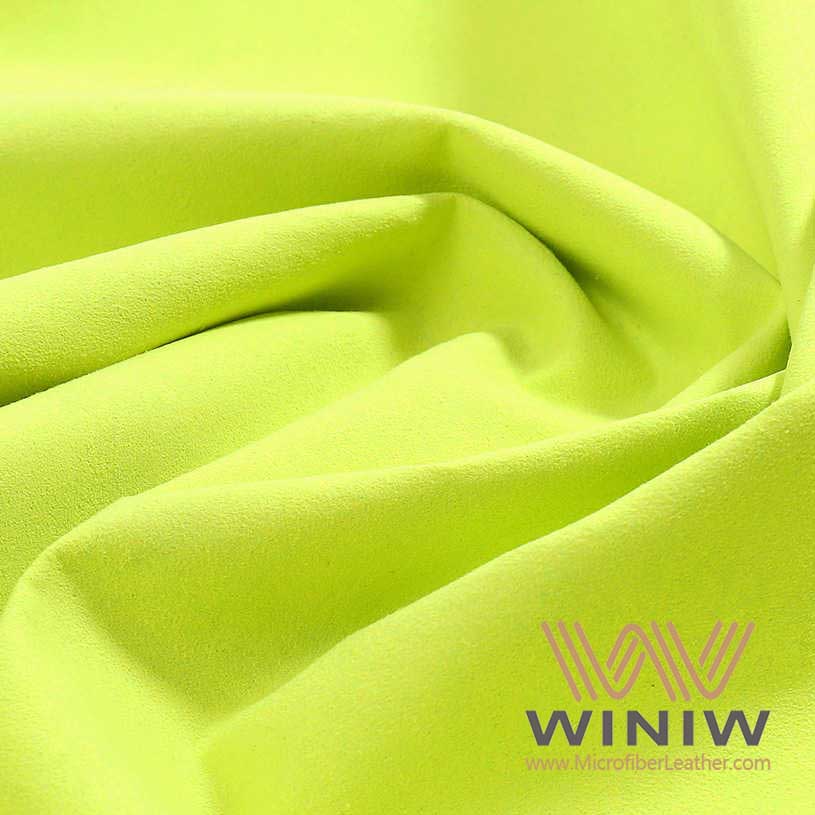
You can spot a non woven mat by its unique structure. Manufacturers create these mats using mechanical, термички, или хемиски процеси. The result is a flexible, porous material you often see in daily life. The market for non woven mats reached $52.56 милијарди во 2023.
| година | Големина на пазарот (Милијарда долари) | CAGR (%) |
|---|---|---|
| 2023 | 52.56 | N/A |
| 2025 | 50.68 | 6.7 |
| 2032 | 79.79 | N/A |
Неткаени душеци објаснети за почетници
- Non woven mats are made from bonded fibers, offering flexibility and breathability. They are ideal for various applications, од дома производи to medical supplies.
- You can choose non woven mats for their lightweight and durable nature. They are often more cost-effective and customizable than traditional woven materials.
- Non woven mats play a crucial role in healthcare, автомобилски, и градежната индустрија. Their engineered properties make them suitable for specific tasks, enhancing performance and safety.
Што е неткаен МАТ?
Definition of Non Woven Mat
You encounter a non woven mat на многу места, but what sets it apart? A non woven mat is a sheet or fabric made from fibers that are bonded together without weaving or knitting. You see a web of randomly oriented fibers, not the structured pattern found in woven or knitted mats. This unique structure gives nonwoven mats their signature flexibility and porosity. You can recognize a non woven mat by its soft feel and ability to let air and liquids pass through. Manufacturers use a continuous process to produce nonwoven mats directly from raw materials, which makes production simpler and often more cost-effective than traditional woven or knitted fabrics.
Совет: If you want a mat that is lightweight, дише, and easy to shape, a non woven mat is a smart choice.
How Nonwoven Mats Are Made
You might wonder how manufacturers create nonwoven mats. The process involves bonding fibers together using one of three main methods:
- Механичко поврзување: You interlock fibers physically, often using techniques like needle punching or hydroentanglement. This creates a strong and durable fabric.
- Термичко поврзување: Нанесувате топлина за да се стопат термопластични влакна. When the fibers cool, тие се врзуваат заедно, resulting in lightweight materials. These are common in hygiene products and insulation.
- Хемиско поврзување: You use adhesives or binders to secure fibers. This method allows you to customize the properties of the nonwoven mat, making it versatile for upholstery and filters.
You can use a variety of raw materials to make nonwoven mats. Here is a table showing some common fibers:
| Type of Fiber | Примери |
|---|---|
| Animal fibers | Sheep’s wool |
| Растителни влакна | Памук, Cellulose |
| Вештачки синтетички полимери | Полиамид 6.6 (Најлон), Полиамид 6 (Бисер) |
Natural fibers offer biodegradability, but they may require more resources to produce. Synthetic fibers provide durability and cost savings, but they come from petrochemicals and present waste management challenges.
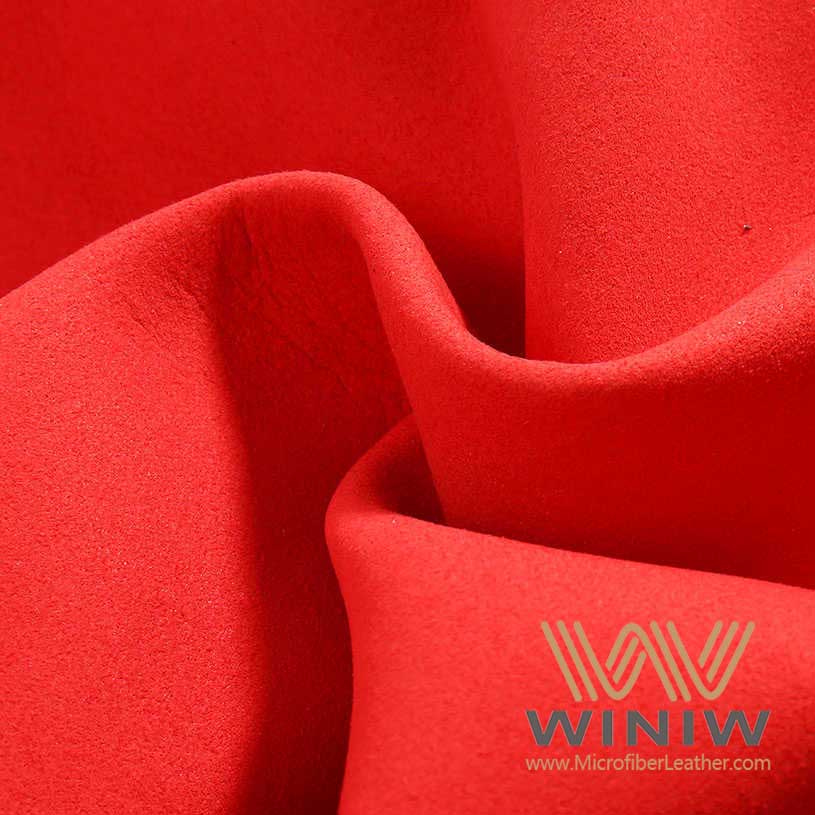
Key Features of Nonwoven Mats
Имате корист од неколку клучни карактеристики when you choose a non woven mat:
- Флексибилност: You can easily bend, превиткување, or cut nonwoven mats to fit your needs.
- Порозност: You get a material that allows air and liquids to pass through, which is ideal for filtration and medical uses.
- Engineered Properties: You can select nonwoven mats designed for specific tasks. Manufacturers tailor these mats to be lightweight, силна, абсорбента, or resilient, depending on your requirements.
- Разновидност: You find nonwoven mats in many industries, од здравство до градежништво, because you can customize their properties.
Nonwoven mats stand out because you can engineer them for performance. You get materials that are lightweight and breathable for medical textiles, or strong and absorbent for cleaning products. The way you bond the fibers—mechanically, термички, or chemically—lets you control the mat’s strength, издржливост, and other qualities.
Забелешка: The engineered nature of nonwoven mats means you can always find a product that matches your specific needs, whether you want something disposable or long-lasting.
You now understand that a non woven mat is not just another piece of fabric. You get a material with a unique structure, simple production, and customizable features that make it useful in countless applications.
Nonwoven Mat Uses
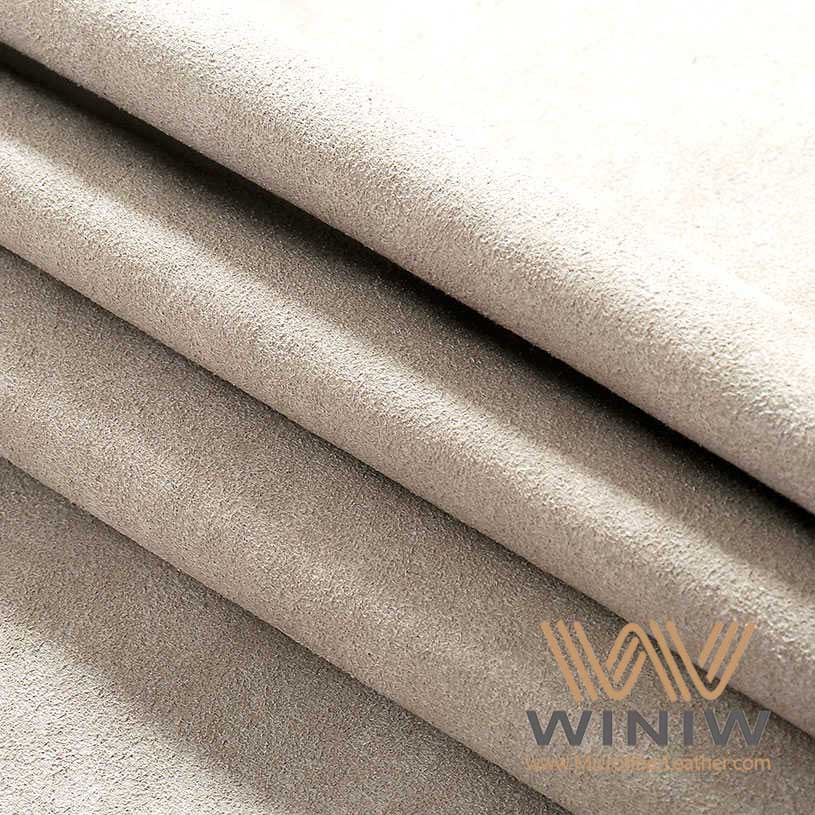
Home and Everyday Uses
You find nonwoven fabrics in many household products. These materials make your daily life easier because they are lightweight, меки, и издржливи. Common items include:
- Bed linen
- Carpet and carpet backings
- Пелени
- Крпи за чистење на подот
- Листови за сушење алишта
- Ќесички за чај и филтри за кафе
Nonwoven mats offer several advantages over traditional materials. The table below highlights key benefits:
| Придобивка | Non-Woven Mats | Традиционални материјали |
|---|---|---|
| Трајност | High durability for long-lasting use | Варира, often less durable |
| Тежина | Лесен и лесен за ракување | Heavier and less flexible |
| Разновидност | Suitable for various applications | Limited to specific uses |
| Естетски приговор | Attractive designs available | Often less visually appealing |
| Утеха | Soft and flexible for comfort | Can be stiff or uncomfortable |
Medical and Healthcare Applications
Во здравството, nonwoven fabrics play a vital role. You see them in masks, хируршки наметки, ракавици, and bandages. These products help maintain hygiene and safety. Nonwoven mats allow sweat and moisture to escape, prevent liquid penetration, and reduce cross-contamination. They also minimize skin irritation and allergic reactions. Many nonwoven dressing pads achieve a bacterial filtration efficiency of up to 99.9%, which is essential for infection control.
Automotive and Industrial Uses
You benefit from nonwoven mats in your car’s carpets, облоги, и филтри. Nonwoven fabrics reinforce tires and provide insulation, отпорност на пламен, и апсорпција на звук. These materials reduce vehicle weight and improve safety. In industrial settings, nonwoven mats endure heavy foot traffic and require minimal upkeep, saving you time and money.
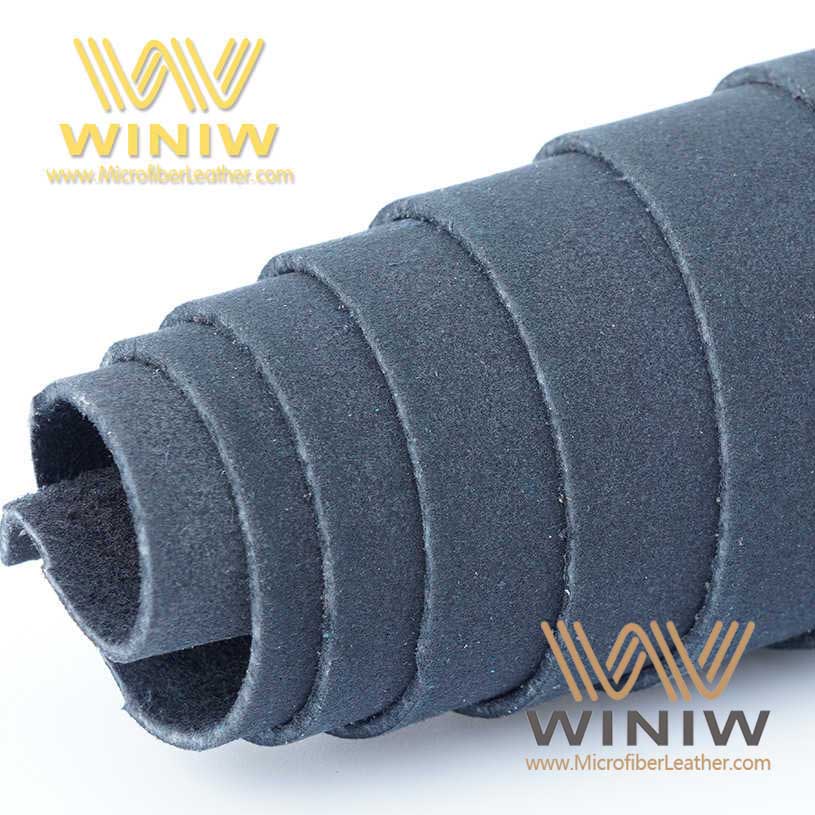
Landscaping and Construction
Nonwoven mats help you control weeds and retain soil moisture in landscaping. You can easily cut and shape them for different projects. Во градежништвото, these mats prevent soil compaction, reduce erosion, and protect natural habitats. Their water resistance and durability make them ideal for outdoor use.
Совет: Nonwoven fabrics support both disposable and durable products, making them suitable for a wide range of end-use applications. Many are made from recycled sources and can be biodegradable, aligning with sustainability goals. If you want to learn more about the uses and benefits of nwf, consider how they fit into your daily life.
You see non woven mats as cost-effective, customizable materials for home, медицински, и индустриски употреби. The table below highlights their key features:
| Карактеристика | Опис |
|---|---|
| Дефиниција | Сврзани влакна, неткаен или плетен |
| Ефикасност на трошоците | Lower costs, simplified manufacturing |
| Приспособливост | Tailored for softness, издржливост, и повеќе |
Совет: You can choose non woven mats for versatility and sustainability. Explore their benefits for your next project!
Најчесто поставувани прашања
What makes non woven mats different from woven mats?
You see non woven mats made by bonding fibers, не ткаење нишки. This gives you more flexibility and better breathability than traditional woven mats.
Can you recycle non woven mats?
Можеш recycle some non woven mats. Check the material type. Polypropylene mats often go in recycling bins. Natural fiber mats may compost.
Where do you use non woven mats most often?
- Home cleaning products
- Медицински материјали
- Automotive interiors You find non woven mats in places where you need durability, апсорпција, or disposability.