

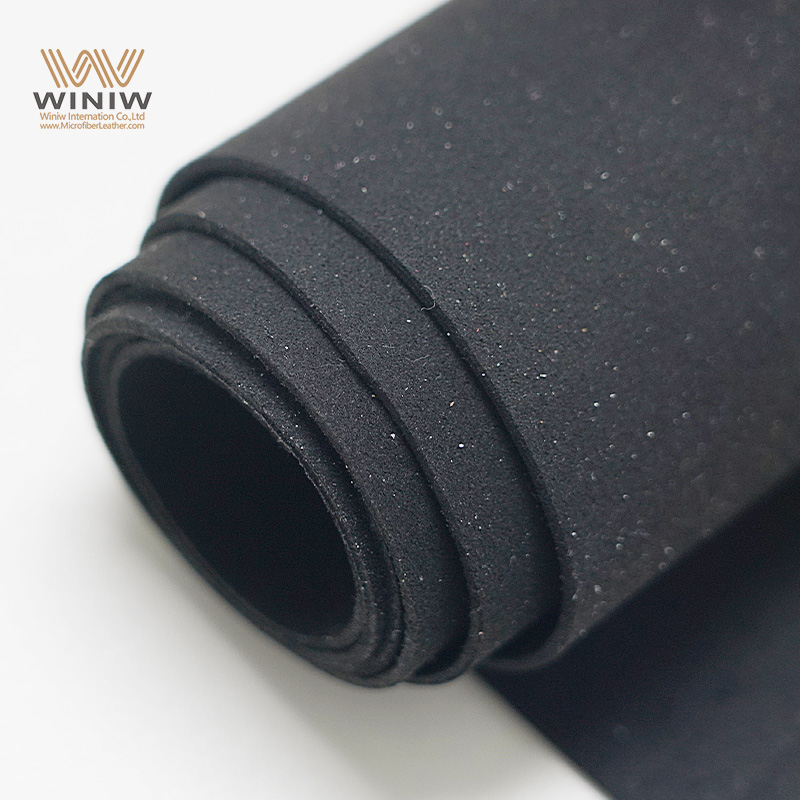
Nonwoven rolls give you a fabric-like material without weaving threads together. You see these materials made by bonding fibers with chemical, mechanical, heat, or solvent methods. The global market for nonwoven rolls reached about USD 3.8 billion in 2024 and continues to grow.
| Feature | Woven Fabrics | Nonwoven Fabrics |
|---|---|---|
| Manufacturing Process | Interlacing yarns to create a strong material | Bonding fibers through mechanical, thermal, or chemical processes |
| Strength and Durability | Strong and durable, suitable for multiple washes | Less durable, typically used for disposable products |
| Applications | Clothing, tents, bags, and various textiles | Medical textiles, insulation, filter materials, and packaging |
| Cost | Generally more expensive due to quality materials | More cost-effective, ideal for single-use items |
You find nonwoven rolls in many industries because they are flexible and cost-effective.
Key Takeaways
- Nonwoven rolls are made by bonding fibers, creating a fabric-like material without weaving. This makes them versatile for many uses.
- These rolls are cost-effective and flexible, making them ideal for disposable products in industries like healthcare and hygiene.
- Nonwoven rolls offer unique features like moisture resistance, breathability, and recyclability, which benefit various applications from medical textiles to home furnishings.
What Are Nonwoven Rolls?
Nonwoven rolls give you a unique material that does not require weaving or knitting. You get a fabric-like sheet made by bonding fibers together. This process creates a versatile product that you can use in many industries, from healthcare to construction.
Key Features of Nonwoven Rolls
You will notice several features that set nonwoven rolls apart from other materials. The table below highlights some important properties:
| Property | Description |
|---|---|
| Moisture-proofing | Nonwoven fabrics do not absorb water, so they resist moisture well. |
| Breathability | The porous structure lets air pass through, keeping surfaces dry. |
| Flexibility | You can easily cut and shape nonwoven rolls for different uses. |
| Flame retardance | Many nonwoven rolls resist ignition and slow down flames. |
| Non-toxicity | These rolls use safe materials that do not irritate your skin. |
| Recyclability | You can recycle nonwoven rolls, which helps protect the environment. |
| Antibacterial | Some nonwoven fabrics stop bacteria and mold from growing. |
| Good physical properties | Nonwoven rolls offer strength in all directions, similar to traditional textiles. |
Tip: You can choose nonwoven rolls for projects that need moisture resistance, breathability, or easy customization.
Types of Nonwoven Materials
You will find nonwoven rolls made from a variety of raw materials. Each type brings its own benefits:
- Polypropylene: Offers chemical resistance and high tensile strength.
- Polyester: Known for durability and heat resistance.
- Rayon: Feels soft and absorbs moisture well.
- Cotton: Provides comfort and breathability.
- Nylon: Adds extra strength and flexibility.
Polypropylene and polyester are popular choices because they combine strength, heat resistance, and elasticity. You can use these nonwoven materials in products that need to handle stress, heat, or exposure to sunlight. Rayon and cotton work well when you want softness and absorbency, such as in hygiene products.
You can select nonwoven rolls based on the properties you need for your application. This flexibility makes nonwoven rolls a smart choice for many industries.
Nonwoven Roll Technology
Bonding Methods
You see nonwoven roll technology use several bonding methods to create strong and versatile materials. The main methods include thermal, chemical, mechanical, and hydroentanglement. Each method gives you different properties and benefits. The table below shows the key differences:
| Bonding Method | Description | Key Features |
|---|---|---|
| Thermal Bonding | Uses heat to activate thermoplastic components within the fiber web. | Area bonding, point bonding, embossing, through-air bonding, ultrasonic bonding. |
| Chemical Bonding | Employs adhesive binders to join fibers at crossover points using synthetic latex polymers. | Achieves various properties based on polymer type, such as soft, drapable, stiff, or rigid. |
| Mechanical Bonding | Includes needlepunching, which entangles fibers using barbed needles for mechanical interlocking. | High durability fabrics with moderate bulk, resembling felt. |
| Hydroentanglement | Uses high-pressure water jets to entangle fibers without chemical binders. | Produces soft, drapable textile-like materials. |
Nonwoven roll technology lets you choose the best bonding method for your needs. You can select thermal bonding for soft fabrics in medical applications. Mechanical bonding gives you durable materials for industrial wipes. Chemical bonding uses eco-friendly binders, which help you achieve softness and durability. Hydroentanglement creates textile-like materials without chemicals.
Tip: You can match the bonding method to your project’s requirements for strength, softness, or sustainability.
Advantages of Nonwoven Roll Technology
Nonwoven roll technology offers many advantages compared to traditional textiles. You benefit from lower costs, faster production, and improved sustainability. The table below highlights the main advantages:
| Advantage | Description |
|---|---|
| Reduces Environmental Footprint | Lowers CO₂ emissions and minimizes waste generation. |
| Improves Resource Efficiency | Saves up to 40% energy and 60% water compared to conventional methods. |
| Enhances Biodegradability | Enables fabrics to decompose within 90–180 days under composting conditions. |
| Supports Circular Economy | Promotes material reuse and recycling across the supply chain. |
| Increases Market Competitiveness | Aligns with rising global demand for eco-friendly and certified products. |
You notice that nonwoven roll technology uses precision web formation and eco-conscious bonding methods. You achieve ISO-certified quality with a 20-35% lower carbon footprint. Production costs for nonwoven rolls are 30-60% lower than woven or knitted fabrics. You also benefit from faster and more efficient manufacturing.
Nonwoven roll technology helps you create products that meet modern demands for sustainability, efficiency, and performance.
Uses of Nonwoven Rolls
Medical and Healthcare
You rely on nonwoven rolls in medical and healthcare settings because they deliver safety, comfort, and efficiency. These rolls use synthetic fibers like polyester and polypropylene, which give you strength and flexibility. You benefit from enhanced breathability, which supports moisture vapor exchange—crucial for wound care. Superior absorbency helps manage exudate and reduces infection risk.
You choose nonwoven rolls for their fluid resistance, which acts as a barrier against bacteria and contamination. Their softness minimizes irritation, improving patient safety. Lightweight and flexible, these rolls allow for quick application and easy handling. Cost-effectiveness makes them a practical choice for healthcare facilities.
You find nonwoven rolls in a wide range of medical textiles and products:
- Surgical garments and gowns
- Dressings and wound care pads
- Wipes for cleaning and disinfection
- Packaging materials for sterile instruments
- Personal protective equipment (PPE) such as masks and caps
These applications benefit from the breathability, softness, and antimicrobial properties of nonwoven rolls. You also see them in hospital sheets and hygiene products, where comfort and safety are essential.
Note: Nonwoven rolls provide a reliable barrier in medical textiles, ensuring both patient and staff protection.
Hygiene and Personal Care
You see nonwoven rolls as the backbone of many hygiene products. They enhance performance by providing absorbency and liquid retention. You use them in wipes, baby diapers, and feminine hygiene items. Nonwoven fabrics serve as topsheets and liquid retention layers, which help maintain hygiene standards and protect human health.
You choose nonwoven rolls for hygiene products because they are soft, breathable, and block fluids. These features keep users comfortable and dry. You also benefit from their cost-effectiveness, which makes them ideal for large-scale production of disposable items.
You find nonwoven rolls in:
- Baby diapers
- Feminine hygiene products
- Adult incontinence pads
- Wet and dry wipes
These applications rely on the unique properties of nonwoven rolls to deliver comfort, safety, and convenience.
Home Furnishings
You use nonwoven rolls in home furnishings to add comfort, style, and durability. These rolls appear in curtains, upholstery, and wall coverings. You choose nonwoven materials for curtains because they provide privacy while allowing light to filter through. In upholstery, you benefit from comfort and easy cleaning. Wall coverings made from nonwoven rolls add texture and style at a lower cost than traditional wallpaper.
The advantages of nonwoven rolls in home furnishings include:
| Advantage | Description |
|---|---|
| Lightweight yet robust | Nonwoven rolls are strong and withstand wear while being easy to handle. |
| Excellent water resistance | They protect furnishings from moisture damage, enhancing durability. |
| Breathable | This feature adds comfort and prevents overheating in furnishings. |
| Cost-effective | They offer a budget-friendly option for manufacturers and consumers. |
| Eco-friendly | Their production process appeals to environmentally conscious consumers. |
You can easily customize nonwoven rolls for different home furnishing applications, making them a versatile choice for modern interiors.
Construction and Geotextiles
You depend on nonwoven rolls in construction and geotextile applications for their strength and versatility. Nonwoven geotextiles enhance drainage by allowing water to flow quickly while preventing sediment accumulation. You use them to reinforce pavements, which distributes loads evenly and extends the lifespan of road surfaces.
The main functions of nonwoven rolls in geotextiles include:
| Function | Description |
|---|---|
| Separation | Acts as a barrier between materials to prevent mixing and improve load distribution. |
| Filtration | Allows water to pass while retaining fine particles, maintaining drainage stability. |
| Drainage | Moves water away from structures while keeping soil in place, preventing erosion. |
| Reinforcement | Increases soil strength and load-bearing capacity, preventing shifting and settlement. |
| Protection | Serves as a protective layer to prevent damage during installation or use. |
You benefit from the high tensile strength of nonwoven rolls, which can reach 10–20kN/m. This strength disperses loads and reduces settlement by over 30%. The permeability of nonwoven geotextiles prevents water accumulation, which protects the subgrade. Durability and puncture resistance ensure a service life of 10–20 years, improving overall road quality. You also save on material costs, as nonwoven rolls reduce the thickness of crushed stone layers.
Tip: Nonwoven rolls in geotextiles help you build longer-lasting, more efficient infrastructure.
Automotive Industry
You find nonwoven rolls throughout the automotive industry, where they improve comfort, durability, and sustainability. You use them in headliners, carpets, and trunk liners for sound insulation and wear resistance. Nonwoven rolls also appear in interior trims, dashboard covers, door panels, and seat linings, providing a soft touch and aesthetic appeal.
You benefit from the following advantages:
- Enhanced comfort through noise reduction, cushioning, and insulation
- Improved durability for long-lasting performance
- Eco-friendly options, including recycled and bio-based materials
- Weight reduction, which boosts fuel efficiency and reduces emissions
- Cost efficiency, as nonwoven rolls lower production costs
- Design flexibility for custom shapes, textures, and colors
You also use nonwoven rolls in automotive filtration systems, where they trap contaminants and keep engines clean. Fire-resistant nonwoven components help you meet safety standards. The use of recycled materials supports your sustainability goals and reduces waste.
Filtration Applications
You rely on nonwoven rolls for a wide range of filtration applications. These rolls are essential in air filtration, water filtration, and industrial dust control. You use nonwoven filters in HVAC systems, automotive cabins, and personal masks because they store dust efficiently. In liquid filtration, nonwoven rolls filter oils and water in industrial and food settings, retaining solids and microbes.
You also use nonwoven rolls in:
- Industrial process filtration for coolants and chemicals
- Pharmaceutical and laboratory filtration for sterile environments
- Food and beverage filtration, such as tea bags and coffee filters
Nonwoven rolls enhance filtration efficiency. Electrostatic nonwoven filters capture submicron particles with high efficiency and low airflow resistance. This reduces energy consumption and maintains performance, even in humid or high-temperature conditions.
Note: Nonwoven rolls help you achieve high standards in filtration applications, supporting clean air, safe water, and efficient industrial processes.
You see nonwoven rolls shape many industries with their flexibility and reliability. The table below shows their impact:
| Industry/Application | Benefits/Significance |
|---|---|
| Healthcare | Infection control, patient safety |
| Filtration | Cleaner air and water |
| Construction | Soil stability, erosion control |
| Automotive | Comfort, protection |
| Home Furnishings | Durability, flexibility |
You should consider nonwoven roll technology because:
- It supports hygiene and healthcare needs.
- It improves filtration and automotive products.
- It advances construction, agriculture, and packaging.
- It drives innovation in consumer goods and protective clothing.
FAQ
What makes nonwoven rolls different from woven fabrics?
You get nonwoven rolls made by bonding fibers, not weaving threads. This process gives you a fabric that is strong, flexible, and often disposable.
Can you recycle nonwoven rolls?
Yes, you can recycle many nonwoven rolls. Check the material type and local recycling guidelines to make sure you dispose of them properly.
Where do you see nonwoven rolls used most often?
You find nonwoven rolls in medical supplies, hygiene products, filters, and construction materials. Their versatility makes them popular in many industries.