

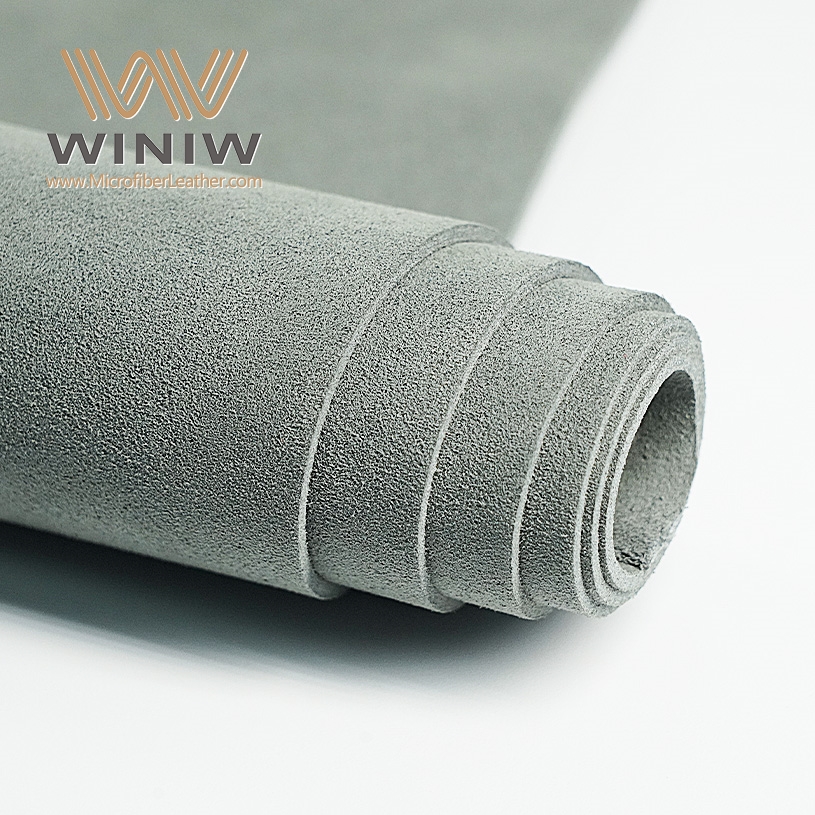
Have you ever wondered how many products you use daily rely on nonwoven fabrics? Nonwoven Application means bonding fibers together, not weaving or knitting. You see these materials in masks, diapers, and wipes.
- The global market for nonwoven fabrics will grow rapidly, reaching billions by 2025.
Compared to woven fabrics, nonwovens offer faster production and better water resistance.
| Feature | Woven Fabric | Non Woven Fabric |
|---|---|---|
| Manufacturing process | Interlacing yarns on a loom | Bonding fibers by various methods |
| Cost-effectiveness | More expensive | More cost-effective |
Main Uses of Nonwoven Fabrics in Everyday Life
- Nonwoven fabrics are essential in daily products like masks, diapers, and wipes, providing comfort and safety.
- In medical settings, nonwoven materials ensure sterility and protection, making them vital for surgical gowns and masks.
- Nonwoven technologies, such as spunbond and meltblown, enhance hygiene products, offering better absorbency and comfort.
Applications of Non-Woven Fabrics in Daily Life
Medical and Surgical Uses
You encounter non-woven fabrics every time you visit a healthcare facility. These materials play a vital role in medical applications, especially in surgical environments. Nonwoven application in medical settings includes products such as surgical gowns, drapes, wound dressings, and medical disposables. You rely on these items for sterility, safety, and comfort.
| Application | Typical Medical Use |
|---|---|
| Surgical Gowns and Drapes | Outer layers of gowns/masks, drapes, packaging |
| Advanced Wound Care and Dressings | Wound dressings, orthopedic padding, implant scaffolds |
| Medical Disposables | Various medical disposables with specific characteristics |
Non-woven fabrics offer several properties that make them ideal for medical applications. You benefit from their barrier properties, which shield you from bacteria, viruses, and contaminants. These fabrics provide strength and durability, ensuring that surgical drapes and protective covers remain intact during procedures. Breathability allows air and moisture to pass through, which is crucial for wound dressings. Absorbency helps manage fluids, and softness ensures comfort for patients.
| Property | Description |
|---|---|
| Barrier Properties | Nonwoven fabrics act as a protective shield against bacteria, viruses, and contaminants. |
| Strength | They exhibit remarkable strength and durability, ideal for surgical drapes and protective covers. |
| Breathability | High breathability allows air and moisture passage, crucial for wound dressings. |
| Absorbency | Exceptional absorbency is vital for fluid management in surgical drapes and wound dressings. |
| Softness | Soft texture is gentle on the skin, important for adhesive dressings and personal hygiene products. |
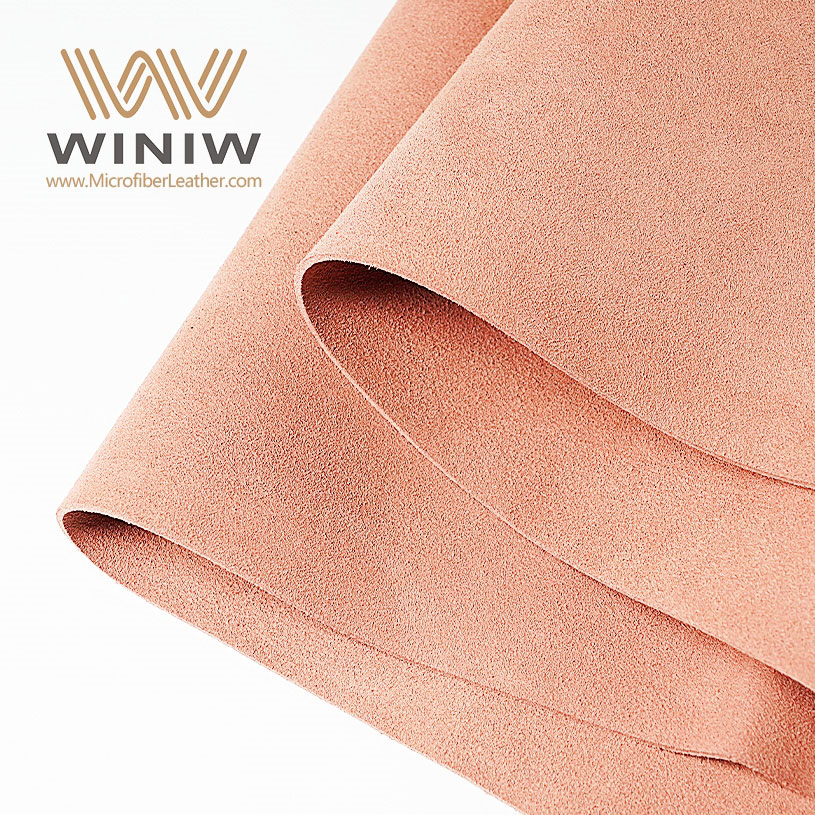
You see nonwoven application in advanced wound care, where high porosity enables absorption and passage of fluids or gases, preventing moisture buildup. Strength and durability ensure that medical devices withstand rigorous use. The microbial barrier prevents transmission of harmful microorganisms, minimizing infection risks. Flexibility allows easy shaping into complex structures for various medical applications. Breathability provides optimal airflow, reducing skin irritation and discomfort.
Surgical Masks and Gowns
You depend on surgical masks and gowns for protection in healthcare settings. Nonwoven fabrics dominate the production of these essential items. The three-ply structure of surgical masks uses nonwoven materials to balance protection and breathability. You benefit from excellent filtration capabilities, which block pathogens and particulate matter. Comfort remains a priority for prolonged use, especially for healthcare professionals.
- Nonwoven fabrics provide excellent filtration capabilities, effectively blocking pathogens and particulate matter.
- They maintain comfort for prolonged use, which is essential in medical settings.
- The three-ply structure of surgical masks often utilizes nonwoven materials, balancing protection and breathability.
- Nonwovens are moisture resistant and air permeable.
- They are flexible, lightweight, and non-flammable.
- Nonwovens are easy to decompose, non-toxic, and non-irritating, making them ideal for medical applications.
- Medical nonwovens cannot have threads pulled out, unlike traditional textiles.
- They are low-cost and can be recycled, which is beneficial for sustainability in the medical field.
You notice that surgical gowns and ppe rely on nonwoven fabrics for sterility and disposability. These materials prevent strike-through of blood and body fluids, ensuring safety for both patients and healthcare workers. Composite nonwoven fabrics and laminated thin plastic films enhance protection. You find that meltblown and spunbond polypropylene and polyethylene fibers are common in these products.
| Feature | Description |
|---|---|
| Market Size | 5.5 billion square yards per year worldwide |
| End Product Sales | $7 billion |
| Composition | Meltblown and spunbond polypropylene and polyethylene fibers |
| Function | Prevents strike-through of blood and body fluids |
| Structure | Composite nonwoven fabrics and laminated with thin plastic films |
Hygiene and Personal Care
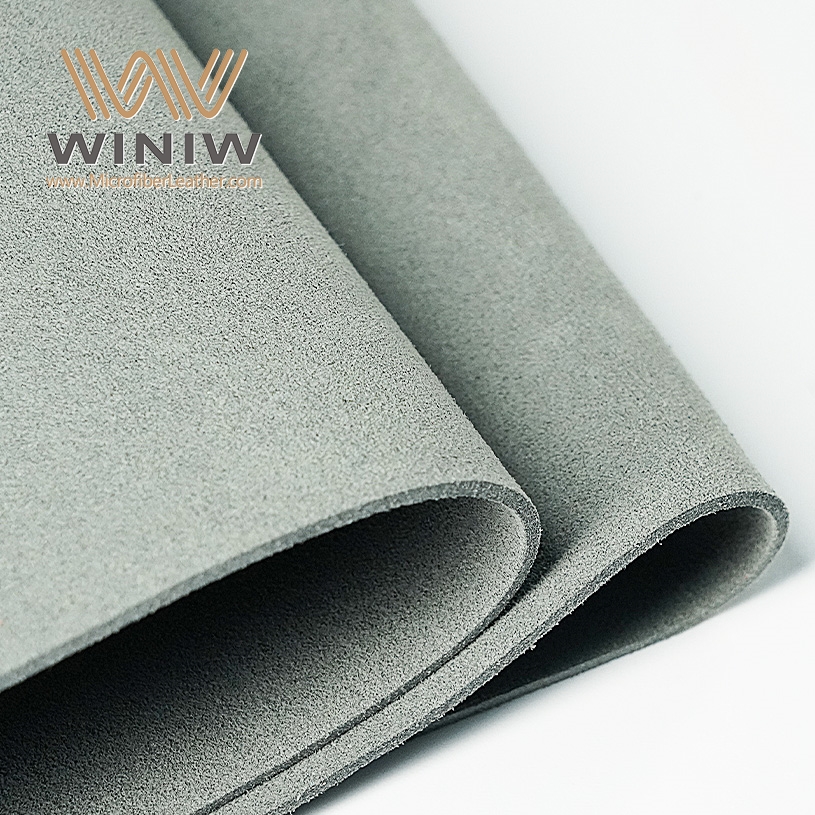
You use non-woven fabrics daily in hygiene and personal care products. Diapers, sanitary napkins, wipes, and cosmetic masks all rely on nonwoven application for their effectiveness. These products offer sterility, disposability, and comfort. You benefit from their ability to serve as a barrier to microorganisms and fluids, which helps prevent cross-contamination.
Nonwoven fabrics in hygiene products come from natural fibers like cotton or synthetic materials such as polypropylene. You find that these materials are sterile, soft, antibacterial, liquid repellent, and liquid absorbent. The applications of non-woven fabrics in personal care continue to expand as manufacturers respond to stricter environmental regulations and consumer demand for sustainability. You see the industry investing in biodegradable alternatives to address landfill issues.
You encounter several nonwoven technologies in hygiene and personal care products:
- Spunbond: Melts plastic pellets to form continuous filaments, creating strong fabrics for diaper coversheets and agricultural covers.
- Meltblown: Uses high-velocity hot air to create microfibers, ideal for filtration in medical masks.
- Spunlace: Entangles fibers using high-pressure water jets, resulting in soft, cloth-like materials for wipes and cosmetic masks.
| Technology | Description | Applications |
|---|---|---|
| Spunlace | Made by hydraulically entangling fibers without binders or chemicals. | Used in wipes and personal care products. |
| Meltblown | Involves melting polymer and blowing it into fine fibers. | Commonly used in filtration applications. |
| Airlaid | A three-step process creating nonwoven fabric with high fluid absorption. | Suitable for personal care applications. |
You recognize that nonwoven application in hygiene products supports a global market size of 5.5 billion square yards per year, with end product sales reaching $7 billion. The applications of non-woven fabrics in this sector continue to grow as you demand safer, more sustainable, and more effective products.
Tip: When you choose hygiene products, look for those made with advanced nonwoven technologies. You benefit from improved comfort, safety, and environmental responsibility.
Nonwoven Application in Industry and Home
Automotive Applications
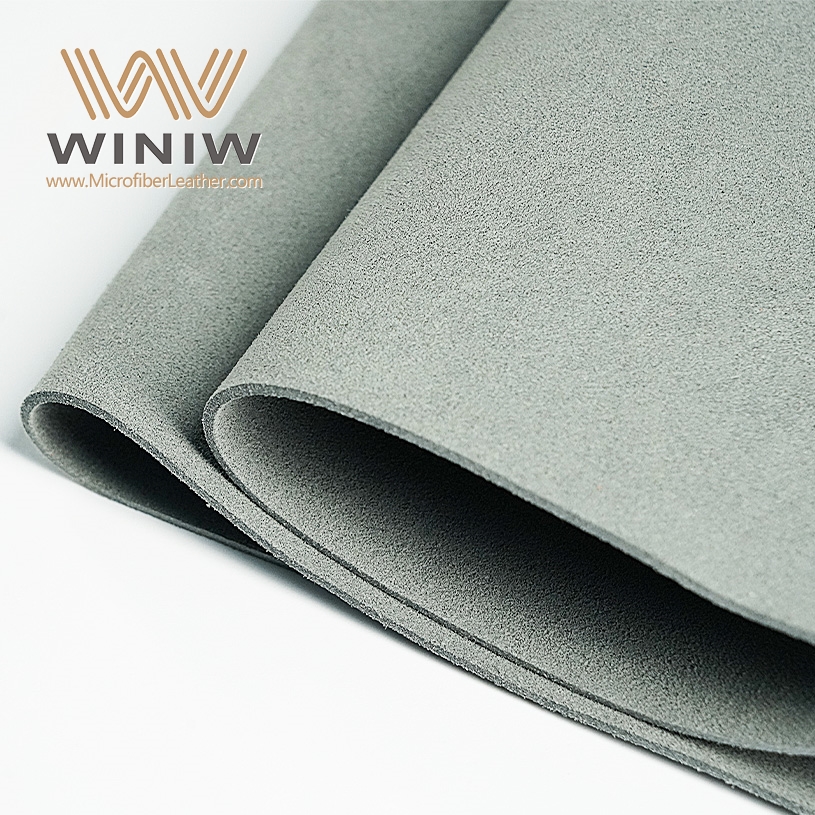
You encounter nonwoven fabrics in almost every modern vehicle. Manufacturers use these materials for trunk liners, seat padding, headliners, and acoustic barriers. Nonwovens provide weight reduction, which improves fuel efficiency and supports energy-saving goals. You benefit from quieter rides because nonwovens absorb sound and vibration. These fabrics also serve as a barrier against heat and moisture, protecting sensitive components. The automotive sector values nonwovens for their moldability and cost-effectiveness. In 2025, you will see more innovation, such as recycled content and smart materials that adapt to temperature changes.
| Automotive Component | Application Description |
|---|---|
| Cabin air filters | Enhance filtration and passenger comfort |
| Trunk liners | Sound insulation and aesthetics |
| Under-the-hood parts | Heat shields and thermal insulation |
Filtration and Air Quality
You rely on nonwoven fabrics for advanced filtration in both home and industry. These materials excel in air and water filtration systems, capturing up to 99% of particles. Their random fiber arrangement creates a superior barrier, ensuring high filtration efficiency and longer lifespan. Nonwovens allow for customizable pore sizes, which means you get better airflow and lower energy consumption. You find nonwovens in HVAC filters, water purification, and even pharmaceutical production. Innovation in water jet processing and fiber engineering continues to push the boundaries of filtration performance.
- Nonwovens offer greater permeability and specific surface area.
- You experience higher filtration efficiency and reduced clogging.
- Advanced filtration media support sustainability by using recycled fibers.
Packaging and Construction
You see nonwoven fabrics in packaging, reusable bags, and envelopes. Their strength and lightweight design make them ideal for protecting goods. In construction, nonwovens act as moisture barriers, roofing underlays, and geotextiles. These materials are durable, flexible, and cost-effective. Many nonwovens are recyclable or biodegradable, reducing environmental impact. The construction industry benefits from innovation in energy-efficient insulation and sustainable building materials. In 2025, you will notice more disposable packaging solutions and eco-friendly construction products made possible by ongoing innovation.
Note: The global market for nonwoven applications in industry and home will reach $62.63 billion in 2025, driven by innovation, sustainability, and the demand for advanced filtration and construction solutions.
You experience the benefits of nonwoven fabrics every day.
- Diapers, feminine hygiene products, and wipes support public health and comfort.
- Cleaning wipes and home furnishings enhance convenience.
| Innovation Type | Description |
|---|---|
| Sustainable Nonwoven Materials | Advanced polymers and biopolymers improve durability and biodegradability. |
| Nanotechnology Integration | Nanofibers deliver superior filtration and antimicrobial resistance. |
You will see nonwoven technology evolve with eco-friendly solutions and smarter manufacturing.
FAQ
What drives the growth of the nonwoven fabrics market?
You see the market expand due to rising demand for personal protective equipment, hygiene products, and wound care products. Growth continues as industries prioritize sustainability and innovation.
How do nonwoven fabrics support sustainability in wound care products?
You benefit from nonwoven dressings that use biodegradable materials. These products promote sustainability, reduce waste, and support the market’s growth in eco-friendly wound care products.
Why choose nonwoven fabrics for barrier protection against fluids?
You rely on nonwoven fabrics for barrier protection against fluids. These materials ensure safety, enhance dressings, and drive growth in the market through advanced sustainability features.