

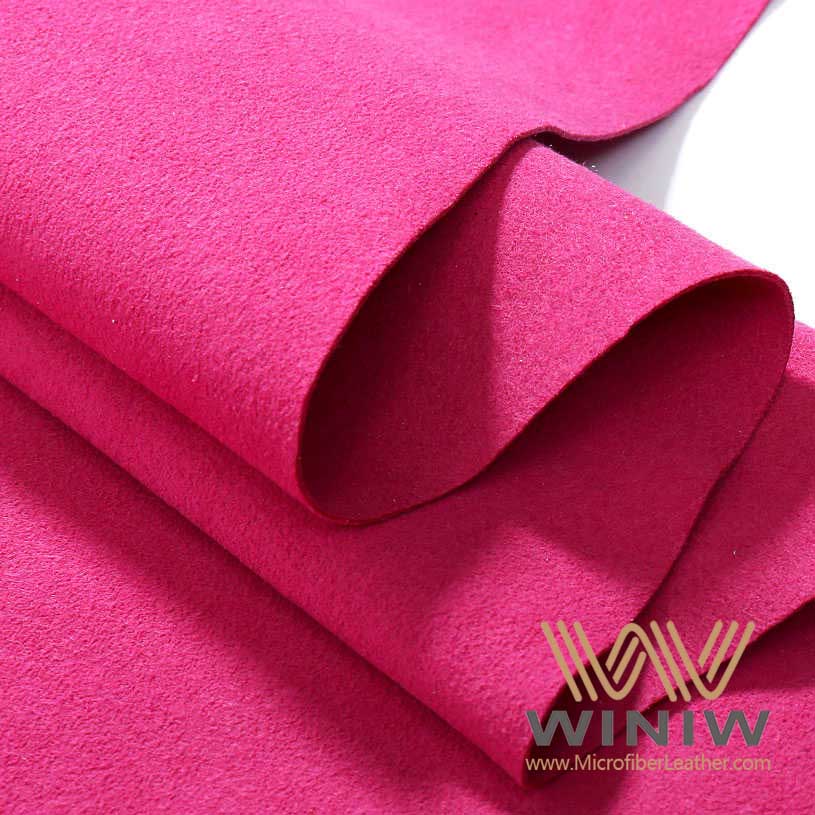
You encounter stitch bonded nonwovens when fibers are stitched or knitted through a fibrous mat. This method uses needles and yarns to create a fabric that sits between traditional textiles and regular nonwovens. Unlike other nonwovens, you see a knit-like appearance and benefit from pollution-free, high temperature resistant materials.
ਸਟਿੱਚ ਬਾਂਡਡ ਨਾਨਵੋਵੇਨ ਕੀ ਹਨ ਅਤੇ ਉਹ ਕਿਵੇਂ ਬਣਦੇ ਹਨ
- Stitch bonded nonwovens combine the flexibility of textiles with the efficiency of nonwoven production, offering a unique fabric that is strong and versatile.
- The manufacturing process involves web forming and stitch bonding, which creates a durable fabric suitable for demanding applications in various industries.
- Stitch bonded fabrics are eco-friendly, often made from recycled materials, and can be tailored for specific needs, making them a sustainable choice for many applications.
Stitch Bonded Nonwovens
ਪਰਿਭਾਸ਼ਾ
You can define ਬੰਨ੍ਹੇ ਹੋਏ ਗੈਰ-ਬੁਣੇ ਸਿਲਾਈ as fabrics created by stitching or knitting fibers and yarns through a fibrous mat. This process uses needles to interlock fibers, which gives the fabric a knit-like appearance. The Textile Institute describes this material as a multi-component fabric. You see interlooped stitches running along the length of the fabric, often combined with fiber webs or even preformed fabrics. This unique structure sets stitch bonded nonwovens apart from other materials.
ਨੋਟ ਕਰੋ: Stitch bonded nonwovens combine the flexibility of textiles with the efficiency of nonwoven production. You get a fabric that looks and feels different from traditional nonwovens.
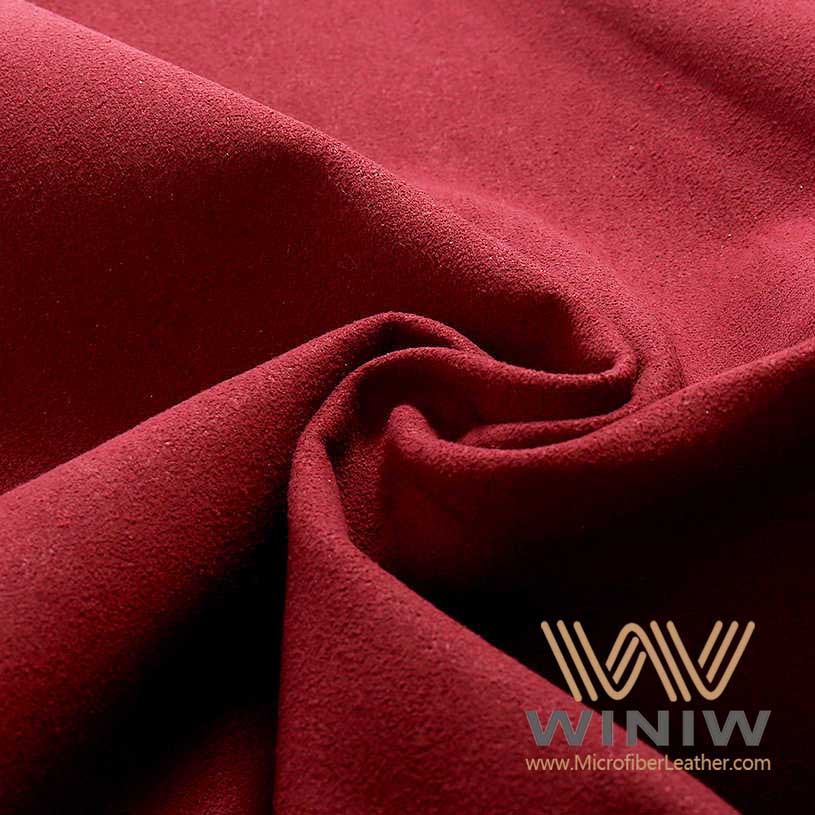
ਗੁਣ
ਤੁਹਾਨੂੰ ਕਈ ਨੋਟਿਸ features that make stitch bonded nonwovens unique:
- Distinct Bonding Method: Stitch bonding uses mechanical stitching to hold fibers together. Other nonwovens may use heat, ਰਸਾਇਣ, ਜਾਂ ਦਬਾਅ, but stitch bonded nonwovens rely on yarns and needles.
- ਤਾਕਤ ਅਤੇ ਟਿਕਾਊਤਾ: The interlocking stitches give these fabrics high resistance to tearing and fraying. You can use them in demanding applications where durability matters.
- Versatile Performance: You can treat these fabrics to improve water, ਰਸਾਇਣਕ, fire, or UV resistance. This makes them suitable for many industries.
- Variety in Structure: Stitch bonded nonwovens can have one-sided or two-sided stitches. The density of the web and the type of yarn affect how the fabric performs.
- Knit-like Texture: When you touch stitch bonded nonwovens, you feel a texture similar to knitted fabrics. This sets them apart from other nonwoven materials.
You find that stitch bonded nonwovens stand out because of their manufacturing process. Mechanical stitching creates a fabric that is both strong and flexible. You can see these materials used in ਘਰ furnishings and other industries where performance and appearance matter.
ਨਿਰਮਾਣ ਪ੍ਰਕਿਰਿਆ
When you explore how stitch bonded nonwovens are made, you discover a process that combines advanced machinery with precise techniques. The manufacturing process involves two main steps: web forming and stitch bonding. Each step uses specialized stitch bonding equipment and stitch bonding systems to create a fabric that is both strong and versatile.
Web Forming
You start with web forming, which creates the base layer of fibers. This step uses various types of stitch bonding equipment to lay down fibers in a uniform mat. The choice of machinery and configuration affects the final properties of the fabric. Here is a comparison of common stitch bonding equipment used in this stage:
| ਮਸ਼ੀਨ ਦਾ ਨਾਮ | ਸੰਰਚਨਾ | ਮਸ਼ੀਨ ਗੇਜ | ਫਾਈਬਰ ਦੀ ਸੂਖਮਤਾ | ਵਰਕਿੰਗ ਚੌੜਾਈ | ਕੰਮ ਕਰਨ ਦੀ ਗਤੀ | ਆਧਾਰ ਭਾਰ ਸੀਮਾ |
|---|---|---|---|---|---|---|
| ਸਟੀਚ ਬੰਧਨ ਮਸ਼ੀਨ (ਮਾਲੀਵਲੀਜ਼) | ਕਰਾਸ ਲੈਪਰ Nonwoven ਲਾਈਨ ਤੋਂ ਸਿੱਧੀ ਫੀਡ 2 | F18 | 1 ਨੂੰ 10 dtex | 1000 ਨੂੰ 2000 ਮਿਲੀਮੀਟਰ | ਅਧਿਕਤਮ. 3 m/my | 80 – 500 gsm |
| ਸਟੀਚ ਬੰਧਨ ਮਸ਼ੀਨ (ਮਾਲੀਵਾਟ) | ਰੋਲ ਤੋਂ ਵੈੱਬ ਫੀਡਿੰਗ ਵਾਲੀ ਇਕੱਲੀ ਮਸ਼ੀਨ | F1 ਤੋਂ F18 | 1 ਨੂੰ 10 dtex | ਤੱਕ 2000 ਮਿਲੀਮੀਟਰ | ਅਧਿਕਤਮ. 4 m/my | 80 – 500 gsm |
| ਸਟੀਚ ਬੰਧਨ ਮਸ਼ੀਨ (ਕੁਨਿਤ/ਮਲਟੀਕਿਨਟ) | ਦੋ-ਪੜਾਅ ਵਾਲੀ ਮਸ਼ੀਨ ਪ੍ਰਣਾਲੀ ਗੈਰ-ਬੁਣੇ ਲਾਈਨ ਤੋਂ ਲੰਬਾਈ ਦੇ ਅਧਾਰਤ ਫਾਈਬਰ ਵੈੱਬ ਦੀ ਸਿੱਧੀ ਫੀਡ ਨਾਲ 1 ਜਾਂ 2 | 600 ਅਤੇ 1600 ਮਿਲੀਮੀਟਰ | 1 ਨੂੰ 10 dtex | ਅਧਿਕਤਮ. 2 m/my | 120 – 600 gsm |
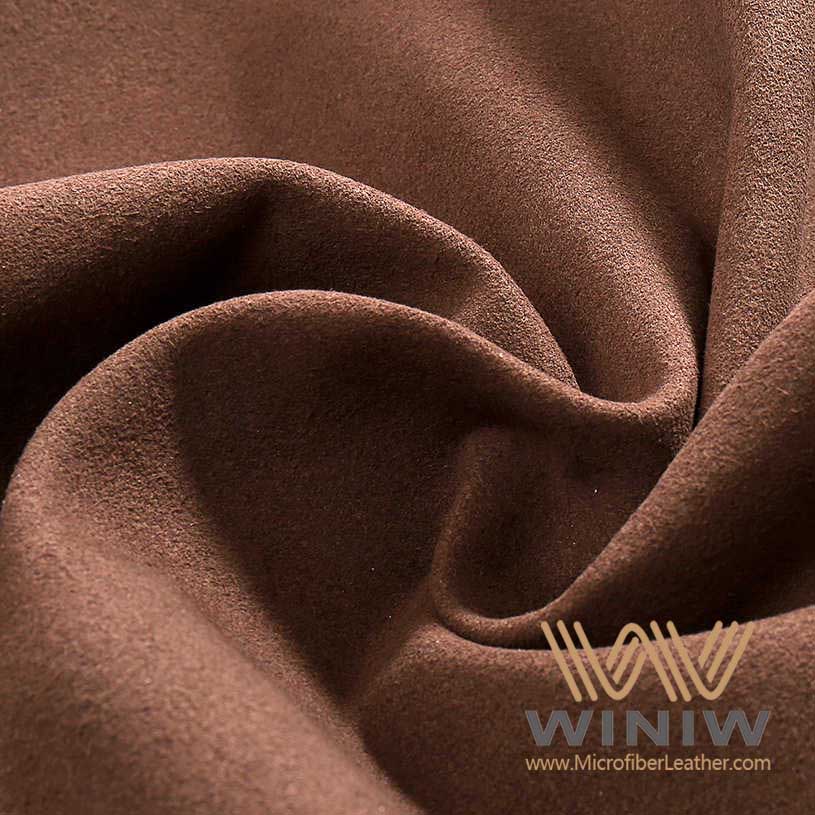
You can form the fiber web using methods similar to sewing. The performance of the web depends on factors like area weight, ਸਟੀਚ ਘਣਤਾ, and thread quality. You often see filament yarn and cotton yarn used, with counts ranging from 18 ਨੂੰ 30 Ne. Machines such as Arachne and Maliwatt type warp knitting machines play a key role in this stage. The web forming step sets the foundation for the next phase, where the real strength of the fabric develops.
ਸਟੀਚ ਬੰਧਨ
Once you have the fiber web, you move to the stitch bonding stage. ਇਥੇ, you use stitch bonding equipment that includes needles, guide bars, and support combs. These machines perform a series of actions: penetration, lapping, ਬੰਦ ਕਰਨਾ, knocking-over, and take-down. You see several stitch bonding systems in action, such as Maliwatt, Malivlies, ਪੀਹਣਾ, ਤਬਾਹ ਕਰ ਦਿੱਤਾ, ਵੋਲਟੇਕਸ, ਕੁਨਿਤ, and Multiknit. Each system offers unique features and advantages for different applications.
You use needles and yarns to stitch through the fiber web, reinforcing and strengthening the fabric. The process aligns fibers along the load path, which increases mechanical properties. Non-crimp stitched reinforcements can be up to 30% stronger than woven fabrics. You notice excellent cloth surface strength, strong vertical and horizontal tensile strength, and good tear resistance. The fabric resists deformation under stress, making it suitable for demanding uses.
Here is a simple breakdown of the stitch bonding process:
- The machine feeds the fiber web into the stitching area.
- Needles penetrate the web, carrying yarns through the fibers.
- The machine forms interlocking stitches, securing the fibers in place.
- The fabric moves through the machine, where it is drawn off and collected.
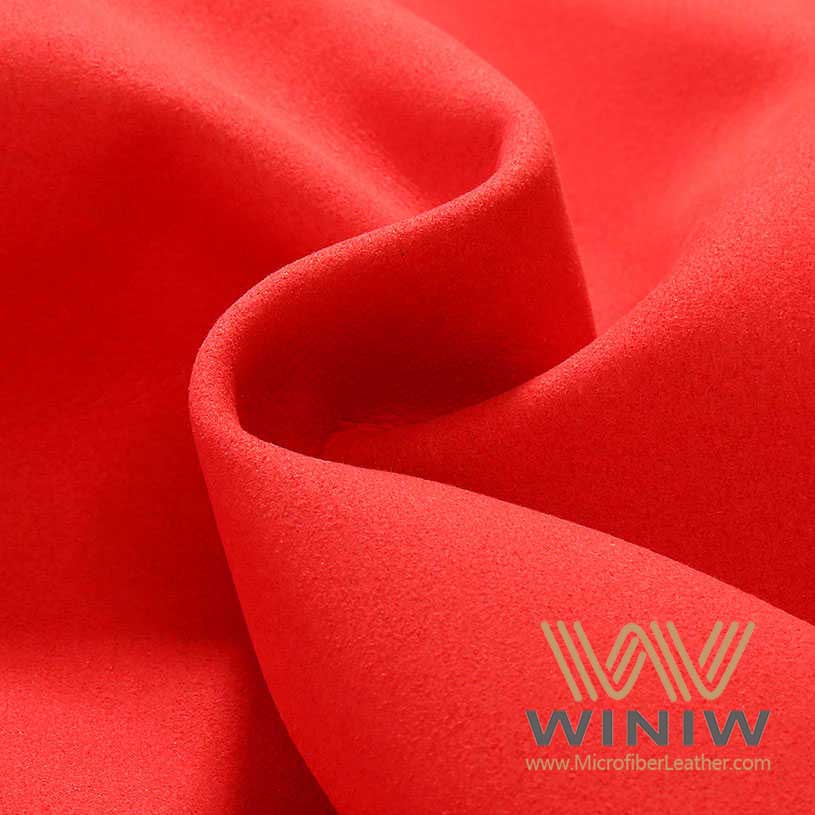
You find that stitch bonding systems allow you to tailor the fabric for specific needs. You can adjust stitch density, yarn type, and web structure. This flexibility makes stitch bonded nonwovens popular in home furnishings, vacuum bags, and geo-textiles.
ਟਿਪ: Stitch bonding systems offer cost advantages over traditional woven fabrics. You can produce strong, durable fabrics at a lower cost, although the appearance may be less refined. If you need extra water resistance, you might add coatings to the finished fabric.
By understanding the role of web forming and stitch bonding, you gain insight into why stitch bonded nonwovens stand out. The combination of advanced stitch bonding equipment and innovative stitch bonding systems gives you a fabric that meets the needs of many industries.
Stitch Bonded Fabric: Materials and Properties
ਵਰਤੀ ਗਈ ਸਮੱਗਰੀ
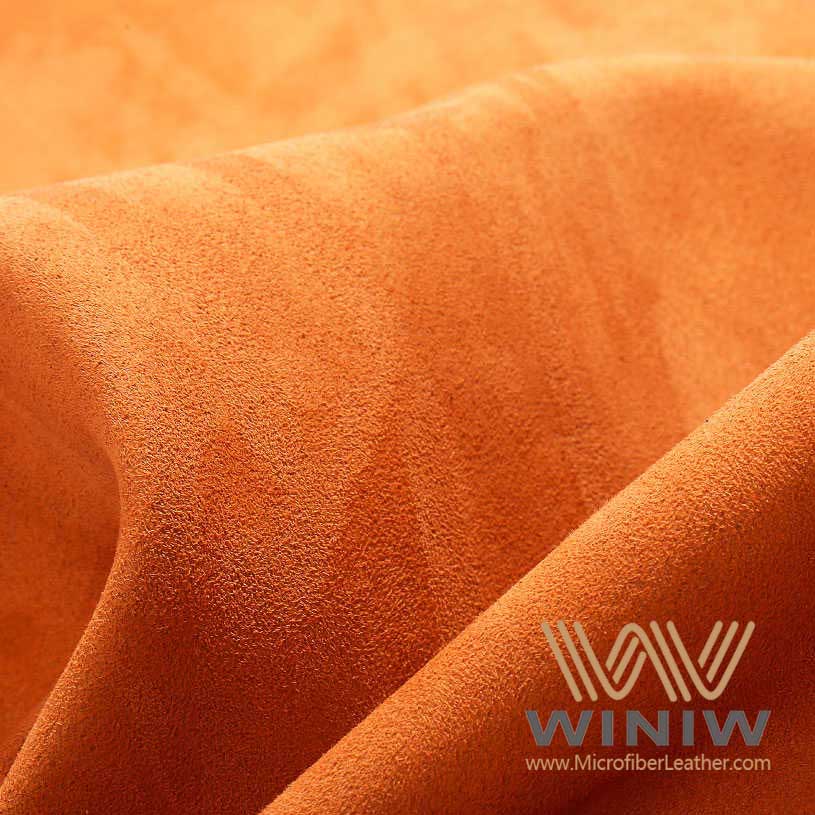
You find that stitch bonded fabric uses a variety of fibers and blends. The most common choices include pure cotton, cotton-polyester blends, and synthetic fibers such as polypropylene. Each fiber brings unique benefits to the final nonwoven material.
| ਫਾਈਬਰ ਰਚਨਾ | ਗੁਣ |
|---|---|
| Pure Cotton | Superior water absorption, gentle cleaning, absorbs 8–10 times its weight in water |
| Cotton-Polyester Blend | Combines cotton’s absorption with polyester’s oil resistance |
| ਪੌਲੀਪ੍ਰੋਪਾਈਲੀਨ | High failure stress, moderate strain, adapts to deformation |
You also see recycled materials like RPET fabric, which comes from used PET bottles. This sustainable option helps reduce waste and lowers reliance on fossil fuels.
ਮੁੱਖ ਵਿਸ਼ੇਸ਼ਤਾ
Stitch bonded fabric stands out for its strength and durability. You benefit from high resistance to tearing and fraying. The mechanical bonding process gives the fabric excellent tensile strength. You notice that polyester and polypropylene fibers improve oil resistance and mechanical performance. Many bonded nonwoven fabrics offer water resistance, fire retardancy, and acoustic insulation.
ਟਿਪ: The fire resistance of stitch bonded fabric is tested using ASTM D6413. This method measures flame resistance, afterflame duration, and char length.
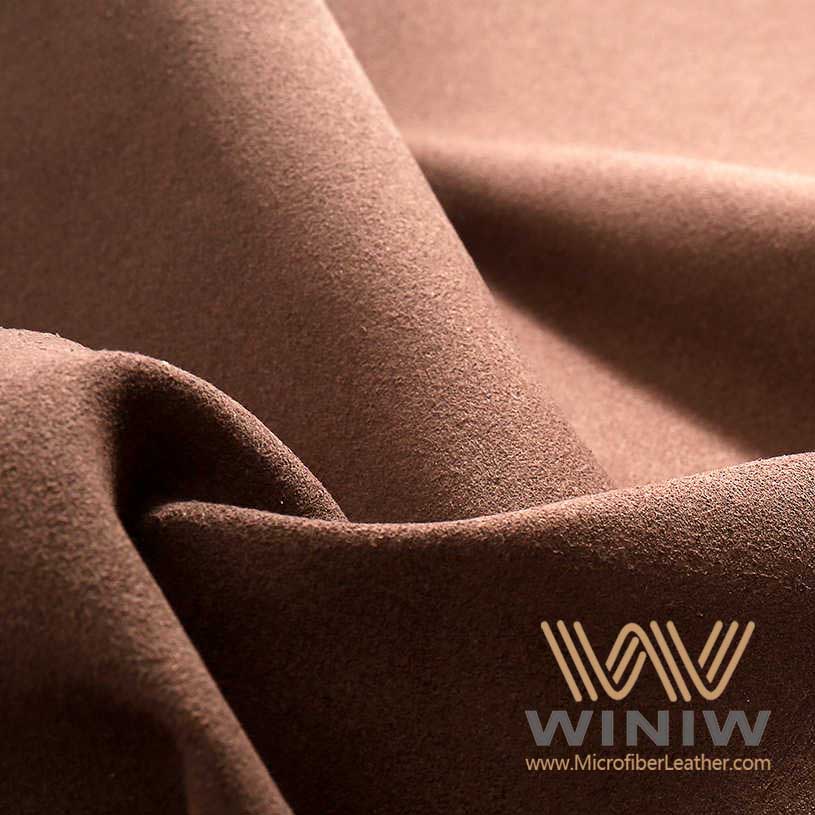
You also experience good thermal insulation and sound absorption, especially when multiple layers are used.
ਐਪਲੀਕੇਸ਼ਨਾਂ
You encounter stitch bonded fabric in many industries. The table below shows typical uses:
| ਸੈਕਟਰ | ਐਪਲੀਕੇਸ਼ਨ ਦੀ ਕਿਸਮ |
|---|---|
| ਉਸਾਰੀ | Reinforcement materials |
| ਆਟੋਮੋਟਿਵ | Interior components |
| ਸਿਹਤ ਸੰਭਾਲ | ਮੈਡੀਕਲ ਟੈਕਸਟਾਈਲ |
| ਘਰ ਦਾ ਸਮਾਨ | Upholstery and bedding |
| ਜੁੱਤੀਆਂ | ਜੁੱਤੀਆਂ ਦੀਆਂ ਲਾਈਨਾਂ |
ਤੁਸੀਂ ਵੇਖਿਆ ਉਤਪਾਦ like interior liners, ਸੀਟ ਲਾਈਨਰ, ਕਾਰਪੇਟ ਅੰਡਰਲੇਅ, and air filter media in vehicles. ਉਸਾਰੀ ਵਿੱਚ, stitch bonded fabric reinforces structures and provides insulation. The global market for non-woven fabric continues to grow, driven by demand in automotive, ਸਿਹਤ ਸੰਭਾਲ, and geotextile sectors.
You see that stitch bonded nonwovens combine strength, ਬਹੁਪੱਖੀਤਾ, ਅਤੇ ਸਥਿਰਤਾ. Manufacturers value these fabrics for their wide range of uses and eco-friendly options.
| Property/Application | ਵਰਣਨ |
|---|---|
| ਬਹੁਪੱਖੀਤਾ | Used in construction, ਘਰੇਲੂ ਟੈਕਸਟਾਈਲ, ਅਤੇ ਹੋਰ. |
| ਤਾਕਤ | Designed for demanding industrial uses. |
| ਸਥਿਰਤਾ | ਈਕੋ-ਅਨੁਕੂਲ ਅਭਿਆਸਾਂ ਦਾ ਸਮਰਥਨ ਕਰਦਾ ਹੈ. |
- You find nonwoven fabrics in shopping bags, waterproof membranes, ਅਤੇ ਫਰਨੀਚਰ.
- These materials help reduce plastic waste and support innovation across industries.
FAQ
What makes stitch bonded nonwovens different from other nonwovens?
You see a knit-like texture in ਬੰਨ੍ਹੇ ਹੋਏ ਗੈਰ-ਬੁਣੇ ਸਿਲਾਈ. Needles and yarns create strong, flexible fabrics. Other nonwovens use heat, ਰਸਾਇਣ, or pressure for bonding.
ਕੀ ਤੁਸੀਂ ਸਟਿੱਚ ਬਾਂਡਡ ਨਾਨਵੋਵਨ ਨੂੰ ਰੀਸਾਈਕਲ ਕਰ ਸਕਦੇ ਹੋ?
ਹਾਂ! You can recycle many stitch bonded nonwovens, especially those made from polyester or RPET. Recycling helps reduce waste and supports eco-friendly manufacturing.
Where do you use stitch bonded nonwovens most often?
You find these fabrics in construction, ਆਟੋਮੋਟਿਵ ਅੰਦਰੂਨੀ, ਘਰ ਦਾ ਸਮਾਨ, ਅਤੇ ਮੈਡੀਕਲ ਟੈਕਸਟਾਈਲ. Their strength and versatility make them popular in many industries.