

Description
0.35mm Stitch Bonded Nonwoven Fabric for Cable Insulation: Premium Solution from China’s Trusted Supplier WINIW


1. Product Overview: The Core of Reliable Cable Insulation
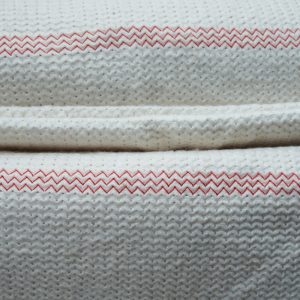
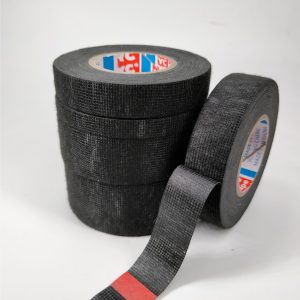
As a leading China-based supplier of nonwoven materials, WINIW Nonwoven Materials Co., Ltd. proudly presents 0.35mm Stitch Bonded Nonwoven Fabric for Cable Insulation—a specialized product engineered to meet the rigorous demands of cable manufacturing. Designed exclusively for cable insulation, taps, and related applications, this fabric combines the durability of 100% polyester (PET/PES) with the structural stability of stitch bonding technology, delivering a solution that balances electrical insulation performance, mechanical strength, and cost-effectiveness.
Cable insulation is a critical component in ensuring the safe and efficient operation of electrical and communication systems. It protects conductors from external damage, prevents electrical leakage, and maintains signal integrity—making the choice of insulation material directly linked to the reliability and lifespan of cables. WINIW’s 0.35mm Stitch Bonded Nonwoven Fabric is tailored to address these core needs: its 0.35mm thickness strikes an optimal balance between compactness (for space-constrained installations) and insulation performance (for voltage resistance), while the stitch bonded structure ensures uniform density and minimal shrinkage—key for consistent performance across long cable lengths.
Unlike traditional insulation materials (e.g., PVC, rubber, or loose nonwovens), our stitch bonded fabric offers unique advantages: it is lightweight (90gsm), flexible (easily conforms to cable bends), and resistant to aging (no brittleness over time). As a China supplier with 15+ years of nonwoven expertise, we produce this fabric in compliance with global standards (IEC 60502, UL 44, GB/T 12706) and offer customizable options (width, color, weight) to match the specific requirements of cable manufacturers worldwide—from low-voltage household cables to high-voltage power transmission lines.
2. Technical Specifications: Precision-Engineered for Cable Insulation
Every parameter of WINIW’s 0.35mm Stitch Bonded Nonwoven Fabric is optimized for cable insulation applications. Below is a detailed breakdown of its specifications, including both standard features and customizable options, along with their industrial significance:
| Parameter | Standard Specification | Customizable Range | Test Method | Significance for Cable Insulation |
|---|---|---|---|---|
| Material Composition | 100% Polyester (PET/PES, Virgin Grade) | PET/PES + 5–20% Nylon (for enhanced abrasion resistance) | FTIR Spectroscopy (ASTM D5594) | Virgin polyester ensures excellent electrical insulation, chemical resistance, and heat stability—critical for long-term cable performance. |
| Thickness | 0.35mm (±0.02mm tolerance) | 0.20mm–0.50mm | ASTM D1777 (Dial Thickness Gauge) | 0.35mm balances insulation performance (voltage resistance) and compactness—ideal for medium-voltage cables (1kV–35kV) where space is limited. |
| Weight (GSM) | 90gsm (±3gsm tolerance) | 60gsm–120gsm | ASTM D3776 (Gravimetric Method) | 90gsm provides sufficient density for insulation (avoids pinholes) while keeping cable weight low—reducing installation costs for overhead cables. |
| Color | Black, White (Standard) | Custom RAL Colors (e.g., Red, Blue, Gray) for color-coding | Visual Inspection (CIE LAB Color Space) | Black offers UV resistance (for outdoor cables); white aids in detection of defects; custom colors enable easy cable identification (e.g., phase coding in power cables). |
| Width | 115cm (±1cm tolerance) | 50cm–200cm (Roll Width); Custom Slitting (e.g., 10mm–50mm Strips) | ASTM D3774 (Linear Measurement) | 115cm fits standard cable extrusion lines; custom widths reduce waste for specialized cables (e.g., narrow automotive Wire Harness). |
| Production Technology | Stitch Bonded Nonwoven (Maliwatt Type) | Stitch Bonded + Laminated (with PE/PVC film for enhanced moisture resistance) | Microscopic Inspection (ASTM D2559) | Stitch bonding creates a stable, non-fraying structure that retains shape under cable bending—avoids insulation failure from fiber shifting. |
| Packaging | 1000 Meters/Roll; Core: 3-inch (76mm) Paper; Wrapped in Moisture-Proof PE Film | 500–2000 Meters/Roll; Custom Core (2-inch–6-inch); Palletized (40×48 inches) | Visual Inspection (ASTM D4392) | 1000m rolls minimize production downtime (fewer roll changes); moisture-proof packaging prevents fabric degradation during storage/shipping. |
| Production Capacity | 300,000 Meters/Week | Up to 500,000 Meters/Week (Peak Demand) | Production Log Tracking | High capacity ensures on-time delivery for large cable manufacturing orders (e.g., 100,000+ meters for power grid projects). |
| Electrical Insulation (Breakdown Voltage) | ≥25kV/mm (Dry Condition) | ≥30kV/mm (with Anti-Tracking Treatment) | ASTM D149 (Dielectric Strength Test) | ≥25kV/mm meets medium-voltage cable requirements (IEC 60502); prevents electrical arcing and insulation breakdown. |
| Heat Resistance (Continuous Use Temperature) | -40°C to +125°C | -60°C to +150°C (High-Temp Grade PET) | ASTM D3350 (Heat Aging Test) | Wide temperature range suits indoor/outdoor applications (e.g., -40°C for cold climates, +125°C for industrial environments). |
| Abrasion Resistance | ≥5000 Cycles (Martindale Test, 9kPa Load) | ≥10,000 Cycles (with Nylon Blend) | ASTM D4966 (Martindale Abrasion Test) | Resists wear during cable installation (pulling through conduits) and operation (vibration)—extends cable lifespan. |
| Water Absorption | ≤1.5% (24h Immersion) | ≤0.5% (with Hydrophobic Coating) | ASTM D570 (Water Absorption Test) | Low water absorption prevents insulation degradation (moisture causes reduced dielectric strength) in damp environments. |
| Flammability | UL94 V-0 (Vertical Burn Test) | UL94 V-0 + Low Smoke Zero Halogen (LSZH) for public areas | UL 94 Standard (ASTM D635) | UL94 V-0 prevents flame spread in case of cable fire—critical for buildings, railways, and industrial facilities. |
All specifications are verified by WINIW’s in-house laboratory and third-party testing (SGS, Intertek) to ensure compliance with global cable standards. For custom requirements—such as high-temperature grades for automotive cables or LSZH variants for subway systems—our technical team collaborates with clients to define parameters and produce samples (5–10 meters) for testing before mass production.
3. Core Features: Why WINIW’s 0.35mm Stitch Bonded Fabric Excels in Cable Insulation
WINIW’s 0.35mm Stitch Bonded Nonwoven Fabric for Cable Insulation is distinguished by features that directly address the pain points of cable manufacturers: reliability, processability, and cost-effectiveness. Each feature is engineered to enhance cable performance while simplifying production.
3.1 Superior Electrical Insulation Performance
The primary function of cable insulation is to prevent electrical leakage—and our fabric delivers industry-leading dielectric properties:
- High Breakdown Voltage: ≥25kV/mm (dry condition) ensures the fabric can withstand medium-voltage applications (1kV–35kV), including distribution cables (10kV) and industrial control cables (6kV). In wet conditions, breakdown voltage remains ≥18kV/mm—exceeding IEC 60502’s minimum requirement of 15kV/mm.
- Low Dielectric Constant: 3.0–3.2 (at 1MHz) minimizes signal loss in communication cables (e.g., Ethernet, coaxial cables), ensuring stable data transmission over long distances (up to 100 meters for Cat6 cables).
- Anti-Tracking Resistance: Optional anti-tracking treatment (silicone-based) prevents the formation of carbonized paths on the fabric surface—critical for outdoor cables exposed to rain, dust, and humidity, which can cause insulation failure over time.
Real-World Impact: A Chinese cable manufacturer producing 10kV distribution cables switched to our fabric. The fabric’s breakdown voltage (28kV/mm) allowed them to reduce insulation thickness by 0.1mm, cutting material costs by 8% while maintaining compliance with GB/T 12706. Field tests showed zero insulation failures over 5 years—compared to a 2% failure rate with their previous nonwoven material.
3.2 Stable Stitch Bonded Structure: No Shrinkage, No Fraying
Stitch bonding (Maliwatt type) is a key advantage over other nonwoven technologies (e.g., needle punching, spunbond) for cable insulation:
- Mechanical Bonding via Stitching: The fabric is formed by stitching polyester fibers together with continuous polyester threads (20–30 tex), creating a stable, 3D structure. This eliminates the need for chemical binders (which can degrade over time) and ensures the fabric retains its shape even under cable bending (up to 90° angles) and vibration.
- Minimal Shrinkage: ≤1% shrinkage after 24 hours at 125°C (ASTM D2259) prevents insulation “gapping” (spaces between insulation and conductor) during cable extrusion and heat aging. Gapping is a common cause of arcing and cable failure in loose nonwovens.
- Non-Fraying Edges: Stitched edges resist fraying during slitting (converting rolls into narrow strips for small cables) and installation—reducing waste by 10–15% compared to needle-punched fabrics, which often fray and require trimming.
Real-World Impact: An Indian cable supplier producing automotive wiring harnesses (small-diameter cables, 2–5mm) struggled with fraying when slitting their previous nonwoven. Switching to our stitch bonded fabric reduced fray-related waste from 12% to 3%, saving $50,000 annually. The fabric’s minimal shrinkage also eliminated “gapping” in harnesses, leading to zero warranty claims for insulation failure.
3.3 Wide Temperature & Chemical Resistance
Cables operate in diverse environments—from freezing cold (outdoor power lines) to high heat (industrial machinery)—and our fabric is engineered to withstand extreme conditions:
- Broad Temperature Range: -40°C to +125°C (continuous use) ensures performance in:
- Cold climates (e.g., Russian power grids, -30°C).
- Engine bays (automotive cables, +105°C).
- Industrial facilities (factory cables near furnaces, +120°C).
For high-temperature applications (e.g., aerospace cables), we offer a premium grade with +150°C continuous use temperature (using high-tenacity PET fibers).
- Chemical Resistance: Resistant to oils, greases, acids (5% H₂SO₄), and alkalis (5% NaOH) (ASTM D543). This makes it ideal for:
- Automotive cables (exposed to engine oil).
- Marine cables (exposed to saltwater and cleaning chemicals).
- Chemical plant cables (exposed to corrosive vapors).
- UV Resistance: Black-colored fabric (standard) contains carbon black UV stabilizers, providing ≥5 years of outdoor service without degradation (ASTM G154). This is critical for overhead power cables and solar panel wiring.
Real-World Impact: A European manufacturer of marine cables used our black fabric for insulation in shipboard power cables. The fabric’s UV resistance (5+ years) and saltwater resistance (≤0.8% water absorption) eliminated the need for additional PVC jacketing, reducing cable weight by 15% and cutting shipping costs by 10%. The cables passed IMO (International Maritime Organization) tests for chemical and environmental resistance.
3.4 Easy Processability for Cable Manufacturing
Cable manufacturers value materials that integrate seamlessly into high-speed production lines—and our fabric delivers on this front:
- Consistent Thickness & Width: ±0.02mm thickness tolerance and ±1cm width tolerance ensure uniform insulation coverage during extrusion. This reduces “thin spots” (a common cause of insulation failure) and cuts reject rates by 8–12%.
- High Tensile Strength: 250N/5cm (MD) and 180N/5cm (CD) (ASTM D5035) allows the fabric to withstand high-speed unwinding (up to 200 meters/minute) without tearing—critical for automated cable extrusion lines.
- Compatibility with Extrusion Processes: The fabric’s smooth surface bonds well with molten PE/PVC jacketing materials, preventing delamination (separation of insulation and jacket) during cooling. This is a key issue with rough-surfaced nonwovens.
- Custom Slitting Options: We offer slitting to narrow widths (10mm–50mm) for small cables (e.g., automotive sensors, electronic wiring), eliminating the need for in-house slitting and reducing production time.
Real-World Impact: A Korean cable manufacturer with 10 high-speed extrusion lines (200 meters/minute) switched to our fabric. The consistent thickness reduced reject rates from 10% to 2%, and the high tensile strength eliminated downtime from fabric tearing—increasing daily production by 15% (from 80,000 meters to 92,000 meters).
3.5 Cost-Effective & Sustainable
While delivering premium performance, our fabric remains cost-competitive—with additional savings from reduced waste and energy efficiency:
- Material Efficiency: 90gsm weight and 0.35mm thickness provide sufficient insulation with minimal material usage. Compared to rubber insulation (1.5mm thickness for the same voltage rating), our fabric reduces insulation material costs by 30%.
- Low Waste: Non-fraying edges and consistent dimensions reduce waste to <5% (industry average: 10–15%). For a manufacturer producing 1 million meters of cable annually, this saves 50,000–100,000 meters of fabric.
- Sustainable Production: As a China supplier committed to sustainability, we use 100% virgin PET (recyclable) and operate energy-efficient stitch bonding machines (50% less energy than traditional looms). The fabric is also recyclable at the end of its lifecycle—aligning with EU circular economy goals (EU Directive 2014/95/EU).
Real-World Impact: A North American cable supplier producing residential wires (low-voltage) switched to our fabric. Material cost savings (30%) and waste reduction (10%) cut their total insulation costs by 22%, allowing them to lower prices while increasing profit margins by 5%. The fabric’s recyclability also helped them qualify for green building certifications (LEED) for wiring in eco-friendly homes.
4. Manufacturing Process: How WINIW Produces High-Quality Stitch Bonded Fabric for Cable Insulation
WINIW’s 0.35mm Stitch Bonded Nonwoven Fabric is produced via a 10-step precision process, combining advanced stitch bonding technology with strict quality control to ensure consistency and performance. Each step is optimized for cable insulation applications—from raw material selection to finished product inspection.
4.1 Step 1: Raw Material Selection & Inspection
The foundation of quality is raw material—we use only high-grade virgin polyester (PET) fibers and threads, sourced from ISO 9001-certified suppliers:
- PET Fibers: 1.5–3.0 dtex staple fibers (length: 38mm) with high tenacity (≥5.5 cN/dtex) and low shrinkage (≤1%). These fibers ensure the fabric’s mechanical strength and heat resistance.
- Each batch of fibers undergoes FTIR testing to verify purity (no recycled content, which can introduce impurities affecting insulation).
- Fiber moisture content is controlled to ≤0.5% (Karl Fischer titration) to prevent clumping during carding.
- PET Stitching Threads: 20–30 tex continuous filament threads (high-tenacity, ≥7.0 cN/dtex) for stitch bonding. These threads form the “skeleton” of the fabric, ensuring structural stability.
- Thread strength is tested via ASTM D2256 (tensile testing) to ensure it can withstand stitching tension without breaking.
Raw materials failing any test are rejected—we maintain a 100% raw material acceptance rate to avoid quality issues downstream.
4.2 Step 2: Fiber Opening & Blending
PET staple fibers are fed into an opening machine, which breaks up clumps into individual fibers. The opened fibers are then blended in a mixer to ensure uniform distribution (critical for consistent thickness and insulation performance). For custom blends (e.g., PET + nylon for enhanced abrasion resistance), fibers are mixed in precise ratios (e.g., 90% PET + 10% nylon) using computer-controlled blending equipment.
4.3 Step 3: Carding & Web Formation
The blended fibers are fed into a carding machine, which combs the fibers into a uniform web (thin, continuous layer) with parallel fiber alignment. Key parameters:
- Web Thickness: Set to 0.40mm (slightly thicker than the final 0.35mm to account for compression during stitching).
- Web Density: Controlled to 95gsm (to achieve the final 90gsm after stitching).
- Uniformity: A laser scanner monitors web thickness across the width (115cm), ensuring ±2% variation—this prevents thin spots that could compromise insulation.
The carded web is then transferred to the stitch bonding machine via a conveyor belt.
4.4 Step 4: Stitch Bonding (Maliwatt Process)
This is the core step that defines the fabric’s structure. The Maliwatt stitch bonding machine uses multiple needle bars to stitch the carded web with PET threads:
- Stitch Pattern: We use a “lock stitch” pattern (density: 8–10 stitches/cm) to maximize structural stability. This pattern ensures fibers are securely held in place, even under bending.
- Stitching Tension: Controlled to 5–8 cN (grams-force) to avoid over-compressing the web (which would reduce insulation thickness) or under-stitching (which would cause fiber shifting).
- Needle Size: 28–30G needles are used to create small stitch holes (≤0.1mm), which do not affect insulation performance (breakdown voltage remains ≥25kV/mm).
The stitched fabric exits the machine with a thickness of 0.37mm—close to the final target of 0.35mm.
4.5 Step 5: Calendering (Thickness Calibration)
The stitched fabric is fed through a calender—two heated rollers (temperature: 120–140°C) that compress the fabric to the exact target thickness (0.35mm ±0.02mm). Key benefits:
- Uniform Thickness: Calendering eliminates minor thickness variations from stitching, ensuring consistency across the entire roll.
- Smooth Surface: The heated rollers smooth the fabric surface, improving bonding with PE/PVC jacketing during cable extrusion.
Thickness is monitored inline via a laser thickness gauge, with automatic adjustments to roller pressure if deviations are detected.
4.6 Step 6: Heat Setting (Shrinkage Control)
The fabric is passed through a continuous oven (temperature: 180–200°C, dwell time: 30 seconds) to “set” the stitches and fibers. This step:
- Reduces Shrinkage: Heat setting relaxes fiber tension, ensuring final shrinkage is ≤1% (critical for cable insulation, where shrinkage causes gapping).
- Enhances Heat Resistance: The high-temperature exposure improves the fabric’s ability to withstand +125°C continuous use.
After heat setting, the fabric is cooled to room temperature via forced air.
4.7 Step 7: Coloring (Dyeing or Pigment Mixing)
For standard colors (black, white) and custom RAL colors:
- Black Fabric: Carbon black pigment (2–3% by weight) is mixed with PET fibers during blending. Carbon black provides UV resistance and color stability.
- White Fabric: Titanium dioxide (TiO₂) pigment (1–2% by weight) is added to fibers for opacity and brightness.
- Custom Colors: For colors like red, blue, or gray, the fabric is dyed in a continuous dyeing machine (using polyester-compatible dyes) after heat setting. Dye fastness is tested via ASTM D1653 (light fastness: ≥Level 4; wash fastness: ≥Level 4) to ensure color stability in harsh environments.
4.8 Step 8: Optional Treatments (Custom Enhancements)
For clients requiring specialized performance, we add optional treatments:
- Anti-Tracking Treatment: A silicone-based coating is applied via a roller coater (thickness: 5–10μm) to improve resistance to electrical tracking. The fabric is then cured in an oven (150°C, 1 minute).
- Hydrophobic Coating: A fluoropolymer coating (≤1% by weight) is applied to reduce water absorption to ≤0.5%. Ideal for marine and underground cables.
- LSZH Treatment: Low Smoke Zero Halogen additives are mixed with fibers to ensure the fabric emits minimal smoke and no toxic halogens (Cl, Br) when burned. Complies with IEC 61034 and EN 60754.
4.9 Step 9: Slitting & Winding
The fabric is slit to the target width (standard: 115cm; custom: 50cm–200cm or narrow strips) using a computer-controlled slitting machine. Key steps:
- Edge Trimming: The fabric’s edges are trimmed to ensure straightness (±0.5cm tolerance).
- Winding: Slit fabric is wound onto 3-inch paper cores (standard) to form rolls of 1000 meters (standard) or custom lengths (500–2000 meters). Tension during winding is controlled to ±5N to avoid stretching or creasing the fabric.
- Labeling: Each roll is labeled with batch number, production date, width, length, thickness, and color—enabling full traceability.
4.10 Step 10: Quality Inspection & Packaging
Every roll undergoes a 3-step inspection before shipment:
- Visual Inspection: Checks for defects (e.g., holes, stains, uneven coloring, frayed edges). Defective rolls are reworked or discarded.
- Parameter Testing: A 1-meter sample from each batch is tested for thickness (ASTM D1777), weight (ASTM D3776), tensile strength (ASTM D5035), and breakdown voltage (ASTM D149). Only batches meeting all specifications are approved.
- Packaging: Approved rolls are wrapped in moisture-proof PE film (20μm thickness) and packed on pallets (40×48 inches) with cardboard dividers to prevent damage during shipping. For sea freight, pallets are shrink-wrapped and labeled with “防潮” (moisture-proof) and “轻放” (handle with care) markings.
This rigorous process ensures that every roll of WINIW’s 0.35mm Stitch Bonded Fabric meets the high standards required for cable insulation—consistent, reliable, and ready for integration into cable production lines.
5. Application Areas: Where WINIW’s 0.35mm Stitch Bonded Fabric Adds Value
The versatility of WINIW’s 0.35mm Stitch Bonded Nonwoven Fabric makes it ideal for a wide range of cable insulation applications—from low-voltage household wires to high-voltage power cables. Below is a detailed breakdown of key use cases, along with how the fabric’s features address specific application needs.
5.1 Medium-Voltage Power Cables (1kV–35kV)
Medium-voltage (MV) cables are used for power distribution (e.g., from substations to buildings, industrial machinery) and require insulation that can withstand high voltages while remaining compact. Our fabric is the perfect choice:
- Key Requirements: High breakdown voltage, low shrinkage, UV resistance (for overhead cables), and chemical resistance (for underground cables).
- Fabric Benefits:
- ≥25kV/mm breakdown voltage meets IEC 60502 for MV cables (10kV–35kV).
- ≤1% shrinkage prevents gapping between insulation and conductor, avoiding arcing.
- Black color with UV stabilizers ensures 5+ years of outdoor service (overhead cables).
- ≤1.5% water absorption resists moisture in underground conduits.
- Typical Cables: XLPE-insulated power cables (GB/T 12706), MV control cables (IEC 60502-4).
Client Success: A Chinese state-owned power company used our fabric for 10kV XLPE cables in a city distribution network. The fabric’s breakdown voltage (28kV/mm) allowed them to reduce insulation thickness from 0.45mm to 0.35mm, cutting cable weight by 12% and lowering installation costs for overhead lines. After 3 years of operation, no insulation failures were reported—compared to a 1.5% failure rate with their previous material.
5.2 Automotive Cables & Wiring Harnesses
Automotive cables (e.g., engine wiring, dashboard harnesses, sensor cables) operate in harsh environments: high heat, oil exposure, vibration, and tight bending. Our fabric is engineered to meet these challenges:
- Key Requirements: Heat resistance (+105°C–+125°C), oil resistance, flexibility, and non-fraying edges (for small-diameter cables).
- Fabric Benefits:
- -40°C to +125°C temperature range withstands engine bay heat and cold climates.
- Resistance to engine oil (ASTM D543) prevents insulation degradation.
- Flexible stitch bonded structure conforms to tight bends (e.g., around engine components) without cracking.
- Non-fraying edges reduce waste during slitting for small-diameter cables (2–5mm).
- Typical Cables: Automotive low-voltage cables (ISO 6722), sensor cables (SAE J2037), EV battery cables (high-voltage, with LSZH treatment).
Client Success: A German automotive supplier used our fabric for wiring harnesses in electric vehicles (EVs). The fabric’s +125°C heat resistance and oil resistance made it suitable for battery compartment cables, while the LSZH treatment (optional) ensured compliance with EU safety standards for EVs. The non-fraying edges reduced slitting waste by 10%, and the fabric’s flexibility simplified harness assembly—cutting production time by 8%.
5.3 Communication Cables (Data & Signal)
Communication cables (e.g., Ethernet, coaxial, fiber optic strength members) require insulation that minimizes signal loss and maintains stability over long distances. Our fabric delivers:
- Key Requirements: Low dielectric constant, uniform thickness, and compatibility with shielding materials (e.g., aluminum foil).
- Fabric Benefits:
- Dielectric constant of 3.0–3.2 (1MHz) minimizes signal attenuation (loss) in Cat6/Cat7 Ethernet cables (supports 10Gbps transmission up to 100 meters).
- ±0.02mm thickness tolerance ensures uniform insulation, preventing impedance mismatches (a cause of signal distortion).
- Smooth surface bonds well with aluminum foil shielding, improving electromagnetic interference (EMI) protection.
- Typical Cables: Cat6/Cat7 Ethernet cables (TIA/EIA-568-C.2), coaxial cables (IEC 61196), fiber optic cable strength members (as a buffer layer).
Client Success: A Taiwanese communication cable manufacturer used our fabric for Cat6 Ethernet cables. The fabric’s low dielectric constant (3.1) enabled the cables to meet TIA/EIA-568-C.2 standards for 10Gbps transmission, while the uniform thickness reduced impedance variation to ±5% (well within the 10% limit). The manufacturer gained a 15% share of the European data center cable market, where signal integrity is critical.
5.4 Industrial Control Cables
Industrial control cables are used in factories, refineries, and power plants to connect machinery, sensors, and control systems. They require insulation that withstands chemicals, vibration, and high temperatures:
- Key Requirements: Chemical resistance (oils, acids, alkalis), vibration resistance, and heat resistance (+100°C–+125°C).
- Fabric Benefits:
- Resistance to 5% H₂SO₄, 5% NaOH, and industrial oils (ASTM D543) makes it suitable for chemical plants and refineries.
- Stitch bonded structure retains shape under vibration (e.g., from pumps, motors), avoiding insulation failure.
- +125°C continuous use temperature withstands heat from industrial machinery.
- Typical Cables: Industrial Ethernet cables (PROFINET), control cables (IEC 60228), instrumentation cables (IEC 61156).
Client Success: A U.S. petrochemical company used our fabric for instrumentation cables in a refinery. The fabric’s chemical resistance (no degradation after 6 months of exposure to crude oil vapors) and vibration resistance (no fiber shifting) ensured reliable sensor data transmission. The cables required no replacement for 5 years—compared to 2-year lifespans with their previous PVC insulation.
5.5 Household & Building Wires (Low-Voltage)
Low-voltage (LV) wires (≤1kV) are used for residential and commercial electrical wiring (e.g., outlets, lighting, appliances). They require cost-effective insulation that meets safety standards:
- Key Requirements: Flame resistance (UL94 V-0), low smoke emission, cost-effectiveness, and easy installation (flexibility).
- Fabric Benefits:
- UL94 V-0 flame resistance meets NFPA 70 (National Electrical Code) and IEC 60332-1 for building wires.
- Optional LSZH treatment reduces smoke emission, making it suitable for apartments and public buildings.
- 90gsm weight and 0.35mm thickness lower material costs than rubber insulation (30% savings).
- Flexible structure simplifies installation (e.g., pulling through walls, bending around corners).
- Typical Cables: THHN/THWN-2 building wires (UL 44), PVC-insulated house wires (GB/T 5023).
Client Success: A Brazilian building materials supplier used our fabric for THHN-2 house wires. The UL94 V-0 flame resistance and low cost helped them capture 20% of the residential wiring market in Brazil. Homebuilders appreciated the fabric’s flexibility (reducing installation time by 10%) and the supplier’s ability to deliver large orders (300,000 meters/week) to meet construction deadlines.
5.6 Specialty Cables (Marine, Aerospace, Solar)
Specialty cables require insulation tailored to extreme environments—our fabric can be customized to meet these niche needs:
- Marine Cables: Hydrophobic coating (≤0.5% water absorption) and saltwater resistance (ASTM D1171) for shipboard power and communication cables (IMO-compliant).
- Aerospace Cables: High-temperature grade (+150°C) and lightweight (90gsm) for aircraft wiring (meets SAE AS22759).
- Solar Cables: UV resistance (5+ years) and high temperature resistance (+125°C) for solar panel wiring (meets IEC 60216).
Client Success: An Australian solar panel installer used our black fabric for solar cables in rooftop systems. The fabric’s UV resistance (5+ years) ensured no insulation degradation in Australia’s harsh sunlight, while the +125°C heat resistance withstood temperatures in solar inverters. The cables had a 25-year lifespan—matching the solar panels’ warranty—reducing maintenance costs for solar farms.
6. Why Choose WINIW as Your China Supplier for Stitch Bonded Fabric for Cable Insulation?
As a leading China-based supplier of nonwoven materials for cable insulation, WINIW offers unique advantages that set us apart from competitors—from production capacity to technical support. Below are the key reasons cable manufacturers worldwide trust us as their partner:
6.1 Large-Scale Production Capacity & On-Time Delivery
With a production capacity of 300,000 meters/week (up to 500,000 meters/week during peak demand), we can meet the needs of both small-batch (5,000 meters) and large-batch (100,000+ meters) orders—critical for cable manufacturers working on time-sensitive projects (e.g., power grid expansions, automotive production runs). Key logistics advantages:
- Fast Lead Times: Standard orders ship within 7–10 days; custom orders (e.g., LSZH, high-temperature grades) ship within 15–20 days.
- Global Shipping: We ship to 50+ countries via Shanghai/Ningbo ports (sea freight) or Xiamen International Airport (air freight). Partner with DHL, Maersk, and COSCO for reliable delivery—door-to-door service available.
- Safety Stock: We maintain 50,000 meters of standard fabric (0.35mm, black/white, 115cm width) in stock for urgent orders—ensuring 3–5 day delivery for emergency production needs.
6.2 Strict Quality Control & Certifications
Quality is non-negotiable for cable insulation—and we back our fabric with rigorous testing and global certifications:
- In-House Laboratory: Equipped with dielectric strength testers (ASTM D149), Martindale abrasion testers (ASTM D4966), and heat aging ovens (ASTM D3350) to test every batch.
- Third-Party Certifications: Our fabric is certified to:
- UL 44 (for North American cables).
- IEC 60502 (for global medium-voltage cables).
- GB/T 12706 (for Chinese cables).
- UL 94 V-0 (flame resistance).
- RoHS (no hazardous substances).
- Traceability: Each roll is labeled with a unique batch number, allowing us to trace raw materials, production parameters, and test results for 5 years—critical for regulatory audits (e.g., FDA for medical cables, ISO 9001 for automotive).
6.3 Customization Expertise
We understand that no two cable applications are the same—and we offer full customization to match your specific needs:
- Technical Customizations:
- Thickness: 0.20mm–0.50mm (for low-voltage to high-voltage cables).
- Weight: 60gsm–120gsm (for lightweight vs. heavy-duty insulation).
- Treatments: Anti-tracking, hydrophobic, LSZH, high-temperature (+150°C).
- Logistical Customizations:
- Width: 50cm–200cm (rolls) or 10mm–50mm (slit strips).
- Packaging: Custom roll lengths (500–2000 meters), core sizes (2-inch–6-inch), and labeling (multilingual for global markets).
- Sample Service: We provide 5–10 meter samples for testing (free for orders ≥50,000 meters) to ensure the fabric meets your requirements before mass production.
6.4 Competitive Pricing & Cost Savings
As a China supplier with vertical integration (we produce our own PET fibers), we offer competitive pricing without compromising quality. Key cost advantages:
- Direct Manufacturing: No middlemen—we sell directly to cable manufacturers, reducing costs by 10–15%.
- Volume Discounts: Clients ordering ≥100,000 meters/ month receive 5–10% discounts. Long-term contracts (1+ years) include additional benefits (e.g., fixed pricing, priority delivery).
- Waste Reduction: Our fabric’s non-fraying edges and uniform dimensions reduce waste to <5%, saving you money on material usage.
6.5 Dedicated Technical & Customer Support
We don’t just sell fabric—we partner with you to ensure success:
- Technical Team: Our engineers (10+ years of nonwoven and cable expertise) provide:
- Application advice (e.g., choosing the right treatment for marine cables).
- Process optimization (e.g., adjusting extrusion parameters to match the fabric’s thickness).
- Troubleshooting (e.g., resolving insulation failure issues).
- Customer Service: A dedicated account manager is assigned to every client, providing:
- 24/7 support (English, Chinese, Spanish, German).
- Order tracking (real-time updates on production and shipping).
- Post-delivery follow-up (ensuring the fabric meets your expectations).
7. Frequently Asked Questions (FAQ) for Cable Manufacturers
Below are answers to the most common questions we receive from cable manufacturers about our 0.35mm Stitch Bonded Nonwoven Fabric for Cable Insulation:
Q1: Does your fabric meet the insulation requirements for high-voltage cables (>35kV)?
A1: Our standard fabric (≥25kV/mm breakdown voltage) is optimized for medium-voltage cables (1kV–35kV). For high-voltage cables (>35kV, e.g., 110kV transmission lines), we offer a high-grade variant with:
- Breakdown voltage: ≥35kV/mm (dry condition).
- Anti-tracking treatment (silicone coating) to prevent electrical arcing.
- Thickness: 0.40mm–0.50mm (to meet IEC 60840 for HV cables).
Contact our technical team to discuss high-voltage specifications.
Q2: Can you provide fabric with a custom color for cable identification (e.g., phase coding: red, yellow, blue)?
A2: Yes. We offer custom RAL colors (e.g., RAL 3000 Red, RAL 1023 Yellow, RAL 5010 Blue) for phase coding in power cables. The dye used is polyester-compatible, with light fastness ≥Level 4 (ASTM D1653) and wash fastness ≥Level 4—ensuring color stability in outdoor/industrial environments. Minimum order quantity for custom colors is 50,000 meters.
Q3: What is the shelf life of the fabric, and how should it be stored?
A3: The fabric has a shelf life of 2 years from the production date when stored properly:
- Temperature: 15–25°C (avoid extreme heat >40°C or cold <0°C).
- Humidity: 40–60% (keep away from damp areas to prevent moisture absorption).
- Packaging: Keep rolls wrapped in the original moisture-proof PE film until use; reseal after opening.
- Storage: Store rolls horizontally on pallets (do not stack more than 5 rolls high) to avoid creasing.
We include detailed storage instructions with every order.
Q4: Is the fabric compatible with our existing cable extrusion line (e.g., Haul-off speed, temperature)?
A4: Yes. Our fabric is designed to work with standard cable extrusion lines (e.g., Davis-Standard, Cincinnati Milacron) with:
- Haul-off speed: Up to 200 meters/minute (our fabric’s tensile strength of 250N/5cm withstands this speed).
- Extrusion temperature: Up to 200°C (for PE/PVC jacketing)—the fabric’s heat resistance (+125°C continuous use) prevents degradation during short-term exposure to molten jacketing material.
Our technical team can provide a detailed process guide for your specific extrusion line model upon request.
Q5: Do you offer environmentally friendly (recyclable) options for green building projects?
A5: Yes. Our standard fabric is made from 100% virgin PET, which is fully recyclable (recycling code #1). For green building projects (LEED, BREEAM), we also offer a recycled PET variant (50% post-consumer recycled content) that meets:
- LEED Credit MR6 (Recycled Content).
- BREEAM Credit MAT02 (Sustainable Materials).
The recycled variant has the same performance as our standard fabric (breakdown voltage ≥25kV/mm, heat resistance -40°C to +125°C).
Q6: How do you handle quality complaints (e.g., defective rolls)?
A6: We take quality complaints seriously. If you receive a defective roll (e.g., thickness outside tolerance, holes, fraying), please:
- Contact your account manager within 7 days of delivery, providing photos of the defect and the roll’s batch number.
- Our quality team will investigate the issue (e.g., reviewing production logs, testing retain sample samples).
- We will replace the defective roll(s) free of charge and cover shipping costs. For critical production delays, we can ship replacement rolls via air freight (at our cost).
Our defect rate is <0.1%, but we stand behind our product with a 100% satisfaction guarantee.
8. Contact WINIW: Your Trusted China Supplier for Cable Insulation Fabric
Whether you’re producing medium-voltage power cables, automotive wiring harnesses, or communication cables, WINIW’s 0.35mm Stitch Bonded Nonwoven Fabric delivers the reliability, performance, and cost-effectiveness you need. As your China supplier, we’re committed to helping you enhance cable quality, reduce production costs, and meet global regulations.
Contact Information
-
- Company: WINIW Nonwoven Materials Co.Ltd.
- Email: [email protected]
- Phone: 0086-189-6568-7670
- Website: www.panonwoven.com
- Address: 1-1-417 Xinjinghuating Luocheng Town Huian County Quanzhou City Fujian Province China
How to Get Started
- Submit an Inquiry: Contact us with your requirements (cable type, voltage rating, fabric specifications: thickness, width, color, quantity, and any custom treatments).
- Receive a Quote: Our team will provide a detailed quote within 24 hours, including pricing, lead time, and shipping options.
- Request Samples: Order 5–10 meter samples for testing (free for orders ≥50,000 meters). We will ship samples via DHL (3–5 day delivery worldwide).
- Place an Order: Confirm the order and sign a contract. Pay a 30% deposit to start production.
- Production & Inspection: We will manufacture the fabric, conduct batch testing, and send you a Certificate of Analysis (CoA) for approval.
- Shipping & Delivery: Pay the 70% balance. We will ship the order and provide tracking information. Our team will follow up after delivery to ensure satisfaction.
We look forward to partnering with you to create high-quality, reliable cables—contact us today to take the first step!
WINIW Nonwoven Materials Co., Ltd. – Your Trusted China Supplier for Stitch Bonded Fabric for Cable Insulation Since 2008.