

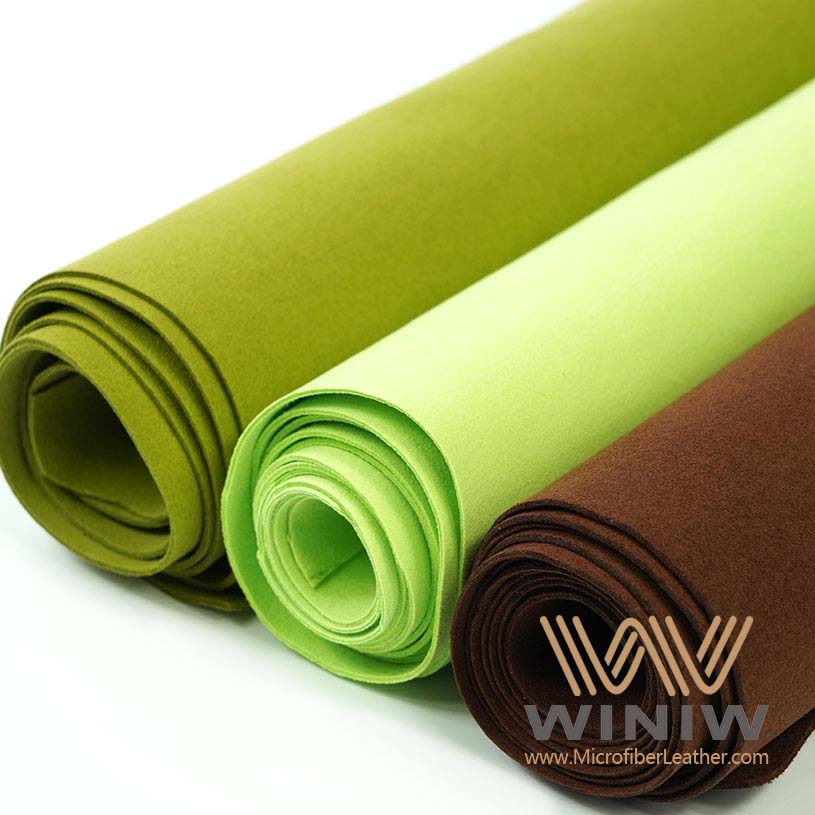
You often see non-woven fabric in daily life, even if you do not realize it. Non woven fiber forms this unique material, which manufacturers create by bonding fibers together instead of weaving or knitting them. Non-woven fabric stands out because it offers a smooth, uniform surface and is usually more cost-effective.
| Funkcia | Tkaná látka | Netkaná látka |
|---|---|---|
| Výrobný proces | Prepletanie priadzí na tkáčskom stave | Bonding fibers through various processes |
| Structure and appearance | Prepletané nite, textúrovaný povrch | Uniforma, hladký povrch |
| Pevnosť a odolnosť | Silnejšie, more durable | Typically less durable |
| Odolnosť voči vode | Can be water-resistant | Often better water resistance |
Non-woven fabric plays a vital role in produktov like masks, plienky, a kryty plodín. The global non-woven fabric market is projected to reach over USD 68 miliardy o 2034, showing its growing importance.
Netkané vlákno vysvetlené pre začiatočníkov
- Non-woven fabric is made spájaním vlákien dohromady, nie tkaním alebo pletením. This unique process gives it a smooth surface and makes it cost-effective.
- You can find non-woven fabric in everyday products like masks, plienky, a utierky. Its versatility makes it essential in many industries.
- Different types of non-woven fabric, ako sú spunbond a meltblown, serve specific purposes. Choose the right type based on your needs for strength, filtrácia, alebo mäkkosť.
- Non-woven fabrics offer advantages like low-cost production, jednorazovosť, a prispôsobenie. They are often used in single-use products for hygiene and convenience.
- The non-woven fabric market is growing rapidly, projected to reach over USD 68 miliardy o 2034. This growth highlights its increasing importance in modern life.
Čo je to netkané vlákno?
Definícia netkanej textílie
Stretnete sa non woven fiber každý deň, but you might not know what it means. Non-woven fabric is a material made by bonding fibers together, nie tkaním alebo pletením. You see it in products like masks, utierky, a filtre. Industry experts offer several definitions for non-woven fabric. The table below shows how different organizations describe it:
| Zdroj | Definícia |
|---|---|
| ISO | Netkané textílie sú štruktúry textilných materiálov, such as fibres, kontinuálne vlákna, alebo strihané priadze akéhokoľvek charakteru alebo pôvodu, ktoré boli sformované do sietí akýmkoľvek spôsobom, a navzájom spojené akýmikoľvek prostriedkami, s výnimkou prepletania priadzí ako pri tkanín, pletenina, šnúrky, braided fabric or tufted fabric. |
| KDEKOĽVEK | A nonwoven is defined as ‘a primarily fibrous assembly—other than a traditional paper, tkané, or knit—which has been engineered to some level of structural integrity by physical and/or chemical means.’ |
| NIRI | Netkaná textília je konštruovaná vláknitá zostava, primárne rovinné, ktorému bola fyzikálnymi a/alebo chemickými prostriedkami daná navrhnutá úroveň štrukturálnej integrity, s výnimkou tkania, pletenie alebo výroba papiera. |
| Ind Hemp | Netkaná textília je široko definovaná ako list alebo rúno z vlákien spojených dohromady mechanicky, tepelný, alebo chemickými prostriedkami, vyrobené priamo zo samostatných vlákien alebo roztaveného polyméru, a nie vyrobené tkaním alebo pletením. |
| Wikipedia | Nonwoven fabric is a fabric-like material made from staple fibre (krátky) a dlhé vlákna (súvislý dlhý), navzájom spojené chemikáliou, mechanické, tepelné alebo rozpúšťadlové ošetrenie. |
You notice that every definition highlights that non-woven fabric is not made by weaving or knitting. Namiesto toho, manufacturers use different spôsoby lepenia to create a sheet or web from loose fibers. This process gives non-woven fabric its unique properties.
Kľúčové vlastnosti netkanej textílie
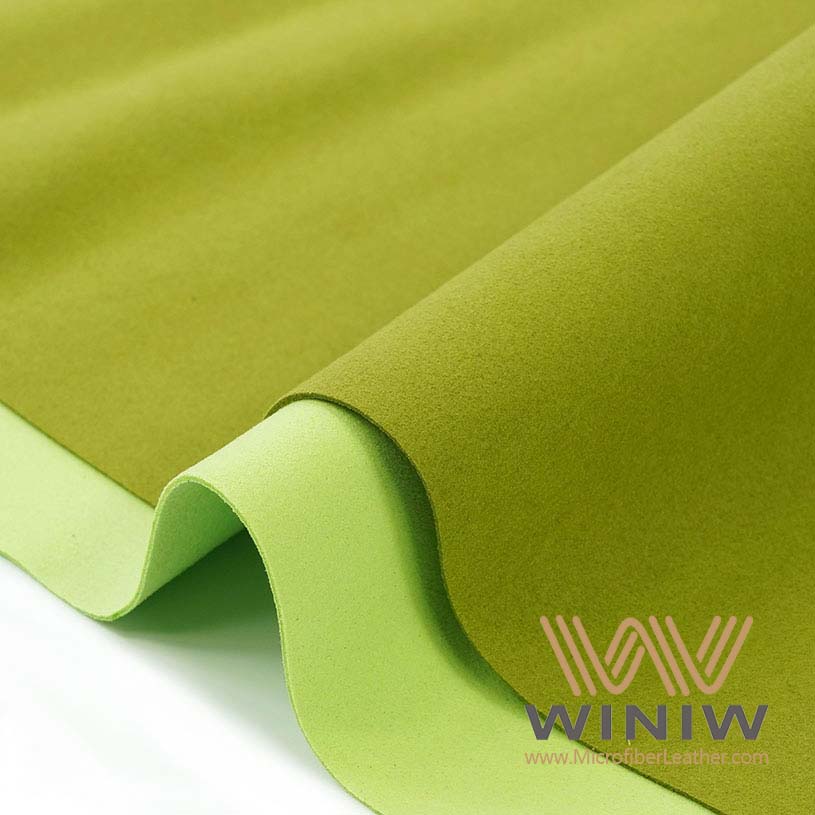
Non-woven fabric stands out from woven and knitted fabrics because of its structure and production method. You can see the difference in how each type is made. Woven fabric uses interlaced threads, while knitted fabric relies on interlooped yarns. Non-woven fabric forms when fibers bond together through mechanical, chemický, alebo tepelné procesy. You do not see interlacing or looping in non-woven fabric.
Tip: When you touch non-woven fabric, you often feel a smooth, even surface. You may notice it feels different from the textured surface of woven fabric or the stretchy feel of knitted fabric.
Non-woven fabric offers several key features that make it useful in many applications:
- You can find non-woven fabric with a paper-like, plstnatý, or even woven-like appearance.
- You may notice it feels soft and resilient, or sometimes hard and stiff.
- Thickness varies from very thin, ako hodvábny papier, to much thicker materials.
- You see non-woven fabric in both translucent and opaque forms.
- Porosity ranges widely, and some non-woven fabrics have high tensile strength.
- Manufacturers use gluing, heat bonding, or sewing to create non-woven fabric.
- Drapability changes depending on the type of non-woven fabric.
- Launderability varies; some non-woven fabrics are machine washable, zatiaľ čo iní nie.
You find non-woven fabric in disposable products, ochranný odev, and even in innovative new materials. Napríklad, Kelsun® fiber uses seaweed to create a soft, flame-resistant, and biodegradable non-woven fabric. EsterCycle technology helps recycle contaminated non-woven fabric, making the process more sustainable. Some wipes now detect dangerous substances, showing how non-woven fiber continues to evolve.
You see that non-woven fabric is not made by weaving or knitting. Namiesto toho, you get a material that meets specific needs, from softness to strength. Non woven fiber gives non-woven fabric its versatility, making it a key part of modern life.
Proces výroby netkanej textílie
You might wonder how non-woven fabric is made. The proces výroby netkanej textílie includes several important stages. Each step shapes the final product and determines its properties and uses. You see nonwoven materials in many products, from masks to insulation, because manufacturers can adjust the process to meet different needs.
Výber vlákna
Začnite s výber vlákniny. Manufacturers choose fibers based on the desired qualities of the non-woven fabric. You see both natural and synthetic fibers used in the nonwoven manufacturing process. The table below shows common fibers and their properties:
| Typ vlákna | Vlastnosti | Aplikácie |
|---|---|---|
| Bavlna | Mäkký, vysoko absorpčné, gentle on skin, priedušná | Plienky, hygienické vložky, gáza |
| Bambus | Antibakteriálny, excellent moisture absorption, rýchloschnúce | Masky, kitchen cloths |
| Linen/Jute | Silný, trvanlivé, natural texture | Eco-bags, furniture linings, geotextílie |
| Vlna | Výborná izolácia, absorpcia vlhkosti, fire resistance | Izolačné materiály, zvuková izolácia, winter clothing |
| Silk | Hladký, luxurious, absorpcia vlhkosti | Kozmetické podložky, darčekové balenia, linings for high-end clothing |
Synthetic fibers play a big role in the nonwoven manufacturing process. Polypropylén, polyester, and polyethylene offer strength, trvanlivosť, a chemická odolnosť. You see these fibers in many nonwoven materials because they support low-cost production and protection.
Web Formation
Ďalej, prejdete na tvorbu webu. This step creates a loose sheet or web from the selected fibers. You find three main methods in the nonwoven manufacturing process:
- Nasucho položené
- Za mokra položené
- Položený polymér
Dry-laid and wet-laid methods use natural or synthetic fibers, while polymer-laid methods use melted polymers. You notice that web formation affects the texture and strength of nonwoven materials.
Metódy spájania
Bonding methods join the fibers together to create a stable non-woven fabric. You see three main bonding techniques in the nonwoven manufacturing process:
- Mechanical bonding uses entanglement, such as hydro entanglement, to give strength without additives. You find this method in wipes and medical non-woven fabric.
- Tepelné spájanie využíva teplo na spojenie vlákien, especially thermoplastics. Tento proces vytvára mäkké, bulky products and supports protection and environmental goals.
- Chemical bonding uses adhesives like latex to hold fibers together. You see this method when manufacturers want extra strength or specific properties.
Poznámka: The bonding method you choose affects the durability, mäkkosť, and protection level of the nonwoven materials.
Dokončovacie kroky
Finishing steps improve the non-woven fabric. You see treatments for softness, vodeodolnosť, or fire protection. The nonwoven manufacturing process often includes testing for quality control in nonwoven manufacturing. You check tensile strength, nasiakavosť, and thickness to ensure the product meets standards for protection and performance.
The nonwoven manufacturing process allows you to create materials for many uses. You see how each stage shapes the final product, from fiber selection to finishing. Manufacturers rely on this process to deliver nonwoven materials that offer protection, trvanlivosť, a všestrannosť.
Types of Nonwoven Fabric
You encounter many types of non-woven fabric in daily life. Each type has unique features and serves different purposes. You can see how nonwoven fabrics are classified by their výrobné metódy and properties.
Netkaná textília spunbond
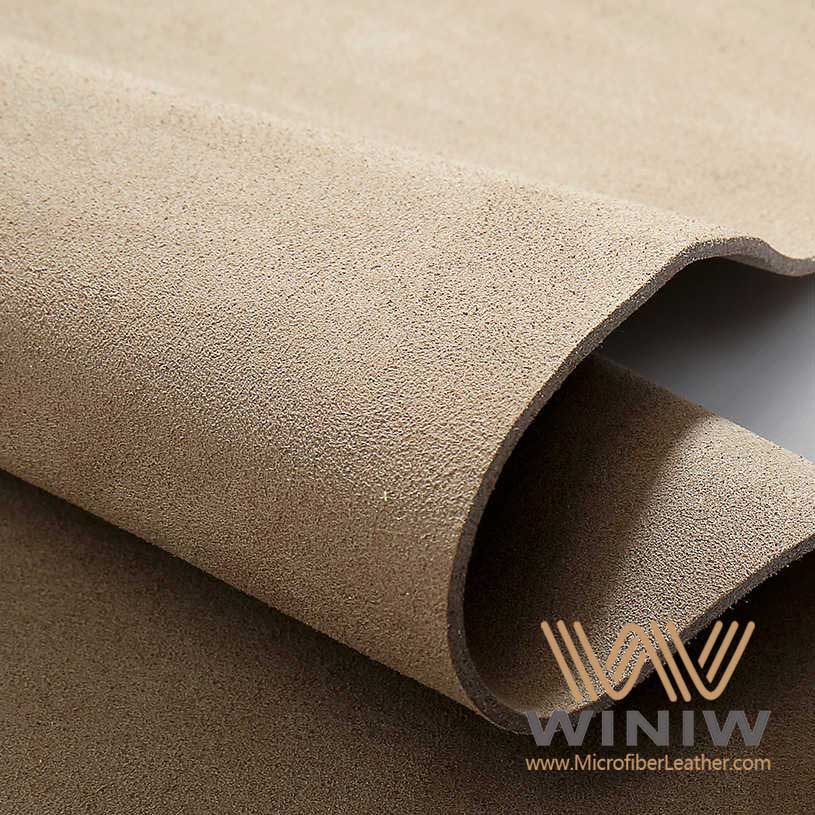
You find spunbond non-woven fabric in products that need strength and breathability. Manufacturers create this material by extruding thermoplastic polymers into continuous filaments, then laying them into a web. You notice spunbond non-woven fabric resists temperature changes, korózia, and microbial attacks. It often has a three-layer structure and a waterproofing layer.
- Kľúčové vlastnosti:
- Trojvrstvová štruktúra
- Robust waterproofing
- Resistance to chemicals and microbes
- Lightweight and durable
- Aplikácie:
- Zdravotnícky materiál: chirurgické masky, šaty, čiapky, plienky
- Hygienické výrobky: hygienické vložky, adult incontinence items
- Poľnohospodárstvo: kryty plodín, listy na kontrolu buriny
- Furniture and bedding: mattress covers, čalúnenie
- Stavebníctvo: roof underlays, izolačné vrstvy
Tip: You often see spunbond non-woven fabric in disposable products because it combines strength with low-cost production.
Meltblown Netkaná textília
You use meltblown non-woven fabric when you need excellent filtration. Manufacturers produce it by extruding molten polymer into microfibers, forming a fine web. You notice meltblown non-woven fabric feels soft and lightweight. It captures tiny particles and offers strong barrier properties.
| Nehnuteľnosť | Popis |
|---|---|
| Účinnosť filtrácie | Zachytáva 95 – 99 % častíc, ideal for air and liquid filtration |
| Ľahká | Minimizes material use |
| Mäkkosť | Velvety texture, vhodné na utierky |
| Nasiakavosť | High oil and liquid absorption |
| Vlastnosti bariéry | Impermeable to bacteria and liquids |
| Priedušnosť | Adjustable porosity for comfort |
| Pevnosť v ťahu | Mierne, suitable for single-use items |
| Biologická odbúrateľnosť | PLA-based versions decompose in months; synthetics last centuries |
You find meltblown non-woven fabric in face masks, vzduchové filtre, a ochranný odev.
Ihlou dierovaná netkaná textília
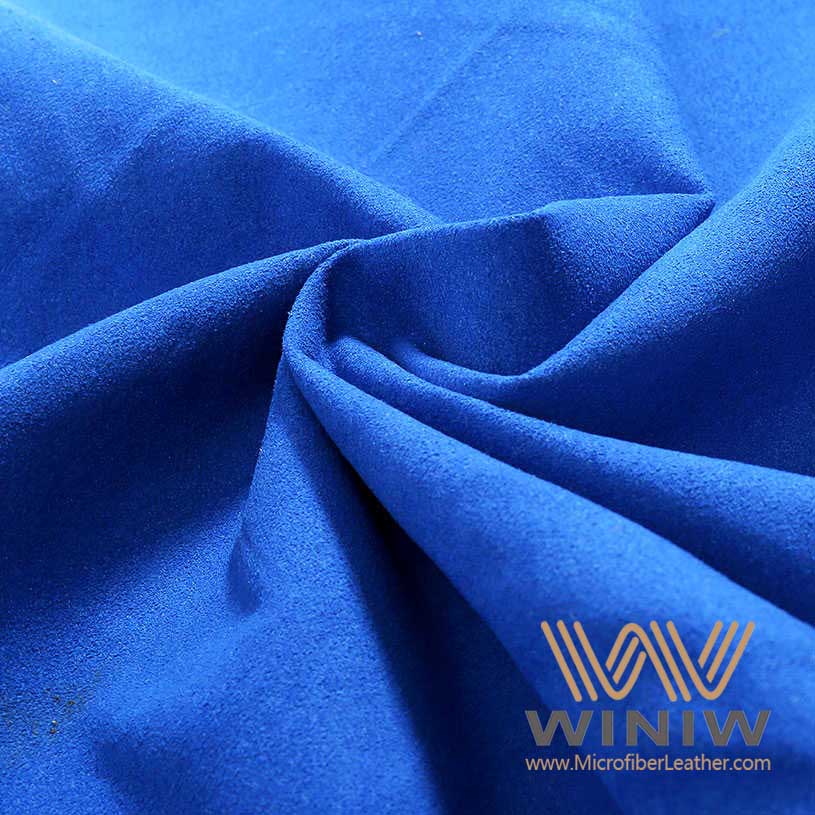
You see needle-punched non-woven fabric in products that need thickness and durability. Manufacturers bond fibers mechanically by punching them with needles, vytvorenie hustého, fibrous network. This process gives needle-punched non-woven fabric a bulky structure and a wide range of pore sizes.
| Funkcia | Vpichované netkané textílie | Other Nonwovens |
|---|---|---|
| Proces lepenia | Mechanical bonding through needle-punching | Various methods |
| Structural Characteristics | Unique fibrous network with periodicities | Varies by type |
| Aplikácie | Filtračné materiály, cítil, geotextílie | Hygiena, lekárske, cosmetic |
You often find needle-punched non-woven fabric in automotive interiors, koberce, akustická izolácia, a geotextílie.
Iné typy netkaných textílií
You discover other types of non-woven fabric, each with special characteristics. Spunlace non-woven fabric uses water jets to entangle fibers, making it soft and strong. Heat-bonded non-woven fabric melts thermoplastic fibers to create durable sheets without adhesives. SMS non-woven fabric combines spunbond and meltblown layers for both strength and filtration.
| Typ | Charakteristika | Aplikácie |
|---|---|---|
| Spunlace | Mäkký, silný, všestranný; entangled with water jets | Lekárska, osobnej starostlivosti, domov textílie, priemyselné |
| Tepelne spájané | Silný, trvanlivé; melted thermoplastic fibers | Hygienické výrobky, filtrácia, izolácie |
| SMS | Kompozit spunbond a meltblown vrstiev; kombinuje silu a filtráciu | Chirurgické masky, šaty, ochranný odev |
You see that the types of non-woven fabric offer many options for different needs. You can choose the right non-woven fabric for protection, pohodlie, alebo trvanlivosť.
Uses and Benefits of Nonwoven
Každodenné aplikácie
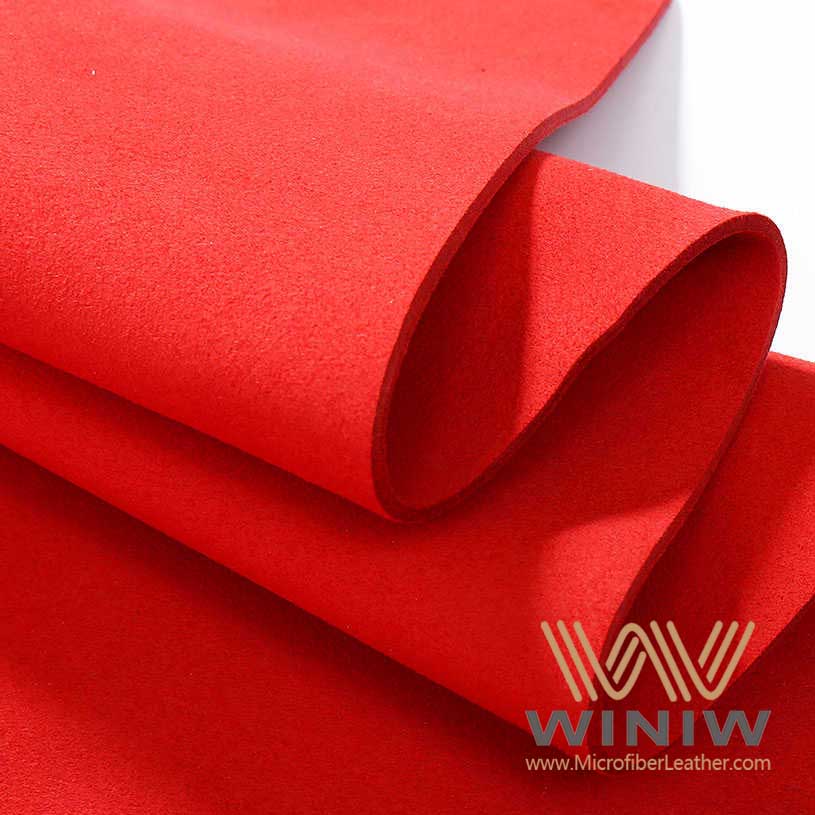
You interact with non-woven fabric every day, often without noticing. Non-woven fabrics appear in many disposable products that you use for hygiene and convenience. Nájdete ich v plienkach, utierky, and dry floor cloths that trap dust and dirt efficiently. You use dryer sheets made from non-woven materials to soften clothes and add fresh scents. Medical non-woven fabric protects healthcare workers in surgical gowns and masks. You see non-woven textiles in automotive interiors, filtračné systémy, a balenie. Non-woven cloth enhances carpet construction by reducing mold and maintaining integrity. Home furnishings made from non-woven fabrics repel dust mites and dirt, zlepšenie kvality vnútorného vzduchu. You carry reusable bags and use geotextiles for landscaping, both made from non-woven materials.
- Disposable diapers provide comfort and cleanliness for babies.
- Dry floor cloths trap dirt and dust.
- Medical non-woven fabric offers protection in surgical gowns and masks.
- Non-woven fabrics support hygiene in wipes and feminine pads.
- Automotive interiors and filtration systems rely on non-woven textiles.
- Home decor and packaging use non-woven cloth for durability and style.
- Reusable bags and geotextiles promote sustainability.
Poznámka: The applications of nonwoven fabrics extend to many sectors, making them essential in daily life.
Advantages of Nonwoven Fabric
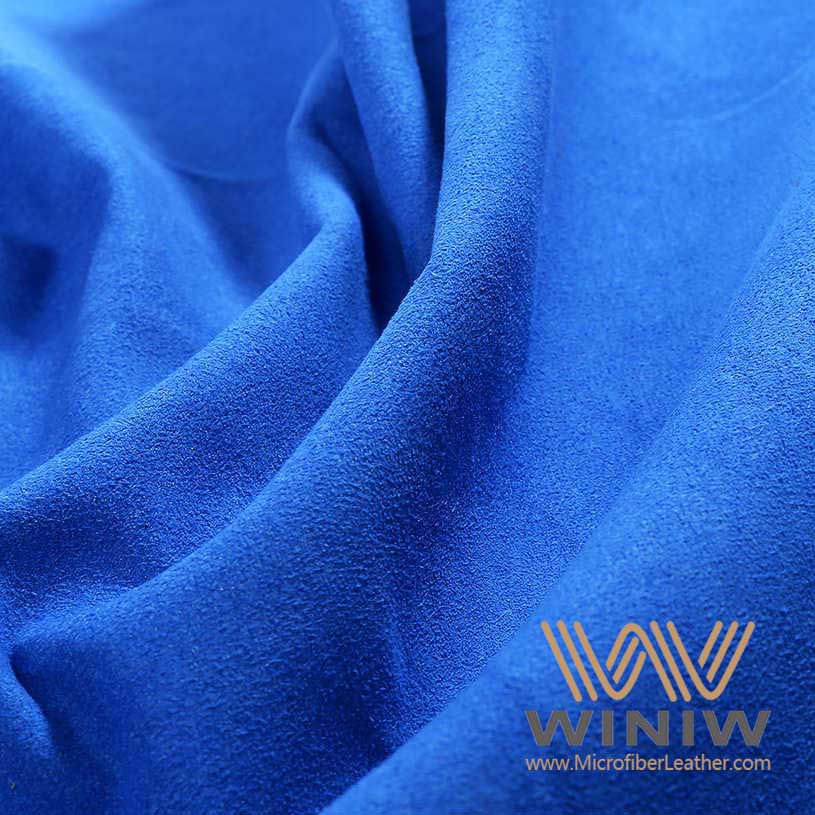
You benefit from non-woven fabric because it combines low-cost production with versatile properties. The difference between woven and non-woven fabric lies in how non-woven is not made by weaving or knitting, which allows for faster manufacturing and lower expenses. You see excellent disposability in medical non-woven fabric, making it ideal for infection control and single-use products. Non-woven fabrics offer enhanced absorbency, bacterial protection, and flame resistance. You notice that non-woven textiles can be tailored for specific needs, from softness to strength.
| Výhoda | Netkané textílie | Traditional Woven Fabrics |
|---|---|---|
| Nákladová efektívnosť | More economical to produce | Generally more expensive to produce |
| Rýchlosť výroby | Manufactured quickly due to simplified processes | Slower production due to complex weaving |
| Všestrannosť | Can be tailored for specific needs | Obmedzené možnosti prispôsobenia |
| Disposability | Excellent for single-use applications | Typically not disposable |
| Funkčné vlastnosti | Zvýšená nasiakavosť, bacterial protection | Limited functional enhancements |
Non-woven fabrics can be made from biodegradable and recycled materials, podpora udržateľnosti. You see durable options for long-term use in automotive and geosynthetic applications. Medical non-woven fabric provides reliable protection and cost efficiency. The benefits of non-woven fabric include disposability, všestrannosť, and environmental potential, making it a smart choice for many products.
You now understand the difference between woven and non-woven fabric. The table below highlights how non-woven fabric uses bonded fibers for low-cost production and disposable applications, while woven fabrics rely on interlaced yarns for durability.
| Funkcia | Tkané látky | Non Woven Fabrics |
|---|---|---|
| Spôsob výroby | Prepletené priadze (osnova & útek) | Lepené vlákna (teplo, chemikálie, tlak) |
| Pevnosť | Vysoká, long-lasting | Mierne, often weaker |
| Trvanlivosť | Can last years with care | Often designed for single or limited use |
| Flexibilita | Limited stretch | Can be made stiff or flexible |
| Aplikácie | Oblečenie, čalúnenie, tašky, závesy | Zdravotnícky materiál, filtre, jednorazovky |
| náklady | Generally higher due to complex production | Cheaper, najmä vo veľkom |
| Ekologická šetrnosť | Depends on fiber (cotton biodegradable, polyester not) | Many recyclable polypropylene options |
You see non-woven fabric in many products. Bežné použitie zahŕňa:
- Interlinings in clothing for structure
- Non-woven bags for eco-friendly shopping
- Medical supplies like masks and gowns
- Hygiene products such as diapers and wipes
Non-woven fabric continues to evolve. You can expect smart textiles, sustainable materials, and advanced filtration to shape future applications. Explore non-woven materials in daily life and discover new benefits.
FAQ
What is the main difference between woven and non-woven fabric?
You see the difference between woven and non-woven fabric in how they are made. Tkaná látka používa prekladané priadze, while non-woven fabric is not made by weaving or knitting. Výrobcovia spájajú vlákna pomocou tepla, chemikálie, alebo mechanickými metódami.
How is non-woven fabric made?
You learn how non-woven fabric is made through a unique process. Manufacturers select fibers, form a web, and bond the fibers using mechanical, tepelný, or chemical techniques. This nonwoven manufacturing process creates nonwoven materials with specific properties for different uses.
What are the main types of non-woven fabric?
You find several types of non-woven fabric, vrátane spunbond, fúkané z taveniny, ihlou, a spunlace. Each type uses a different manufacturing process and offers unique features. You choose the right type based on the intended application and required properties.
Where do you see non-woven cloth used most often?
You encounter non-woven cloth in disposable products like masks, utierky, a plienky. You also see it in medical non-woven fabric, automobilové interiéry, a geotextílie. The applications of nonwoven fabrics cover many industries due to their versatility and low-cost production.
What are the benefits of non-woven fabric compared to traditional textiles?
You benefit from non-woven fabric because it offers low-cost production, jednorazovosť, a prispôsobenie. Nonwoven textiles provide protection, nasiakavosť, and lightweight options. You often choose them for single-use or specialized products where traditional woven fabrics may not perform as well.