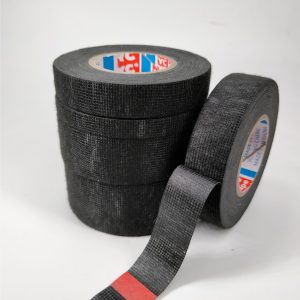


Tlhaloso
Lesela la Polyester Stitchbond Nonwoven: WINIW e tšoarella, Tharollo e fapaneng bakeng sa Liindasteri tse ngata
1. Selelekela: Polyester Stitchbond Nonwoven Fabric ke Eng??
Masela a sa lohoeng a fetotse tlhahiso ea indasteri ka ho ikamahanya le maemo, ho baballa litšenyehelo, le ts'ebetso e lokiselitsoeng - le har'a tsona, Lesela la Polyester Stitchbond Nonwoven e ikhetha ka ho tšoarella ha eona ho ikhethang, botsitso ba sebopeho, le ho ikamahanya le maemo. Ho fapana le masela a lohiloeng a setso (e itshetlehileng ka likhoele tse hoketsoeng) kapa tse ling tse sa lohoeng (mohlala, spunbond, qhibilihile), stitchbond nonwovens e entsoe ka ho kopanya likaroloana tsa fiber webs ho sebelisa likhoele tse matla haholo., ho theha sebopeho se matlafalitsoeng se leka-lekaneng ho feto-fetoha le maemo.
E le moetsi ea ka sehloohong oa nonwoven, WINIW e fana ka mefuta eohle ea masela a kopantsoeng a sa lohuoang, polyester stitchbond nonwoven lesela bakeng sa indasteri e fapaneng. Lesela la rona la stitchbond le thehiloeng ho polyester le phahamisa melemo ea tlhaho ea polyester - matla a phahameng a ho tsitsa., ho hanyetsa mongobo, lik'hemik'hale, le mahlaseli a UV-a kopantsoe le matlafatso e ikhethang ea ts'ebetso ea stitchbond. Sena se etsa hore e be thepa e sebelisoang haholo ho makala ho tloha ho tsa likoloi le tsa kaho ho isa ho tsa bohloeki le temo, moo ho ts'eptjoang le ts'ebetso ea nako e telele li bohlokoa.
Ke eng e khethollang Lesela la WINIW's Polyester Stitchbond Nonwoven Nonwoven? Ke boitlamo ba rona ba ho nepahala: moqolo o mong le o mong o etselitsoe ho kopana le botenya bo tiileng, bophara, le maemo a mebala, ho etsa bonnete ba ho ba le botsitso ho pholletsa le lihlopha. Hore na o hloka e tšesaane, lesela le tenyetsehang bakeng sa lihlahisoa tsa bohloeki kapa botenya, khetho e boima bakeng sa li-membrane tsa kaho, lesela la rona la polyester stitchbond le fana ka ts'ebetso eo u e batlang. Tlhaloso ena e felletseng ea sehlahisoa e tla kenella ka har'a litlhaloso tsa lesela, Likaroloana, ts'ebetso ea tlhahiso, lits'ebetso, le hore na hobaneng WINIW e le molekane ea tšeptjoang oa likhoebo lefatšeng ka bophara.
2. Lintlha tse qaqileng tsa WINIW Polyester Stitchbond Nonwoven Fabric
WINIW's Polyester Stitchbond Nonwoven Fabric e entsoe ho nahanoa ka litlhoko tse ikhethileng tsa indasteri., e hlakileng, lintlha tse ikhethileng ho tsamaisana le lits'ebetso tse fapaneng. Ka tlase ke karohano ea li-parameter tsa rona tse tloaelehileng, hammoho le litlhophiso tse fumanehang ho lumellana le litlhoko tsa hau tse ikhethang:
2.1 Sebopeho sa Konokono & Boleng ba Lintho
- Sebopeho: 100% polyester (maemo). Re sebelisa boleng bo holimo, likhoele tsa polyester tse sa tsoakoang (PET, polyethylene terephthalate) e nang le ntlha ea ho qhibiliha ea 255-260°C, ho netefatsa ho hanyetsa mocheso o phahameng le deformation ea mocheso. Bakeng sa litlhoko tse khethehileng, re boetse re fana ka metsoako (mohlala, 80% polyester + 20% polypropylene) ho ntlafatsa thepa e khethehileng (mohlala, khanyetso ea lik'hemik'hale).
- Fiber Denier: 2.0-6.0 mohanyetsi (maemo). Mohanyetsi ya tlase (2.0–3.0) likhoele li etsa hore ho be bonolo, lesela le tenyetsehang haholoanyane (e loketseng bakeng sa bohloeki kapa li-liner tsa liaparo), ha a ntse a latola ka holimo (4.0–6.0) likhoele li fana ka matla a ntlafetseng le ho hanyetsa abrasion (e loketseng bakeng sa tshebediso ya makoloi kapa indasteri).
- Mofuta oa Fiber: Likhoele tse tiileng tsa polyester (maemo) kapa likhoele tsa polyester tse se nang letho (khetho ea tloaelo). Likhoele tse sekoti li fokotsa boima ba lesela ka 15-20% ha li ntse li boloka matla, li etsa hore li loketse lits'ebetso tse bobebe joalo ka geotextiles kapa sephutheloana.
2.2 Litekanyo tsa 'Mele: Botenya, Bophara, & Boima ba 'mele
- Botenya: 0.3limilimithara - 1.5 mm (maemo). Botenya ba tloaelo bo tloha ho 0.15mm (ultra-thin for hygiene liners) ho 3.0mm (mosebetsi o boima bakeng sa kaho kapa kaho ya koloi). Mamello ea botenya ke ± 0.05mm, ho netefatsa ts'ebetso e ts'oanang ka holim'a lesela - e bohlokoa bakeng sa lits'ebetso tse kang media media, moo botenya bo tsitsitseng bo amang sekhahla sa phallo.
- Bophara: 80cm - 140 cm (maemo). Re fana ka bophara ba tloaelo ho fihla ho 320cm (ka mechini ea rona ea stitchbond e nang le sebopeho se pharaletseng) ho fokotsa litšila bakeng sa lits'ebetso tse kholo (mohlala, geotextiles bakeng sa kaho ea litsela, moo meqolo e pharaletseng e bolelang meroko e fokolang). Bophara bo moqotetsane (ka tlase ho 30 cm) li fumaneha hape bakeng sa lihlahisoa tse nyane tse kang li-drapes tsa ho buoa kapa lisebelisoa tsa mesebetsi ea matsoho.
- Boima ba 'mele (GSM): 50g/m²–300g/m² (maemo). GSM (dikgerama ka square meter) e tsamaellana ka kotloloho le matla a lesela:
- 50-100g/m²: E bobebe (liner tsa lihlahisoa tsa bohloeki, seaparo se lahloang)
- 100-200g/m²: Boima bo mahareng (likoloi tse ka hare liner, li-filters tsa geotextile)
- 200-300g/m²: Boima bo boima (li-membrane tsa kaho, lifeme tsa indasteri)
Likhetho tsa tloaelo tsa GSM li nyolohela ho 500g/m² bakeng sa ts'ebeliso e boima haholo (mohlala, liindasteri fatše likoahelo).
2.3 Mmala & Ponahalo
- Mebala e Tloaelehileng: Botsho le Bosweu. Lithako tsena tse sa nke lehlakore li na le mekhoa e mengata bakeng sa liindasteri tse ngata-tse tšoeu bakeng sa bohloeki, tsa bongaka, kapa lisebelisoa tsa liaparo (moo bohloeki bo bonahalang), le botsho bakeng sa koloi, kaho, kapa lisebelisoa tsa indasteri (moo matheba a sa bonahaleng hakaalo).
- Mebala e Tloaelehileng: E fumaneha ka ho daea ka pigment, e tsamaellanang le mebala ea Pantone (ΔE ≤1.0 bakeng sa ho nepahala ha mebala). Mebala e tloaelehileng e tloaelehileng e kenyelletsa bohlooho (likoloi tsa ka hare), putsoa (drapes tsa bongaka), le botala (likoahelo tsa temo). Lidae tsohle ha li chefo, kopana le REACH le OEKO-TEX® Standard 100 ditlhoko, le ho hanela ho fela (Tekanyetso ea ho hanyetsa UV ea 4-5 ho AATCC 16.3 sekala, e loketseng tshebediso ya kantle).
- Surface Finish: Boreleli (maemo) kapa e entsoeng ka letsoho (tloaelo). Qetello e boreleli e loketse lihlahisoa tsa bohloeki kapa li-liner tsa liaparo (e fokotsa ho ferekana ha letlalo), ha e le qetello e entsoeng (mohlala, mohlala oa grid) e ntlafatsa ts'ebetso ea ts'ebeliso ea lits'ebetso joalo ka limmete tsa anti-slip kapa liphutheloana tsa lisebelisoa.
2.4 Ts'ebetso ea Mechini: Matla & Ho tšoarella
Sebopeho se matlafalitsoeng sa Polyester Stitchbond Nonwoven Fabric se e fa thepa e phahameng ea mochini ha e bapisoa le li-nonwovens tse sa matlafatsoang.. Ka tlase ke metrics ea bohlokoa ea ts'ebetso (lekoa ho latela maemo a machaba):
- Matla a tšepe: ≥150N/5cm (tsela e sothang) le ≥120N/5cm (weft direction) (lekoa ho latela ISO 13934-1). Bakeng sa lesela le boima ba 300g/m², matla a matla a fihla ≥300N/5cm—a lekane ho mamella khatello ea maikutlo ea tšebeliso ea sebaka sa kaho kapa kopano ea likoloi..
- Elongation at Break: 15-25% (warp) le 20–30% (weft) (lekoa ho latela ISO 13934-1). Bolelele bo itekanetseng bo thibela lesela hore le se ke la taboha tlas'a khatello ea maikutlo ka tšohanyetso (mohlala, ha setulo sa koloi se tšoaretsoe kapa geotextile e otlolohile holim'a mobu o sa lekaneng).
- Abrasion Resistance: ≥5,000 lipotoloho (Teko ea Martindale, ISO 12947-2) bakeng sa lesela la boima bo mahareng. Sena se bolela hore lesela le ka mamella ho phunya khafetsa (mohlala, ka lilaneng tsa litulo tsa likoloi kapa likotlolo tsa indasteri) ntle le ho kgena kapa ho felloa ke matla.
- Matla a Kgapha: ≥30N (warp) le ≥25N (weft) (lekoa ho latela ISO 13937-2). Matla a phahameng a ho tabola a bohlokoa bakeng sa lits'ebetso tse joalo ka li-membrane tsa kaho, moo meokgo e menyane e ka atolohang le ho sekisetsa tshebetso.
2.5 Lik'hemik'hale & Khanyetso ea Tikoloho
Ho tsitsa ha lik'hemik'hale tsa polyester ho etsa hore lesela la rona la stitchbond le loketse tikoloho e thata. Lintho tse ka sehloohong tsa ho hanyetsa li kenyelletsa:
- Ho hanyetsa Mongobo: Sekhahla sa ho monya metsi ≤5% (AATCC e lekoa 190). Lesela le leleka metsi, ho thibela ho hōla ha hlobo le ho senyeha ha sebopeho-se loketseng bakeng sa lisebelisoa tsa ka ntle (mohlala, likoahelo tsa temo) kapa lihlahisoa tsa bohloeki (mohlala, diaper dikarolo tse ka ntle).
- Khanyetso ea Lik'hemik'hale: E hanyetsana le li-acids tse ngata (pH 2-12), alkalis, le metsoako ea lintho tse hlapollang (mohlala, peterole, oli). Ha e nyenyefatse ha e pepesetsoa maro a likoloi (e bohlokoa bakeng sa li-liner tsa likarolo tsa enjene) kapa ho hloekisa lik'hemik'hale (e loketseng ho hlakola liindasteri).
- Khanyetso ea UV: E boloka 80% ya matla a ho tsikinyeha ka mora 1,000 lihora tsa ho pepeseha ha UV (e lekoa ho latela ASTM G154). Sena se etsa hore e loketse ho sebelisoa ka ntle (mohlala, geotextiles bakeng sa kaho ea litsela, matlooa a moriti oa temo) ntle le ho tsofala pele ho nako.
- Thermal Resistance: E sebetsa ka polokeho mochesong o tlohang ho -30°C ho isa ho 120°C. Ha e honyele kapa ho qhibiliha ha mocheso o le holimo (mohlala, libakeng tsa enjene ea likoloi) 'me e lula e tenyetseha maemong a batang (mohlala, kaho ea kantle mariha).
2.6 E Eketsehileng Customizable Features
- Kalafo ea Likokoana-hloko: E eketsa li-antimicrobial agents tse thehiloeng ho silevera kapa zinki ho thibela kholo ea baktheria (lekoa ho latela ISO 22196, ho fokotsa E. coli le S. aureus ka ≥99%). E loketseng bakeng sa li-drapes tsa bongaka, lihlahisoa tsa bohloeki, kapa likoahelo tsa lisebelisoa tsa boikoetliso.
- Kalafo e Lekang Lelakabe: E kopana le UL 94 V-0 kapa EN 13501-1 Litekanyetso tsa ho hanyetsa mollo oa Sehlopha sa B. E loketse li-interiors tsa likoloi, likarolo tsa sefofane, kapa masela a moaho wa setjhaba (mohlala, li-liner tsa litulo tsa theatre).
- Ho roala ha Metsi: Polyurethane (PU) kapa polyethylene (PE) ho roala ho etsa lesela 100% ha e kenele metsi (tekanyo e sa keneleng metsi ≥5,000mm H₂O, lekoa ho latela ISO 1420). E sebelisoa ka likoahelo tsa pula, li-membrane tsa kaho, kapa lisebelisoa tsa ka ntle.
- Phefumoloho ea Membrane Lamination: Laminated ka filimi e phefumolohang (mohlala, ePTFE) ho etsa lesela le sa keneleng metsi le le phefumolohang-le loketseng bakeng sa lilara tsa ka ntle tsa liaparo kapa mese ea bongaka.
3. Likarolo tsa Bohlokoa tsa Lesela la WINIW Polyester Stitchbond Nonwoven
WINIW's Polyester Stitchbond Nonwoven Fabric ha se thepa feela-ke tharollo e entsoeng ka boenjiniere e sebetsanang le lintlha tse bohloko ka ho fetisisa tsa tlhahiso ea indasteri.. Motsoako oa eona o ikhethang oa likarolo o etsa hore e phahametse tse ling tse sa lohoeng (mohlala, spunbond, hlaba ka nale) le masela a lohiloeng a setso. Ka tlase ke litšoaneleho tse hlahelletseng tse tsamaisang botumo ba eona ho pholletsa le liindasteri:
3.1 Tšireletseho e Matlafalitsoeng ea Stitch bakeng sa Ts'ebetso e Tšoarellang
Tšobotsi e hlalosang ea stitchbond nonwovens ke mohaho oa bona o matlafalitsoeng ka stitch. Ho fapana le masela a spunbond (e itshetlehileng ho tlamahano ya mocheso) kapa masela a phuntsoeng ka nale (tse sebedisang tlhale ya metjhini), lesela la rona la polyester stitchbond le sebelisa likhoele tsa polyester tse matla haholo ho kopanya likhoele tsa fiber hammoho.. Sena se theha "grid-like" matlafatso eo:
- E thibela ho tsoa ha fiber: Meroho e notlela likhoele sebakeng, ho fokotsa lesela le ho senyeha - ho bohlokoa bakeng sa likopo tsa bongaka (moo letlapa le ka silafatsang maqeba teng) kapa tlhahiso ea lisebelisoa tsa elektronike (moo likhoele tse hlephileng li ka senyang likarolo).
- E matlafatsa botsitso ba sebopeho: Lesela le boloka sebōpeho sa lona esita le tlas'a khatello ea kelello (mohlala, ho otlolla, ho phutha), ho fapana le masela a phuntsoeng ka nale a ka holofatsang. Ka mohlala, lesela la rona la stitchbond le sebelisoang linering tsa litulo tsa likoloi le lula le lekana bophelo bohle ba koloi, ha li-spunbond liner li ka 'na tsa theoha kapa tsa otlolla ha nako e ntse e ea.
- E ntlafatsa ho hanyetsa meokho: Meroho e sebetsa joalo ka "break stops,” ho thibela meokho e menyenyane ho hola. Khampani ea kaho e sebelisang stitchbond geotextile ea rona e tlalehile a 60% phokotso ea litšenyehelo tsa tokiso ha e bapisoa le li-geotextile tse sa matlafalitsoeng, kaha li-punctures tse nyane ha lia ka tsa hola ho ba masoba a maholo.
Ho tšoarella hona ho fetolela nako e telele ea bophelo ba sehlahisoa - lesela la rona la polyester stitchbond le nka makhetlo a 2-3 ho feta lesela la spunbond ha le sebelisoa haholo., ho fokotsa litšenyehelo bakeng sa basebelisi ba ho qetela.
3.2 Boqapi bo Bobebe Ntle le ho Sekisetsa Matla
E 'ngoe ea melemo e meholo ea polyester stitchbond nonwoven lesela ke eona karolelano ea matla ho boima. Likhoele tsa polyester li bobebe ka tlhaho, 'me mokhoa oa stitchbond o matlafatsa lesela ntle le ho eketsa boima bo feteletseng. Ka mohlala:
- Lesela la rona la 100g/m² polyester stitchbond le na le matla a tsitsitseng a 150N/5cm—ho lekana le lesela la spunbond la 200g/m².. Sena se bolela hore bahlahisi ba ka sebelisa e tšesaane, lesela le bobebe ha le ntse le boloka matla a tšoanang, ho fokotsa litšenyehelo tsa thepa le boima ba sehlahisoa.
- Likopong tsa likoloi, ho sebelisa lesela la rona le bobebe la stitchbond bakeng sa liner tsa ka hare ho fokotsa boima ba koloi ka 5-10kg, ho ntlafatsa ts'ebetso ea mafura (ntho ea bohlokoa ka ho fetisisa bakeng sa baetsi ba likoloi). Moetsi o moholo oa likoloi oa Europe o tlalehile a 3% keketseho ea lik'hilomithara ka galone ka mor'a ho fetola lesela la rona.
- Bakeng sa li-geotextiles, lightweight stitchbond lesela le bonolo ho tsamaisa le ho kenya (e hlokang basebetsi ba fokolang) ha e bapisoa le li-geotextile tse boima tse lohiloeng. Feme ea kaho e hahang 'mila o moholo Asia e ile ea fokotsa nako ea ho kenya ka 25% sebelisa geotextile ea rona e bobebe.
3.3 Ts'ebetso e Fetang ho Feta Tikoloho
Ho fapana le masela a khethehileng a sebetsang feela maemong a moqotetsane, lesela la rona la polyester stitchbond le ikamahanya le maemo a fapaneng - ho tloha litsing tsa bohloeki tse mongobo ho isa libakeng tse thata tsa kaho tsa kantle.. Ho feto-fetoha hona ho tsoa ho:
- Ho hanyetsa mongobo: Polyester ha e monye metsi, kahoo lesela le lula le le matla le ha le le metsi. Ka lihlahisoa tsa bohloeki (mohlala, diaper dikarolo tse ka ntle), sena se thibela lesela ho senyeha ha le pepesehetse mokelikeli. Likopong tsa kantle (mohlala, likoahelo tsa temo), e hanela hlobo le ho bola.
- Ho hanyetsa lik'hemik'hale: Lesela le mamella ho pepesehela maro a likoloi (oli, pholisa), ho hloekisa lik'hemik'hale (lihlatsoa, solvents), le dibolayaditshenekegi tsa temothuo—tse di dirang gore di siamele go phimolwa ke madirelo, lisebelisoa tsa enjene, le likoahelo tsa lijalo.
- Ho hanyetsa UV: Bakeng sa tšebeliso ea ka ntle, botsitso ba lesela la UV bo thibela ho fela le ho lahleheloa ke matla. Lesela la rona la stitchbond le sebelisoang matlooa a moriti oa temo lea hlokomela 90% ya matla a yona kamora 2 lilemo tsa ho pepeseha kantle, ha ho bapisoa le 50% bakeng sa masela a se nang UV.
Ho feto-fetoha hona ho bolela hore likhoebo li ka sebelisa lesela le le leng meleng e mengata ea lihlahisoa, ho nolofatsa liketane tsa phepelo le ho fokotsa litšenyehelo tsa thepa.
3.4 Ho Etsa Litšenyehelo Tse Ntle & Ho sebetsa
WINIW's Polyester Stitchbond Nonwoven Fabric e fana ka melemo e mengata ea litšenyehelo ho feta lisebelisoa tse ling., ka bobeli bakeng sa bahlahisi le basebelisi ba ho qetela:
- Litšenyehelo tse tlase tsa tlhahiso: Ts'ebetso ea stitchbond e sebetsa haholo, ho fokotsa litšenyehelo tsa basebetsi ha ho bapisoa le tlhahiso ea masela a lohiloeng (e hlokang likhoele tsa ho loha). Mehaho ea rona e kholo ea tlhahiso e re lumella ho fana ka theko ea tlhōlisano, ka litšenyehelo tse tlase ho 10-15% ho feta masela a lohiloeng a polyester.
- Ho sebetsa habonolo: Lesela le khaola ka mokhoa o hloekileng ka li-cutters tse tloaelehileng tsa indasteri (ha ho fraying), e roka habonolo ka likhoele tse tloaelehileng, le laminate hantle le lisebelisoa tse ling (mohlala, lifilimi, foam). Sena se fokotsa nako ea tlhahiso - moetsi oa lihlahisoa tsa bohloeki o tlaleha a 20% ho eketseha ka lebelo la mohala ka mor'a ho fetola lesela la rona, kaha e ne e hloka liphetoho tse fokolang nakong ea ho itšeha le ho laminating.
- Matla a fokotsehileng: Likhetho tsa rona tsa bophara ba tloaelo (ho fihla ho 320 cm ka bolelele) ho bolela hore bahlahisi ba ka fokotsa litšila tsa thepa ka ho bapisa bophara ba moqolo le boholo ba sehlahisoa. Ka mohlala, moetsi oa setulo sa likoloi a sebelisa lesela le bophara ba 140cm (ho tsamaisana le bophara ba setulo) fokotsa litšila ho tloha 15% ho 5%.
3.5 Ho latela Melao ea Indasteri ea Lefatše
Boleng le polokeho ha li buisanoe liindastering tse kang tsa bongaka, koloi, le ho lokisa lijo-'me Polyester Stitchbond Nonwoven Fabric ea rona e kopana kapa e feta litekanyetso tse thata tsa lefats'e.:
- Melao ea Bongaka: OEKO-TEX® Standard 100 Sehlopha sa I (e bolokehileng bakeng sa masea a sa tsoa tsoaloa), ISO 13485 (tsamaiso ea boleng ba sesebelisoa sa bongaka), le FDA 21 Karolo ea CFR 177 (ho kopana le dijo ho bolokehile). E loketse li-drapes tsa ho buoa, liaparo tsa tlhokomelo ea maqeba, le liaparo tsa bongaka tse lahloang.
- Melao ea Likoloi: ISO 105-X12 (ho potlaka ha mmala), FMVSS 302 (ho hanyetsa lelakabe), le litekanyetso tse khethehileng tsa OEM (mohlala, Volkswagen TL 52060, Ford WSS-M99P1111-A). E sebelisoa ka har'a li-liner tsa likoloi, liphanele tsa mamati, le likarolo tsa likarolo tsa enjene.
- Maemo a Tikoloho: FINYELLANG (ha ho dintho tse thibetsweng), IN 13432 (biodegradability bakeng sa mefuta e meng e lahloang), le GRS (Global Recycled Standard) bakeng sa likhetho tsa polyester tse nchafalitsoeng. E loketse lihlahisoa tsa eco-conscious le lits'ebetso tse hlokang lisebelisoa tse tšoarellang.
- Melao ea Kaho: ISO 10318 (geotextiles bakeng sa boenjiniere ba sechaba), IN 13274 (masela a kenang moea le metsi), le ASTM D4439 (e tloaelehileng bakeng sa geotextiles). E loketse ka tlas'a tsela, li-membrane tsa drainage, le masela a thibelang khoholeho ea mobu.
Litokomane tse felletseng-ho kenyeletsoa le litlaleho tsa liteko, likopi tsa setifikeiti, le lirekoto tsa batch-e fanoa ka taelo e 'ngoe le e' ngoe, ho nolofatsa liphuputso tsa ho latela melao bakeng sa bareki ba rona.
3.6 Customizability bakeng sa Likopo tsa Niche
Ha lesela la rona le tloaelehileng la polyester stitchbond le sebetsa liindastering tse ngata, rea utloisisa hore lits'ebetso tse ling li hloka thepa e ikhethang. Bokhoni ba WINIW ba ho etsa lesela ka mokhoa o ikhethileng bo re khetholla ho barekisi ba mofuta o le mong.:
- Matla a Tokiso: Bakeng sa lisebelisoa tse boima (mohlala, liindasteri fatše likoahelo), re eketsa fiber denier (ho fihlela 8.0) 'me u kenye mela e meng ea ho roka ho matlafatsa matla a ho tiea ho ≥400N/5cm.
- Ntlafatso ea Bonolo: Bakeng sa bohloeki kapa li-liner tsa liaparo, re sebelisa ultra-fine 1.5 denier fibers le mokhoa o khethehileng oa ho roka ho etsa lesela le nang le letsoho la maikutlo la tekanyo ea 4.7/5 (e bapisoang le k'hothone).
- Liaparo tse sebetsang: Re sebelisa litlolo tse khethehileng (mohlala, anti-slip, anti-static, kapa conductive) ho fihlela litlhoko tsa niche. Ka mohlala, moetsi oa lisebelisoa tsa elektroniki o sebelisa lesela la rona la anti-static stitchbond ho tsamaisa mabokose a polokelo ea likarolo, ho thibela ho tsoa ha electrostatic (ESD) tshenyo.
- Libaka tse Hatisitsoeng: Re tšoara lesela ka primer ho nolofalletsa khatiso ea boleng bo holimo ea dijithale kapa skrineng-e sebelisoang ke lik'hamphani tsa papatso bakeng sa mekotla ea thepa kapa libanner tsa liketsahalo..
Boikemisetso bona bo netefatsa hore lesela la rona le rarolla mathata a ikhethang, ho tloha likarolong tsa lisebelisoa tsa bongaka ho ea ho likoahelo tsa mechine ea indasteri.
4. Mokhoa oa Tlhahiso: Kamoo WINIW e Hlahisang Lesela la boleng bo phahameng la Polyester Stitchbond Nonwoven
Boleng ba polyester stitchbond nonwoven lesela bo itšetlehile ka ho feletseng ka mokhoa oa tlhahiso-'me lisebelisoa tsa morao-rao tsa WINIW le litsamaiso tse tiileng tsa ts'ebetso li netefatsa hore moqolo o mong le o mong o finyella litekanyetso tsa rona tse phahameng.. Ka tlase ke karohano ea mohato ka mohato ea ts'ebetso ea rona ea tlhahiso, ho tloha ho lihlahisoa tse tala ho ea ho sehlahisoa se felileng:
4.1 Mohato 1: Khetho ea Lintho tse tala & Tokisetso
Motheo oa lesela la boleng bo phahameng ke lisebelisoa tse tala tsa boleng bo phahameng. Re mohloli 100% li-chips tsa polyester tse sa tsoakoang (ho tsoa ho barekisi ba tšepahalang ba kang ExxonMobil le Toray) tse fihlelang bohloeki bo tiileng le litekanyetso tsa ts'ebetso:
- Bohloeki Testing: Sehlopha se seng le se seng sa polyester chips se lekoa bakeng sa litšila (mohlala, lerole, likaroloana tsa tšepe) ho sebelisa lisebelisoa tsa laser particle. Li-chips tse nang le maemo a litšila a feteletseng 0.1% li hanoa ho thibela mefokolo lesela la ho qetela.
- Melt Flow Rate (MFR) Taolo: Re fetola MFR ea li-chips tsa polyester (25-30 g/10metsotso ka 260°C) ho etsa bonnete ba hore fiber extrusion e tsitsitse. Sena se thibela ho fapana ha botenya ba fiber, e neng e tla senya matla a lesela.
- Fiber Extrusion: Li-chips tsa polyester li qhibiliha ka har'a extruder (mocheso o laoloang ho 255-260°C) le ho sututsa ka hara spinneret (letlapa la tshepe le nang le masoba a manyane a makgolo) ho etsa likhoele tsa polyester tse tsoelang pele. Li-filaments li pholile ka moea (20-25°C) ho di tiisa, ebe e huloa (otlolohile) ho fokotsa boima ba 'mele le ho eketsa boima ba' mele.
- Ho khaola Fiber: Li-filaments tse tsoelang pele li khaola ka likhoele tse khutšoanyane (38-51mm ka bolelele, ho lumellana le litlhaloso tsa rona tsa bahanyetsi) ho sebelisa li-cutters tsa rotary tse nepahetseng. Joale likhoele tse sehiloeng li kopantsoe ka motsoako ho etsa bonnete ba hore kabo e tšoanang - e bohlokoa bakeng sa botenya ba lesela le tsitsitseng.
4.2 Mohato 2: Web Formation (Karete & Cross-Lapping)
Mohato o latelang ke ho fetola likhoele tsa polyester tse hlephileng hore e be tse tsoelang pele, tepo e ts'oanang - mohato oa bohlokoa o khethollang sebopeho sa motheo sa lesela:
- Karete: Likhoele tse kopantsoeng li kenngoa ka mochine oa karete, e sebedisang letoto la ho potoloha, lirolara tse nang le meno ho ikamahanya le likhoele ka nqa e le 'ngoe (tsela e sothang) 'me u tlose li-clumps leha e le life. Mochini oa likarete o hlahisa e tšesaane, tepo e tsoelang pele (e bitsoa "motlakase oa karete") ka mamello e lekanang ea botenya ba ± 5%.
- Cross-Lapping: Ho theha lesela le leka-lekaneng (e nang le matla ka mahlakoreng a mabedi a hodimo le a weft), sliver ea karete e tšeloa ka har'a cross-lapper. Mochini ona o beha tepo ka lehlakoreng la 90° ho ea moo e eang teng, ho theha tepo e nang le meaho e mengata e nang le likhoele tse tsamaellanang ho warp le weft. Palo ea mekhahlelo e lokisoa ho fihlela GSM e lakatsehang (mohlala, 5 lesela la 100g/m², 15 lesela la 300g/m²).
- Web Bonding (Pele ho Bonding): Websaete e tšekaletseng e fetisoa ka k'halendara e chesang (lirolara tse futhumetseng) ho kopanya likhoele ha bobebe. Mohato ona oa "pre-bonding" o tsitsisa marang-rang, ho thibela ho fetoha ha fiber nakong ea ho roka. Mocheso oa k'halendara (120-140°C) le kgatello (5-10 bar) li laoloa ho qoba ho tlamahanngoa ho feteletseng, se neng se ka etsa hore lesela le thatafale.
4.3 Mohato 3: Stitchbonding (Mokhoa oa ho Matlafatsa Motheo)
Stitchbonding ke mohato o hlalosang o fanang ka lesela matla le sebopeho sa lona. Re sebelisa mechini e tsoetseng pele ea li-multi-needle stitchbond (ho tsoa ho moetsi oa Jeremane KARL MAYER) ho bopa ka nepo, meroko e tšoanang:
- Khetho ea nale: Palo le mofuta oa linale li khethoa ho ipapisitsoe le GSM ea lesela le ts'ebeliso. Bakeng sa lesela le bobebe (50-100g/m²), re sebelisa linale tse ntle (boholo 70/10) e nang le sekontiri sa 3mm; bakeng sa lesela le boima ba 'mele (200-300g/m²), re sebelisa linale tse teteaneng (boholo 90/14) ka sekontiri sa 5mm ho netefatsa matlafatso e matla.
- Mokhoa oa ho Rotha: Re fana ka mekhoa e 'meli e tloaelehileng ea ho roka, ka mekhoa e tloaelehileng e fumanehang bakeng sa litlhoko tsa niche:
- Moroho oa Ketane: E etsa hore ho be le loped stitch e sa khaotseng, e loketseng bakeng sa lesela le bobebe (mohlala, liner tsa bohloeki) kaha e eketsa ho tenyetseha ntle le bongata bo feteletseng.
- Lock Stitch: E etsa sebaka se sireletsehileng haholoanyane, moroko o koaletsoeng, e loketseng lesela la boima bo boima (mohlala, li-membrane tsa kaho) kaha e matlafatsa ho hanyetsa meokho.
- Taolo e Tebileng ea Stitch: Botebo ba nale bo lokisoa ho netefatsa hore lithupa li kenella botenya bohle ba tepo (eseng bokaholimo feela). Sena se tiisa hore tepo e matlafatsoa ka botlalo, ho thibela delamination (karohano ya lera) e sebetsang.
Mochine oa stitchbonding o sebetsa ka lebelo la limithara tse 10-15 ka motsotso, ka ho shebella ka nako ea sebele ka lik'hamera ho bona lithupa tse sieo kapa likheo tsa linalete - bofokoli leha e le bofe bo etsa hore mochine o emisoe hang-hang ho thibela lesela le nang le phoso ho fetela mohatong o latelang..
4.4 Mohato 4: Ka mor'a Phekolo (Mekhoa ea ho Qetela)
Ka mor'a stitchbonding, lesela le kena ka mor'a phekolo ho ntlafatsa ts'ebetso ea lona kapa ho eketsa likarolo tse tloaelehileng:
- Tlhophiso ea Mocheso: Lesela le fetisoa ka ontong (150-180°C) ho beha lithupa le ho tsitsisa litekanyo tsa lesela. Mohato ona o thibela ho fokotseha (≤2% ka litsela tse peli tsa warp le weft) nakong ea ts'ebeliso kapa ho hlatsuoa - e bohlokoa bakeng sa lits'ebetso tse kang li-liner tsa liaparo kapa li-drapes tsa bongaka.
- Khalendara (Ho thethefatsa): Bakeng sa lesela le boreleli, lesela le behiloeng mocheso le fetisoa ka kalendara e batang (mocheso oa kamore, 15-20 bar khatello) ho batalatsa bokahodimo le ho ntlafatsa maikutlo a tactile. Bakeng sa lesela le entsoeng, re sebelisa calender e nang le mohlala ho etsa meralo e phahamisitsoeng (mohlala, likhoele, matheba).
- Kalafo ea Lik'hemik'hale: Haeba lesela le hloka antimicrobial, e thibelang lelakabe, kapa thepa e sa keneleng metsi, re sebelisa phekolo e loketseng mothating ona:
- Phekolo ea likokoana-hloko: Lesela le kenngoa ka tharollo ea silevera-ion 'me le omisitsoe ho 80-100 ° C ho kopanya li-agent ho likhoele..
- Phekolo e thibelang mollo: Seaparo se entsoeng ka phosphorus se sebelisoa ka ho roala ka spray, ebe e folisoa ka 120 ° C ho netefatsa ho khomarela.
- Ho roala ha metsi: Filimi ea PU kapa PE e laminate lesela ho sebelisa mocheso le khatello (140-160°C, 20 bar), ho theha mokoallo o se nang metsi o thibelang metsi.
- Ho daea (bakeng sa Mebala e Tloaelehileng): Lesela le dauoa ho sebelisoa mechine e daeang ea jete ea mocheso o phahameng (130°C) e senang chefo, lidae tse thehiloeng metsing. Re sebelisa mokhoa oa ho daea o laoloang ke komporo ho etsa bonnete ba ho lumellana ha mebala ho pholletsa le lihlopha (ΔE ≤1.0).
4.5 Mohato 5: Taolo ea Boleng & Ho kgephoha (//)
Pele lesela le romelloa, e tlas'a taolo e matla ea boleng le ts'ebetso ho fihlela litlhoko tsa bareki:
- Tlhahlobo ea Boleng: Moqolo o mong le o mong oa lekoa:
- Botenya (tekanyo ea botenya ba dijithale, ± 0.05mm mamello).
- GSM (boima ka ho ya ka square meter, ± 5% mamello).
- Matla a tšepe (mochini o hlahlobang bokahohle, bakeng sa ISO 13934-1).
- Ho potlaka ha mmala (ho hlatsoa le ho potlaka ha bobebe, ka litekanyetso tsa AATCC).
- Lintho tse sebetsang (mohlala, tekanyo e thibelang metsi, matla a antimicrobial, ho hanyetsa lelakabe) bakeng sa masela a phekotsoeng.
Lirolo tse sa atleheng tlhahlobong efe kapa efe lia hanoa kapa li etsoa bocha - sekhahla sa rona sa ho hana boleng ba rona ke ≤0.3%, e 'ngoe ea tse tlase haholo indastering.
- Slitting: Thepa e pharaletseng ea lesela (ho fihla ho 320 cm ka bolelele) e khaoloa ka bophara bo batloang ke moreki (80cm-140cm e tloaelehileng, kapa bophara ba tloaelo) ho sebelisa metjhini e otlolohileng ya ho seha. Li-slitting blades li leotsoa letsatsi le leng le le leng ho netefatsa hore li hloekile, mathoko a se nang mapheo.
- Ho tsokotsa moea: Lesela le sehiloeng le kentsoe holim'a li-cardboard cores (3-inch kapa 6-inch bophara) ho bopa meqolo ya bolelele bo batloang (50m–200m e tloaelehileng). Moqolo o mong le o mong o phuthetsoe ka polyethylene e thibelang mongobo (PE) filimi ho e sireletsa leroleng le mongobo nakong ya dikepe.
- Ho ngola: Moqolo o mong le o mong o ngotsoe ka nomoro ea batch, letsatsi la tlhahiso, litlhaloso (tlhamo, botenya, bophara, GSM), le disetifikeiti tsa boikamahanyo bakeng sa traceability. Li-pallets tsa rolls li phuthetsoe 'me li ngotsoe ka lintlha tsa bareki bakeng sa ho tsebahatsa habonolo.
5. Lisebelisoa tsa indasteri: Moo WINIW Polyester Stitchbond Nonwoven Fabric E Eketsang Boleng
Lesela la WINIW's Polyester Stitchbond Nonwoven Fabric le etsa hore e be setsi sa mantlha liindastering lefatšeng ka bophara.. Motsoako oa eona o ikhethang oa matla, durability, le ho ikamahanya le maemo ho rarolla mathata a bohlokoa lits'ebetsong tse fapaneng - ho tloha lihlahisoa tsa bohloeki tsa letsatsi le letsatsi ho isa ts'ebelisong e boima ea indasteri.. Ka tlase ke likarolo tsa bohlokoa le linyeoe tse khethehileng tsa tšebeliso:
5.1 Indasteri ea Likoloi: E tšoarellang, Lisebelisoa tse bobebe
Indasteri ea likoloi e hloka thepa e bobebe (ho ntlafatsa tšebetso ea mafura), e tšoarellang (ho mamella dilemo tsa tshebediso), 'me e na le litšenyehelo tse ngata-'me lesela la rona la polyester stitchbond le fana ka mahlakoreng 'ohle. Lisebelisoa tsa bohlokoa li kenyelletsa:
- Liner tsa ka Hare-hare:
- Li-Panel Liner tsa mamati: Lesela la rona la stitchbond la 100–150g/m² le sebelisoa e le setšehetso sa liphanele tsa mamati.. E fana ka ts'ehetso ea sebopeho ho phanele ha e ntse e fokotsa boima ba 'mele (ha e bapisoa le lesela le lohiloeng) le ho monya lerata la tsela. Moetsi e moholo oa likoloi oa Asia o ile a fokotsa boima ba liphanele tsa mamati ka 12% ho sebelisa lesela la rona.
- Setulo Liners: Lesela le sebelisoa pakeng tsa foam ea setulo le upholstery ho thibela ho senyeha ha foam le ho ntlafatsa boiketlo ba setulo. Khanyetso ea eona ea abrasion (≥5,000 lipotoloho tsa Martindale) e etsa bonnete ba hore ha e ferekane leha e ka fetoloa khafetsa setulong.
- Mekhabiso e ka tlas'a k'hapete: Lesela le boima ba 200–300g/m² le sebelisoa e le lesela le ka tlaase bakeng sa lik'hapete tsa likoloi.. E monya mongobo (ho thibela hlobo) mme e fokotsa ho thothomela, ho ntlafatsa boiketlo ba ho palama.
- Likarolo tsa Likarolo tsa Enjene:
- Mecha ea litaba ea Sesefa sa Moea: Lesela la rona la 80–100g/m² (e nang le sebopeho sa masoba) se sebedisoa joalo ka sesefe sa pele ho litsamaiso tse kenang moeeng. E tšoasa likaroloana tse kholo tsa lerōle, ho lelefatsa bophelo ba sefe e ka sehloohong. Ho hanyetsa lik'hemik'hale tsa eona ho netefatsa hore ha e theohe ha e pepesehetse oli ea enjene kapa li-coolants.
- Wire Harness Wraps: Lesela le phuthetsoe ka lithapo tsa terata ho li sireletsa mochesong (ho fihlela ho 120 ° C) le abrasion. Phapang ea eona e thibelang malakabe (UL 94 V-0) e kopana le litekanyetso tsa polokeho ea likoloi bakeng sa tšebeliso ea phaposi ea enjene.
- Likaroloana tsa Kantle:
- Wheel Well Liners: Lesela le boima ba 250-300g/m² (e nang le seaparo se sa keneleng metsi) e sebedisoang ho tsamaisa liliba tsa lebili. E sireletsa karolo e ka tlaase ea koloi seretseng, metsi, le matlakala a tsela, ho fokotsa kutu.
- Convertible Top Liners: Lesela le bobebe la 100g/m² (e nang le lesela le phefumolohang) e sebedisoang joalo ka lesela bakeng sa litlhōrō tse fetolehang. E thibela mahlaseli a UV (ho tshireletsa bokahare) le ho fokotsa lerata la moea ha u ntse u khanna ka holimo holimo.
5.2 Bohloeki & Indasteri ea Bongaka: Sireletsehile, Lisebelisoa tsa Letlalo
Likopong tsa bohloeki le tsa bongaka, materials must be soft (bakeng sa ho kopana le letlalo), hypoallergenic (to prevent irritation), and compliant with strict safety standards—our polyester stitchbond fabric meets all these requirements. Lisebelisoa tsa bohlokoa li kenyelletsa:
- Lihlahisoa tsa bohloeki:
- Diaper Components:
- Outer Cover: Our 50–80g/m² white fabric (with a waterproof PE coating) is used as the outer cover of disposable diapers. It is soft to the touch (preventing diaper rash) le 100% ha e kenele metsi (ho thibela ho dutla).
- Distribution Layer: Medium-weight 100–120g/m² fabric is used between the top sheet and absorbent core. It distributes liquid evenly across the core, improving absorbency and reducing leaks.
- Lihlahisoa tsa Bohloeki ba Basali: The fabric is used as the outer cover of sanitary pads and panty liners. Its hypoallergenic properties (Sehlopha sa OEKO-TEX® sa I) make it safe for intimate skin contact, and its moisture resistance prevents leaks.
- Lihlahisoa tsa Batho ba baholo ba Incontinence: Heavyweight 150–200g/m² fabric (with an antimicrobial treatment) is used in incontinence pads. It inhibits bacteria growth (reducing odor) and withstands repeated use without breaking down.
- Diaper Components:
- Lihlahisoa tsa Bongaka:
- Li-drapes tsa ho Buoa & Meseho: Lightweight 80–100g/m² fabric (with a waterproof, breathable membrane) is used to make disposable surgical drapes and gowns. It blocks fluid penetration (preventing cross-contamination) and is breathable (keeping medical staff comfortable during long procedures).
- Liaparo tsa Tlhokomelo ea Maqeba: Ultra-soft 50–70g/m² fabric (with an antimicrobial treatment) is used as a non-adherent layer in wound dressings. It does not stick to wounds (ho fokotsa bohloko nakong ya diphetoho) and maintains a moist healing environment.
- Disposable Medical Apparel: The fabric is used to make scrub tops, likoahelo tsa lieta, and hairnets. Its lightweight design (50–80g/m²) ensures comfort, while its barrier properties protect against dust and fluid splashes. A hospital network in Europe reported a 30% reduction in laundering costs after switching from reusable cotton apparel to our disposable stitchbond fabric.
5.3 Kaho & Geotextile Industry: Boima-Boima, Weather-Resistant Materials
The construction sector relies on fabrics that can withstand harsh outdoor conditions, resist tearing, and support structural integrity—and our polyester stitchbond fabric is engineered for these demands. Lisebelisoa tsa bohlokoa li kenyelletsa:
- Geotextiles:
- Road & Railway Underlayment: Heavyweight 200–300g/m² fabric is laid beneath roadbeds or railway tracks to separate soil layers (preventing mixing of gravel and subsoil) and improve load distribution. Matla a eona a phahameng a tsitsipano (≥300N/5cm) withstands the weight of construction vehicles and train traffic. A construction firm building a highway in Africa reported a 40% reduction in road maintenance costs after using our geotextile.
- Erosion Control Blankets: The fabric is used to make blankets that protect exposed soil (mohlala, on hillsides or construction sites) from rain and wind erosion. Its porous structure allows water to penetrate (supporting plant growth) while holding soil in place. It retains 80% ya matla a yona kamora 2 lilemo tsa ho pepeseha kantle, ensuring long-term erosion control.
- Drainage Membranes: Our 150–200g/m² fabric (e nang le sebopeho sa masoba) is used as a drainage layer in building foundations or green roofs. It channels excess water away from structures, preventing water damage and mold growth. Its chemical resistance ensures it does not degrade when exposed to soil contaminants.
- Building Envelope Components:
- Roofing Underlayment: The fabric (laminated with a waterproof PE film) is used as an underlayment beneath shingles or metal roofing. It acts as a secondary barrier against water intrusion and improves the roof’s thermal insulation. Its UV resistance prevents degradation during roof installation (when it is exposed to sunlight for weeks).
- Wall Vapor Barriers: Lightweight 80–100g/m² fabric is used as a vapor barrier in exterior walls. It prevents moisture from entering the wall cavity (reducing mold and rot) while allowing trapped moisture to escape (maintaining wall integrity). A residential builder in North America reduced wall repair claims by 25% after adopting our vapor barrier fabric.
5.4 Temothuo & Temo ea Lirapa: Crop-Protecting, Sustainable Solutions
Agricultural applications require fabrics that are UV-resistant, e phefumolohang, and durable enough to withstand outdoor use—and our polyester stitchbond fabric meets these needs while supporting crop health. Lisebelisoa tsa bohlokoa li kenyelletsa:
- Lijalo Koahela & Shade Nets:
- Anti-Hail Covers: Heavyweight 150–200g/m² fabric is used to cover fruit orchards (mohlala, apple, peach) during hailstorms. Matla a eona a phahameng a tsitsipano (≥200N/5cm) resists hail impact, protecting fruit from damage. A fruit farm in Australia reduced hail-related losses by 70% after installing our covers.
- Shade Nets: Lightweight 80–100g/m² fabric (with a 50–70% shade rate) is used to cover greenhouse crops (mohlala, tomatoes, lethisi) or outdoor nurseries. It filters harsh sunlight, preventing crop sunburn while allowing enough light for photosynthesis. Its UV resistance ensures it lasts 3+ growing seasons without fading.
- Soil & Mulch Covers:
- Weed Barriers: Our 100–120g/m² fabric is laid over soil in gardens or farm fields to block sunlight, preventing weed growth. Its porous structure allows water and nutrients to reach crop roots, eliminating the need for chemical herbicides. A organic farm in Europe reduced weeding labor by 60% after using our weed barriers.
- Mulch Stabilizers: The fabric is used beneath organic mulch (mohlala, wood chips, straw) to prevent the mulch from mixing with soil or washing away during rain. It extends the life of the mulch (reducing replacement costs) and maintains a neat appearance in landscaping.
- Livestock Housing:
- Barn Curtains: Heavyweight 150–200g/m² fabric (e nang le seaparo se sa keneleng metsi) is used as adjustable curtains in livestock barns (mohlala, lebese, poultry). It blocks wind and rain while allowing ventilation, maintaining a comfortable temperature for animals. Its durability withstands repeated opening and closing (via automated systems).
- Bedding Liners: Soft 80–100g/m² fabric is used as a liner beneath straw or wood shavings in animal stalls. E monya mongobo (reducing odor) and prevents bedding from sticking to concrete floors, making cleanup easier.
5.5 Indasteri & Ho Hloekisa Khoebo: Lint-Free, Durable Wipes
Industrial cleaning requires fabrics that are absorbent, ntle le lesela, and resistant to chemicals—and our polyester stitchbond fabric excels in these areas. Lisebelisoa tsa bohlokoa li kenyelletsa:
- Lisebelisoa tsa indasteri:
- Li-Degreasing Wipes: Heavyweight 150–200g/m² fabric is used to make wipes for cleaning oil, mafura, and lubricants from machinery (mohlala, automotive engines, factory equipment). Monyetla oa eona o phahameng (absorbs 4–5x its weight in oil) le khanyetso ea lik'hemik'hale (withstands industrial degreasers) make it ideal for heavy-duty cleaning. A manufacturing plant reduced solvent usage by 30% ka mor'a ho fetohela ho li-wipes tsa rona tse senyang, as the fabric holds more cleaner per wipe.
- Lisebelisoa tsa ho Hloekisa tsa Elektronike: Ultra-soft 50–70g/m² fabric (ntle le lesela) is used to clean delicate electronic components (mohlala, circuit boards, li-skrini tsa khomphutha). It removes dust and fingerprints without scratching surfaces or leaving lint (which can cause short circuits). An electronics manufacturer in Asia reduced component defects by 25% after adopting our cleaning wipes.
- Lihlahisoa tsa ho Hloekisa Khoebo:
- Janitorial Wipes: Medium-weight 100–120g/m² fabric is used to make disposable wipes for office buildings, lihotele, or restaurants. It is absorbent enough for cleaning spills and durable enough for scrubbing surfaces (mohlala, li-countertops, fuluru). Its hypoallergenic properties make it safe for use in areas with sensitive populations (mohlala, likolo, lipetlele).
- Floor Cleaning Pads: Textured 150–200g/m² fabric is used as a pad for mopping or scrubbing floors. It traps dirt and debris effectively and resists fraying, even when used with floor cleaners (mohlala, tile, hardwood). A hotel chain reported a 40% reduction in floor cleaning time after using our pads, as they require fewer passes to clean surfaces.
5.6 Liaparo & Textile Accessories: E phutholohile, Functional Liners
The apparel industry uses our polyester stitchbond fabric for its softness, ho hema, and lightweight design—enhancing comfort and performance in clothing and accessories. Lisebelisoa tsa bohlokoa li kenyelletsa:
- Apparel Liners:
- Jacket & Coat Liners: Lightweight 80–100g/m² fabric is used as a liner in winter jackets or raincoats. It adds warmth without bulk and improves the garment’s drape (making it more comfortable to wear). Its breathability prevents moisture buildup (mohlala, from sweat) inside the jacket. A outdoor apparel brand reported a 15% increase in sales after adding our liner to their winter coat line, citing customer feedback on comfort.
- Liner tsa lieta: Soft 50–70g/m² fabric is used as a liner in sneakers, lieta, or dress shoes. E monya mongobo (reducing foot odor) and adds cushioning, improving comfort during long wear. Its durability withstands repeated foot movement without fraying.
- Textile Accessories:
- Bag Liners: Medium-weight 100–120g/m² fabric is used as a liner in backpacks, mekotlana, or duffels. It adds structure to the bag (ho thibela ho putlama) and protects the bag’s exterior material from interior items (mohlala, sharp objects, liquid spills). Its easy-to-clean surface (wipes clean with a damp cloth) makes it ideal for everyday use.
- Hat Liners: Lightweight 50–70g/m² fabric is used as a liner in baseball caps, beanies, or sun hats. It absorbs sweat (keeping the hat dry) and adds a soft layer against the scalp, reducing irritation from hat bands. A headwear brand reported a 20% reduction in returns after adding our liner to their products.
6. Why Choose WINIW as Your Polyester Stitchbond Nonwoven Fabric Supplier?
With hundreds of nonwoven fabric suppliers in the market, choosing the right partner requires more than just a quality product—it requires a supplier that understands your industry, meets global standards, and offers support to streamline your production. Below are the key reasons why WINIW is the preferred choice for businesses worldwide:
6.1 Global Quality Standards & Ho latela melao
Quality and safety are non-negotiable for industrial materials—and WINIW’s Polyester Stitchbond Nonwoven Fabric meets or exceeds the strictest global standards, ensuring your products are safe, e ka tšeptjoang, and market-ready:
- OEKO-TEX® Standard 100 Sehlopha sa I: Certified safe for newborns and sensitive skin—critical for hygiene, tsa bongaka, and baby apparel applications.
- ISO 9001:2015: Our quality management system ensures consistent production across all batches, with strict controls for raw materials, mekhoa ea tlhahiso, and finished products.
- Automotive Certifications: Meets OEM-specific standards (mohlala, Volkswagen TL 52060, Ford WSS-M99P1111-A, Toyota TSM 0502G) for automotive interior and engine components.
- Medical Certifications: ISO 13485 (tsamaiso ea boleng ba sesebelisoa sa bongaka) le FDA 21 Karolo ea CFR 177 (food/skin contact safe) for medical drapes, liaparo, le lihlahisoa tsa bohloeki.
- Litifikeiti tsa Tikoloho: FINYELLANG (ha ho dintho tse thibetsweng), GRS (Global Recycled Standard) bakeng sa likhetho tsa polyester tse nchafalitsoeng, le EN 13432 (biodegradability bakeng sa mefuta e meng e lahloang).
We provide full documentation for every order, including test reports, likopi tsa setifikeiti, and batch records—simplifying your compliance audits and product registrations in global markets.
6.2 Customization to Match Your Exact Needs
No two applications are the same—and WINIW doesn’t force you to adapt to “one-size-fits-all” fabric. Our team of textile engineers works closely with you to customize every aspect of the Polyester Stitchbond Nonwoven Fabric:
- Boikemisetso ba lintho tse bonahalang: Adjust fiber denier (1.5–8.0), GSM (50–500g/m²), and blends (mohlala, polyester + polypropylene) to match your performance goals (mohlala, ultra-soft for apparel, heavy-duty for construction).
- Liphekolo tse Sebetsang: Add antimicrobial, e thibelang lelakabe, ha e kenele metsi, or anti-static treatments tailored to your application. Ka mohlala, we developed a flame-retardant variant (UL 94 V-0) for an aircraft interior manufacturer and an antimicrobial variant (99% phokotso ea libaktheria) for a medical wipe brand.
- Boholo & Ponahalo: Bophara ba tloaelo (30cm–320cm), lengths (50m–500m per roll), le mebala (Pantone matching) to reduce waste and align with your product design. We also offer custom surface finishes (boreledi, e entsoeng ka letsoho, printable) for branding or functional needs.
- Ntlafatso ea Mohlala: Re fana ka mehlala e tloaelehileng ea mahala (5–10m per sample) within 7–10 business days, allowing you to test the fabric in your production process before placing a large order. We iterate on samples until they meet your exact specifications—no extra cost.
Ka mohlala, a European agricultural client needed a UV-resistant shade net with a 60% shade rate and custom green color to match their brand. We adjusted the fabric’s GSM (90g/m²) and fiber density to achieve the desired shade rate, dyed it to their Pantone color, and delivered samples in 8 days—helping them launch their product within 3 likhoeli.
6.3 Scalability & Thepa e Tšepahalang
Whether you’re a small startup testing a new product or a large manufacturer scaling up for peak demand (mohlala, automotive production runs, agricultural growing seasons), WINIW has the capacity and supply chain to meet your needs:
- Bokhoni ba Tlhahiso: 12 dedicated stitchbond production lines with a total capacity of 5,000 tons per month—enough to supply 100 million square meters of fabric annually. This ensures we can fulfill large orders (mohlala, 1,000 tons for a construction project) on time.
- Raw Material Security: We source polyester chips from 5+ bafepedi ba netefaditsweng (including ExxonMobil and Toray) le ho boloka 3 months of raw material inventory, protecting against supply chain disruptions (mohlala, khaello ea lintho tse bonahalang, tieho ea ho tsamaisa thepa).
- Li-MOQ tse feto-fetohang: Minimum order quantities start at 50kg for standard fabric (ideal for startups) and 200kg for custom fabric—lower than the industry average of 500kg. Bakeng sa bareki ba nako e telele, we offer blanket orders (annual contracts) with fixed pricing and scheduled deliveries to stabilize your costs.
- Global Shipping: Re sebelisana 'moho le bafani ba pele ba thepa (DHL, Maersk,中远海运) to deliver fabric to 80+ linaha. Bakeng sa litaelo tse potlakileng, we offer air freight (3–5 days delivery) and for large orders, thepa ea leoatleng (20- matsatsi a 30) with door-to-door service. We also have warehouse hubs in Europe, amerika e leboea, and Southeast Asia for faster regional delivery.
During a recent automotive production peak, a client needed an extra 500kg of seat liner fabric within 10 matsatsi. We leveraged our local warehouse in Germany to fulfill the order in 3 matsatsi, preventing their production line from shutting down.
6.4 Cost Efficiency Without Compromising Quality
Industrial materials are a major cost driver—and we help you reduce costs without cutting corners on quality:
- Litefiso tse tobileng tsa fektheri: E le moetsi (ha ho batho ba mahareng), we offer 10–20% lower prices than distributors or trading companies. Ka mohlala, our 100g/m² standard polyester stitchbond fabric costs $1.80/m², compared to $2.20–$2.50/m² from distributors—saving a hygiene product manufacturer $40,000 annually on a 100,000m² order.
- Litheolelo tse ngata: Orders of 1,000kg+ qualify for 5–10% discounts, ka litaelo tse kholoanyane (5,000kg+) eligible for 12–15% savings. A construction company purchasing 10,000kg of geotextile fabric saved $12,000 annually through our bulk pricing program.
- Phokotso ea litšila: Likhetho tsa rona tsa bophara ba tloaelo (ho fihla ho 320 cm ka bolelele) allow you to match fabric width to your product size, minimizing scrap. Ka mohlala, an automotive seat manufacturer using 140cm wide fabric (matching seat width) reduced material waste from 18% ho 6%, cutting annual material costs by $25,000.
- Long-Term Cost Savings: Our fabric’s durability reduces replacement frequency— it lasts 2–3 times longer than spunbond or needle-punched alternatives. A farm using our agricultural shade nets replaced them every 3 years instead of annually (with cheaper nets), ho boloka $10,000 fedile 5 lilemo.
6.5 Dedicated Technical & Tšehetso ea Bareki
We don’t just sell fabric—we partner with you to solve production challenges and ensure success. Our support extends beyond order fulfillment:
- Tsebo ea Setsebi: Our team of textile engineers provides on-site or remote support to help you optimize fabric integration into your production process. Sena se kenyeletsa:
- Recommendations for cutting, ho roka, or laminating equipment settings (mohlala, blade speed for clean cuts, heat settings for lamination).
- Troubleshooting issues like fraying, delamination, or inconsistent performance (mohlala, adjusting stitch density for better tear resistance).
- Guidance on meeting industry-specific standards (mohlala, helping a medical client achieve ISO 13485 certification for their dressings using our fabric).
- Tšehetso ea Lipuo Tse Ngata: Sehlopha sa rona sa litšebeletso tsa bareki se bua Senyesemane, Sepanish, Sejeremane, Sefora, Sejapane, and Mandarin—available 24/7 to address inquiries, track orders, or resolve issues. Ka mohlala, a Japanese automotive client receives daily order updates in Japanese, ensuring clear communication.
- After-Sales Guarantee: If our fabric fails to meet your specifications (mohlala, thickness outside tolerance, color mismatch), re fana ka a 100% replacement or refund—no questions asked. We also conduct regular follow-up checks to ensure the fabric continues to perform as expected.
- Maikutlo a indasteri: We share market trends, regulatory updates, and new product developments to help you stay ahead of competitors. Ka mohlala, we alerted clients to upcoming EU REACH restrictions on certain flame retardants, helping them transition to compliant treatments before deadlines.
7. Lipale tsa Katleho ea Moreki: Global Brands Trusting WINIW
Boitlamo ba rona ho boleng, tlhophiso, and support has made us a preferred supplier for leading brands across industries. Below are two real-world examples of how our Polyester Stitchbond Nonwoven Fabric transformed our clients’ products and operations:
7.1 European Automotive Seat Manufacturer
A major European automaker was struggling with two key issues: their existing spunbond seat liners were prone to sagging (leading to customer complaints) and high material waste (18% due to mismatched fabric width). They needed a more durable, customizable solution.
- WINW Tharollo: We recommended a 120g/m² polyester stitchbond fabric with a lock stitch pattern (for enhanced durability) and custom 140cm width (matching their seat size). We also provided technical support to adjust their cutting machines for clean, mathoko a se nang mapheo.
- Liphetho:
- Seat liner sagging reduced by 90%—customer complaints about seat comfort dropped from 12% ho 1%.
- Material waste fell from 18% ho 6%, ho boloka $250,000 annually in material costs.
- The automaker expanded their use of our fabric to door panel liners and carpet underlays, becoming a long-term client with annual orders of 500,000m².
7.2 Australian Agricultural Farm Network
A network of 50 fruit farms in Australia faced significant hail damage each year (losing 30–40% of their apple crop) and needed a durable, UV-resistant anti-hail cover. Their previous woven covers were heavy (hard to install) and expensive to replace annually.
- WINW Tharollo: We developed a 180g/m² polyester stitchbond fabric with a waterproof coating and UV stabilizers (to withstand Australia’s harsh sun). The fabric was 30% lighter than woven alternatives, making installation easier, and designed to last 3+ lilemo.
- Liphetho:
- Hail damage reduced to 5–8%—saving the farm network $1.2 million annually in lost crop revenue.
- Cover replacement frequency dropped from 1 year to 3 lilemo, cutting annual cover costs by 67%.
- The network expanded to use our fabric for shade nets and weed barriers, with annual orders growing to 200,000m².
8. Qetello: Elevate Your Products with WINIW Polyester Stitchbond Nonwoven Fabric
Polyester Stitchbond Nonwoven Fabric is more than just a material—it’s a solution that balances strength, durability, tenyetseha, le ho boloka litšenyehelo. For industries ranging from automotive and construction to hygiene and agriculture, WINIW’s fabric delivers the performance you need to enhance product quality, fokotsa litšenyehelo, and stay ahead of competitors.
Our commitment to quality is evident in every roll: 100% sebopeho sa polyester, strict thickness/width tolerances, compliance with global standards, and customizable features to match your unique needs. Whether you need a lightweight fabric for medical drapes or a heavy-duty option for construction geotextiles, we have the expertise and capacity to deliver.
Beyond the fabric itself, our dedicated support—technical expertise, flexible supply chains, and after-sales guarantee—ensures a seamless partnership. We don’t just supply materials; we help you solve challenges, optimize processes, and grow your business.
Join hundreds of global clients who trust WINIW for their Polyester Stitchbond Nonwoven Fabric needs. Ikopanye le rona kajeno ho kopa mohlala, discuss your specifications, or get a quote—and take the first step toward elevating your products with a material that’s built to perform.
9. Ikopanye le WINW: Your Trusted Polyester Stitchbond Nonwoven Fabric Supplier
- Email: [email protected]
- Mohala: +0086-189-6568-7670
- Webosaete: www.panonwoven.com
- Aterese: 1-1-417 Xinjinghuating Luocheng Toropo ea Huian County ea Quanzhou Motse oa Profinse ea Fujian Chaena
10. Lipotso Tse Botsoang Hangata (FAQs) About WINIW Polyester Stitchbond Nonwoven Fabric
Q1: Is your polyester stitchbond fabric recyclable?
A1: Ee. Tsa rona 100% polyester fabric is fully recyclable— it can be melted down and repurposed into new polyester products (mohlala, fiberfill, other nonwovens) after use. We also offer a recycled polyester variant (made from post-consumer plastic bottles) that meets GRS (Global Recycled Standard) setifikeiti, ideal for eco-conscious brands.
Q2: Can the fabric be used outdoors long-term?
A2: Ruri. Our polyester stitchbond fabric is treated with UV stabilizers, making it resistant to sun damage. It retains 80% ea matla a eona a tsitsipano kamora 1,000 lihora tsa ho pepeseha ha UV (ASTM G154) and lasts 3–5 years outdoors (ho itšetlehile ka kopo). It’s commonly used for agricultural shade nets, construction geotextiles, and outdoor furniture covers.
Q3: What is the lead time for custom fabric orders?
A3: For custom fabric (mohlala, unique GSM, mmala, or treatment), lead time is typically 10–15 business days from order confirmation. This includes 3–5 days for sample development (ha ho hlokahala), 5–7 days for production, and 1–2 days for packing/shipping. Bakeng sa litaelo tse potlakileng, we can expedite production to 7–10 days with priority scheduling.
Q4: How do you ensure color consistency across batches?
A4: We use computer-controlled dyeing machines and Pantone color matching to ensure color accuracy. Each batch is tested against a master color swatch using a spectrophotometer (ΔE ≤1.0, meaning no visible color variation). We also provide a color sample for client approval before full production, ensuring alignment with your brand standards.
Q5: Can the fabric be laminated with other materials (mohlala, lifilimi, foam)?
A5: Ee. Our polyester stitchbond fabric has excellent adhesion properties and can be laminated with polyethylene (PE), polyurethane (PU), or EVA films (for waterproofing) and foam (for cushioning). We offer in-house lamination services or can provide unlaminated fabric with recommendations for compatible adhesives/equipment. A common application is laminating with PE film for diaper outer covers or construction membranes.