

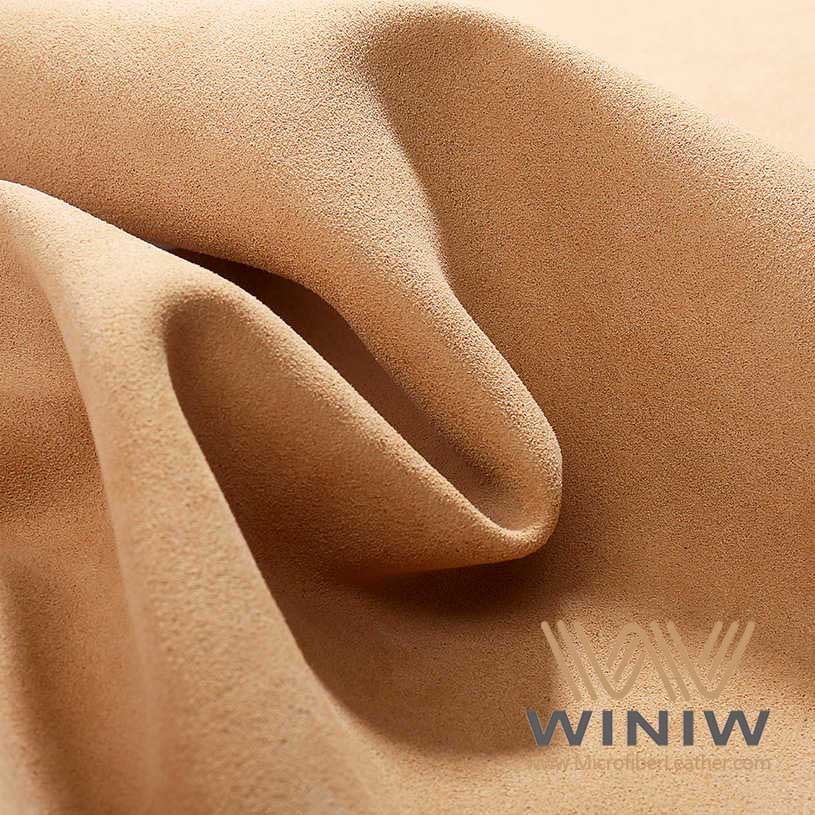
You find strong nonwoven fabric in lihlahisoa that demand high performance and reliability. Likhoele tsa maiketsetso, advanced bonding, and high fiber density give non woven fabric impressive strength. The table below shows how these methods impact durability in nonwoven materials for healthcare, bohloeki, le lisebelisoa tsa indasteri.
| Mokhoa oa ho kopanya | Tšusumetso ho Matla le Tšireletseho |
|---|---|
| Thermal Bonding | Enhances durability and structural integrity, improving strength and flexibility for filtration systems and medical disposables. |
| Hydroentangling | Uses high-pressure water jets to entangle fibers, se bakang bonolo, absorbent nonwovens with high abrasion resistance. |
| Layering | Increases tear resistance and overall strength, allowing stress sharing among layers to prevent tearing. |
| High-Density Fabric | Improves resistance to abrasion, pilling, and tearing, essential for long-term performance in industrial applications. |
Non woven fabric plays a growing role in healthcare and personal care because it resists tearing, supports hygiene, and adapts to new technology. You see non woven fabric outperforming traditional materials in many demanding environments.
Se Etsang Hore Lesela le sa Lokoang le be le Matla 'me le tšoarelle
- Nonwoven fabric gains strength from likhoele tsa maiketsetso like polyester and polypropylene, making it ideal for demanding applications.
- E tsoetseng pele mekhoa ea ho kopanya, such as thermal bonding and hydroentangling, enhance the durability and performance of nonwoven materials.
- Increasing fiber density and weight improves tear resistance, ensuring nonwoven fabric lasts longer in tough environments.
Lesela le Matla le Nonwoven: Key Factors
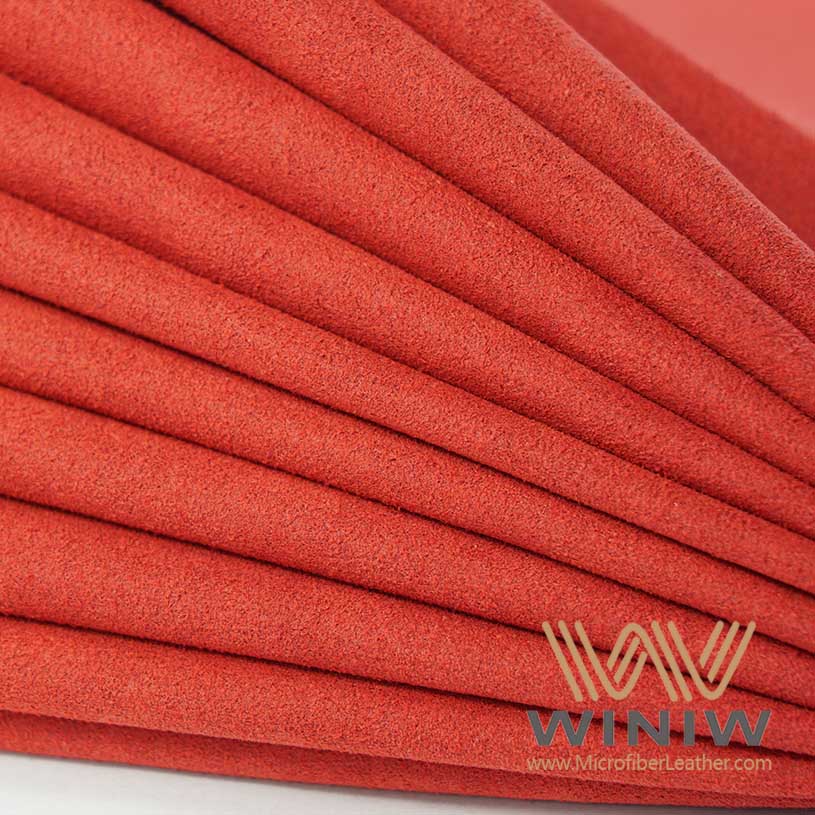
Nonwoven Polyester Fabric and Synthetics
You encounter non woven fabric in many industries because of its unique characteristics. The choice of fiber plays a major role in the strength and durability of nonwoven. Synthetic fibers like polyester, polypropylene, and nylon dominate the market due to their mechanical properties and recyclability. When you select nonwoven polyester fabric, you benefit from high tensile strength, ho hanyetsa mongobo, and long-lasting performance. Polypropylene nonwoven fabric stands out for its flexibility, khanyetso ea lik'hemik'hale, and hydrophobic nature, making it ideal for wet environments and medical uses.
| Mofuta oa Fiber | Thepa ea Mechini | Contribution to Fabric Strength |
|---|---|---|
| Polypropylene | Matla a phahameng, tenyetseha | Provides durability and resilience in applications like agricultural covers and diaper coversheets |
| Polyethylene terephthalate (PET) | Good strength, ho hanyetsa mongobo | Enhances fabric strength and longevity, often used in layered structures for medical masks |
You notice that high strength and flexibility allow non woven fabric to withstand repeated use and stress. Moisture resistance helps maintain the integrity of the material in challenging environments. Polyester nonwoven fabric offers superior tensile strength and resists wrinkling, which keeps products looking new and performing well over time. Nylon adds elasticity and comfort, though it may wrinkle under stress. These characteristics make nonwoven polyester fabric and other synthetics the backbone of strong nonwoven fabric.
Keletso: Polypropylene geotextiles resist chemicals, bola, and mildew, making them suitable for waste containment and outdoor uses. Their hydrophobic properties ensure that non woven fabric maintains its characteristics even in wet or harsh conditions.
Bonding Methods in Nonwoven
The way you bond fibers together in non woven fabric production directly affects non woven fabric strength and tear resistance. You can choose from several advanced bonding methods, each offering unique characteristics and uses. Mokhoa oa spunbond, qhibilihile, hlaba ka nale, and thermal bonding techniques all play a role in creating strong nonwoven fabric.
| Mokhoa oa ho kopanya | Molao-motheo oa Motheo | Sephetho sa Lesela Feel | Key Strengths | Likopo tse Ntle |
|---|---|---|---|---|
| Thermal Bonding | Ho qhibiliha le ho kopanya likhoele ka ho sebelisa mocheso le khatello | E ka fapana ho tloha ho e thata ho isa ho e bonolo | Lebelo, ts'ebeliso ea chelete, matla | Bohloeki, lisebelisoa tsa bongaka, tlhoekiso |
| Hydroentanglement | Ho sebelisa li-jets tsa metsi tse nang le khatello e phahameng ho hohela likhoele | Bonolo bo ikhethang, joalo ka masela | Bonolo, drape, bohloeki | Hlakola, liaparo tsa bongaka, premium bohloeki |
| Ho tlamahanngoa ha lik'hemik'hale | Applying a liquid adhesive that cures to bond fibers | E fapana le binder; hangata e thatafetse | Ho feto-fetoha ha maemo, thepa e itseng | Interlinings, lifeme tsa indasteri, lifela |
| Ho hlaba ka nale | Mechanically interlocking fibers using barbed needles | E teteaneng, ikutloa joalo ka, e kgolohadi | Ho tšoarella, mamello, bongata | Geotextiles, koloi, limmete |
| Litsamaiso tsa Hybrid | Ho kopanya mekhoa e 'meli kapa ho feta bakeng sa ts'ebetso e lokiselitsoeng | E fetohang haholo, enjinetsoe | Multi-functionality, tshebetso e ikemiseditseng | Tlhophiso e tsoetseng pele, metsoako e rarahaneng |
You see that the spunbond process creates nonwoven with high tensile strength and consistent quality. Melt-blown fabrics excel in filtration uses due to their fine fibers. E hlabiloe ka nale thepa e sa lohiloeng delivers exceptional durability and tear resistance, making it perfect for geotextiles and automotive interiors. Thermal bonding produces lightweight, disposable non woven fabric with reliable strength, ideal for hygiene and medical applications.
Each bonding method influences the characteristics of non woven fabric. Ka mohlala, thermal bonding ensures high speed and low basis weight, which suits disposable products. Ho phunya nale, ka hlakoreng le leng, produces robust, long-lasting nonwoven for demanding environments. Chemical bonding agents help integrate specialized treatments for durability, locking in additives and preventing fraying or loss of function after washing.
Fiber Density and Weight
You can boost the mechanical properties of non woven fabric by increasing fiber density and weight. E teteaneng, heavier nonwoven composite materials show improved tear resistance and high tensile strength. This direct correlation means that when you select a denser nonwoven, you gain better performance in industrial and heavy-duty uses.
- High fiber density prevents fraying and enhances the stability of non woven fabric.
- Increased weight leads to greater tear resistance and longer lifespan.
- Chemical bonding agents help maintain the original characteristics of the fabric, even after repeated use or exposure to harsh conditions.
You also benefit from the hydrophobic nature of polypropylene, which repels water and extends the durability of non woven fabric in wet environments. This property makes non woven fabric suitable for raincoats, waterproof covers, le mekhoa ea ho hloekisa. The spunbond process further enhances recyclability and strength, supporting both performance and environmental goals.
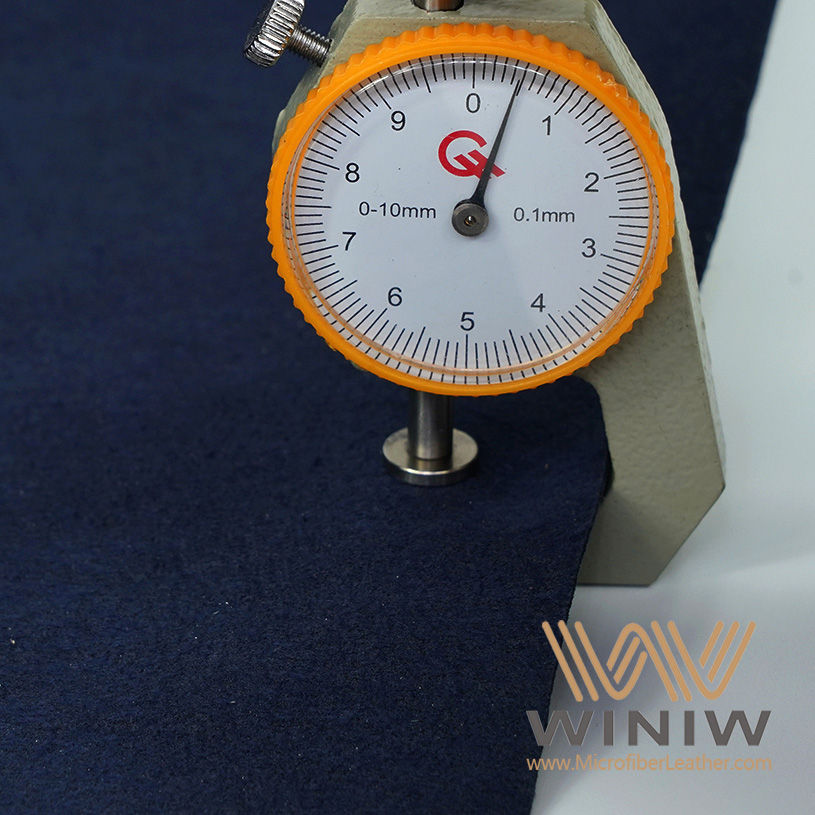
When you consider recyclability, you find that blending recycled fibers with virgin fibers helps maintain non woven fabric strength and durability. Recycled fibers alone may reduce mechanical properties, but careful design and fiber selection can balance performance and environmental impact. Non woven fabric uses in healthcare, kaho, and automotive industries demand these characteristics for reliable, long-lasting products.
Lesela le sa Lohiloeng: Enhancements and Comparison
Treatments for Durability in Nonwoven
You can improve the durability of non woven fabric by using specialized treatments and additives. These enhancements help nonwoven materials perform better in demanding environments. The table below shows some of the most effective options:
| Treatment/Additive | Tlhaloso |
|---|---|
| Theknoloji ea Bonding | Critical for defining fabric characteristics; includes thermal, khemikhale, and mechanical bonding. |
| Phekolo ea ho qetela | Adds functionalities like water repellency and flame resistance post-bonding. |
| Coating | Applies materials to enhance properties such as abrasion resistance and anti-static behavior. |
You often see coatings and finishes that boost the performance of non woven fabric. These coatings can add fire resistance, ho leleka metsi, le thepa ea antibacterial. You benefit from antimicrobial coatings in medical uses, as they prevent bacteria and fungi from growing. UV protection coatings help nonwoven materials last longer outdoors by blocking harmful rays. Some coatings even give self-cleaning properties, making maintenance easier.
Nanotechnology also plays a big role in enhancing non woven fabric. Nanoscale processing improves quality and expands the uses of nonwoven materials. Nanofibers increase filtration and barrier properties, which is important for medical gowns and masks. You get better stain resistance, Tšireletso ea UV, and color fastness with these advanced treatments.
Non Woven Fabric vs. Masela a mang
When you compare non woven fabric to woven and knitted fabrics, you notice key differences in strength and durability. Woven fabrics usually have higher strength and durability because of their yarn structure and finishing. Nonwoven materials may have less tensile and tear strength, especially after certain finishes. Knitted fabrics focus more on seam strength.
- Woven fabrics show superior strength under mechanical stress and last longer.
- Nonwoven materials offer moderate durability but can be more prone to tearing.
- Knitted fabrics are not ideal for tear strength tests due to their structure.
You should also consider how non woven fabric reacts to outdoor conditions. UV radiation, mongobo, and temperature changes can weaken nonwoven materials over time. Chemical exposure, such as pesticides, may cause further degradation. Ho sa tsotellehe mathata ana, you find non woven fabric in many uses because of its versatility, ho baballa litšenyehelo, and ability to accept advanced treatments.
| Mofuta oa Lesela | Strength under Mechanical Stress | Ho tšoarella | Suitability for Long-term Use |
|---|---|---|---|
| Lohiloe | E phahameng | Phahameng | Ee |
| E sa lohiloeng | Matla a fokolang | E itekanetseng | Che (more prone to tearing) |
You see that non woven fabric remains popular for single-use products, tlhoekiso, le litšebeliso tsa bongaka. Its adaptability and the ability to add new features keep nonwoven materials at the forefront of innovation.
You see non woven fabric deliver strength and durability through fiber choice, tlamahano, le letsoalo. When you select non woven fabric, consider fiber properties, expected performance, ho hema, le litšenyehelo. Nonwoven bonding methods shape tensile strength and softness. You find non woven fabric in many uses, from medical to industrial uses. Non woven fabric adapts to different uses, offering flexibility and durability. You benefit from non woven fabric in hygiene uses, filtration uses, and protective uses. Non woven fabric supports advanced uses, meeting your needs for durability and performance. Choose non woven fabric for reliable uses in every industry.
LBH
What makes non woven fabric different from woven or knitted materials?
Oa bona non woven fabric e entsoeng ka ho kopanya likhoele. Woven and knitted fabrics use yarns. Nonwoven offers unique properties for filtration, bohloeki, le litšebeliso tsa bongaka.
How do you improve the strength of non woven fabric?
You select high-quality synthetic fibers for non woven fabric. You use advanced bonding methods. You increase fiber density. These steps help nonwoven resist tearing and last longer.
Can non woven fabric be recycled or reused?
You recycle non woven fabric by blending recycled fibers with virgin fibers. Nonwoven can be reused in some applications. You support sustainability by choosing recyclable non woven fabric.
Keletso: You extend the life of non woven fabric by applying protective coatings and finishes. Nonwoven with UV protection lasts longer outdoors.
- You find non woven fabric in disposable products, limaske tsa bongaka, and industrial covers.
- You choose nonwoven for its adaptability and cost-effectiveness.