

Nonwoven Textiles give you a fabric that manufacturers create without weaving or knitting. You see fibers arranged into sheets or webs, then bonded together. The market for these fabrics reached about USD 52.56 limilione tse likete ho 2023 and continues to grow quickly worldwide.
Liaparo tsa Nonwoven ke life le hore na li etsoa joang
- Nonwoven textiles are unique fabrics made by bonding fibers without weaving or knitting. They offer flexibility and are used in various applications, ho tloha ho li-mask tsa bongaka ho ea ho lisebelisoa tsa ho hloekisa.
- The manufacturing process of nonwoven fabrics e kenyelletsa khetho ea fiber, sebopeho sa webo, tlamahano, le ho qetela. Each step influences the fabric’s properties, making them suitable for both disposable and durable uses.
- Nonwoven textiles provide benefits like excellent breathability, customizable performance, le tlhahiso e baballang chelete. They are essential in healthcare and hygiene products, supporting sustainability through the use of recycled materials.
Masela a Nonwoven ke afe
Definition of Nonwoven Textiles
When you explore masela a sa lohoeng, you discover a unique category of fabrics. These materials do not use weaving or knitting. Ho e-na le hoo, manufacturers engineer them by arranging fibers into flat sheets or webs and then bonding them together. International textile organizations describe nonwoven textiles with these key points:
- An engineered fibrous assembly, mainly flat, with structural integrity achieved through physical or chemical means.
- The process excludes weaving, ho loha, kapa ho etsa pampiri.
- The Global Nonwovens Association highlights the engineered nature and the absence of traditional textile methods.
You can see that nonwoven textiles stand apart because of their design and production methods. They offer flexibility in how you use them, ho tloha ho li-mask tsa bongaka ho ea ho lisebelisoa tsa ho hloekisa.
Nonwoven vs. Masela a Lohiloeng le a Lohiloeng
You might wonder how nonwoven textiles differ from woven and knitted fabrics. The main difference lies in their structure and how you make them. The table below helps you compare these fabric types:
| Sebopeho | Masela a sa lohoeng | Masela a Lohiloeng le a Lohiloeng |
|---|---|---|
| Mokhoa oa Tlhahiso | Mechini, khemikhale, or thermal bonding of fibers | Interlocking yarns or loops |
| Ho phefumoloha | Excellent breathability and moisture-wicking | E fapana, generally less breathable |
| Sebopeho sa Fiber | Can be made from natural or synthetic fibers | Typically made from yarns of natural or synthetic fibers |
| Range of Weights and Thicknesses | Available in various weights and thicknesses | Limited range, typically more uniform |
| Treatment for Additional Properties | Can be treated for antimicrobial, e thibelang lelakabe, or waterproofing | Limited treatment options |
| Ho Tšoaneleha Kopo | Suitable for both disposable and reusable applications | Primarily durable, less suited for disposable use |
You notice that nonwoven textiles provide excellent breathability and can be customized for many uses. Their manufacturing process allows for a wide range of properties, making them essential in many industries.
Kamoo Masela a sa Lokoang a Etsoang Kateng
Fiber Sources and Web Formation
O qala ka khetho ea fiber when you make nonwoven textiles. The choice of fiber shapes the properties and performance of the final product. You often see manufacturers use polypropylene, polyester, and viscose fibers because they offer strength, durability, le monyebe. Polypropylene stands out for its lightweight nature and cost-effectiveness, making it a popular choice in hygiene lihlahisoa le likopo tsa bongaka. You also find cotton fibers in nonwoven products like diapers and wipes due to their absorbency and hypoallergenic qualities. Wool provides softness and breathability, which adds comfort and safety to nonwoven applications. Many producers choose cotton and wool for their environmental impact and comfort, meeting the growing demand for sustainable materials.
Keletso: Ho tšoarella ho bohlokoa ho feta neng kapa neng. You can select recycled fibers or natural fibers to reduce environmental impact and meet consumer expectations.
You encounter several main web formation techniques in nonwoven manufacturing. Each method creates a unique structure and influences the fabric’s properties. Here are the most common techniques:
- E omileng: You form webs from staple fibers using carding or air laying. This method works well for products like wipes and insulation.
- Ho qhibiliha: You use continuous filaments through melt spinning. This process is common in hygiene and medical products, especially when you need strong and uniform nonwoven fabrics.
- Wetlaid: U emisa likhoele ka metsing, e tshoanang le ho etsa pampiri. You see this technique in tea bags and medical gauze.
- Electrospinning: You apply an electrostatic charge to create fine fibers. This method suits applications that require submicron fibers, joalo ka ho sefa.
The spunbond-meltblown-spunbond process combines spunbond and meltblown layers to create nonwoven fabrics with enhanced filtration and strength. You use polypropylene as the main raw material in this process. Spunbond nonwoven fabric features a dense and uniform structure, while meltblown nonwoven offers higher porosity and breathability. You can tailor the structure by adjusting the ratio of spunbond and meltblown layers, which is essential for products like face masks and medical gowns.
Bonding and Finishing Processes
After you form the fiber web, you need to bond the fibers to create a strong non-woven fabric. You can choose from three primary mekhoa ea ho kopanya: mocheso, khemikhale, and mechanical. Each method affects the durability, sebopeho, and performance of the nonwoven.
| Mokhoa oa ho kopanya | Tlhaloso | Effects on Fabric Properties |
|---|---|---|
| Thermal Bonding | Uses heat to melt thermoplastic fibers, creating strong bonds upon cooling. | Efficient, strong fabric but less suitable for non-thermoplastic fibers. |
| Ho tlamahanngoa ha lik'hemik'hale | Involves adhesives or binders that cure to form cohesive fabric. | Customizable properties like softness and absorbency, but may have environmental impacts. |
| Bonding ba Mechini | E phutha likhoele ka ho sebelisa matla a 'mele (needlepunching or hydroentanglement). | Produces high tensile strength and unique textures. |
You often use thermal bonding with polypropylene fibers. This method fuses fibers together, resulting in a soft and durable nonwoven. Kamano ea mechine, such as needlepunching, interlocks fibers to create fabrics with excellent strength in all directions. Hydroenanglement e sebelisa lijete tsa metsi tse nang le khatello e phahameng ho hohela likhoele, which gives you nonwoven fabrics with high strength and abrasion resistance. Chemical bonding relies on adhesives or eco-friendly binders, allowing you to customize softness and absorbency. You must consider sustainability when choosing chemical bonding agents.
Hlokomela: The bonding method you select directly impacts the durability and performance of the nonwoven. Mechanical bonding produces strong and flexible fabrics, while thermal bonding offers efficiency and softness.
Once you bond the fibers, you apply finishing processes to enhance the nonwoven’s properties. These treatments improve appearance, matšeliso, le tshebetso. Mekhoa e tloaelehileng ea ho qetela e kenyelletsa:
| Mokhoa oa ho qetela | Tlhaloso | Effects |
|---|---|---|
| Sanforizing | Controls shrinkage using hot steam. | Reduces shrinkage. |
| Tentering | Straightens and dyes fabric mechanically. | Ensures even dye and straightness. |
| Calendaring | Passes fabric through rollers for smoothness or embossing. | Improves texture and appearance. |
| Perforating | Uses hot needles to create holes. | Enhances flexibility and softness. |
| Slitting | Cuts fabric for better drape. | Increases comfort and flexibility. |
| Anti-crease finish | Applies chemicals for permanent anti-crease effect. | Reduces wrinkling. |
| Antistats | Reduces static electricity in synthetic fibers. | Prevents clinging and improves handling. |
You may also add hydrophilic or flame-retardant treatments to meet specific application requirements. After finishing, you convert the nonwoven into final products, such as sanitary pads, maske, or medical gowns.
You see that the production of nonwoven textiles involves several steps: khetho ea fiber, sebopeho sa webo, tlamahano, le ho qetela. You can use natural, man-made, or recycled fibers, and you can choose processes that match your desired properties. Polypropylene remains a key ingredient in many nonwoven fabrics, especially in the spunbond-meltblown-spunbond process. You have the flexibility to create non-woven fabric for a wide range of applications, ho tloha lihlahisoa tsa bohloeki ho ea ho tšebeliso ea indasteri.
Types and Characteristics of Nonwoven Textiles
Mefuta ea Masela a sa Lohoang
You encounter several major types of nonwoven fabrics in the market. Each type offers unique characteristics and serves different applications. The most common types include spunbond, qhibilihile, le li-nonwovens tse phuntsoeng ka nale. You can compare their features and uses in the table below:
| Sebopeho | Spunbond | E qhibilihisitsoeng | E hlabiloe ke nale |
|---|---|---|---|
| Manufacturing Principle | Molten polymer extruded into continuous filaments, then thermally bonded. | Molten polymer attenuated by hot air into microfibers, self-bonding web. | Staple fibers mechanically entangled by barbed needles. |
| Visual Appearance | E bataletseng, boreledi, often with a visible bond pattern. | Opaque, boreledi, paper-like sheet. | E teteaneng, lofty, ikutloa joalo ka, and fibrous. |
| Tactile Feel | Can range from stiff and papery to soft and cloth-like. | Very soft, but weak and easily damaged. | E bonolo, spongy, and resilient. |
| Typical End-Uses | Lihlahisoa tsa bohloeki (maleiri), liaparo tsa bongaka, tshehetso ya k'hapete, temothuo. | Mecha ea litaba ea ho sefa (mask a sefahleho), sorbents, ho kenya letsoho, SMS composites. | Geotextiles, limmete tsa likoloi, thepa ea ka tlung, roofing substrates. |
| Cost Profile | Generally low to moderate, very cost-effective at scale. | Higher cost due to complex die technology and lower output. | E itekanetseng, versatile cost structure depending on fiber and weight. |
You also see other types such as air-laid, e kolobisitsoeng, and hydroentangled nonwovens. Each type supports specific applications, from medical supplies to industrial filters.
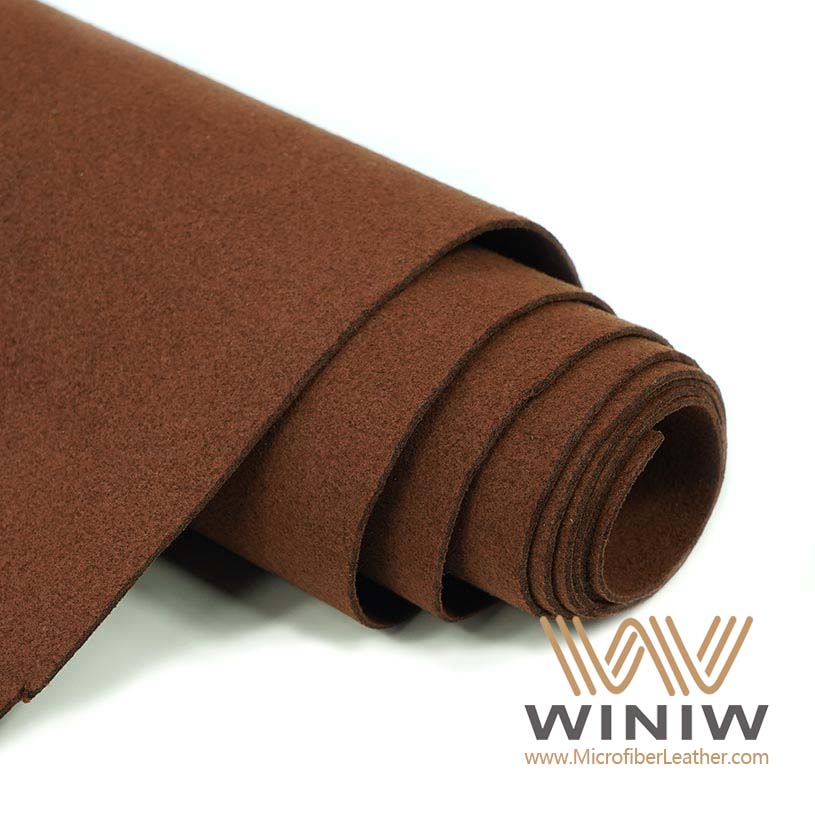
The market share growth rates for major nonwoven fabric types reflect their popularity and demand:
| Mofuta oa Lesela le Nonwoven | Market Share Growth Rate |
|---|---|
| Bohloeki | 6.0% |
| Spunbond | 6.5% |
| Durables | 5.9% |
You notice that spunbond and hygiene nonwovens lead the market, driven by their use in disposable and durable products.
Nonwoven Fabric Characteristics
Nonwoven fabrics stand out because of their unique physical and chemical characteristics. You see that manufacturers produce these fabrics through a simpler and faster process compared to traditional textiles. You do not need complex weaving or knitting, which allows for quicker manufacturing and lower costs.
Nonwoven fabrics differ structurally from traditional textiles in that they consist primarily of individual fibers or fibrous webs rather than interwoven yarns. This results in an anisotropic nature, meaning their properties can vary based on fiber alignment and bonding arrangements. Ho phaella moo, nonwoven fabrics are typically more porous and permeable, which affects their breathability and moisture management.
You can adjust the strength and durability of nonwovens by selecting different fiber types. This flexibility lets you create fabrics for both disposable and durable applications. The table below highlights key characteristics that set nonwovens apart from woven and knitted textiles:
| Sebopeho | Masela a sa lohoeng | Liaparo tsa Setso |
|---|---|---|
| Sebopeho | Composed of directional or random fibers | Made from yarns woven together |
| Mokhoa oa Tlhahiso | Simpler, involves high temperature melting and bonding | Complex weaving or knitting processes |
| Boima ba 'mele | Light in weight | Heavier due to yarns |
| Ho phefumoloha | Depends on fiber fineness and arrangement | Varies based on weave type |
| Ho hanyetsa Mongobo | Can be enhanced with waterproof agents | Generally lower moisture resistance |
| Tšusumetso ea Tikoloho | Ho baballa tikoloho, easy to decompose | E fapana, often less eco-friendly |
You find that nonwoven fabrics are moisture-proof, e phefumolohang, le ho tenyetseha. You do not need spinning or weaving, which makes them easier to cut and sew. Manufacturers can use various raw materials, enhancing versatility and supporting sustainable production.
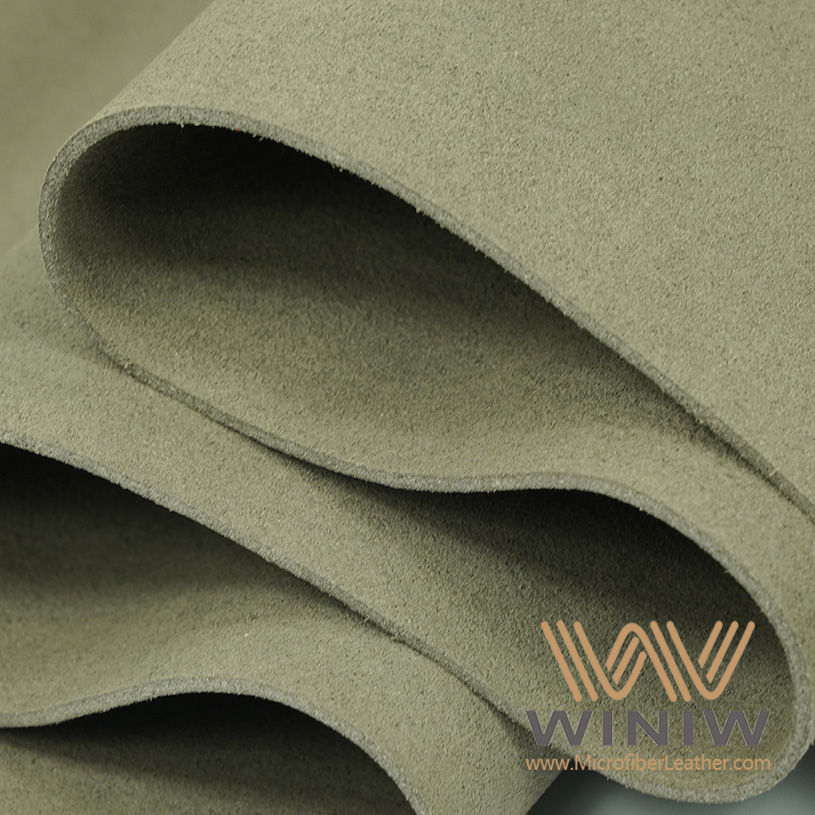
Porosity and breathability play a major role in the performance of nonwoven fabrics. High porosity allows air to pass through while filtering out dust, which improves breathability and filtration efficiency. You benefit from flexibility and conformability, as nonwovens can be shaped or molded into complex structures for different applications.
Uses and Benefits
You see nonwoven textiles in a mefuta e mengata ea likopo. The medical and hygiene sectors rely on nonwovens for products such as surgical gowns, drapes, likhepisi, maske, and N95 respirators. You also find absorbent medical products like surgical sponges, wound care pads, le liaparo. In daily life, nonwovens appear in disposable diapers, lisebelisoa tsa bohloeki, le dihlapi tse metsi.
You encounter nonwoven fabrics in isolation and surgical gowns, mask a sefahleho, Lisebelisoa tsa PPE, maqeba a maqeba, and bath wipes. These applications highlight the importance of nonwovens in healthcare and hygiene.
Nonwoven textiles offer several benefits in disposable products:
- Customizable performance characteristics let you tailor nonwovens to meet specific requirements that woven fabrics cannot achieve.
- Cost-effective production enables high-quality, scalable manufacturing.
- Enhanced hygiene and safety minimize the risk of cross-contamination, making nonwovens ideal for healthcare and food service.
- Superior absorbency and fluid management provide excellent fluid uptake and retention, essential for products like diapers.
- Lightweight and softness make nonwovens gentle on the skin, suitable for tissues and surgical gowns.
- Versatility of use allows you to apply nonwovens in a wide range of disposable products, from shoe covers to hospital curtains.
Lilemong tse leshome tse fetileng, you have seen a surge in demand for nonwoven textiles, haholoholo tlhokomelong ya bophelo, koloi, le liindasteri tsa kaho. The need for hygiene products, technological advancements, and a shift toward sustainable practices drive this growth. Emerging markets with rising disposable incomes and urbanization further fuel the expansion of nonwoven applications.
You should consider environmental impacts when choosing nonwoven textiles. Most nonwovens use synthetic materials, which do not break down easily in the environment. Hospitals and healthcare facilities generate significant waste from single-use nonwovens, raising sustainability concerns. Leha ho le joalo, manufacturers now design nonwovens to be recyclable, supporting a circular economy and reducing landfill waste. You can select recycled materials to lessen dependence on virgin resources and promote sustainable practices.
Recent innovations in nonwoven technology include fully biological materials, bio-based fibers, and advanced bonding techniques. Automation and energy-efficient systems improve production efficiency and sustainability. You benefit from these advancements through better product quality and enhanced environmental responsibility.
Nonwoven textiles remain less expensive to produce than woven alternatives, making them ideal for bulk disposable use. You can achieve high performance at a lower cost, especially for large-scale applications.
Keletso: Ha u khetha masela a sa lohoeng, you gain access to a wide range of characteristics and applications. You can choose options that are durable, tsitsitseng, and tailored to your needs.
U bona masela a sa lohoeng hohle. Manufacturers bond fibers to create lightweight, e tšoarellang, and customizable fabrics. Nonwovens support healthcare, bohloeki, le ho tšoarella ha tikoloho.
- You benefit from moisture resistance, acoustic insulation, and impact cushioning.
- Industries use nonwovens for masks, hlakola, phutheloana, le ho tlhotla.
Sustainability and innovation drive future growth in reusable and eco-friendly products.
LBH
What makes nonwoven textiles an effective barrier in medical settings?
You get an effective barrier against fluids and particles. Nonwoven textiles help protect you in hospitals, especially during the covid-19 health crisis.
Are nonwoven fabrics breathable for daily use?
You find nonwoven fabrics breathable. Li lumella moea ho feta, which keeps you comfortable in masks, hlakola, le lihlahisoa tsa bohloeki.
Can nonwoven textiles be used for waterproof applications?
You can use nonwoven textiles as a barrier to water. Manufacturers often add coatings or treatments to improve water resistance for rainwear and protective covers.