

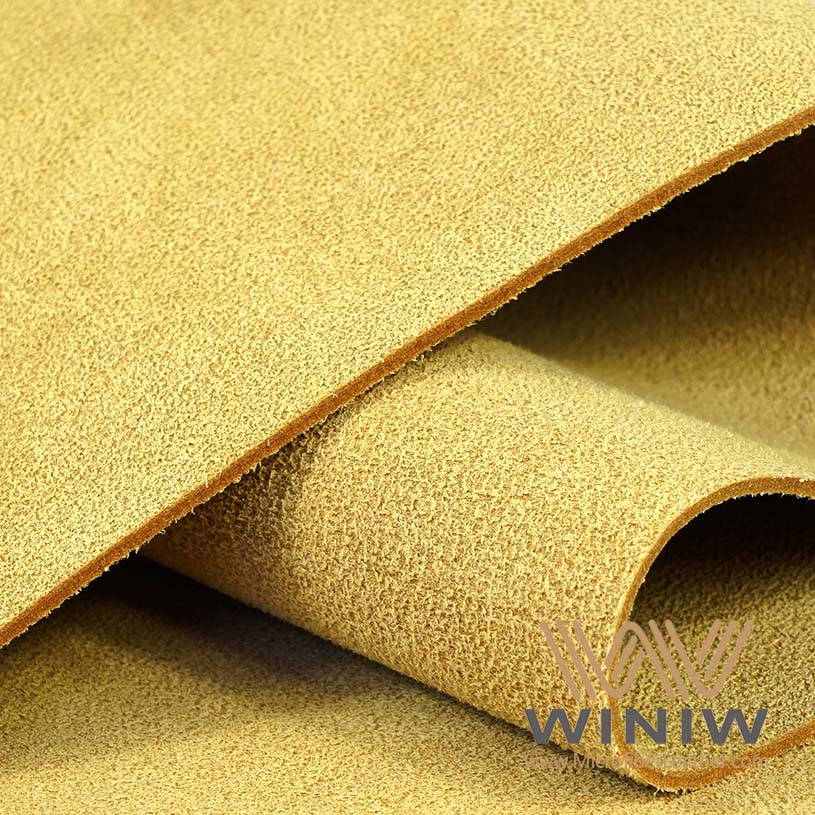
คุณพบผ้าไม่ทอที่เย็บด้วยตะเข็บ สินค้า ที่ต้องการความแข็งแกร่ง, ผ้าที่มั่นคง. แตกต่างจากผ้าไม่ทออื่นๆ, ผ้าเหล่านี้ใช้การเย็บเพื่อยึดเส้นใยไว้ด้วยกัน, ไม่ใช่กาวหรือความร้อน. พวกเขาโดดเด่นเนื่องจากมีความทนทานและความสามารถรอบด้าน. คุณเห็นพวกมันในชิ้นส่วนรถยนต์, เฟอร์นิเจอร์, และการก่อสร้าง.
| หมวดหมู่ | ขนาดตลาดใน 2023 |
|---|---|
| ตะเข็บผ้าไม่ทอผูกมัด | $14.2 พันล้าน |
| ตลาดผ้านอนวูฟเวนโดยรวม | $52.56 พันล้าน |
ผู้เริ่มต้นควรใส่ใจเพราะวัสดุเหล่านี้กลายมาเป็นสิ่งของในชีวิตประจำวันมากมาย.
คู่มือสำหรับผู้เริ่มต้นในการเย็บผ้าไม่ทอและการผลิต
- ผ้าไม่ทอที่ผูกมัดด้วยตะเข็บใช้การเย็บเพื่อยึดเส้นใยไว้ด้วยกัน, ทำให้พวกเขาแข็งแกร่งและยืดหยุ่น. วิธีการพิเศษนี้ช่วยเพิ่มความทนทานและประสิทธิภาพในการใช้งานต่างๆ.
- ผ้าเหล่านี้ระบายอากาศได้ดีและอ่อนนุ่ม, ให้อากาศและความชื้นผ่านไปได้. เหมาะสำหรับผลิตภัณฑ์ที่ต้องการความสะดวกสบายและความมั่นคง, เช่นการตกแต่งภายในรถยนต์และเฟอร์นิเจอร์.
- ที่ กระบวนการผลิตเกี่ยวข้องกับ การสร้างใยและการติดตะเข็บ, ซึ่งสามารถปรับแต่งตามคุณสมบัติต่างๆ ได้. การปรับความหนาแน่นของตะเข็บช่วยให้ควบคุมการระบายอากาศและความแข็งแรงได้.
ผ้าไม่ทอแบบเย็บตะเข็บคืออะไร?
คำจำกัดความพื้นฐาน
คุณเจอ ตะเข็บผ้าไม่ทอผูกมัด เมื่อคุณต้องการผ้าที่ผสมผสานความแข็งแกร่งและความยืดหยุ่น. ผ้านอนวูฟเวนแบบเย็บติดเป็นวัสดุนอนวูฟเวนประเภทหนึ่งซึ่งมีเส้นใยยึดติดกันด้วยการเย็บด้าย, ไม่ใช่ด้วยกาวหรือความร้อน. คุณเห็นกระบวนการนี้ใช้เข็มและเส้นด้ายเพื่อสร้างเส้นใยที่คงสภาพเดิมเนื่องจากการเย็บที่ประสานกัน. วิธีการนี้จะทำให้ผ้าไม่ทอที่เชื่อมด้วยตะเข็บแตกต่างจากผ้าไม่ทออื่นๆ, ซึ่งมักอาศัยพันธะเคมีหรือกระบวนการทางความร้อน.
เมื่อคุณดูผ้าไม่ทอที่มีการเย็บตะเข็บ, คุณสังเกตเห็นผ้าที่ให้ความรู้สึกนุ่มและยืดหยุ่น. การเย็บทำให้เกิดลวดลายที่มองเห็นได้บนพื้นผิว, ซึ่งทำให้เนื้อผ้ามีลักษณะเฉพาะตัว. คุณสามารถแยกแยะผ้าไม่ทอที่เชื่อมด้วยตะเข็บกับประเภทอื่นๆ ได้อย่างง่ายดาย เนื่องจากตะเข็บจะสร้างเส้นหรือตาราง, ในขณะที่ผ้าไม่ทออื่นๆ อาจดูเรียบหรือเรียบ.
คุณสมบัติที่สำคัญของผ้าเย็บตะเข็บ
ผ้าไม่ถักทอแบบเย็บติดมีคุณสมบัติหลายอย่างที่ทำให้มีคุณค่าในหลายอุตสาหกรรม. คุณจะได้รับประโยชน์จากคุณสมบัติทางกลของมัน, ซึ่งเป็นผลมาจากกระบวนการเย็บ. รอยเย็บกระจายแรงกดอย่างสม่ำเสมอทั่วทั้งเนื้อผ้า, คุณจึงได้วัสดุที่ทนทานต่อการฉีกขาดและยืดตัว. คุณยังสังเกตเห็นว่าเนื้อผ้ายังคงรูปทรงอยู่, แม้ว่าคุณจะใช้งานในสภาพแวดล้อมที่มีความต้องการสูงก็ตาม.
เคล็ดลับ: หากคุณต้องการผ้าที่นุ่มและระบายอากาศได้ดี, ผ้าไม่ทอแบบเย็บตะเข็บเป็นทางเลือกที่ชาญฉลาด. การไม่มีกาวหรือความร้อนทำให้ผ้ายังคงความอ่อนโยนต่อการสัมผัส, และลายตะเข็บช่วยให้อากาศและความชื้นทะลุผ่านได้.
นี่คือตารางที่เน้นคุณสมบัติเชิงกลเฉพาะของผ้าไม่ทอที่เชื่อมด้วยตะเข็บเมื่อเปรียบเทียบกับประเภทอื่นๆ:
| ลักษณะเฉพาะ | คำอธิบาย |
|---|---|
| ความแข็งแกร่ง | การเย็บแบบประสานจะกระจายแรงกดอย่างสม่ำเสมอ, ทำให้เนื้อผ้ามีความคงทน. |
| ความนุ่มนวล | ไม่มีความร้อนหรือกาวทำให้เนื้อผ้าคงความนุ่มเมื่อสัมผัส. |
| การระบายอากาศ | รูปแบบการเย็บจะสร้างรูขุมขนเล็กๆ, ให้อากาศและความชื้นผ่านไปได้. |
| ความทนทานและความแข็งแกร่ง | กระบวนการเย็บทำให้เกิดเนื้อผ้าที่แข็งแกร่งซึ่งสามารถรองรับแรงตึงและการสึกหรอได้. |
| ความเสถียรของมิติ | เนื้อผ้าคงรูปทรงได้แม้อยู่ภายใต้แรงกดทับหรือในสภาพแวดล้อมที่ยากลำบาก. |
| ความต้านทานแรงดึงเพิ่มขึ้น | การเย็บแบบกลไกช่วยเพิ่มความทนทานต่อการฉีกขาดและการยืดตัวของผ้า. |
คุณพบ ตะเข็บผ้าไม่ทอผูกมัด ในผลิตภัณฑ์ที่ต้องการความทนทานต่อการเสียดสีและความเสถียรของมิติ. ผ้าทำงานได้ดีในการตกแต่งภายในรถยนต์, วัสดุก่อสร้าง, และ บ้าน สิ่งทอ. คุณสามารถไว้วางใจผ้าเย็บตะเข็บสำหรับโครงการที่ต้องการทั้งความทนทานและความสบาย.
เมื่อคุณเปรียบเทียบผ้าไม่ทอแบบเย็บตะเข็บกับผ้าไม่ทอหรือผ้าไม่ทอประเภทอื่นๆ, คุณจะเห็นข้อดีที่ชัดเจน. กระบวนการเย็บช่วยให้ได้ผ้าที่มีอายุการใช้งานยาวนานขึ้นและทำงานได้ดีขึ้นภายใต้สภาวะตึงเครียด. คุณยังได้วัสดุที่ให้ความรู้สึกนุ่มกว่าและช่วยให้อากาศไหลเวียนได้ดีขึ้น, ซึ่งมีความสำคัญในการใช้งานหลายอย่าง.
กระบวนการผลิตการติดตะเข็บ
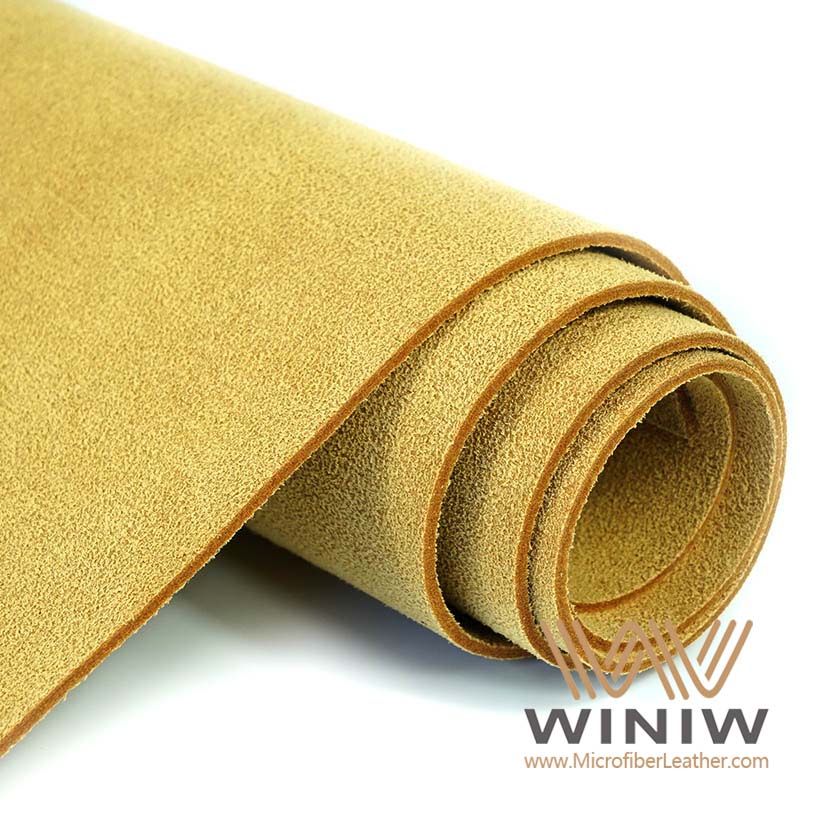
การสร้างเว็บในผ้าไม่ทอ
คุณเริ่มต้น กระบวนการผลิต โดยการสร้างเว็บ. ขั้นตอนนี้จะสร้างชั้นฐานของเส้นใย. คุณวางเส้นใยลงในเสื่อที่เหมือนกัน, ซึ่งเป็นการวางรากฐานให้กับผ้า. เว็บสามารถใช้ไฟเบอร์ชนิดต่างๆได้, เช่นโพลีเอสเตอร์, โพรพิลีน, หรือผ้าฝ้ายรีไซเคิล. คุณเลือกไฟเบอร์ตามคุณสมบัติและราคาที่ต้องการ. กระบวนการสร้างแผ่นใยช่วยให้แน่ใจว่าเส้นใยมีการกระจายอย่างสม่ำเสมอ, ซึ่งช่วยให้คุณได้รับคุณภาพที่สม่ำเสมอในผลิตภัณฑ์ขั้นสุดท้าย.
บันทึก: ขั้นตอนการขึ้นรูปแผ่นใยเป็นสิ่งสำคัญเนื่องจากจะกำหนดความแข็งแรงและความสม่ำเสมอของผ้าไม่ทอที่เสร็จแล้ว.
นี่คือตารางที่สรุปขั้นตอนหลักในกระบวนการผลิต:
| ขั้นตอน | คำอธิบาย |
|---|---|
| การสร้างเว็บ | คุณสร้างชั้นฐานของเส้นใยโดยการวางลงในเสื่อที่เหมือนกัน. |
| การเย็บตะเข็บ | คุณประมวลผลใยไฟเบอร์โดยใช้อุปกรณ์พิเศษเพื่อสร้างเนื้อผ้าที่ทนทาน. |
เทคนิคการติดตะเข็บ
คุณใช้การเย็บตะเข็บเพื่อเข้าร่วมเส้นใยในเว็บ. วิธีการติดที่แตกต่างกันนี้อาศัยการเย็บแบบกลไก, ไม่ใช่กาวหรือความร้อน. You operate machines that use needles and yarns to interlock the fibers. The process combines elements of nonwoven, เย็บ, and knitting technologies. You often see warp knitting used in stitch bonding, which creates a multi-ply layered structure. This arrangement improves the tensile and impact strength of the fabric. The needle shift technique secures the outer warp layers, giving you flexibility in design and arrangement.
You can adjust stitch density to control breathability and air permeability. You increase stitch density for barrier properties or decrease it for more airflow. Stitch bonding enhances tensile strength and tear resistance. You notice that dimensional stability remains high, even under stress or temperature changes. Media migration resistance also improves, which means the fabric lasts longer in harsh environments.
- การติดตะเข็บจะเพิ่มความต้านทานแรงดึงผ่านการเย็บแบบกลไก.
- ความต้านทานการฉีกขาดมีมากกว่าทางเลือกอื่นๆ.
- ความเสถียรของมิติจะคงที่ภายใต้ความเค้นเชิงกลและความแปรผันของอุณหภูมิ.
- ความต้านทานการโยกย้ายของสื่อช่วยให้มั่นใจถึงความทนทานในระยะยาว.
- การระบายอากาศและการซึมผ่านของอากาศขึ้นอยู่กับความหนาแน่นของตะเข็บ.
- คุณสามารถใช้ส่วนประกอบของเส้นใยต่างๆ, รวมถึงตัวเลือกการรีไซเคิล, เพื่อความยั่งยืน.
- ผ้าไม่ทอแบบเย็บตะเข็บให้บริการทางการแพทย์, ยานยนต์, ผ้าปูที่นอน, และอุตสาหกรรมสินค้าอุปโภคบริโภค.
เคล็ดลับ: การติดตะเข็บช่วยให้คุณสร้างผ้าที่มีคุณสมบัติแบบกำหนดเองได้โดยการเปลี่ยนรูปแบบและความหนาแน่นของตะเข็บ.
วัสดุที่ใช้ในผ้าเย็บตะเข็บ
คุณ เลือกวัสดุ ขึ้นอยู่กับการสมัครและค่าใช้จ่าย. โพลีเอสเตอร์และโพลีโพรพีลีนเป็นตัวเลือกทั่วไปเนื่องจากมีความทนทานและความคุ้มค่า. ผ้าฝ้ายรีไซเคิลมีตัวเลือกที่เป็นมิตรกับสิ่งแวดล้อม. You may also use jute for cost savings, especially when you blend it with synthetic fibers. This blend produces lighter nonwovens and reduces overall production costs. The choice of fiber affects the properties and price of the final product.
You need to consider safety during manufacturing. Chemical flame retardants can release hazardous substances when burned. You should protect yourself from dust and loose fibers, which may pose health risks. Some fabrics can cause skin irritation if they emit chemicals.
Recent innovations in stitch bonding technology have improved the manufacturing process. Machines now combine stitching and bonding techniques, producing strong, ผ้าน้ำหนักเบา. These advancements reduce production time and offer more design options. The global market for stitch bonding continues to grow, driven by demand for versatile and durable textiles.
บันทึก: You can optimize costs by adjusting minimum order quantities and volume pricing tiers. Lower initial costs may lead to higher failure rates and waste, so you should balance quality and price.
คุณสมบัติและการประยุกต์
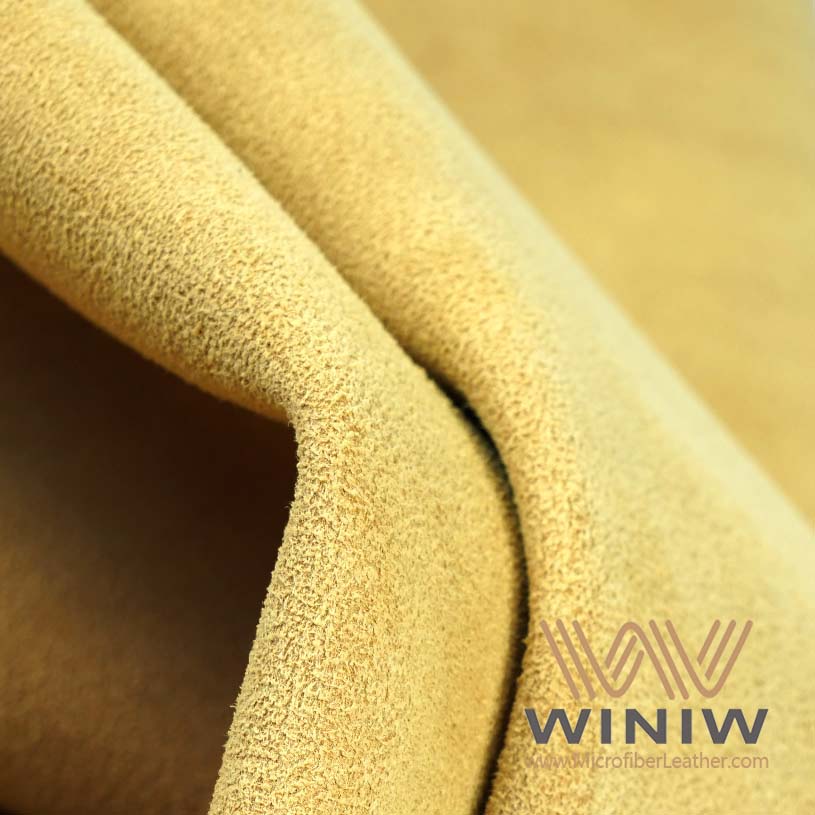
Main Properties of Stitch Bonded Nonwovens
You notice that stitch bonded nonwovens stand out for their physical strength and stability. These fabrics resist tearing and abrasion, making them reliable in tough conditions. You see high tensile strength and good elongation, which means the fabric stretches without breaking. The table below shows how different nonwovens compare in tensile strength:
| ประเภทวัสดุ | ความต้านแรงดึง (นพ) | ความต้านแรงดึง (ซีดี) |
|---|---|---|
| พีพี สปันบอนด์ | 14 ถึง 220 N/5ซม | 30 ถึง 240 N/5ซม |
| สปันบอนด์ PET | At least 20 N/5ซม | 10 N/5ซม |
Stitch bonded fabric has good dimensional stability, meaning it maintains its shape and structure well. This is beneficial for bags that require stability and retain their form.
You benefit from these properties when you need a durable fabric that performs under stress.
Common Applications Across Industries
You find nonwovens in many industries because they offer flexibility and strength. ตารางด้านล่างไฮไลท์ major uses and their advantages:
| พื้นที่ใช้งาน | ข้อดี | ข้อจำกัด |
|---|---|---|
| Structural Support in Workwear | Distributes tension, maintains flexibility, performs well under stress | Not as abrasion-resistant, requires pairing with surface fabrics |
| Upholstery Backing and Furniture | Holds structure, allows airflow, resistant to deformation | Not decorative, can fray at edges, lower tear strength |
| Agricultural and Horticultural Protection | ระบายอากาศได้ดี, improves wind resistance, maintains soil coverage | UV resistance varies, not as long-lasting as woven cloth |
| Filtration Support and Technical Media | Maintains shape, prevents collapse, compatible with multi-layer designs | Not fine filtration, stitch pattern affects flow |
| Industrial Packaging and Surface Protection | Soft surface, better tear resistance, นำกลับมาใช้ใหม่ได้ | Limited impact absorption, stitching can imprint |
You also see stitch bonded nonwovens in automotive manufacturing. You benefit from their durability, ความคุ้มค่า, และธรรมชาติอันบางเบา. These fabrics resist wear, help with fuel efficiency, and are easy to clean. You use them for seat liners, interior panels, และสื่อกรองอากาศ.
- Strength and durability help prevent tearing and fraying.
- Polyester and polypropylene fibers improve oil resistance and mechanical performance.
- Water resistance and fire retardancy make them suitable for cars.
- Thermal and acoustic insulation add comfort to vehicle interiors.
ผลกระทบต่อสิ่งแวดล้อมและการรีไซเคิล
You help the environment when you choose stitch bonded nonwovens. Many companies use recycled polyester and other fibers, reducing waste and conserving resources. You can recycle these fabrics, which means fewer new materials enter production.
- Uses fewer new resources.
- Reduces plastic waste in landfills.
- Factories use less energy and fewer chemicals.
- Allows reuse of old items, benefiting the Earth.
- Utilizes recycled polyester, reducing waste and conserving resources.
You support sustainability by selecting nonwovens that offer eco-friendly options and help conserve materials.
You see stitch bonded nonwovens offer strength, ความยืดหยุ่น, and custom properties. You benefit from web formation and spun bond techniques that improve durability. Future advancements in fiber processing and automation will enhance quality. For deeper understanding, สำรวจแหล่งข้อมูลเหล่านี้:
| Title | คำอธิบาย |
|---|---|
| STITCH BONDED NONWOVENS – An overview | Comprehensive guide to stitch bonding and its versatility. |
| ผ้านอนวูฟเวน: manufacturing and applications | Details stitching techniques and fabric properties. |
คำถามที่พบบ่อย
What makes stitch bonded nonwovens different from regular woven fabrics?
You see stitches holding fibers together, ไม่ทอผ้า. This gives you a fabric that feels softer and resists tearing better than many woven fabrics.
Can you wash stitch bonded nonwovens?
คุณสามารถซักผ้าไม่ทอที่เย็บตะเข็บได้ส่วนใหญ่. ตรวจสอบฉลากการดูแลเสมอ. Some types handle machine washing, while others need gentle hand washing.
ผ้าไม่ทอแบบเย็บตะเข็บมีความปลอดภัยต่อการสัมผัสทางผิวหนังหรือไม่?
| คุณสมบัติ | Safe for Skin? |
|---|---|
| โพลีเอสเตอร์ | ✅ |
| โพรพิลีน | ✅ |
| Jute Blend | ⚠️ |
You can use most types safely. Some blends may cause irritation.