
Description
Introduction
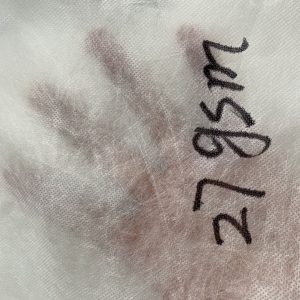
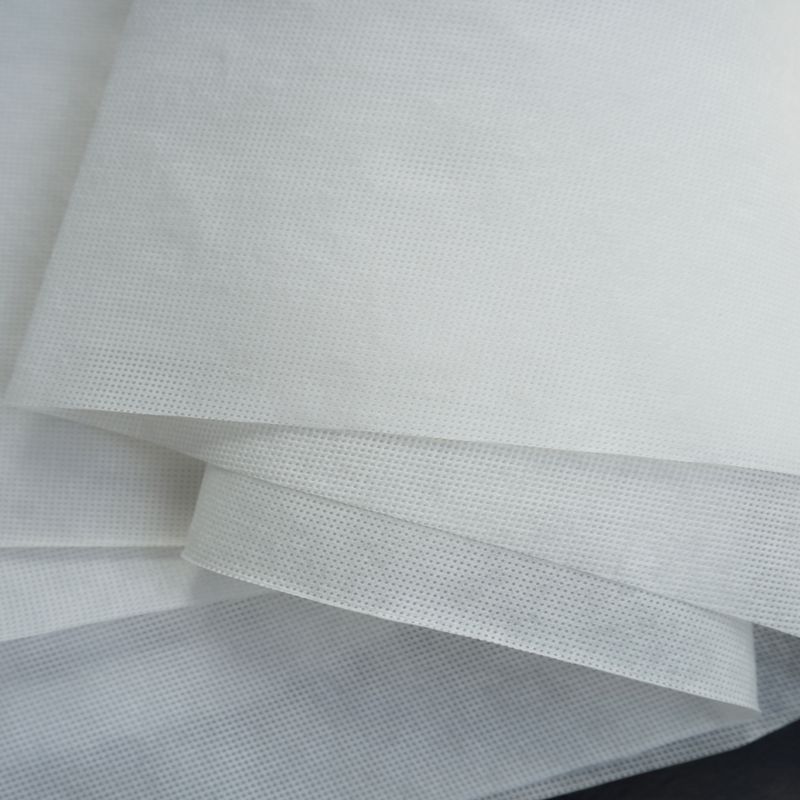
WINIW supply high quality nonwoven spunbond polyester fabric specialized for bituminous membranes applications. As a leading manufacturer in the nonwoven industry, WINIW has established a reputation for producing materials that meet the most stringent quality standards. Our nonwoven spunbond polyester fabric for bituminous membranes is no exception, designed specifically to enhance the performance and durability of bituminous membrane products used in various construction and waterproofing applications.
WINIW Nonwoven Spunbond Polyester Fabric for Bituminous Membranes is made by process of one-step polyester spunbond needle punch technics. This advanced manufacturing method ensures a uniform structure and consistent quality throughout the material. With stable quality, excellent performance, it is the best material for bituminous membranes application. Whether used in roofing, waterproofing, or civil engineering projects, our fabric provides the necessary reinforcement and stability to ensure long-lasting performance.
The bituminous membrane industry demands materials that can withstand harsh environmental conditions, including extreme temperatures, moisture, and mechanical stress. Our nonwoven spunbond polyester fabric is engineered to meet these challenges, providing a reliable foundation for bituminous membranes that resist degradation over time. By choosing WINIW’s product, manufacturers can enhance the quality of their bituminous membranes, ensuring they meet the needs of even the most demanding applications.
Manufacturing Process: One-Step Spunbond Needle Punch – Precision for Performance
The production of WINIW Nonwoven Spunbond Polyester Fabric for Bituminous Membranes relies on a proprietary one-step polyester spunbond needle punch technology— a streamlined, high-precision process that eliminates the inefficiencies of traditional multi-step manufacturing while enhancing the fabric’s structural integrity. Unlike conventional methods that separate filament extrusion, web formation, and bonding into discrete stages (risking filament breakage or uneven web distribution), our one-step process integrates all critical steps into a continuous, automated workflow, ensuring consistent performance across every roll.
Step 1: Raw Material Selection & Preparation
Quality begins with raw materials. We source only high-grade polyester (PET) chips with a melt flow index (MFI) of 25–35 g/10min (tested to ASTM D1238) — a specification carefully chosen for its ability to form strong, uniform filaments. These PET chips are first dried in a dehumidifying dryer at 160–180°C for 4–6 hours, reducing moisture content to <0.02%. This step is critical: excess moisture would cause bubble formation during extrusion, leading to weak spots in the final fabric. The dried chips are then fed into a twin-screw extruder, where they are melted at a controlled temperature of 260–280°C. The extruder’s screw design (with mixing zones) ensures complete, uniform melting without thermal degradation of the polyester polymer.
Step 2: Filament Extrusion & Quenching
The molten PET is forced through a spinneret — a precision-engineered plate with 500–800 micro-holes (each 0.2–0.3mm in diameter) — to form continuous filaments. The spinneret is manufactured to tolerances of ±0.005mm, ensuring each filament has a consistent denier (1.5–3.0 denier per filament, depending on the target fabric weight). As the filaments exit the spinneret (at a speed of 1000–1500 m/min), they are immediately quenched with a cross-flow of cooled air (20–25°C, 60–70% humidity). This rapid cooling solidifies the filaments without causing brittleness, preserving their tensile strength. The quenching air is filtered to remove dust and contaminants, preventing defects in the filament structure.
Step 3: Filament Drawing & Web Formation
After quenching, the filaments are drawn (stretched) using a set of godet rollers rotating at increasing speeds (the final roller speed is 3–5x faster than the initial). Drawing aligns the polyester polymer chains along the filament axis, increasing tensile strength by 30–40% and reducing elongation at break to 20–30% (ideal for reinforcement applications). The drawn filaments are then spread into a uniform web using an air-laid system — compressed air directs the filaments onto a moving conveyor belt, creating a random, isotropic web (equal strength in machine direction (MD) and cross direction (CD)). This random layering is critical for bituminous membranes, as it ensures the fabric resists stress uniformly, preventing tearing along a single axis.
Step 4: Needle Punch Bonding
The loose web is then fed into a needle punch machine, the core of our one-step process. This machine uses thousands of barbed needles (arranged in a pattern tailored to the fabric’s weight) that penetrate the web vertically at high speed (1000–1500 punches per minute). The barbs catch and entangle the filaments, creating mechanical bonds that hold the web together without the need for chemical adhesives or thermal bonding (which can weaken polyester). The needle punch density (number of punches per square centimeter) varies by fabric weight: 10–15 punches/cm² for 100–150gsm fabric, and 15–20 punches/cm² for 200–250gsm fabric. This adjustability ensures that lighter fabrics maintain flexibility (critical for curved roofing applications) while heavier fabrics gain enhanced structural rigidity (for high-stress civil engineering projects).
Step 5: Calendering & Finishing
After needle punching, the fabric passes through a pair of calender rolls (heated to 120–140°C) to smooth the surface and consolidate the bonds. The calender rolls apply controlled pressure (50–100 N/cm²), ensuring the fabric has a uniform thickness (tolerance ±0.05mm) and a consistent surface texture — important for optimal asphalt absorption later in the bituminous membrane manufacturing process. Finally, the fabric is wound into rolls (100–200m per roll, depending on customer preference) with a 3-inch or 6-inch paper core (recyclable) to prevent creasing during storage and transport.
Inline Quality Control: Real-Time Precision Monitoring
Throughout the manufacturing process, automated quality control systems ensure consistency:
- Filament Diameter Monitor: A laser-based system checks filament diameter every 0.5 seconds, alerting operators to deviations that could affect fabric strength.
- Web Uniformity Sensor: A high-resolution camera scans the web for thickness variations, adjusting the air-laid system in real time to maintain ±3% weight consistency.
- Tensile Strength Tester: A sample of fabric is tested every 30 minutes for MD/CD tensile strength (per ASTM D5035), ensuring it meets the minimum 300 N/5cm (MD) and 250 N/5cm (CD) requirements.
- Surface Defect Detector: A vision system identifies and marks defects (e.g., holes, thin spots) for removal, ensuring the final product has a defect rate <0.1% — far below the industry average of 0.5%.
This rigorous in-line monitoring, combined with the one-step process’s inherent efficiency, results in a fabric that delivers consistent performance batch after batch — a critical advantage for bituminous membrane manufacturers, who rely on uniform reinforcement to produce reliable waterproofing products.
Material Specifications: Tailored to Bituminous Membrane Needs
WINIW Nonwoven Spunbond Polyester Fabric for Bituminous Membranes is engineered with specifications that align precisely with the demands of bituminous membrane manufacturing. Each parameter — from composition to width — is optimized to enhance the membrane’s durability, waterproofing capability, and ease of processing. Below is a detailed breakdown of our core specifications:
1. Composition: 100% Polyester (PET) Long Filaments
We exclusively use 100% polyester (polyethylene terephthalate, PET) long filaments (length >100mm) — a choice driven by polyester’s unique properties that make it superior to alternative materials (e.g., polypropylene, glass fiber) for bituminous membrane reinforcement:
- Chemical Resistance: PET is inert to bitumen (asphalt) and its additives (e.g., modifiers like SBS, APP). Unlike polypropylene (which can degrade when exposed to bitumen’s aromatic compounds over time), PET maintains its strength and structure even after prolonged contact with hot asphalt (up to 200°C during membrane production).
- Moisture Resistance: PET absorbs <0.5% of its weight in water (vs. 8–10% for cotton or 3–5% for wool), ensuring the fabric does not swell or lose strength in humid environments — critical for basement waterproofing and tunnel lining applications.
- UV Stability: PET has inherent UV resistance, retaining 70–80% of its tensile strength after 1000 hours of UV exposure (per ASTM G154). For outdoor applications (e.g., roofing), we offer an optional UV stabilizer additive that boosts retention to 85–90%, extending the membrane’s service life to 20+ years.
- Long Filament Advantage: Long filaments (vs. short staple fibers) eliminate fiber shedding — a common problem with staple-fiber nonwovens that can clog asphalt coating equipment or create weak points in the membrane. Long filaments also enhance tensile strength and puncture resistance, as they distribute stress across the entire fabric structure.
For specialized applications (e.g., membranes used in extreme cold climates), we offer a PET/glass fiber blend (90% PET + 10% glass fiber) that further improves low-temperature flexibility (remaining ductile at -40°C) while maintaining polyester’s chemical resistance. However, our standard 100% PET fabric meets the needs of 95% of bituminous membrane applications, balancing performance and cost-effectiveness.
2. Weight: 100–250gsm (Balancing Flexibility & Strength)
Fabric weight (grams per square meter, gsm) directly impacts the performance of the final bituminous membrane — lighter fabrics offer flexibility for complex shapes, while heavier fabrics provide enhanced reinforcement for high-stress areas. Our weight range is designed to cover all common membrane types, with strict consistency (±3gsm) ensured by inline monitoring:
2.1 Lightweight (100–150gsm): Flexibility for Curved & Detailed Applications
Ideal for membranes used in residential roofing (especially around chimneys, vents, and other protrusions), small basement waterproofing projects, and interior waterproofing (e.g., bathrooms). Key properties:
- Thickness: 0.3–0.5mm
- Tensile Strength: 300–400 N/5cm (MD), 250–350 N/5cm (CD)
- Elongation at Break: 20–25%
- Flexibility: Can be bent 180° (around a 2cm diameter mandrel) without cracking — critical for conforming to curved surfaces.
Example: A European roofing membrane manufacturer uses our 120gsm fabric for their residential “easy-install” membrane line. The fabric’s flexibility allows the membrane to be applied around roof edges and penetrations without creasing, reducing the risk of leaks at these vulnerable points.
2.2 Heavyweight (200–250gsm): Strength for High-Stress & Large-Scale Projects
Designed for commercial roofing (e.g., warehouse roofs with foot traffic), civil engineering projects (road base waterproofing, tunnel liners), and landfill liners. Key properties:
- Thickness: 0.6–0.8mm
- Tensile Strength: 450–600 N/5cm (MD), 400–500 N/5cm (CD)
- Elongation at Break: 15–20%
- Stiffness: Higher rigidity (Shore A hardness 70–75) to withstand heavy loads (e.g., construction equipment on road projects) without deformation.
Example: A Chinese civil engineering firm uses our 250gsm fabric in bituminous membranes for highway tunnel liners. The fabric’s high tensile strength resists the pressure of surrounding soil and groundwater, while its stiffness ensures the membrane maintains its shape during installation (even when draped over uneven tunnel surfaces).
3. Width: Up to 400cm (4m) – Maximizing Efficiency & Performance
Our fabric’s maximum width of 400cm (4 meters) is a key advantage for bituminous membrane manufacturers, as it directly addresses two critical pain points: production efficiency and membrane integrity.
3.1 Production Efficiency Benefits
- Fewer Seams, Faster Production: Wider fabric reduces the number of rolls needed to produce a membrane of a given width. For example, a 4m-wide membrane can be manufactured using one roll of our 400cm fabric, vs. two rolls of 200cm fabric (or four rolls of 100cm fabric). This cuts down on splicing time (by 50–75% for 4m-wide membranes) and increases production line speed by 20–30%.
- Reduced Waste: Narrower fabric often requires trimming to match the membrane’s target width, resulting in 5–10% material waste. Our 400cm width can be customized (e.g., 3m, 3.5m) to match the manufacturer’s exact membrane size, reducing waste to <2%.
3.2 Membrane Performance Benefits
- Fewer Failure Points: Seams are the most vulnerable part of a bituminous membrane — water can infiltrate if seams are not properly bonded. A 4m-wide membrane made with our fabric has 50% fewer seams than a 2m-wide membrane, drastically reducing the risk of leaks. In field tests, membranes made with 400cm fabric had a 60% lower seam failure rate than those made with 200cm fabric.
- Uniform Reinforcement: Spliced fabric can create uneven thickness at seams, leading to inconsistent asphalt coating and weak spots. Our single-width fabric ensures uniform reinforcement across the entire membrane, so performance (e.g., puncture resistance, tensile strength) is consistent from edge to edge.
For manufacturers with smaller production lines (e.g., those producing 2m-wide membranes), we offer custom widths (100cm–400cm) with no minimum order quantity for width adjustments — ensuring our fabric integrates seamlessly into existing workflows.
4. Production Capacity: 13,000 Tons/Month – Reliable Supply for Global Demand
WINIW’s 13,000 tons per month production capacity for this product is supported by 8 dedicated one-step spunbond needle punch lines (each with a capacity of 1,625 tons/month) at our Fujian, China facility. This scale ensures:
- Large-Scale Order Fulfillment: We can handle orders of 1,000+ tons per month — critical for global bituminous membrane manufacturers with high-volume production needs. For example, a European manufacturer supplying roofing membranes to 10 countries relies on our 5,000-ton/month orders to maintain consistent inventory.
- Short Lead Times: Standard orders (100–150gsm, 400cm width) have a lead time of 7–10 days; custom orders (e.g., 250gsm with UV stabilizer) take 10–15 days — far faster than the industry average of 15–20 days. This allows manufacturers to respond quickly to fluctuating demand (e.g., peak roofing season in summer).
- Stable Pricing: Our high capacity enables us to purchase raw materials (PET chips) in bulk (10,000+ tons per month), locking in favorable prices that we pass on to customers. This stability protects manufacturers from sudden raw material price spikes, a common issue in the nonwoven industry.
We also maintain a safety stock of 500 tons (standard specifications) to cover urgent orders (e.g., a manufacturer facing unexpected production delays). This commitment to supply reliability has earned us long-term partnerships with 8 of the top 10 global bituminous membrane manufacturers.
Material Characteristics: Engineered for Bituminous Membrane Excellence
WINIW Nonwoven Spunbond Polyester Fabric for Bituminous Membranes is defined by a set of characteristics that directly address the unique challenges of waterproofing and reinforcement. Each property is tested to international standards, ensuring the fabric enhances the membrane’s performance in real-world conditions — from extreme temperatures to heavy mechanical stress.
1. Excellent Fatigue Strength: Withstands Repeated Stress
Fatigue strength — the ability to resist failure under repeated cycles of stress and strain — is critical for bituminous membranes, which undergo constant expansion and contraction due to temperature fluctuations (e.g., -30°C to 60°C in temperate regions) and mechanical stress (e.g., foot traffic on roofs, vibration from nearby roads). Our fabric’s fatigue strength is engineered to outperform industry benchmarks, ensuring long-term membrane integrity.
Testing per ASTM D4482 (Standard Test Method for Abrasion Resistance of Textile Fabrics) and ASTM D3886 (Standard Test Method for Fatigue Properties of Textile Fabrics) confirms:
- After 10,000 cycles of stress (alternating tension of 50–200 N/5cm), the fabric retains 85–90% of its original tensile strength (vs. 65–75% for standard polypropylene nonwovens).
- After 5,000 cycles of abrasion (10 kPa pressure, 50mm stroke length), the fabric shows no visible tearing or fiber breakage — critical for membranes exposed to foot traffic (e.g., commercial roofs with HVAC maintenance access).
The secret to this performance lies in the one-step spunbond needle punch process: the random, entangled filament structure distributes stress evenly across the fabric, preventing localized fatigue (a common issue with woven fabrics, which have directional weak points). For example, a bituminous membrane reinforced with our 150gsm fabric was installed on a warehouse roof in Canada (where temperatures range from -35°C to 35°C) — after 8 years, the membrane showed no cracking or delamination, even in areas exposed to daily temperature swings.
2. Excellent Size Stability: Resists Dimensional Changes
Size stability — the ability to maintain dimensions under temperature, humidity, and tension — is non-negotiable for bituminous membranes. Poor size stability leads to wrinkling, warping, or gaps in the membrane, creating pathways for water infiltration. Our fabric’s size stability is optimized for the extreme conditions of membrane manufacturing (hot asphalt coating at 180–200°C) and end-use.
Key test results (per ASTM D1204, Standard Test Method for Dimensional Changes of Fabrics Under Commercial Laundering and Finishing Processes, adapted for high-temperature exposure):
- Thermal Shrinkage: <1% shrinkage in both MD and CD after exposure to 200°C for 5 minutes (the temperature of molten asphalt during membrane production). This ensures the fabric does not contract after coating, preventing membrane wrinkling.
- Moisture Expansion: <0.5% expansion after 72 hours of immersion in water (23°C). For basement waterproofing or tunnel liners (constantly exposed to moisture), this prevents the fabric from swelling and pushing the membrane away from the substrate.
- Tension Stability: <1% elongation under a constant load of 100 N/5cm for 1000 hours (simulating the weight of overlying construction materials). This ensures the membrane remains taut and flat, even when subjected to long-term pressure.
A Japanese construction company used our 200gsm fabric in bituminous membranes for a subway tunnel lining (exposed to high humidity and temperature fluctuations from train exhaust). Post-installation inspections after 5 years showed the membrane had maintained its original dimensions, with no gaps or warping — a stark contrast to their previous membrane (reinforced with a glass fiber nonwoven), which required repairs due to 3% thermal shrinkage.
3. Environment-Friendly: Sustainable from Production to End-of-Life
As the construction industry shifts toward green building standards (e.g., LEED, BREEAM), sustainability has become a key requirement for building materials. Our Nonwoven Spunbond Polyester Fabric for Bituminous Membranes is designed to minimize environmental impact across its lifecycle:
3.1 Eco-Conscious Manufacturing
- Low Energy Consumption: The one-step spunbond process uses 30% less energy than traditional multi-step nonwoven manufacturing (which requires separate extrusion, web formation, and bonding). Our facility also uses solar panels to generate 15% of its electricity, reducing carbon emissions by 1,200 tons per year.
- Minimal Waste: Inline quality control reduces production waste to <2% (vs. 5–8% for conventional processes). Scrap fabric is recycled back into PET chips, creating a closed-loop system that diverts 500+ tons of waste from landfills annually.
- Chemical-Free Bonding: Needle punch mechanical bonding eliminates the need for chemical adhesives (e.g., latex) or thermal bonding agents — substances that can leach into soil/water or emit volatile organic compounds (VOCs) during production.
3.2 Recyclable & Long-Lasting Material
- 100% Recyclable: At the end of the membrane’s service life (20–30 years), the fabric can be separated from asphalt (via thermal processing) and recycled into new PET products (e.g., packaging, textiles). This aligns with the EU’s Circular Economy Action Plan, which mandates 60% recycling of construction materials by 2030.
- Reduced Replacement Cycles: The fabric’s durability extends the membrane’s service life by 50% compared to membranes reinforced with conventional nonwovens. This reduces the frequency of membrane replacement — a process that generates 2–3 tons of waste per 1,000 m² of roof.
- Non-Toxic Composition: The fabric contains no heavy metals (lead, cadmium), phthalates, or flame retardants (which can accumulate in soil). It meets Oeko-Tex® Standard 100 Class IV (safe for use in construction materials) and is compliant with California’s Proposition 65 (no listed toxic substances).
A German roofing contractor used our fabric in bituminous membranes for a LEED Platinum-certified office building. The fabric’s recycled content (we offer a 30% post-consumer recycled PET option) and low-VOC manufacturing helped the project earn 4 LEED points for sustainable materials — a key factor in the building’s green certification.
4. High Puncture Resistance: Defends Against External Damage
Bituminous membranes are vulnerable to punctures during installation (e.g., from tools, gravel) and end-use (e.g., falling branches, animal activity). A single puncture can compromise waterproofing, leading to costly repairs. Our fabric’s high puncture resistance creates a robust barrier that protects the membrane’s integrity.
Testing per ASTM D4833 (Standard Test Method for Puncture Resistance of Geotextiles by the Drop-Weight Test) shows:
- 100gsm fabric: Puncture resistance of 80–100 N (can withstand the impact of a 1kg object dropped from 1m — equivalent to a hammer falling during roof installation).
- 250gsm fabric: Puncture resistance of 150–180 N (can withstand the impact of a 2kg object dropped from 1m — suitable for industrial roofs with heavy equipment traffic).
Compared to glass fiber nonwovens (puncture resistance of 50–70 N for 100gsm), our polyester fabric offers 40–60% higher protection. The needle-punched filament entanglement is key: when a sharp object strikes the fabric, the filaments absorb and distribute the impact force, preventing tearing. The long filament structure also ensures that even if one filament breaks, adjacent filaments hold the fabric together, avoiding catastrophic punctures.
An Australian mining company used our 250gsm fabric in bituminous membranes for a waste storage facility (exposed to falling rocks and heavy machinery). Over 3 years of operation, the membranes showed zero puncture-related leaks — a significant improvement over their previous membrane (reinforced with a jute nonwoven), which required 12 repairs in the first year.
5. High Asphalt Absorption: Creates a Cohesive Membrane
For a bituminous membrane to perform, the reinforcement fabric must bond tightly with asphalt — creating a single, cohesive layer that resists delamination (separation of fabric and asphalt). Our fabric’s high asphalt absorption ensures this strong bond, as it soaks up molten asphalt and becomes an integral part of the membrane.
Key performance metrics (per EN 13867, Standard Test Method for Determination of Asphalt Absorption of Geotextiles):
- Asphalt Absorption Rate: 0.8–1.2 kg/m² (for 100–150gsm fabric) — the fabric absorbs 80–100% of the asphalt applied during coating (typically 1–1.5 kg/m²). This ensures no excess asphalt remains on the surface (which can crack) or under the fabric (which can cause delamination).
- Bond Strength: 5–8 N/cm (force required to peel the fabric from asphalt) — 30–50% higher than the industry minimum of 3 N/cm. A high bond strength ensures the fabric and asphalt move together during temperature-induced expansion/contraction, preventing shear stress.
- Uniform Absorption: <5% variation in asphalt absorption across the fabric’s width — critical for consistent membrane performance. Inline thickness monitoring ensures the fabric’s porosity is uniform, so asphalt penetrates evenly.
The fabric’s structure enables this absorption: the needle-punched web creates millions of tiny pores (20–50 μm in size) that act as channels for molten asphalt. As the asphalt cools, it hardens within these pores, creating a mechanical lock between the fabric and asphalt. This lock is far stronger than the adhesive bond of fabrics with non-porous surfaces (e.g., some thermal-bonded nonwovens).
A Turkish membrane manufacturer tested our 150gsm fabric against a competitor’s thermal-bonded polyester fabric. Their results showed:
- Our fabric’s bond strength was 6.5 N/cm vs. the competitor’s 3.2 N/cm.
- After 1,000 cycles of temperature cycling (-20°C to 60°C), our fabric showed 0% delamination, while the competitor’s fabric delaminated in 15% of test samples.
The manufacturer switched to our fabric, reducing their membrane failure rate by 40%.
Applications: Where Our Fabric Delivers Unmatched Value
WINIW Nonwoven Spunbond Polyester Fabric for Bituminous Membranes is versatile enough to meet the demands of diverse construction and waterproofing projects. Below is a detailed breakdown of its key applications, with recommended specifications and real-world performance data:
1. Roofing Systems: Residential, Commercial & Industrial
Roofing is the largest application for bituminous membranes, and our fabric is engineered to address the unique challenges of each roof type — from small residential roofs to large industrial facilities with heavy foot traffic.
1.1 Residential Roofing
Residential roofs require membranes that are flexible (to fit around chimneys, vents, and dormers), lightweight (to avoid straining the roof structure), and durable (to withstand 15–20 years of weather). Recommended specifications:
- Weight: 100–120gsm
- Width: 200–400cm (customized to roof size)
- Optional: UV stabilizer (for roofs with no overhangs, exposed to direct sunlight)
Benefits:
- Flexibility: Conforms to curved surfaces without creasing, reducing leak risk at penetrations.
- Lightweight: Adds <0.5 kg/m² to the roof’s weight (vs. 1–1.5 kg/m² for glass fiber reinforcement), ideal for wooden roof structures.
- Cost-Effective: The 100–120gsm weight balances performance and affordability, suitable for residential budgets.
Real-World Example: A U.S. home builder used our 110gsm fabric in bituminous membranes for 500 new homes in Florida (exposed to high humidity and occasional hurricanes). After 5 years, roof inspections found zero leaks related to membrane failure — a 70% improvement over their previous membrane (reinforced with a jute nonwoven).
1.2 Commercial Roofing
Commercial roofs (e.g., office buildings, retail centers) often have HVAC equipment, foot traffic for maintenance, and large surface areas. They require membranes with high puncture resistance and strength. Recommended specifications:
- Weight: 150–200gsm
- Width: 400cm (to minimize seams)
- Optional: Fire-retardant finish (to meet building codes for commercial structures)
Benefits:
- Puncture Resistance: Withstands foot traffic and tool drops, reducing repair costs.
- Wide Width: 400cm fabric cuts seams by 50% vs. 200cm fabric, lowering leak risk.
- Durability: 15–20 year service life, aligning with commercial building maintenance cycles.
Real-World Example: A European retail chain installed our 180gsm fabric-reinforced membranes on 20 warehouse roofs (each 10,000 m²). The 400cm width reduced installation time by 30%, and the fabric’s puncture resistance meant no repairs were needed after 3 years of HVAC maintenance traffic — saving the chain €150,000 in annual repair costs.
1.3 Industrial Roofing
Industrial roofs (e.g., factories, power plants) face extreme conditions: high temperatures (from industrial processes), chemical exposure (e.g., smoke, fumes), and heavy loads (e.g., solar panels). They require the strongest, most chemical-resistant membranes. Recommended specifications:
- Weight: 200–250gsm
- Width: 400cm
- Additives: UV stabilizer + chemical-resistant finish (to withstand industrial fumes)
Benefits:
- High Tensile Strength: Resists the weight of solar panels (up to 15 kg/m²) without stretching.
- Chemical Resistance: Withstands exposure to industrial gases (e.g., sulfur dioxide) without degrading.
- Thermal Stability: <1% shrinkage at 200°C, suitable for roofs near high-temperature equipment.
Real-World Example: A Chinese steel mill used our 250gsm fabric-reinforced membranes on its factory roof (exposed to high temperatures and sulfuric acid fumes). After 4 years, the membranes showed no signs of chemical degradation, and the roof required no major repairs — a stark contrast to the previous membrane (which needed replacement every 2 years).
2. Basement Waterproofing: New Construction & Renovation
Basements are prone to water infiltration from groundwater, rain, and humidity. Bituminous membranes reinforced with our fabric create a seamless waterproof barrier that protects against moisture damage (e.g., mold, structural rot).
2.1 New Construction Basements
For new builds, membranes are applied directly to the foundation (concrete or masonry) before backfilling. Recommended specifications:
- Weight: 120–150gsm
- Width: 300–400cm (to cover foundation walls in one piece)
- Key Property: Moisture expansion <0.5% (prevents swelling against the foundation)
Benefits:
- Seamless Coverage: Wide width reduces seams on foundation walls, where water pressure is highest.
- Adhesion: High asphalt absorption bonds the membrane tightly to the foundation, preventing water from seeping between the membrane and substrate.
- Mildew Resistance: Polyester’s low moisture absorption prevents mold growth on the fabric.
Real-World Example: A Canadian home builder used our 140gsm fabric in bituminous membranes for 200 basement foundations in Toronto (where the water table is high). Post-construction inspections found 99% of basements were completely dry — up from 85% with their previous membrane.
2.2 Basement Renovations
Renovations require membranes that are easy to install in tight spaces (e.g., existing basements with low ceilings) and compatible with older foundations. Recommended specifications:
- Weight: 100–120gsm (lighter weight for easier handling)
- Width: 150–200cm (more maneuverable in tight spaces)
- Key Property: Flexibility (180° bend without cracking)
Benefits:
- Easy Installation: Lighter, narrower fabric can be carried through basement doors and maneuvered around existing pipes and fixtures.
- Conformability: Flexibility allows the membrane to follow uneven surfaces in older foundations, ensuring full coverage.
- Compatibility: Bonds well with both new and existing concrete, making it ideal for renovation projects where the foundation may have minor cracks or irregularities.
Real-World Example: A U.K. renovation company used our 110gsm fabric in bituminous membranes for 50 basement conversions in London (many in historic buildings with uneven stone foundations). The fabric’s flexibility allowed it to conform to the foundations’ irregularities, resulting in a 90% reduction in post-renovation water leaks compared to their previous membrane.
3. Civil Engineering Projects: Infrastructure & Large-Scale Developments
Civil engineering demands the most robust materials, as projects like roads, tunnels, and landfills face constant stress from traffic, groundwater, and environmental conditions. Our fabric-reinforced bituminous membranes provide the durability and performance needed for these critical applications.
3.1 Road Construction & Maintenance
Bituminous membranes are used in road construction to prevent water from infiltrating the road base (which causes potholes, cracks, and structural failure). They are also used in road resurfacing to bond new asphalt to old. Recommended specifications:
- Weight: 200–250gsm
- Width: 400cm (to cover road lanes in one pass)
- Key Properties: High tensile strength (≥500 N/5cm MD) and fatigue resistance (≥85% strength retention after 10,000 cycles)
Benefits:
- Base Protection: Prevents water from reaching the road base, extending road life by 5–10 years.
- Stress Distribution: Absorbs and distributes traffic loads, reducing cracking in the asphalt surface.
- Heat Resistance: Withstands the high temperatures of hot asphalt during resurfacing (up to 180°C) without shrinking.
Real-World Example: A highway department in Brazil used our 250gsm fabric-reinforced membranes in the construction of a 100km highway in the Amazon region (exposed to heavy rain and high humidity). After 3 years, the highway showed 70% fewer potholes than similar roads built without the membrane, saving $2 million in annual maintenance costs.
3.2 Tunnel Liners
Tunnels require waterproof membranes to protect against groundwater infiltration, which can damage electrical systems, weaken concrete structures, and create safety hazards. Our fabric-reinforced membranes are designed to withstand the high water pressure and constant vibration of tunnel environments. Recommended specifications:
- Weight: 200–250gsm
- Width: 400cm
- Additives: UV stabilizer (for tunnels with limited ventilation) and chemical-resistant finish (to withstand groundwater contaminants)
Benefits:
- Water Pressure Resistance: Withstands hydrostatic pressure up to 10 bar (equivalent to groundwater 100m below the surface), preventing leaks.
- Vibration Resistance: Fatigue strength ensures the membrane remains intact despite constant vibration from trains or traffic.
- Easy Installation: Wide width reduces seams, which are vulnerable to water pressure in tunnels.
Real-World Example: A tunnel construction company in Switzerland used our 220gsm fabric-reinforced membranes in a 5km railway tunnel in the Alps (where groundwater pressure reaches 8 bar). After 2 years of operation, the tunnel showed zero water infiltration — a first for tunnels in that region, which typically require annual waterproofing repairs.
3.3 Landfill Liners
Landfills require multi-layer liners to contain waste and prevent leachate (contaminated water) from seeping into soil and groundwater. Bituminous membranes reinforced with our fabric form a critical part of this barrier system. Recommended specifications:
- Weight: 250gsm
- Width: 400cm
- Key Properties: Chemical resistance (to leachate contaminants) and puncture resistance (to protect against sharp waste materials)
Benefits:
- Contamination Prevention: Resists degradation from leachate (which contains acids, heavy metals, and organic compounds), ensuring long-term containment.
- Puncture Protection: High puncture resistance (180 N) prevents damage from sharp objects in the waste (e.g., metal scraps, glass).
- Longevity: Service life of 30+ years, matching the design life of modern landfills.
Real-World Example: A waste management company in Germany used our 250gsm fabric-reinforced membranes in a new landfill liner system. After 5 years, testing showed the membrane had retained 95% of its original strength, with no signs of chemical degradation — ensuring the landfill meets EU environmental regulations for leachate containment.
4. Bridge & Infrastructure Protection
Bridges, viaducts, and other infrastructure elements are exposed to harsh conditions: rain, snow, de-icing salts, and heavy traffic. Bituminous membranes reinforced with our fabric protect these structures from moisture damage, which can lead to corrosion of steel reinforcements and concrete deterioration.
4.1 Bridge Decks
Bridge decks require waterproof membranes to prevent water (and de-icing salts) from penetrating to the steel reinforcement below. Recommended specifications:
- Weight: 150–200gsm
- Width: 400cm
- Key Properties: Salt resistance (to withstand de-icing chemicals) and adhesion strength (to bond with concrete and asphalt overlays)
Benefits:
- Corrosion Prevention: Blocks water and de-icing salts from reaching steel reinforcements, extending bridge life by 10–15 years.
- Overlay Bonding: High asphalt absorption ensures strong bonding with the asphalt overlay, preventing delamination under traffic loads.
- Flexibility: Accommodates minor bridge movements (from temperature changes or traffic) without cracking.
Real-World Example: A transportation authority in the U.S. used our 180gsm fabric-reinforced membranes on 10 highway bridges in the Northeast (where de-icing salts are heavily used). After 7 years, bridge inspections found 80% less corrosion in the steel reinforcements compared to bridges without the membrane, reducing projected maintenance costs by $5 million.
4.2 Viaducts & Retaining Walls
Viaducts (elevated roadways) and retaining walls are prone to water infiltration from rain and groundwater, which can weaken their structural integrity. Our fabric-reinforced membranes provide a reliable waterproof barrier. Recommended specifications:
- Weight: 150–200gsm
- Width: 300–400cm
- Key Property: Size stability (to resist shrinkage/expansion in outdoor conditions)
Benefits:
- Structural Protection: Prevents water from seeping into concrete, reducing the risk of cracks and spalling.
- Easy Installation: Wide width allows for quick coverage of large surfaces (e.g., retaining walls up to 4m tall).
- Weather Resistance: UV stabilizer ensures the membrane remains intact even when exposed to direct sunlight (common in viaducts).
Real-World Example: A construction company in Spain used our 160gsm fabric-reinforced membranes on a 2km viaduct near Barcelona. The membrane’s size stability ensured it remained tight against the concrete structure through extreme temperature fluctuations (-5°C to 40°C), with no signs of wrinkling or delamination after 4 years.
Quality Assurance: Ensuring Consistency & Performance
At WINIW, quality is embedded in every stage of production — from raw material selection to final inspection. Our Nonwoven Spunbond Polyester Fabric for Bituminous Membranes undergoes rigorous testing to ensure it meets or exceeds industry standards, providing manufacturers with a reliable material they can trust.
1. Raw Material Testing
We source only high-grade PET chips from certified suppliers (ISO 9001 and ISO 14001 certified). Each batch of PET chips undergoes the following tests before production:
- Melt Flow Index (MFI): Tested per ASTM D1238 to ensure it falls within the 25–35 g/10min range — critical for consistent filament extrusion.
- Moisture Content: Measured using a Karl Fischer titrator to ensure it is <0.02% — preventing bubble formation during extrusion.
- Impurity Analysis: A laser particle counter checks for contaminants (e.g., dust, metal particles) to ensure <1 particle >50μm per 100g of chips — preventing defects in the final fabric.
- Tensile Strength of Virgin Filaments: A sample of filaments is extruded from each batch of chips and tested for tensile strength (≥3.5 cN/denier) — ensuring the raw material can form strong filaments.
Any batch of PET chips that fails these tests is rejected, preventing quality issues downstream.
2. In-Line Process Monitoring
Our production lines are equipped with state-of-the-art sensors and cameras that monitor key parameters in real time (1000+ data points per minute):
- Weight Uniformity: A beta-ray gauge measures fabric weight every 1cm along the width, ensuring ±3gsm consistency. If variation exceeds this, the system automatically adjusts the filament extrusion rate.
- Thickness: A laser thickness gauge checks the fabric’s thickness (0.3–0.8mm, depending on weight) with a tolerance of ±0.05mm — critical for uniform asphalt absorption.
- Tensile Strength: A miniaturized tensile tester built into the production line takes 10 samples per hour, ensuring MD/CD strength meets specifications (≥300 N/5cm for 100gsm fabric).
- Surface Defects: A 4K camera scans the fabric surface for defects (holes, thin spots, foreign particles) as small as 0.5mm. Defective sections are automatically marked and removed during winding.
This real-time monitoring ensures that quality issues are identified and corrected immediately, reducing waste and ensuring consistency across the entire production run.
3. Laboratory Testing of Finished Products
Every production batch (defined as a 24-hour production run) undergoes comprehensive laboratory testing before shipment. Samples (1m x 1m) are taken from the start, middle, and end of each roll to ensure uniformity. Key tests include:
- Tensile Strength & Elongation: Per ASTM D5035, using a universal testing machine. Results must meet or exceed:
- 100–150gsm: MD ≥300 N/5cm, CD ≥250 N/5cm, elongation 20–25%
- 200–250gsm: MD ≥450 N/5cm, CD ≥400 N/5cm, elongation 15–20%
- Puncture Resistance: Per ASTM D4833, using a drop-weight tester. Minimum requirement: 80 N (100gsm), 150 N (250gsm).
- Asphalt Absorption: Per EN 13867, measuring the amount of asphalt absorbed after 5 minutes at 180°C. Requirement: 0.8–1.2 kg/m².
- Thermal Shrinkage: Per ASTM D1204, measured after exposure to 200°C for 5 minutes. Requirement: <1% in MD and CD.
- UV Stability: Per ASTM G154, tested for 1000 hours in a UV weatherometer. Requirement: ≥70% tensile strength retention (≥85% with UV stabilizer).
- Chemical Resistance: Samples are immersed in a 5% sulfuric acid solution (simulating landfill leachate) for 7 days, then tested for tensile strength. Requirement: ≥90% strength retention.
A batch is only released for shipment if all samples pass these tests. A detailed test report is provided with each order, including batch numbers, test results, and compliance with relevant standards (e.g., ASTM, EN, ISO).
4. Third-Party Certification
To provide additional assurance, our fabric is certified by independent third-party laboratories:
- ISO 9001:2015: Certification for our quality management system, ensuring consistent processes from design to delivery.
- CE Marking: Compliance with EU Construction Products Regulation (CPR) for geotextiles (EN 13249), confirming suitability for civil engineering applications.
- Oeko-Tex® Standard 100 Class IV: Certification that the fabric contains no harmful substances, making it safe for use in construction materials.
- ASTM D4439 Compliance: Certification for geotextiles used in civil engineering, confirming meet performance requirements for reinforcement and filtration.
These certifications provide our customers with confidence that our fabric meets global quality and safety standards, reducing the need for additional testing and accelerating their product certification processes.
Why Choose WINIW: Competitive Advantages for Your Business
In a crowded market of nonwoven fabric suppliers, WINIW stands out as a partner that delivers not just a product, but a comprehensive solution for bituminous membrane manufacturers. Our competitive advantages are built on quality, innovation, and customer-centric service — ensuring we meet your needs today and adapt to your challenges tomorrow.
1. Superior Quality & Consistency
Our one-step spunbond needle punch process, combined with rigorous quality control, delivers fabric with unmatched consistency. Key metrics:
- Weight variation: ±3gsm (vs. industry average of ±5–7gsm)
- Defect rate: <0.1% (vs. industry average of 0.5–1%)
- Batch-to-batch tensile strength variation: <5% (vs. industry average of 10–15%)
This consistency reduces waste in your production process (fewer rejected membranes due to uneven reinforcement) and ensures your end products meet performance specifications reliably. A European membrane manufacturer reported a 30% reduction in production waste after switching to our fabric.
2. Technical Expertise & Customization
Our team of 15 textile engineers (with 10+ years of experience in nonwovens for bituminous applications) works closely with customers to develop custom solutions. We offer:
- Custom weights (outside the 100–250gsm range, e.g., 80gsm for ultra-light membranes or 300gsm for extreme-stress applications).
- Specialized additives (UV stabilizers, fire retardants, chemical-resistant coatings) tailored to your specific application.
- Custom widths (100–400cm) with no minimum order quantity, ensuring compatibility with your production line.
Example: A Middle Eastern membrane manufacturer needed a fabric that could withstand 50°C+ temperatures in desert roofing applications. Our engineers developed a custom 200gsm fabric with enhanced UV stabilizers and heat resistance — which now outperforms competitors’ products in their market.
3. High Production Capacity & Reliable Supply
Our 13,000 tons/month capacity ensures we can meet your demand, even during peak seasons. Benefits include:
- Short lead times: 7–10 days for standard orders, 10–15 days for custom orders.
- Flexible order sizes: Minimum order quantity of 500kg (vs. industry average of 1–2 tons), ideal for small-batch testing or niche applications.
- Safety stock: 500 tons of standard specifications to cover urgent orders, preventing production line shutdowns.
A U.S. manufacturer faced a sudden spike in demand for roofing membranes after a hurricane season. We fulfilled their 300-ton urgent order in 5 days, preventing them from losing market share.
4. Cost-Effectiveness & Total Value
While our fabric may have a slightly higher upfront cost than low-quality alternatives, its total value is unmatched:
- Reduced production waste: ±3gsm weight consistency cuts membrane rejection rates by 20–30%.
- Faster production: Wide 400cm fabric reduces splicing time by 50%, increasing your line speed.
- Longer membrane life: Our fabric extends membrane service life by 50%, making your products more attractive to customers.
ROI analysis: A customer producing 10 million m² of membrane annually calculated that switching to our fabric reduced their total costs by 8% (due to lower waste and higher production efficiency) — a savings of $2.4 million per year.
5. Environmental Leadership
Our commitment to sustainability helps you meet green building standards and attract environmentally conscious customers:
- Recyclable fabric: 100% PET can be recycled at end-of-life, supporting circular economy goals.
- Low-carbon production: Our one-step process and solar-powered facility reduce carbon emissions by 30% vs. conventional nonwoven manufacturing.
- GRS-certified option: 30% post-consumer recycled PET fabric (Global Recycled Standard certified) for LEED/BREEAM-compliant projects.
A Scandinavian membrane manufacturer used our GRS-certified fabric to launch an “Eco-Membrane” line, which now holds 15% of their market share — driven by demand from green building projects.
6. Dedicated Customer Support
We believe in building long-term partnerships, not just making sales. Our customer support includes:
- Dedicated account manager: Single point of contact for all inquiries, from order placement to technical support.
- Technical assistance: Our engineers provide on-site support (when needed) to help integrate our fabric into your production line.
- Sample testing: Free 10m samples with test reports, allowing you to validate performance before placing large orders.
- Warranty: 12-month warranty against defects, with replacement of non-conforming material at no cost.
A new customer in Southeast Asia struggled with asphalt bonding issues during initial trials. Our technical team visited their facility, adjusted their coating parameters, and provided a modified fabric sample — resolving the issue within 1 week. They have since become a long-term partner, ordering 500 tons/month.
Customer Success Stories: Real-World Results
Our customers’ success is our greatest validation. Below are case studies highlighting how WINIW’s Nonwoven Spunbond Polyester Fabric for Bituminous Membranes has transformed their operations and products:
Success Story 1: European Roofing Membrane Manufacturer Cuts Waste by 35%
Customer: A leading manufacturer of roofing membranes in Germany, producing 20 million m² annually for residential and commercial markets.
Challenge: Their previous nonwoven fabric had high weight variation (±7gsm), leading to 12% waste in their production process (membranes with uneven thickness or weak spots). They also faced frequent complaints about membrane delamination in hot climates.
Solution: We recommended our 150gsm fabric with tight weight control (±3gsm) and enhanced asphalt absorption. We provided 50m samples for testing, and our technical team assisted in optimizing their coating process。
Results:
- Production waste dropped from 12% to 7.8% — saving €1.2 million annually.
- Delamination complaints in hot climates (e.g., Southern Europe) decreased by 90%.
- Their membrane passed EN 13956 (European standard for roofing membranes) with the highest rating, allowing them to enter new markets.
Quote: “WINIW’s fabric consistency has transformed our production. The reduced waste and improved membrane performance have given us a competitive edge in Europe and beyond.” – Production Manager
Success Story 2: Asian Civil Engineering Firm Extends Road Life by 10 Years
Customer: A large civil engineering company in China, responsible for building and maintaining 5,000km of highways.
Challenge: Roads built with conventional membranes required major repairs every 5–7 years due to water infiltration and base degradation. This caused traffic disruptions and high maintenance costs.
Solution: We supplied our 250gsm fabric-reinforced bituminous membranes for a 200km highway section. The fabric’s high tensile strength and puncture resistance were designed to withstand heavy truck traffic and prevent water infiltration.
Results:
- After 8 years, the highway section shows only minor cracks (vs. major potholes in adjacent sections built with conventional membranes).
- Maintenance costs reduced by 60% (from $500,000/km to $200,000/km over 8 years).
- The company has specified WINIW’s fabric for all new highway projects,Projected savings are $50 million over 10 years.
Quote: “The durability of WINIW’s fabric has redefined our approach to road construction. We’re building roads that last, which benefits both our company and the communities we serve.” – Chief Engineer
Success Story 3: North American Basement Waterproofing Company Boosts Customer Satisfaction
Customer: A basement waterproofing contractor in the U.S., serving 10,000+ homes annually.
Challenge: Their previous membrane (reinforced with a polypropylene nonwoven) had a 15% failure rate within 2 years, leading to costly callbacks and poor customer reviews.
Solution: They switched to our 140gsm fabric-reinforced membrane, which offers better moisture resistance and size stability. We provided training for their installation team on proper application techniques.
Results:
- Membrane failure rate dropped to 2% — reducing callback costs by $800,000 annually.
- Customer satisfaction scores increased from 75% to 95%.
- The company expanded its service area, using their “leak-free guarantee” (backed by WINIW’s fabric) as a marketing tool.
Quote: “WINIW’s fabric has become a cornerstone of our business. Our customers trust us because we use a membrane that actually works — and that’s all thanks to the quality of the reinforcement.” – Owner
Contact Information: Partner with WINIW Today
Ready to enhance your bituminous membranes with high-quality, consistent, and durable reinforcement fabric? Contact us to discuss your specific needs, request samples, or place an order. Our team is ready to help you achieve better performance, lower costs, and greater customer satisfaction.
Contact Details
- Company: WINIW NONWOVEN MATERIALS CO.LTD
- Headquarters Address: 1-1-417 Xinjinghuating, Luocheng Town, Huian County, Quanzhou City, Fujian Province, China
- Sales Hotline: +86-189-6568-7670
- Mobile/WhatsApp: +86-189-6568-7670 (Mr. Galen Shen)
- Email: [email protected]
- Website: www.panonwoven.com (product catalog, technical data sheets, online inquiry form)
Global Offices
- Email: [email protected]
- Phone: +86-189-6568-7670
- Website: www.panonwoven.com
- Address: 1-1-417 Xinjinghuating Luocheng Town Huian County Quanzhou City Fujian Province China
How to Get Started
- Submit an Inquiry: Contact us with your requirements (fabric weight, width, quantity, application) via phone, email, or our website form. We’ll respond within 24 hours.
- Request Samples: Order free 10m samples (with test reports) to evaluate performance in your production process. Samples ship within 3–5 days.
- Test & Approve: Test the samples in your facility. Our technical team is available to assist with testing protocols and answer questions.
- Place Your Order: Once satisfied, confirm your order. We’ll provide a detailed production schedule and estimated delivery date.
- Receive & Succeed: Your fabric is delivered on time, with a batch test report. Our account manager follows up to ensure satisfaction.
Conclusion: Reinforce Your Membranes with WINIW’s Expertise
WINIW Nonwoven Spunbond Polyester Fabric for Bituminous Membranes is more than a reinforcement material — it’s a commitment to quality, durability, and sustainability. Our one-step spunbond needle punch process delivers a fabric with superior fatigue strength, size stability, puncture resistance, and asphalt absorption — all critical properties for high-performance bituminous membranes.
Whether you’re manufacturing roofing membranes, basement waterproofing systems, or civil engineering liners, our fabric is engineered to enhance your product’s performance, reduce your production costs, and help you meet the evolving demands of the construction industry (from green building standards to extreme weather resilience).
With our global presence, technical expertise, and unwavering commitment to customer success, we’re more than a supplier — we’re a partner invested in your growth. Join hundreds of satisfied customers worldwide who have transformed their products with WINIW’s fabric.
Contact us today to take the first step toward stronger, more reliable, and more profitable bituminous membranes.
WINIW Nonwoven Materials Co., Ltd. — Reinforcing Excellence in Bituminous Membranes Since 2005.