

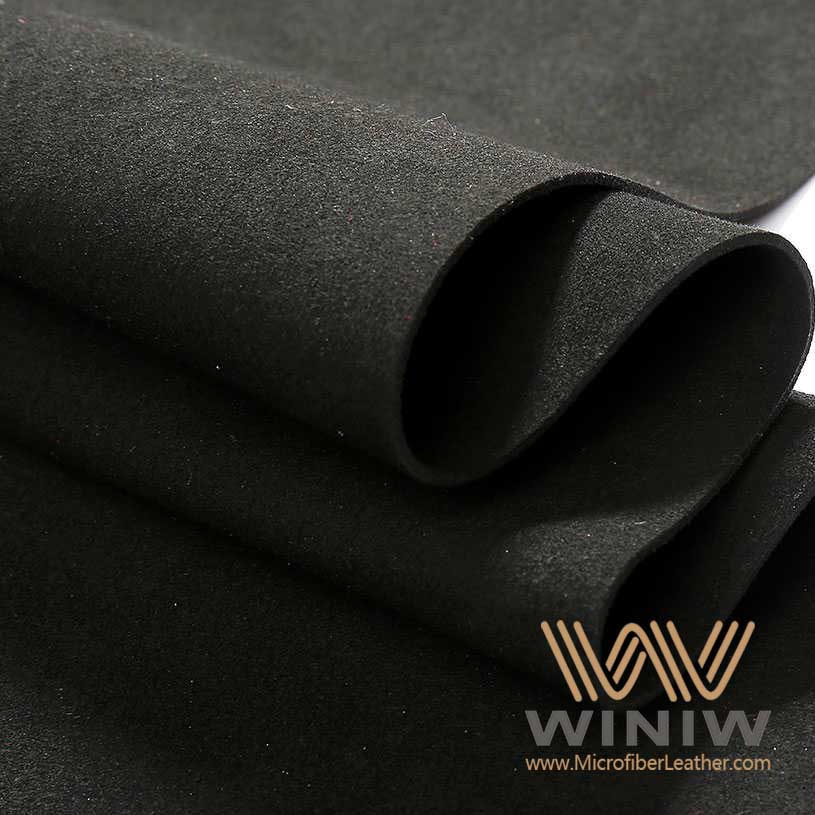
You notice how stitch bonded nonwoven stands apart from other textiles because of its unique construction. Machines use mechanical stitching to lock fibers together, which gives stitch bonded fabric impressive durability. You find high-quality stitch bonded fabrics suitable for demanding applications. These key properties show the advantages of stitch bonding over traditional non-woven fabric and stitch bond nonwoven.
What Makes Stitch Bonded Nonwoven Fabric Unique
- Stitch bonded nonwoven fabric combines the best features of nonwoven and knitted textiles, offering durability, softness, and breathability.
- The mechanical stitching process enhances strength and flexibility, making stitch bonded nonwovens suitable for demanding applications in various industries.
- Choosing stitch bonded nonwovens can lead to cost savings and reliable performance, making them a smart choice for projects requiring high-quality materials.
What Is Stitch Bonded Nonwoven?
Stitch bonded nonwoven stands out in the textile world because of its special construction. You see this fabric created by stitching or knitting fibers and yarns through a fibrous mat. This process uses needles to interlock the fibers, giving the material a look and feel similar to knit fabrics. Unlike traditional nonwoven materials, stitch bonded nonwoven combines the best features of both nonwoven and knitted fabrics. You get a fabric that feels soft, looks unique, and performs well in many demanding situations.
Stitch Bonded Fabric vs. Other Fabrics
When you compare stitch bonded nonwovens to woven, knitted, or other nonwoven fabrics, you notice clear differences. Traditional woven and knitted fabrics use yarns that are spun and then woven or knitted into a structured pattern. This gives them high stability and resilience. Nonwoven fabrics, on the other hand, are made by entangling, felting, or bonding fibers together. They often have a less organized structure and can separate more easily.
Stitch bonded nonwovens use a different approach. You find that the fibers are not spun into yarn first. Instead, the fabric forms when needles stitch fibers directly through a web, locking them in place. This method creates a fabric that is both strong and flexible. The production process also takes fewer steps than weaving or knitting, which makes stitch bonded nonwoven more efficient to produce.
Tip: Stitch bonded nonwovens often resemble corduroy or other textured fabrics, making them easy to recognize by touch and sight.
You can also look at how different bonding methods affect the final product:
- Mechanical Stitching: Uses needles and thread to create stitches that hold fibers together. This method gives the fabric extra strength and a unique texture.
- Chemical Bonding: Uses adhesives to bond fibers. This can make the fabric stronger and reduce drying time.
- Thermal Bonding: Uses heat to bond thermoplastic fibers. This method is common in lightweight and disposable products.
Stitch bonded nonwovens rely on mechanical stitching, which sets them apart from other nonwoven types that use glue or heat.
Key Features of Stitch Bonded Nonwovens
You notice several features that make stitch bonded nonwovens unique. The stitching process creates a fabric with a special structure and appearance. Here is a table that highlights some of the most important characteristics:
| Characteristic | Description |
|---|---|
| Strength | Interlocking stitches spread stress evenly, making the fabric durable. |
| Softness | No heat or glue means the fabric stays soft to the touch. |
| Breathability | Stitch patterns create tiny pores, allowing air and moisture to pass through. |
These features give stitch bonded nonwovens several performance benefits:
| Performance Benefit | Description |
|---|---|
| Durability and Strength | The stitching process creates a robust fabric that can handle stress and wear. |
| Dimensional Stability | The fabric keeps its shape even under pressure or in tough environments. |
| Breathability | You get good air flow, which helps prevent mold and keeps the fabric comfortable. |
| Increased Tensile Strength | Mechanical stitching boosts the fabric’s resistance to tearing and stretching. |
You can use stitch bonded nonwovens in many ways because of these features. The fabric works well in industries that need strong, breathable, and stable materials. You find it in products like mattress covers, automotive interiors, and geotextiles. The unique combination of softness, strength, and breathability makes stitch bonded nonwoven a smart choice for many applications.
Stitch Bonding Process and Manufacturing
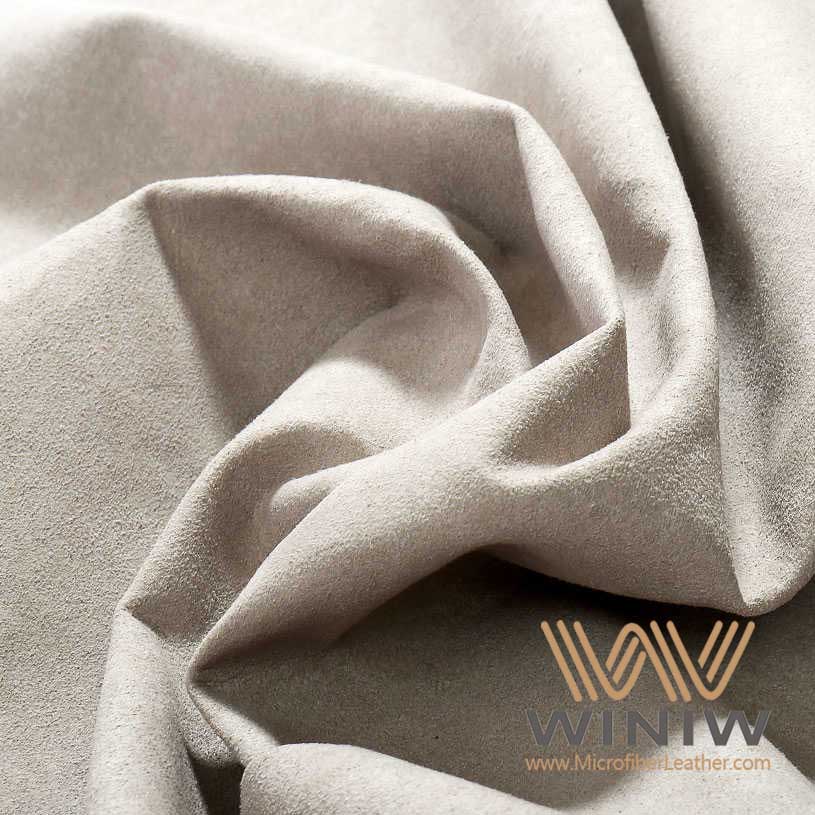
Manufacturing Process Overview
You can understand the stitch bonding process by looking at its main steps. Each step shapes the final fabric and its unique properties. The manufacturing process for stitch bonded nonwovens follows a clear sequence:
- Web Formation: You start by creating a loose web of fibers. This web can form through dry laid, wet laid, or polymer laid methods. The choice of method affects the texture and strength of the finished fabric.
- Web Bonding: Next, you use the stitch bonding process to interlock the fibers. Industrial knitting machines, such as MALIVLIES, MALIWATT, and KUNIT/MULTIKNIT, play a key role here. These machines use needles and yarns to stitch through the fiber web, locking everything in place. This step gives stitch bonded nonwovens their signature strength and flexibility.
- Fabric Finishing: In the final step, you finish the fabric to enhance its properties. Finishing can include treatments for softness, water resistance, or color. This step prepares the fabric for its intended use.
Note: The stitch bonding process stands out because it uses mechanical stitching instead of glue or heat. This method creates a fabric that balances durability, breathability, and softness.
You can see how different machines contribute to the manufacturing process in the table below:
| Machine Name | Configuration | Machine Gauge | Fibre Fineness | Working Width | Working Speed | Basis Weight Range |
|---|---|---|---|---|---|---|
| Stitch bonding machine (MALIVLIES) | Direct feed from cross lapper Nonwoven line 2 | F18 | 1 to 10 dtex | 1000 to 2000 mm | max. 3 m/min | 80 – 500 gsm |
| Stitch bonding machine (MALIWATT) | Stand-alone machine with web feeding from roll | F1 to F18 | 1 to 10 dtex | up to 2000 mm | max. 4 m/min | 80 – 500 gsm |
| Stitch bonding machine (KUNIT/MULTIKNIT) | Two-stage machine system with direct feed of lengthwise orientated fibre web from nonwoven line 1 or 2 | 600 und 1600 mm | 1 to 10 dtex | max. 2 m/min | 120 – 600 gsm |
You find that these machines allow for a wide range of fabric weights and textures. The stitch bonding process can adapt to different needs, making it suitable for many industries.
Quality control is essential in the manufacturing process. You might see on-site audits, ISO 9001 certification checks, and statistical process control. Factories often require third-party lab reports for colorfastness and chemical content. They also test adhesive bonding strength and confirm roll hardness. These steps ensure that stitch bonded nonwovens meet strict standards for performance and safety.
Recent advancements in manufacturing have improved the stitch bonding process. Materials science innovations now allow you to use advanced polymers and biopolymers. These materials increase durability and flexibility. Digital technologies, such as IoT devices and machine learning, help monitor production and maintain quality in real time.
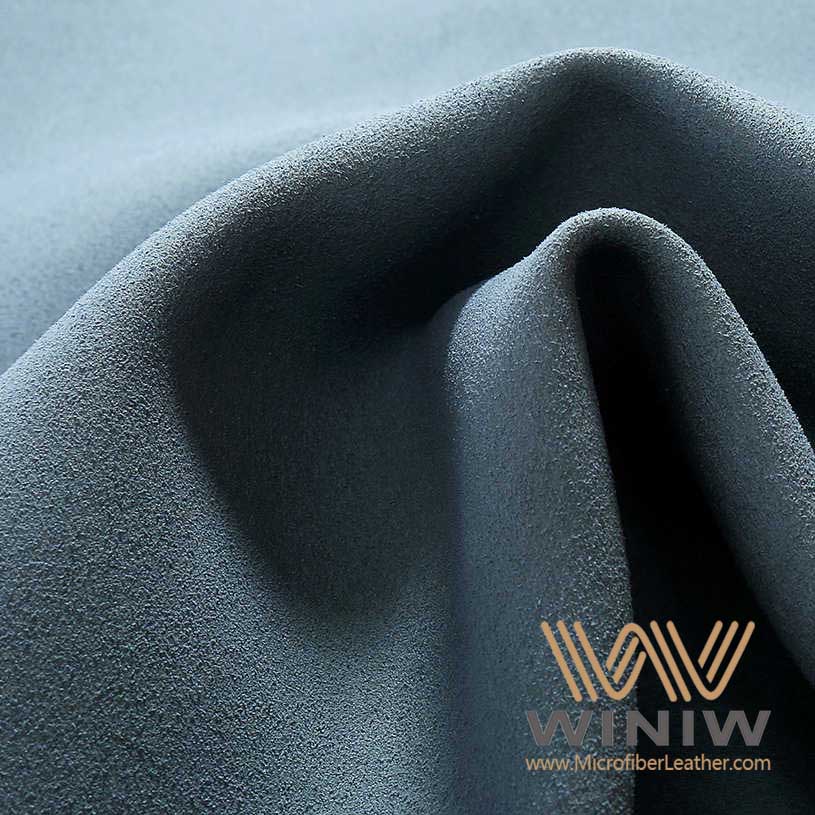
Materials Used in Stitch Bonded Nonwovens
You have many options when choosing materials for stitch bonded nonwovens. The selection of fibers and yarns affects the fabric’s properties and performance. Here is a table showing the most common types:
| Fiber/Yarn Type | Description |
|---|---|
| Polyester | Commonly used for durability |
| Cotton | Known for softness and comfort |
| Kevlar | Offers high strength and resilience |
Polyester staple fibers and filaments are especially popular in the stitch bonding process. You benefit from their superior tensile strength and smoothness. Filament fibers are long and continuous, making them ideal for high-performance applications. Staple fibers are shorter and often blended with natural fibers to boost fabric strength.
The use of polyester in stitch bonded nonwovens leads to impressive results:
| Property | Polyester Stitchbond Nonwoven | Spunbond Fabric |
|---|---|---|
| Durability | Lasts 2–3 times longer | Standard lifespan |
| Strength-to-Weight Ratio | 150N/5cm for 100g/m² | Equivalent to 200g/m² |
You can see that polyester-based stitch bonded nonwovens last longer and offer a better strength-to-weight ratio than many alternatives.
Sometimes, you may want to enhance the properties of the fabric further. The application of adhesives or glues can help. Adhesive bonding serves as a practical alternative to sewing, especially for nonwoven polyester fabrics. The right adhesive increases flexibility and durability. The composition and method of application influence the final fabric’s strength, heat resistance, and hygiene.
Tip: The choice of fiber, yarn, and bonding method lets you customize stitch bonded nonwovens for specific uses. You can create fabrics that are soft, strong, or even resistant to chemicals and heat.
The stitch bonding process and careful material selection give you control over the final product. You can tailor the manufacturing process to produce fabrics with the exact properties your application requires.
Properties and Advantages of Stitch Bonded Fabric
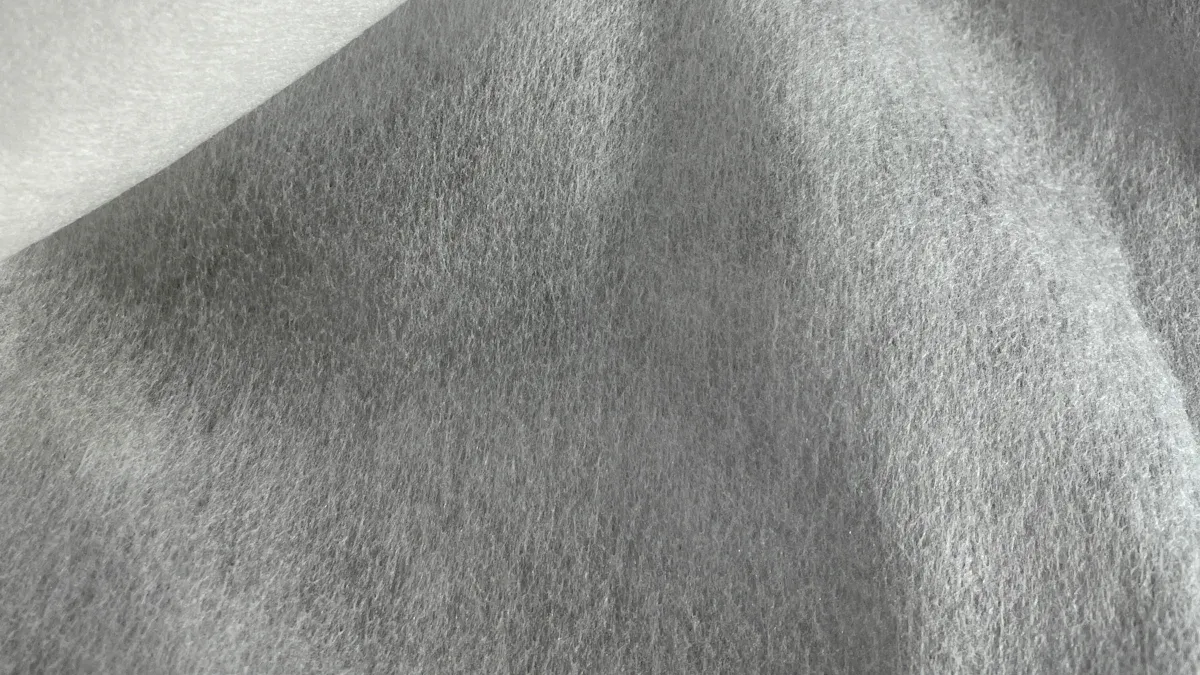
Durability and Strength
You can rely on stitch bonded nonwovens for impressive strength and durability. The stitch bonding process locks fibers together, creating a fabric that resists tearing and stretching. This makes it stand out among textiles. When you look at laboratory tests, you see high tensile strength and elongation values:
| Specimen | Direction | Ultimate Tensile Strength (MPa) | Elongation (%) |
|---|---|---|---|
| S1 | MD | 5.4 ± 0.4 | 135 ± 7 |
| S5 | MD | 13.5 ± 0.6 | N/A |
| S1 | CMD | 3.4 ± 0.3 | 153 ± 8 |
| S5 | CMD | 5.6 ± 0.3 | N/A |
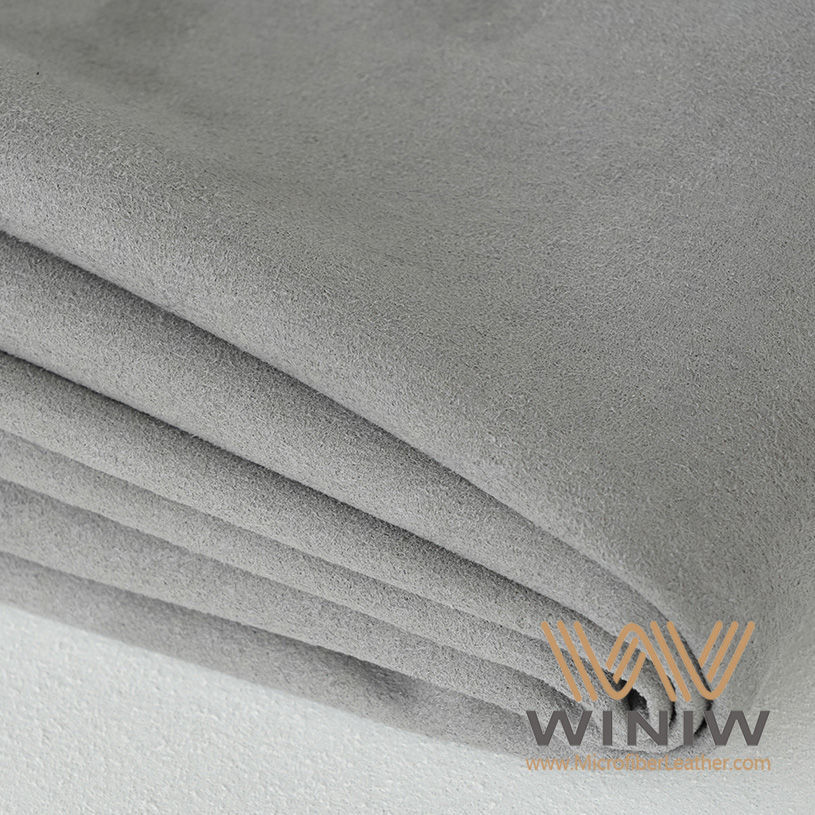
You notice that the mechanical interlocking from stitch bonding gives these textiles high tear resistance. Fabrics like Kovenex show minimal fiber migration, which helps them stay strong even after repeated use.
Versatility and Applications
Stitch bonded nonwovens adapt to many uses. The unique structure from stitch bonding gives you flexibility, breathability, and lightweight performance. You find these textiles in both technical and consumer products. Here are some common applications:
| Industry | Applications |
|---|---|
| Automotive | Upholstery, interior components |
| Construction | Geotextiles, building materials |
| Apparel | Clothing, protective gear |
You also see stitch bonded nonwovens in healthcare, crafting, and manufacturing. Their adaptability comes from the combination of strength and durability with a lightweight profile.
- Stitch bonding allows for superior breathability and fluid management.
- You can use these textiles in demanding environments where other fabrics might fail.
Cost-Effectiveness
You benefit from the cost-effectiveness of stitch bonded nonwovens. The average cost per square meter is lower than many woven textiles:
| Fabric Type | Average Cost per Square Meter |
|---|---|
| Stitch Bonded Nonwoven | $1.79 – $2.11 |
| Other Nonwoven Fabrics | $0.50 – $2.00 |
| Woven Fabrics | $2.00 – $20.00 |
Large-scale production in regions with strong supplier networks, like China, helps keep costs down. Raw materials and energy make up most of the cost, so efficient sourcing and manufacturing boost savings. Stitch bonding also supports easy processing and recycling, making these textiles a smart choice for sustainable applications.
Tip: You can choose stitch bonded nonwovens for projects that need reliable performance, flexibility, and cost savings.
You see stitch bonded nonwoven fabric offers strength, flexibility, and cost savings. Customers rate these fabrics highly for quality and reliability.
- The market expects a 5.6% annual growth rate through 2029, driven by healthcare, automotive, and construction.
- Fiber innovations open new uses in smart textiles and medical fields, promising a bright future.
FAQ
What makes stitch bonded nonwoven fabric different from regular nonwovens?
You see that stitch bonded nonwovens use mechanical stitching, not glue or heat. This gives you extra strength, flexibility, and a unique texture.
Can you wash stitch bonded nonwoven fabric?
You can wash most stitch bonded nonwovens. Always check the care label. These fabrics resist tearing and hold their shape after washing.
Where do you use stitch bonded nonwoven fabric most often?
You find stitch bonded nonwovens in mattress covers, automotive interiors, geotextiles, and protective clothing. Their strength and breathability make them popular in many industries.