

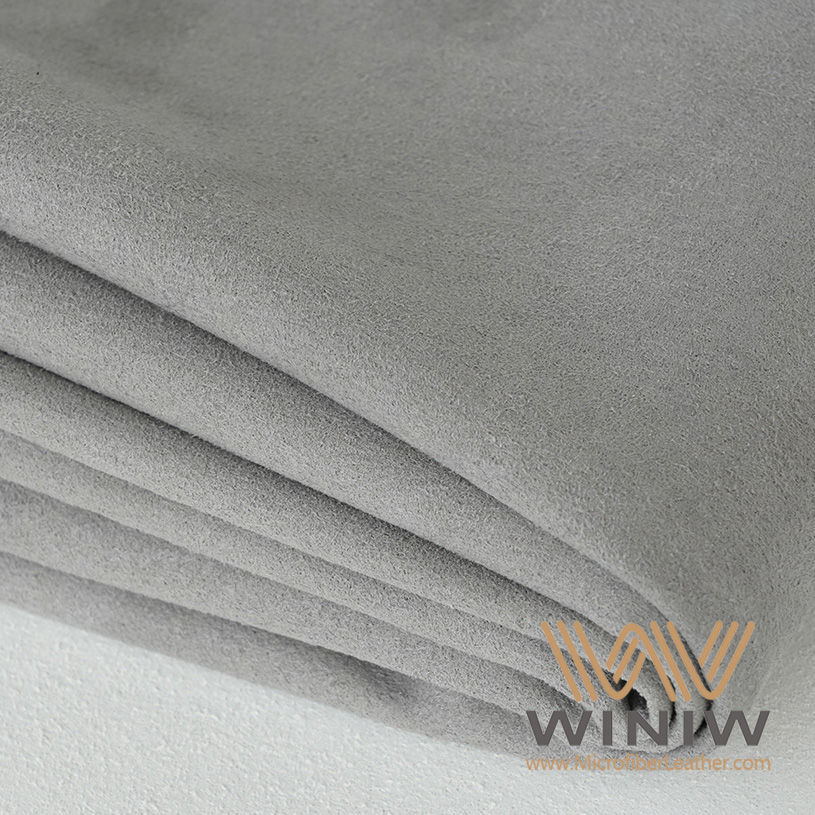
You encounter polyester nonwoven fabric in many products every day. This material uses polyester fibers and does not require weaving or knitting. It stands out for durability and adaptability.
| Characteristic | Description |
|---|---|
| High Tensile Strength | Withstands stress in demanding uses |
| Excellent Abrasion Resistance | Resists wear and tear |
| Customizable Weight/Thickness | Fits various needs |
| Engineered Performance | Offers breathability and moisture-wicking |
What Is Polyester Nonwoven Fabric and How Is It Made
- Polyester nonwoven fabric is strong, durable, and versatile. It is made from polyester fibers without weaving or knitting, making it suitable for many products.
- The manufacturing process of polyester nonwoven is efficient and customizable. It uses advanced bonding methods to create fabrics with specific properties like moisture resistance and breathability.
- You can find polyester nonwoven in various industries, including healthcare, automotive, and agriculture. Its recyclability and adaptability make it a smart choice for sustainable solutions.
What Is Polyester Nonwoven Fabric
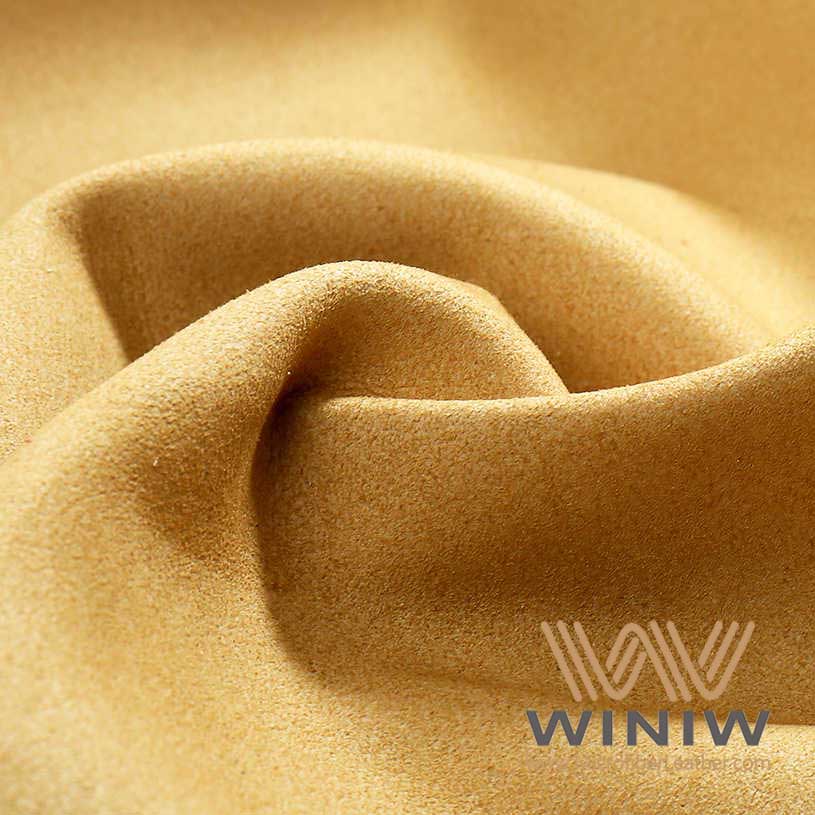
Key Characteristics of Polyester Nonwoven Fabric
You find polyester nonwoven fabric in many products because it combines strength, versatility, and adaptability. Manufacturers create this material from polyester fibers, often using 100% polyester filament or blends. Unlike traditional fabrics, you do not see weaving or knitting in its production. Instead, the fibers bond together through mechanical, thermal, or chemical methods.
When you look at the key features of polyester nonwoven, you notice several important properties:
| Property | Description |
|---|---|
| Strength and Durability | High tensile strength and resistance to tearing and abrasion. |
| Dimensional Stability | Maintains shape and structure under stress and various environmental conditions. |
| Resistance to Chemicals and Moisture | Resistant to many chemicals, mildew, and moisture, suitable for various applications. |
| Versatility | Can be engineered for specific properties like softness or stiffness. |
| Recyclability | Can be made from recycled polyester, contributing to sustainability efforts. |
You benefit from these features in everyday items. Polyester nonwoven stands out for its ability to maintain shape, resist damage, and adapt to different uses. You also see it used in sustainable products because manufacturers can recycle polyester fibers.
If you compare polyester nonwoven to other types of non-woven fabrics, you notice differences in stability, heat resistance, and breathability:
| Property | Polyester (PET) | Polypropylene (PP) |
|---|---|---|
| Stability | Superior stability, strong, wear-resistant | Lower stability, less durable |
| Heat Resistance | Can withstand up to 230 °C | Shrinks at 140 °C |
| Anti-aging Properties | Higher resistance to insects, abrasion, and UV | Lower resistance |
| Breathability | Excellent gas permeability, no water absorption | Lower breathability |
You choose polyester nonwoven when you need a fabric that stays strong under heat, resists aging, and allows air to pass through.
Non-Woven Fabric vs. Woven and Knitted Fabrics
You might wonder how polyester nonwoven fabric differs from woven and knitted fabrics. The main difference lies in the structure and bonding methods. You see that woven and knitted fabrics use yarns that interlace or loop together. In contrast, nonwoven fabrics use fibers that bond without weaving or knitting.
| Fabric Type | Production Method | Characteristics | Applications |
|---|---|---|---|
| Nonwoven Fabrics | Fewer production steps, faster production speed (100 to 400 yards per minute) | Lighter, weaker, less durable, not suitable for durable clothing applications | Ideal for single-use products like wipes, medical products, etc. |
| Woven Fabrics | More complex production on a loom, slower production speed (0.5 to 6 yards per minute) | Stronger, more structurally sound, suitable for clothing | Used for items like shirts, dresses, and sweaters |
You notice that nonwoven fabrics, including polyester nonwoven, offer faster production and lower cost. You often find them in disposable products or items that require specific engineered properties.
The bonding methods also set polyester nonwoven apart:
| Fabric Type | Bonding Methods |
|---|---|
| Polyester Nonwoven | Hydroentanglement, Thermal bonding, Ultrasonic bonding |
| Woven and Knitted | Weaving and knitting processes only |
You see that polyester nonwoven fabric uses advanced bonding techniques. These methods allow you to create fabrics with unique properties, such as softness, stiffness, or moisture resistance. You do not rely on traditional weaving or knitting, which gives you more flexibility in design and function.
Tip: When you select a fabric for a project, consider the structure and bonding method. Polyester nonwoven fabric gives you options for strength, breathability, and quick production.
You now understand that polyester nonwoven fabric stands out because of its composition, bonding methods, and engineered properties. You can use it in many applications where traditional fabrics may not perform as well.
How Is Polyester Nonwoven Fabric Made
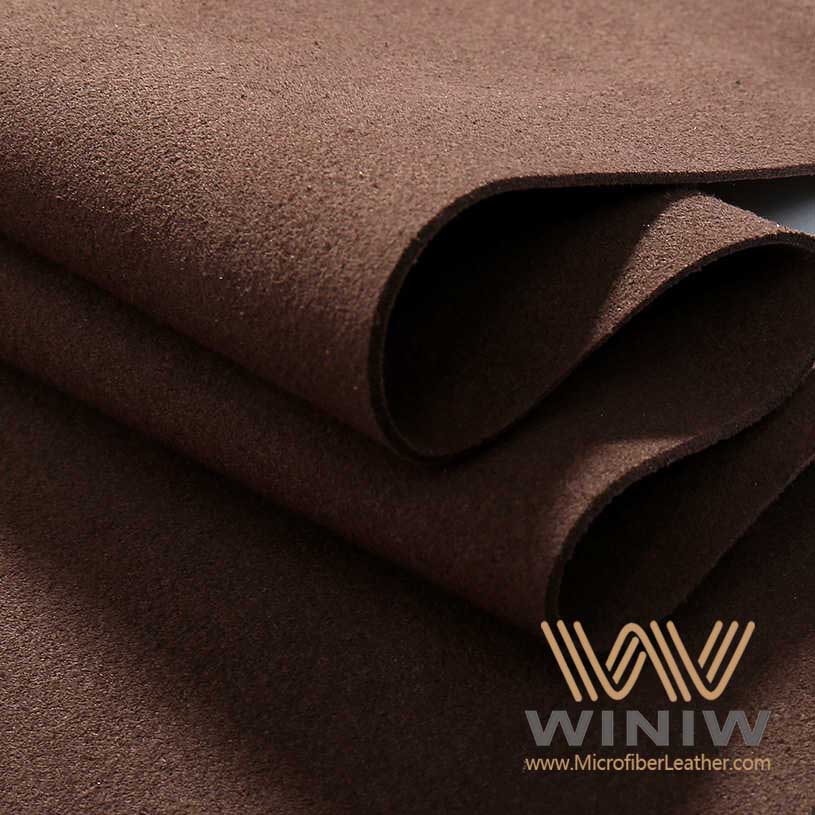
Understanding how is polyester nonwoven fabric made helps you appreciate its unique qualities and wide range of uses. The process stands apart from traditional textile manufacturing because it skips weaving and knitting. Instead, you see a streamlined approach that focuses on efficiency, customization, and performance.
Fiber Preparation and Web Formation
You start with the building blocks. Manufacturers select high-quality synthetic polymers, with polyester being the most common choice. The journey from raw material to fiber involves several key steps:
- Raw Material Selection: You choose polyester chips or pellets as the base material. The identity of the nonwoven depends on this choice.
- Polymer to Fiber Transformation: The polyester melts and passes through a spinneret, forming continuous filaments or staple fibers.
- Fiber Processing: You use carding or air laying to separate and orient the fibers, preparing them for the next stage.
- Web Formation: The processed fibers arrange into a flat sheet or web. You can use several techniques for this step:
| Technique | Description |
|---|---|
| Dry-laid | Fibers lay down in a dry state, ideal for hygiene and medical products. |
| Wet-laid | Fibers suspend in water, then form a web, similar to papermaking. |
| Spunmelt | Continuous filaments create a web through melt spinning, often used in filtration and hygiene items. |
| Electrospinning | Electrostatic forces produce ultra-fine fibers for specialized applications. |
Each method gives you control over the thickness, texture, and performance of the polyester nonwoven. You can tailor the web to meet specific requirements for strength, softness, or filtration.
Bonding Methods in Nonwoven Fabrics
Once you form the web, you need to bond the fibers together. This step determines the strength, durability, and feel of the final polyester nonwoven. You can choose from several bonding methods:
- Mechanical Bonding:
- Frictional bonding relies on the natural grip between fibers.
- Needling or needle punching uses barbed needles to entangle fibers, increasing strength.
- Stitch bonding adds rows of stitches for extra reinforcement.
- Thermal Bonding:
- You apply heat to thermoplastic fibers, causing them to fuse at contact points. Techniques include hot calendering, air bonding, and ultrasonic bonding. This method creates a uniform, durable structure.
- Chemical Bonding:
- Chemical adhesives like latex or synthetic rubber bind the fibers. You can apply these adhesives by impregnation, coating, or spraying. This approach lets you customize properties such as water repellency or softness.
The bonding method you select has a direct impact on the fabric’s performance:
| Bonding Method | Effect on Strength and Durability |
|---|---|
| Chemical Bonding | Provides good tensile strength and durability. Customizable properties like water repellency and softness. |
| Thermal Bonding | Creates strong, durable fabrics with consistent performance. Ensures a uniform structure. |
You see that these advanced bonding techniques set polyester nonwoven apart from traditional textiles. The process uses hot pressing and bonding technology, which eliminates the need for weaving. This makes production up to 300% faster and reduces costs by over 40%. You benefit from a fabric that is both efficient to produce and highly customizable.
Finishing and Final Properties
After bonding, you move to the finishing stage. Here, you enhance the polyester nonwoven fabric to meet specific needs. Common finishing treatments include calendaring, which smooths and compacts the fabric, and dyeing, which adds color. You can also apply finishes that improve water resistance, flame resistance, or antimicrobial qualities.
These treatments have a significant impact on the final performance:
| Property | Impact of Finishing Treatments |
|---|---|
| Antibacterial | Enhanced antibacterial property |
| Hydrophilicity | Improved hydrophilicity |
| Lipophilicity | Enhanced lipophilicity |
| Antistatic Property | Improved antistatic property |
| High Temperature Resistance | Enhanced high temperature resistance |
| Wear Resistance | Improved wear resistance |
| Water Repellency | Enhanced water repellency |
You can also add patterns or branding through printing. The finishing stage allows you to create polyester nonwoven that meets strict industry standards for hygiene, safety, and durability.
Note: The unique manufacturing process of polyester nonwoven fabric gives you a material that is fast to produce, cost-effective, and highly adaptable. You do not need to rely on weaving or knitting, which opens up new possibilities for design and function.
You may face challenges such as fluctuating raw material prices, environmental regulations, and competition from alternative fibers. However, ongoing innovations—like smart textiles, biodegradable materials, and advanced filtration—continue to expand what you can achieve with polyester nonwoven.
Features and Applications of Polyester Nonwoven
Advantages of Polyester Nonwoven Fabric
You benefit from polyester nonwoven because it combines strength, flexibility, and cost savings. This material stands out for its lightweight feel and impressive durability. You can see how it compares to other materials in the table below:
| Feature | Description |
|---|---|
| Lightweight and Strong | Offers excellent strength-to-weight ratio. |
| Durable | Resistant to tearing, stretching, and wear. |
| Water-Resistant or Absorbent | Can be engineered for specific moisture-handling properties. |
| Customizable | Adaptable to various thicknesses, textures, and functionalities. |
| Eco-Friendly Options | Can be made from recycled polyester fibers, contributing to sustainability. |
You also save money because polyester nonwoven uses a simpler manufacturing process. This process reduces energy and resource use, making it a cost-effective choice for many industries.
| Advantage | Description |
|---|---|
| Durability | Non woven polyester fabric is resistant to tearing and puncturing, ensuring longer product life. Reduces replacement costs. |
| Cost-Effectiveness | Non-woven polyester fabric has emerged as a cost-effective solution in various manufacturing processes, leading to reduced costs associated with labor, water, and energy. |
Tip: When you need an effective barrier against bacteria, polyester nonwoven provides reliable protection, especially in medical and hygiene products.
Main Uses Across Industries
You find polyester nonwoven in a wide range of industries. Its versatility allows you to use it for everything from healthcare to agriculture.
- Medical and Hygiene: You rely on polyester nonwoven for surgical masks, gowns, wound dressings, and disposable hygiene products. These items need breathability and an effective barrier against bacteria.
- Automotive: You see it in vehicle interiors for sound insulation, filtration, and comfort.
- Construction: You use it as geotextile fabric for soil stabilization, drainage, and erosion control.
- Agriculture: You apply it for crop protection, thermal insulation, and energy savings.
- Telecom: You depend on its strength and dielectric properties for cable insulation and protective coverings.
- Household Products: You use it in cleaning wipes and reusable shopping bags for durability and affordability.
Polyester nonwoven adapts to your needs, whether you want a non-woven fabric for personal care, industrial filters, or advanced electronics. Its recyclability and customizable features make it a smart choice for sustainable solutions.
You now understand that polyester nonwoven fabric offers strength, versatility, and fast production. The unique process skips weaving, giving you a customizable material. You see its value in many fields:
- Consumer goods like clothing and curtains
- Healthcare products such as masks
- Protective gear for harsh conditions
- Sustainable fashion choices
Learning about polyester nonwoven fabric helps you make informed decisions in textiles.
FAQ
What makes polyester nonwoven fabric different from woven fabric?
You see no weaving or knitting in polyester nonwoven fabric. Manufacturers bond fibers directly, which gives you faster production and unique properties.
Can you recycle polyester nonwoven fabric?
Yes, you can recycle polyester nonwoven fabric. Many products use recycled polyester fibers, which helps reduce waste and supports sustainability efforts.
Is polyester nonwoven fabric safe for skin contact?
You can safely use polyester nonwoven fabric for skin contact. Medical and hygiene products often use it because it resists bacteria and feels soft.