

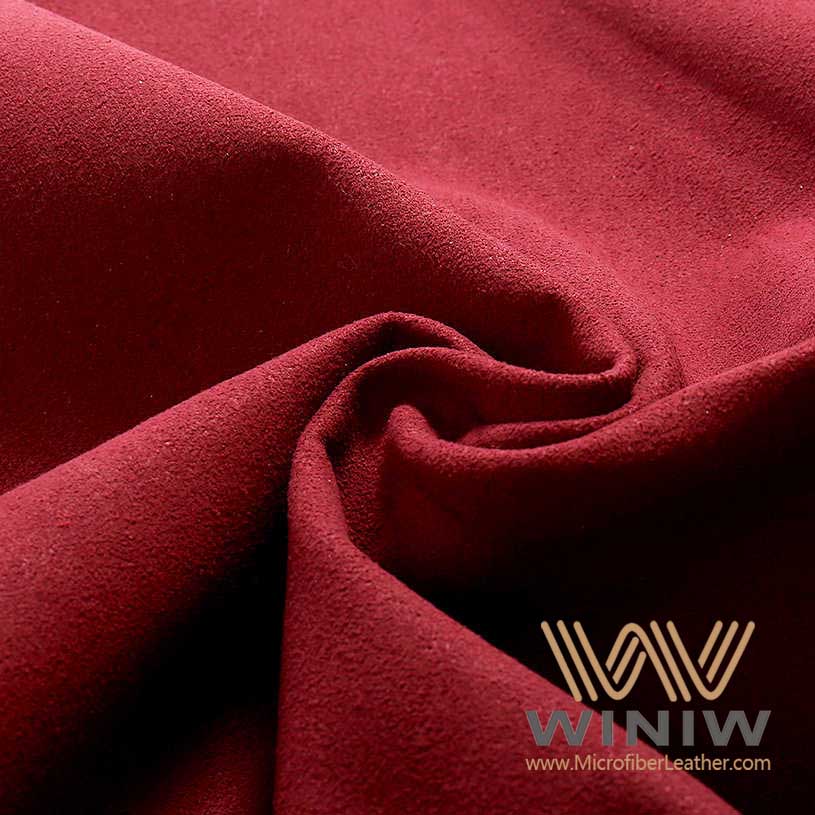
You encounter needle punched geotextile in many civil engineering projects. This nonwoven fabric stands out for its ability to separate soil layers, reinforce surfaces, filter water, and control erosion. Large investments in infrastructure, such as the U.S. and India, drive the growing use of geotextiles to improve road and flood resilience.
Key Takeaways
- Needle punched geotextile is a strong, flexible fabric used in civil engineering for soil separation, drainage, and erosion control.
- Choose the right type of needle punched geotextile based on your project needs, such as long fibers for strength or short fibers for filtration.
- Regular maintenance, like inspections and cleaning, can extend the lifespan and effectiveness of needle punched geotextile fabric.
Needle Punched Geotextile Overview
Definition Of Needle Punched Geotextile
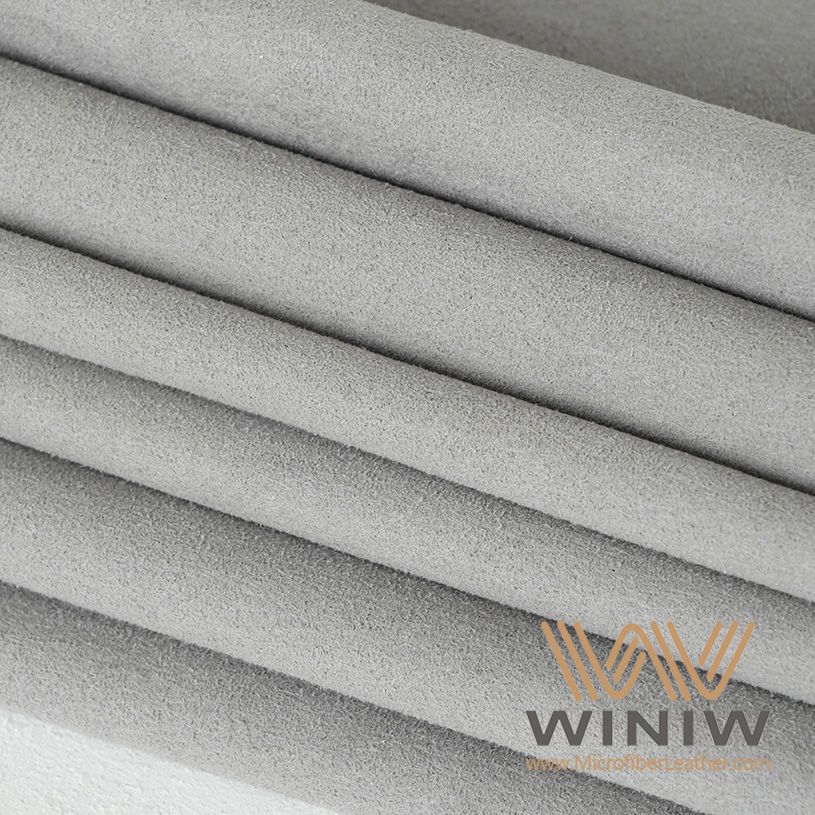
You can think of needle punched geotextile as a tough, flexible fabric made from synthetic fibers. Manufacturers design this material to handle demanding civil engineering tasks. Needle-punched nonwoven geotextiles stand out because they do not use weaving or knitting. Instead, they use a mechanical process to create a strong, durable sheet. This non-woven geotextile material allows water to pass through while keeping soil layers separate.
Needle-Punched Nonwoven Geotextiles Manufacturing
The needle punching process gives needle-punched nonwoven geotextiles their unique properties. Here’s how it works:
- Barbed needles pierce loose fibers and pull them together.
- The needles entangle the fibers, forming a dense, robust fabric.
- This method creates a structure that resists punctures and tears.
Unlike thermal or chemical bonding, needle punching uses only mechanical force. This technique produces geotextiles with high strength and excellent filtration abilities. You will find that these fabrics work well in drainage, separation, reinforcement, and filtration projects.
Key Features Of Needle Punched Geotextile Fabric
Needle-punched nonwoven geotextiles offer several important features:
- High water flow rates let water move freely while blocking soil particles.
- Dimensional stability means the fabric keeps its shape under pressure.
- Strong resistance to punctures and tears makes it reliable for tough jobs.
You can use these geotextiles for many functions. They separate different soil layers, filter water, reinforce weak ground, and protect surfaces from damage. The many types of needle punched geotextiles give you options for every project, from road building to erosion control.
Types And Applications Of Needle Punched Geotextiles
Types Of Needle Punched Geotextiles
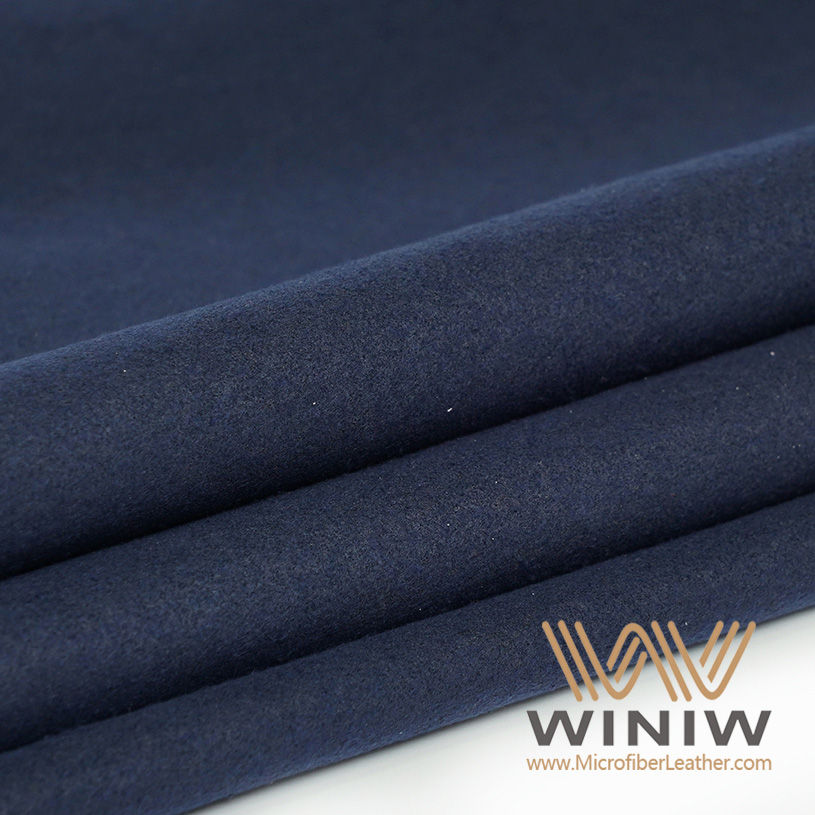
You will find several types of needle punched geotextile fabric, each designed for specific engineering needs. The main categories depend on how the fibers are arranged and the length of those fibers. You can compare woven and nonwoven types, as well as short fiber and long fiber versions.
| Type | Description |
|---|---|
| Woven | Made from interlocking fibers that are woven together. |
| Non-woven | Made from randomly oriented fibers that are bonded together. |
Most needle punched geotextile fabric falls into the nonwoven category. Manufacturers use either short fibers or long fibers to create these fabrics. The choice between short and long fibers affects the strength, stability, and best use for each type.
| Characteristic/Application | Long Fiber Geotextiles | Short Fiber Geotextiles |
|---|---|---|
| Fiber Length | Longer fibers | Shorter fibers |
| Strength and Stability | High tensile strength | Relatively low strength |
| Suitable Applications | Soil reinforcement, anti-seepage, geotechnical engineering | Filtration, drainage, soil protection, slope protection |
You should select the right needle punched geotextile fabric based on your project’s requirements. Long fiber geotextiles provide extra strength for reinforcement and anti-seepage. Short fiber types work well for filtration and drainage.
Applications Of Needle Punched Geotextiles
You will see needle punched geotextile fabric used in a wide range of civil engineering and environmental projects. These fabrics serve as a separation layer, filter, reinforcement, and protective barrier. The most common applications of needle punched geotextiles include:
- Drainage Systems: You can use geotextiles in French drains, culvert wraps, and subsurface drainage. The fabric enhances water movement and protects pipes from sediment. It also acts as a filter to prevent clogging in foundation drains, green roofs, and sports fields. This ensures effective water management and keeps drainage systems working efficiently.
- Filtration: Needle punched geotextile fabric offers high filtration effectiveness. It allows water to pass through while blocking soil particles. This makes it ideal for erosion control applications and for preventing clogging in drainage systems.
| Geotextile Type | Filtration Effectiveness | Mechanical Strength | Applications |
|---|---|---|---|
| Needle Punched | High | Moderate | Drainage, Erosion Control |
| Woven | Moderate | High | Separation, Reinforcement |
| Nonwoven | High | Low | Filtration, Clogging Resistance |
- Erosion Protection: You can rely on needle punched geotextile fabric for erosion control applications in vulnerable areas. The fabric stabilizes slopes, riverbanks, and shorelines by shielding soil from wind and water. On steep slopes, it reduces rainfall impact and supports vegetation growth. Along rivers and coasts, it protects aquatic habitats by minimizing sediment runoff.
- Pipe Wrapping: When you wrap pipes with needle punched geotextile fabric, you protect them from soil and debris. The fabric’s specifications, such as high tensile strength and water flow rate, make it suitable for this use. For example, a typical fabric might have a mass per unit area of 285 g/m², tensile strength of 10.0 KN/m, and water flow rate of 2500 L/min/m².
- Prefabricated Drains: In prefabricated drain systems, you will find geotextiles as essential components. These systems combine a filter geotextile, a drain core, and a carrier geotextile. The fabric manages drainage under pressure and shear forces, making it reliable for field conditions.
Tip: Always check regulatory standards such as ASTM D4751 for pore size and ASTM D4595 for tensile strength when selecting geotextile fabric for your project.
Common Uses In Construction And Environmental Projects
You will encounter needle punched geotextile fabric in many construction and environmental engineering projects. Here are some of the most common uses:
| Application Type | Description |
|---|---|
| Drainage Systems | Used as non-woven filter fabric to allow water passage while retaining soil. |
| Landfill Liners | Serves as cushion layers to protect and support landfill structures. |
| Stormwater Management | Helps in managing water flow and preventing erosion. |
| Roadway Subsurface Systems | Provides support and drainage in roadway construction. |
- In landfill liners and wastewater treatment facilities, you can use needle punched geotextile fabric as a protective layer for geomembrane liners. This reduces puncture risks and extends the life of the system.
- For stormwater management, the fabric helps control water flow and prevents soil erosion, supporting sustainable infrastructure.
- In roadway construction, geotextiles provide support and drainage, improving the stability and lifespan of roads.
You will also see needle punched geotextile fabric used for soil stabilization. The fabric protects vulnerable areas from wind and water erosion, distributes loads evenly, and manages hydrostatic pressure. This makes it a strong and durable fabric for both temporary and permanent installations.
| Mechanism | Contribution to Soil Stabilization |
|---|---|
| Erosion Control | Protects vulnerable areas from wind and water erosion, stabilizing surfaces and supporting vegetation growth. |
| Reinforcement | Provides high tensile strength to distribute loads evenly, enhancing stability in weak or unstable soils. |
| Drainage | Facilitates water flow while filtering fine particles, preventing clogging and managing hydrostatic pressure effectively. |
Note: Polypropylene needle punched geotextile fabric can last up to 200 years when properly installed and buried. This long-term durability makes it a preferred choice for many projects.
You will find that needle punched geotextile fabric supports environmental goals as well. It retains soil particles, provides a stable surface for plant growth, and helps restore natural landscapes. By preventing soil erosion and supporting vegetation, the fabric contributes to ecological balance and sustainable land use.
You benefit from needle punched geotextile fabric because it offers strength, filtration, and long-term durability.
- You use geotextiles for soil reinforcement, drainage, and protection in many projects.
- They help you meet sustainability goals by reducing environmental impact.
| Maintenance Practice | Impact on Performance |
|---|---|
| Regular Inspections | Extends lifespan |
| Cleaning | Maintains function |
FAQ
What is the main difference between woven and needle punched geotextile?
You will notice that woven geotextiles use interlaced fibers, while needle punched geotextiles use mechanically entangled fibers. Needle punched types offer better filtration and flexibility.
Can you cut needle punched geotextile fabric to fit your project?
Yes, you can easily cut needle punched geotextile fabric with scissors or a utility knife. Always measure and cut carefully for a proper fit.
How long does needle punched geotextile fabric last underground?
When you install it correctly and keep it buried, needle punched geotextile fabric can last over 100 years. It resists rot, mildew, and most chemicals.