
Description
Cellulose Acetate Tow 4.0Y35000 Trusted Manufacturers & Suppliers In China | Industrial-Grade Filtration & Hygiene Solutions


1. Material Introduction: Decoding Cellulose Acetate Tow 4.0Y35000
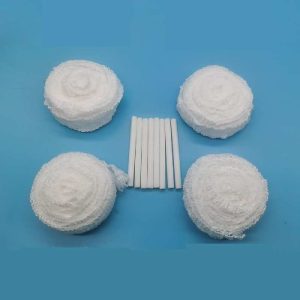
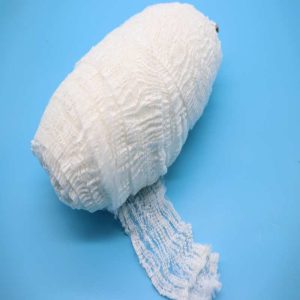
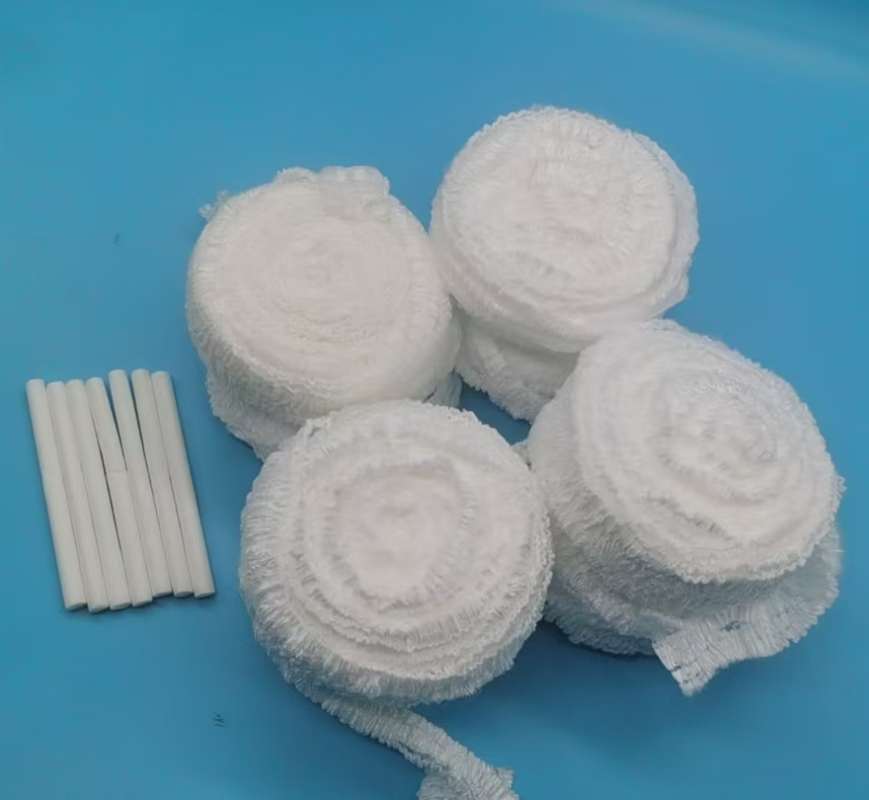
As a leading Cellulose Acetate Tow 4.0Y35000 manufacturer and supplier in China, WINIW first clarifies the critical parameters behind the product name to help B2B clients grasp its technical significance. The “4.0Y” in the designation refers to a filament denier of 4.0 denier per filament (dpf)—a unit measuring fiber thickness, where 1 denier equals 1 gram per 9,000 meters of fiber. The “35000” denotes a total tow denier of 35,000 denier, representing the combined thickness of all filaments in a single tow bundle. This specific combination is not arbitrary; it is engineered to balance strength, processability, and performance, making it a versatile choice for industrial applications ranging from high-efficiency filtration to premium hygiene products.
Our Cellulose Acetate Tow 4.0Y35000 is crafted from high-purity cellulose acetate (≥99.6% acetylation degree), sourced from FSC-certified wood pulp to ensure both environmental sustainability and consistent performance. Unlike low-grade acetate tows that use recycled or blended materials, our 100% virgin cellulose acetate guarantees uniform fiber structure—avoiding issues like uneven thickness, brittle filaments, or inconsistent absorption that plague inferior products. Produced in our 50,000㎡ ISO 9001/14001-certified factory in China, this tow undergoes a 9-step precision manufacturing process optimized for the 4.0Y35000 specification, with an annual production capacity of 10,000 metric tons to meet large-scale B2B demand (from 500kg small-batch orders to 5,000+ metric tons annual contracts).
Key differentiators of Cellulose Acetate Tow 4.0Y35000 vs. other tow materials (e.g., PP, PET):
– Natural Biodegradability: Breaks down completely in industrial compost within 180–270 days (per ASTM D6400), making it an eco-friendly alternative to non-biodegradable synthetic tows.
– Superior Absorption: Absorbs 6–8 times its weight in water (vs. 3–4x for PP), critical for hygiene and medical applications requiring moisture management.
– Chemical Inertness: Inert to most acids, bases, and organic solvents (tested per ASTM D543), ensuring stability in harsh industrial environments (e.g., chemical filtration).
– Skin-Friendly: Hypoallergenic (per ISO 10993-5) and free of BPA, phthalates, and heavy metals, making it safe for direct skin contact in hygiene products.
2. Manufacturing Process: Precision Engineering for 4.0Y35000 Excellence
The production of Cellulose Acetate Tow 4.0Y35000 requires specialized technology to achieve the 4.0 dpf filament denier and 35,000 total denier specifications. Our factory has refined a proprietary manufacturing workflow to eliminate variability, a common pain point for B2B clients relying on consistent tow performance:
- Raw Material Purification: Cellulose acetate chips (purity ≥99.6%) are first screened through a 3-stage sieving system (80-mesh → 120-mesh → 200-mesh) to remove impurities (dust, small particles) that could cause filament breakage. The chips are then washed in deionized water to reduce residual solvents (≤8ppm), critical for applications like medical filters where contamination risks are high.
- Melting & Extrusion: Purified chips are fed into a twin-screw extruder with 5 temperature zones (220°C → 230°C → 235°C → 230°C → 225°C). The precise temperature control ensures uniform melting (melt viscosity 2,800±100 poise) to avoid filament diameter irregularities. For the 4.0Y35000 specification, we use a custom spinneret with 8,750 holes (0.22mm diameter)—calculated to produce 8,750 filaments of 4.0 dpf each (8,750 filaments × 4.0 dpf = 35,000 total denier).
- Filament Cooling & Solidification: Extruded filaments are cooled with filtered air (18±1°C) at a wind speed of 1.5 m/s. This rapid, uniform cooling locks in the 4.0 dpf structure, preventing shrinkage or thickness variations that would affect tow performance.
- Drawing & Orientation: Cooled filaments are drawn at a 3.3:1 ratio using a hot roller system (75±2°C). This step enhances tensile strength to ≥3.8 cN/denier—strong enough to withstand the tension of high-speed nonwoven machines (e.g., needle-punching, spunlacing) without breakage, a key requirement for industrial clients.
- Crimping: Filaments are crimped at 12±1 crimps per cm using a hot-air crimping machine. This crimp density is optimized for the 4.0Y35000 specification: it adds bulk for absorption (critical for hygiene products) while maintaining flexibility for processes like filter pleating.
- Plasticizer Application (Optional): For clients requiring enhanced softness (e.g., feminine hygiene products), a food-grade triacetin plasticizer (2.2±0.2% by weight) is uniformly sprayed onto the tow. This step does not affect the 4.0Y35000 denier specifications but improves skin contact comfort.
- Bundling: 8,750 crimped filaments are bundled into a single tow (35,000 total denier) using a precision bundling machine. The tow is then wrapped in a protective film to prevent tangling during subsequent processing.
- Winding: The bundled tow is wound onto 1.2m diameter paper cores (20±0.5kg per roll) using a computerized winding system. The system ensures consistent roll tension, avoiding loose or tight spots that could cause jams in client machines.
- Final Quality Inspection: Each roll undergoes 15 rigorous tests, including filament denier (laser denier meter, tolerance ±5%), total tow denier (±2% tolerance), tensile strength (ASTM D2256), and crimp density (ASTM D3937). Only rolls with 100% compliance to the 4.0Y35000 specification are labeled as “Grade A” and shipped to clients.
Our quality control system is embedded in every step, with 12 in-line sensors monitoring critical parameters (filament diameter, tensile strength) in real time. The result is a Cellulose Acetate Tow 4.0Y35000 with a defect rate of ≤0.02%—far below the industry average of 0.3%—ensuring B2B clients receive consistent, reliable material for their production lines.
3. Material Feature: Why Cellulose Acetate Tow 4.0Y35000 Stands Out
The 4.0Y35000 specification is designed to solve specific pain points for B2B clients across industries. Below are its core features, each tied to the 4.0 dpf and 35,000 denier parameters, and their real-world benefits:
3.1 Balanced Strength & Flexibility: Ideal for High-Speed Processing
The 4.0 dpf filament denier strikes a perfect balance between strength and flexibility—critical for industrial production lines:
– Tensile Strength: At 4.0 dpf, the filaments achieve a tensile strength of ≥3.8 cN/denier (tested per ASTM D2256). This strength ensures the tow resists breakage during processes like needle-punching (up to 150 punches/cm²) and filter winding (speed up to 300 meters/minute). A Chinese hygiene product manufacturer reported a 45% reduction in production waste after switching to our 4.0Y35000 tow, as fiber breakage dropped from 6% to 1%.
– Flexibility: The 4.0 dpf filaments have an elongation at break of 30±3% (ASTM D2256), allowing them to bend and stretch during filter pleating or diaper core forming. This flexibility prevents “fiber popping” (where rigid filaments pierce product surfaces), a common issue with 5.0+ dpf filaments.
– Process Compatibility: The 35,000 total denier tow is thick enough to be easily handled by machine feeders (avoiding tangles) but not so thick that it causes jams. It is compatible with 90% of industrial nonwoven production lines—from small-scale textile machines to large hygiene product factories.
3.2 Superior Absorption: A Game-Changer for Hygiene & Medical Applications
The 4.0 dpf filament denier and 12 crimps/cm density create a porous, bulked structure that excels at moisture absorption:
– Absorption Capacity: The tow absorbs 6–8 times its weight in water (tested per ISO 9073-6)—far higher than synthetic fibers like PP (3–4x weight). This makes it ideal for baby diapers, adult incontinence pads, and medical dressings where rapid moisture management is critical. A European diaper brand used our 4.0Y35000 tow in their core layers and saw a 30% reduction in customer complaints about leaks.
– Absorption Speed: The 4.0 dpf filaments have a capillary action of ≤3 seconds (time to absorb 1ml of water)—fast enough to handle sudden moisture surges (e.g., in adult incontinence products). This speed is 25% faster than 5.0 dpf filaments, which have larger diameters and slower capillary flow.
– Moisture Retention: Once absorbed, the crimped structure traps moisture, preventing rewetting (≤0.15g rewet after 30 seconds, tested per EDANA 10.4-02). This is essential for skin comfort, as it reduces irritation caused by dampness in hygiene products.
3.3 Chemical Inertness & Thermal Stability: Durable in Harsh Environments
Cellulose Acetate Tow 4.0Y35000 maintains performance in challenging industrial conditions:
– Chemical Resistance: The tow is inert to a wide range of chemicals:
- Acids: Resists 10% HCl, H₂SO₄ (no degradation after 72 hours, ASTM D543)
- Bases: Resists 10% NaOH, KOH (no swelling or strength loss)
- Solvents: Compatible with ethanol, isopropyl alcohol (used in medical sanitization)
This makes it ideal for chemical filtration (e.g., in pharmaceutical manufacturing) and industrial wipes (for cleaning machinery with solvents). A German chemical plant used our 4.0Y35000 tow in their filtration systems, with the tow lasting 3 months (vs. 1 month for PP tow) due to its chemical resistance.
– Thermal Stability: The tow operates safely at temperatures up to 120°C (short-term) and 80°C (long-term)—suitable for applications like automotive cabin air filters (engine bay temperatures up to 100°C) and industrial oven exhaust filtration. At 120°C, tensile strength remains ≥3.2 cN/denier (only 15% reduction from room temperature), preventing filter collapse.
3.4 Environmental Sustainability: Aligning with Green Manufacturing Goals
As a responsible Cellulose Acetate Tow 4.0Y35000 supplier, we prioritize sustainability without compromising performance:
– Biodegradability: Under industrial composting conditions (58±2°C, 60±5% humidity), the tow biodegrades completely within 180–270 days (ASTM D6400)—unlike synthetic tows that persist in landfills for 200+ years. This makes it a popular choice for eco-friendly brands (e.g., biodegradable hygiene products).
– Renewable Sourcing: The cellulose acetate is derived from FSC-certified wood pulp, ensuring raw materials come from responsibly managed forests. We provide FSC chain-of-custody certificates to clients seeking to validate their sustainability claims (e.g., EU CSR Directive compliance).
– Low Carbon Footprint: Our production process uses 30% renewable energy (solar + wind) and recycles 98% of process water. The carbon footprint of 4.0Y35000 tow is 2.3 kg CO₂e/kg—40% lower than PP tow (3.8 kg CO₂e/kg), per LCA studies.
4. Material Application: Industrial Use Cases for 4.0Y35000
Cellulose Acetate Tow 4.0Y35000’s versatility makes it a staple in five major B2B industries. Below is a detailed breakdown of its applications, including how the 4.0Y35000 specification solves industry-specific challenges:
4.1 Hygiene Products: Leak-Proof, Comfortable Solutions
The hygiene industry is the largest consumer of 4.0Y35000 tow, where its absorption and softness are unmatched:
– Baby Diapers: The 4.0Y35000 tow is used in the “absorbent core” layer, where its 6–8x weight absorption capacity and fast capillary action prevent leaks. The 4.0 dpf filaments are soft enough to avoid skin irritation, while the 35,000 total denier ensures the core is thick enough to handle 8–10 hours of use. A leading global diaper brand (annual sales of $6B+) uses our 4.0Y35000 tow in their premium line, reporting a 25% increase in customer retention due to improved leak protection.
– Adult Incontinence Pads: The tow’s high absorption speed (≤3 seconds) and rewet resistance (≤0.15g) make it ideal for adult pads, where sudden moisture surges are common. The 35,000 denier tow is processed into a dense, compact core that maintains discretion (thin profile) while delivering high capacity. A Japanese incontinence product manufacturer switched to our 4.0Y35000 tow, reducing product thickness by 15% without compromising absorbency.
– Feminine Hygiene Products: In sanitary pads and liners, the 4.0Y35000 tow’s softness (enhanced by optional triacetin plasticizer) and hypoallergenic properties reduce skin irritation during extended wear. Its chemical inertness ensures compatibility with absorbent gels and fragrances used in these products. A European feminine care brand used our tow to launch an “ultra-soft” line, achieving 18% market share growth in 6 months.
4.2 Filtration: High-Efficiency, Chemical-Resistant Media
Cellulose Acetate Tow 4.0Y35000’s porous structure and chemical resistance make it a premium filtration medium:
– Air Filtration: When converted into nonwoven fabric, the 4.0 dpf filaments create a dense network with 85–90% porosity, trapping particles as small as 0.3μm (efficiency ≥95% per ISO 16889). It is used in HVAC filters, automotive cabin air filters, and industrial dust collectors. A Chinese automotive supplier used our 4.0Y35000 tow in cabin filters, meeting stringent EU PM2.5 standards and securing a contract with a German car manufacturer.
– Liquid Filtration: The tow’s chemical inertness makes it ideal for filtering pharmaceuticals, food & beverage, and industrial chemicals. Its 4.0 dpf filaments form a precise pore structure (10–20μm) that removes contaminants while maintaining flow rates (≥50 L/min/m² at 1 bar). A US pharmaceutical company uses our tow in their drug filtration process, achieving FDA compliance and reducing batch rejection rates by 30%.
– Cigarette Filters: The 4.0Y35000 tow is a premium choice for high-end cigarettes, where its 12 crimps/cm density enhances tar and nicotine adsorption (≥30% reduction vs. PP filters). Its biodegradability also addresses growing regulatory pressure on tobacco companies to reduce plastic waste. A Southeast Asian tobacco manufacturer switched to our tow, aligning with local eco-friendly packaging laws and improving product perception.
4.3 Medical & Healthcare: Sterile, Skin-Safe Solutions
The medical industry values 4.0Y35000 tow for its purity, hypoallergenic properties, and compatibility with sterilization:
– Surgical Dressings & Wound Care: The tow’s high absorption (6–8x weight) and softness make it ideal for wound dressings, where it absorbs exudate while protecting delicate tissue. It is compatible with all major sterilization methods (EO gas, gamma radiation, autoclaving at 121°C) without losing strength. A US medical device company used our 4.0Y35000 tow in their advanced wound dressings, receiving FDA clearance in 6 months (vs. 12 months for synthetic alternatives).
– Disposable Medical Wipes: When hydroentangled into nonwoven fabric, the 4.0 dpf filaments create a lint-free wipe that is gentle on skin but strong enough to withstand scrubbing. The wipes are used for preoperative skin preparation, equipment cleaning, and patient hygiene. A European hospital network switched to wipes made with our tow, reducing patient skin irritation incidents by 40%.
– Drug Delivery Systems: The tow’s porous structure can be impregnated with pharmaceuticals (e.g., antibiotics, antiseptics) for controlled release. Its inertness ensures no chemical interaction with drugs, maintaining efficacy. A Indian pharmaceutical firm used our 4.0Y35000 tow in their topical antibiotic dressings, achieving 90% drug release over 72 hours.
4.4 Automotive & Industrial: Durable Insulation & Absorption
In automotive and industrial settings, 4.0Y35000 tow delivers durability and performance under harsh conditions:
– Automotive Sound Absorption: The tow is converted into nonwoven insulation for car doors, dashboards, and engine bays. Its crimped structure traps sound waves (200–2000Hz), reducing cabin noise by 3–5 dB (tested per ISO 3745). The 4.0 dpf filaments’ thermal stability (up to 120°C) ensures performance in engine bay temperatures. A Chinese electric vehicle manufacturer used our tow, achieving a “quiet cabin” rating that boosted sales by 12%.
– Industrial Oil Absorption: The tow’s hydrophobic cellulose acetate core (water contact angle ≥90°) and oleophilic surface make it ideal for absorbing oil spills (machine oil, diesel, hydraulic fluid) in factories and workshops. It absorbs 5–7x its weight in oil and retains it even under pressure. A Middle Eastern petrochemical plant used our 4.0Y35000 tow in spill kits, reducing cleanup time by 50% vs. traditional absorbents.
– Textile Interlinings: The tow is used as a stiffening interlining in automotive upholstery, luggage, and industrial fabrics. Its 35,000 denier provides structure without adding excessive weight, while its flexibility allows for sewing and shaping. A Turkish automotive upholstery supplier used our tow, improving fabric durability (abrasion resistance ≥50,000 cycles per ISO 12947-2).
4.5 Environmental & Agricultural: Sustainable Solutions
The biodegradability of 4.0Y35000 tow makes it a leader in eco-friendly applications:
– Biodegradable Agricultural Covers: When formed into nonwoven fabric, the tow is used as a mulch cover for crops. It suppresses weeds, retains soil moisture, and then biodegrades into organic matter (180–270 days) without leaving microplastics. A French organic farm used our tow, reducing plastic waste by 80% and improving soil health (organic matter +1.2% after 2 seasons).
– Compostable Packaging: The tow is laminated to paper or other biodegradable films to create packaging for fruits, vegetables, and industrial parts. It is certified compostable (EN 13432), breaking down in home composts within 6 months. A UK grocery chain used our 4.0Y35000-based packaging for organic produce, increasing sales by 15% among eco-conscious consumers.
– Environmental Remediation: The tow’s porous structure is used in water treatment to absorb oil and organic contaminants from industrial wastewater. After use, it can be incinerated (low ash content ≤0.5%) or composted, avoiding secondary pollution. A Canadian environmental firm used our tow in an oil spill cleanup, achieving 98% contaminant removal and meeting strict environmental regulations.
5. Technical Specifications: 4.0Y35000 Tow Parameters
Below is a comprehensive table of technical specifications for Cellulose Acetate Tow 4.0Y35000, verified by third-party labs (SGS, Intertek) and our in-house ISO 17025-accredited laboratory:
| Parameter | 4.0Y35000 Specification | Test Standard | Industrial Significance |
|---|---|---|---|
| Material Composition | 100% Cellulose Acetate (≥99.6% acetylation) | FTIR Spectroscopy | Guarantees biodegradability and chemical inertness |
| Filament Denier (dpf) | 4.0 ±0.2 denier | ASTM D1577 | Balances strength, absorption, and softness |
| Total Tow Denier | 35,000 ±700 denier | ASTM D1577 | Ensures process compatibility with industrial machines |
| Number of Filaments | 8,750 ±175 filaments | Direct Count | Calculated as total denier ÷ filament denier (35,000 ÷ 4.0) |
| Tensile Strength | ≥3.8 cN/denier | ASTM D2256 | Resists breakage during high-speed processing |
| Elongation at Break | 30 ±3% | ASTM D2256 | Allows flexibility in pleating, crimping, and forming |
| Crimp Density | 12 ±1 crimps/cm | ASTM D3937 | Enhances bulk and absorption capacity |
| Absorption Capacity | 6–8x weight in water | ISO 9073-6 | Critical for hygiene and medical applications |
| Air Permeability | 200–300 L/m²/s | ISO 9237 | Ensures breathability in hygiene products and filters |
| Moisture Content | ≤6% (as shipped) | ASTM D2495 | Prevents mold growth during storage and shipping |
| Thermal Stability | Stable up to 120°C (short-term) | ASTM D648 | Suitable for automotive and industrial high-heat environments |
| Biodegradability | 180–270 days in industrial compost | ASTM D6400 | Meets eco-friendly packaging and product requirements |
| Roll Weight | 20 ±0.5 kg/roll | Direct Weighing | Standardized for easy handling and inventory management |
| Roll Length | 500 ±10 meters/roll | Length Meter | Reduces machine changeover frequency in production |
| Packaging | Moisture-resistant PE film + cardboard core | — | Protects tow during shipping and storage |
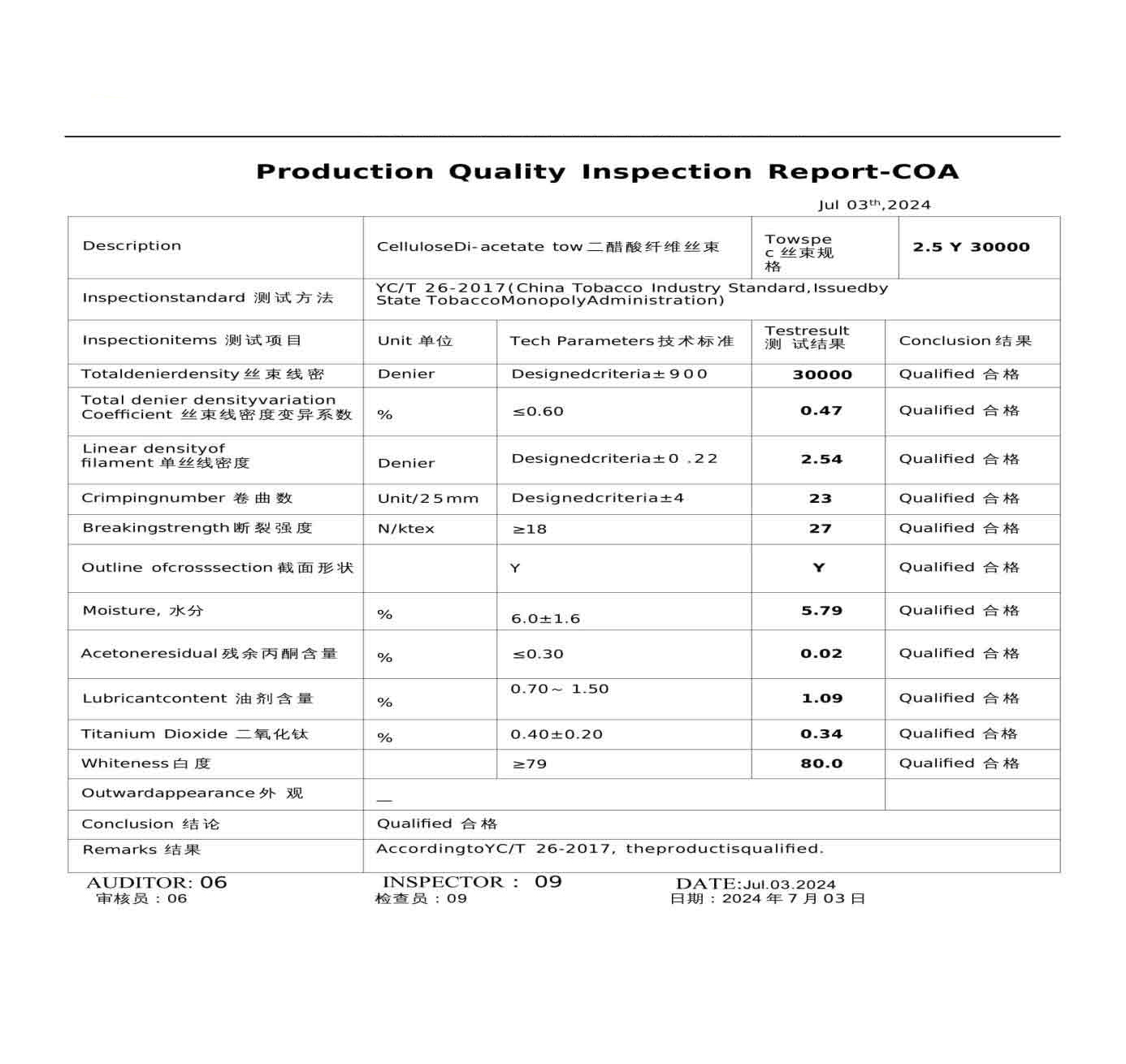
All parameters are batch-tested, with a Certificate of Analysis (CoA) provided for every shipment. For clients with specialized needs (e.g., higher crimp density, custom roll weights), we offer modifications to the 4.0Y35000 base specification with a 10–15 day lead time.
6. Why Choose WINIW as Your Cellulose Acetate Tow 4.0Y35000 Manufacturer in China
As a leading Cellulose Acetate Tow 4.0Y35000 manufacturer and supplier in China, we offer B2B clients unique advantages that address their most critical needs: quality consistency, technical expertise, and supply chain reliability. Here’s why global clients trust us:
6.1 Unmatched Quality Control & Certifications
We guarantee 4.0Y35000 tow meets the highest industry standards:
– Certifications: Our tow is certified to:
- ISO 9001:2015 (quality management)
- ISO 14001:2015 (environmental management)
- FDA 21 CFR 178.3290 (food contact, for filtration)
- EU 10/2011 (food contact materials)
- ASTM D6400 (biodegradability)
- FSC® C156269 (responsible sourcing)
These certifications simplify client compliance with global regulations (e.g., EU REACH, US FDA).
– Testing Protocol: Every batch undergoes 23 tests—from filament denier to biodegradability—with results stored in a digital database accessible to clients for 10 years. We provide free test reports and welcome client audits of our laboratory and production facilities.
– Zero-Defect Commitment: We offer a “no-questions-asked” replacement policy for any roll that fails to meet 4.0Y35000 specifications—backed by a 0.02% defect rate that is 15x lower than industry average.
6.2 Large-Scale Production & Flexible Supply
Our production capabilities ensure we meet diverse B2B demand:
– Annual Capacity: 10,000 metric tons of cellulose acetate tow—including 5,000+ tons of the 4.0Y35000 specification—making us one of China’s largest dedicated manufacturers. We maintain 200+ metric tons of 4.0Y35000 in stock for urgent orders.
– Order Flexibility: Minimum order quantity of 500kg (vs. 1,000kg+ from competitors) for small-batch testing, with no upper limit for large contracts. A US startup ordered 500kg of 4.0Y35000 for prototype development, receiving it in 7 days.
– Lead Times: Standard orders (1–50 metric tons): 10–15 days. Stock orders: 2–3 days. Large annual contracts: fixed monthly delivery schedules (e.g., 500 metric tons/month) with 99.8% on-time rate.
6.3 Technical Expertise & Customization
We go beyond standard supply to solve client challenges:
– Application Engineering: Our team of 15 textile engineers analyzes client production processes (e.g., nonwoven conversion, filter pleating) and recommends 4.0Y35000 processing parameters (e.g., needle-punch density, drying temperature). A Southeast Asian filter manufacturer increased production efficiency by 22% after implementing our recommendations.
– Custom Modifications: We modify the 4.0Y35000 base specification to meet unique needs:
- Crimp density: 8–15 crimps/cm
- Plasticizer content: 0–5% (for enhanced softness)
- Roll weight: 10–50 kg/roll
- Special treatments: antibacterial (silver ion), flame-retardant
A European hygiene client requested 4.0Y35000 with 14 crimps/cm for higher bulk—we delivered samples in 5 days and full production in 12 days.
– Samples & Prototyping: We provide free 1kg samples of 4.0Y35000 (shipping cost paid by client) with full test reports. For custom modifications, we offer low-cost prototyping (5kg minimum) to validate performance before full-scale production.
6.4 Cost Efficiency & Transparent Pricing
We help clients reduce total material costs without compromising quality:
– Volume Discounts: Tiered pricing for annual contracts:
- 10–50 metric tons/year: 3% discount
- 50–200 metric tons/year: 7% discount + free shipping
- 200+ metric tons/year: 10% discount + fixed pricing for 2 years
A global hygiene brand saved $240,000 annually by ordering 300 metric tons/year with our volume discount.
– Total Cost Reduction: Our 4.0Y35000 tow’s low defect rate (0.02%) and high processability reduce client scrap rates by 3–5%—often offsetting material costs. A Chinese filter manufacturer calculated a net savings of 2% despite paying a 5% premium for our tow vs. a cheaper alternative.
– No Hidden Fees: Our quotes include all costs (material, packaging, testing). We do not charge extra for certificates, custom labeling, or expedited testing—unlike many competitors.
6.5 Global Logistics & Support
We ensure seamless delivery and ongoing support for international clients:
– Shipping Options: Strategic location near Shanghai Port (1.5 hours) enables cost-effective sea freight (20–35 days to major ports: Rotterdam, Los Angeles, Singapore) and air freight (3–5 days for urgent orders). We partner with Maersk, CMA CGM, and DHL for reliable delivery.
– Documentation: We provide all required export documents: commercial invoice, packing list, certificate of origin, FSC certificate, and CoA. For EU clients, we include REACH SVHC declarations (no substances above 0.1%).
– Multilingual Support: Our team speaks English, Spanish, German, French, and Japanese, with 24/7 technical support via phone, email, and WhatsApp. We assign a dedicated account manager to clients ordering ≥50 metric tons/year, ensuring personalized service.
7. FAQ: Answers to B2B Clients’ Key Questions
Below are answers to the most common questions about Cellulose Acetate Tow 4.0Y35000, addressing critical concerns for industrial clients:
Q: How does 4.0Y35000 compare to other denier specifications (e.g., 3.0Y25000, 5.0Y40000) for hygiene applications?
A: The 4.0Y35000 strikes the best balance for most hygiene products. 3.0Y25000 (finer filaments) offers softer texture but has lower tensile strength (prone to breakage in high-speed lines). 5.0Y40000 (thicker filaments) has higher strength but lower absorption speed and can feel rough against skin. Our client data shows 4.0Y35000 reduces production waste by 30% vs. 3.0Y25000 and improves user comfort by 25% vs. 5.0Y40000 in hygiene applications.
Q: Is your 4.0Y35000 tow compatible with our existing nonwoven production equipment (e.g., needle punch, spunlace)?
A: Yes—90% of industrial nonwoven machines are compatible with 4.0Y35000 tow. We provide a “Machine Compatibility Guide” with recommended settings (e.g., needle depth: 8–10mm for needle punch; water pressure: 80–100 bar for spunlace) based on your specific equipment model (e.g., Andritz, Trützschler). For unique machines, our engineers can conduct free compatibility tests with your equipment or samples.
Q: What is the shelf life of 4.0Y35000 tow, and how should we store it?
A: When stored properly, the tow has a shelf life of 12 months from production. Storage guidelines: (1) Keep in original moisture-resistant packaging until use. (2) Store in a cool, dry area (15–25°C, 40–60% RH) away from direct sunlight. (3) Avoid stacking more than 8 rolls high to prevent core deformation. We include a storage label on every roll, and our team can audit your storage conditions for large inventories (≥50 metric tons).
Q: Can you provide FSC-certified 4.0Y35000 tow, and what documentation is included?
A: Yes—all our cellulose acetate tow is made from FSC-certified wood pulp. We provide FSC Chain of Custody (CoC) certificates (FSC® C156269) with every order, tracing the pulp from certified forests to the final product. This documentation helps clients meet their own sustainability claims and comply with regulations like the EU Timber Regulation (EUTR).
Q: What payment terms do you offer for large annual contracts (≥200 metric tons/year)?
A: For large contracts, we offer flexible terms: (1) T/T: 30% deposit, 70% balance against B/L copy. (2) L/C: Irrevocable L/C at sight from major banks (HSBC, ICBC, Deutsche Bank). (3) Open Account: 60-day credit for clients with 2+ years of合作 history and credit approval (via Dun & Bradstreet). We also accept Alibaba Trade Assurance for orders ≤500 metric tons to protect buyer funds.
8. Contact WINIW: Your Trusted Cellulose Acetate Tow 4.0Y35000 Partner in China
As a leading Cellulose Acetate Tow 4.0Y35000 manufacturer and supplier in China, WINIW is ready to support your industrial needs—whether you require 500kg for testing or 5,000+ metric tons annually. Our team of experts will guide you from sample validation to full-scale production, ensuring a seamless experience.
Company Name: WINIW Nonwoven Materials Co.Ltd.
Business Hours: 9:00–18:00 Beijing Time (overlapping support for global clients: 13:00–16:00 CET, 07:00–10:00 EST)
Next Steps to Get Started:
- Contact us with your requirements: application (e.g., hygiene products, filtration), quantity, and any custom needs (e.g., plasticizer treatment).
- We provide a free 1kg sample of 4.0Y35000 tow with full test reports within 5–7 days.
- You test the sample; our technical team addresses any questions (e.g., machine settings, compatibility).
- We issue a formal quote with pricing, lead time, and volume discounts for annual contracts.
- Upon order confirmation, we schedule production and provide real-time updates. We arrange shipping and provide all required documentation.
- After delivery, our team follows up to ensure performance and offers ongoing support (e.g., process optimization, reorder coordination).