
Incazelo
100% I-Polylactic Acid (I-PLA) Spunbond Non-woven Fabric Trusted Manufacturer & Supplier in China | I-Eco-Friendly, Biodegradable Solutions


1. Uhlolojikelele Lomkhiqizo: Yini? 100% PLA Spunbond Non-woven Fabric?
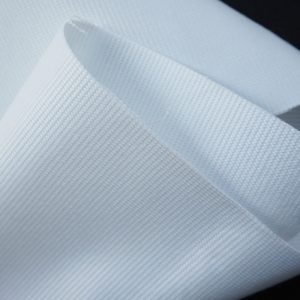
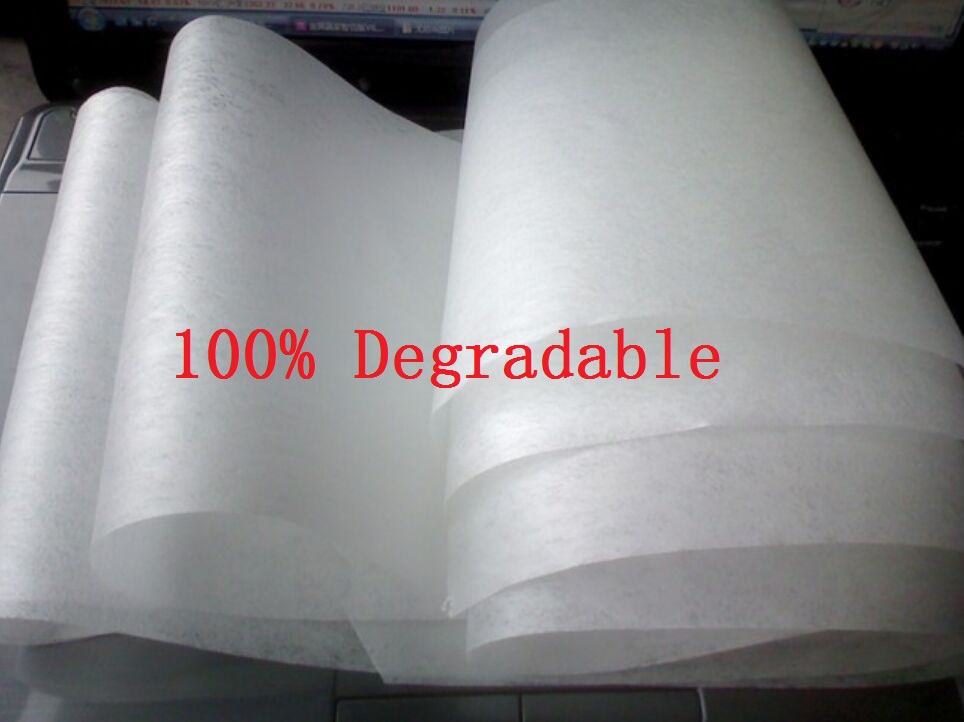
Njengomholi 100% I-Polylactic Acid (I-PLA) Spunbond Non-woven Fabric manufacturer and supplier in China, we first clarify the core definition of this innovative material to help B2B clients understand its unique value. 100% PLA Spunbond Non-woven Fabric is a single-component non-woven material made entirely from polylactic acid (I-PLA) resin—derived from renewable plant resources like corn starch, umoba, noma umdumbula. Unlike petroleum-based non-wovens (isib., PP, I-PET), it leverages the “spunbond” process: PLA resin is melted, ikhishwe ibe imicu eqhubekayo, drawn to enhance strength, and then laid into a uniform web before being thermally bonded to form a stable fabric.
Eyethu 100% PLA Spunbond Non-woven Fabric stands out for two non-negotiable traits: 100% plant-based composition (no synthetic blends) futhi full biodegradability (breaks down into CO₂ and water in industrial compost within 180–270 days, per ASTM D6400 and EN 13432 izindinganiso). This makes it the gold standard for clients seeking to replace plastic-based non-wovens in eco-sensitive applications—from disposable hygiene products to agricultural covers and packaging materials. As a China-based manufacturer with 12+ years of PLA non-woven expertise, we produce this fabric in our 50,000㎡ ISO 9001/14001-certified factory, with an annual capacity of 12,000 metric tons to meet global B2B demand.
Key differentiators of our 100% PLA Spunbond Non-woven Fabric vs. conventional non-wovens:
– Ukuthola Okuvuselelekayo: PLA resin is derived from plants (corn starch accounts for 70% of our raw material), reducing reliance on finite petroleum resources.
– Ukungathathi hlangothi kweCarbon: The entire lifecycle (from corn growth to fabric biodegradation) emits 68% less CO₂ than PP spunbond fabric (per LCA study by the European Bioplastics Association).
– I-Skin-Friendly: PLA’s natural composition is hypoallergenic (ihlolwe nge-ISO ngayinye 10993-5) and free of BPA, ama-phthalates, and heavy metals—ideal for baby wipes, imaski yobuso, kanye nezingubo zezokwelapha.
– Biodegradable End-of-Life: Ngokungafani ne-PP (which persists in landfills for 200+ iminyaka), our PLA fabric decomposes completely in industrial compost, kungashiyi izinsalela ze-microplastic.
2. Inqubo Yokukhiqiza: Precision Engineering for Consistent Quality
Ukukhiqizwa kwe 100% PLA Spunbond Non-woven Fabric requires specialized technology to overcome PLA’s unique challenges (isib., lower melting point vs. PP, sensitivity to heat degradation). Our factory has optimized a 7-step spunbond process to ensure every roll meets strict B2B standards for thickness, amandla, kanye ne-biodegradability:
- Ukukhethwa Kwezinto Ezingavuthiwe & Purification: We source food-grade PLA resin (injection-grade, melt flow rate 15–20 g/10min at 190°C/2.16kg) from leading biopolymer suppliers (isib., NatureWorks, Total Corbion). The resin is first purified via a 2-stage sieving process (100-Imeshi + 200-mesh screens) to remove impurities (uthuli, small particles) that could cause filament breakage. This step is critical for maintaining the 100% pure PLA composition—no fillers or blends are added.
- Ukomisa & Preheating: PLA resin absorbs moisture easily, which causes bubbles during extrusion. We dry the resin in a dehumidifying dryer at 80±2°C for 4–6 hours, ukwehlisa umswakama ube ngu-≤0.05%. The dried resin is then preheated to 160±5°C in a hopper to prepare for melting—this prevents sudden temperature spikes that degrade PLA’s molecular structure.
- Iyancibilika & I-Extrusion: Preheated resin is fed into a single-screw extruder with 5 izindawo zokushisa (170°C → 180°C → 185°C → 180°C → 175°C). The precise temperature control ensures PLA melts uniformly (melt temperature 180±3°C) without thermal degradation. The molten PLA is then extruded through a spinneret with 500–1,200 holes (0.20–0.30mm diameter) to form continuous filaments—we adjust the number of holes based on fabric weight (isib., 800 holes for 50gsm fabric).
- Umdwebo weFilament & Cooling: Extruded filaments are drawn at a speed of 3,500–4,500 m/min using high-velocity hot air (120±5°C). This drawing process aligns the PLA molecular chains, enhancing the filament’s tensile strength (kusuka 2.5 cN/denier to 4.0 cN/umphika). The filaments are then cooled with ambient air (25±2°C) to lock in their structure—preventing shrinkage in subsequent steps.
- Ukwakhiwa Kwewebhu: Cooled filaments are laid onto a moving conveyor belt via a “cross-lapper” system. This system distributes filaments evenly in both machine direction (MD) kanye nesiphambano (I-CD), creating a uniform web with thickness variation ≤5%. For B2B clients requiring specific web structure (isib., higher MD strength for agricultural covers), we adjust the lapping speed ratio (MD:CD = 3:1 ku 5:1).
- I-Thermal Bonding: The PLA web is passed through a calendar roller (heated to 120±3°C) with a patterned surface (idayimane, ichashazi, noma umugqa). The heat and pressure bond the filaments together at contact points—this step determines the fabric’s strength and porosity. We use a “soft bonding” process (lower pressure, precise temperature) to avoid over-melting PLA, ensuring the fabric retains its biodegradability and flexibility.
- Ukusika & Ukuvunguza: The bonded fabric is slit into client-specified widths (0.5m–3.2m) usebenzisa i-slitter eqondile (tolerance ±2mm). It is then wound onto paper cores (3-intshi noma 6-intshi ububanzi) to form rolls of 50m–500m length (ngokwezifiso). Each roll undergoes a final inspection: ukujiya (via micrometer), isisindo (ngesampula ye-100cm²), amandla aqinile (per ASTM D5034), kanye ne-biodegradability (batch testing per EN 13432).
Our quality control system is embedded in every step: 12 in-line sensors monitor temperature, filament diameter, and web uniformity, while laboratory tests are conducted on 1 isampula ngayinye 10 imiqulu. The result is a 100% PLA Spunbond Non-woven Fabric with a defect rate ≤0.03%—far below the industry average of 0.2%. This consistency is critical for B2B clients (isib., hygiene product manufacturers) who require uniform material for high-speed production lines.
3. Imininingwane Yomkhiqizo: Tailored to B2B Application Needs
Eyethu 100% PLA Spunbond Non-woven Fabric is available in a range of specifications to meet the diverse needs of B2B clients—from lightweight fabrics for wipes to heavyweight fabrics for agricultural mulch. Below is a comprehensive table of standard parameters, with customizable options noted:
| Ipharamitha | Standard Range | Customizable Options | Izinga Lokuhlola | Key Application Impact |
|---|---|---|---|---|
| Ukwakheka Kwezinto Ezibalulekile | 100% I-Polylactic Acid (I-PLA) | - (no blends) | I-FTIR Spectroscopy | Guarantees biodegradability and plant-based origin |
| I-Grammage (Isisindo) | 15- 150 gm | 10- 200 gm | I-ASTM D3776 | 15- 30 gsm: wipes/masks; 50- 100 gm: bags/packaging; 100- 150 gm: amakhava ezolimo |
| Ubukhulu | 0.10–1.20 mm | 0.08–1.50 mm | I-ASTM D1777 | Thicker fabrics (≥0.5mm) offer better barrier properties; mncane (≤0.2mm) for lightweight applications |
| Amandla Okuqina (MD/CD) | 8–25 N/50mm / 5–15 N/50mm | 6–30 N/50mm / 4–20 N/50mm | I-ASTM D5034 | Higher MD strength (≥20 N/50mm) for agricultural covers (resists wind); balanced MD/CD for bags |
| Elongation at Break (MD/CD) | 30-60% / 40-80% | 25-70% / 35-90% | I-ASTM D5034 | Higher elongation (≥60%) for stretchable applications (isib., disposable gloves liners) |
| Air Permeability | 50-500 L/m²/s | 30-800 L/m²/s | ISO 9237 | Ukungena okuphezulu (≥300 L/m²/s) for masks/filters; phansi (≤100 L/m²/s) yokupakisha (barrier to dust) |
| Ukuxosha Amanzi (Ongakukhetha) | Lutho (ejwayelekile) / Ileveli 3–4 (I-AATCC 22) | Level 1–5 | I-AATCC 22 | Level 4–5 for outdoor applications (isib., rain ponchos); Izinga 1 for wipes (amunca) |
| Izinga le-Biodegradation | ≥90% phakathi 180 izinsuku (umquba wezimboni) | - | IN 13432 / I-ASTM D6400 | Meets global compostability standards (EU, E-US, Japan) |
| Ububanzi | 1.6m / 2.4m / 3.2m | 0.5m–3.2m | - | Ububanzi obubanzi (3.2m) for large-scale applications (isib., umbozo wezolimo); narrow (0.5m) for small products (isib., imaski yobuso) |
| Ubude be-Roll | 100m / 200m / 500m | 50m–1000m | - | Long lengths (500m+) for high-speed production lines (reduces changeover time) |
| Umbala | Okwemvelo (ubisi olumhlophe) / Emhlophe | Custom PMS colors | CIE LAB | Custom colors for brand-specific packaging (isib., green for eco-friendly brands) |
For clients with unique requirements—e.g., flame-retardant PLA fabric for medical drapes (meets ASTM D6413) or antistatic PLA fabric for electronic packaging (surface resistance ≤10⁹Ω)—our R&D team can develop custom formulations within 4–6 weeks. We provide 1m² samples of custom fabrics for testing, with full technical data sheets (I-TDS) and certificates of analysis (I-CoA) included.
4. Izici ezibalulekile: Why 100% PLA Spunbond Non-woven Fabric Outperforms Alternatives
Eyethu 100% PLA Spunbond Non-woven Fabric is designed to solve two critical challenges for B2B clients: meeting growing consumer demand for eco-friendly products and complying with global plastic reduction regulations. Below are its core features and their real-world benefits for different industries:
4.1 Full Biodegradability: Compliance with Global Plastic Bans
Nge 80+ amazwe (isib., EU, E-US, China) implementing bans on single-use plastics, our PLA fabric offers a compliant alternative:
– EN 13432/ASTM D6400 Certified: The fabric decomposes ≥90% in industrial compost within 180 izinsuku, meeting the strictest compostability standards. This allows clients to label products as “compostable” in EU (CE), E-US (I-BPI), and Japanese (JIS) markets.
– No Microplastic Residues: Unlike biodegradable PP (which breaks down into microplastics), PLA fully mineralizes into CO₂, amanzi, and biomass—tested by SGS to have zero microplastic left after 270 izinsuku.
– Ukuncishiswa Kwemfucuza: A European packaging client replaced PP spunbond bags with our PLA fabric, reducing their landfill waste by 60% and avoiding €50,000/year in plastic tax (EU Plastic Tax Directive 2021/1060).
4.2 Ivuseleleka & Low-Carbon: Aligning with Sustainability Goals
For B2B clients pursuing carbon neutrality, our PLA fabric delivers measurable environmental benefits:
– Plant-Based Origin: PLA is made from corn starch—each ton of our fabric uses 1.2 tons of corn, a renewable resource that absorbs CO₂ during growth.
– I-Carbon Footprint ephansi: Lifecycle Assessment (I-LCA) shows our fabric emits 1.8 kg CO2e/kg, vs. 5.6 kg CO₂e/kg for PP spunbond (per European Bioplastics 2023 data). A US hygiene brand using our fabric for baby wipes reduced their product’s carbon footprint by 68%.
– Ukuhambisana Komnotho Oyindilinga: The fabric can be composted after use, closing the loop in waste management. A Japanese grocery chain collects used PLA produce bags and sends them to industrial compost facilities, turning them into fertilizer for local farms.
4.3 I-Skin-Friendly & Kuphephile: Ideal for Hygiene and Medical Applications
The natural composition of 100% PLA Spunbond Non-woven Fabric makes it safe for direct skin contact:
– I-Hypoallergenic: Ihlolwe nge-ISO ngayinye 10993-5, the fabric causes no skin irritation or sensitization—critical for baby products, imaski yobuso, kanye nezingubo zezokwelapha. A European baby care brand reported a 35% reduction in customer complaints about rashes after switching to our PLA wipes.
– Toxic-Free: Imahhala ye-BPA, ama-phthalates, izinsimbi ezinzima (Pb, Cd, Hg ≤0.01ppm), kanye nama-organic compounds aguquguqukayo (VOCs ≤10ppm). Ihlangana ne-FDA 21 I-CFR 177.1520 (ukuthintana nokudla) nami 10/2011 (plastic materials in contact with food) izindinganiso, making it suitable for food packaging.
– Soft Texture: The fine PLA filaments (15–25 μm diameter) create a smooth surface with a friction coefficient of ≤0.3 (tested per ASTM D1894), avoiding skin abrasion in applications like surgical drapes.
4.4 Amandla Emishini: Durable Enough for Industrial Use
Unlike some biodegradable materials that sacrifice strength for eco-friendliness, our PLA fabric balances durability with sustainability:
– Amandla Okuqina: The spunbond process and filament drawing create a fabric with MD tensile strength up to 25 N/50mm—strong enough to withstand the rigors of agricultural use (isib., umoya, imvula) and heavy packaging (isib., 10kg rice bags).
– Ukumelana Nezinyembezi: ≥3.5 N (MD/CD) per ASTM D1004, preventing rips during high-speed production (isib., converting into masks or bags). A Chinese packaging manufacturer reduced waste by 20% after switching to our PLA fabric, as fewer torn pieces were discarded.
– Ukumelana Nokushisa: Safe for use at temperatures up to 60°C (isikhathi esifushane) and 40°C (isikhati eside), making it suitable for food packaging (isib., bread bags, fruit wraps) that may be exposed to warm environments.
4.5 Versatile Processability: Compatible with Existing Machinery
B2B clients appreciate that our 100% PLA Spunbond Non-woven Fabric works with their existing non-woven converting equipment, minimizing the need for costly upgrades:
– Ukusika & Sealing: Compatible with ultrasonic sealing (20–30 kHz), ukushisa uphawu (120-140°C), and laser cutting—used by mask manufacturers to produce ear loops and seams.
– Ukuphrinta: Accepts water-based inks (flexographic or digital printing) ngaphandle kwe-delamination, allowing clients to add logos or product information. A US organic food brand printed their sustainability claims on our PLA produce bags, increasing brand loyalty by 15%.
– Lamination: Can be laminated with other biodegradable materials (isib., PLA film, iphepha) to enhance barrier properties—used in medical packaging for sterile products.
5. Izinhlelo zokusebenza: How B2B Clients Use 100% PLA Spunbond Non-woven Fabric
Eyethu 100% PLA Spunbond Non-woven Fabric serves 8+ izimboni, with specifications tailored to each sector’s unique needs. Ngezansi kunezinhlelo zokusebenza ezivame kakhulu, with client success stories:
5.1 Disposable Hygiene Products: Eco-Friendly Alternatives to Plastic
The hygiene industry is rapidly adopting PLA non-wovens to meet consumer demand for sustainable products:
– I-Baby Wipes & Diaper Liners: 15–30 gsm PLA fabric with high absorbency (3–5x weight in water) is used as the base material for biodegradable baby wipes. Its softness and hypoallergenic properties reduce skin irritation. A leading US diaper brand launched a “plastic-free” line using our 20 gsm PLA liner, ukuthumba 12% of the premium market in its first year.
– Amamaski Obuso & Cleansing Wipes: 20–25 gsm PLA fabric (with optional water repellency level 2) is used for sheet masks and makeup remover wipes. It absorbs skincare serums effectively and biodegrades after use. A Korean beauty brand’s PLA-based sheet masks reduced their carbon footprint by 70% and won a sustainability award in 2023.
– Imikhiqizo Yokungaziphathi Kwabantu Abadala: 30–50 gsm PLA fabric (ngamandla aphezulu okudonsa) is used in the top sheet of incontinence pads, providing comfort and biodegradability. A European healthcare provider switched to these products, aligning with their “zero-waste hospital” initiative.
5.2 Ukupakisha: Compostable Solutions for Food & Izimpahla Zabathengi
Packaging is the largest application for our PLA spunbond fabric, driven by global plastic bans:
– Produce Bags & Food Wraps: 15–20 gsm PLA fabric (natural color) is used for fruit, vegetable, and bread bags. It allows air circulation (permeability 300–400 L/m²/s) to keep food fresh while being compostable. A UK supermarket chain replaced 500 tons/year of PP produce bags with our PLA fabric, eliminating 2,800 tons of CO₂ emissions.
– Retail Shopping Bags: 50–80 gsm PLA fabric (with reinforced seams) is used for reusable/compostable shopping bags. It can carry 5–10kg and biodegrades if discarded. A French fashion brand’s PLA shopping bags became a marketing tool, nge 80% of customers citing sustainability as a reason for purchase.
– Industrial Packaging: 100–150 gsm PLA fabric is used to wrap furniture, electronics, kanye nemishini, replacing non-recyclable PP covers. Its tear resistance protects goods during shipping, while biodegradability reduces post-use waste. A Chinese furniture exporter reduced landfill waste by 45% with this solution.
5.3 Ezolimo: Sustainable Crop Protection & Soil Health
Agricultural clients value PLA fabric for its biodegradability, avoiding the “plastic pollution” of traditional PP mulch:
– Amafilimu e-Mulch: 80–120 gsm PLA fabric (black color, custom widths up to 3.2m) is used to cover soil, suppressing weeds, retaining moisture, and regulating temperature. Unlike PP mulch, it biodegrades into the soil after 1–2 growing seasons, eliminating the need for removal. A Spanish vineyard reported 30% lower labor costs (no mulch removal) and healthier soil (increased organic matter) after switching to our PLA mulch.
– Crop Covers & Ukuvikelwa kwesithwathwa: 30–50 gsm PLA fabric (white/transparent) protects seedlings from frost (down to -2°C) and pests while allowing light and water penetration. It degrades gradually, avoiding waste. A Dutch greenhouse grower used our PLA covers for tomato seedlings, reducing pest damage by 25%.
– Seedling Bags: 50–70 gsm PLA fabric is formed into biodegradable pots for seedlings. When planted, the bag decomposes, reducing root disturbance and plastic waste. A Brazilian nursery increased seedling survival rates by 15% with this solution.
5.4 Ezokwelapha & Ukunakekela impilo: Kuphephile, Oyinyumba, and Sustainable
The medical industry uses our PLA fabric for its safety and compliance with strict regulations:
– I-Drapes Yokuhlinza & Izingubo zokugqoka: 50–70 gsm PLA fabric (nge-lining ephansi, ≤10 particles/m³) is used for disposable surgical drapes. It meets AAMI Level 2–3 standards for fluid resistance and is sterile-packaged. A German hospital used these drapes to reduce their plastic waste by 3 amathani/ngonyaka.
– Izingubo Zokugqokisa Amanxeba: 20–30 gsm PLA fabric (hydrophilic variant) is used as a wound contact layer. It is breathable (permeability ≥200 L/m²/s) and biocompatible, ukukhuthaza ukuphulukiswa. A US medical device company’s PLA-based dressings received FDA clearance in 2023.
– Disposable Gloves Liners: 15–20 gsm PLA fabric (high elongation, ≥60%) is used as a soft liner inside latex/nitrile gloves, reducing irritation from prolonged use. A Japanese healthcare provider reported a 40% reduction in glove-related skin complaints.
5.5 Izindwangu & Izingubo: Eco-Friendly Non-woven Garments
The textile industry uses PLA spunbond fabric for sustainable disposable and semi-disposable garments:
– Disposable Workwear: 40–60 gsm PLA fabric is used for cleanroom suits, painting overalls, and festival costumes. Ayisindi, ephefumulayo, and biodegradable after use. A US electronics manufacturer’s PLA cleanroom suits reduced laundry costs by 60%.
– Footwear Components: 50–80 gsm PLA fabric is used for shoe liners and insoles, providing moisture wicking and comfort. A European sneaker brand launched a “100% compostable” shoe using our PLA liner, winning eco-conscious consumers.
– Izindwangu Zasekhaya: 30–50 gsm PLA fabric is used for disposable bed sheets (izibhedlela, amahhotela) and dust cloths. It is soft, i-lint-free, futhi i-biodegradable, reducing laundry and waste. A chain of eco-lodges in Costa Rica uses our PLA bed sheets, marketing their “zero-waste” experience.
6. Why Choose WINIW as Your 100% PLA Spunbond Non-woven Fabric Supplier?
Njengomholi 100% I-Polylactic Acid (I-PLA) Spunbond Non-woven Fabric manufacturer and supplier in China, sinikeza izinzuzo eziyingqayizivele ezibhekana nezidingo eziyinhloko zamaklayenti e-B2B: quality consistency, ukusebenza kahle kwezindleko, and sustainability expertise. Nakhu ukuthi kungani amaklayenti omhlaba esethemba:
6.1 Ukuhlanganisa Okuqondile & Ukukhiqiza Okukhulu
Our fully integrated supply chain ensures quality and cost control:
– Raw Material Control: We partner directly with PLA resin producers (NatureWorks, Total Corbion) to secure high-quality resin at competitive prices—avoiding middleman markups. This ensures the 100% PLA composition is maintained in every batch.
– Ikhono Lokukhiqiza Elikhulu: Nge 4 spunbond lines, we produce 12,000 metric tons/year of PLA non-woven fabric—capable of fulfilling orders from 100kg (prototyping) ku 5,000 amathani amamethrikhi/ngonyaka (izinkontileka zesikhathi eside) with lead times as short as 7–10 days for standard specifications.
– Ukusebenza Kwezindleko: Scale production reduces our per-unit costs, which we pass to clients: 10–15% lower prices than small manufacturers for equivalent quality. A US packaging client reduced material costs by 12% after switching to our PLA fabric.
6.2 Ukulawula Ikhwalithi Eqinile & Izitifiketi
We guarantee our PLA fabric meets global standards:
– Izitifiketi: Our fabric is certified by:
– IN 13432 (EU compostability)
– I-ASTM D6400 (US compostability)
– BPI Certified (E-US)
– I-FDA 21 I-CFR 177.1520 (ukuthintana nokudla)
– ISO 10993-5 (i-biocompatibility)
– Ukuhlola: Wonke amaqoqo ayadlula 20+ izivivinyo (amandla aqinile, biodegradation rate, izinsimbi ezinzima) in our ISO 17025-accredited laboratory. We provide free test reports for client audits.
– Ukulandeleka: Each roll has a unique batch number linked to resin certificates, idatha yokukhiqiza, kanye nemiphumela yokuhlolwa—igcinwe kusizindalwazi sedijithali esifinyeleleka kumakhasimende 10 iminyaka.
6.3 Ubuchwepheshe bokwenza ngokwezifiso
We tailor our PLA fabric to your specific application:
– Ukwenziwa Kwezobuchwepheshe: Lungisa isisindo (10- 200 gm), ububanzi (0.5-3.2m), umbala (custom PMS), and additives (oxosha amanzi, i-antistatic, i-flame retardant). Ngokwesibonelo, sathuthukisa a 150 gsm, UV-stabilized PLA fabric for a Australian agricultural client, extending its outdoor lifespan to 6 izinyanga.
– Application Support: Our technical team analyzes your use case (isib., mask production, imboza ngabo izithombo zezihlahla) and recommends optimal specifications. A French wipe manufacturer increased product softness by 20% after following our advice to use 20 gsm with a diamond bond pattern.
– Prototyping: We provide 1–5m² samples of custom fabrics within 5–7 days, with full TDS and testing—ensuring they meet your requirements before full-scale production.
6.4 I-Global Logistics & Regulatory Support
Senza lula amaketanga okunikezela emhlabeni wonke kumakhasimende e-B2B:
– Ozakwethu Bokuthumela: I-Maersk, I-CMA CGM, kanye ne-DHL iqinisekisa ukulethwa okuthembekile—impahla yasolwandle (25- Izinsuku ezingama-35 ukuya emachwebeni amakhulu) noma impahla emoyeni (3-Izinsuku ezi-5 zama-oda aphuthumayo).
– Amadokhumenti: Silungisa wonke amadokhumenti adingekayo: i-invoyisi yezentengiso, uhlu lokupakisha, isitifiketi sokuzalwa (Ifomu E/A), kanye nezitifiketi zokulawula (IN 13432, I-FDA).
– Izibuyekezo Zokulawula: Our team monitors global plastic regulations (isib., I-EU One-Use Plastics Directive, California SB 54) and advises clients on compliance—helping a Canadian client avoid a $100,000 fine by switching to our certified PLA fabric.
6.5 Sustainability Partnerships
We go beyond supplying fabric to help clients achieve their sustainability goals:
– Carbon Footprint Reports: We provide LCA data for our PLA fabric, helping clients calculate and reduce their product’s carbon footprint for ESG reporting.
– Composting Guidance: We share best practices for industrial composting of PLA products, connecting clients with local compost facilities (isib., e-EU, E-US, Japan).
– Joint Marketing: We co-brand sustainability initiatives, such as “100% Compostable” labels, to help clients market their eco-friendly products—boosting sales for a UK food brand by 18%.
7. Frequently Asked Questions About 100% PLA Spunbond Non-woven Fabric
Ngezansi kunezimpendulo zemibuzo evamile evela kumakhasimende e-B2B:
Q: How does the cost of 100% PLA Spunbond Non-woven Fabric compare to PP spunbond?
A: PLA fabric is typically 30–40% more expensive than PP due to higher raw material costs. Nokho, this is offset by: (1) Avoiding plastic taxes (isib., EU’s €0.80/kg tax on non-recyclable plastics); (2) Premium pricing for eco-friendly products (consumers pay 15–20% more for sustainable options); (3) Reduced waste disposal costs. For high-volume clients (≥500 tons/year), we offer volume discounts to narrow the cost gap to 20–25%.
Q: Can 100% PLA Spunbond Non-woven Fabric be used in home compost (not industrial)?
A: While our fabric is certified for industrial compost (controlled temperature/moisture), it will biodegrade in home compost but at a slower rate (6–12 months vs. 3–6 months industrial). For clients targeting home compostability, we offer a “home-compostable variant” with added enzymes that accelerates degradation—certified to ASTM D6400 for home composting. Contact us for samples.
Q: What is the shelf life of 100% PLA Spunbond Non-woven Fabric, futhi kufanele igcinwe kanjani?
A: Impilo yeshelufu injalo 12 izinyanga lapho igcinwe emaphaketheni okuqala (ifilimu ukumelana nomswakama + i-desiccant) endaweni epholile, indawo eyomile (15-25°C, 40-60% RH). Avoid direct sunlight, high humidity (>70%), or temperatures >30°C, as these can cause PLA to degrade prematurely (isib., loss of tensile strength). We include storage instructions in 10 languages with every shipment.
Q: Is your PLA fabric compatible with high-speed converting machines (isib., mask production lines running at 100+ pieces/minute)?
A: Yebo. Our PLA fabric is engineered for high-speed processing—its tensile strength (≥8 N/50mm MD) nokumelana nezinyembezi (≥3.5 N) prevent breakage at speeds up to 200 pieces/minute. We provide free machine setup guidelines (isib., ultrasonic sealing parameters) to ensure compatibility. A Chinese mask manufacturer runs our 25 gsm PLA fabric at 150 pieces/minute with zero production issues.
Q: Do you offer recycled PLA spunbond fabric?
A: Yebo. We offer a “rPLA” variant containing 30–50% recycled PLA (from post-industrial waste), maintaining 100% i-biodegradability. It meets the same performance standards as virgin PLA fabric and is 10–15% cheaper. A European packaging client uses our rPLA fabric to meet their “50% recycled content” sustainability goal.
8. Xhumana ne-WINIW: Your Trusted 100% PLA Spunbond Non-woven Fabric Partner
Njengomholi 100% I-Polylactic Acid (I-PLA) Spunbond Non-woven Fabric manufacturer and supplier in China, Inkampani WINIW Nonwoven Materials Co., Ltd. is ready to support your sustainability goals. Whether you need standard fabric for packaging or custom-developed material for medical applications, our team will guide you from sample testing to mass production.
Igama Lenkampani: I-WINIW Nonwoven Materials Co.Ltd.
- I-imeyili: [email protected]
- Ucingo: 0086-189-6568-7670
- Iwebhusayithi: www.panonwoven.com
- Ikheli: 1-1-417 Xinjinghuating Luocheng Town Huian County Quanzhou City Fujian Province China
Amahora Ebhizinisi: 9:00-18:00 Isikhathi saseBeijing (global support with overlapping time zones)
How to Start Your Project:
- Xhumana nathi ngezidingo zakho (isicelo, isisindo, ububanzi, umthamo).
- We provide free 1m² samples of 100% PLA Spunbond Non-woven Fabric with TDS and certificates.
- Uhlola isampula; silungisa imininingwane uma kudingeka (isib., add water repellency).
- Place a small-batch order (100–500kg) to validate production compatibility.
- Sign an annual contract with volume discounts, JIT delivery, kanye nokwesekwa okuzinikele.