

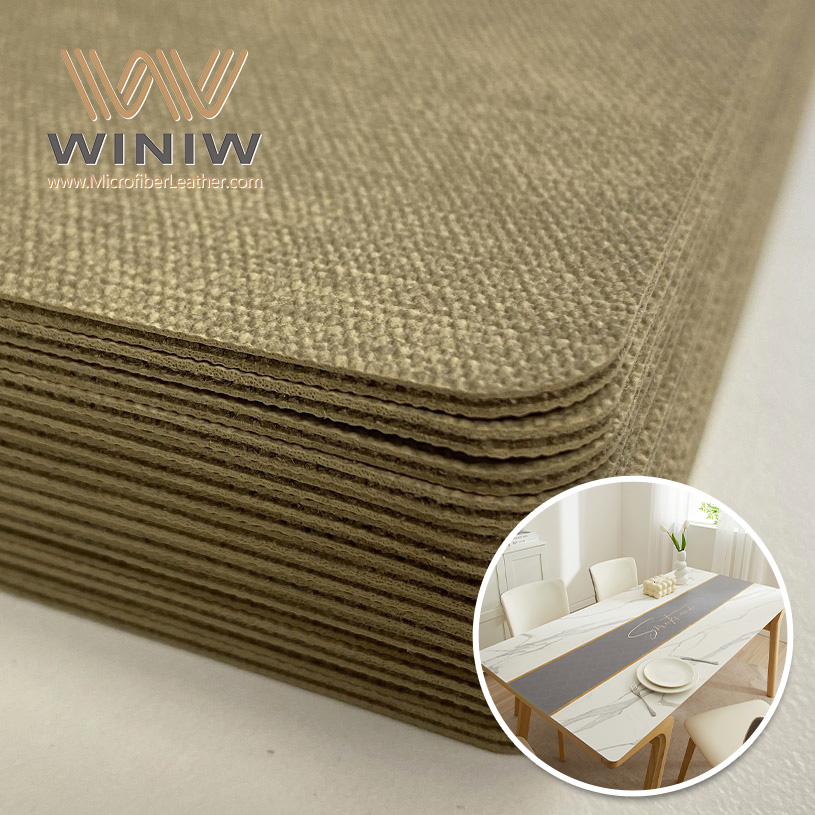

You will quickly see that non woven mats for home and industrial use feel different. Home mats are made for comfort and are easy to put in. Industrial mats are made to be very strong and steady. The material you pick is very important. Flax fiber is great at blocking sound and is good for green products like furniture and canoes. Hemp fiber is also good for the planet and helps stop shaking, but it is not as strong as flax. More people are buying these mats every year:
| Year | Market Size (USD Billion) | CAGR (%) |
|---|---|---|
| 2022 | 31.12 | 7.5 |
| 2032 | 66.38 |
Comparing Non Woven Mats for Home and Industrial Use
Non-woven mats have different uses. Home mats are made for comfort and looks. Industrial mats are made to be strong and last long.
Pick the best material for your needs. Natural fibers like flax and hemp are good for the planet. Synthetic fibers like polypropylene are strong and easy to clean.
Think about where you will use the mat. Home mats work well in cozy rooms. Industrial mats are best for hard places like factories and building sites.
Try to find mats that help the environment. Many non-woven mats use recycled stuff. This helps lower harm to nature.
Putting in non-woven mats is easy. They are light and simple to move. You can set them up and take them away fast.
Non Woven Mat Overview
What Is a Non Woven Mat
You may ask what makes a non-woven mat special. Non-woven mats use fibers that stick together without weaving. The fibers join by heat, chemicals, or pressure. This creates a flat sheet that is easy to make and shape. Non-woven mats are found in homes and at work sites.
Non-woven fabrics can be stiff or bend easily. You can pick a mat that fits your needs. Some mats feel soft for your feet. Others are strong for heavy things. Many non-woven mats use synthetic fibers like polypropylene. Some use natural fibers for eco-friendly choices. These mats are good for quick jobs or spaces that change often.
Tip: Non-woven mats are simple to put down and take away. You do not need special tools or skills.
Non-Woven vs. Traditional Mats
Let’s look at how non-woven mats and woven mats are different. They are made in different ways and work differently. Here is a table to show the main features:
| Feature | Woven Fabrics | Non Woven Fabrics |
|---|---|---|
| Production Method | Interlaced yarns (warp & weft) | Bonded fibers (heat, chemicals, pressure) |
| Strength | High, long-lasting | Moderate, often weaker |
| Durability | Can last years with care | Often designed for single or limited use |
| Flexibility | Limited stretch | Can be made stiff or flexible |
| Applications | Clothing, upholstery, bags, curtains | Medical supplies, filters, disposables |
| Cost | Generally higher due to complex production | Cheaper, especially in bulk |
| Eco-friendliness | Depends on fiber | Many recyclable polypropylene options |
Woven mats use yarns that cross over each other. This makes them strong and last a long time. Non-woven mats skip this step and bond fibers together. This saves time and money. Non-woven mats cost less and are good for short-term use. Woven mats are better for places with lots of people or long use. Non-woven mats are best for quick fixes or when you need to throw them away.
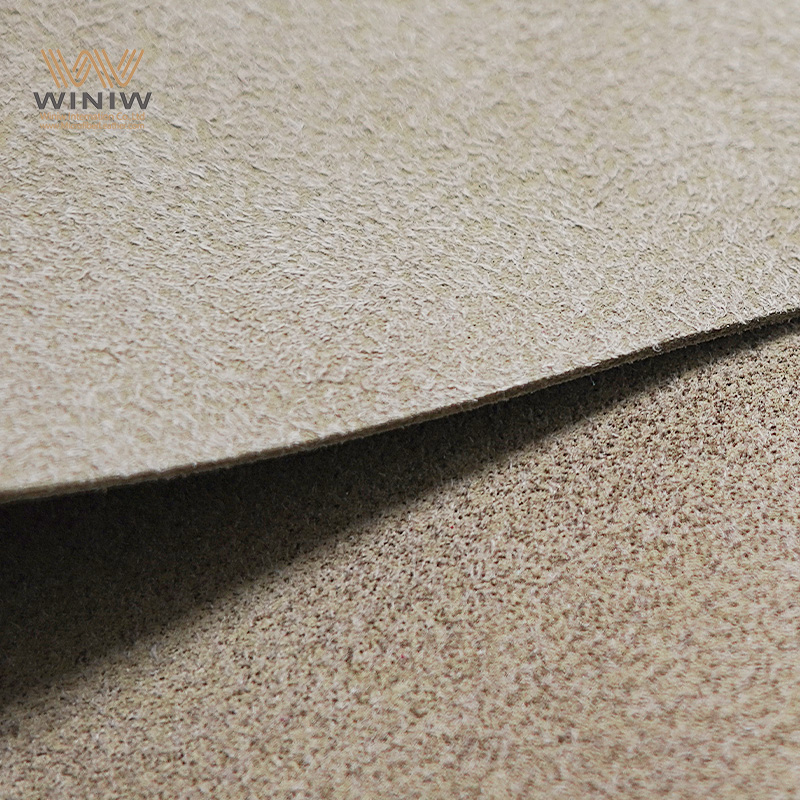
Here is another table to show how non-woven mats and woven mats compare:
| Type | Durability and Longevity | Construction Method | Cost |
|---|---|---|---|
| Woven Mats | Highly durable and long-lasting, ideal for high traffic areas | Created on a loom, interlocked yarns | Generally more expensive due to labor-intensive process |
| Non-Woven Mats | Lightweight, budget-friendly but less durable under pressure | Bond fibers through heat or needle punching | Typically more affordable, suitable for temporary spaces |
Non-woven mats give you many choices. You can pick mats for comfort or easy cleaning. Some mats are made for special jobs like filters. Non-woven mats help you save money and give you more options.
Non-Woven Fabrics and Manufacturing
Spunbond, Meltblown, Needle-Punched
Non-woven fabrics are made in special ways. First, workers pick the raw materials. These can be polypropylene, cotton, or recycled fibers. The way mats are made changes how strong or soft they are. Some mats soak up water well. Others bend easily or last longer. Here are the main steps:
The material you choose changes how the mat works.
Making the web sets how thick and airy the mat is.
Bonding joins fibers with heat or chemicals for strength.
Finishing adds things like water resistance or fire safety.
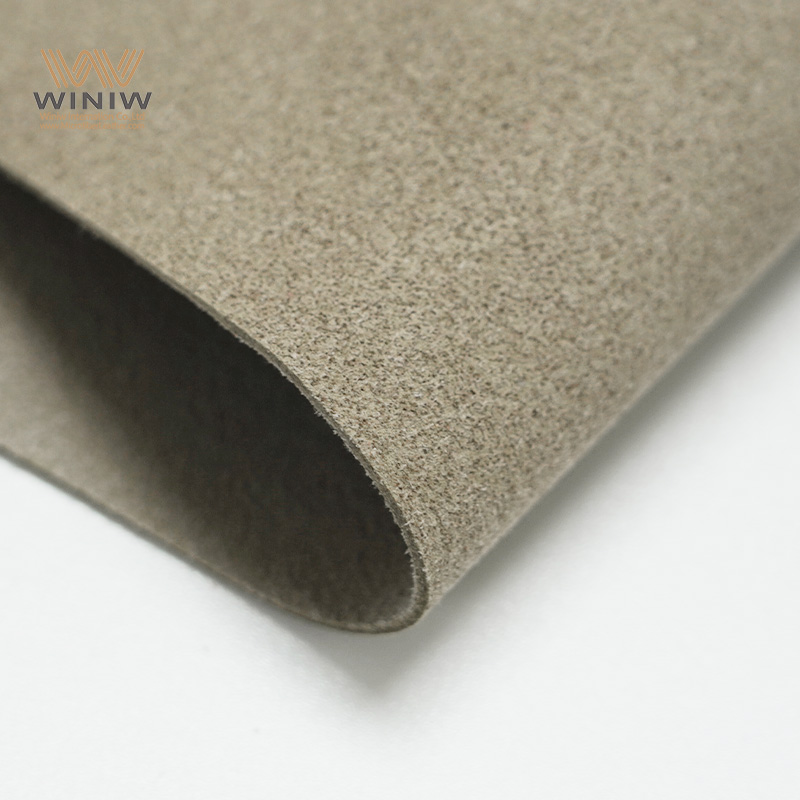
Non-woven mats are made in different styles. Look at this table to see how spunbond, meltblown, and needle-punched mats are different:
| Type | Properties | Applications |
|---|---|---|
| Spunbond Non-Woven | Very strong, made by melting polypropylene | Used for medical gowns, diapers, farm covers |
| Meltblown Non-Woven | Filters well, fibers blown into thin strands | Used for masks, air filters, oil clean-up |
| Needle-Punched Non-Woven | Tough fabric, fibers tangled together | Used for car carpets, geotextiles, fake leather |
Spunbond mats are good for tough jobs. Meltblown mats work best for filters. Needle-punched mats are great for car carpets or layers in building.
Fiber Types: Synthetic and Natural
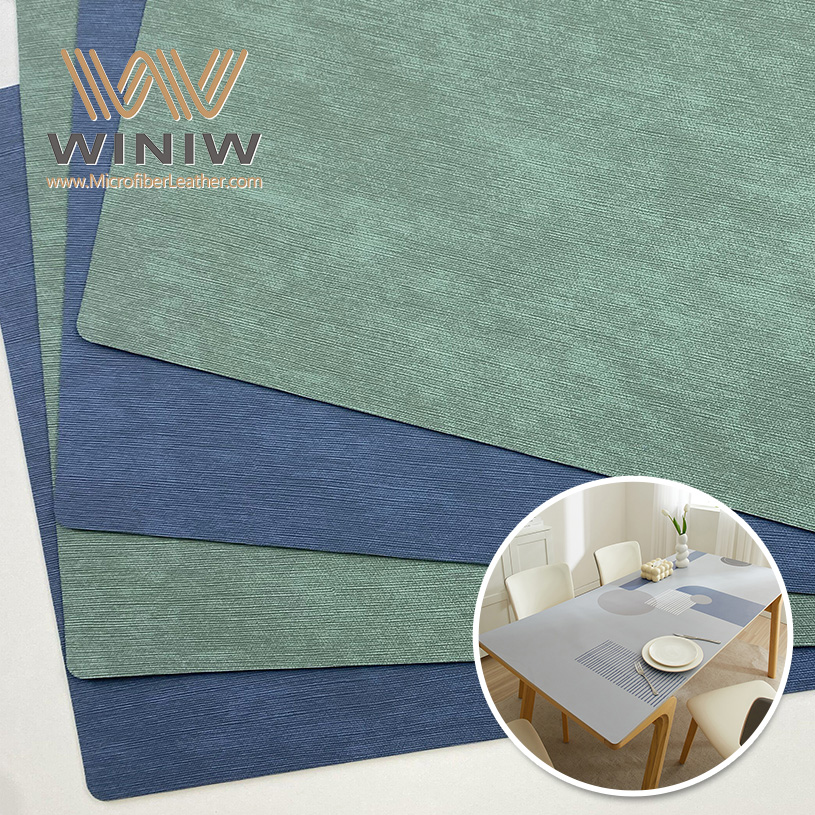
You can pick synthetic or natural fibers for your mats. Polypropylene is a strong synthetic fiber. It is easy to clean and does not stain. Cotton and wool are natural fibers. They feel soft and help keep you cool or warm. Each fiber type has good and bad sides. Here is a table to help you choose:
| Fiber Type | Advantages | Disadvantages |
|---|---|---|
| Natural Fibers | Good for the planet, break down easily, let air through | Cost more, not as strong, need special care |
| Synthetic Fibers | Last long, cost less, easy to clean | Do not break down, can trap heat, less soft |
Synthetic mats last longer and cost less. Natural mats are better for the earth and feel nicer. You can find non-woven mats for homes or big jobs.
Tip: Check the fiber type before you buy a mat. Picking the right one helps it work better and feel good.
Types of Non Woven Mats
Home Use Mats
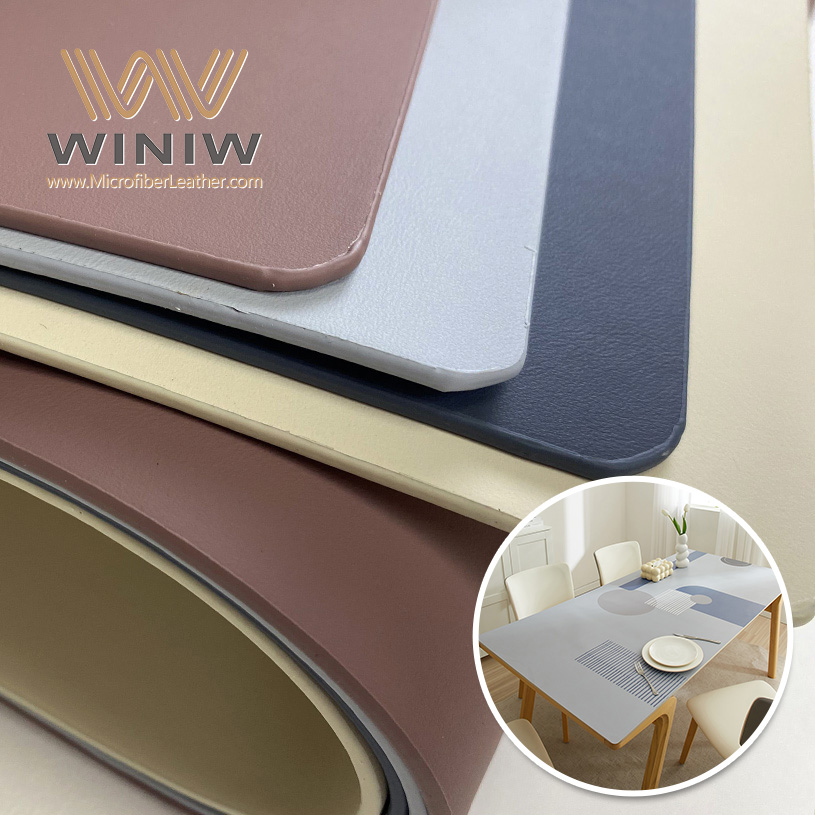
You can find non woven mats in many homes. These mats help keep rooms cozy and clean. Many are made from polypropylene or recycled stuff. This helps the planet. You see these mats in entryways, kitchens, and bathrooms. Some mats use biodegradable fibers that break down over time. These mats feel soft and help block noise. If you care about the earth, you might pick mats made from sustainable textiles. Home non woven mats are simple to put in and take out. They are good for changing your room’s look fast. Some mats use recycled materials to support green living.
Tip: For mats that last and help the earth, pick ones with eco-friendly materials and recycled fibers.
Industrial Mats
Industrial mats must be very strong. People use them in factories, workshops, and warehouses. Most industrial mats use polypropylene for extra strength. Some use fiberglass to make them even tougher. You might need absorbent mats for spills or grippy mats to stop slipping. These mats must meet strict rules for how they work. Here is a table that shows the main types and what they do:
| Type of Nonwoven Mat | Performance Requirements |
|---|---|
| Absorbent Mats | Absorbency |
| Fiberglass Mats | Strength |
| Polyester-based Mats | Flexibility |
| Grippy Mat | Flexibility, Adhesion |
Industrial mats often use non woven fabrics for safety and support. You see them in drainage systems and landscaping jobs. Many companies pick eco-friendly materials and recycled fibers to help the planet. Non woven mats in industry help stop erosion and keep work areas safe.
Grippy mats keep mats flat and safe.
Absorbent mats soak up spills quickly.
Fiberglass mats last for a long time.
Geotextile Mats
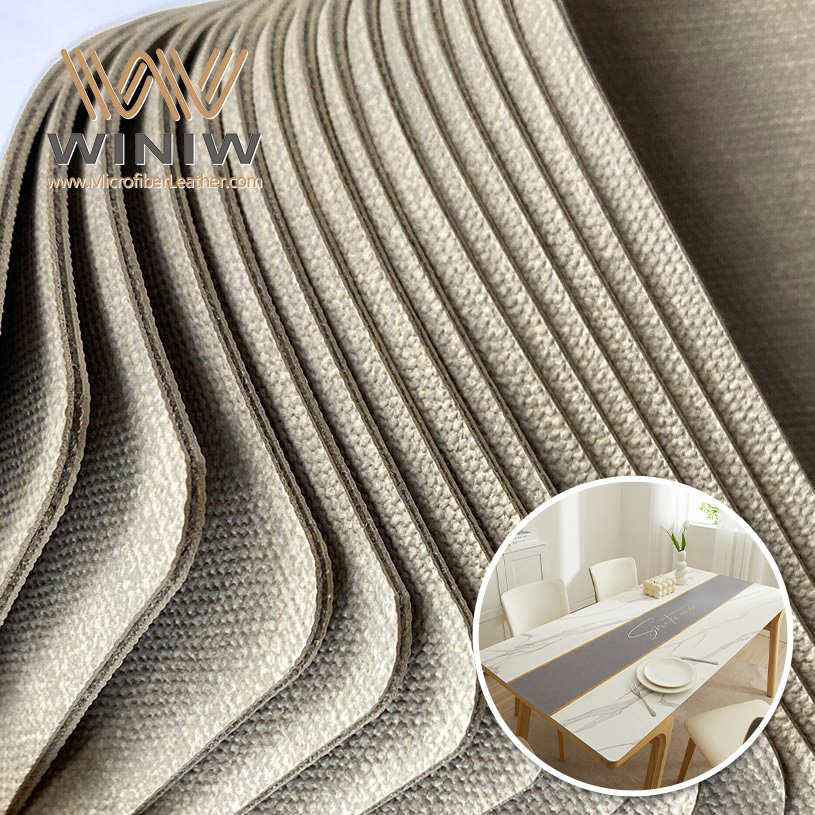
Geotextile mats are important in building and landscaping. People use geotextile fabric for roads, railways, and river banks. These mats help with keeping things apart, making things stronger, filtering, and draining water. Geotextile mats use non woven fabrics made from short or long threads. They help keep soil in place and help plants grow. You see geotextile fabric in mats that stop erosion and in drainage systems. These mats stop soil from washing away and keep slopes steady. Geotextile mats act as a layer to separate pavement and control dirt movement. Many use eco-friendly materials and fibers that break down for better green results.
| Characteristics | Applications |
|---|---|
| Made from staple or continuous threads | Used in roads, railways, land reclamation, and river banks for separation, reinforcement, filtration, and drainage. |
| Performs filtration, drainage, and erosion control | Helps in soil stabilization and promotes vegetation growth. |
Geotextile mats stop erosion and help with landscaping.
You use geotextile fabric in drainage systems to move water.
Geotextile mats support green textiles and eco-friendly materials.
Note: Geotextile mats are very important for stopping erosion and helping the planet in many ways.
Nonwoven Polypropylene Geotextile Fabric
Features and Benefits
If you want something strong and good for the earth, nonwoven polypropylene geotextile fabric is a great choice. This fabric uses polypropylene fibers that stick together. It is light and bends easily. It is also made from recycled materials. Water can move through the fabric fast, so it helps with draining and filtering. You can pick how thick, strong, or rough you want the fabric. This means you can get the right fabric for your job.
Here’s a table to help you see how nonwoven polypropylene geotextile fabric compares to other nonwoven materials:
| Feature/Benefit | Nonwoven Polypropylene Geotextile | Other Nonwoven Materials |
|---|---|---|
| Permeability | High | Varies |
| Versatility | Ideal for filtration, drainage, separation, erosion control | Limited to specific applications |
| Water Flow | Efficient due to porous structure | Generally lower |
| Weight | Lightweight and flexible | Heavier in some cases |
| Customizability | Thickness, strength, texture can be tailored | Limited customization options |
| Cost-effectiveness | More affordable for large-scale applications | Often more expensive |
This geotextile fabric is simple to put in place. You do not need any special tools. The recycled parts and earth-friendly design are good for nature. You can use this fabric for many jobs. It usually costs less than woven mats.
Tip: Pick nonwoven polypropylene geotextile fabric if you want water to flow well, easy use, and earth-friendly features.
Applications
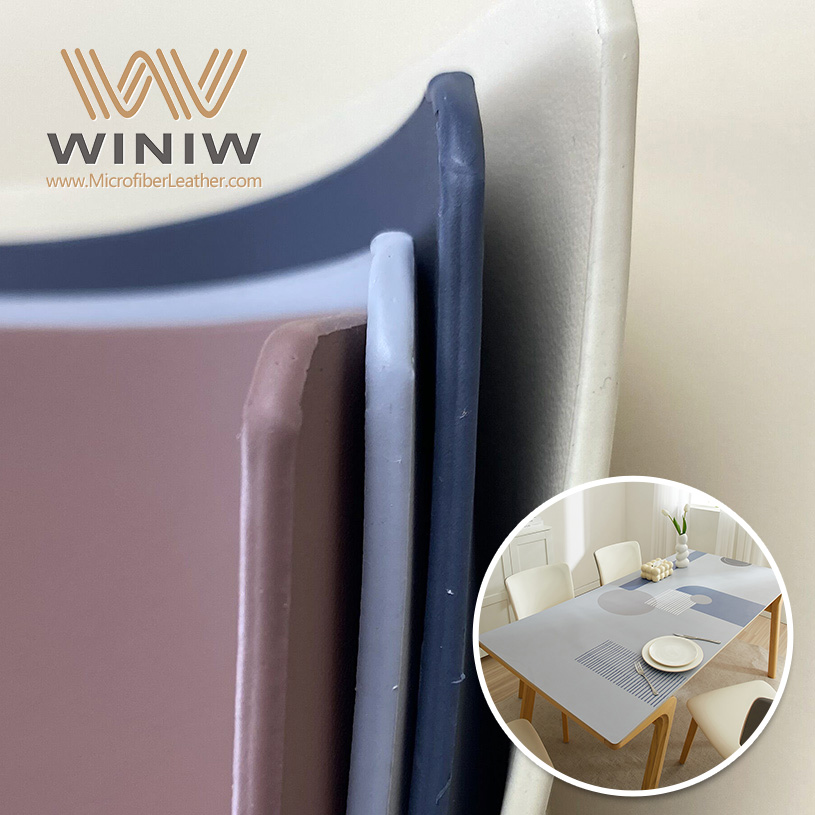
You can use nonwoven polypropylene geotextile fabric in lots of ways. This fabric works well for building, gardening, and landscaping. Here are some ways people use it:
Put geotextile fabric in drains like French drains. It lets water go through but keeps dirt out.
Use geotextile fabric under roads and highways. It helps keep the ground steady and lets water drain.
Try geotextile fabric on hills, riverbanks, or near water. It stops dirt from washing away and lets water pass.
Place geotextile fabric behind walls that hold back dirt. It acts as a filter and lowers water pressure.
Use geotextile fabric in gardens to stop weeds. It lets water and food reach the soil.
Wrap geotextile fabric around pipes underground. It gives a soft layer and filters at the same time.
You can also use this fabric in landfills. It keeps layers apart and helps with filtering. Many people choose recycled and earth-friendly geotextile fabric for these jobs. The polypropylene fibers last a long time and work well even in hard places.
Note: If you want a strong, recycled, and earth-friendly way to filter, drain, or control dirt, nonwoven polypropylene geotextile fabric is a top pick.
Comparing Home and Industrial Non Woven Mats
Material Differences
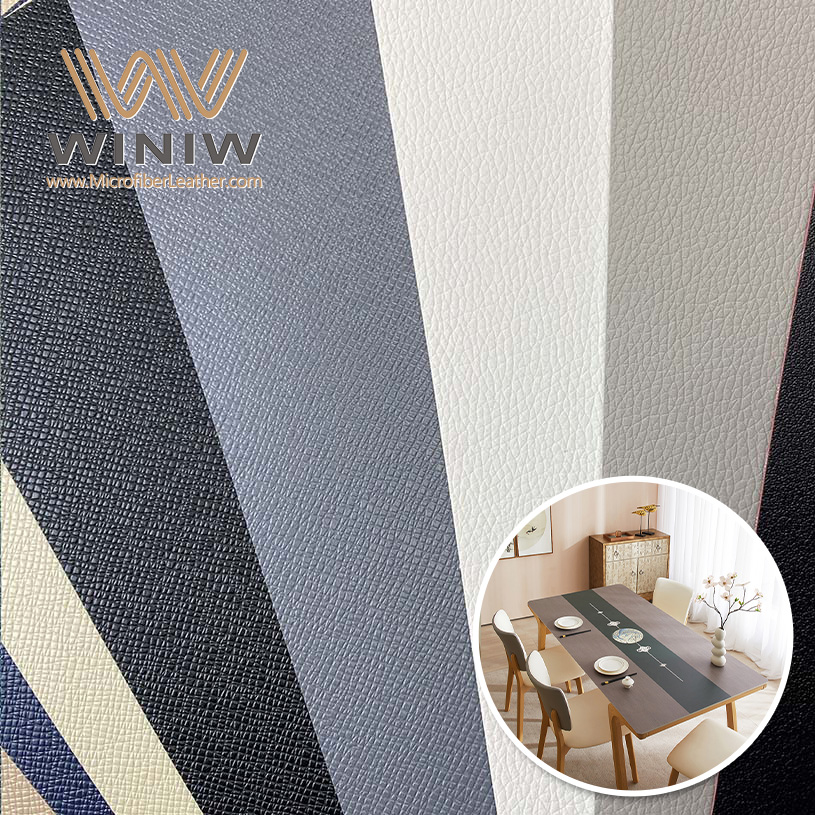
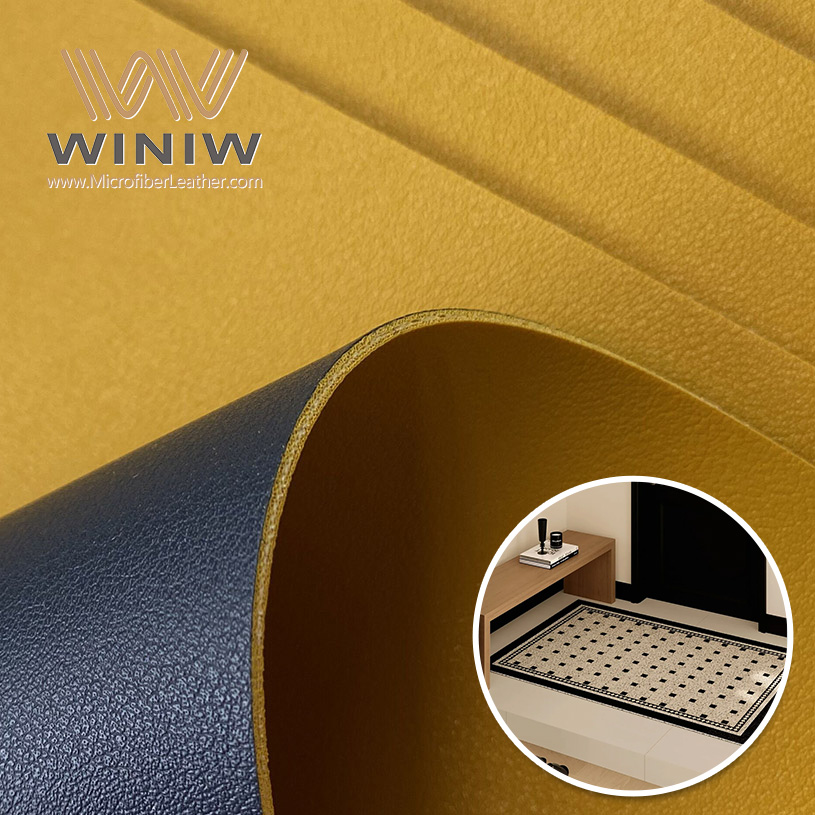
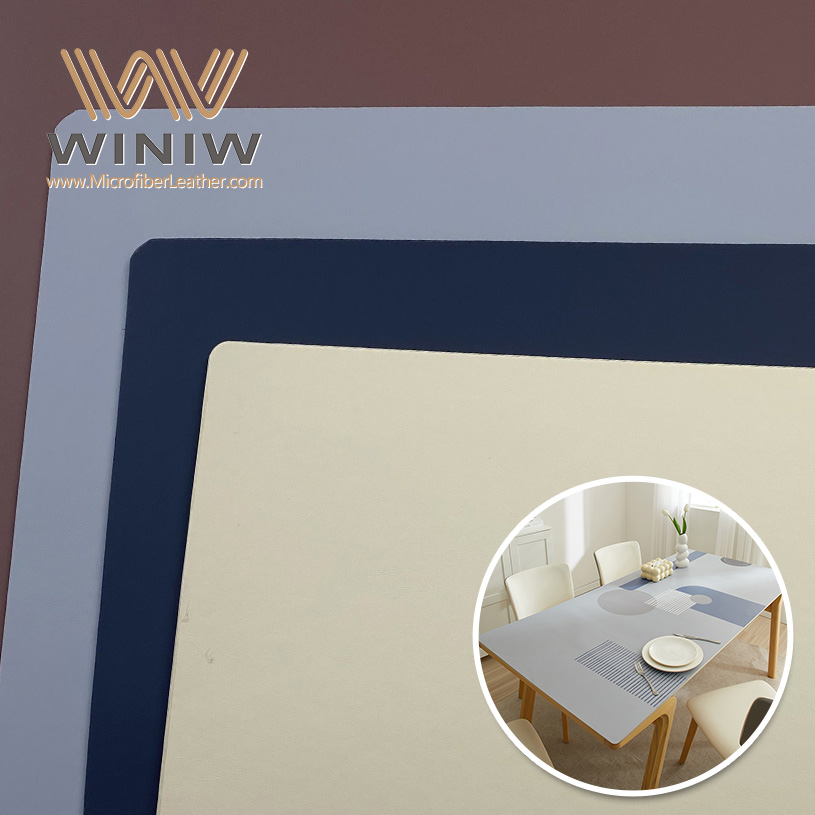
Home mats and industrial mats use different materials. Home mats often have soft fabrics like recycled cotton. Some use lightweight polypropylene. These mats feel nice under your feet. They look good in your room. You might see them as wall covers or tablecloths. Many home mats use eco-friendly fibers. This helps make your home greener.
Industrial mats use stronger materials. You will find heavy-duty polypropylene and fiberglass. Some use geotextile fabric. These mats need to handle more stress. They use thicker fibers and extra layers. You see these mats in factories and warehouses. They are also used on construction sites. Many use recycled materials too. The main goal is strength and durability.
| Feature | Home Non Woven Mats | Industrial Non Woven Mats |
|---|---|---|
| Main Material | Lightweight polypropylene, recycled cotton, eco-friendly fibers | Heavy-duty polypropylene, fiberglass, geotextile fabric |
| Feel | Soft, flexible, decorative | Stiff, strong, functional |
| Sustainability | High (often eco-friendly and recycled) | Moderate to high (focus on recycled and durable) |
| Typical Use | Wall coverings, tablecloths, entry mats | Filtration, insulation, erosion control, construction |
Tip: If you want a mat that is strong and eco-friendly, pick one made from recycled polypropylene or geotextile fabric.
Performance and Durability
You want your mat to last a long time. Home mats focus on comfort and looks. They do not need to hold heavy things. Industrial mats must survive tough jobs. These jobs include erosion control and filtration.
Here are some important properties:
| Property | Description |
|---|---|
| Breaking Stress | The most stress a mat can take before it breaks. |
| Elongation | How much a mat can stretch before it snaps. |
| Yield Strength | The point where a mat starts to change shape for good. |
| Modulus of Elasticity | How much a mat can bend and bounce back. |
| Abrasion Resistance | How well a mat stands up to rubbing and wear. |
| Thermal Conductivity | How well a mat moves heat through it. |
| Water Vapor Permeability | How easily water vapor passes through. |
| Air Permeability | How easily air passes through. |
Industrial mats made from geotextile fabric are very strong. They score high in breaking stress and abrasion resistance. You will see tensile strength numbers like 13.5 MPa. Elongation can reach up to 239%. Home mats have lower numbers. Their tensile strength is about 5.4 MPa. Elongation is around 135%. Industrial mats can stretch more before breaking.
Abrasion resistance is important for industrial mats. These mats face lots of rubbing in construction. Needle depth and punching density matter. Surface weight also affects how long a mat lasts.
Home mats do not need much abrasion resistance. You want them to look nice and feel soft.
Here are the numbers:
| Sample | Ultimate Tensile Strength (MPa) | Elongation (%) |
|---|---|---|
| Home | 5.4 ± 0.4 | 135 ± 7 |
| Industrial | 13.5 ± 0.6 | 239 ± 19 |
Note: If you need a mat for hard work, pick a non-woven geotextile mat. It will last longer and handle more stress.
Cost Factors
You may wonder about the price. Home mats usually cost less. They use less material and do not need to be strong. You can buy many at a low price. Recycled and eco-friendly options are cheaper.
Industrial mats cost more. They use more polypropylene and thicker fabric. Some use fiberglass. Extra strength means you pay more at first. But you save money later. You do not need to replace them often. If you use mats for construction or filtration, invest in quality.
Home mats: Lower cost, good for light use.
Industrial mats: Higher cost, better for heavy-duty jobs.
Tip: Always match the mat to your needs. Spending more on the right mat can save you money later.
Suitability
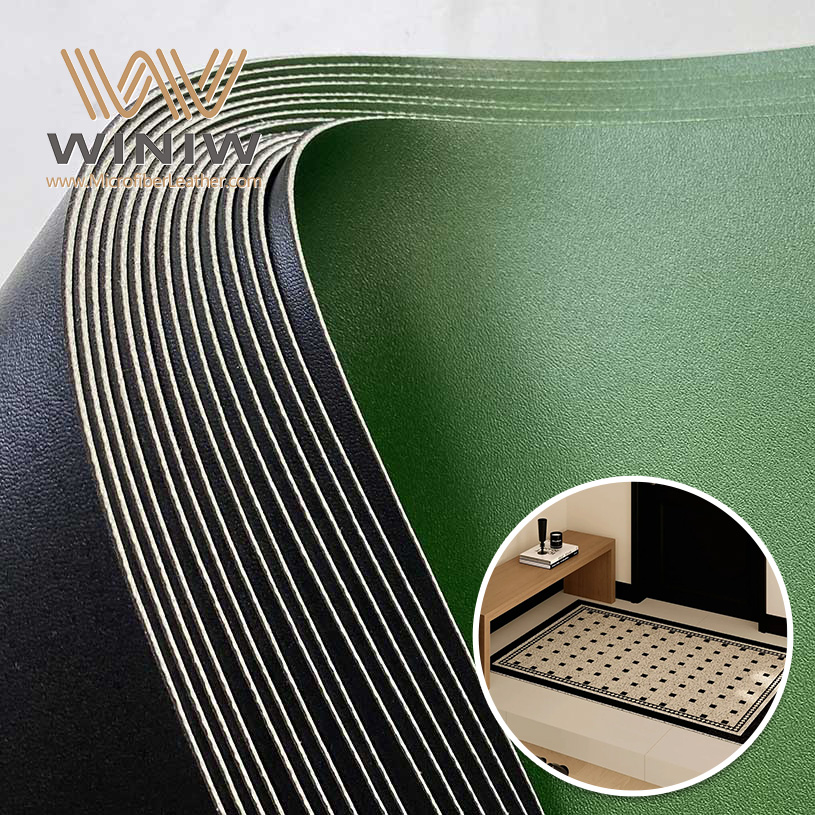
Pick the right mat for your space. Home mats work best for comfort and style. They are easy to clean. Use them in living rooms and kitchens. They are good as wall covers and tablecloths.
Industrial mats are best for tough places. You see them in construction and erosion control. Geotextile fabric keeps soil in place. It stops erosion and helps water drain. These mats work well in landscaping and road building.
| Application Environment | Key Properties | Examples of Use |
|---|---|---|
| Home | Aesthetics, lightweight | Wall coverings, tablecloths, entryway mats |
| Industrial | Durability, functional | Filtration, insulation, erosion control, construction |
Geotextile mats are best for outdoor jobs. They help with erosion control and drainage.
Home mats add comfort and style inside your house.
Both types can use recycled materials. Industrial mats focus more on strength.
Note: Always think about where you will use the mat. The right choice gives better results and helps the planet.
Advantages of Non-Woven Mats
Durability and Stability
When you choose non-woven mats, you get great durability and stability. These mats work well in many places, from your home to big construction sites. Non-woven fabrics can handle heavy loads and tough weather. You see them used to keep soil layers apart in road building. This helps roads last longer and stay safe. Non-woven fabrics also reinforce the ground, which stops erosion and landslides. In landfills, non-woven mats let water pass through but keep soil in place. This keeps the area stable and clean.
Some non-woven fabrics, like PET spunbond, can even take high heat without losing their shape. That means you can use them in cars or machines that get very hot. You do not have to worry about them melting or breaking down. Nonwoven mats are strong, but they are also flexible. You can trust them to last a long time, even in hard jobs.
Tip: If you want a mat that stands up to stress and keeps things steady, non-woven mats are a smart pick.
Installation and Removal
You will find that installation of non-woven mats is quick and easy. You do not need special tools or skills. Just roll out the mat and place it where you want. This saves you time and effort. Non-woven fabrics are light, so you can move them without help. If you need to cover a big area, you can join several mats together. This makes installation simple for both small and large projects.
When you want to remove the mat, the process is just as easy. You can lift non-woven mats without much work. This is helpful if you need to change the layout or replace old mats. Nonwoven mats are also cost-effective. They are cheaper than woven mats and can be made quickly. You can pick mats with special features, like water resistance or thermal insulation. Non-woven fabrics can even protect against bacteria and absorb spills.
Here are some reasons why non-woven mats make your job easier:
Fast installation and removal
Lightweight and easy to handle
Custom features for your needs
Lower cost for big or small projects
Good for both temporary and long-term use
Note: Non-woven mats help you save money and time, while giving you the performance you need.
Applications of Non Woven Mats
Home Environments
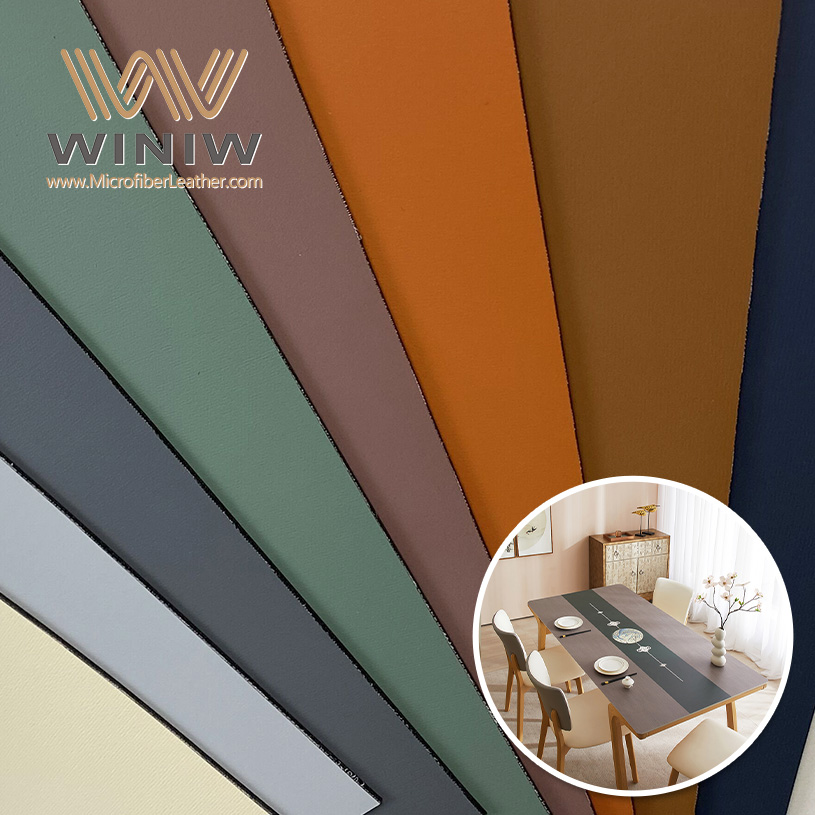
Non-woven mats are used in many places at home. They make rooms feel cozy and help the planet. You might put them under carpets to make floors soft and quiet. Non-woven fabrics are good for lining curtains and covering walls. These mats add style and keep rooms peaceful. Many people choose eco-friendly mats for beds, quilts, and tablecloths. These choices help the earth and make homes healthier.
Here’s a simple table showing where you find non-woven mats at home:
| Application Type | Examples |
|---|---|
| Floor Coverings | Carpet underpaddings |
| Upholstery | Drapery liners, wallcoverings |
| Bedding | Quilts, table linens |
| Window Treatments | Curtains, drapes |
| Acoustical Panels | Soundproofing in rooms |
Picking mats made from recycled stuff helps the planet. These mats also trap dust and allergens, so your home stays cleaner.
Industrial Environments
Non-woven mats are important in many jobs. You see them in cars, hospitals, building sites, and farms. In factories, workers use geotextile mats to stop soil from washing away. These mats help keep the ground steady and protect nature. Non-woven fabrics are also used in strong plastics and car parts. They make things tougher and last longer.
Here’s a table showing how non-woven mats help in factories and other places:
| Application Type | Specific Use Cases | Problems Solved |
|---|---|---|
| Filtering Materials | Personal respirators, industrial air filters, water purification systems | Improves air and water quality, protects health |
| Insulating Materials | Electronic devices, electrical panels | Provides thermal insulation, reduces electrical risks |
| Reinforcement Materials | Reinforced plastics, rubber, automotive parts | Increases strength and durability of materials |
Geotextile mats keep soil in place at building sites. They help with clean air and water, making work safer.
Wall Coverings and Filters
Non-woven mats are used for wall coverings and filters in homes and buildings. These mats make rooms look nice and help block noise. They use recycled fibers, which is good for the earth. In heating and cooling systems, non-woven filters catch dust and smells. This makes the air fresher and cleaner.
Here’s a table showing how these mats help:
| Application Area | Benefits |
|---|---|
| HVAC Filters | Low pressure drop, high dirt load efficiency, removes odors and fumes |
| Wall Coverings | Adds style, improves soundproofing, supports sustainability |
Geotextile mats can be used in wall panels to stop erosion in buildings. With these mats, your space is cleaner, quieter, and better for the planet.
Choosing the Right Non Woven Mat
Key Factors
When you pick a non woven mat, you want it to work for you. You might use it at home, in your yard, or on a building site. Each job needs a different kind of mat. Here are some important things to think about:
| Key Factor | Description |
|---|---|
| Durability | You want your mat to last a long time. Non-woven fabrics are strong and do not break easily. They are good for tough jobs like building and factories. |
| Absorbency | Some mats can soak up water or spills fast. Mats with lots of holes let air and water move through. This is helpful for gardens, hospitals, or cleaning up messes. |
| Customization | You can get mats made just for your needs. Some mats keep out water or do not catch fire. This makes them useful for many places, like homes or big outdoor jobs. |
You should also care about the planet. Mats made from recycled fibers are better for nature. Polypropylene mats last longer and do not stain. If you want to help the earth, look for mats with eco-friendly signs.
Tip: Always read the label for recycled parts and special things like water resistance or flame safety.
Tips for Homeowners
You want your house to feel nice and look great. Picking the right non woven mat can help you do this. Here are some tips for you:
Match the mat to the room. Use soft mats in bedrooms or living rooms. Pick mats with recycled cotton or polypropylene for easy cleaning.
Think about installation. Choose mats that are light and simple to move. You can roll them out or cut them to fit your space. This makes putting them down fast.
Look for sustainability. Mats made from recycled fibers or green materials help the planet. You can find mats with eco-friendly signs.
Check absorbency. If you need a mat for the kitchen or bathroom, pick one that soaks up spills. High absorbency keeps your floors dry and safe.
Choose custom features. Some mats block noise or keep out water. These are good for busy homes or places with lots of people.
Here’s a quick checklist for you:
Is the mat easy to put in and take out?
Does it use recycled or green materials?
Will it last in your room?
Does it look good and fit your needs?
Note: You can use non woven mats for wall covers, tablecloths, or entryways. They make your home comfy and help the planet.
Tips for Industry
If you work in building or need mats for hard jobs, you need something strong. Industrial jobs need mats that last and work well. Here’s how you can pick the best one:
| Criterion | Description |
|---|---|
| Polymer Type | Pick polypropylene for strength and stain resistance. Use polyester for high heat or special soil. |
| Manufacturing Method | Spunbond mats are very strong. Needle-punched mats let more water and air pass through. |
| Mechanical and Hydraulic Properties | Check how strong, stretchy, and open the mat is. Make sure the mat fits your job, like for building or outdoor work. |
You should also look for mats with recycled parts. This helps the earth and can save money. Geotextile mats are good for stopping erosion, draining water, and keeping soil in place. They are easy to put in and take out, which saves time on big jobs.
Use geotextile mats for roads, gardens, or stopping erosion.
Pick mats that last a long time for heavy work.
Make sure the mat fits the place, like the soil and weather.
Tip: Always match the mat’s features to your job. The right non woven mat makes work easier and helps the earth.
When you compare non woven mats for home and industrial use, you see big differences in strength, comfort, and purpose. Here’s a quick look at what matters most:
| Consideration | Description |
|---|---|
| Application | Home, commercial, or industrial use |
| Site of Installation | Indoors or outdoors |
| Functional Needs | Heat, protection, or other special requirements |
| Other Special Features | Energy savings, easy setup, or extra benefits |
Before you choose, try these steps:
Think about what you need the mat to do.
Pick the features that matter most, like waterproofing or durability.
Test the mat if you can, to see how it works in real life.
Make sure it meets any safety rules for your space.
Take your time and match the mat to your needs and environment. The right choice will make your life easier! 😊
FAQ
What makes non woven mats different from regular mats?
Non woven mats use fibers that bond together without weaving. You get mats that are lighter, easier to install, and often cheaper than traditional woven mats.
Can you use industrial non woven mats at home?
You can use them, but they might feel stiff or look plain. Industrial mats focus on strength and durability, not comfort or style.
How do you clean non woven mats?
Vacuum or shake out dust. For spills, wipe with a damp cloth. Most mats do not need special cleaners. Always check the label for care tips.
Are non woven mats safe for pets and kids?
Yes, most non woven mats use safe materials. If you want extra safety, pick mats with eco-friendly or hypoallergenic fibers. Look for labels that mention safety features.