

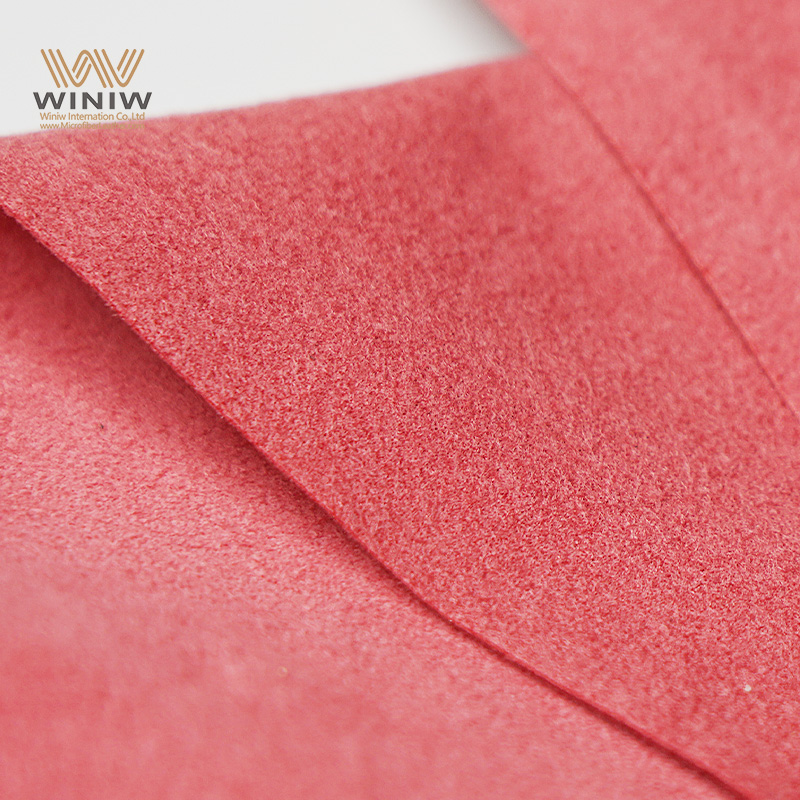
Non woven fabric consists of staple or long fibers bonded through methods like heat, chemicals, or mechanical action. Unlike woven or knitted fabric, nonwoven skips weaving or knitting steps. These fabrics play a crucial role in daily life.
- The global market reached USD 52.56 billion in 2023 and continues to expand.
Non Woven Fabric Basics and Manufacturing Methods
- Nonwoven fabrics are made by bonding fibers without weaving or knitting, making them versatile for various applications.
- The manufacturing process includes fiber selection, web formation, bonding methods, and finishing steps, allowing customization for specific needs.
- Nonwoven fabrics are cost-effective and widely used in hygiene products, medical supplies, and industrial applications, supporting convenience and sustainability.
What Is Non Woven Fabric?
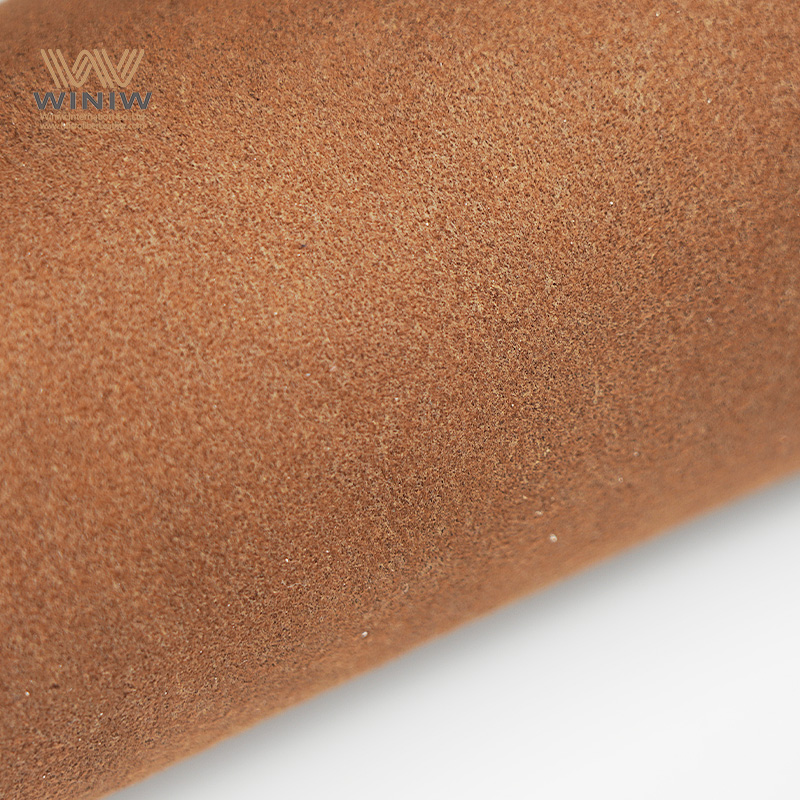
Nonwoven Definition
Non woven fabric is a type of material made from fibers that are bonded together without weaving or knitting. The fibers can be short (staple) or long (filament), and they are joined using heat, chemicals, or mechanical methods. This process creates a fabric that is flat and flexible, but does not have the interlaced structure found in woven or knitted fabrics.
A nonwoven is an engineered fibrous assembly, primarily planar, which has been given a designed level of structural integrity by physical and/or chemical means, excluding weaving, knitting or paper making.
Nonwoven fabrics are designed for specific purposes. Manufacturers can adjust the properties of the material by changing the fiber type, bonding method, and finishing treatments. This flexibility allows nonwoven fabric to meet the needs of many industries.
Key Characteristics
Non woven fabric displays a wide range of physical and chemical characteristics. The properties depend on the fibers used and the bonding process. The table below shows some common fiber types and their key features:
| Material Type | Key Characteristics | Applications |
|---|---|---|
| Polypropylene (PP) | Strength, chemical resistance, processability | Disposable hygiene products, geotextiles |
| Polyester (PET) | Durability, versatility, and cost-effectiveness | Various non-woven applications |
| Polylactic Acid (PLA) | Biodegradable, sustainable alternative | Single-use products |
| Polyamide (Nylon) | Exceptional abrasion resistance | Specialty applications |
| Regenerated Cellulose (Viscose) | High absorbency and softness | Medical and hygiene products |
Nonwoven fabrics can be made to absorb moisture, resist chemicals, or provide softness. Cotton-based nonwoven fabrics are highly absorbent because natural fibers hold water well. Polypropylene and polyester-based nonwoven fabrics resist moisture but can trap it on their surface. The absorbency depends on fiber type, density, thickness, and surface treatments.
Manufacturers can customize nonwoven fabrics for stretch, absorbency, and durability. These materials are often more cost-effective than woven or knitted fabrics. Nonwoven fabrics are used in medical products, hygiene items, and many other applications.
Nonwoven vs Woven and Knitted Fabrics
Non woven fabric differs from woven and knitted fabrics in structure, strength, and performance. The table below compares the three types:
| Fabric Type | Construction Method | Strength | Cost | Use Cases |
|---|---|---|---|---|
| Woven | Interlaced yarns | High | Higher | Apparel, upholstery |
| Knitted | Interlooped yarns | Medium | Medium | Garments, socks |
| Nonwoven | Bonded fibers | Varies | Lower | Wipes, masks, filters, diapers |
Nonwoven fabrics are produced much faster than woven or knitted fabrics. Production speeds can reach 100-400 meters per minute, while woven and knitted fabrics are much slower, at 0.5-5 meters per minute. Nonwoven fabric production costs are 30-60% lower due to less labor and material input.
- Woven fabrics are strong and durable because of the interlacing of threads. They are ideal for products that need to last a long time.
- Nonwoven fabrics are less durable and are often used for disposable products. The bonded fiber structure can tear more easily.
- Knitted fabrics offer flexibility and comfort, making them suitable for garments and socks.
Nonwoven fabrics can be tailored for specific properties. They are used in wipes, masks, filters, and diapers. Woven fabrics are preferred for apparel and upholstery. Knitted fabrics are common in garments and socks.
Nonwoven fabric plays a vital role in industries such as medical, hygiene, automotive, and agriculture. Its versatility and cost-effectiveness make it a popular choice for many applications.
Non Woven Fabric Manufacturing Process
The non woven fabric manufacturing process involves several key steps. Each step shapes the final properties and performance of the fabric. The main stages include fiber selection, web formation, bonding methods, and finishing steps. Understanding each stage helps explain why nonwoven fabrics are so versatile.
Fiber Selection
The process begins with choosing the right fiber. The selection depends on the desired properties of the final fabric. Manufacturers often use synthetic fibers such as polypropylene and polyester. These fibers offer strength, durability, chemical resistance, and cost-effectiveness. Natural fibers like cotton, wool, and jute are also used. They provide comfort, absorbency, and biodegradability, which are important for medical and hygiene products.
- Polypropylene and polyester: Chosen for strength and durability.
- Cotton, wool, jute: Selected for comfort and absorbency.
The choice of fiber affects the fabric’s absorbency, strength, flexibility, and barrier properties. For example, a polyester nonwoven can be made water-repellent for medical gowns. A cellulose-based fabric is highly absorbent and works well for wipes. The fiber selection step ensures the fabric meets the needs of its intended application.
Web Formation
After fiber selection, the next step is web formation. This process arranges the fibers into a loose, flat layer called a web. The method used for web formation has a major impact on the fabric’s characteristics, such as strength, softness, and density.
| Technique | Description |
|---|---|
| Dry laid | Uses textile or pulp fiber handling machinery to form the web. |
| Wet laid | Mixes fibers with water and chemicals to create a slurry, then forms the web. |
| Polymer laid | Involves the use of polymer fibers, often through spinning processes. |
| Composite | Combines different materials or methods to form the web. |
Other common web formation processes include hot air forming, needle punching, spunlace forming, and spinning. The spunlace process uses high-pressure water jets to entangle fibers, creating a strong and soft fabric. The spunbond process involves extruding molten polymer to form continuous filaments, which are then laid into a web. Each method produces fabrics with unique properties suited for specific uses.
The choice of web formation process is crucial. Dry-laid and wet-laid techniques are fundamental for producing fabrics tailored for certain applications. Spunbond and spunlace processes are popular for hygiene and medical products due to their efficiency and fabric quality.
Bonding Methods
Once the web is formed, the next step is bonding. This process gives the fabric its strength and stability. There are several bonding methods, each with its own advantages.
| Bonding Method | Advantages |
|---|---|
| Web Bonding | Improves strength and stability, enhances softness and comfort, ensures uniformity. |
| Thermal Bonding | Uses heat to bond fibers, ideal for filters and insulation. |
| Needle Punching | Mechanically interlocks fibers, creating durable fabrics for carpets and upholstery. |
| Adhesive Bonding | Uses bonding agents, common in hygiene and medical products. |
The spunlace process stands out because it uses water jets to entangle fibers, producing a fabric without chemical adhesives. This method creates a soft, strong, and absorbent fabric, making it ideal for wipes and medical textiles. The spunbond process, on the other hand, uses thermal bonding to fuse fibers, resulting in a fabric with excellent mechanical properties and uniformity.
Web bonding is essential for ensuring the fabric meets performance requirements. The choice of bonding method affects the final use of the nonwoven. For example, needle-punched fabrics are durable and used in carpets, while adhesive-bonded fabrics are common in disposable hygiene products.
Finishing Steps
The final stage in the non woven fabric manufacturing process is finishing. This process enhances the fabric’s performance and appearance. Various treatments can be applied, depending on the intended use.
- Chemical impregnation: Produces a hard, durable fabric.
- Film and membrane lamination: Adds protection and improves performance.
- Stain-resistant finishes: Helps keep fabrics clean.
- Fire retardant treatments: Increases safety for specific applications.
- Hydrophilic and hydrophobic surface modifiers: Adjusts how the fabric interacts with water.
- Mechanical finishing: Includes heat setting, calendaring, and singeing.
Heat setting increases the fabric’s resistance, resiliency, and elasticity. Calendaring produces a smooth finish and enhances strength. Singeing removes protruding fibers, improving the fabric’s texture. These finishing steps ensure that nonwoven fabrics meet the specific needs of industries such as medical, hygiene, automotive, and agriculture.
Note: The spunlace process is especially valued for producing soft, absorbent, and lint-free fabrics, making it a preferred choice for wipes and medical applications. The spunbond process is widely used for hygiene products and face masks due to its efficiency and fabric strength.
The non woven fabric manufacturing process allows for a high degree of customization. By adjusting each step, manufacturers can produce fabrics with the exact properties required for their application.
Applications of Nonwoven Fabrics
Everyday Uses
Nonwoven fabrics have become essential in many daily products. Their unique structure makes them soft, absorbent, and convenient for personal care. The table below highlights common items made from nonwoven fabric:
| Product | Description |
|---|---|
| Baby Diapers | Made from non-woven fabric, providing a soft and absorbent surface for babies. |
| Feminine Hygiene Products | Utilizes non-woven fabric for softness and moisture management in sanitary napkins and liners. |
| Wet Wipes | Composed of non-woven fabric, ideal for cleaning and gentle on sensitive skin. |
These products offer comfort and hygiene. The demand for nonwoven hygiene items has increased as consumers seek convenience and better health protection. Promotional campaigns and rising awareness have also contributed to the popularity of these products.
Note: Nonwoven fabrics are also widely used in personal protective equipment such as face masks and medical gowns, supporting public health and safety.
Industrial Applications
Nonwoven fabrics serve many industries due to their versatility and performance. The table below shows key sectors and how they use these fabrics:
| Industrial Sector | Application Description |
|---|---|
| Construction | Used in roofing underlays and insulation products to protect buildings from moisture while allowing vapor escape. |
| Hygiene and Personal Care | A major market for non-woven fabrics, used in products like baby diapers, sanitary napkins, and wet wipes. |
| Automotive | Utilized in car interiors for components like door liners and sound insulation, enhancing comfort and aesthetics. |
| Filtration | Essential in air and water filtration systems, providing effective removal of particles and contaminants. |
| Packaging | Increasingly used in sustainable packaging solutions, replacing single-use plastics with eco-friendly options. |
| Furniture and Home Textiles | Employed in furniture backing and mattress covers, offering durability and a clean finish. |
Nonwoven fabric also plays a critical role in personal protective equipment for healthcare and industrial workers. Many industries now use recycled or biodegradable nonwoven fabrics to meet environmental goals. These sustainable options help reduce waste and energy use, supporting responsible end-use applications.
Non woven fabric stands out as an engineered material created by bonding fibers without weaving or knitting. The manufacturing process includes fiber selection, web formation, bonding, and finishing. The table below highlights unique features and steps:
| Key Features | Manufacturing Steps |
|---|---|
| Engineered materials from fibers | Fiber selection |
| High absorbency and resilience | Web formation (dry-laid, wet-laid, spun-laid) |
| Customizable functionalities | Bonding (mechanical, thermal, chemical) |
| Versatile applications | Finishing (coatings, laminations, treatments) |
| Cost-effective alternative |
Nonwoven fabrics have evolved to meet the needs of healthcare, fashion, construction, and hygiene products. Advancements in technology have improved durability and adaptability. Understanding these materials helps consumers and professionals make informed choices for better product performance and sustainability.
FAQ
What is the main advantage of nonwoven fabrics?
Nonwoven fabrics offer fast production and cost savings. They can be engineered for specific uses, making them ideal for disposable and specialized products.
Can nonwoven fabrics be recycled?
Some nonwoven fabrics are recyclable. The recycling process depends on the fiber type and any added treatments or coatings.
Are nonwoven fabrics safe for skin contact?
Most nonwoven fabrics used in hygiene and medical products are tested for safety. They are designed to be gentle and non-irritating for skin contact.