

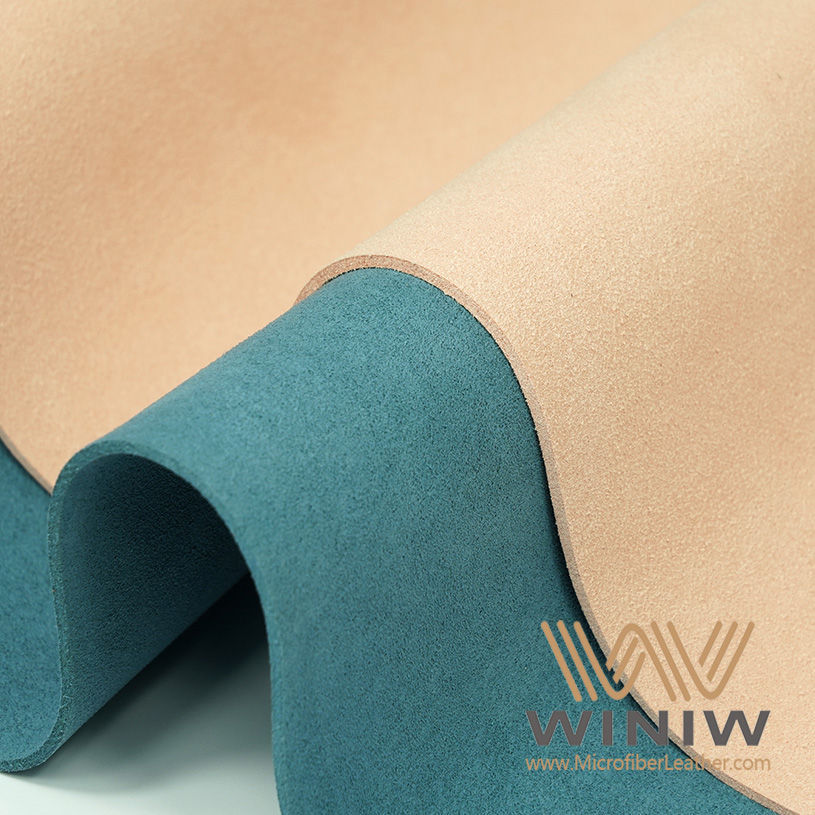
Strong Nonwoven Fabric stands out due to several core factors. Fiber type, bonding method, construction, and treatments each play a vital role. Synthetic fibers like polyester, nylon, and polypropylene provide strength, resilience, and liquid repellency. Common engineered properties include:
- Absorbency
- Liquid repellency
- Resilience
- Strength
Key Factors Behind Strong and Durable Nonwoven Fabric
- Choose the right synthetic fiber, like polypropylene or polyester, to enhance the strength and durability of nonwoven fabrics for various applications.
- Utilize effective bonding methods, such as needle punching or thermal bonding, to improve the fabric’s resistance to tearing and delamination.
- Apply specialized treatments to enhance properties like water repellency and abrasion resistance, ensuring nonwoven fabrics perform well in demanding environments.
Fiber Selection for Strong Nonwoven Fabric
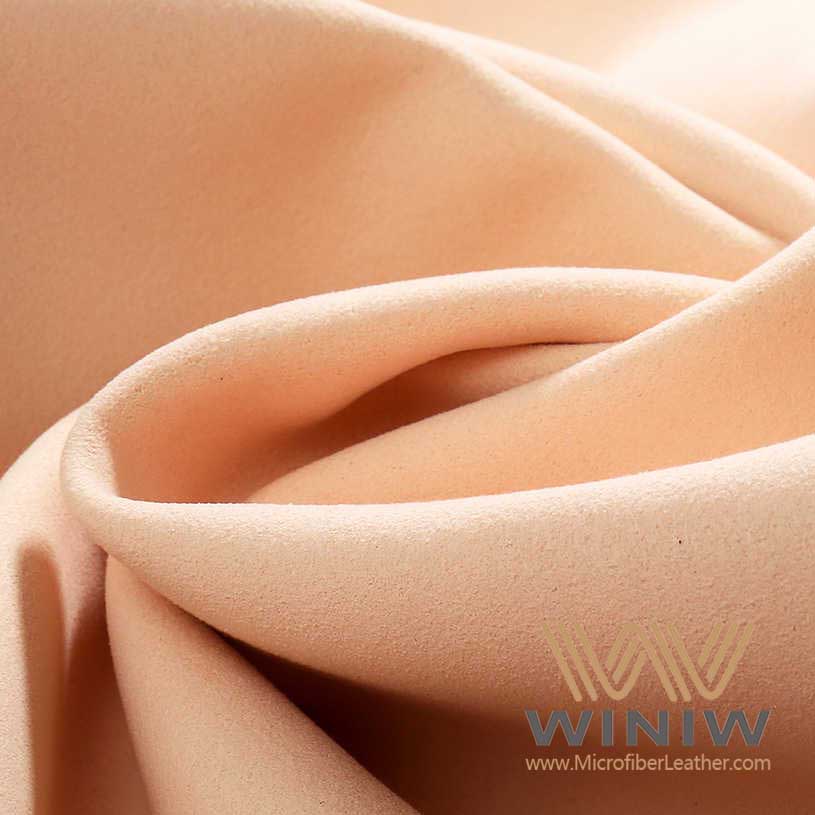
Synthetic Fiber Types
Manufacturers rely on synthetic fibers to produce strong nonwoven fabric for demanding applications. Polypropylene, polyester, and polyamide fibers dominate the industry due to their mechanical strength and resistance to environmental stress. These fibers offer consistent quality and performance, making them suitable for medical, industrial, and consumer products.
Synthetic fibers provide the backbone for strong nonwoven fabric. Their engineered properties allow for customization in strength, flexibility, and chemical resistance.
The following table highlights the most frequently used fiber types and their common applications:
| Fiber Type | Applications |
|---|---|
| Polypropylene fiber | Geosynthetics, carpets, surgical clothing, masks, diapers, oil absorbing materials, filters, etc. |
| Polyester | Insulation materials, thermal insulation flocs, wallcloth, clothing lining, waterproof materials, etc. |
| Polyamide fiber | Clothing lining, paper blanket, carpet, synthetic leather base cloth, polishing material, etc. |
| Polyvinyl alcohol fiber | Composite materials with polypropylene, embroidery base cloth, disposable materials. |
| Polyacrylonitrile fiber | Warm-up flocs, artificial fur, blankets, etc. |
Polypropylene and polyester stand out for their versatility and sustainability. Polypropylene offers excellent hydrophobicity, while polyester excels in mechanical properties and ease of sterilization. These fibers support the production of strong nonwoven fabric that meets the needs of various industries.
Fiber Strength and Properties
The physical properties of synthetic fibers determine the strength and durability of nonwoven materials. Fiber dispersion, bonding techniques, and inherent fiber characteristics all contribute to the performance of strong nonwoven fabric.
| Mechanism/Property | Description |
|---|---|
| Fiber Dispersion | The arrangement of fibers affects how forces are distributed across the fabric, enhancing strength. |
| Bonding Techniques | Methods like hydroentanglement improve fiber-to-fiber bonding, increasing overall fabric strength. |
| Inherent Fiber Properties | Characteristics such as density and tensile strength of synthetic fibers contribute to durability. |
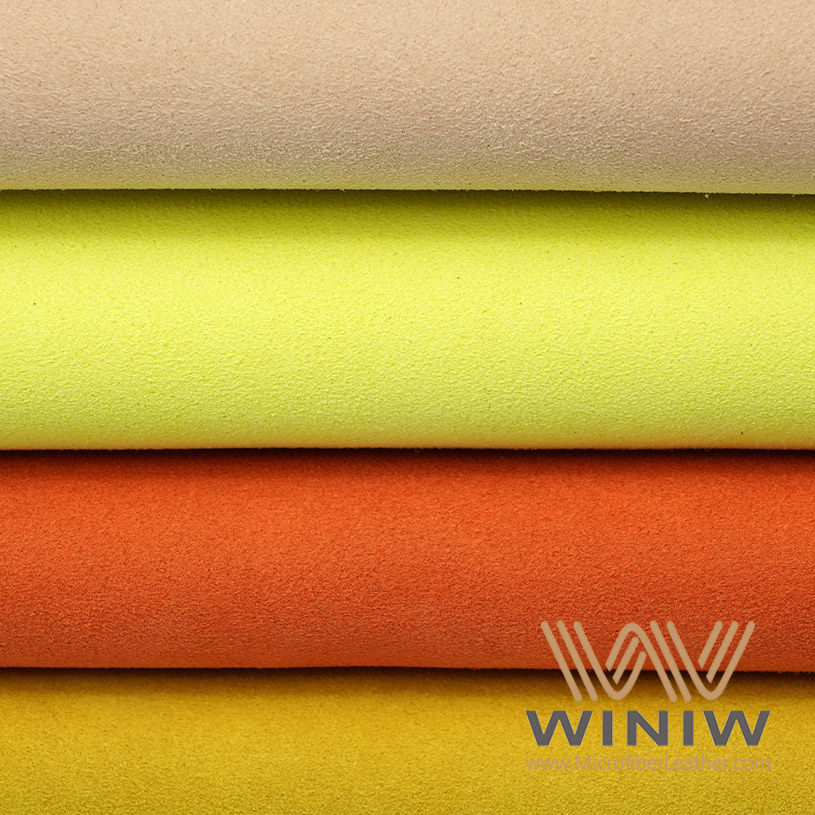
Hydroentanglement and needling increase the mechanical strength of nonwoven polyester fabric by improving fiber-to-fiber bonding. Thicker fibers provide higher tensile strength and stiffness, which is ideal for geotextiles and automotive substrates. Thinner fibers offer greater flexibility, making them suitable for filtration and medical uses.
- The choice of fiber type, such as polypropylene or polyester, is crucial for strength and resistance to degradation.
- Bonding methods ensure that fibers are securely interconnected, which contributes to the fabric’s overall strength.
- Higher basis weight and density result in more robust and resilient nonwoven materials.
- Finishing treatments enhance durability by improving resistance to abrasion and reducing microbial growth.
Polyester and polypropylene fibers also support sustainability goals. Their recyclability and long service life reduce waste and environmental impact.
Role of Polypropylene and Polyester
Polypropylene and polyester play a central role in the production of strong nonwoven fabric. Each fiber type offers unique advantages that influence the performance and longevity of nonwoven products.
| Property | Polyester Nonwoven Fabrics | Polypropylene Nonwoven Fabrics |
|---|---|---|
| Stability | Better | Lower |
| Heat Resistance | Up to 230℃ | Shrinks at 140℃ |
| Anti-aging Properties | Higher | Lower |
| Air Permeability | Excellent | Moderate |
Polyester nonwoven fabric demonstrates superior stability, heat resistance, and anti-aging properties. These qualities make it ideal for outdoor applications, insulation, and products exposed to harsh conditions. Polyester also offers excellent air permeability and color retention, which are important for comfort and aesthetics.
Polypropylene nonwoven fabric excels in chemical resistance. Its non-polar molecular structure allows it to withstand acids, bases, and many organic solvents. This property makes polypropylene suitable for medical-grade nonwoven, filtration, and packaging. Polypropylene also supports sustainability by being lightweight and recyclable.
| Chemical Type | Resistance Level | Notes |
|---|---|---|
| Acids | Good | Resistant to dilute acids at room temperature; resistance decreases with concentration and temperature. |
| Bases | Good | Tolerates dilute bases; high concentrations and temperatures can cause degradation. |
| Organic Solvents | Varies | Resistant to non-polar solvents; polar solvents can cause swelling and softening over time. |
Polyester and polypropylene fibers contribute to the sustainability of strong nonwoven fabric. Their durability reduces the need for frequent replacement, and their recyclability supports environmental goals. Manufacturers choose these fibers to balance performance, cost-effectiveness, and sustainability in nonwoven products.
Tip: Selecting the right fiber type ensures that strong nonwoven fabric meets the specific requirements of each application, from medical masks to outdoor insulation.
Bonding and Construction Techniques
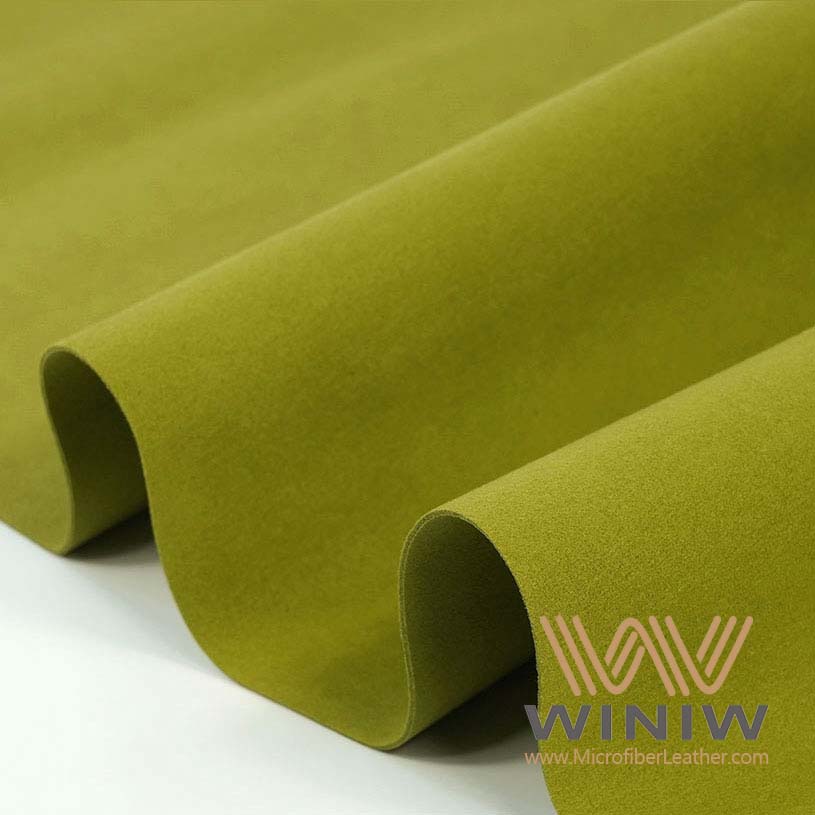
Mechanical and Thermal Bonding
Mechanical and thermal bonding play a central role in the production of strong nonwoven fabrics. Needle punching stands out as a primary mechanical process. This method uses barbed needles to entangle fibers, creating a dense and interlocked structure. The process does not rely on heat or chemicals. Instead, it uses force to produce fabrics with high resistance to delamination and excellent durability. Needle-punched nonwoven upholstery fabric often appears in automotive manufacturing, geotextiles, and floor coverings.
Mechanical bonding, in its most prominent form as needle punching, is a process of elegant brutality. It forges fabric integrity not through heat or chemistry, but through the forceful and repeated penetration of barbed needles. This method creates dense, bulky, and exceptionally durable fabrics that are the backbone of demanding industrial sectors like geotextiles, automotive manufacturing, and floor coverings. The principle of needle punching involves a fiber web being passed through a ‘needle loom’ where specialized needles penetrate the web, entangling fibers and creating a three-dimensional, highly interlocked mass. This Z-direction fiber orientation is the source of the fabric’s characteristic strength, resilience, and resistance to delamination.
Other mechanical processes include frictional bonding and stitch bonding. Frictional bonding relies on the surface friction of fibers to create nonwoven upholstery fabric with high resistance to wear and tear. Stitch bonding uses stitches to hold fibers together, enhancing tear resistance and pilling resistance. These methods increase the overall strength and durability of different types of nonwoven fabric.
Thermal bonding uses heat and pressure to fuse fibers. The process begins with laying down fibers in a controlled environment. Adhesive is applied, then heated and pressed to create strong bonds. This method produces nonwoven materials with exceptional resistance to tearing, flexibility, and durability. Thermal bonding stands out for its cost-effectiveness and precision. It ensures uniform thickness and consistent texture, which are critical for high-quality nonwoven fabrics. Compared to chemical bonding, thermal bonding requires less energy and reduces production costs. It also avoids the use of harsh chemicals, making it suitable for medical and filtration applications.
Thermal bonding enhances the durability and structural integrity of nonwoven fabrics. This process improves both strength and flexibility, which are essential for filtration systems and medical disposables. Hydroentangling, another process, uses high-pressure water jets to entangle fibers, resulting in soft and absorbent nonwovens. These fabrics show high resistance to abrasion and maintain their performance in demanding environments.
Fabric Density and Layering
Fabric density and layering significantly affect the durability and resistance of nonwoven materials. Heavyweight nonwoven geotextiles, with a weight greater than 8 oz./sq yd., provide enhanced durability and stability. These fabrics are ideal for projects like retaining walls and embankments, where maximum resistance to stress and environmental factors is required.
Increasing the number of layers in a nonwoven fabric boosts tear resistance and overall strength. Composite fabrics, which combine multiple layers, exhibit higher tear strength than single-ply structures. Each layer can serve a specific function, such as providing wear resistance, high strength, or comfort. Multi-layer designs allow stress sharing, which reduces concentrated pressure and prevents tearing. If one layer suffers damage, the remaining layers maintain the fabric’s integrity, extending its service life.
- Composite fabrics exhibit higher tear strength compared to other ply structures.
- Increasing the number of fabric layers correlates with greater tear strength.
- Enhanced tear strength indicates improved resistance to tearing.
- Layering different fiber layers enhances strength and durability.
- Each layer can be designed for specific functions, such as wear resistance, high strength, and comfort.
- Multi-layer design allows stress sharing, reducing concentrated pressure and preventing tearing.
- If one layer is damaged, other layers can maintain integrity, extending the fabric’s service life.
High-density construction also improves resistance to abrasion, pilling, and tearing. This approach is common in nonwoven upholstery fabric and industrial applications, where long-term performance is essential. The process of layering and increasing density ensures that the fabric can withstand repeated use and harsh conditions.
Specialized Treatments for Durability
Specialized treatments further enhance the durability and performance of nonwoven fabrics. Liquid repellency, stain resistance, wrinkle resistance, and abrasion resistance are key properties achieved through advanced finishing processes. These treatments protect the fabric from water, stains, and wear, making them suitable for a wide range of applications.
| Treatment Type | Key Features | Limitations |
|---|---|---|
| Silicone-Based | Low surface energy prevents water penetration. | Poor oil and solvent repellency; not durable. |
| Urethane-Based | Strong water protection; maintains softness and breathability. | Degrades under UV light. |
| Paraffin-Type | Affordable; fills gaps to prevent water permeation. | Does not repel oil; less sustainable. |
| Acrylic-Based | Strong barrier against water and stains; flexible application. | N/A |
| FibraLAST® Acrylic | Repels oil and water; excellent resistance to isopropyl alcohol. | N/A |
Acrylic-based and FibraLAST® acrylic treatments provide strong barriers against water and stains. These treatments also improve resistance to isopropyl alcohol, which is important for medical and industrial uses. Urethane-based treatments offer water protection while maintaining softness and breathability. Silicone-based treatments prevent water penetration but may not provide oil or solvent resistance.
Wrinkle resistance treatments, such as non-formaldehyde finishes and PUREPRESS™ technology, improve the long-term performance of nonwoven fabrics. These treatments enhance wrinkle resistance, abrasion resistance, tensile strength, and tear resistance. PUREPRESS™ technology, for example, increases the fabric’s ability to resist abrasion and tearing, making it ideal for consumer products that require durability and easy maintenance.
| Treatment Type | Benefits | Drawbacks |
|---|---|---|
| Non-Formaldehyde Treatments | Enhances wrinkle resistance without toxic effects | Limited studies on long-term performance |
| PUREPRESS™ Technology | Improves wrinkle resistance, abrasion resistance, tensile strength, and tear strength | Can be more complex to apply compared to standard finishes |
Chemical bonding also plays a role in enhancing durability. Eco-friendly binders, such as water-based options, increase resistance to abrasion and reduce environmental impact. Polyurethane coatings improve abrasion resistance and fluid repellency, making nonwoven fabrics more suitable for industrial environments.
| Treatment Type | Description |
|---|---|
| Chemical Bonding | Utilizes eco-friendly binders, such as water-based options, to enhance durability and reduce environmental impact. |
| Polyurethane Coatings | Improves abrasion resistance and fluid repellency, making fabrics more suitable for industrial use. |
Surface modifications can improve biocompatibility and antibacterial properties, which are crucial for medical disposables. These treatments extend the lifespan of nonwoven fabrics by reducing the risk of infection and maintaining performance after repeated use.
The process of applying specialized treatments ensures that nonwoven fabrics meet the specific requirements of each application. Whether for medical, industrial, or consumer use, these treatments provide the necessary resistance to water, stains, abrasion, and pilling. Manufacturers select the appropriate process and treatment based on the desired properties and end-use of the fabric.
Tip: Choosing the right bonding method, construction, and specialized treatment can dramatically improve the resistance and service life of nonwoven fabrics. This approach ensures that products maintain their appearance and performance, even in challenging environments.
Fiber selection, bonding, construction, and treatments combine to improve the durability of nonwoven fabric. Manufacturers use advanced methods to meet industry needs. The table below shows how these factors impact real-world applications and encourage sustainable options.
| Industry | Application | Impact |
|---|---|---|
| Automotive | Insulation and filtration | Enhances comfort and efficiency. |
| Retail | Spunbond non-woven bags | Reduces waste and supports sustainability. |
| Construction | Soil stabilization | Provides durability and lowers water use. |
FAQ
What makes nonwoven fabric different from woven fabric?
Nonwoven fabric does not use weaving or knitting. Manufacturers bond fibers together using mechanical, thermal, or chemical methods.
How do treatments improve nonwoven fabric durability?
Specialized treatments add resistance to water, stains, and abrasion. These processes help nonwoven materials last longer in demanding environments.
Can nonwoven fabrics be recycled?
Many nonwoven fabrics, especially those made from polypropylene or polyester, can be recycled. Recycling helps reduce waste and supports sustainability goals.