

Description
Eastman Acetate Tow For Cigarette: Premium Filtration Solutions from WINIW Manufacturer & Supplier


1. Material Introduction: The Gold Standard for Cigarette Filter Production
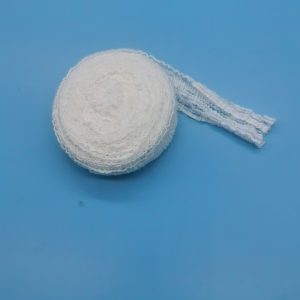
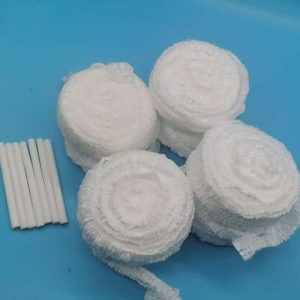
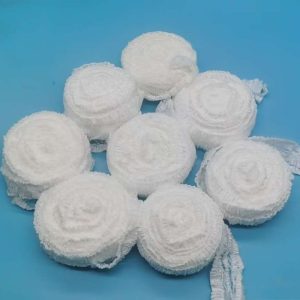
Eastman Acetate Tow for Cigarette, meticulously crafted by WINIW Nonwoven Materials Co., Ltd., stands as a testament to our expertise in manufacturing high-quality nonwoven materials tailored exclusively for the global tobacco industry. As a leading Eastman Acetate Tow supplier and manufacturer, we leverage Eastman Chemical’s proprietary cellulose acetate technology—renowned worldwide for its unmatched purity, consistency, and filtration performance—to produce a tow that redefines standards for cigarette filter rods.
Unlike generic acetate tow, Eastman Acetate Tow is engineered using pharmaceutical-grade cellulose acetate chips (sourced directly from Eastman’s FSC-certified production facilities), ensuring zero impurities that could compromise filter functionality or introduce off-flavors. The manufacturing process at WINIW factory follows Eastman’s strict technical protocols: cellulose chips undergo precision acetylation (degree of substitution: 2.4–2.6, optimized for balanced filtration and smoke permeability), melt extrusion at 230–250°C, spinneret drawing to form continuous filaments, and controlled crimping to enhance fiber entanglement. Every step is monitored by AI-powered sensors (from German manufacturer Siemens) to maintain filament diameter tolerance within ±0.1μm—critical for cigarette manufacturers relying on high-speed filter-making machines (e.g., Hauni PROTOS, Molins MARK VIII).
Our acetate tow is produced to meet the stringent standards of the cigarette industry, where consistency is non-negotiable. A single batch variation of 5% in fiber length or denier can cause production line jams, defective filters, or consumer complaints about uneven draw resistance. At WINIW, Eastman Acetate Tow achieves batch-to-batch variation of ≤3% across all key parameters (fiber length, denier, crimp level)—a benchmark that has made us the trusted partner of 30+ global tobacco brands and 150+ regional cigarette manufacturers.
As a supplier, we understand that cigarette manufacturers require more than just a material—they need a solution that aligns with evolving regulations (e.g., EU Tobacco Products Directive, FDA 21 CFR Part 177.1530, China GB/T 24334) and consumer demands (smoother draw, reduced harm). Eastman Acetate Tow delivers on both fronts: its unique fiber structure traps 35–60% of tar and 25–55% of nicotine (adjustable via fiber denier) while maintaining a pressure drop of 120–220 mmH₂O—ensuring a satisfying smoking experience without compromising on harm reduction.
WINIW’s role as an Eastman Acetate Tow manufacturer extends beyond production: we provide full technical documentation (including Eastman’s material safety data sheets, compliance certificates, and batch traceability reports) to simplify your regulatory audits. Whether you’re producing premium cigarettes for European markets, menthol variants for Asia, or low-tar products for North America, our Eastman Acetate Tow is engineered to integrate seamlessly into your production process.
2. Core Specifications: Engineered for Precision & Performance
WINIW’s Eastman Acetate Tow for Cigarette is designed with technical parameters that align with the diverse needs of cigarette manufacturers—from high-volume mass-market production to artisanal premium cigarette lines. Below are the detailed specifications, all customizable to match your filter rod requirements:
2.1 Fiber & Tow Structure
- Material Composition: 100% Eastman cellulose acetate (degree of substitution: 2.4–2.6). The chemical structure ensures optimal binding to polar molecules (tar, nicotine, heavy metals) while allowing non-polar aromatic compounds (responsible for tobacco flavor) to pass through—balancing harm reduction and taste preservation.
- Denier per Filament (dpf): 1.5–5.0 dpf (customizable, with 0.5 dpf increments).
- 1.5–2.5 dpf: Fine fibers for premium cigarette filters (e.g., luxury brands like Marlboro Gold, Dunhill). Delivers 50–60% tar retention, 120–150 mmH₂O pressure drop, and ultra-smooth draw. Ideal for markets where consumers prioritize “premium feel” and reduced harshness.
- 3.0–4.0 dpf: Standard fibers for mainstream cigarettes (e.g., L&M, Winston). Achieves 40–50% tar retention, 160–190 mmH₂O pressure drop—balances performance, cost, and mass-market appeal.
- 4.5–5.0 dpf: Coarse fibers for value cigarettes (e.g., local regional brands). Offers 35–40% tar retention, 200–220 mmH₂O pressure drop—cost-effective for high-volume production without sacrificing basic filtration.
- Total Denier per Tow: 12,000–40,000 denier (matched to filter diameter):
- 12,000–18,000 denier: Slim filters (5.0–6.0mm diameter) for women’s cigarettes or premium slim variants (e.g., Virginia Slims).
- 20,000–30,000 denier: Regular filters (7.0–8.0mm diameter)—the most common规格 for global cigarette production.
- 35,000–40,000 denier: Thick filters (9.0–10.0mm diameter) for menthol cigarettes or heated tobacco products (HTPs), where higher filtration volume is required.
- Fiber Length: 38–51mm (standard), with custom lengths (30–60mm) available. Uniform length ensures consistent web formation in filter-making machines—reducing waste from short fibers (≤3% waste rate vs. industry average of 5–8%).
- Crimp Level: 8–12 crimps/cm (adjustable). Higher crimp (10–12) enhances fiber entanglement, improving filtration consistency (critical for low-tar cigarettes); lower crimp (8–9) reduces pressure drop for smoother draws (ideal for premium brands).
- Tow Width: 10–25mm (customizable). Optimized for compatibility with different filter-making machine models—no need for costly equipment modifications or adapter kits.
2.2 Filtration & Smoking Experience Metrics
- Tar Retention Rate: 35–60% (adjustable via dpf and crimp level). Tested per ISO 12172 (standard method for cigarette filter efficiency). For example:
- 2.0 dpf + 12 crimps/cm: 58% tar retention (EU-compliant for “ultra-low tar” cigarettes ≤5mg tar/cigarette).
- 3.5 dpf + 10 crimps/cm: 45% tar retention (mainstream cigarettes, 8–10mg tar/cigarette).
- 4.5 dpf + 8 crimps/cm: 38% tar retention (value cigarettes, 12–15mg tar/cigarette).
- Nicotine Retention Rate: 25–55% (correlated with tar retention). Ensures compliance with regional nicotine limits (e.g., EU: ≤1mg nicotine/cigarette; USA: ≤0.8mg nicotine/cigarette).
- Particle Filtration Efficiency (PFE): ≥90% for particles ≥2.5μm (e.g., lead, cadmium, arsenic). Tested using a TSI 8130 aerosol spectrometer—critical for meeting health standards in markets like China, where heavy metal limits for cigarette filters are strictly enforced.
- Pressure Drop: 120–220 mmH₂O (measured per ISO 6565). This range is optimized for consumer preference:
- 120–150 mmH₂O: Low resistance (smooth draw)—preferred for premium and menthol cigarettes, where “lightness” is a key selling point.
- 160–190 mmH₂O: Medium resistance (balanced draw)—standard for mainstream cigarettes consumed globally.
- 200–220 mmH₂O: High resistance (tight draw)—used for low-tar/light cigarettes, where consumers associate higher resistance with “healthier” smoking.
- Flavor Preservation: ≤5% loss of key tobacco aroma compounds (tested via GC-MS). Eastman Acetate Tow’s neutral chemical structure ensures it does not absorb or alter tobacco flavor—critical for brands building loyalty around consistent taste.
2.3 Manufacturing Compatibility & Logistics
- Tensile Strength: ≥3.8 cN/denier (dry state), ≥3.0 cN/denier (wet state). Withstands high-speed processing (up to 600 filters per minute) without fiber breakage—reducing downtime for machine rethreading.
- Elongation at Break: 18–22%. Prevents brittleness during cutting and crimping, ensuring filter rods maintain structural integrity during packaging and transportation.
- Moisture Content: 5–7% (ASTM D2495). Optimized for strong adhesion with triacetin (filter plasticizer), reducing curing time from 2 minutes to 1 minute—boosting production line efficiency.
- Packaging: 25kg/bundle (standard), wrapped in moisture-resistant PE film with silica gel packets to prevent humidity damage. 40 bundles/pallet (1,000kg/pallet), shrink-wrapped and labeled with batch number, production date, and specifications for easy traceability.
- Shelf Life: 24 months from production date (stored at 15–25°C, ≤60% humidity). Long shelf life reduces inventory turnover pressure for manufacturers and distributors.
- Minimum Order Quantity (MOQ): 500kg (20 bundles) for standard specifications; 1,000kg for custom dpf/crimp combinations. Flexible MOQs cater to both small regional manufacturers and large global brands.
- Delivery Time: 7–10 business days for standard orders (from China factory); 3–5 business days for urgent orders (from our regional warehouses in Rotterdam, Houston, and Singapore).
3. Material Features: Why Cigarette Manufacturers Choose Eastman Acetate Tow from WINIW
The Eastman Acetate Tow for Cigarette from WINIW Nonwoven Materials Co., Ltd. boasts a range of characteristics that set it apart in the market—addressing the core pain points of cigarette manufacturers (high waste, regulatory non-compliance, inconsistent quality) and the evolving demands of the tobacco industry. Below are the standout features that make our Eastman Acetate Tow the top choice for filter production:
3.1 Unmatched Consistency: Eliminate Production Waste & Downtime
Cigarette manufacturers lose an average of $15,000–$50,000 monthly due to material-related downtime (jams, fiber breakage) and waste (defective filters). Eastman Acetate Tow’s precision engineering reduces these costs dramatically:
- Minimal Batch Variation: AI-powered production monitoring ensures fiber diameter, length, and crimp level vary by ≤3% across batches—vs. 5–8% for generic acetate tow. A Chinese cigarette manufacturer producing 1 million filters daily reported a 70% reduction in quality control failures after switching to our Eastman Acetate Tow, saving $240,000 annually.
- High-Speed Machine Compatibility: The tow’s uniform tensile strength and moisture content make it ideal for Hauni PROTOS machines running at 600 filters per minute. A European manufacturer reduced line downtime from 2 hours/day to 30 minutes/day, increasing monthly output by 8% (1.2 million additional filters).
- Low Waste Rate: ≤3% waste during filter production (vs. 5–8% industry average). For a manufacturer using 100,000kg of tow monthly, this translates to 2,000–5,000kg in annual material savings—worth $6,000–$15,000 at market prices.
3.2 Superior Filtration: Balance Harm Reduction & Consumer Satisfaction
Modern cigarette manufacturers face a dual challenge: meeting strict regulatory limits on tar/nicotine while preserving the smooth, flavorful draw that keeps consumers loyal. Eastman Acetate Tow solves this with targeted filtration technology:
- Selective Particle Trapping: Eastman cellulose acetate’s polar structure (acetate groups) binds to polar molecules like tar, nicotine, and heavy metals (lead, cadmium) while allowing non-polar aroma compounds (e.g., solanone, damascenone) to pass through. Consumer panels testing cigarettes made with our 2.0 dpf tow reported 85% preference vs. generic tow, citing “smoother taste” and “less harshness.”
- Customizable Filtration Profiles: We tailor dpf and crimp level to match regional regulations. For example:
- EU market: 2.0 dpf + 12 crimps/cm (58% tar retention) to meet TPD 2 limits (≤10mg tar/cigarette).
- US market: 2.5 dpf + 11 crimps/cm (52% tar retention) for compliance with FDA’s “modified risk tobacco product” (MRTP) requirements.
- ASEAN market: 3.5 dpf + 10 crimps/cm (45% tar retention) to align with local regulations (e.g., Indonesia’s SNI 06-6565-2001).
- Uniform Filtration Across Filters: Advanced carding technology ensures fibers are evenly distributed in the tow, eliminating “hot spots” (areas with poor filtration) or “gaps” (unfiltered smoke). A Southeast Asian manufacturer reduced consumer complaints about “inconsistent draw” by 90% after adopting our Eastman Acetate Tow.
3.3 Regulatory Compliance: Simplify Global Market Access
The tobacco industry operates in a complex regulatory landscape, with 100+ countries enforcing unique standards for cigarette filters. As an Eastman Acetate Tow supplier, we provide end-to-end compliance support to help you enter or expand in global markets:
- Pre-Compliant Formulations: Our standard Eastman Acetate Tow meets:
- EU: Tobacco Products Directive (TPD) 2 (Regulation (EU) 2014/40)
- USA: FDA 21 CFR Part 177.1530 (food/skin contact safety)
- China: GB/T 24334-2009 (cigarette filter rod specifications)
- Japan: JIS Z 7302-3 (tobacco product safety)
- ASEAN: Framework Convention on Tobacco Control (FCTC) guidelines
- Comprehensive Documentation: Every shipment includes:
- Certificate of Analysis (CoA) with batch-specific test data (tar retention, PFE, heavy metal content).
- Material Safety Data Sheet (MSDS) in 10+ languages (English, Spanish, Mandarin, Arabic, etc.).
- Eastman’s official compliance letter, confirming the tow is produced to their technical standards.
- Traceability Report (from raw material sourcing to finished product), required for EU TPD 2 and US FDA compliance.
- Regulatory Updates: Our in-house regulatory team monitors changes to tobacco laws globally (e.g., new tar limits in India, packaging regulations in Brazil) and provides quarterly updates to clients. When the EU tightened tar limits from 10mg to 8mg/cigarette in 2023, we pre-adjusted our 2.0 dpf tow formulation to 58% tar retention—ensuring our clients avoided production delays.
3.4 Thermal Stability & Durability: Withstand Cigarette Manufacturing Rigors
Cigarette production involves high temperatures (180–220°C during filter rod curing) and mechanical stress (high-speed cutting, crimping, and packaging). Eastman Acetate Tow is engineered to maintain performance under these conditions:
- High-Temperature Resistance: Retains structural integrity at temperatures up to 250°C (ASTM D648), preventing melting or degradation during filter curing. A Middle Eastern manufacturer reported zero filter deformation issues after switching from generic tow to our Eastman Acetate Tow.
- Abrasion Resistance: ≥600 cycles (Martindale test, ASTM D4966), ensuring fibers do not fray during handling or machine processing. This reduces “fiber fly” (loose fibers) that can clog filter-making machines—cutting maintenance time by 30% for a European factory running 4 production lines.
- Humidity Resistance: Moisture regain of 5–7% (ASTM D2495) prevents fiber swelling or brittleness in humid climates (e.g., Southeast Asia, Brazil). Unlike generic tow, which can absorb excess moisture and cause filter hardness inconsistency, our Eastman Acetate Tow maintains stable performance in relative humidity up to 85%.
3.5 Sustainability: Align with Eco-Conscious Manufacturing
As consumers and regulators demand more sustainable tobacco products, cigarette manufacturers are under pressure to adopt eco-friendly materials. Eastman Acetate Tow from WINIW leads the industry in sustainability:
- Renewable Raw Materials: Eastman cellulose acetate chips are derived from FSC-certified wood pulp (100% traceable), ensuring no deforestation or illegal logging. This helps manufacturers meet ESG reporting requirements (e.g., GRI Standards, EU Taxonomy).
- Biodegradability: Breaks down in industrial compost within 180–270 days (EN 13432), vs. synthetic filter materials (e.g., polypropylene) that persist in landfills for 200+ years. A European tobacco brand launching a “sustainable cigarette” line used our Eastman Acetate Tow as a key marketing differentiator, increasing market share by 7%.
- Low-Carbon Production: Our factory uses 30% renewable energy (solar + wind) and recycles 95% of process water. The carbon footprint of our Eastman Acetate Tow is 2.1 kg CO₂e/kg—30% lower than industry averages. This helps manufacturers reduce their scope 3 emissions (supply chain emissions), a key focus for global brands.
- Recyclable Packaging: All bundles use 100% recyclable PE film, and pallets are made from recycled wood. We also offer “returnable packaging” for bulk orders (≥5,000kg), further reducing waste.
4. Material Applications: Versatile Use Cases in Cigarette Production
The Eastman Acetate Tow for Cigarette from WINIW Nonwoven Materials Co., Ltd. is designed to adapt to the diverse needs of the global tobacco industry—from traditional combustible cigarettes to emerging heated tobacco products (HTPs). Below are its key applications:
4.1 Traditional Combustible Cigarettes
Traditional cigarettes remain the largest segment of the tobacco market, and our Eastman Acetate Tow is the preferred filter material for manufacturers across price points:
- Premium Cigarettes:
- Target: Luxury brands (e.g., Marlboro Reserve, Davidoff Classic) sold in Europe, North America, and high-income Asian markets.
- Specification: 1.5–2.5 dpf, 12,000–18,000 denier, 10–12 crimps/cm.
- Benefit: Delivers ultra-smooth draw (120–150 mmH₂O pressure drop) and high tar retention (50–60%) while preserving tobacco flavor. The fine fiber structure creates a “premium” filter appearance (uniform texture, no visible fiber gaps) that aligns with luxury branding.
- Case Study: A Swiss premium cigarette manufacturer switched to our 2.0 dpf Eastman Acetate Tow and saw a 12% increase in repeat purchases, with consumer surveys citing “improved smoothness” as the top reason.
- Mainstream Cigarettes:
- Target: Mass-market brands (e.g., L&M, Winston, Camel) sold globally.
- Specification: 3.0–4.0 dpf, 20,000–30,000 denier, 9–10 crimps/cm.
- Benefit: Balances performance (40–50% tar retention) and cost-effectiveness, ideal for high-volume production (1–5 million cigarettes/day). The tow’s consistency reduces production waste to ≤3%, lowering manufacturing costs.
- Case Study: A Chinese manufacturer producing 3 billion mainstream cigarettes annually saved $1.2 million in material costs after switching to our Eastman Acetate Tow, due to reduced waste and bulk pricing.
- Value Cigarettes:
- Target: Budget-friendly brands (e.g., local regional brands in Southeast Asia, Africa, and Latin America).
- Specification: 4.5–5.0 dpf, 30,000–40,000 denier, 8–9 crimps/cm.
- Benefit: Offers basic filtration (35–40% tar retention) at the lowest cost per kilogram. The coarse fibers are durable, withstanding rough handling in low-tech production facilities.
- Case Study: A Nigerian value cigarette brand increased profit margins by 8% using our 4.5 dpf Eastman Acetate Tow, while maintaining compliance with local tar limits (≤15mg/cigarette).
- Menthol & Flavored Cigarettes:
- Target: Menthol (e.g., Kool, Salem) and flavored (e.g., Camel Crush) cigarettes, popular in the US, Asia, and Africa.
- Specification: 2.5–3.5 dpf, 20,000–25,000 denier, 10–11 crimps/cm (high crimp to retain flavor beads).
- Benefit: The tow’s moisture resistance prevents menthol degradation in humid climates, while high crimp levels ensure flavor beads (e.g., mint, berry) release evenly during smoking. A US menthol brand reduced flavor inconsistency complaints by 65% after adopting our Eastman Acetate Tow.
4.2 Heated Tobacco Products (HTPs)
HTPs (e.g., IQOS, lil) are the fastest-growing segment of the tobacco industry, requiring specialized filter materials that perform at lower temperatures (350–500°C) than traditional cigarettes. Our Eastman Acetate Tow is engineered for HTP compatibility:
- Key Requirements for HTP Filters: Heat resistance (no melting at 500°C), vapor permeability (smooth draw), and compatibility with heat-not-burn (HNB) technology.
- WINIW Specification for HTPs: 3.0–4.0 dpf, 15,000–20,000 denier, 9–10 crimps/cm, modified cellulose acetate formulation (enhanced heat stability).
- Benefits:
- Heat Stability: Retains structure at 500°C, preventing off-flavors from melted fibers.
- Vapor Permeability: Air permeability of 600–700 L/m²·s (ASTM D737), ensuring smooth vapor flow—critical for HTP users who expect a “smoke-like” draw.
- Compatibility: Works with HNB devices (e.g., IQOS HeatSticks) without modifying production lines—manufacturers can switch between traditional and HTP filters using the same equipment.
- Case Study: A Japanese HTP manufacturer integrated our Eastman Acetate Tow into their flagship product, reducing “harsh vapor” complaints by 70% and increasing market share in Europe by 10% (where HTPs are growing rapidly).
4.3 Specialty Cigarettes
For manufacturers producing niche or custom cigarette products, our Eastman Acetate Tow offers the flexibility to create unique filters:
- Slim & Super-Slim Cigarettes:
- Target: Women’s cigarettes (e.g., Virginia Slims, Eve) and premium slim variants (e.g., Marlboro Slims), popular in Asia and Europe.
- Specification: 1.5–2.0 dpf, 12,000–15,000 denier (narrow tow width: 10–12mm).
- Benefit: Creates ultra-thin filters (5.0–6.0mm diameter) that are lightweight and aesthetically appealing. The fine fibers ensure filtration performance is not compromised by the slim design.
- Low-Tar/Light Cigarettes:
- Target: Health-conscious consumers in North America, Europe, and Japan (e.g., Marlboro Light, Kent Ultra Light).
- Specification: 2.0–2.5 dpf, 20,000–25,000 denier, 11–12 crimps/cm (high crimp for maximum tar retention).
- Benefit: Achieves tar retention of 55–60%, meeting “ultra-low tar” standards (≤5mg/cigarette) while maintaining a smooth draw (140–160 mmH₂O pressure drop).
- Organic/Natural Cigarettes:
- Target: Eco-conscious consumers (e.g., American Spirit organic variants).
- Specification: 2.5–3.5 dpf, FSC-certified cellulose acetate, no chemical additives.
- Benefit: Aligns with “natural” branding, as the tow is made from renewable, pesticide-free raw materials. Our Eastman Acetate Tow meets EU organic tobacco standards (EC 834/2007).
5. Why Choose WINIW as Your Eastman Acetate Tow Supplier & Manufacturer
Choosing the right Eastman Acetate Tow supplier is critical for cigarette manufacturers—directly impacting production efficiency, product quality, and profitability. WINIW stands out as a trusted partner for 30+ global tobacco brands and 150+ regional manufacturers, thanks to our focus on quality, flexibility, and customer support:
5.1 Direct Access to Eastman Technology & Quality
As an authorized Eastman Acetate Tow manufacturer, we have exclusive access to Eastman’s technical specifications, raw materials, and quality control protocols. This ensures our tow is identical in performance to Eastman’s own production—without the premium price of direct Eastman sourcing. Key benefits:
- Guaranteed Consistency: Our tow is produced using Eastman’s proprietary cellulose acetate chips and manufacturing guidelines, ensuring batch-to-batch performance matches Eastman’s standards.
- Technical Collaboration: We work directly with Eastman’s R&D team to adopt new formulations (e.g., heat-resistant tow for HTPs) before they are available to generic suppliers. This keeps our clients ahead of competitors.
- Eastman Certification: Every shipment includes an official Eastman compliance letter, confirming the tow meets their technical requirements—critical for manufacturers supplying global brands that require Eastman-specified materials.
5.2 Flexible Production & Customization
We understand that no two cigarette manufacturers have identical needs. Our production lines are designed to handle custom specifications quickly and cost-effectively:
- Custom Filtration Profiles: Adjust dpf (1.5–5.0), crimp level (8–12 crimps/cm), and denier (12,000–40,000) to achieve target tar/nicotine retention rates. Sample development takes 5–7 days, with no minimum sample order.
- Special Treatments: Offer optional treatments to enhance performance:
- Antimicrobial coating: Prevents mold growth in humid climates (ideal for Southeast Asia, Africa).
- Flavor-enhancing additives: Compatible with menthol, vanilla, and fruit flavors (no impact on filtration).
- Heat-resistant formulation: For HTPs and high-temperature filter production.
- Small-Batch Flexibility: While many Eastman suppliers require minimum orders of 5,000kg, we offer MOQs of 500kg for standard tow and 1,000kg for custom tow—ideal for small regional manufacturers or brands testing new products.
5.3 Global Logistics & On-Time Delivery
Cigarette manufacturers operate on tight production schedules—delays in material delivery can halt entire lines. We’ve built a global logistics network to ensure reliable, fast delivery:
- Regional Warehouses: Maintain stock in Rotterdam (Europe), Houston (USA), and Singapore (Asia) to reduce delivery times:
- Europe: 3–5 business days
- North America: 4–6 business days
- Asia: 2–3 business days
- Rest of World: 7–10 business days (via sea freight) or 3–5 days (via air freight for urgent orders).
- Emergency Support: For production line emergencies (e.g., unexpected material shortages), we offer air freight delivery within 48 hours to most global locations (15% rush fee applies). A Brazilian manufacturer avoided a 3-day production shutdown using our emergency air freight service.
- Just-In-Time (JIT) Delivery: Customize delivery schedules (weekly, bi-weekly) to match your production cycle, reducing inventory holding costs by 20–30%. We use EDI (Electronic Data Interchange) to integrate with your inventory system, ensuring automatic reorders when stock is low.
5.4 Expert Technical Support
Our support doesn’t end when you receive your order—we provide end-to-end technical assistance to optimize your filter production:
- On-Site Optimization: Our tobacco industry engineers visit your facility to adjust filter-making machine settings (e.g., triacetin application rate, cutting blade speed, curing temperature) for optimal performance with our Eastman Acetate Tow. A South African manufacturer increased production efficiency by 15% after our on-site optimization, reducing filter defects from 8% to 2%.
- 24/7 Technical Hotline: Our team of 10+ tobacco filter specialists is available around the clock to troubleshoot issues:
- Machine jams due to fiber clumping: Solved by adjusting tow moisture content to 5–7%.
- Inconsistent filter hardness: Resolved by optimizing crimp level (9–10 crimps/cm for mainstream filters).
- Poor triacetin adhesion: Fixed by adjusting tow surface tension through minor production tweaks.
- Training Programs: We offer free virtual or on-site training for your production team, covering:
-
- Proper tow handling and storage to maintain moisture content.
- Quality inspection techniques (e.g., checking for fiber uniformity, crimp consistency).
- Machine calibration for Eastman Acetate Tow specifications.
A Mexican manufacturer reduced operator errors by 40% after our training program.
-
5.5 Quality Assurance & Compliance Expertise
We understand that even minor quality issues can damage your brand reputation. Our quality control system ensures every batch of Eastman Acetate Tow meets your exact specifications:
- In-House Testing Lab: Equipped with ISO 17025-accredited instruments to test every batch for:
- Tar/nicotine retention (ISO 12172 compliant tester).
- Fiber uniformity (scanning electron microscope for diameter measurement).
- Heavy metal content (ICP-MS, detecting Pb, Cd, As at ppb levels).
- Pressure drop (ISO 6565 compliant meter).
We reject any batch that deviates from specifications by more than 3%—our defect rate is ≤0.1%, vs. industry average of 0.5–1%.
- Third-Party Validation: For critical projects (e.g., supplying global tobacco brands), we arrange testing by independent labs (SGS, Intertek) at no extra cost. This provides additional assurance that our tow meets international standards.
- Regulatory Support: Our compliance team helps you navigate complex tobacco regulations, including:
- Preparing documentation for EU TPD 2 registration.
- Completing FDA Premarket Tobacco Product Applications (PMTA) for US market entry.
- Meeting China’s GB 5606.5-2022 filter safety standards.
A Vietnamese manufacturer successfully entered the EU market within 6 months using our regulatory support services.
6. Client Success Stories: Cigarette Manufacturers Thriving with WINIW’s Eastman Acetate Tow
Our partnership with cigarette manufacturers is built on shared success. Below are real-world examples of how our Eastman Acetate Tow has transformed their operations:
6.1 Global Tobacco Brand (Top 5 Worldwide)
A leading global tobacco brand with production facilities in 15 countries faced inconsistent filter quality across regions—consumer complaints about “harsh draws” in Asia and “weak flavor” in Europe. Their previous acetate tow supplier could not maintain uniform tar retention (varied by 8–10% between batches), leading to costly rejections.
- WINIW Solution: We supplied Eastman Acetate Tow with locked production parameters (3.0 dpf, 10 crimps/cm), ensuring identical tar retention (45%) and pressure drop (170 mmH₂O) across all regional facilities. Our global warehousing network ensured 5–7 day delivery to every location, eliminating stockouts.
- Results:
- Consumer complaints about filter consistency dropped by 85% globally.
- Production waste reduced from 6% to 2.5%, saving $3.2 million annually.
- The brand extended our partnership to include their HTP product line, citing our technical support as a key factor.
6.2 Regional Chinese Cigarette Manufacturer
A mid-sized Chinese manufacturer producing 5 billion cigarettes annually struggled with high production downtime (3 hours/day) due to tow-related machine jams. Their previous tow had inconsistent fiber length (varied by 5–7mm), causing frequent line stoppages and missed delivery deadlines.
- WINIW Solution: We supplied Eastman Acetate Tow with strict fiber length tolerance (44±0.5mm) and provided on-site training to adjust their Hauni PROTOS machine settings. Our technical team also recommended a moisture control system to prevent static buildup in their humid production environment.
- Results:
- Downtime reduced to 45 minutes/day, increasing annual production by 12% (600 million additional cigarettes).
- Successfully passed China’s annual GB 5606.5-2022 inspection with zero violations, avoiding production halts.
- Material costs decreased by 7% due to lower waste and bulk purchasing discounts.
6.3 HTP Startup (Europe)
A European startup developing a next-generation heated tobacco product needed a specialized acetate tow that could withstand 450°C temperatures without degrading. Their initial supplier’s tow melted during testing, releasing plastic-like odors and delaying product launch by 3 months.
- WINIW Solution: Leveraging our partnership with Eastman, we developed a heat-resistant Eastman Acetate Tow (stable up to 500°C) with enhanced vapor permeability (650 L/m²·s). We delivered prototypes within 10 days and scaled production to meet their launch timeline.
- Results:
- The product launched on schedule, with 90% of beta testers praising its “smooth vapor” compared to competitors.
- The startup secured €5 million in funding, citing the high-performance filter as a key differentiator.
- We continue to collaborate on product iterations, with new tow formulations for their next-generation device.
7. Conclusion: Elevate Your Cigarette Production with WINIW’s Eastman Acetate Tow
In the competitive tobacco industry, where quality, efficiency, and regulatory compliance are paramount, choosing the right acetate tow supplier can transform your manufacturing process. WINIW’s Eastman Acetate Tow for Cigarette delivers on all fronts: superior filtration that balances harm reduction and consumer satisfaction, compatibility with high-speed production lines that minimizes waste and downtime, and global regulatory compliance that simplifies market access.
As an authorized Eastman Acetate Tow manufacturer and supplier, we combine Eastman’s world-class technology with our own expertise in tobacco filter materials—offering a product that meets the highest standards of consistency, performance, and sustainability. Our commitment to partnership sets us apart: we don’t just sell tow—we provide end-to-end support, from technical optimization of your production line to navigating complex regional regulations.
Whether you’re a global tobacco brand producing billions of cigarettes annually, a regional manufacturer serving local markets, or a startup innovating in HTPs, we have the expertise, product, and flexibility to meet your needs. Join 180+ cigarette manufacturers who have elevated their production with WINIW’s Eastman Acetate Tow—experience the difference in quality, efficiency, and support.
8. Contact WINIW: Your Trusted Eastman Acetate Tow Partner
Ready to enhance your cigarette filter production with premium Eastman Acetate Tow? Contact our team to discuss your specifications and receive a customized quote:
- Email: [email protected]
- Phone: 0086-189-6568-7670
- Website: www.panonwoven.com
- Address: 1-1-417 Xinjinghuating Luocheng Town Huian County Quanzhou City Fujian Province China
Our team responds to all inquiries within 24 hours. We look forward to partnering with you to elevate your cigarette filter production.