

Description
Introduction: China’s Leading Supplier of Nylon Spunbond Nonwoven Fabric
Nylon Spunbond Nonwoven Fabric leading supplier in China!
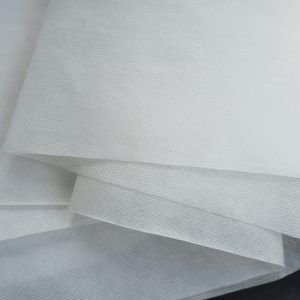
WINIW Nonwoven Materials Co., Ltd. stands as a premier supplier and manufacturer of high-performance Nylon Spunbond Nonwoven Fabric in China, with a strong reputation for delivering consistent quality, technical excellence, and customer-centric solutions. For over a decade, we have specialized in producing nylon-based nonwoven fabrics that cater to the diverse needs of global industries—from healthcare and automotive to filtration, apparel, and consumer goods. Our Nylon Spunbond Nonwoven Fabric is engineered using advanced spunbond technology and 100% premium nylon (PA, polyamide) fibers, ensuring it combines the inherent strength, flexibility, and durability of nylon with the lightweight, breathable properties of nonwoven structures.
In today’s fast-paced manufacturing landscape, industries demand materials that balance performance, sustainability, and cost-effectiveness. Nylon, as a synthetic polymer, has long been valued for its exceptional mechanical properties—including high tensile strength, abrasion resistance, and elasticity. When transformed into spunbond nonwoven fabric, these properties are enhanced, creating a material that outperforms many traditional woven or knitted textiles in critical applications. WINIW’s Nylon Spunbond Nonwoven Fabric is designed to meet these demands, offering a versatile solution that can be tailored to specific industry requirements through customizable weights, widths, and colors.
Our commitment to quality begins with raw material selection and extends through every stage of production, from fiber extrusion to final inspection. We source only high-grade nylon resin pellets from trusted global suppliers, ensuring each batch of fabric meets strict standards for purity, consistency, and performance. With state-of-the-art production facilities and a team of experienced engineers, we have the capability to fulfill both large-volume orders and small-batch custom requests, making us the preferred partner for businesses seeking reliable nylon spunbond nonwoven solutions.
Understanding Nylon Spunbond Nonwoven Fabric: Technology & Benefits
To appreciate the value of WINIW’s Nylon Spunbond Nonwoven Fabric, it is essential to understand the spunbond manufacturing process and how it leverages the unique properties of nylon to create a superior material.
The Spunbond Manufacturing Process
The spunbond process is a key technology in nonwoven production, known for creating strong, uniform fabrics with minimal waste. For our Nylon Spunbond Nonwoven Fabric, the process unfolds in five core stages:
1. Resin Melting & Extrusion: High-quality nylon (PA) resin pellets are fed into an extruder, where they are heated to a precise temperature (typically 220°C–260°C) to form a molten polymer. This temperature range is carefully controlled to ensure the nylon fully melts without degradation, preserving its mechanical properties.
2. Filament Formation: The molten nylon is forced through a spinneret—a metal plate with hundreds of tiny holes (ranging from 0.2mm to 0.5mm in diameter). As the polymer exits the spinneret, it forms continuous filaments, which are immediately cooled by a stream of controlled air. This rapid cooling solidifies the filaments while maintaining their uniformity and strength.
3. Filament Stretching: The solidified filaments are drawn (stretched) using a series of rollers at varying speeds. This stretching process aligns the polymer molecules within the filaments, significantly enhancing their tensile strength and elasticity. The degree of stretching is tailored to the desired fabric properties—for example, higher stretch ratios create stronger filaments for heavy-duty applications.
4. Web Formation: The stretched filaments are laid down in a random, overlapping pattern onto a moving conveyor belt (known as a “forming wire”). This random layering ensures the fabric has isotropic strength—meaning it performs equally well in all directions, unlike woven fabrics that often have stronger “warp” (lengthwise) and weaker “weft” (crosswise) directions. This is a critical advantage for applications requiring uniform durability, such as filtration media or automotive interiors.
5. Thermal Bonding: The loose filament web is then passed through a pair of heated calendaring rollers. These rollers apply heat and pressure to the web, melting the surface of the nylon filaments slightly. When the filaments cool, they fuse together at their contact points, creating a cohesive, stable fabric. Unlike chemical bonding methods that use adhesives (which can add weight, reduce breathability, or introduce toxic substances), thermal bonding preserves the inherent properties of nylon and ensures the fabric remains lightweight and breathable.
This advanced spunbond process results in a Nylon Spunbond Nonwoven Fabric that is strong, flexible, and consistent—with no weak points or seams, making it ideal for high-performance applications.
2Key Benefits of Nylon Spunbond Nonwoven Fabric
WINIW’s Nylon Spunbond Nonwoven Fabric offers a range of benefits that make it a superior choice for diverse industries:
• Exceptional Tensile Strength: Nylon’s inherent strength, combined with the spunbond process, creates a fabric that can withstand significant pulling forces without tearing. This makes it ideal for applications like automotive seat covers, luggage liners, or industrial wipes that require durability under stress.
• Elasticity & Recovery: Nylon is highly elastic, meaning it can stretch up to 30% of its original length and return to its shape without permanent deformation. This property is critical for applications like athletic apparel liners, medical bandages, or compression garments, where flexibility and a snug fit are essential.
• Abrasion Resistance: Nylon is one of the most abrasion-resistant synthetic fibers, outperforming polyester and polypropylene in tests. Our Nylon Spunbond Nonwoven Fabric can withstand repeated rubbing or friction—making it suitable for use in shoe liners, backpack straps, or industrial protective covers.
• Breathability & Moisture Management: The spunbond structure creates a porous fabric that allows air and moisture vapor to pass through, preventing heat and moisture buildup. This makes it ideal for skin-contact applications like hygiene products, medical gowns, or athletic wear, where comfort is a priority.
• Chemical Resistance: Nylon is resistant to most oils, greases, and mild chemicals, making the fabric suitable for automotive under-hood applications, industrial filters, or cleaning wipes that may come into contact with harsh substances.
• Lightweight & Flexible: Despite its strength, Nylon Spunbond Nonwoven Fabric is lightweight and easy to handle, reducing shipping costs and simplifying integration into manufacturing processes. Its flexibility allows it to conform to irregular shapes—an advantage for applications like cable wrapping or furniture upholstery.
Detailed Product Specifications
WINIW’s Nylon Spunbond Nonwoven Fabric is available in a range of standard specifications, with extensive customization options to meet unique application needs. Below is a comprehensive breakdown of our product specs:
Composition: 100% Nylon (PA, Polyamide)
Our Nylon Spunbond Nonwoven Fabric is made from 100% pure nylon (polyamide), with no blends or fillers. We primarily use Nylon 6 and Nylon 6,6—two of the most widely used types of nylon in industrial applications—due to their balanced properties:
• Nylon 6: Offers excellent elasticity, moisture absorption, and chemical resistance. It is often used in applications like hygiene products, apparel liners, and filtration media.
• Nylon 6,6: Provides higher tensile strength and thermal stability compared to Nylon 6, making it ideal for high-stress applications like automotive components, industrial wipes, and protective gear.
The 100% nylon composition ensures the fabric retains all the key benefits of nylon—strength, elasticity, and abrasion resistance—without compromising on performance. Unlike blended fabrics that may include lower-quality fibers (such as polyester or polypropylene), our pure nylon fabric delivers consistent results, even in demanding environments.
Weight: 15gsm – 200gsm
The weight of nonwoven fabric (measured in grams per square meter, gsm) directly impacts its thickness, strength, and suitability for specific applications. Our Nylon Spunbond Nonwoven Fabric is available in a wide weight range from 15gsm to 200gsm, allowing customers to select the optimal option for their needs:
• 15gsm – 50gsm (Lightweight): These lightweight fabrics are thin, breathable, and flexible—ideal for applications where minimal bulk is required. Common uses include hygiene product topsheets (e.g., baby diapers, feminine care products), medical dressing backings, or lightweight filtration media for air purifiers.
• 51gsm – 100gsm (Mediumweight): Mediumweight fabrics balance strength and flexibility, making them versatile for a range of applications. They are often used in automotive interior liners (e.g., door panels, headliners), apparel interlinings (to add structure to collars or cuffs), and consumer goods like tote bags or shoe liners.
• 101gsm – 200gsm (Heavyweight): Heavyweight fabrics offer maximum strength and durability, designed for high-stress applications. They are suitable for industrial uses like protective covers, geotextiles (for erosion control), heavy-duty wipes for machinery cleaning, or luggage liners that need to withstand repeated use.
Our production process allows for precise control over fabric weight, with a tolerance of ±3gsm—ensuring consistency across every roll. For customers with unique requirements, we also offer custom weights outside the standard range (e.g., 12gsm for ultra-light filtration or 250gsm for industrial reinforcement).
Color: White, Black, Customized Colors
We offer three color options to meet the aesthetic and functional needs of different industries:
• White: The standard white color is a popular choice for hygiene products, medical applications, and apparel—where a clean, neutral appearance is preferred. White fabric also allows for easy dyeing or printing, making it suitable for custom-branded items like promotional bags or apparel.
• Black: Black fabric is ideal for applications where UV resistance or light blocking is needed, such as automotive interiors (to reduce glare), outdoor gear (like backpacks or tent liners), or industrial covers (to hide dirt and wear). Black nylon also has a sleek, professional look that is popular in consumer goods.
• Customized Colors: For customers with specific branding or functional requirements, we offer custom color matching. Using high-quality, non-toxic pigments that are compatible with nylon, we can produce fabric in any Pantone color or custom shade. Our color-matching process ensures consistency across production runs, so every roll matches your desired hue—whether it’s a brand-specific blue for a sports apparel line or a high-visibility orange for safety gear.
All colors are added during the fiber extrusion stage, ensuring the pigment is evenly distributed throughout the fabric (not just on the surface). This “mass dyeing” process results in colorfast fabric that resists fading, even after repeated washing or exposure to sunlight.
Width: 10cm – 160cm
Fabric width is a critical specification for manufacturing efficiency, as it determines how much material is wasted during cutting and conversion. Our Nylon Spunbond Nonwoven Fabric is available in widths from 10cm to 160cm, with standard options including 10cm, 50cm, 100cm, 120cm, and 160cm. This range caters to diverse production needs:
• Narrow Widths (10cm – 50cm): Suitable for small-scale applications like cable wrapping, medical tape backings, or narrow filtration strips. Narrow widths reduce waste for products that require only a small amount of fabric per unit.
• Medium Widths (51cm – 100cm): Ideal for consumer goods like tote bags, shoe liners, or hygiene product components. These widths balance efficiency and versatility, fitting most standard production equipment.
• Wide Widths (101cm – 160cm): Designed for large-scale applications like automotive interiors (where wide panels are needed), geotextiles, or industrial covers. Wide widths minimize seams, improving the fabric’s durability and reducing production time.
We also offer custom width options to match specific production lines or product designs. For example, if a customer’s machinery is calibrated for 80cm-wide fabric, we can produce rolls of that exact width to eliminate the need for cutting and reduce waste. Our production lines are flexible enough to adjust width with minimal lead time, ensuring seamless integration into your manufacturing process.
Key Applications of Nylon Spunbond Nonwoven Fabric
WINIW’s Nylon Spunbond Nonwoven Fabric is versatile enough to serve a wide range of industries, thanks to its balanced combination of strength, flexibility, and customization. Below are the most common application areas, along with how the fabric’s properties meet industry-specific needs:
Healthcare & Medical Industry
The healthcare industry demands materials that are sterile, breathable, and durable—all properties that our Nylon Spunbond Nonwoven Fabric delivers. Key applications include:
• Medical Gowns & Drapes: Lightweight (20gsm – 50gsm) nylon spunbond fabric is used to make disposable or reusable medical gowns. Its breathability keeps healthcare workers comfortable during long shifts, while its barrier properties protect against fluid splashes. The fabric’s elasticity allows for easy movement, and it can be sterilized using autoclaving or chemical methods.
• Wound Dressings & Bandages: Mediumweight (50gsm – 80gsm) fabric is used as a backing for wound dressings. Its softness is gentle on sensitive skin, and its breathability promotes healing by allowing moisture vapor to escape. Nylon’s elasticity ensures the dressing conforms to the body, while its strength prevents tearing during application or wear.
• Hygiene Products: Lightweight white fabric is used in the topsheets of adult incontinence products and feminine care items. Its breathability reduces skin irritation, and its smooth surface is comfortable against the skin. The fabric’s strength ensures it does not tear during use, even when wet.
Automotive Industry
Automotive manufacturers rely on materials that can withstand extreme temperatures, vibration, and abrasion—all challenges that our Nylon Spunbond Nonwoven Fabric addresses. Common applications include:
• Interior Liners: Mediumweight (60gsm – 100gsm) fabric is used for door panels, headliners, and seat liners. Its lightweight properties reduce vehicle weight (improving fuel efficiency), while its abrasion resistance ensures it does not wear out from repeated contact. Black fabric is often preferred for interiors, as it hides dirt and reduces glare.
• Filter Media: Lightweight (15gsm – 30gsm) fabric is used in air and oil filters. The spunbond structure’s porosity allows for efficient filtration of dust, debris, and contaminants, while nylon’s chemical resistance ensures it does not degrade when exposed to oil or fuel.
• Wire Harness Wrapping: Narrow-width (10cm – 20cm) fabric is used to wrap automotive wire harnesses. Its flexibility allows it to conform to the shape of the wires, while its strength protects against abrasion from other components. The fabric’s thermal stability ensures it can withstand the high temperatures under the hood (up to 150°C).
Filtration Industry
Filtration requires materials with precise porosity, strength, and chemical resistance—all hallmarks of our Nylon Spunbond Nonwoven Fabric. Applications include:
• Air Filtration: Lightweight (15gsm – 40gsm) fabric is used in HVAC filters, air purifiers, and industrial dust collectors. The spunbond structure’s uniform pores trap particles (from pollen to industrial dust) while allowing air to flow freely. Nylon’s durability ensures the filter does not tear or degrade over time, even in high-airflow environments.
• Liquid Filtration: Mediumweight (50gsm – 80gsm) fabric is used in water filters, oil filters, and chemical filtration systems. Its chemical resistance makes it suitable for filtering corrosive liquids, while its porosity ensures efficient removal of contaminants (e.g., sediment, bacteria) without clogging quickly.
• Industrial Filtration: Heavyweight (100gsm – 150gsm) fabric is used in high-pressure filtration applications, such as those in the mining or manufacturing industries. Its strength withstands the pressure of flowing liquids or gases, while its abrasion resistance prevents damage from solid particles in the fluid.
Apparel & Textile Industry
The apparel industry values fabrics that are lightweight, flexible, and durable—properties that make our Nylon Spunbond Nonwoven Fabric a popular choice. Key applications include:
• Interlinings: Mediumweight (50gsm – 70gsm) fabric is used as interlining in shirts, jackets, and dresses. It adds structure to collars, cuffs, and hems without adding bulk, and its elasticity ensures it moves with the garment. Unlike traditional woven interlinings, nylon spunbond interlinings are easier to cut and sew, reducing production time.
• Athletic Wear: Lightweight (20gsm – 40gsm) fabric is used in the liners of athletic apparel, such as running shirts or leggings. Its breathability wicks moisture away from the skin, keeping the wearer dry, while its elasticity allows for a full range of motion. The fabric’s abrasion resistance ensures it does not wear out from repeated washing or movement.
• Outerwear: Heavyweight (150gsm – 200gsm) fabric is used in the liners of jackets or coats. It provides an extra layer of insulation without adding weight, and its wind resistance helps keep the wearer warm. Black fabric is often used for outerwear liners, as it hides lint and wear.
Consumer Goods & Industrial Applications
Beyond healthcare, automotive, and apparel, our Nylon Spunbond Nonwoven Fabric is used in a variety of consumer and industrial products:
• Tote Bags & Shopping Bags: Mediumweight (80gsm – 120gsm) fabric is used to make reusable tote bags. Its strength can withstand the weight of groceries or other items, while its customizable colors allow for branding. Unlike woven cotton bags, nylon spunbond bags are lightweight and quick-drying, making them ideal for travel or outdoor use.
• Shoe Liners & Inserts: Mediumweight (60gsm – 90gsm) fabric is used in shoe liners and insoles. Its breathability reduces foot odor by allowing moisture to escape, while its abrasion resistance ensures it does not wear out from repeated walking. The fabric’s elasticity conforms to the shape of the foot, providing comfort.
• Industrial Wipes: Heavyweight (100gsm – 200gsm) fabric is used to make industrial cleaning wipes. Its strength can withstand scrubbing, while its chemical resistance allows it to be used with solvents or cleaning agents. The fabric’s absorbency ensures it picks up dirt and oil effectively, making it suitable for cleaning machinery or work surfaces.
Quality Control & Compliance
At WINIW, quality is not just a priority—it is embedded in every step of our production process. We understand that our customers rely on our Nylon Spunbond Nonwoven Fabric to meet strict industry standards, so we have implemented a comprehensive quality control system to ensure consistency and performance.
Raw Material Inspection
Every batch of nylon resin pellets is inspected upon arrival to verify purity, melt flow rate (MFR), and moisture content. We use advanced testing equipment, such as gas chromatography and melt flow testers, to ensure the resin meets our specifications. Any batch that fails to meet our standards is rejected, preventing defects in the final fabric.
In-Process Testing
During production, our quality control team performs regular tests to monitor fabric properties. Key tests include:
• Weight & Thickness: Measured every 15 minutes using a precision balance and thickness gauge, ensuring the fabric meets the desired weight and thickness with a tolerance of ±3%.
• Tensile Strength & Elongation: Tested hourly using a universal testing machine (UTM) to measure how much force the fabric can withstand before breaking and how much it can stretch. Our fabric typically has a tensile strength of 20N/25mm – 50N/25mm (depending on weight) and an elongation of 20% – 40%.
• Abrasion Resistance: Tested daily using a Martindale abrasion tester, which simulates repeated rubbing. Our fabric can withstand 5,000 – 50,000 cycles (depending on weight) without significant wear.
• Color Fastness: Tested for each color batch using a xenon arc lamp to simulate sunlight exposure. Our fabric maintains its color for 500+ hours of exposure, meeting AATCC (American Association of Textile Chemists and Colorists) standards for color fastness.
Final Inspection & Compliance
Before shipment, every roll of fabric undergoes a final inspection. This includes a visual check for defects (e.g., holes, uneven density, color variations) and a sample test for key properties (tensile strength, weight, width). Only rolls that pass all tests are approved for shipment.
Our Nylon Spunbond Nonwoven Fabric also complies with international industry standards, including:
- ISO 9001: Quality management system certification
- AATCC 15: Color fastness to perspiration
- AATCC 16: Color fastness to light
- ASTM D5034: Standard test method for tensile properties of textile fabrics
- FDA 21 CFR Part 177: Food contact compliance (for fabric used in food packaging or processing)
These certifications ensure our fabric meets the requirements of global markets, making it easy for our customers to use our product in their international operations.
Why Choose WINIW as Your Nylon Spunbond Nonwoven Fabric Supplier?
With many nonwoven fabric suppliers in China, what sets WINIW apart? Here are the key reasons businesses around the world choose us for their Nylon Spunbond Nonwoven Fabric needs:
Specialization in Nylon Spunbond Technology
Unlike general nonwoven manufacturers, we specialize in nylon spunbond fabrics. Our team of engineers has deep expertise in nylon properties and spunbond technology, allowing us to develop fabrics that are tailored to specific industry needs. Whether you need a lightweight fabric for medical dressings or a heavyweight fabric for industrial covers, we have the knowledge to deliver the right solution.
Customization Capabilities
We understand that every customer has unique requirements. That’s why we offer extensive customization options—from weight and width to color and finishes (e.g., water-repellent, flame-retardant). Our production team can adjust specifications quickly, with lead times as short as 7–10 days for custom orders. We also provide free samples, allowing you to test the fabric before placing a large order.
High Production Capacity & Timely Delivery
Our state-of-the-art production facilities have a monthly capacity of 500 tons of Nylon Spunbond Nonwoven Fabric—enough to meet even the largest orders. We operate 24/7 to ensure timely delivery, with a 99% on-time delivery rate for standard orders. For urgent requests, we offer expedited production and shipping options to meet tight deadlines.
Competitive Pricing
Our large production volume and efficient manufacturing processes allow us to offer competitive pricing without compromising on quality. We work with customers to optimize costs—for example, by recommending the right weight or width to reduce waste, or by offering bulk discounts for large orders. Our transparent pricing model ensures there are no hidden fees, making it easy to budget for your project.
Exceptional Customer Service
We believe in building long-term partnerships with our customers. Each customer is assigned a dedicated account manager who serves as a single point of contact for all inquiries, from product selection to post-delivery support. Our account managers have extensive knowledge of nylon spunbond fabrics and can provide technical advice to help you choose the right product for your application. We also offer after-sales support, including troubleshooting and replacement of defective products (though our strict quality control ensures this is rarely needed).
Contact Information
Ready to learn more about WINIW’s Nylon Spunbond Nonwoven Fabric or request a sample? Contact us today using the information below:
Company Name: WINIW NONWOVEN MATERIALS CO., LTD.
Address: 1-1-417 Xinjinghuating, Luocheng Town, Huian County, Quanzhou City, Fujian Province, China
Contact Person: Mr. Galen Shen
Phone: +86-595-88008155
Cell Phone: +86-189-6568-7670
Email: [email protected]
Our team will respond to your inquiry within 24 hours, providing detailed product information, custom quotes, or samples. Whether you are a small business looking for a small batch of fabric or a large manufacturer needing high-volume supplies, we have the capability and expertise to meet your needs. Choose WINIW as your Nylon Spunbond Nonwoven Fabric supplier—and experience the difference quality and service can make.