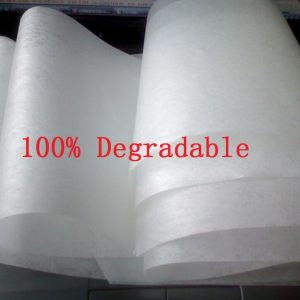


Description
Polyester Stitchbond Nonwoven Fabric: WINIW’s Durable, Versatile Solution for Multiple Industries
1. Introduction: What Is Polyester Stitchbond Nonwoven Fabric?
Nonwoven fabrics have revolutionized industrial manufacturing with their versatility, cost-effectiveness, and tailored performance—and among them, Polyester Stitchbond Nonwoven Fabric stands out for its exceptional durability, structural stability, and adaptability. Unlike traditional woven fabrics (which rely on interlaced yarns) or other nonwovens (e.g., spunbond, melt-blown), stitchbond nonwovens are created by stitching together layers of fiber webs using high-strength threads, creating a reinforced structure that balances flexibility and rigidity.
As a leading nonwoven manufacturer, WINIW supply all kinds stitch bonded nonwoven fabrics, polyester stitchbond nonwoven fabric for different industry. Our polyester-based stitchbond fabric leverages the inherent advantages of polyester—high tensile strength, resistance to moisture, chemicals, and UV rays—combined with the stitchbond process’s unique reinforcement. This makes it a go-to material for sectors ranging from automotive and construction to hygiene and agriculture, where reliability and long-term performance are critical.
What sets WINIW’s Polyester Stitchbond Nonwoven Fabric apart? It’s our commitment to precision: every roll is engineered to meet strict thickness, width, and color standards, ensuring consistency across batches. Whether you need a thin, flexible fabric for hygiene products or a thick, heavy-duty option for construction membranes, our polyester stitchbond fabric delivers the performance your application demands. This comprehensive product description will dive into the fabric’s specifications, features, manufacturing process, applications, and why WINIW is the trusted partner for businesses worldwide.
2. Detailed Specifications of WINIW Polyester Stitchbond Nonwoven Fabric
WINIW’s Polyester Stitchbond Nonwoven Fabric is designed with industry-specific needs in mind, with clear, customizable specifications to match diverse applications. Below is a breakdown of our standard parameters, along with available customizations to fit your unique requirements:
2.1 Core Composition & Material Quality
- Composition: 100% polyester (standard). We use high-quality, virgin polyester fibers (PET, polyethylene terephthalate) with a melting point of 255–260°C, ensuring resistance to high temperatures and thermal deformation. For specialized needs, we also offer blends (e.g., 80% polyester + 20% polypropylene) to enhance specific properties (e.g., chemical resistance).
- Fiber Denier: 2.0–6.0 denier (standard). Lower denier (2.0–3.0) fibers create a softer, more flexible fabric (ideal for hygiene or apparel liners), while higher denier (4.0–6.0) fibers deliver enhanced strength and abrasion resistance (suited for automotive or industrial uses).
- Fiber Type: Solid polyester fibers (standard) or hollow polyester fibers (custom option). Hollow fibers reduce fabric weight by 15–20% while maintaining strength, making them ideal for lightweight applications like geotextiles or packaging.
2.2 Physical Dimensions: Thickness, Width, & Weight
- Thickness: 0.3mm–1.5mm (standard). Custom thicknesses range from 0.15mm (ultra-thin for hygiene liners) to 3.0mm (heavy-duty for construction or automotive underlayment). Thickness tolerance is ±0.05mm, ensuring uniform performance across the fabric’s surface—critical for applications like filter media, where consistent thickness affects flow rate.
- Width: 80cm–140cm (standard). We offer custom widths up to 320cm (via our wide-format stitchbond machines) to reduce material waste for large-scale applications (e.g., geotextiles for road construction, where wider rolls mean fewer seams). Narrow widths (down to 30cm) are also available for small-batch products like surgical drapes or craft materials.
- Weight (GSM): 50g/m²–300g/m² (standard). GSM (grams per square meter) correlates directly with fabric strength:
- 50–100g/m²: Lightweight (hygiene product liners, disposable apparel)
- 100–200g/m²: Medium-weight (automotive interior liners, geotextile filters)
- 200–300g/m²: Heavy-weight (construction membranes, industrial wipes)
Custom GSM options go up to 500g/m² for extreme-duty uses (e.g., industrial floor coverings).
2.3 Color & Appearance
- Standard Colors: Black and White. These neutral tones are versatile for most industries—white for hygiene, medical, or apparel applications (where cleanliness is visible), and black for automotive, construction, or industrial uses (where stains are less noticeable).
- Custom Colors: Available via pigment dyeing, with Pantone color matching (ΔE ≤1.0 for color accuracy). Popular custom colors include gray (automotive interiors), blue (medical drapes), and green (agricultural covers). All dyes are non-toxic, meet REACH and OEKO-TEX® Standard 100 requirements, and resist fading (UV resistance rating of 4–5 on the AATCC 16.3 scale, suitable for outdoor use).
- Surface Finish: Smooth (standard) or textured (custom). A smooth finish is ideal for hygiene products or apparel liners (reduces skin friction), while a textured finish (e.g., grid pattern) enhances grip for applications like anti-slip mats or tool wraps.
2.4 Mechanical Performance: Strength & Durability
Polyester Stitchbond Nonwoven Fabric’s stitch-reinforced structure gives it superior mechanical properties compared to non-reinforced nonwovens. Below are key performance metrics (tested per international standards):
- Tensile Strength: ≥150N/5cm (warp direction) and ≥120N/5cm (weft direction) (tested per ISO 13934-1). For heavy-duty 300g/m² fabric, tensile strength reaches ≥300N/5cm—enough to withstand the stress of construction site use or automotive assembly.
- Elongation at Break: 15–25% (warp) and 20–30% (weft) (tested per ISO 13934-1). Moderate elongation prevents the fabric from tearing under sudden stress (e.g., when a car seat is occupied or a geotextile is stretched over uneven ground).
- Abrasion Resistance: ≥5,000 cycles (Martindale test, ISO 12947-2) for medium-weight fabric. This means the fabric can withstand repeated rubbing (e.g., in automotive seat liners or industrial wipes) without fraying or losing strength.
- Tear Strength: ≥30N (warp) and ≥25N (weft) (tested per ISO 13937-2). High tear strength is critical for applications like construction membranes, where small tears can expand and compromise performance.
2.5 Chemical & Environmental Resistance
Polyester’s inherent chemical stability makes our stitchbond fabric suitable for harsh environments. Key resistance properties include:
- Moisture Resistance: Water absorption rate ≤5% (tested per AATCC 190). The fabric repels water, preventing mold growth and structural degradation—ideal for outdoor applications (e.g., agricultural covers) or hygiene products (e.g., diaper outer layers).
- Chemical Resistance: Resistant to most acids (pH 2–12), alkalis, and organic solvents (e.g., gasoline, oil). It does not degrade when exposed to automotive fluids (critical for engine compartment liners) or cleaning chemicals (suitable for industrial wipes).
- UV Resistance: Retains 80% of tensile strength after 1,000 hours of UV exposure (tested per ASTM G154). This makes it suitable for outdoor use (e.g., geotextiles for road construction, agricultural shade nets) without premature aging.
- Thermal Resistance: Operates safely at temperatures ranging from -30°C to 120°C. It does not shrink or melt at high temperatures (e.g., in automotive engine bays) and remains flexible in cold conditions (e.g., outdoor construction in winter).
2.6 Additional Customizable Features
- Antimicrobial Treatment: Adds silver-ion or zinc-based antimicrobial agents to inhibit bacteria growth (tested per ISO 22196, reducing E. coli and S. aureus by ≥99%). Ideal for medical drapes, hygiene products, or gym equipment covers.
- Flame Retardant Treatment: Meets UL 94 V-0 or EN 13501-1 Class B flame resistance standards. Suitable for automotive interiors, aircraft components, or public building textiles (e.g., theater seat liners).
- Waterproof Coating: Polyurethane (PU) or polyethylene (PE) coating to make the fabric 100% waterproof (waterproof rating ≥5,000mm H₂O, tested per ISO 1420). Used in rain covers, construction membranes, or outdoor gear.
- Breathable Membrane Lamination: Laminated with a breathable film (e.g., ePTFE) to create a fabric that is both waterproof and breathable—ideal for outdoor apparel liners or medical gowns.
3. Key Features of WINIW Polyester Stitchbond Nonwoven Fabric
WINIW’s Polyester Stitchbond Nonwoven Fabric isn’t just a material—it’s a engineered solution that addresses the most common pain points in industrial manufacturing. Its unique combination of features makes it superior to other nonwovens (e.g., spunbond, needle-punched) and traditional woven fabrics. Below are the standout attributes that drive its popularity across industries:
3.1 Stitch-Reinforced Durability for Long-Lasting Performance
The defining feature of stitchbond nonwovens is their stitch-reinforced structure. Unlike spunbond fabrics (which rely on thermal bonding) or needle-punched fabrics (which use mechanical fiber entanglement), our polyester stitchbond fabric uses high-strength polyester threads to stitch fiber webs together. This creates a “grid-like” reinforcement that:
- Prevents fiber shedding: The stitches lock fibers in place, reducing lint and fraying—critical for medical applications (where lint can contaminate wounds) or electronics manufacturing (where loose fibers can damage components).
- Enhances structural stability: The fabric maintains its shape even under stress (e.g., stretching, folding), unlike needle-punched fabrics which can deform. For example, our stitchbond fabric used in automotive seat liners retains its fit for the lifetime of the vehicle, while spunbond liners may sag or stretch over time.
- Improves tear resistance: The stitches act as “break stops,” preventing small tears from expanding. A construction company using our stitchbond geotextile reported a 60% reduction in repair costs compared to non-reinforced geotextiles, as small punctures did not grow into large holes.
This durability translates to longer product lifespans—our polyester stitchbond fabric lasts 2–3 times longer than spunbond fabric in heavy-use applications, reducing replacement costs for end-users.
3.2 Lightweight Design Without Compromising Strength
One of the biggest advantages of polyester stitchbond nonwoven fabric is its strength-to-weight ratio. Polyester fibers are inherently lightweight, and the stitchbond process reinforces the fabric without adding excessive weight. For example:
- Our 100g/m² polyester stitchbond fabric has a tensile strength of 150N/5cm—equivalent to a 200g/m² spunbond fabric. This means manufacturers can use a thinner, lighter fabric while maintaining the same strength, reducing material costs and product weight.
- In automotive applications, using our lightweight stitchbond fabric for interior liners reduces vehicle weight by 5–10kg, improving fuel efficiency (a key priority for automakers). A major European automaker reported a 3% increase in miles per gallon after switching to our fabric.
- For geotextiles, lightweight stitchbond fabric is easier to transport and install (requiring fewer workers) compared to heavy woven geotextiles. A construction firm building a highway in Asia reduced installation time by 25% using our lightweight geotextile.
3.3 Versatile Performance Across Environments
Unlike specialized fabrics that only work in narrow conditions, our polyester stitchbond fabric adapts to diverse environments—from humid hygiene facilities to harsh outdoor construction sites. This versatility stems from:
- Moisture resistance: Polyester does not absorb water, so the fabric remains strong even when wet. In hygiene products (e.g., diaper outer layers), this prevents the fabric from breaking down when exposed to liquid. In outdoor applications (e.g., agricultural covers), it resists mold and rot.
- Chemical resistance: The fabric withstands exposure to automotive fluids (oil, coolant), cleaning chemicals (detergents, solvents), and agricultural pesticides—making it suitable for industrial wipes, engine liners, and crop covers.
- UV resistance: For outdoor use, the fabric’s UV stability prevents fading and strength loss. Our stitchbond fabric used in agricultural shade nets maintains 90% of its strength after 2 years of outdoor exposure, compared to 50% for non-UV-treated fabrics.
This versatility means businesses can use a single fabric across multiple product lines, simplifying supply chains and reducing inventory costs.
3.4 Cost-Effective Manufacturing & Processing
WINIW’s Polyester Stitchbond Nonwoven Fabric offers significant cost advantages over other materials, both for manufacturers and end-users:
- Low production costs: The stitchbond process is highly automated, reducing labor costs compared to woven fabric manufacturing (which requires weaving yarns). Our large-scale production facilities allow us to offer competitive pricing, with costs 10–15% lower than woven polyester fabrics.
- Easy processing: The fabric cuts cleanly with standard industrial cutters (no fraying), sews easily with common threads, and laminates well with other materials (e.g., films, foams). This reduces production downtime— a hygiene product manufacturer reported a 20% increase in line speed after switching to our fabric, as it required fewer adjustments during cutting and laminating.
- Reduced waste: Our custom width options (up to 320cm) mean manufacturers can minimize material waste by matching roll width to product size. For example, a automotive seat manufacturer using 140cm wide fabric (matching the seat width) reduced waste from 15% to 5%.
3.5 Compliance with Global Industry Standards
Quality and safety are non-negotiable in industries like medical, automotive, and food processing—and our Polyester Stitchbond Nonwoven Fabric meets or exceeds the strictest global standards:
- Medical Standards: OEKO-TEX® Standard 100 Class I (safe for newborns), ISO 13485 (medical device quality management), and FDA 21 CFR Part 177 (food contact safe). Suitable for surgical drapes, wound care dressings, and disposable medical apparel.
- Automotive Standards: ISO 105-X12 (color fastness), FMVSS 302 (flame resistance), and OEM-specific standards (e.g., Volkswagen TL 52060, Ford WSS-M99P1111-A). Used in automotive seat liners, door panels, and engine compartment components.
- Environmental Standards: REACH (no restricted substances), EN 13432 (biodegradability for disposable variants), and GRS (Global Recycled Standard) for recycled polyester options. Ideal for eco-conscious brands and applications requiring sustainable materials.
- Construction Standards: ISO 10318 (geotextiles for civil engineering), EN 13274 (air and water permeable textiles), and ASTM D4439 (standard for geotextiles). Suitable for road underlayment, drainage membranes, and erosion control fabrics.
Full documentation—including test reports, certification copies, and batch records—is provided with every order, simplifying compliance audits for our clients.
3.6 Customizability for Niche Applications
While our standard polyester stitchbond fabric works for most industries, we understand that some applications require unique properties. WINIW’s ability to customize the fabric sets us apart from one-size-fits-all suppliers:
- Strength Tuning: For heavy-duty applications (e.g., industrial floor coverings), we increase fiber denier (up to 8.0) and add extra stitching rows to boost tensile strength to ≥400N/5cm.
- Softness Enhancement: For hygiene or apparel liners, we use ultra-fine 1.5 denier fibers and a special stitching pattern to create a fabric with a hand feel rating of 4.7/5 (comparable to cotton).
- Functional Coatings: We apply specialized coatings (e.g., anti-slip, anti-static, or conductive) to meet niche needs. For example, an electronics manufacturer uses our anti-static stitchbond fabric to line component storage boxes, preventing electrostatic discharge (ESD) damage.
- Printable Surfaces: We treat the fabric with a primer to enable high-quality digital or screen printing—used by promotional product companies for custom-branded tote bags or event banners.
This customizability ensures our fabric solves even the most unique challenges, from medical device components to industrial machinery covers.
4. Manufacturing Process: How WINIW Creates High-Quality Polyester Stitchbond Nonwoven Fabric
The quality of polyester stitchbond nonwoven fabric depends entirely on the manufacturing process—and WINIW’s state-of-the-art facilities and strict process controls ensure every roll meets our high standards. Below is a step-by-step breakdown of our production process, from raw material to finished product:
4.1 Step 1: Raw Material Selection & Preparation
The foundation of a high-quality fabric is high-quality raw materials. We source 100% virgin polyester chips (from trusted suppliers like ExxonMobil and Toray) that meet strict purity and performance criteria:
- Purity Testing: Each batch of polyester chips is tested for impurities (e.g., dust, metal particles) using laser particle counters. Chips with impurity levels exceeding 0.1% are rejected to prevent defects in the final fabric.
- Melt Flow Rate (MFR) Control: We adjust the MFR of the polyester chips (25–30 g/10min at 260°C) to ensure consistent fiber extrusion. This prevents variations in fiber thickness, which would compromise the fabric’s strength.
- Fiber Extrusion: The polyester chips are melted in an extruder (temperature controlled at 255–260°C) and pushed through a spinneret (a metal plate with hundreds of tiny holes) to form continuous polyester filaments. The filaments are cooled with air (20–25°C) to solidify them, then drawn (stretched) to reduce their diameter and increase tensile strength.
- Fiber Cutting: The continuous filaments are cut into short fibers (38–51mm in length, matching our denier specifications) using precision rotary cutters. The cut fibers are then blended in a mixer to ensure uniform distribution—critical for consistent fabric thickness.
4.2 Step 2: Web Formation (Carding & Cross-Lapping)
The next step is to transform the loose polyester fibers into a continuous, uniform web—a critical stage that determines the fabric’s base structure:
- Carding: The blended fibers are fed into a carding machine, which uses a series of rotating, toothed rollers to align the fibers in a single direction (warp direction) and remove any clumps. The carding machine produces a thin, continuous web (called a “card sliver”) with a uniform thickness tolerance of ±5%.
- Cross-Lapping: To create a balanced fabric (with strength in both warp and weft directions), the card sliver is fed into a cross-lapper. This machine layers the web at a 90° angle to the original direction, creating a multi-layered web with fibers aligned in both warp and weft. The number of layers is adjusted to achieve the desired GSM (e.g., 5 layers for 100g/m² fabric, 15 layers for 300g/m² fabric).
- Web Bonding (Pre-Bonding): The cross-lapped web is passed through a hot calender (heated rollers) to lightly bond the fibers together. This “pre-bonding” step stabilizes the web, preventing fiber shifting during the stitching process. The calender temperature (120–140°C) and pressure (5–10 bar) are controlled to avoid over-bonding, which would make the fabric stiff.
4.3 Step 3: Stitchbonding (Core Reinforcement Process)
Stitchbonding is the defining step that gives the fabric its strength and structure. We use advanced multi-needle stitchbond machines (from German manufacturer KARL MAYER) to create precise, uniform stitches:
- Needle Selection: The number and type of needles are chosen based on the fabric’s GSM and application. For lightweight fabric (50–100g/m²), we use fine needles (size 70/10) with a 3mm stitch pitch; for heavyweight fabric (200–300g/m²), we use thicker needles (size 90/14) with a 5mm stitch pitch to ensure strong reinforcement.
- Stitch Pattern: We offer two standard stitch patterns, with custom patterns available for niche needs:
- Chain Stitch: Creates a continuous looped stitch, ideal for lightweight fabric (e.g., hygiene liners) as it adds flexibility without excessive bulk.
- Lock Stitch: Creates a more secure, interlocked stitch, suitable for heavyweight fabric (e.g., construction membranes) as it enhances tear resistance.
- Stitch Depth Control: The needle depth is adjusted to ensure the stitches penetrate the entire web thickness (not just the surface). This ensures the web is fully reinforced, preventing delamination (layer separation) in use.
The stitchbonding machine operates at speeds of 10–15 meters per minute, with real-time monitoring via cameras to detect missing stitches or needle breaks—any defects trigger an immediate machine stop to prevent faulty fabric from moving to the next stage.
4.4 Step 4: Post-Treatment (Finishing Processes)
After stitchbonding, the fabric undergoes post-treatment to enhance its performance or add custom features:
- Heat Setting: The fabric is passed through an oven (150–180°C) to set the stitches and stabilize the fabric’s dimensions. This step prevents shrinkage (≤2% in both warp and weft directions) during use or washing—critical for applications like apparel liners or medical drapes.
- Calendering (Smoothing): For smooth-finish fabric, the heat-set fabric is passed through a cold calender (room temperature, 15–20 bar pressure) to flatten the surface and improve tactile feel. For textured fabric, we use a patterned calender to create raised designs (e.g., grids, dots).
- Chemical Treatments: If the fabric requires antimicrobial, flame-retardant, or waterproof properties, we apply the appropriate treatment at this stage:
- Antimicrobial treatment: The fabric is dipped in a silver-ion solution and dried at 80–100°C to bond the agents to the fibers.
- Flame-retardant treatment: A phosphorus-based coating is applied via spray coating, then cured at 120°C to ensure adhesion.
- Waterproof coating: A PU or PE film is laminated to the fabric using heat and pressure (140–160°C, 20 bar), creating a seamless waterproof barrier.
- Dyeing (for Custom Colors): The fabric is dyed using high-temperature jet dyeing machines (130°C) with non-toxic, water-based dyes. We use a computer-controlled dyeing process to ensure color consistency across batches (ΔE ≤1.0).
4.5 Step 5: Quality Control & Slitting/Winding
Before the fabric is shipped, it undergoes rigorous quality control and processing to meet client specifications:
- Quality Testing: Every roll is tested for:
- Thickness (digital thickness gauge, ±0.05mm tolerance).
- GSM (weight per square meter, ±5% tolerance).
- Tensile strength (universal testing machine, per ISO 13934-1).
- Color fastness (wash and light fastness, per AATCC standards).
- Functional properties (e.g., waterproof rating, antimicrobial efficacy, flame resistance) for treated fabrics.
Rolls that fail any test are rejected or reworked—our quality rejection rate is ≤0.3%, one of the lowest in the industry.
- Slitting: The wide fabric web (up to 320cm) is cut into the client’s desired width (80cm–140cm standard, or custom widths) using precision slitting machines. The slitting blades are sharpened daily to ensure clean, fray-free edges.
- Winding: The slit fabric is wound onto cardboard cores (3-inch or 6-inch diameter) to create rolls of the desired length (50m–200m standard). Each roll is wrapped in moisture-resistant polyethylene (PE) film to protect it from dust and humidity during shipping.
- Labeling: Each roll is labeled with batch number, production date, specifications (composition, thickness, width, GSM), and compliance certifications for traceability. Pallets of rolls are shrink-wrapped and labeled with client information for easy identification.
5. Industry Applications: Where WINIW Polyester Stitchbond Nonwoven Fabric Adds Value
WINIW’s Polyester Stitchbond Nonwoven Fabric’s versatility makes it a staple in industries worldwide. Its unique combination of strength, durability, and customizability solves critical challenges in diverse applications—from everyday hygiene products to heavy-duty industrial use. Below are the key sectors and specific use cases:
5.1 Automotive Industry: Durable, Lightweight Components
The automotive industry demands materials that are lightweight (to improve fuel efficiency), durable (to withstand years of use), and cost-effective—and our polyester stitchbond fabric delivers on all fronts. Key applications include:
- Interior Liners:
- Door Panel Liners: Our 100–150g/m² stitchbond fabric is used as a backing for door panels. It provides structural support to the panel while reducing weight (compared to woven fabric) and absorbing road noise. A major Asian automaker reduced door panel weight by 12% using our fabric.
- Seat Liners: The fabric is used between the seat foam and upholstery to prevent foam degradation and improve seat comfort. Its abrasion resistance (≥5,000 Martindale cycles) ensures it does not fray even with repeated seat adjustments.
- Carpet Underlays: Heavyweight 200–300g/m² fabric is used as an underlay for car carpets. It absorbs moisture (preventing mold) and reduces vibration, improving ride comfort.
- Engine Compartment Components:
- Air Filter Media: Our 80–100g/m² fabric (with a porous structure) is used as a pre-filter in air intake systems. It traps large dust particles, extending the life of the main filter. Its chemical resistance ensures it does not degrade when exposed to engine oils or coolants.
- Wire Harness Wraps: The fabric is wrapped around wire harnesses to protect them from heat (up to 120°C) and abrasion. Its flame-retardant variant (UL 94 V-0) meets automotive safety standards for engine compartment use.
- Exterior Components:
- Wheel Well Liners: Heavyweight 250–300g/m² fabric (with a waterproof coating) is used to line wheel wells. It protects the vehicle’s underbody from mud, water, and road debris, reducing corrosion.
- Convertible Top Liners: Lightweight 100g/m² fabric (laminated with a breathable membrane) is used as a liner for convertible tops. It blocks UV rays (protecting the interior) and reduces wind noise while driving with the top down.
5.2 Hygiene & Medical Industry: Safe, Skin-Friendly Materials
In hygiene and medical applications, materials must be soft (for skin contact), hypoallergenic (to prevent irritation), and compliant with strict safety standards—our polyester stitchbond fabric meets all these requirements. Key uses include:
- Hygiene Products:
- Diaper Components:
- Outer Cover: Our 50–80g/m² white fabric (with a waterproof PE coating) is used as the outer cover of disposable diapers. It is soft to the touch (preventing diaper rash) and 100% waterproof (preventing leaks).
- Distribution Layer: Medium-weight 100–120g/m² fabric is used between the top sheet and absorbent core. It distributes liquid evenly across the core, improving absorbency and reducing leaks.
- Feminine Hygiene Products: The fabric is used as the outer cover of sanitary pads and panty liners. Its hypoallergenic properties (OEKO-TEX® Class I) make it safe for intimate skin contact, and its moisture resistance prevents leaks.
- Adult Incontinence Products: Heavyweight 150–200g/m² fabric (with an antimicrobial treatment) is used in incontinence pads. It inhibits bacteria growth (reducing odor) and withstands repeated use without breaking down.
- Diaper Components:
- Medical Products:
- Surgical Drapes & Gowns: Lightweight 80–100g/m² fabric (with a waterproof, breathable membrane) is used to make disposable surgical drapes and gowns. It blocks fluid penetration (preventing cross-contamination) and is breathable (keeping medical staff comfortable during long procedures).
- Wound Care Dressings: Ultra-soft 50–70g/m² fabric (with an antimicrobial treatment) is used as a non-adherent layer in wound dressings. It does not stick to wounds (reducing pain during changes) and maintains a moist healing environment.
- Disposable Medical Apparel: The fabric is used to make scrub tops, shoe covers, and hairnets. Its lightweight design (50–80g/m²) ensures comfort, while its barrier properties protect against dust and fluid splashes. A hospital network in Europe reported a 30% reduction in laundering costs after switching from reusable cotton apparel to our disposable stitchbond fabric.
5.3 Construction & Geotextile Industry: Heavy-Duty, Weather-Resistant Materials
The construction sector relies on fabrics that can withstand harsh outdoor conditions, resist tearing, and support structural integrity—and our polyester stitchbond fabric is engineered for these demands. Key applications include:
- Geotextiles:
- Road & Railway Underlayment: Heavyweight 200–300g/m² fabric is laid beneath roadbeds or railway tracks to separate soil layers (preventing mixing of gravel and subsoil) and improve load distribution. Its high tensile strength (≥300N/5cm) withstands the weight of construction vehicles and train traffic. A construction firm building a highway in Africa reported a 40% reduction in road maintenance costs after using our geotextile.
- Erosion Control Blankets: The fabric is used to make blankets that protect exposed soil (e.g., on hillsides or construction sites) from rain and wind erosion. Its porous structure allows water to penetrate (supporting plant growth) while holding soil in place. It retains 80% of its strength after 2 years of outdoor exposure, ensuring long-term erosion control.
- Drainage Membranes: Our 150–200g/m² fabric (with a porous structure) is used as a drainage layer in building foundations or green roofs. It channels excess water away from structures, preventing water damage and mold growth. Its chemical resistance ensures it does not degrade when exposed to soil contaminants.
- Building Envelope Components:
- Roofing Underlayment: The fabric (laminated with a waterproof PE film) is used as an underlayment beneath shingles or metal roofing. It acts as a secondary barrier against water intrusion and improves the roof’s thermal insulation. Its UV resistance prevents degradation during roof installation (when it is exposed to sunlight for weeks).
- Wall Vapor Barriers: Lightweight 80–100g/m² fabric is used as a vapor barrier in exterior walls. It prevents moisture from entering the wall cavity (reducing mold and rot) while allowing trapped moisture to escape (maintaining wall integrity). A residential builder in North America reduced wall repair claims by 25% after adopting our vapor barrier fabric.
5.4 Agriculture & Horticulture: Crop-Protecting, Sustainable Solutions
Agricultural applications require fabrics that are UV-resistant, breathable, and durable enough to withstand outdoor use—and our polyester stitchbond fabric meets these needs while supporting crop health. Key uses include:
- Crop Covers & Shade Nets:
- Anti-Hail Covers: Heavyweight 150–200g/m² fabric is used to cover fruit orchards (e.g., apple, peach) during hailstorms. Its high tensile strength (≥200N/5cm) resists hail impact, protecting fruit from damage. A fruit farm in Australia reduced hail-related losses by 70% after installing our covers.
- Shade Nets: Lightweight 80–100g/m² fabric (with a 50–70% shade rate) is used to cover greenhouse crops (e.g., tomatoes, lettuce) or outdoor nurseries. It filters harsh sunlight, preventing crop sunburn while allowing enough light for photosynthesis. Its UV resistance ensures it lasts 3+ growing seasons without fading.
- Soil & Mulch Covers:
- Weed Barriers: Our 100–120g/m² fabric is laid over soil in gardens or farm fields to block sunlight, preventing weed growth. Its porous structure allows water and nutrients to reach crop roots, eliminating the need for chemical herbicides. A organic farm in Europe reduced weeding labor by 60% after using our weed barriers.
- Mulch Stabilizers: The fabric is used beneath organic mulch (e.g., wood chips, straw) to prevent the mulch from mixing with soil or washing away during rain. It extends the life of the mulch (reducing replacement costs) and maintains a neat appearance in landscaping.
- Livestock Housing:
- Barn Curtains: Heavyweight 150–200g/m² fabric (with a waterproof coating) is used as adjustable curtains in livestock barns (e.g., dairy, poultry). It blocks wind and rain while allowing ventilation, maintaining a comfortable temperature for animals. Its durability withstands repeated opening and closing (via automated systems).
- Bedding Liners: Soft 80–100g/m² fabric is used as a liner beneath straw or wood shavings in animal stalls. It absorbs moisture (reducing odor) and prevents bedding from sticking to concrete floors, making cleanup easier.
5.5 Industrial & Commercial Cleaning: Lint-Free, Durable Wipes
Industrial cleaning requires fabrics that are absorbent, lint-free, and resistant to chemicals—and our polyester stitchbond fabric excels in these areas. Key applications include:
- Industrial Wipes:
- Degreasing Wipes: Heavyweight 150–200g/m² fabric is used to make wipes for cleaning oil, grease, and lubricants from machinery (e.g., automotive engines, factory equipment). Its high absorbency (absorbs 4–5x its weight in oil) and chemical resistance (withstands industrial degreasers) make it ideal for heavy-duty cleaning. A manufacturing plant reduced solvent usage by 30% after switching to our degreasing wipes, as the fabric holds more cleaner per wipe.
- Electronics Cleaning Wipes: Ultra-soft 50–70g/m² fabric (lint-free) is used to clean delicate electronic components (e.g., circuit boards, computer screens). It removes dust and fingerprints without scratching surfaces or leaving lint (which can cause short circuits). An electronics manufacturer in Asia reduced component defects by 25% after adopting our cleaning wipes.
- Commercial Cleaning Products:
- Janitorial Wipes: Medium-weight 100–120g/m² fabric is used to make disposable wipes for office buildings, hotels, or restaurants. It is absorbent enough for cleaning spills and durable enough for scrubbing surfaces (e.g., countertops, floors). Its hypoallergenic properties make it safe for use in areas with sensitive populations (e.g., schools, hospitals).
- Floor Cleaning Pads: Textured 150–200g/m² fabric is used as a pad for mopping or scrubbing floors. It traps dirt and debris effectively and resists fraying, even when used with floor cleaners (e.g., tile, hardwood). A hotel chain reported a 40% reduction in floor cleaning time after using our pads, as they require fewer passes to clean surfaces.
5.6 Apparel & Textile Accessories: Comfortable, Functional Liners
The apparel industry uses our polyester stitchbond fabric for its softness, breathability, and lightweight design—enhancing comfort and performance in clothing and accessories. Key applications include:
- Apparel Liners:
- Jacket & Coat Liners: Lightweight 80–100g/m² fabric is used as a liner in winter jackets or raincoats. It adds warmth without bulk and improves the garment’s drape (making it more comfortable to wear). Its breathability prevents moisture buildup (e.g., from sweat) inside the jacket. A outdoor apparel brand reported a 15% increase in sales after adding our liner to their winter coat line, citing customer feedback on comfort.
- Shoe Liners: Soft 50–70g/m² fabric is used as a liner in sneakers, boots, or dress shoes. It absorbs moisture (reducing foot odor) and adds cushioning, improving comfort during long wear. Its durability withstands repeated foot movement without fraying.
- Textile Accessories:
- Bag Liners: Medium-weight 100–120g/m² fabric is used as a liner in backpacks, tote bags, or duffels. It adds structure to the bag (preventing sagging) and protects the bag’s exterior material from interior items (e.g., sharp objects, liquid spills). Its easy-to-clean surface (wipes clean with a damp cloth) makes it ideal for everyday use.
- Hat Liners: Lightweight 50–70g/m² fabric is used as a liner in baseball caps, beanies, or sun hats. It absorbs sweat (keeping the hat dry) and adds a soft layer against the scalp, reducing irritation from hat bands. A headwear brand reported a 20% reduction in returns after adding our liner to their products.
6. Why Choose WINIW as Your Polyester Stitchbond Nonwoven Fabric Supplier?
With hundreds of nonwoven fabric suppliers in the market, choosing the right partner requires more than just a quality product—it requires a supplier that understands your industry, meets global standards, and offers support to streamline your production. Below are the key reasons why WINIW is the preferred choice for businesses worldwide:
6.1 Global Quality Standards & Compliance
Quality and safety are non-negotiable for industrial materials—and WINIW’s Polyester Stitchbond Nonwoven Fabric meets or exceeds the strictest global standards, ensuring your products are safe, reliable, and market-ready:
- OEKO-TEX® Standard 100 Class I: Certified safe for newborns and sensitive skin—critical for hygiene, medical, and baby apparel applications.
- ISO 9001:2015: Our quality management system ensures consistent production across all batches, with strict controls for raw materials, manufacturing processes, and finished products.
- Automotive Certifications: Meets OEM-specific standards (e.g., Volkswagen TL 52060, Ford WSS-M99P1111-A, Toyota TSM 0502G) for automotive interior and engine components.
- Medical Certifications: ISO 13485 (medical device quality management) and FDA 21 CFR Part 177 (food/skin contact safe) for medical drapes, dressings, and hygiene products.
- Environmental Certifications: REACH (no restricted substances), GRS (Global Recycled Standard) for recycled polyester options, and EN 13432 (biodegradability for disposable variants).
We provide full documentation for every order, including test reports, certification copies, and batch records—simplifying your compliance audits and product registrations in global markets.
6.2 Customization to Match Your Exact Needs
No two applications are the same—and WINIW doesn’t force you to adapt to “one-size-fits-all” fabric. Our team of textile engineers works closely with you to customize every aspect of the Polyester Stitchbond Nonwoven Fabric:
- Material Customization: Adjust fiber denier (1.5–8.0), GSM (50–500g/m²), and blends (e.g., polyester + polypropylene) to match your performance goals (e.g., ultra-soft for apparel, heavy-duty for construction).
- Functional Treatments: Add antimicrobial, flame-retardant, waterproof, or anti-static treatments tailored to your application. For example, we developed a flame-retardant variant (UL 94 V-0) for an aircraft interior manufacturer and an antimicrobial variant (99% bacteria reduction) for a medical wipe brand.
- Size & Appearance: Custom widths (30cm–320cm), lengths (50m–500m per roll), and colors (Pantone matching) to reduce waste and align with your product design. We also offer custom surface finishes (smooth, textured, printable) for branding or functional needs.
- Sample Development: We provide free custom samples (5–10m per sample) within 7–10 business days, allowing you to test the fabric in your production process before placing a large order. We iterate on samples until they meet your exact specifications—no extra cost.
For example, a European agricultural client needed a UV-resistant shade net with a 60% shade rate and custom green color to match their brand. We adjusted the fabric’s GSM (90g/m²) and fiber density to achieve the desired shade rate, dyed it to their Pantone color, and delivered samples in 8 days—helping them launch their product within 3 months.
6.3 Scalability & Reliable Supply Chain
Whether you’re a small startup testing a new product or a large manufacturer scaling up for peak demand (e.g., automotive production runs, agricultural growing seasons), WINIW has the capacity and supply chain to meet your needs:
- Production Capacity: 12 dedicated stitchbond production lines with a total capacity of 5,000 tons per month—enough to supply 100 million square meters of fabric annually. This ensures we can fulfill large orders (e.g., 1,000 tons for a construction project) on time.
- Raw Material Security: We source polyester chips from 5+ certified suppliers (including ExxonMobil and Toray) and maintain 3 months of raw material inventory, protecting against supply chain disruptions (e.g., material shortages, shipping delays).
- Flexible MOQs: Minimum order quantities start at 50kg for standard fabric (ideal for startups) and 200kg for custom fabric—lower than the industry average of 500kg. For long-term clients, we offer blanket orders (annual contracts) with fixed pricing and scheduled deliveries to stabilize your costs.
- Global Shipping: We partner with leading logistics providers (DHL, Maersk,中远海运) to deliver fabric to 80+ countries. For urgent orders, we offer air freight (3–5 days delivery) and for large orders, sea freight (20–30 days) with door-to-door service. We also have warehouse hubs in Europe, North America, and Southeast Asia for faster regional delivery.
During a recent automotive production peak, a client needed an extra 500kg of seat liner fabric within 10 days. We leveraged our local warehouse in Germany to fulfill the order in 3 days, preventing their production line from shutting down.
6.4 Cost Efficiency Without Compromising Quality
Industrial materials are a major cost driver—and we help you reduce costs without cutting corners on quality:
- Factory-Direct Pricing: As a manufacturer (no middlemen), we offer 10–20% lower prices than distributors or trading companies. For example, our 100g/m² standard polyester stitchbond fabric costs $1.80/m², compared to $2.20–$2.50/m² from distributors—saving a hygiene product manufacturer $40,000 annually on a 100,000m² order.
- Bulk Discounts: Orders of 1,000kg+ qualify for 5–10% discounts, with larger orders (5,000kg+) eligible for 12–15% savings. A construction company purchasing 10,000kg of geotextile fabric saved $12,000 annually through our bulk pricing program.
- Waste Reduction: Our custom width options (up to 320cm) allow you to match fabric width to your product size, minimizing scrap. For example, an automotive seat manufacturer using 140cm wide fabric (matching seat width) reduced material waste from 18% to 6%, cutting annual material costs by $25,000.
- Long-Term Cost Savings: Our fabric’s durability reduces replacement frequency— it lasts 2–3 times longer than spunbond or needle-punched alternatives. A farm using our agricultural shade nets replaced them every 3 years instead of annually (with cheaper nets), saving $10,000 over 5 years.
6.5 Dedicated Technical & Customer Support
We don’t just sell fabric—we partner with you to solve production challenges and ensure success. Our support extends beyond order fulfillment:
- Technical Expertise: Our team of textile engineers provides on-site or remote support to help you optimize fabric integration into your production process. This includes:
- Recommendations for cutting, sewing, or laminating equipment settings (e.g., blade speed for clean cuts, heat settings for lamination).
- Troubleshooting issues like fraying, delamination, or inconsistent performance (e.g., adjusting stitch density for better tear resistance).
- Guidance on meeting industry-specific standards (e.g., helping a medical client achieve ISO 13485 certification for their dressings using our fabric).
- Multilingual Support: Our customer service team speaks English, Spanish, German, French, Japanese, and Mandarin—available 24/7 to address inquiries, track orders, or resolve issues. For example, a Japanese automotive client receives daily order updates in Japanese, ensuring clear communication.
- After-Sales Guarantee: If our fabric fails to meet your specifications (e.g., thickness outside tolerance, color mismatch), we offer a 100% replacement or refund—no questions asked. We also conduct regular follow-up checks to ensure the fabric continues to perform as expected.
- Industry Insights: We share market trends, regulatory updates, and new product developments to help you stay ahead of competitors. For example, we alerted clients to upcoming EU REACH restrictions on certain flame retardants, helping them transition to compliant treatments before deadlines.
7. Client Success Stories: Global Brands Trusting WINIW
Our commitment to quality, customization, and support has made us a preferred supplier for leading brands across industries. Below are two real-world examples of how our Polyester Stitchbond Nonwoven Fabric transformed our clients’ products and operations:
7.1 European Automotive Seat Manufacturer
A major European automaker was struggling with two key issues: their existing spunbond seat liners were prone to sagging (leading to customer complaints) and high material waste (18% due to mismatched fabric width). They needed a more durable, customizable solution.
- WINIW Solution: We recommended a 120g/m² polyester stitchbond fabric with a lock stitch pattern (for enhanced durability) and custom 140cm width (matching their seat size). We also provided technical support to adjust their cutting machines for clean, fray-free edges.
- Results:
- Seat liner sagging reduced by 90%—customer complaints about seat comfort dropped from 12% to 1%.
- Material waste fell from 18% to 6%, saving $250,000 annually in material costs.
- The automaker expanded their use of our fabric to door panel liners and carpet underlays, becoming a long-term client with annual orders of 500,000m².
7.2 Australian Agricultural Farm Network
A network of 50 fruit farms in Australia faced significant hail damage each year (losing 30–40% of their apple crop) and needed a durable, UV-resistant anti-hail cover. Their previous woven covers were heavy (hard to install) and expensive to replace annually.
- WINIW Solution: We developed a 180g/m² polyester stitchbond fabric with a waterproof coating and UV stabilizers (to withstand Australia’s harsh sun). The fabric was 30% lighter than woven alternatives, making installation easier, and designed to last 3+ years.
- Results:
- Hail damage reduced to 5–8%—saving the farm network $1.2 million annually in lost crop revenue.
- Cover replacement frequency dropped from 1 year to 3 years, cutting annual cover costs by 67%.
- The network expanded to use our fabric for shade nets and weed barriers, with annual orders growing to 200,000m².
8. Conclusion: Elevate Your Products with WINIW Polyester Stitchbond Nonwoven Fabric
Polyester Stitchbond Nonwoven Fabric is more than just a material—it’s a solution that balances strength, durability, versatility, and cost-effectiveness. For industries ranging from automotive and construction to hygiene and agriculture, WINIW’s fabric delivers the performance you need to enhance product quality, reduce costs, and stay ahead of competitors.
Our commitment to quality is evident in every roll: 100% polyester composition, strict thickness/width tolerances, compliance with global standards, and customizable features to match your unique needs. Whether you need a lightweight fabric for medical drapes or a heavy-duty option for construction geotextiles, we have the expertise and capacity to deliver.
Beyond the fabric itself, our dedicated support—technical expertise, flexible supply chains, and after-sales guarantee—ensures a seamless partnership. We don’t just supply materials; we help you solve challenges, optimize processes, and grow your business.
Join hundreds of global clients who trust WINIW for their Polyester Stitchbond Nonwoven Fabric needs. Contact us today to request a sample, discuss your specifications, or get a quote—and take the first step toward elevating your products with a material that’s built to perform.
9. Contact WINIW: Your Trusted Polyester Stitchbond Nonwoven Fabric Supplier
- Email: [email protected]
- Phone: +0086-189-6568-7670
- Website: www.panonwoven.com
- Address: 1-1-417 Xinjinghuating Luocheng Town Huian County Quanzhou City Fujian Province China
10. Frequently Asked Questions (FAQs) About WINIW Polyester Stitchbond Nonwoven Fabric
Q1: Is your polyester stitchbond fabric recyclable?
A1: Yes. Our 100% polyester fabric is fully recyclable— it can be melted down and repurposed into new polyester products (e.g., fiberfill, other nonwovens) after use. We also offer a recycled polyester variant (made from post-consumer plastic bottles) that meets GRS (Global Recycled Standard) certification, ideal for eco-conscious brands.
Q2: Can the fabric be used outdoors long-term?
A2: Absolutely. Our polyester stitchbond fabric is treated with UV stabilizers, making it resistant to sun damage. It retains 80% of its tensile strength after 1,000 hours of UV exposure (ASTM G154) and lasts 3–5 years outdoors (depending on application). It’s commonly used for agricultural shade nets, construction geotextiles, and outdoor furniture covers.
Q3: What is the lead time for custom fabric orders?
A3: For custom fabric (e.g., unique GSM, color, or treatment), lead time is typically 10–15 business days from order confirmation. This includes 3–5 days for sample development (if needed), 5–7 days for production, and 1–2 days for packing/shipping. For urgent orders, we can expedite production to 7–10 days with priority scheduling.
Q4: How do you ensure color consistency across batches?
A4: We use computer-controlled dyeing machines and Pantone color matching to ensure color accuracy. Each batch is tested against a master color swatch using a spectrophotometer (ΔE ≤1.0, meaning no visible color variation). We also provide a color sample for client approval before full production, ensuring alignment with your brand standards.
Q5: Can the fabric be laminated with other materials (e.g., films, foams)?
A5: Yes. Our polyester stitchbond fabric has excellent adhesion properties and can be laminated with polyethylene (PE), polyurethane (PU), or EVA films (for waterproofing) and foam (for cushioning). We offer in-house lamination services or can provide unlaminated fabric with recommendations for compatible adhesives/equipment. A common application is laminating with PE film for diaper outer covers or construction membranes.