

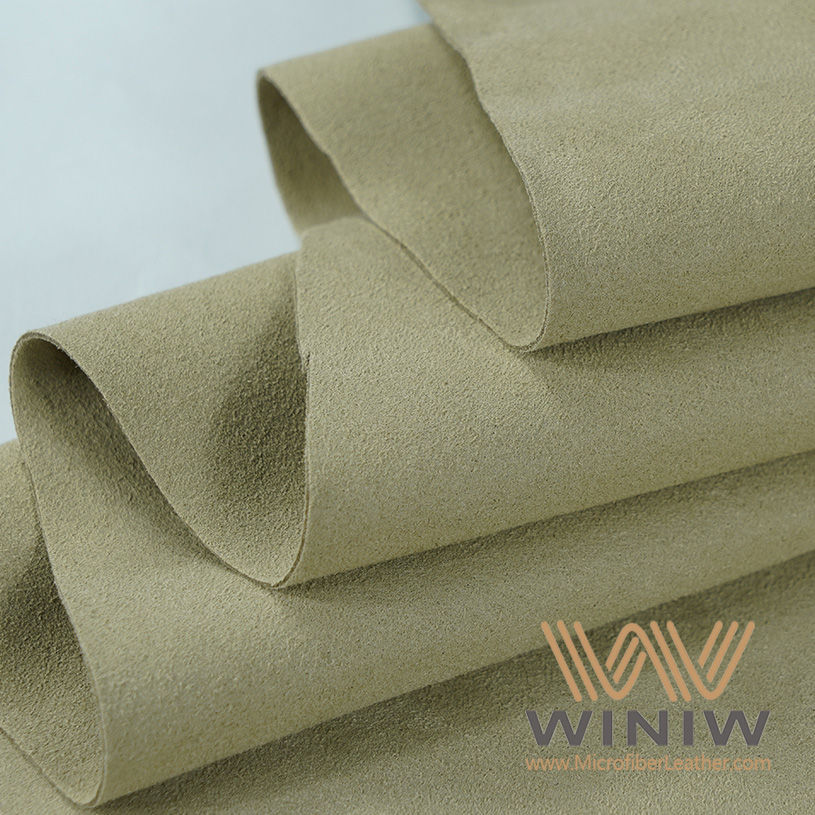
Spunbond Nonwove refers to a fabric made from polypropylene fibers that you see in many everyday products. You find this material valued for eco-friendly advantages, cost-effectiveness, versatility, and durability.
| Year | Market Size (USD Billion) |
|---|---|
| 2024 | 15.57 |
| 2025 | 16.59 |
| 2027 | 22.84 |
- You benefit from its ability to reduce pollution, offer customization, and provide strong, reusable solutions for various industries.
Key Takeaways
- Spunbond nonwoven fabric is made from polypropylene fibers, offering eco-friendly, cost-effective, and durable solutions for various industries.
- The unique structure of spunbond fabric provides high strength and flexibility, making it suitable for demanding applications like medical products and reusable bags.
- Spunbond nonwoven fabrics are versatile, used in healthcare, hygiene, agriculture, and packaging, ensuring they meet diverse needs across multiple sectors.
What Is Spunbond Nonwove?
Definition and Process
You encounter spunbond nonwove in many products because manufacturers rely on its efficient production and reliable qualities. Spunbond nonwoven fabric refers to a material made by spinning man-made fibers, mainly polypropylene, into a continuous web. The process uses thermal bonding to fuse the fibers together, creating a strong and flexible sheet.
You benefit from spunbond nonwove because the production method is fast and cost-effective. Manufacturers melt polypropylene pellets, then extrude them through spinnerets to form continuous filaments. These filaments are laid out in a web, either randomly or in a specific pattern. Heat bonds the fibers together, resulting in a durable fabric.
Here is a simplified overview of the typical production steps for spunbond nonwoven fabric:
- Raw material preparation: Polypropylene granules are mixed with additives.
- Fiber spinning: The mixture is melted and extruded through spinnerets to create continuous fibers.
- Web formation: The spun fibers are laid out in a desired pattern.
- Bonding: Heat bonds the fibers together to form a coherent layer.
- Finishing: The fabric may receive treatments for enhanced properties before being rolled up.
You see spunbond nonwove produced in a continuous process, which means manufacturers can achieve high speeds and lower costs compared to other nonwoven technologies. The table below shows how spunbond compares to other nonwoven methods:
| Technology Type | Fiber Type Used | Bonding Method | GSM Range |
|---|---|---|---|
| Spunbond | Man-made fibers only | Thermal bonding | Less than 150 GSM |
| Spunlace | All types of fibers | Pressurized water | Less than 150 GSM |
| Needle-punch | All types of fibers | Needles | More than 150 GSM |
Structure and Composition
You notice that spunbond nonwoven fabric stands out because of its unique structure. The fibers are arranged randomly, forming an isotropic web. This means the fabric has uniform mechanical properties in all directions, which gives you consistent strength and flexibility no matter how you use it.
The random arrangement and thermal bonding create many bond points throughout the web. These points determine the rigidity and flexibility of the fabric. You benefit from high tensile strength and good elongation, making spunbond nonwove suitable for demanding applications.
Manufacturers typically use polypropylene as the main fiber for spunbond nonwoven fabric. Sometimes, they add polyester or biodegradable options for specific needs. Additives like UV resistance and color enhancers improve the fabric’s performance. Here is a summary of the typical composition:
| Fiber Type | Additives |
|---|---|
| Polypropylene (PP) | UV resistance, color enhancers |
| Polyester (PET) | Recycled PET (r-PET) |
| Biodegradable options | Aliphatic polyesters (PLA) |
- You get spunbond nonwove made from polypropylene granules, spun into continuous filaments, and bonded into a web.
- The structure offers high mechanical strength and flexibility, which you can rely on for various uses.
When you choose spunbond nonwoven fabric, you select a material engineered for durability, uniformity, and adaptability. The combination of fiber type, random arrangement, and thermal bonding ensures you receive a product that meets high standards for strength and performance.
Characteristics and Advantages
Characteristics of Spunbond Non-Woven Fabrics
You notice that spunbond non-woven fabrics stand out because of their unique blend of physical and functional properties. These materials combine strength, breathability, durability, softness, water resistance, low shrinkage, heat resistance, and cost-effectiveness. Each property plays a role in how you use spunbond in daily life and industry.
Strength and Durability
Spunbond non-woven fabrics offer impressive mechanical strength. You can rely on them for products that need to withstand pulling and tearing. The table below compares the tensile and tear strength of spunbond with other nonwoven materials:
| Material Type | Fracture Strength (N/5cm) | Tear Strength (N) |
|---|---|---|
| Polyester Spunbond Nonwoven | Longitudinal: 28-35 | 8-12 |
| Transverse: 25-32 | ||
| Polyester Needle Punched Nonwoven | Longitudinal: 20-28 | 10-15 |
| Transverse: 15-22 |
You see that spunbond non-woven fabrics maintain their durability across many applications. For example, reusable shopping bags last from six months to two years, while geotextiles can serve for several years. Medical and hygiene products use spunbond for single-use items, focusing on safety and convenience.
| Application Type | Typical Lifespan | Key Durability Factors |
|---|---|---|
| Reusable Shopping Bags | 6 months to 2 years | Frequency of use, care, and washing practices |
| Medical and Hygiene Products | Very short (single-use) | Designed for limited use, discarded after use |
| Geotextiles | Several years | Protection from UV exposure and environmental stressors |
Breathability
You benefit from the excellent breathability of spunbond non-woven fabrics. These materials allow air to pass through easily, making them ideal for medical masks, filtration systems, and hygiene products. The dense and uniform structure supports good physical properties while maintaining airflow.
- Spunbond fabric is noted for its excellent breathability, making it suitable for applications requiring air circulation, such as medical masks and filtration systems.
- The dense and uniform structure of spunbond contributes to its good physical properties, while other nonwoven fabrics may have a more open and irregular structure, affecting their breathability.
Softness and Comfort
You experience comfort when using spunbond non-woven fabrics in hygiene and medical products. The fabric feels gentle on the skin, which is important for patients and healthcare workers. Its soft texture minimizes irritation and promotes a better experience.
- The fabric is designed to be gentle on the skin, ensuring exceptional comfort for patients and healthcare workers.
- Its soft texture minimizes irritation, promoting a better patient experience and compliance.
- Spunbond non-woven fabric is used in hygiene products like disposable diapers and feminine hygiene products, providing a soft and comfortable feel.
- The fabric also offers excellent liquid absorption and retention properties, enhancing its suitability for medical applications.
Water Resistance
You find that spunbond non-woven fabrics resist water due to the hydrophobic nature of polypropylene fibers. These fabrics repel water to some extent, though they are not fully waterproof. The table below shows how water resistance is measured in spunbond materials:
| Measurement Standard | Description |
|---|---|
| EN 13795 | Specifies hydrostatic compressive strength above 100 cm H2O2 for surgical applications. |
| ASTM F1671 | Tests viral barrier properties of fabrics. |
| ISO 22610 | Evaluates the resistance of materials to liquid penetration. |
- Spunbond polypropylene is water-resistant but not waterproof.
- It can repel water to some extent but is not suitable for complete submersion.
- The hydrophobic properties of polypropylene fibers contribute to its water resistance.
Low Shrinkage and Heat Resistance
You notice that spunbond non-woven fabrics made from polypropylene have a lower melting point and may shrink at high temperatures. Polyester spunbond offers better heat resistance and maintains stability at elevated temperatures.
| Material | Heat Resistance | Shrinkage Characteristics |
|---|---|---|
| PP | Lower melting point, prone to shrinkage at elevated temperatures (140 °C) | Obvious shrinkage at high temperatures |
| PET | Higher melting point (about 230 °C), superior thermal stability | Maintains dimensional stability at high temperatures |
| Material | Melting Point | Glass Transition Temperature | Stability |
|---|---|---|---|
| PP | ~165°C | ~-10°C | Not suitable for high heat applications |
| PET | ~260°C | ~75°C | Maintains properties over a wider temperature range |
Cost-Effectiveness
You benefit from the cost-effectiveness of spunbond non-woven fabrics. The production process is simple and fast, using synthetic polymers like polypropylene. Factors such as raw material prices, production efficiency, labor costs, economies of scale, and innovative manufacturing techniques all contribute to lower costs.
| Factor | Description |
|---|---|
| Raw Material Prices | Fluctuations in the cost of polypropylene directly impact production expenses. |
| Production Efficiency | The effectiveness of machinery and processes affects overall operational costs. |
| Labor Costs | Variations in labor expenses based on geography and skill level can influence total production costs. |
| Economies of Scale | Larger production volumes can lower the cost per unit, enhancing competitiveness. |
| Innovative Manufacturing | Adoption of advanced techniques can streamline processes and reduce waste, leading to cost savings. |
Main Advantages
You gain several advantages when you choose spunbond non-woven fabrics for industrial and consumer applications. The characteristics and advantages of these materials make them a top choice for many uses.
- You benefit from a simple and fast manufacturing process using synthetic polymers.
- Spunbond reduces production costs and improves market competitiveness.
- You enjoy excellent mechanical properties such as tensile strength and tear strength.
- The output of spunbond non-woven fabrics is high, and you feel a sense of safety and satisfaction when using products made from them.
- Spunbond provides a major waterproofing coating due to the concentrated branching of fibers.
- You find these fabrics resilient to chemical attack, erosion, and microbial attack.
- Spunbond offers sterilizing features that protect against germs and cross-contamination.
- The demand for industrial PP spunbond non-woven material wipes is rapidly increasing, especially in emerging markets.
You also notice that spunbond non-woven fabrics are designed to be UV resistant, which protects crops from harmful sunlight and helps maintain soil moisture. The lightweight and sturdy nature of spunbond makes it ideal for automotive interiors and allows for molding into different shapes.
Limitations
While spunbond non-woven fabrics offer many benefits, you should consider their limitations before selecting them for demanding environments.
| Disadvantage | Description |
|---|---|
| Less Flexibility | More rigid, making it less suitable for comfort-driven products. |
| Lower Absorbency | Not ideal for applications requiring high absorbency. |
| Environmental Concerns | The energy-intensive production process may impact sustainability efforts. |
You may find that spunbond is less flexible than other nonwoven materials, which can affect comfort in certain products. Its lower absorbency makes it unsuitable for applications that require high liquid retention. The production process uses significant energy, which may raise environmental concerns.
You should compare spunbond with other non-woven options like meltblown and needle-punched fabrics. Meltblown offers better filtration but costs more and has lower strength. Needle-punched nonwoven provides higher absorbency and flexibility but may lack the mechanical strength of spunbond.
| Comparison Item | Spunbond Fabric | Meltblown Fabric |
|---|---|---|
| Strength | High longitudinal strength, good tensile properties, tear-resistant | Low strength, easily torn; requires composite reinforcement with spunbond fabric |
| Filtration Performance | Poor (large pores, mainly relies on mechanical interception of large particles) | Excellent (ultrafine fibers + micro-porous structure, captures small particles like viruses/bacteria) |
| Cost | Lower cost | Higher cost due to complex manufacturing process |
You should weigh the characteristics and advantages of spunbond non-woven fabrics against their limitations to make the best choice for your needs.
Uses of Spunbond Nonwoven Fabric
Common Applications
You see non-woven materials in many products you use every day. Spunbond technology allows manufacturers to create fabrics that meet specific needs in different fields. In the medical industry, you rely on non-woven fabrics for items like surgical masks, gowns, and disposable sheets. These products help prevent cross-contamination and offer cost-effective protection. You also find non-woven fabrics used in blood arteries, ligaments, prosthetic skin, and organ repair.
In hygiene products, you benefit from non-woven fabrics in baby diapers, adult briefs, sanitary napkins, and underpads. These materials serve as top sheets and core wraps, providing comfort and safety. ES through-air thermal bonded non-woven fabric gives sanitary napkins a soft touch and breathability, while PP spunbond non-woven fabric adds durability and moisture management.
You notice non-woven fabrics in agriculture as crop covers, ground mulch, and shade cloths. These spunbond products protect plants from pests, frost, and sun. You use them for seedling bags and weed control, allowing air and water into the soil while keeping weeds out.
Packaging and industrial wrapping also rely on non-woven fabrics. You use them for protective packaging, bags, sacks, sleeves, and sheets. These materials keep fragile items safe during shipping and storage.
In crafting and DIY, you choose non-woven fabrics for decorations, reusable gift bags, and creative projects.
Versatility in Industries
You benefit from the versatility of non-woven fabrics across many industries. In construction, you use them for roofing underlays, vapor barriers, and insulation layers. Automotive applications include car seats, trunk liners, and headliners, where non-woven fabrics provide moldability and sound-dampening.
Filtration systems use PET spunbond non-woven fabrics with special filaments for improved surface area and performance. You find non-woven fabrics biodegradable, recyclable, and safe from bacteria. Manufacturers tailor these materials for water resistance, flame retardancy, and thermal insulation.
You appreciate that non-woven fabrics require no sewing, which speeds up production and reduces waste. High tear strength and flexibility make them ideal for industrial uses. Spunbond technology enables you to modify non-woven fabrics for many industries, making them a preferred choice for diverse applications.
You can rely on non-woven fabrics for strength, durability, and adaptability. Their practical value makes them essential in healthcare, hygiene, agriculture, packaging, construction, automotive, filtration, and crafting.
| Industry | Application Examples |
|---|---|
| Medical | Masks, gowns, sheets, organ repair, prosthetic skin |
| Hygiene | Diapers, sanitary napkins, underpads |
| Agriculture | Crop covers, mulch, seedling bags, weed control |
| Packaging | Bags, sacks, sleeves, protective sheets |
| Construction | Roofing underlays, vapor barriers, insulation |
| Automotive | Seats, liners, headliners, insulation |
| Filtration | Air and liquid filters |
| Crafting/DIY | Decorations, gift bags, creative projects |
You find spunbond nonwoven fabric lightweight, soft, and durable. It resists liquids, bacteria, and chemicals, making it safe for many uses.
- You benefit from its cost-effectiveness, fast production, and eco-friendly qualities.
| Key Advantage | Description |
|---|---|
| Versatility | Fits healthcare, hygiene, and packaging |
| Sustainability | Promotes environmental responsibility |
FAQ
What makes spunbond nonwoven fabric different from woven fabric?
You see spunbond nonwoven fabric made without weaving or knitting. Manufacturers bond fibers together directly, so you get a smooth, uniform sheet with no yarns or threads.
Can you recycle spunbond nonwoven fabric?
You can recycle spunbond nonwoven fabric if it uses pure polypropylene. Always check local recycling guidelines before disposal.
Is spunbond nonwoven fabric safe for skin contact?
You can safely use spunbond nonwoven fabric for skin contact. Medical and hygiene products use it because it feels soft and does not irritate your skin.