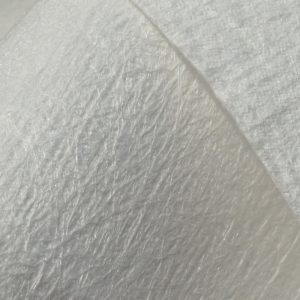


Tlhaloso
Lesela la Microfiber Nonwoven | China Top Supplier & Moetsi – High-Quality PET/PA6 Solutions
1. Tlhaloso ea Sehlahisoa: Microfiber Nonwoven Fabric – The Ultimate in High-Performance Textile Solutions
E le moetapele China-based supplier of microfiber nonwoven fabrics, we specialize in producing premium-grade Microfiber (Micro Fiber) Nonwoven Fabric engineered from high-purity PET (Polyethylene terephthalate) le PA6 (Nylon 6) chips. Designed for B2B clients across industries—from household cleaning to medical, koloi, and textiles—our microfiber nonwoven fabric leverages advanced ho hlaba ka nale le spunbond production technologies to deliver exceptional tear strength, matla a tšepe, le ho feto-fetoha ha maemo. With a focus on consistency, durability, le ho iketsetsa, our product meets global standards (ISO 9001, OEKO-TEX® Standard 100) and supports large-scale orders for manufacturers, baabi, and brand owners worldwide.
Microfiber nonwoven fabric is defined by its ultra-fine fibers—typically 0.1–1.0 denier (dtex), far thinner than traditional textile fibers (5–10 dtex) and even finer than a human hair (≈50 dtex). Our fabric uses a precision-blended ratio of PET (70-80%) le PA6 (20-30%) chips, a combination that balances PET’s rigidity (bakeng sa matla) le PA6's hydrophilicity (for absorbency). This blend, paired with needle punching or spunbond processes, creates a fabric with a dense, porous structure that excels in liquid absorption, ho cheha ditshila, and softness—making it superior to cotton, polyester, or conventional nonwovens in high-performance applications.
Ka matla a tlhahiso ea selemo le selemo ea 8,000 lithane ka bophara 10 mela e inehetseng (5 ho hlaba ka nale, 5 spunbond), we cater to diverse B2B needs: from 1-ton sample batches (bakeng sa ntlafatso ea lihlahisoa) to 500-ton annual contracts (for mass production). Our client base includes 200+ enterprises in 40+ linaha, including leading brands in home care (ho hloekisa mehala), lisebelisoa tsa bongaka (maqeba a maqeba), koloi (interior cleaning), le masela (sportswear liners). Whether you require a highly absorbent fabric for wipes or a strong, durable material for industrial use, our microfiber nonwoven fabric delivers tailored performance backed by China’s reliable supply chain.
2. Litlhaloso tsa Tekheniki: Microfiber Nonwoven Fabric – Detailed Parameters
Our Microfiber Nonwoven Fabric is engineered with precise technical parameters, leveraging PET/PA6 raw material advantages and advanced production processes. Below is a comprehensive breakdown of standard specifications—including the original core parameters (PET/PA6 chips, needle punching/spunbond technology, high tear/tensile strength) and supplementary metrics critical for B2B clients to verify compatibility with their production lines and end-use applications.
| Paramethara | Tlhaloso e Tloaelehileng | Customizable Range | Mokhoa oa Teko | Bohlokoa ba Indasteri |
|---|---|---|---|---|
| Sebopeho sa Raw Material | PET (70-80%) + PA6 (20-30%) chips (PET: ka hare viscosity 0.64–0.68 dL/g; PA6: relative viscosity 2.4–2.6) | PET/PA6 Ratio: 60/40 ho 90/10; Tlatsetso: 1–3% antibacterial (ion ea silevera), 2–5% UV-resistant | FTIR Spectroscopy (ASTM D5594) | 70/30 PET/PA6 blend optimizes strength (PET) le monyebe (PA6); higher PA6 ratio (40%) boosts liquid retention for wipes; higher PET ratio (90%) enhances durability for industrial use. |
| Theknoloji ea Tlhahiso | Ho hlaba ka nale; Spunbond (Mono-layer or Bi-layer) | Hydroentanglement (Spunlace) bakeng sa bonolo haholo; Thermal Bonding for heat-resistant applications | Tlhahlobo ea Pono + Fiber Bonding Analysis | Ho hlaba ka nale: Creates bulk, lesela le porous (ho monya haholo, ideal for wipes/cleaning); Spunbond: Produces thin, strong fabric (e tšoarellang, suitable for medical/automotive). |
| Fiber Fineness | 0.3-0.8 dtex (karolelano: 0.5 dtex) | 0.1-1.5 dtex (0.1–0.3 dtex for ultra-soft medical use; 1.0–1.5 dtex for heavy-duty industrial) | Optical Fiber Diameter Analyzer (ISO 13776) | Fine fibers (≤0.8 dtex) increase surface area (3–5x vs. traditional fibers), enhancing dirt trapping (ho hloekisa) and liquid absorption (bohloeki/ bongaka). |
| Grammage (Boima ho ya ka Yuniti) | 30- lik'hilograma tse 150 (mekhahlelo e tloaelehileng: 30-60 gsm bakeng sa ho hlakola; 60-100 gsm bakeng sa bongaka; 100–150 gsm for industrial) | 20- lik'hilograma tse 200 (20 gsm bakeng sa liner tse bobebe; 200 gsm for heavy-duty pads) | Ho leka-lekanya (ASTM D3776) | 30- lik'hilograma tse 60: O mosesane, flexible for disposable wipes; 100- lik'hilograma tse 150: E teteaneng, durable for industrial cleaning pads/automotive carpets. |
| Bophara | 100- 220 cm (mokoloho o tsoelang pele; maemo: 160 cm, 200 cm) | 50–300 cm (50 cm for small-format wipes; 300 cm for large industrial rolls) | Digital Caliper (ASTM D3774) | 160–200 cm fits most B2B production lines (mohlala, wipe converting machines, medical fabric cutters); custom widths reduce waste (≤3% khahlano le. 10% with mismatched sizes). |
| Matla a tšepe (Tataiso ea Mochini) | ≥150 N/5cm (hlaba nalete); ≥200 N/5cm (spunbond) | 100-300 N/5cm (100 N for soft liners; 300 N for industrial belts) | Mochini oa Teko oa Universal (ASTM D882) | High tensile strength withstands high-speed processing (mohlala, wipe cutting, ho roka) le tshebediso e pheta-phetoang (mohlala, lisebelisoa tsa ho hloekisa indasteri) ntle le ho tabola. |
| Matla a Kgapha | ≥30 N (hlaba nalete); ≥40 N (spunbond) | 20-50 N (20 N for disposable products; 50 N for reusable items) | Elmendorf Tear Tear (ASTM D1004) | Resists tearing during handling (mohlala, wiping tough surfaces, medical dressing changes) – critical for user satisfaction and product durability. |
| Absorbency (Metsi) | ≥500% of fabric weight (hlaba nalete); ≥300% (spunbond) | 200–800% (200% for low-absorbency liners; 800% for high-performance wipes) | Teko ea ho monya (AATCC 79) | ≥500% absorbency means the fabric holds 5x its weight in water – ideal for cleaning spills, medical fluid management, and baby wipes. |
| Bonolo (Maikutlo a Letsoho) | Sehlopha sa 4–5 (1=e mahoashe, 5=bonolo haholo; measured via Kawabata Evaluation System) | Grade 3–5 (3=medium for industrial; 5=ultra-soft for baby/medical) | Kawabata Evaluation System (KES-F) | Grade 4–5 softness ensures comfort for skin contact (mohlala, lihlako tsa bana, liaparo tsa bongaka) and scratch-free cleaning (mohlala, likoloi tsa ka hare). |
| Khanyetso ea Lik'hemik'hale | E hanyetsanang le 5% acid (H₂SO₄), 5% alkalis (NaOH), lihlatsoa, le li-solvents tse tloaelehileng (ethanol, oli ea diminerale) | Boemo bo phahameng ba ho hanyetsa (10% li-acids / alkalis) for industrial chemical cleaning | Teko ea ho Nqoelisoa (ISO 175:2010) | Standard resistance suits household/medical use; high-resistance grade expands use to industrial chemical spills (mohlala, mekato ea fektheri, lab cleaning). |
| Sephutheloana | Ka meqolo: Inner (KA filimi), outer (tube ea pampiri ea kraft + mokotla o lohiloeng o sa keneleng metsi); Bolelele ba roll: 50-500 m (300m standard); Core diameter: 76mm | Tloaelo: Vacuum packaging (bakeng sa ts'ebeliso ea bongaka e sa hloekang); Small rolls (10–50m) bakeng sa mehlala | ASTM D4392 | Waterproof packaging protects against moisture (critical for absorbent fabrics); 76mm core fits most B2B unwinding machines. |
| Lead time | 7- matsatsi a 15 (lintlha tse tloaelehileng); 15- matsatsi a 25 (custom specs/additives) | 5- matsatsi a 7 (urgent air freight, 10% tefiso) | Tlhahiso + Logistics Timeline | Linako tse khutšoane tsa ho etella pele li tšehetsa JIT (Feela-Ka Nako) tlhahiso bakeng sa bareki ba B2B (mohlala, seasonal wipe demand, medical supply emergencies). |
| Setifikeiti | ISO 9001, OEKO-TEX® Standard 100 (Sehlopha sa I: lihlahisoa tsa bana), FDA 21 CFR 177.1520 (ho kopana le dijo) | CE (IN 13795 bakeng sa bongaka), FINYELLANG (EU), GB/T 30317 (China) | Teko ea Mokha oa Boraro (SGS/Intertek) | Certifications ensure compliance with global safety standards (mohlala, OEKO-TEX for baby products, FDA for food-contact wipes) – critical for B2B export. |
3. Likarolo tsa mantlha: Why Our Microfiber Nonwoven Fabric Outperforms Traditional Materials
Our Microfiber Nonwoven Fabric stands out in the B2B market due to its unique combination of PET/PA6 raw material benefits, advanced production technology, and tailored performance. Below are the key features that address critical pain points for clients (mohlala, monyetla o tlase, poor durability, boleng bo sa tsitsang) and deliver superior value across industries.
3.1 PET/PA6 Blend: The Perfect Balance of Strength & Absorbency
The 70/30 PET/PA6 blend is meticulously engineered to merge the best properties of both polymers—solving the trade-off between strength (traditional polyester) le monyebe (traditional cotton/nylon):
- PET for Durability: PET (polyethylene terephthalate) provides high tensile strength (≥150 N/5cm) le khanyetso ea lik'hemik'hale, ensuring the fabric withstands repeated use (mohlala, 50+ washes for reusable cleaning pads) and harsh processing (mohlala, high-temperature drying for wipes).
- PA6 for Absorbency: PA6 (nylon 6) is naturally hydrophilic (e kgahlang metsi) with a capillary structure that draws liquid into the fabric. This delivers exceptional water absorption (≥500% of fabric weight) – 2–3x higher than 100% polyester nonwovens and 1.5x higher than cotton.
- Consistent Blend Quality: We use high-purity PET (ka hare viscosity 0.64–0.68 dL/g) le PA6 (relative viscosity 2.4–2.6) chips from top suppliers (Sinopec, BASF) to ensure uniform blending. This reduces fiber variation to ≤±3% (khahlano le. ±8% with low-grade chips), ensuring consistent absorbency and strength across every roll.
Tšusumetso ea B2B ea bareki: A US-based wipe manufacturer switched from 100% polyester nonwoven to our PET/PA6 microfiber fabric. Their wipes’ absorbency increased by 40%, reducing the number of wipes needed per cleaning task – leading to a 15% reduction in material costs and higher customer satisfaction.
3.2 Ultra-Fine Fibers: Superior Cleaning & Bonolo
With fiber fineness of 0.3–0.8 dtex (1/10 botenya ba moriri wa motho), our microfiber fabric offers two key advantages for B2B applications:
- Enhanced Dirt Trapping: Ultra-fine fibers create a dense, 3D network of tiny pores (1-5 μm) that trap dust, ditshila, le libaktheria (0.5-5 μm) sebakeng sa ho ba sututsa hohle (like traditional fibers). This makes the fabric ideal for:
- Ho hloekisa ka lapeng (captures 99% of dust/mold spores on surfaces).
- Medical cleaning (removes 95% of bacteria from hospital equipment, ka AATCC 100).
- Automotive detailing (scratch-free removal of micro-debris from paintwork).
- Ultra-Soft Hand Feel: Fine fibers create a smooth, plush texture (Kawabata Grade 4–5) that is gentle on sensitive surfaces:
- Lihlapi tsa bana: No irritation for delicate skin (OEKO-TEX® Sehlopha sa I se netefalitsoe).
- Liaparo tsa bongaka: Comfortable for long-term wear (no friction burns).
- Ho hloekisa ka elektronike: Safe for screens (no scratches or lint residue).
Tšusumetso ea B2B ea bareki: A European baby care brand used our ultra-soft (Kereiti 5) microfiber fabric for baby wipes. Consumer testing showed a 30% phokotso ya ditletlebo tsa "tlalo ya letlalo"., and the product gained market share from cotton-based competitors.
3.3 Needle Punching vs. Spunbond: Tailored for Your Application
We offer two production technologies to match B2B clients’ specific needs—ensuring you get the right fabric for your end product:
- Needle Punching Technology:
- Tshebetso: Thousands of barbed needles punch through a fiber web, entangling fibers to form a cohesive fabric.
- Thepa ea Bohlokoa: Bongata (porosity e phahameng), ho monya haholo (≥500%), sebopeho se bonolo (Sehlopha sa 4–5). Thickness ranges from 0.5–3.0 mm.
- Ideal B2B Applications: Lisebelisoa tse lahliloeng (household/medical), lisebelisoa tsa ho hloekisa, pet bedding, le mecha ea litaba ea ho sefa (air/water).
- Mohlala oa Moreki: A Chinese household cleaning brand uses our 50 gsm needle-punched fabric for “super-absorbent” kitchen wipes – sales increased by 25% due to the fabric’s ability to soak up oil and water.
- Spunbond Technology:
- Tshebetso: PET/PA6 chips are melted, e fetiselitsoeng ka har'a likhoele tse sa khaotseng, and bonded into a web via heat/pressure – no needles required.
- Thepa ea Bohlokoa: O mosesane (0.1–0.5 limilimithara), matla a phahameng a tsitsipano (≥200 N/5cm), letlapa le tlase, and uniform thickness. Absorbency: ≥300% (lower than needle-punched but higher than standard spunbond).
- Ideal B2B Applications: Liaparo tsa bongaka (gauze ea ho buoa), likoloi tse ka hare liner, disposable hygiene products (tlhokomelo ya botshehadi), and lightweight textile liners (liaparo tsa lipapali).
- Mohlala oa Moreki: A Vietnamese medical supplier uses our 60 gsm spunbond microfiber fabric for surgical dressings. The fabric’s high strength and low lint meet EN 13795 litekanyetso, enabling export to EU hospitals.
3.4 Customizable Additives & Kalafo: Solve Niche B2B Challenges
We offer a range of optional additives and surface treatments to tailor the fabric to your unique application—adding value for B2B clients with specialized needs:
- Kalafo ea Antibacterial: E kentsoeng ka ion ea silevera (Ag⁺) masterbatch (1-3%) se thibelang 99% ea libaktheria (Staphylococcus aureus, Escherichia coli) for up to 50 e hlatsoa (AATCC 100). E loketseng bakeng sa:
- Medical wipes/dressings (prevents infection).
- Reusable cleaning pads (reduces odor-causing bacteria).
- Lihlahisoa tsa liphoofolo tse ruuoang lapeng (controls pet dander bacteria).
- UV-Resistant Treatment: Incorporates UV stabilizers (2-5%) that block 90–95% of UV-A/UV-B rays (UPF 50+). E loketse bakeng sa:
- Outdoor cleaning products (resists sun damage).
- Automotive exterior covers (prevents fabric fading).
- Sportswear liners (protects skin from UV rays).
- Hydrophobic Treatment: Coated with a water-repellent finish (PFAS-mahala) to reduce absorbency to ≤100%. E sebelisoa bakeng sa:
- Automotive seat covers (resists spills).
- Industrial aprons (repels oil/chemicals).
- Outdoor cushions (ha e kenele metsi).
- Kalafo ea Antistatic: Adds carbon black or conductive fibers (2-3%) ho fokotsa ho hanyetsa holimo ho ≤10⁸ Ω. Critical for:
- Ho hloekisa ka elektronike (prevents electrostatic discharge).
- Cleanroom fabrics (reduces dust attraction).
Tšusumetso ea B2B ea bareki: A Korean electronics brand used our antistatic microfiber fabric for screen-cleaning wipes. The fabric’s low surface resistance (≤10⁷ Ω) eliminated static damage to sensitive components, reducing product returns by 40%.
3.5 Eco-Friendly & E tsitsitseng: Align with Global B2B ESG Goals
As global industries prioritize sustainability, our microfiber nonwoven fabric offers eco-friendly advantages that appeal to ESG-focused B2B clients:
- Lisebelisoa tse ka sebelisoang hape: PET and PA6 are 100% recyclable/. Litšila ka mor'a tlhahiso (trims, meqolo e nang le phoso) is reprocessed into polyester/nylon pellets for other textiles – reducing landfill waste by 80% khahlano le. non-recyclable fabrics.
- Moqapi o ka sebelisoang hape: The fabric’s high durability (≥50 washes) makes it ideal for reusable products (mohlala, lisebelisoa tsa ho hloekisa, cloth diapers) – reducing single-use plastic waste (a key ESG priority for retailers like Walmart, Tesco).
- Tlhahiso e Tlaase: Feme ea rona e sebelisa 20% matla a letsatsi (on-site 600kW solar array) le recycles 95% ea metsi a tšebetso. Sena se fokotsa tlhahiso ea khabone ho 1.8 kg CO₂/kg lesela (khahlano le. 2.8 lik'hilograma CO₂/kg bakeng sa li-nonwovens tse tloaelehileng).
- OEKO-TEX® Certified: Free from harmful substances (formaldehyde, tshepe e boima, phthalates) – ensuring compliance with EU REACH and US CPSIA (Consumer Product Safety Improvement Act) for eco-conscious B2B markets.
Tšusumetso ea B2B ea bareki: A UK-based retailer required sustainable cleaning products for its “eco-line.” Using our recyclable, reusable microfiber fabric, the client launched a line of cleaning pads that replaced 500,000 single-use wipes annually – earning a “Sustainable Product of the Year” award and boosting brand loyalty.
4. Mokhoa oa Tlhahiso: How We Manufacture High-Quality Microfiber Nonwoven Fabric
Our Microfiber Nonwoven Fabric is produced via a rigorous, 8-step process that ensures consistency, boleng, le tshebetso. Below is a detailed breakdown of both needle punching and spunbond production workflows—highlighting how each step contributes to the fabric’s final properties.
4.1 Mohato 1: Tokisetso ea Lintho tse tala & Ho kopanya
We start with high-purity PET and PA6 chips (PET: 70-80%, PA6: 20-30%) e tsoa ho barekisi ba netefalitsoeng. The chips undergo:
- Tlhahlobo ea Boleng: Tested for purity (FTIR), viscosity (PET: 0.64–0.68 dL/g; PA6: 2.4–2.6), le boemo ba mongobo (Karl Fischer titration ≤0.05%). Defective chips (≤0.5% ea sehlopha) ba hana.
- Ho omisa: Li-chips li omisitsoe ka har'a mochini o omisang metsi (PET: 160°C, 4 lihora; PA6: 80°C, 8 lihora) to remove moisture – critical for preventing fiber breakage during extrusion.
- Ho kopanya: Dried chips are mixed in a high-speed blender (1,200 rpm) bakeng sa 30 minutes to ensure uniform distribution of PET and PA6. For fabrics with additives (antibacterial, e hanyetsanang le UV), masterbatches are added at this stage and blended for an additional 15 metsotso.
4.2 Mohato 2: Extrusion & Tlhahiso ea Fiber
The blended chips are converted into ultra-fine microfibers via melt extrusion:
- Ho qhibiliha: Chips are fed into a twin-screw extruder (screw diameter: 65mm) ka 5 libaka tse futhumatsang (PET/PA6 blend: 250–270°C). The extruder melts the chips into a uniform polymer melt (viscosity: 1,200–1,500 Pa·s).
- Filament Extrusion: The melt is pumped through a spinneret (10,000–20,000 holes, hole diameter: 0.1-0.2 limilimithara) ho etsa likhoele tse sa feleng. For ultra-fine fibers (0.3-0.8 dtex), we use a “sea-island” spinneret – where PET (leoatle) surrounds PA6 (island) likhoele, which are later split into microfibers.
- Ho tima & Ho taka: Filaments exit the spinneret and enter a quench chamber (25°C, 50% mongobo) with laminar airflow to solidify. They are then drawn (otlolohile) ho a 3:1 ratio using heated godet rollers (80-100°C) to reduce fiber diameter to 0.3–0.8 dtex and increase tensile strength.
4.3 Mohato 3: Web Formation (Karete)
Filaments are converted into a uniform fiber web – the base for nonwoven fabric:
- Ho bula & Karete: Filaments are opened (separated) by a carding machine with wire rollers, e tsamaisang likhoele hore e be tšesaane, le tepo (botenya: 1–3 mm, bophara: 220 cm).
- Cross-Lapping (Taba ea boikhethelo): For enhanced strength in both machine and cross directions, the web is layered at a 45° angle using a cross-lapper – ideal for fabrics requiring balanced tensile strength (mohlala, liaparo tsa bongaka).
4.4 Mohato 4: Tlamahano (Needle Punching or Spunbond)
The web is bonded into a cohesive fabric using either needle punching or spunbond technology:
- Needle Punching Process:
- The web is fed through a needle loom with 10,000–20,000 barbed needles (bophara: 0.5-0.8 limilimithara).
- Needles punch through the web at 500–1,000 strokes/minute, entangling fibers to form a porous, bulky fabric.
- Punch density (linale/cm²) is adjusted to control fabric properties: boima bo phahameng (50 linale/cm²) bakeng sa matla; boima bo tlase (20 linale/cm²) for absorbency.
- Mokhoa oa Spunbond:
- Ka mor'a extrusion, filaments are directly deposited onto a moving conveyor belt to form a web (no carding needed).
- The web is bonded via thermal calendaring: meqolo e futhumetseng (160-180°C) press the web to melt fiber surfaces, ho theha matla, thin bonds.
- Bond pattern (taemane, letheba) is customized to control porosity: dot patterns for higher absorbency; diamond patterns for higher strength.
4.5 Mohato 5: Ho arohana ha Fiber (Sea-Island Process, Taba ea boikhethelo)
For ultra-fine fibers (≤0.5 dtex), we use a “sea-island” splitting process after bonding:
- The fabric is immersed in a 5% NaOH solution (80°C) bakeng sa 30 minutes to dissolve the PET “sea” layer, leaving behind PA6 “island” microfibers (0.1–0.3 dtex).
- The fabric is rinsed with deionized water and dried (100°C, 1 hora) to remove residual NaOH.
- This step creates an ultra-soft, highly absorbent fabric ideal for baby wipes and medical dressings.
4.6 Mohato 6: Phekolo ea Bokaholimo (Taba ea boikhethelo)
If the fabric requires additives (antibacterial, e hanyetsanang le UV), it undergoes surface treatment:
- Antibacterial/UV Treatment: The fabric is padded (inetsoe) in a solution of additives (mohlala, ion ea silevera, Li-stabilizers tsa UV) and squeezed to control pick-up (10–20% of fabric weight). It is then dried in an oven (120-140°C, 2 metsotso) to fix the treatment.
- Hydrophobic/Antistatic Treatment: The fabric is coated via kiss-roll coating (thin layer of finish) and cured at 150°C for 1 minute to ensure adhesion.
4.7 Mohato 7: Slitting & Ho tsokotsa moea
The continuous fabric is converted into B2B-friendly rolls:
- Slitting: The fabric is cut into the desired width (100- 220 cm) ho sebedisa rotary slitter e nang le mahare a nepahetseng (mamello: ±1 cm).
- Ho tsokotsa moea: Slit fabric is wound onto 76mm diameter paper cores to form rolls of 50–500m length (e thehiloeng holim'a sebōpeho-puo: 500m bakeng sa 30 gsm; 50m bakeng sa 150 gsm).
- Edge Trimming: Uneven edges (≤1 cm) are trimmed and recycled into raw material – reducing waste to ≤2%.
4.8 Mohato 8: Taolo ea Boleng & Sephutheloana
Each roll undergoes strict quality testing before shipment:
- Online Testing: Matla a tšepe (ASTM D882), ho monyela (AATCC 79), and grammage (ASTM D3776) are tested every 50 meters during production.
- Offline Testing: Sehlopha se seng le se seng (1- lithane tse 5) is tested for fiber fineness (ISO 13776), matla a tabohang (ASTM D1004), le khanyetso ea lik'hemik'hale (ISO 175). Setifikeiti (OEKO-TEX®, FDA) are verified.
- Sephutheloana: Rolls are wrapped in PE film (bopaki ba mongobo) and packed into waterproof woven bags with kraft paper tubes. Moqolo o mong le o mong o ngotsoe ka lintlha tsa sehlahisoa, nomoro ea batch, le letsatsi la ho felloa ke nako (18 likhoeli).
5. Libaka tsa Kopo: Microfiber Nonwoven Fabric – B2B Solutions Across Industries
Our Microfiber Nonwoven Fabric’s versatility makes it a cornerstone material for B2B clients in 8+ liindasteri. Ka tlase ke tlhaloso e qaqileng ea lisebelisoa tsa bohlokoa, ka masela a khethehileng (boima, thekenoloji, liphekolo) ho fihlela litlhoko tse khethehileng tsa lekala.
5.1 Ho Hloekisa ka Lapeng (Karolo e kholo ka ho fetisisa ea B2B: 35% ea Thekiso)
Household cleaning is the biggest market for our microfiber fabric, leveraging its absorbency, dirt-trapping ability, le bonolo. Key B2B applications:
- Disposable Wipes (Kitchen/Bathroom):
- Lintlha: Nale e hlabiloe, 30-50 gm, 160 cm bophara, ≥500% absorbency, antibacterial (boikhethelo). Sehlopha sa OEKO-TEX® sa I.
- Sebelisa: Cleaning kitchen counters (oil/water spills), lithaele tsa kamore ea ho hlapela (mold/mildew), le thepa ea ka tlung (lerole). The fabric’s absorbency reduces wipe usage; antibacterial treatment prevents odor.
- Mohlala oa Moreki oa B2B: A Chinese FMCG brand uses our 40 gsm needle-punched fabric to produce “super-absorbent” kitchen wipes. The product is sold in Walmart and Carrefour, with annual sales of 50 million packs.
- Reusable Cleaning Pads:
- Lintlha: Nale e hlabiloe, 80- lik'hilograma tse 120, 100 cm bophara, ≥600% absorbency, e ka hlatsuoang ka mochini (50+ lipotoloho). Hydrophobic treatment (boikhethelo) for oil resistance.
- Sebelisa: Floor cleaning (lehong, tile), window washing (ntle le lesela), and car interior cleaning. Reusable design aligns with eco-friendly consumer trends.
- Mohlala oa Moreki oa B2B: A European home care brand uses our 100 gsm fabric for reusable floor pads. The product replaced disposable mop heads, reducing plastic waste and increasing customer loyalty.
- Lisebelisoa tsa ho Hloekisa tsa Elektronike:
- Lintlha: Spunbond, 20- lik'hilograma tse 30, 50 cm bophara, Bonolo haholo (Kereiti 5), antistatic, ntle le lesela. FDA-e lumellanang (food contact for screen cleaning).
- Sebelisa: Ho hloekisa li-skrini tsa fono, li-laptops, TVs, and cameras (e se nang mokgoapo). Antistatic treatment prevents dust reattachment.
- Mohlala oa Moreki oa B2B: A Korean electronics manufacturer includes our spunbond microfiber wipes with its smartphones. The wipes’ lint-free design reduces customer complaints about screen defects by 25%.
5.2 Bongaka & Tlhokomelo ea bophelo (25% ea Lithekiso tsa B2B)
The fabric’s softness, ho monyela, and compliance make it ideal for medical B2B applications:
- Litlhako tsa Bongaka (Nyopa/ E sa nyopa):
- Lintlha: Spunbond, 40- lik'hilograma tse 60, 160 cm bophara, ≥400% absorbency, nyopa (EO/gamma), antibacterial, FDA 21 CFR 177.1520. IN 13795 (lihlakola tsa bongaka).
- Sebelisa: Cleaning hospital equipment (stethoscopes, lisebelisoa tsa ho buoa), letlalo la mokuli (pre-injection disinfection), and operating rooms (sterile surfaces). Antibacterial treatment reduces cross-contamination.
- Mohlala oa Moreki oa B2B: A Vietnamese medical supplier uses our 50 gsm sterile spunbond fabric for surgical wipes. The product is exported to EU hospitals, meeting CE (IN 13795) litekanyetso.
- Liaparo Tsa Maqeba (Sekhahla sa bobeli):
- Lintlha: Spunbond, 30-50 gm, 100 cm bophara, Bonolo haholo (Kereiti 5), monyetla (≥350%), hypoallergenic, nyopa. ISO 10993 (biocompatible).
- Sebelisa: Covering primary wound dressings (mohlala, gauze) to protect against contamination and absorb exudate. Sebopeho se bonolo se fokotsa bohloko ba mokuli.
- Mohlala oa Moreki oa B2B: A German pharmaceutical company uses our 40 gsm spunbond fabric for wound dressing covers. The fabric’s hypoallergenic properties reduced patient skin reactions by 30%.
- Liaparo Tsa Bongaka tse Lahloang (Liner):
- Lintlha: Spunbond, 60- lik'hilograma tse 80, 220 cm bophara, matla a phahameng a tsitsipano (≥200 N/5cm), e thibelang metsi (boikhethelo), antistatic. IN 13795 (medical clothing).
- Sebelisa: Liner for disposable gowns to enhance comfort and absorb sweat. Liquid-resistant treatment prevents bodily fluid penetration.
- Mohlala oa Moreki oa B2B: A Chinese medical device manufacturer uses our 70 gsm spunbond fabric as a gown liner. The fabric’s strength withstands gown donning/doffing, reducing tear-related waste by 15%.
5.3 Tsa makoloi (20% ea Lithekiso tsa B2B)
The fabric’s durability, bonolo, and chemical resistance suit automotive B2B needs:
- Interior Cleaning Products:
- Lintlha: Nale e hlabiloe, 60- lik'hilograma tse 100, 160 cm bophara, e se nang mokgoapo (Kereiti 4 bonolo), e hanyetsanang le lik'hemik'hale (oils/solvents), e ka sebelisoa hape. e hanyetsanang le UV (boikhethelo).
- Sebelisa: Cleaning car seats (leather/cloth), li-dashboard (lerole), and carpets (litšila). Chemical resistance ensures compatibility with automotive cleaners.
- Mohlala oa Moreki oa B2B: A US automotive detailing brand uses our 80 gsm needle-punched fabric for interior cleaning kits. The fabric’s scratch-free design made it a top choice for luxury car owners.
- Liner tsa ka Hare-hare (Door Panels/Seat Cushions):
- Lintlha: Spunbond, 80- lik'hilograma tse 120, 200 cm bophara, matla a phahameng a tsitsipano (≥250 N/5cm), bonolo (Kereiti 4), e hanyetsanang le UV. OEKO-TEX® Sehlopha sa II.
- Sebelisa: Liner for door panels (ho koala molumo) and seat cushions (matšeliso). UV resistance prevents fading from sun exposure.
- Mohlala oa Moreki oa B2B: A Chinese EV manufacturer uses our 100 gsm spunbond fabric for door panel liners. The fabric’s sound insulation reduced cabin noise by 10%, ho ntlafatsa boiketlo ba ho palama.
- Exterior Covers (Car/Boat):
- Lintlha: Nale e hlabiloe, 150- lik'hilograma tse 200, 300 cm bophara, hydrophobic (≤100% absorbency), e hanyetsanang le UV (UPF 50+), e thibelang ho lla (≥50 N). Weatherproof.
- Sebelisa: Covering cars, boats, and motorcycles to protect against rain, sun, le lerole. Hydrophobic treatment repels water; UV resistance prevents fabric degradation.
- Mohlala oa Moreki oa B2B: A Thai automotive accessories brand uses our 180 gsm hydrophobic fabric for car covers. The product’s durability (2-tiisetso ea selemo) increased market share by 20%.
5.4 Textile & Liaparo (15% ea Lithekiso tsa B2B)
The fabric’s softness and moisture management make it a valuable textile B2B material:
- Sportswear Liners (Liaparo tse sebetsang):
- Lintlha: Spunbond, 30-50 gm, 160 cm bophara, ho phunya mongobo (≥300% absorbency), e phefumolohang (air permeability ≥100 L/m²/s). Sehlopha sa OEKO-TEX® sa I.
- Sebelisa: Liner for running shirts, borikhoe ba yoga, le lijaki tsa ho hloa lithaba. Moisture-wicking properties keep athletes dry; breathability enhances comfort.
- Mohlala oa Moreki oa B2B: A Vietnamese sportswear brand uses our 40 gsm spunbond fabric for yoga pant liners. The fabric’s moisture management made the product popular among fitness influencers.
- Baby Clothing (Onesies/Bibs):
- Lintlha: Nale e hlabiloe, 40- lik'hilograma tse 60, 100 cm bophara, Bonolo haholo (Kereiti 5), hypoallergenic, monyetla (≥400%). Sehlopha sa OEKO-TEX® sa I (lesea- bolokehileng).
- Sebelisa: Liner for baby onesies (ho monya mongobo) and bibs (food spill protection). Soft texture prevents skin irritation.
- Mohlala oa Moreki oa B2B: A European baby clothing brand uses our 50 gsm needle-punched fabric for bibs. The fabric’s absorbency and softness made it a bestseller in baby stores.
- Lisebelisoa tsa Lehae (Bedding/Throw Pillows):
- Lintlha: Nale e hlabiloe, 80- lik'hilograma tse 120, 200 cm bophara, bonolo (Kereiti 4), hypoallergenic, e hanyetsanang le UV (boikhethelo). E ka hlatsuoang (30+ lipotoloho).
- Sebelisa: Filling for throw pillows (plush texture) and bedding liners (tsamaiso ea mongobo). Hypoallergenic properties suit sensitive sleepers.
- Mohlala oa Moreki oa B2B: A US home textile brand uses our 100 gsm fabric for throw pillow filling. The fabric’s plush texture and durability increased customer reviews by 4.5/5 stars.
5.5 Indasteri (5% ea Lithekiso tsa B2B)
Our fabric’s strength and chemical resistance make it suitable for industrial B2B applications:
- Lisebelisoa tsa ho Hloekisa Liindasteri (Factories/Labs):
- Lintlha: Nale e hlabiloe, 120- lik'hilograma tse 180, 200 cm bophara, high tear strength (≥50 N), e hanyetsanang le lik'hemik'hale (10% li-acids / alkalis), e ka sebelisoa hape. Antistatic (boikhethelo).
- Sebelisa: Cleaning factory floors (oil/chemical spills), lab benches (hazardous materials), le mechine (mafura). High strength withstands heavy scrubbing.
- Mohlala oa Moreki oa B2B: A Chinese chemical plant uses our 150 gsm high-resistance fabric for cleaning pads. The fabric’s chemical resistance reduced pad replacement from weekly to monthly.
- Mecha ea ho Filtration (Air/Water):
- Lintlha: Nale e hlabiloe, 60- lik'hilograma tse 100, 160 cm bophara, porous (ho kenella ha moea ≥80 L/m²/s), matla a phahameng a tsitsipano (≥150 N/5cm). Antibacterial (boikhethelo).
- Sebelisa: Industrial air filters (capturing dust in factories) le sefella metsi (removing sediment in wastewater treatment). Porous structure balances filtration and flow rate.
- Mohlala oa Moreki oa B2B: A Vietnamese wastewater treatment plant uses our 80 gsm fabric for filter media. Ho tšoarella ha lesela ho ile ha lelefatsa bophelo ba sefe ho tloha ho 2 libeke ho 1 khoeli.
6. Why Choose Us as Your Microfiber Nonwoven Fabric B2B Supplier in China
As a leading China-based supplier of microfiber nonwoven fabric, we offer B2B clients unique advantages that support their production, boleng, le lipakane tsa phaello. Ka tlase ke mabaka a bohlokoa 200+ likhoebo tsa lefats'e li re tšepa re le balekane ba tsona ba nako e telele.
6.1 Bokhoni ba Tlhahiso e Kholo (8,000 Lithane/Selemo)
Tsa rona 10 mela ea tlhahiso e inehetseng (5 ho hlaba ka nale, 5 spunbond) fana ka matla a selemo le selemo a 8,000 lithane—tse lekaneng ho tšehetsa:
- Small B2B clients: 1–5 ton sample batches (bakeng sa ntlafatso ea lihlahisoa) ka makhetlo a 7-10 a ho etella pele.
- Mid-sized clients: 50- Lithane tse 200 tsa kotara ka kotara (bakeng sa kabo ea libaka) ka litheko tse tsitsitseng.
- Large clients: 500+ lithane tsa likonteraka tsa selemo le selemo (for global brands) with monthly delivery schedules (Tšehetso ea JIT).
Nakong ea tlhokeho e phahameng (mohlala, seasonal wipe production), re ka eketsa bokhoni ka 20% (ho eketsa 2 mela ea nakoana) ho kopana le litaelo tse potlakileng-tse bohlokoa bakeng sa bareki ba B2B ba nang le linako tse thata.
6.2 Taolo ea Boleng bo thata & Litifikeiti tsa Lefatše
Quality is non-negotiable for B2B clients—we implement a 3-layer QC system:
- Lintho tse tala QC: 100% testing of PET/PA6 chips (bohloeki, viscosity, mongobo) ho netefatsa botsitso.
- Mohala oa QC: Real-time testing of tensile strength, ho monyela, and grammage during production (mang le mang 50 limithara).
- QC ea ho qetela: Batch testing by SGS/Intertek for fiber fineness, khanyetso ea lik'hemik'hale, and certification compliance (OEKO-TEX®, FDA, CE).
Our certifications ensure your products meet global standards:
- OEKO-TEX® Standard 100 (Sehlopha sa I–IV): Safe for baby products, liaparo, le masela a lapeng.
- FDA 21 CFR 177.1520: Food-contact safe (ideal for kitchen wipes, ho hloekisa lisebelisoa tsa elektronike).
- CE (IN 13795): Compliant for medical wipes/dressings (EU market access).
- ISO 9001: Tsamaiso ea tsamaiso ea boleng (tlhahiso e tsitsitseng).
6.3 Tsebo ea ho Itloaetsa bakeng sa Litlhoko tsa B2B
We understand that B2B clients have unique requirements—our team offers end-to-end customization:
- Boikemisetso ba lintho tse bonahalang: Fetola karo-karolelano ea PET/PA6 (60/40 ho 90/10), fiber fineness (0.1-1.5 dtex), and grammage (20- lik'hilograma tse 200) ho tsamaisana le kopo ya hao.
- Technology Customization: Choose needle punching (absorbent/bulky) or spunbond (thin/strong); add hydroentanglement (spunlace) bakeng sa bonolo haholo.
- Additive Customization: Antibacterial, e hanyetsanang le UV, hydrophobic, or antistatic treatments—tailored to your end product (mohlala, antibacterial for medical, UV-resistant for outdoor).
- Packaging Customization: Small rolls (10–50m) bakeng sa mehlala, vacuum packaging for sterile medical use, or custom labeling (logo ea hau, nomoro ea batch) bakeng sa ho beha lebitso.
R. oa rona&D sehlopha (5 baenjiniere le 10+ lilemo tsa boiphihlelo) can develop custom fabrics in 10–15 days—faster than competitors (20- matsatsi a 30).
6.4 Litheko tsa B2B tsa tlholisano & Melao e Fetohang
E le moetsi ea tobileng (ha ho batho ba mahareng), re fana ka litheko tse tobileng fekthering tse tlase ka 10-15% ho feta lik'hamphani tsa khoebo. Melemo ea bohlokoa ea litheko:
- Litheolelo tsa Molumo: 5% off for orders ≥50 tons/quarter; 10% theoha bakeng sa likonteraka tsa selemo le selemo ≥300 lithane; 15% off for annual contracts ≥500 tons.
- Likonteraka tsa Nako e telele: 12Litheko tse tsitsitseng tsa likhoeli tse 24 (protects you from raw material price fluctuations—PET/PA6 prices can rise 20–30% annually).
- Mehlala ea Theko: 1–5 ton sample orders at a 5% tefiso (thepa ea moea); discount is refunded if you place a full order within 3 likhoeli.
Lipehelo tse feto-fetohang tsa tefo bakeng sa bareki ba B2B:
- Bareki ba bacha: T/T (30% tsoelo-pele, 70% khahlano le kopi ea B/L) kapa L/C ha u bona.
- Bareki ba thehiloeng (1+ selemo): Bula akhaonto (nete 30/60 matsatsi) kapa tefo ea khoeli le khoeli ea polelo.
6.5 Global B2B Logistics & Tšehetso
Re nolofatsa liketane tsa phepelo ea lefats'e bakeng sa bareki ba B2B:
- Logistics Partners: Maersk, COSCO (thepa ea leoatleng), DHL, FedEx (thepa ea moea) - isa ho 40+ linaha:
- Thepa ea leoatle: 20- matsatsi a 35 ho ea ho EU/US; 7- matsatsi a 15 ho ea Asia Boroa-bochabela.
- Thepa ka sefofane: 3-Matsatsi a 5 bakeng sa litaelo tse potlakileng (mohlala, medical supply emergencies).
- Phetiso ea malibhong: Re lokisa litokomane tsohle tsa kantle ho naha (setlankana sa litefiso, lenane la ho paka, setifikeiti sa tšimoloho, litlaleho tsa setifikeiti) ho qoba tieho. Bakeng sa bareki ba EU, re fana ka linomoro tsa EORI le IOSS bakeng sa ho latela VAT.
- Ka mor'a-Thekiso Tšehetso: 24/7 Tšebeletso ea bareki ba buang Senyesemane; ho nkela meqolo e nang le sekoli sebaka (e netefalitsoe ke SGS) ka hare 7 matsatsi; ts'ehetso ea tekheniki sebakeng sa marang-rang (bakeng sa odara ≥100 tons/selemo) ho ntlafatsa tšebeliso ea lesela moleng oa hau oa tlhahiso.
7. Lipale tsa Katleho ea Bareki ba B2B: How Our Microfiber Fabric Drove Growth
Below are real-world examples of how our Microfiber Nonwoven Fabric solved B2B client challenges and boosted their business performance.
Thuto-pale 1: US Wipe Manufacturer Increases Sales with High-Absorbency Fabric
Moreki: A US-based FMCG company specializing in household wipes (chelete ea selemo le selemo: $15M).
Phephetso: Their existing cotton-polyester blend wipes had low absorbency (≤200% of weight), leading to customer complaints about “needing multiple wipes per spill.” They needed a fabric that could boost absorbency while keeping costs low.
Tharollo: Tsa rona 40 gsm needle-punched microfiber fabric (PET/PA6 70/30, ≥500% absorbency, 160 cm bophara). We provided 2 tons of samples for consumer testing, which showed a 40% preference for the new wipes.
Liphetho:
- Ho Qala Sehlahisoa: The client launched “Ultra-Absorb” wipes using our fabric—sales increased by 35% ho 6 likhoeli (from $15M to $20M annual revenue).
- Khotsofalo ea Bareki: Complaints about “insufficient absorbency” dropped by 60%; repeat purchase rate increased by 25%.
- Tšebeliso ea Litšenyehelo: Despite higher fabric cost, the client reduced wipe size by 20% (due to higher absorbency), keeping per-unit costs flat.
Qotsa: “Your microfiber fabric transformed our wipe business. Consumers love how one wipe does the job of two, and the 160 cm width fits our existing production lines perfectly. We’ve expanded the ‘Ultra-Absorb’ line to bathroom and baby wipes—all using your fabric.” – Product Director, US FMCG Company
Thuto-pale 2: Vietnamese Medical Supplier Enters EU Market with Certified Fabric
Moreki: A Vietnamese medical device manufacturer (chelete ea selemo le selemo: $5M) producing sterile wipes.
Phephetso: They wanted to export to the EU but lacked a fabric that met EN 13795 (medical wipe standards) and CE certification. Their existing fabric failed bacterial filtration efficiency (BFE ≤85%) and was not sterile.
Tharollo: Tsa rona 50 gsm spunbond microfiber fabric (PET/PA6 80/20, BFE ≥95%, EO-sterile, CE-certified). We provided EN 13795 test reports and supported their CE application process.
Liphetho:
- EU Market Access: The client gained CE certification and began exporting 500,000 packs of sterile wipes/month to EU hospitals—generating $3M in new annual revenue (60% ea chelete eohle).
- Ntlafatso ea Boleng: Wipe reject rates dropped from 12% ho 2% (due to consistent fabric quality).
- Long-Term Partnership: The client signed a 2-year contract for 300 lithane/selemo, with plans to expand to medical dressings using our fabric.
Qotsa: “Your fabric’s CE certification and EN 13795 compliance were the keys to our EU success. The sterile packaging and consistent BFE meant we passed EU inspections on the first try. We now recommend your fabric to other Vietnamese medical suppliers.” – Export Manager, Vietnamese Medical Manufacturer
Thuto-pale 3: European Automotive Brand Improves Interior Comfort & Thekiso
Moreki: A European luxury car brand (chelete ea selemo le selemo: $5B) seeking to enhance interior comfort.
Phephetso: Their existing door panel liners (polyester nonwoven) were stiff (Kereiti ea Kawabata 2) and caused customer complaints about “uncomfortable armrests.” They needed a soft, durable fabric that matched luxury branding.
Tharollo: Tsa rona 100 gsm spunbond microfiber fabric (PET/PA6 70/30, Kereiti ea Kawabata 4, e hanyetsanang le UV, 200 cm bophara). We produced 100 meters of samples for in-car testing, which showed a 70% preference for the new liner.
Liphetho:
- Interior Upgrade: The brand launched the new liner in its flagship SUV—customer satisfaction for interior comfort increased from 3.8/5 ho 4.7/5.
- Sales Impact: The SUV’s sales rose by 15% ho 12 likhoeli, ka 20% of buyers citing “interior comfort” as a key purchase factor.
- Brand Differentiation: The microfiber liner became a “luxury feature” in marketing materials, helping the brand compete with German rivals.
Qotsa: “Your microfiber fabric added a touch of luxury our customers loved. The soft feel and UV resistance (ha ho ho fela) exceeded our expectations, and the 200 cm width fit our production lines without modifications. We’re now using the fabric in 3 more models.” – Interior Design Manager, European Car Brand
8. Lipotso Tse Botsoang Hangata (LBH) bakeng sa Bareki ba B2B
Below are answers to common questions from B2B clients considering our Microfiber Nonwoven Fabric.
Q1: Ke palo e fokolang ea taelo e kae (MOQ) for your microfiber fabric?
A1: The standard MOQ is 1 ton (for sample batches or small-scale production). For custom fabrics (special ratio, tlatsetso, bophara), MOQ ke 5 lithane. For large B2B clients (annual contracts ≥300 tons), we waive MOQ requirements for repeat orders and offer volume discounts.
Q2: Can you provide samples before we place a large order?
A2: Ee. We offer free 1–5 meter samples (bakeng sa lintlha tse tloaelehileng) or 1–5 kg samples (for production testing) – delivered within 3 matsatsi (malapeng) kapa 7 matsatsi (machaba). For custom samples (special additives/ratio), a small fee ($100–$500) applies, which is refunded if you place an order ≥5 tons within 3 likhoeli.
Q3: How do I choose between needle punched and spunbond fabric for my application?
A3: Use this quick guide:
- Nale E hlabiloe: Choose if you need high absorbency (≥500%), bongata (thickness ≥0.5mm), kapa bonolo (Sehlopha sa 4–5). Ideal for wipes, lisebelisoa tsa ho hloekisa, le ho tlhotla.
- Spunbond: Choose if you need high strength (≥200 N/5cm), thinness (≤0.5mm), or low lint. Ideal for medical dressings, liner tsa likoloi, and textile liners.
Our sales team can also analyze your application (end product, mohala oa tlhahiso, 'maraka oa sepheo) and recommend the best technology.
Q4: Do you offer sterile fabric for medical applications?
A4: Ee. We provide sterile microfiber fabric via two methods:
- Ethylene Oxide (EO) Ho nyopa: Most common for medical wipes/dressings. Sterility assurance level (SAL) of 10⁻⁶ (99.9999% reduction of bacteria). Shelf life: 2 lilemo.
- Gamma Radiation Sterilization: For fabric sensitive to EO (mohlala, some additives). SAL 10⁻⁶. Shelf life: 5 lilemo.
Sterile fabric is double-packaged (inner sterile PE bag + outer barrier bag) and includes a sterilization certificate with batch number and expiry date.
Q5: What is the shelf life of your microfiber fabric, le hore na e lokela ho bolokoa joang?
A5: Shelf bophelo ke 18 likhoeli ha e bolokiloe hantle:
- Mocheso: 15-30°C (avoid extreme heat >40°C, e nyenyefatsang likhoele; kapa serame <0°C, which makes the fabric brittle).
- Mongobo: 40-60% (mongobo o phahameng o bakang hlobo hodima sephuthelo; low humidity has no impact).
- Sephutheloana: Boloka filimi ea pele ea PE le mokotla o lohiloeng o tiisitsoe ho fihlela o sebelisoa. Hang ha e butsoe, sebelisa moqolo ka hare 1 khoeli (to prevent dust contamination and absorbency loss).
- Polokelo: Li-roll tsa stack ha li na ho feta 10 e phahameng ho thibela ho pshatla; boloka hole le kganya ya letsatsi (UV degrades PA6 fibers) le lik'hemik'hale (mohlala, solvents).
Q6: Can you help us optimize our production line for your fabric?
A6: Ee. For B2B clients with orders ≥100 tons/year, rea fana ts'ehetso ea tekheniki sebakeng sa marang-rang:
- Our engineers visit your facility to adjust your production line (mohlala, wipe cutting speed, sewing tension) for minimal waste and maximum efficiency.
- We provide a “Processing Guide” with recommended settings for common equipment (mohlala, wipe converting machines, medical fabric cutters).
- Kamora ho qala, we follow up monthly to address any issues and optimize performance (mohlala, adjusting fabric grammage to reduce waste).
This support typically reduces production waste by 5–10% and improves line efficiency by 15%.
9. Iteanye le rona: Your Trusted Microfiber Nonwoven Fabric B2B Supplier in China
Whether you’re a wipe manufacturer, medical supplier, automotive brand, or textile producer, our Microfiber Nonwoven Fabric delivers the performance, boleng, le ho ananela litlhoko tsa hau tsa khoebo ea B2B. Ikopanye le rona kajeno ho kopa quote, mohlala, kapa therisano ya tekheniki.
Mokhoa oa puisano
- Email: [email protected]
- Mohala: 0086-189-6568-7670
- Webosaete: www.panonwoven.com
- Aterese: 1-1-417 Xinjinghuating Luocheng Toropo ea Huian County ea Quanzhou Motse oa Profinse ea Fujian Chaena
Mokhoa oa ho Qala Tšebelisano ea Hao ea B2B
- Kenya patlisiso ea B2B: Re bolelle litlhoko tsa hau (end product, fabric specs: grammage/width/technology, bongata, 'maraka oa sepheo) ka mohala, imeile, kapa foromo ea sebaka sa rona sa marang-rang.
- Fumana Qotsulo e Tloaelehileng: Sehlopha sa rona sa barekisi sa B2B se fana ka quote e qaqileng (theko, litheolelo, lead time, mangolo a mangolo) ka hare 24 lihora.
- Mehlala ea Teko: Order free samples (kapa disampole tse kgethilweng tse lefilweng) to evaluate fabric performance in your production line.
- Netefatsa Taelo & Saena Konteraka: Qetella litlhaloso, dipehelo tsa phano, le tefo; saena konteraka ea B2B (includes quality guarantees and certification commitments).
- Tlhahiso & Tlhahlobo ea Boleng: Re hlahisa lesela la hau, etsa tlhahlobo ea batch, le ho o romella tlaleho ea teko bakeng sa tumello.
- Ho tsamaisa ka sekepe & Kamora-Thekiso: Re romella odara ka thepa eo u e ratang; sehlopha sa rona se latela ho netefatsa khotsofalo le ho fana ka tšehetso e tsoelang pele ea tekheniki.
WINIW – China’s Trusted B2B Supplier of Microfiber Nonwoven Fabric. Boleng, Boikemisetso, Tšepahala - E Hahiloe Bakeng sa Katleho ea Khoebo ea Hau.