

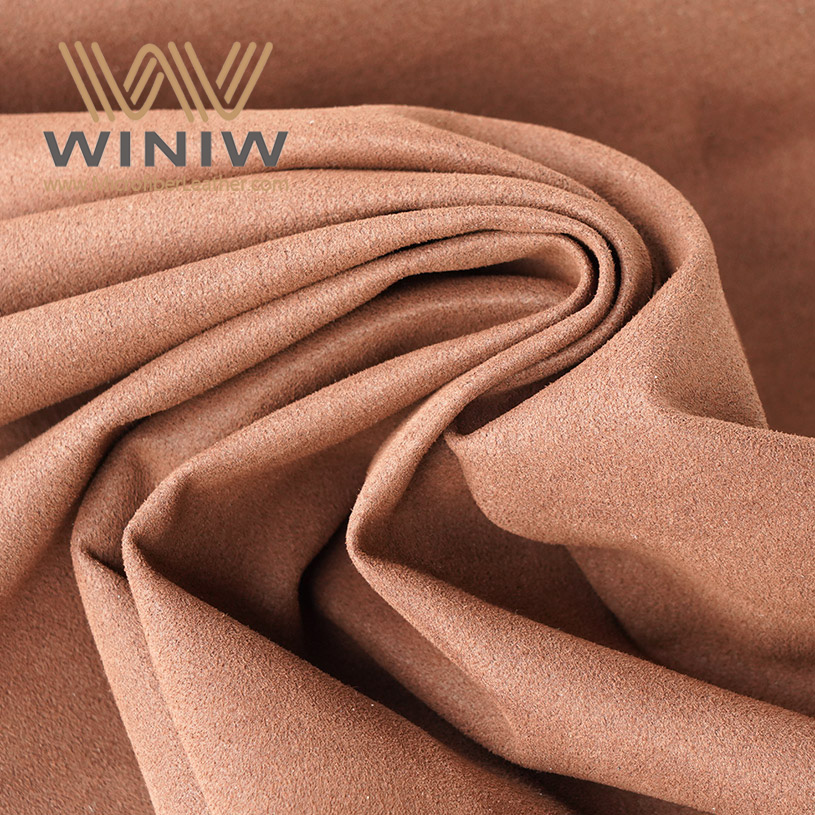
You can find stitch bonded nonwovens in lots of things you use. These fabrics are made by stitching fibers together with machines. This makes the material strong and bendy. Many companies use recycled polyester to make these fabrics. Using recycled polyester is good for the environment:
- You use fewer new resources.
- You stop plastic trash from going to landfills.
- You help factories use less energy and fewer chemicals.
- You let old things be used again and help the Earth.
Stitch Bonded Nonwovens What You Need to Know About Their Making
- Stitch bonded nonwovens are strong fabrics. They are made by stitching fibers together. This makes them tough and bendy for many uses.
- Using recycled polyester in these fabrics helps cut down on waste. It also saves resources and is good for the environment.
- The stitch bonding process uses machines to lock fibers together. This makes a fabric that is hard to rip or tear.
- These fabrics can be used in many ways. You can find them in things like furniture, bedding, and clothes. They make these items more comfortable and last longer.
- When picking stitch bonded nonwovens, think about the fiber type and how they are bonded. This helps make sure the fabric works for what you need.
What Are Stitch Bonded Nonwovens
Stitch bonded nonwovens are a special fabric. People do not weave or knit them in the usual way. Machines stitch or knit fibers and yarns through a mat of fibers. Needles help lock the fibers together. The finished fabric looks like it is knitted. It is made quickly and does not waste much material.
Stitch bonded nonwovens are fabrics made by stitching or knitting fibers and yarns through a mat of fibers. Needles interlock the fibers, so the fabric looks like it is knitted. The Textile Institute says this fabric has many parts. It has interlooped stitches running along the fabric. It can also have fiber webs or other fabrics mixed in.
Key Features of Stitch Bonded Nonwovens
You can tell stitch bonded nonwovens by their special features. These fabrics have strong surfaces and do not tear easily. The way they are made gives them strength in all directions. The stitching lines up the fibers, so the fabric can handle hard work.
Here is how the mechanical stitching process works:
- The machine puts the fiber web into the stitching area.
- Needles go through the web and pull yarns through the fibers.
- The machine makes stitches that hold the fibers together.
- The fabric moves forward and is collected at the end.
There are many types of machines for stitch bonding. Some common ones are:
- Arachne
- Maliwatt
- Malivlies
- Malimo
- Malipol
- Voltex
- Kunit
- Multiknit
Stitch bonded nonwovens have strong surfaces and do not tear easily. They are strong both up and down and side to side. The stitching lines up the fibers, making the fabric even stronger. You can use these fabrics for tough jobs.
How Stitch Bonded Nonwovens Differ from Other Nonwovens
You may wonder how stitch bonded nonwovens are different from other nonwovens. The main difference is how the fibers are held together. Stitch bonding uses needles and thread to make stitches that hold the fibers. This gives the fabric more strength and lets it bend.
Other nonwoven fabrics use different ways to bond fibers:
- Stitch Bonding: Uses needle and thread to make stitches that hold fibers together. This makes the fabric strong and flexible.
- Thermal Bonding: Melts thermoplastic fibers with heat to bond them. No stitching is used. This works for some special fibers.
- Chemical Bonding: Uses glue or chemicals to stick fibers together. There are many types of glue and ways to use them.
Stitch bonded nonwovens are special because they use a machine to stitch layers of fibers together. This makes a fabric you can use for many things. You often see these fabrics in furniture, shoes, and roofing. Other nonwovens may use heat or glue, but stitch bonded nonwovens use stitching to stay together.
How Stitch Bonded Nonwovens Are Made
Web Formation in Nonwoven Fabric
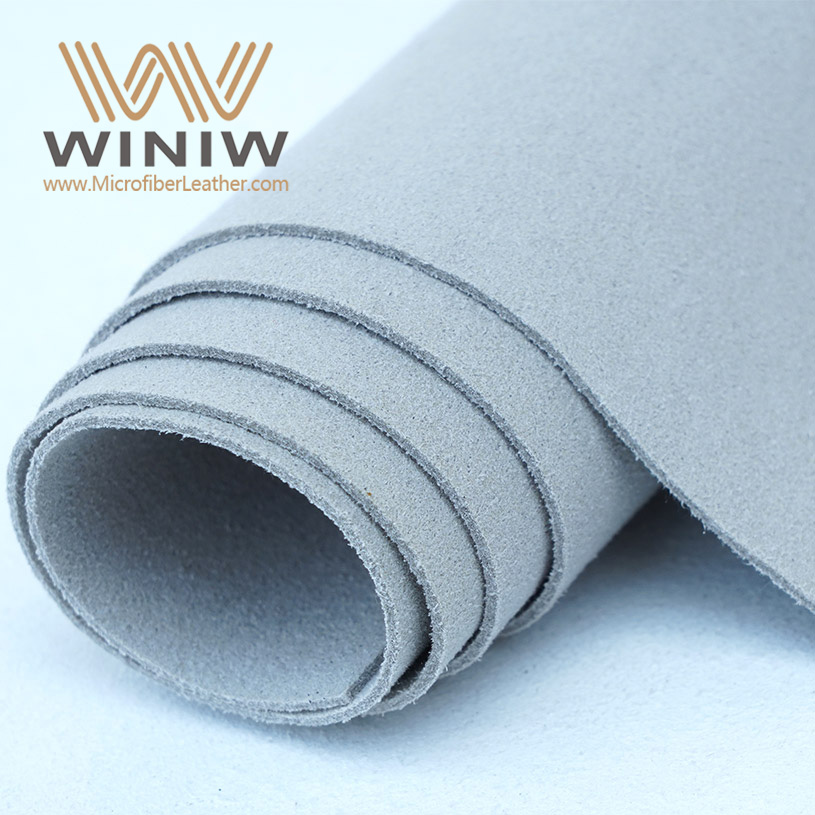
The first step is web forming. In this step, loose fibers are put into a thin sheet called a web. Many kinds of fibers can be used, even recycled ones. Using recycled fibers is good for the planet and saves materials.
Here are the main steps for web forming:
- Loose fibers are spread out into a flat layer. This layer is called the web.
- The web is treated to make it stronger and more stable.
Recycled fibers are often used in web forming. Some examples are:
- PET (recycled polyester)
- Polypropylene (PP)
- Jute
- Aramide fibers like Kevlar and Nomex
- Viscose
- Cotton
- Other recycled fibers
You can use one fiber or mix them together. This lets you change how the nonwoven fabric will act. The web forming step is important because it builds the base for the next steps.
Stitch Bonding Process Steps
After the web is made, the next step is stitch bonding. Machines stitch yarns through the web to lock the fibers together. This makes the fabric strong and bendy.
The stitch bonding process has these steps:
- The web goes into the stitchbonding machine.
- Needles move up and down to push yarns through the web.
- Support combs and guide bars hold the web in place.
- Stitches are made by lapping, closing, and knocking-over.
- The finished fabric is pulled away for take-up and finishing.
Needles and yarns work together to make chain-stitch seams. These seams keep the fibers in place and make the fabric strong. The needles and yarns move together to keep the web steady. This locks the fibers and helps the fabric keep its shape, even when pulled.
Different materials can also be used in the process. Films, papers, and foams are some examples. Needles go through these materials and add yarns. This makes hybrid fabrics that can be used for many things.
Stitching Techniques and Machines
There are different machines and ways to do stitch bonding. Each machine is made for special jobs.
Here is a table with some common machines:
| Machine Type | Features | Applications |
|---|---|---|
| BS1-V (Single Bar) | Works with loose or pre-sewn fiber mesh, many cloth feeding ways | Home decoration, hygiene, shoe material, clothing lining |
| Double Bars | Like single bar but works faster | Many textile uses |
Stitch bonding machines do stitching and bonding at the same time. They make strong and light fabrics. More people are using these machines because they work well and can do many things.
Different needle methods can make stitch bonded nonwovens last longer. The process uses needles and yarns to hold fibers tight. This makes the fabric strong and keeps it from stretching or tearing. You can use this fabric for many hard jobs.
Tip: When picking a machine or method, think about the fibers, the web, and what you want the fabric to do. This helps you get the best fabric for your needs.
Now you know how web forming, stitch bonding, and machine choice all fit together. These steps make a fabric that is strong, bendy, and ready for many uses.
Materials and Properties of Stitch Bonded Fabric
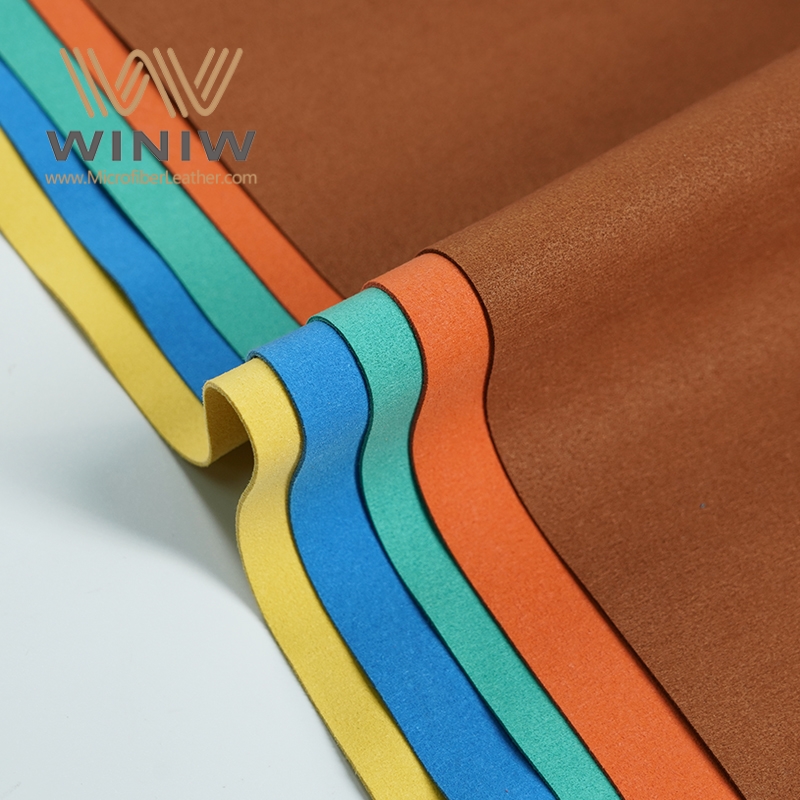
Common Fibers and Yarns in Non Woven Fabric
Non woven fabric uses many kinds of fibers and yarns. Makers pick fibers based on what the fabric will do. Here are some fibers you often see:
- Polyester
- Viscose (rayon)
- Nylon
- Microfiber
- Acrylic
- Cotton
- Bamboo fiber
Many companies use recycled fibers to help the planet. This saves resources and cuts down on waste. Stitch bonded fabric is made with a weaving machine. The machine stitches a web of fibers together. Extra yarns or fibers can be added to the web. This gives the fabric a special look and feel. You can see clear stitching and a unique texture in these fabrics.
Physical and Performance Properties
Non woven fabric is strong and lasts a long time. The stitching holds the web together and makes it tough. Different bonding methods change how the fabric acts. Look at the table below to see how each method works:
| Bonding Method | Key Properties |
|---|---|
| Needle Punching | Good tear resistance and lasts long because fibers are packed tight. |
| Thermal Bonding | Very strong in one way but can tear easier than needle-punched fabric. |
| Chemical Bonding | Can soak up more but might feel stiff. |
| Hydroentanglement | Makes fabric strong and bendy with great tear resistance, no glue or heat needed. |
Stitch bonded nonwoven fabric can be made for many jobs. You can use it for covers, medical things, or other uses. The fabric can also be made to resist water or fire.
Advantages and Limitations
Stitch bonded nonwoven fabric has many good points:
- It soaks up dust and dirt well.
- The stitching keeps bits from falling out when cleaning.
- The fabric is even, so cleaning works everywhere.
- You can use one fabric for many jobs.
- It removes bad stuff very well.
- You can use it on lots of surfaces.
There are some things to watch out for too. Non woven fabric does not stretch as much as knitted fabric. Some types can feel stiff if you use certain bonding ways. You need to pick the right fiber and bonding for your job.
Tip: Always check the fiber and bonding method before you choose a non woven fabric. This helps you get the best fabric for your project.
Applications of Stitch Bond Nonwovens
Industrial and Technical Uses
Stitch bonded nonwovens are used in many jobs. These fabrics help products stay strong and last longer. Factories like them because they work well for hard tasks.
Some common uses are:
- Carpet underlays make floors soft and quiet.
- Furniture padding adds comfort to chairs and sofas.
- Composite fabrics help other materials get stronger.
- Car interiors use these for a neat and tough finish.
- Insulation wraps keep heat in or out and protect things.
- Packaging liners keep items safe when shipping.
You also see these fabrics in technical areas. For example, they work as geotextiles under roads and railways. They help stop erosion and control water. Builders use them for roofing layers and wall barriers. These keep buildings dry and warm.
Tip: When picking materials for building or industry, try stitch bonded nonwovens. They are strong, flexible, and last a long time.
Consumer and Everyday Applications
Stitch bonded nonwovens are not just for factories. You use them every day, even if you do not notice. These fabrics make home items better and more comfy.
You can find them in:
- Mattresses and bedding for support and softness
- Cushions and furniture for comfort
- Shoe and bag linings for strength and shape
- Curtains and decorations for style and toughness
- Shoulder pads in clothes for structure
- Many things you use at home
These fabrics help things last longer and feel nicer. You can count on them to work well, whether you sit, walk, or sleep.
Note: Stitch bonded nonwovens make life easier by adding comfort, support, and strength to many things you use every day.
You now know that stitch bonded nonwovens use a weaving machine. The machine locks fibers together with chain-stitch seams. This makes the fabric strong and gives it a special feel. These fabrics are used in many places:
- Car interiors and sound insulation
- Medical gowns and wraps for hygiene
- Outdoor gear that is strong and light
Stitch bonded nonwovens are good for new projects. They do not cost much. You can use them in many ways. They mix easily with other fibers.
FAQ
What makes stitch bonded nonwovens different from regular fabric?
The way they are made is not the same. Stitch bonded nonwovens are made by machines that stitch fibers together. Regular fabrics are made by weaving or knitting. This makes stitch bonded nonwovens strong and easy to bend.
Can you recycle stitch bonded nonwovens?
Yes, you can recycle many stitch bonded nonwovens. Lots of companies use recycled polyester or other fibers. This helps cut down on trash and saves materials.
Where do you use stitch bonded nonwovens most?
You see these fabrics in car seats, furniture, shoes, and bedding. They are also used in building for insulation and roofing layers.
Are stitch bonded nonwovens safe for skin contact?
Most stitch bonded nonwovens are safe to touch your skin. You find them in medical gowns, bedding, and inside clothes. Always read the label to make sure they are safe.