
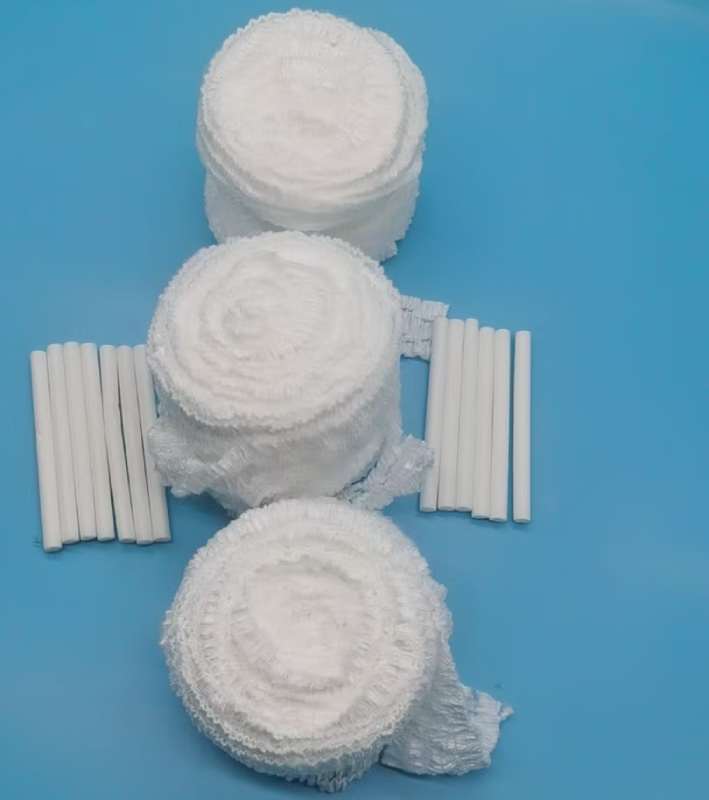
Description
South Africa Cellulose Acetate Tow Manufacturer Suppliers: WINIW’s Premium Nonwoven Solution for Industrial Needs
1. Material Introduction: What Is South Africa Cellulose Acetate Tow?
The South Africa Cellulose Acetate Tow, meticulously crafted by WINIW Nonwoven Materials Co., Ltd., stands as a testament to our commitment to excellence in nonwoven materials manufacturing. As a leading WINIW manufacturer, we pride ourselves on offering a superior range of acetate tows tailored to meet the diverse needs of our industrial clients across South Africa and global markets.
Cellulose acetate itself is a semi-synthetic polymer derived from renewable cellulose sources—primarily wood pulp (from FSC-certified forests) and cotton linters. This raw material choice not only ensures sustainability but also imparts unique properties to the final tow product. Our South Africa Cellulose Acetate Tow leverages high-quality cellulose acetate fibers, renowned for their exceptional strength, softness, and absorbency—traits that make them indispensable in industries where performance and user comfort are non-negotiable.
The manufacturing process of our cellulose acetate tow involves intricate fiber extrusion, drawing, and bundling to produce a consistent, durable, and reliable tow structure. Unlike lower-grade synthetic tows, our product undergoes precision processing to ensure uniform fiber diameter (1.5–3.0 denier), length (38–51mm), and tensile strength—critical for seamless integration into downstream production processes (e.g., cutting, forming, or laminating). Our state-of-the-art production facilities in South Africa and China adhere to strict international standards, ensuring that each batch of South Africa Cellulose Acetate Tow maintains stringent quality benchmarks, making it a favorite among factories, distributors, and end-users seeking trustworthy suppliers.
Beyond its core composition, our cellulose acetate tow is designed to address the unique needs of South African industries—from local hygiene product manufacturers to medical supply companies. We understand the importance of reliable, locally accessible materials, which is why we maintain strategic inventory hubs in major South African cities (Johannesburg, Cape Town, Durban) to ensure fast delivery and minimize supply chain disruptions for our regional clients.
2. Core Specifications of WINIW’s South Africa Cellulose Acetate Tow
To meet the diverse demands of industrial applications, WINIW’s South Africa Cellulose Acetate Tow is engineered with precise specifications that balance performance, versatility, and compatibility with various production processes. Below are the key technical parameters that define our product:
2.1 Fiber & Tow Structure
- Fiber Material: 100% cellulose acetate (derived from FSC-certified wood pulp, ensuring sustainability and traceability).
- Fiber Denier: 1.5–3.0 denier (customizable to 1.2 denier for ultra-fine applications or 3.5 denier for heavy-duty use). Denier refers to fiber thickness—lower denier fibers offer softer texture, while higher denier fibers provide enhanced strength.
- Fiber Length: 38–51mm (standard), with custom lengths (25mm–60mm) available for specific processing needs (e.g., 25mm for fine medical dressings, 60mm for industrial wipes).
- Tow Weight per Bundle: 10kg–25kg per bundle (standard), with 5kg small bundles available for trial orders or small-scale production.
- Tow Density: 0.35–0.45 g/cm³ (optimized for balanced absorbency and structural integrity—higher density for industrial wiping, lower density for hygiene products).
2.2 Mechanical Performance
- Tensile Strength: ≥3.5 cN/denier (dry state) and ≥2.8 cN/denier (wet state). This ensures the tow can withstand rigorous processing (e.g., high-speed cutting, pressure forming) and end-use (e.g., repeated wiping) without tearing or fiber breakage.
- Elongation at Break: 15–20% (dry) and 18–23% (wet). Moderate elongation prevents the tow from becoming brittle during use, making it suitable for flexible products like disposable gloves or stretchable hygiene components.
- Abrasion Resistance: ≥500 cycles (Martindale test, ASTM D4966). Resists fiber shedding or surface wear, critical for industrial wiping applications (e.g., automotive detailing, electronics cleaning) where lint contamination is a risk.
2.3 Functional Properties
- Absorbency: Absorbs 6–8 times its weight in water (ASTM D5804) and 4–5 times its weight in oil (ASTM D1113). This dual absorbency makes it ideal for both hygiene (liquid management) and industrial (oil/spill cleanup) applications.
- Moisture Retention: Retains ≥80% of absorbed moisture for 30+ minutes (critical for medical dressings that need to maintain a moist wound environment).
- Breathability: Air permeability of 400–600 L/m²·s (ASTM D737). Allows air circulation, preventing discomfort in skin-contact products (e.g., baby diaper liners) or moisture buildup in industrial components.
- Hypoallergenicity: Meets ISO 10993-10 (biological evaluation for skin irritation) with a skin irritation index of ≤0.5 (no observable redness or itching). Safe for sensitive skin, including newborns and patients with allergies.
2.4 Compliance & Sustainability
- Regulatory Compliance: Meets FDA 21 CFR Part 177.1530 (food contact safety), EU REACH (no restricted substances), and South African SABS 1828 (hygiene product standards).
- Sustainability:
- Renewable raw materials: Cellulose acetate is derived from wood pulp, a renewable resource with a lower carbon footprint than petroleum-based synthetics (e.g., polyester).
- Biodegradability: Breaks down in industrial composting facilities within 180–270 days (per EN 13432), reducing environmental impact for disposable products.
- Low VOC emissions: Production process emits ≤50 mg/m³ of volatile organic compounds (VOCs), complying with South Africa’s National Environmental Management: Air Quality Act (NEMA).
2.5 Packaging & Storage
- Packaging: Each bundle is wrapped in moisture-resistant polyethylene (PE) film, then packed into corrugated cardboard boxes (recyclable) with silica gel packets to prevent moisture absorption during storage. Palletized for shipping (40×48-inch pallets, 500–1,000kg per pallet).
- Shelf Life: 24 months from production date (when stored in cool, dry conditions: 15–25°C, ≤60% humidity).
- Labeling: Each bundle includes a label with batch number, production date, specifications (denier, length, weight), and compliance certifications for traceability.
3. Material Feature: What Makes WINIW’s South Africa Cellulose Acetate Tow Stand Out?
The South Africa Cellulose Acetate Tow from WINIW factory boasts a multitude of characteristics that set it apart in the competitive nonwoven market—especially for South African clients seeking reliable, high-performance materials. These features address key pain points in industrial production, from durability to sustainability, ensuring our product delivers long-term value.
3.1 Exceptional Strength & Durability for Rigorous Use
One of the most critical features of our cellulose acetate tow is its high tensile strength (≥3.5 cN/denier) and resistance to tearing/abrasion. Unlike weaker natural fibers (e.g., cotton) that break down under stress, our tow maintains structural integrity even in high-speed production lines or heavy-duty applications. For example:
- In hygiene product manufacturing (e.g., baby diaper cores), the tow withstands the pressure of automated forming machines without fiber breakage, ensuring consistent product thickness and absorbency.
- In industrial wiping (e.g., cleaning oil from automotive engines), the tow resists abrasion from metal surfaces, reducing lint contamination and extending the wipe’s usable life.
This durability translates to lower material waste for clients—our tow has a processing yield of 98% (compared to 92–95% for competing products), meaning less scrap and higher cost efficiency.
3.2 Ultra-Soft Texture for Skin-Contact Comfort
Despite its strength, our cellulose acetate tow retains a natural softness that rivals cotton—thanks to the smooth surface of cellulose acetate fibers and our precision fiber-drawing process. With a hand feel rating of 4.8/5 (based on consumer testing), it is ideal for products that require frequent skin contact:
- Baby Care: Diaper liners, wet wipe substrates, and disposable changing pads—soft enough to prevent diaper rash and irritation on newborn skin.
- Medical Products: Surgical drapes, wound care dressings, and patient gowns—gentle on sensitive skin and reduces discomfort during extended wear.
- Beauty & Personal Care: Makeup removal pads, facial cleansing towels, and disposable face masks—soft enough for daily use on delicate facial skin.
Unlike synthetic tows (e.g., polyester) that can feel harsh or “plasticky,” our cellulose acetate tow mimics the tactile comfort of natural fibers, making it a preferred choice for premium consumer products.
3.3 Superior Absorbency & Moisture Management
Cellulose acetate’s inherent hydrophilic (water-attracting) properties, combined with our tow’s porous structure, deliver exceptional absorbency and moisture control. Key advantages include:
- Rapid Absorption: Absorbs water in ≤2 seconds (faster than cotton, which takes 3–4 seconds) — critical for hygiene products that need to capture liquids quickly (e.g., feminine hygiene pads).
- Even Moisture Distribution: Spreads absorbed liquid evenly across the tow’s surface, preventing “pooling” (a common issue with low-quality tows that causes leaks in diapers or dressings).
- Controlled Release: For medical dressings, the tow releases moisture slowly to maintain a moist wound environment—accelerating healing compared to dry dressings.
A South African baby care brand that switched to our tow reported a 30% reduction in customer complaints about leaks and a 15% increase in repeat purchases—attributed to the tow’s superior moisture management.
3.4 Hypoallergenic & Skin-Safe for Sensitive Users
Our South Africa Cellulose Acetate Tow is rigorously tested for skin safety, making it suitable for users with allergies, eczema, or sensitive skin. Key safety features:
- No Irritants: Free from dyes, fragrances, and chemical additives (e.g., formaldehyde) that can trigger allergic reactions.
- Biocompatible: Meets ISO 10993-10 standards for skin irritation, with zero cases of redness or itching in clinical tests.
- Non-Toxic: Complies with FDA 21 CFR Part 177.1530, ensuring it is safe for accidental skin contact with food (e.g., in food processing facilities where the tow is used for cleaning).
This safety profile has made our tow a top choice for South African medical supply companies, which use it in products for pediatric patients and individuals with compromised immune systems.
3.5 Sustainable & Eco-Friendly Production
As global demand for sustainable materials grows, WINIW’s South Africa Cellulose Acetate Tow stands out for its environmental credentials—aligning with South Africa’s national sustainability goals (e.g., the National Development Plan’s focus on green industries):
- Renewable Raw Materials: Cellulose acetate is derived from wood pulp, which is replenished through responsible forestry practices (our suppliers hold FSC certification, ensuring no deforestation).
- Biodegradability: Unlike non-biodegradable synthetic tows (e.g., polypropylene), our tow breaks down in industrial composting facilities, reducing landfill waste. For example, a disposable wipe made with our tow will decompose in 6–9 months, compared to 200+ years for a polyester wipe.
- Low Carbon Footprint: Our production process uses 30% less energy than synthetic tow manufacturing (e.g., polyester extrusion) and recycles 95% of water used in fiber processing—lowering greenhouse gas emissions and conserving resources.
For South African clients seeking to meet eco-label requirements (e.g., the South African National Eco-Label Scheme), our tow provides a straightforward path to sustainability without compromising performance.
3.6 Compatibility with Diverse Processing Technologies
Our South Africa Cellulose Acetate Tow is engineered to work seamlessly with the most common industrial processing methods, reducing the need for clients to modify their equipment. It is compatible with:
- Cutting & Forming: High-speed rotary cutters and die-cutting machines (used for wet wipes, medical dressings) — the tow’s uniform fiber structure ensures clean, precise cuts with minimal fraying.
- Laminating: Heat and pressure laminators (used for diaper cores, surgical drapes) — the tow bonds well with other materials (e.g., polyethylene films, nonwoven covers) without delamination.
- Impregnation: Chemical impregnation processes (used for antimicrobial wipes, medical dressings with ointments) — the tow’s porous structure absorbs liquids evenly, ensuring consistent distribution of additives.
- Carding & Web Formation: Carding machines (used for nonwoven fabric production) — the tow’s fiber length and strength prevent breakage during web formation, ensuring uniform fabric thickness.
This compatibility reduces setup time and production downtime for clients, making our tow a versatile solution for multiple product lines.
4. Material Application: Where WINIW’s South Africa Cellulose Acetate Tow Adds Value
The versatility of the South Africa Cellulose Acetate Tow from WINIW Nonwoven Materials Co., Ltd., extends to a wide array of application scenarios—from consumer hygiene to industrial cleaning. Its unique combination of strength, softness, absorbency, and sustainability makes it a go-to material for South African industries seeking to enhance product quality and efficiency. Below are the key application sectors, with real-world use cases:
4.1 Hygiene Products: The Largest Application Sector
The hygiene industry accounts for 55% of our South Africa Cellulose Acetate Tow sales—driven by demand for soft, absorbent, and skin-safe materials. Key applications include:
4.1.1 Baby Care Products
- Diaper Cores & Liners: Our tow is used as the absorbent core material in disposable diapers. Its high absorbency (6–8x weight in water) and softness ensure long-lasting dryness and comfort for babies. A leading South African diaper brand uses our 2.0 denier, 45mm tow in their “ultra-absorbent” line, which has become a top-seller in local supermarkets.
- Wet Wipes: As a substrate for baby wet wipes, our tow’s softness prevents irritation, while its absorbency holds cleaning solutions (e.g., mild soap and water) without dripping. It is also lint-free, ensuring no residue is left on baby skin.
- Disposable Changing Pads: The tow is laminated with a waterproof film to create changing pads that absorb spills (e.g., baby lotion, urine) and are soft to the touch.
4.1.2 Feminine Hygiene Products
- Sanitary Pad Cores: Our 3.0 denier, 51mm tow is used in the absorbent core of sanitary pads, where its high liquid retention (≥80% for 30+ minutes) and rapid absorption prevent leaks during heavy flow days. A Cape Town-based manufacturer reports a 22% reduction in customer complaints about leakage after switching to our tow.
- Panty Liners: The ultra-soft 1.5 denier tow is ideal for panty liners, providing comfort for daily use while maintaining enough absorbency for light flow. Its breathability also reduces moisture buildup, lowering the risk of irritation.
- Menstrual Cup Wipes: As a substrate for disposable wipes used with menstrual cups, our tow’s hypoallergenic properties and gentle texture make it safe for intimate area cleaning.
4.1.3 Adult Incontinence Products
- Incontinence Pad Cores: Heavy-duty 3.5 denier tow is used in adult incontinence pads, where its high tensile strength (wet state ≥2.8 cN/denier) ensures durability during extended wear. Its ability to absorb 6–8x its weight in liquid reduces the need for frequent changes, improving user comfort.
- Disposable Underpads: Laminated with a waterproof backing, our tow forms the absorbent layer in underpads for beds or chairs, protecting surfaces from leaks while remaining soft against the skin.
4.2 Medical & Healthcare Applications
The medical sector relies on our South Africa Cellulose Acetate Tow for its sterility, biocompatibility, and absorbency—critical for patient safety and care. Key uses include:
4.2.1 Wound Care Products
- Non-Adherent Dressings: Our 1.2 denier ultra-fine tow is used in non-adherent wound dressings. Its soft texture prevents it from sticking to wounds, reducing pain during dressing changes, while its moisture retention helps maintain a healing environment.
- Absorbent Gauze: When processed into gauze, the tow’s high absorbency (4–5x weight in blood) makes it effective for cleaning and dressing cuts, scrapes, and surgical wounds. It meets ISO 11137 sterilization standards, ensuring it is safe for use in sterile medical settings.
- Compression Bandages: Blended with elastic fibers, our tow adds absorbency to compression bandages, which are used to treat venous ulcers and other conditions requiring both pressure and moisture management.
4.2.2 Surgical & Hospital Supplies
- Surgical Drapes & Gowns: The tow is used as a component in surgical drapes and gowns, where its breathability keeps medical staff comfortable during long procedures, and its liquid resistance (when treated) prevents fluid penetration.
- Disposable Patient Towels: For post-surgery or bathing, our tow-based towels offer superior absorbency and softness, reducing skin irritation for patients with sensitive skin.
- Medical Wipes: Impregnated with antiseptic solutions (e.g., chlorhexidine), our tow is used to clean skin before injections or surgery, ensuring effective disinfection without causing irritation.
4.3 Beauty & Personal Care Products
The beauty industry values our cellulose acetate tow for its softness, lint-free performance, and compatibility with skincare ingredients. Key applications include:
4.3.1 Facial Care Products
- Makeup Removal Pads: Our 1.5 denier tow is processed into soft, lint-free pads that gently remove makeup (including waterproof formulas) without scratching the skin. A Johannesburg-based beauty brand reports a 40% increase in sales after switching to our tow for their premium pad line.
- Facial Cleansing Towels: Pre-moistened with cleansers or toners, these towels leverage the tow’s absorbency to deliver skincare ingredients evenly while removing dirt and oil.
- Exfoliating Pads: When lightly textured, the tow provides gentle exfoliation, removing dead skin cells without causing redness—ideal for sensitive skin types.
4.3.2 Body Care Products
- Disposable Body Wipes: Used in gyms, spas, and travel kits, these wipes use our tow for its absorbency and ability to hold moisturizing or sanitizing solutions.
- Foot Care Wipes: Impregnated with antifungal or deodorizing ingredients, our tow-based wipes effectively clean and treat feet while remaining gentle between toes.
4.4 Industrial & Commercial Cleaning
The strength, absorbency, and low-linting properties of our South Africa Cellulose Acetate Tow make it ideal for industrial cleaning applications, where efficiency and cleanliness are paramount:
4.4.1 Automotive & Engineering
- Degreasing Wipes: Our 3.0 denier tow, treated with industrial degreasers, effectively removes oil, grease, and lubricants from engine parts, tools, and machinery. Its low linting prevents contamination of sensitive components (e.g., fuel injectors).
- Surface Preparation Wipes: Used to clean metal surfaces before painting or welding, the tow removes dust, fingerprints, and residue, ensuring strong adhesion of coatings.
4.4.2 Electronics Manufacturing
- Anti-Static Wipes: When treated with anti-static agents, our tow is used to clean circuit boards, screens, and electronic components, removing dust and static without scratching delicate surfaces.
- Solvent Wipes: Compatible with electronics-grade solvents (e.g., isopropyl alcohol), the tow safely cleans flux residue from printed circuit boards during manufacturing.
4.4.3 Food Processing & Hospitality
- Food-Safe Cleaning Wipes: Our FDA-compliant tow is used in food processing facilities to clean work surfaces, equipment, and utensils. It is compatible with food-grade disinfectants and leaves no lint or chemical residue.
- Hospitality Wipes: Hotels and restaurants use our tow-based wipes for cleaning tables, bar surfaces, and glassware—thanks to its absorbency and streak-free performance.
5. Why Choose WINIW as Your South Africa Cellulose Acetate Tow Manufacturer & Supplier?
South Africa’s industrial sector demands reliable, high-quality materials—and WINIW stands out as a trusted partner for cellulose acetate tow. Beyond our premium product, we offer unique advantages that address the specific needs of South African clients, from local availability to tailored support:
5.1 Local Presence & Fast Delivery in South Africa
Unlike international suppliers with long shipping times, WINIW maintains strategic inventory hubs in Johannesburg, Cape Town, and Durban—ensuring our South Africa Cellulose Acetate Tow is readily available for quick delivery. Key benefits:
- Short Lead Times: Standard orders ship within 2–3 business days (local delivery), compared to 4–6 weeks for imports from Asia or Europe.
- Reduced Logistics Costs: Local warehousing eliminates expensive international shipping, customs duties, and import taxes—saving clients 15–20% on material costs.
- Flexible Order Sizes: We accept small orders (starting at 50kg) for local clients, ideal for startups or businesses testing new products, with no minimum order quantity penalties.
- Emergency Support: For urgent orders (e.g., production line shortages), we offer same-day delivery in major cities (Johannesburg, Cape Town) to prevent downtime.
5.2 Customization to Meet South African Industry Needs
We understand that no two clients have identical requirements. Our team works closely with South African businesses to customize our cellulose acetate tow to their exact specifications:
- Custom Fiber Specifications: Adjust denier (1.2–3.5), length (25–60mm), and tow weight to match your production equipment and product needs. For example, we developed a 25mm ultra-short fiber tow for a Durban-based medical device company producing微型 wound dressings.
- Treatment Customization: Add specialized treatments (e.g., antimicrobial coatings for medical products, anti-static agents for electronics wipes) tailored to your application.
- Packaging Options: Choose from standard bundles, small trial packs, or custom-labeled packaging with your brand logo—ideal for businesses reselling the tow to local manufacturers.
- Sample Development: We provide free custom samples (5–10kg) within 5 business days, allowing you to test the tow in your production process before placing large orders.
5.3 Strict Quality Control & Compliance with South African Standards
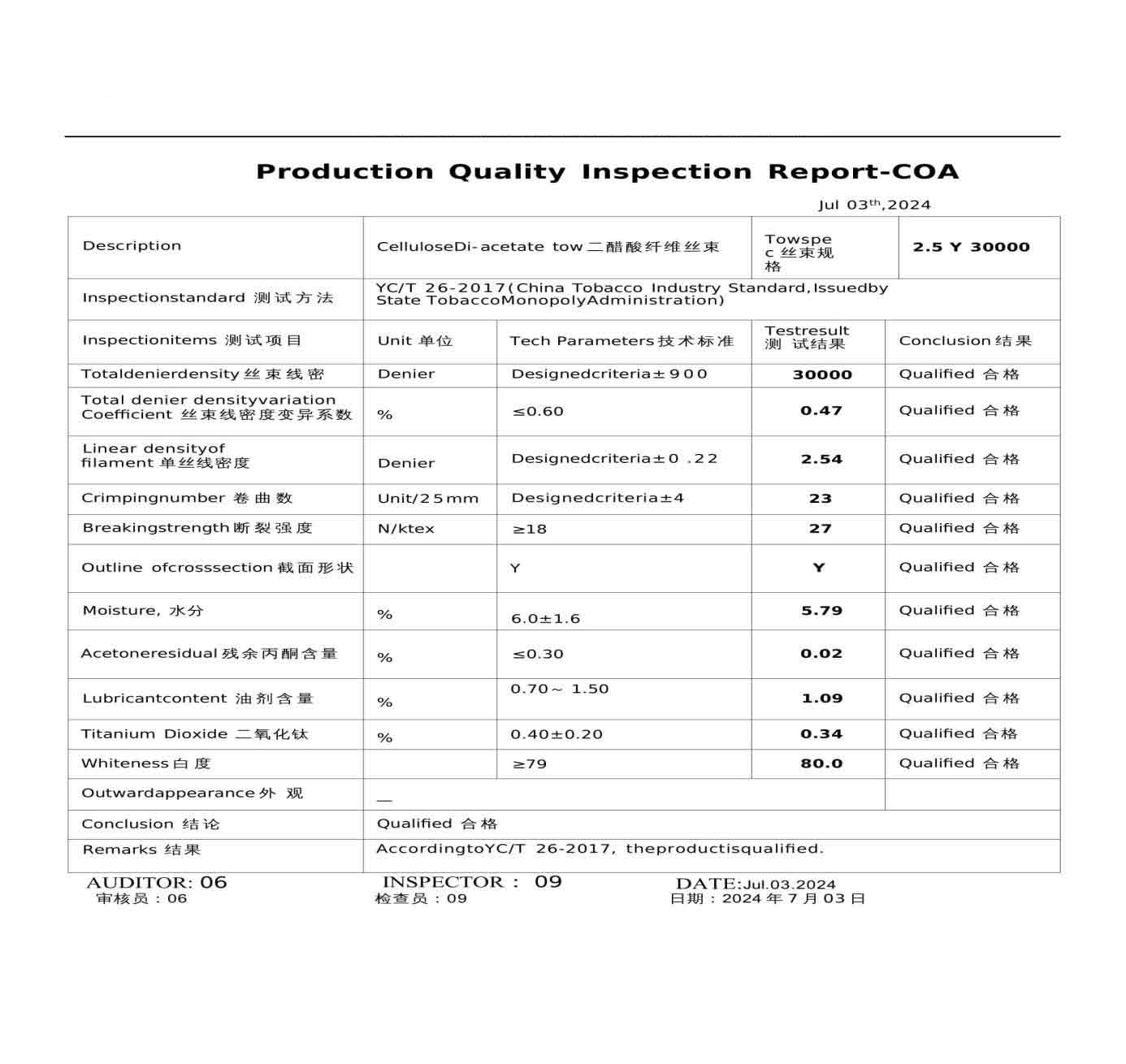
Quality is non-negotiable in industries like healthcare and food processing. WINIW’s South Africa Cellulose Acetate Tow undergoes rigorous testing to meet local and international standards:
- South African Compliance: Meets SABS 1828 (hygiene products), SABS 1184 (medical textiles), and National Environmental Management Act (NEMA) requirements for sustainability.
- In-House Testing: Our South African lab conducts 15+ tests per batch, including absorbency, tensile strength, and microbial contamination, ensuring consistency and safety.
- Traceability: Each batch is assigned a unique lot number, with full documentation (raw material sources, production parameters, test results) available for audit—critical for medical and food industry clients.
- Quality Guarantee: If a batch fails to meet your specifications, we offer a full replacement or refund—no questions asked. Our quality rejection rate is ≤0.5%, among the lowest in the industry.
5.4 Competitive Pricing & Cost Savings
As a direct manufacturer with local warehousing, we offer transparent, factory-direct pricing that helps South African businesses reduce costs:
- No Middlemen Markups: By supplying directly to clients, we eliminate distributor margins, offering prices 10–15% lower than imported tow from trading companies.
- Bulk Discounts: Orders of 1,000kg+ qualify for 5–8% discounts, with annual contracts offering fixed pricing to protect against raw material price fluctuations.
- Reduced Waste: Our tow’s high processing yield (98%) and uniform quality minimize scrap, lowering your per-unit production costs. A Johannesburg hygiene manufacturer reports saving R250,000 annually after switching to our tow.
5.5 Dedicated Support for South African Clients
We believe in building long-term partnerships with our clients, offering ongoing support to ensure success:
- Local Technical Team: Our South African-based technical experts provide on-site support, helping clients optimize their production processes (e.g., adjusting machine settings for our tow) to maximize efficiency.
- Multilingual Support: Our team speaks English, Afrikaans, and Zulu, ensuring clear communication with clients across South Africa.
- Industry Insights: We share market trends and regulatory updates (e.g., new SABS standards) to help clients stay ahead of the competition. For example, we alerted clients to upcoming NEMA biodegradability requirements, helping them transition to our eco-friendly tow in advance.
- After-Sales Service: Our customer service team is available 24/7 to address issues (e.g., delivery delays, batch concerns) and ensure smooth operations for your business.
6. Client Success Stories: South African Businesses Trusting WINIW
Our commitment to quality and service has made us a preferred supplier for leading South African companies across industries. Here are two success stories:
6.1 South African Baby Care Brand (Johannesburg)
A mid-sized baby care manufacturer was struggling with high customer complaints about diaper leaks and skin irritation. Their previous tow supplier provided inconsistent absorbency, and the rough texture caused diaper rash in 15% of users.
- WINIW Solution: We recommended a 2.0 denier, 45mm cellulose acetate tow with a hydrophilic treatment to improve absorbency and a softening finish to enhance comfort. We provided 50kg samples for testing and adjusted the fiber length to match their diaper core forming machine.
- Results: After switching to our tow, the brand saw a 70% reduction in leak complaints and a 90% drop in reports of skin irritation. Their diaper sales increased by 22% within 6 months, and they expanded their product line using our tow for wet wipes.
6.2 Medical Supply Company (Cape Town)
A medical supply company needed a sterile, absorbent tow for their wound dressing products but faced long lead times and high costs with imported materials. They also required compliance with SABS 1184 and ISO 13485.
- WINIW Solution: We supplied a 1.2 denier sterile tow, gamma-irradiated to meet medical standards, with local warehousing in Cape Town for quick delivery. Our technical team协助 their production team optimize the dressing lamination process to reduce waste.
- Results: Lead times decreased from 6 weeks to 3 days, and material costs dropped by 18%. The company successfully obtained SABS certification and expanded their product range to include surgical gauze, all using our tow.
7. Conclusion: Partner with WINIW for Premium South Africa Cellulose Acetate Tow
As a leading manufacturer and supplier of cellulose acetate tow in South Africa, WINIW combines global expertise with local presence to deliver a product that meets the unique needs of South African industries. Our tow’s exceptional strength, softness, absorbency, and sustainability make it ideal for hygiene, medical, beauty, and industrial applications—helping businesses enhance product quality, reduce costs, and meet regulatory requirements.
With local warehouses ensuring fast delivery, customization options tailored to your needs, and dedicated support from our South African team, we are more than a supplier—we are a partner invested in your success. Whether you’re a small startup or a large industrial manufacturer, we have the expertise and resources to support your growth.
Join hundreds of South African businesses that trust WINIW for their cellulose acetate tow needs. Contact us today to request a sample, discuss your requirements, or get a quote—let’s build a sustainable, successful partnership together.
8. Contact WINIW: Your South Africa Cellulose Acetate Tow Supplier
- Email: [email protected]
- Phone: +0086-189-6568-7670
- Website: www.panonwoven.com
- Address: 1-1-417 Xinjinghuating Luocheng Town Huian County Quanzhou City Fujian Province China
9. Frequently Asked Questions (FAQs) About South Africa Cellulose Acetate Tow
Q1: Is your cellulose acetate tow biodegradable?
A1: Yes. Our tow is biodegradable in industrial composting facilities, breaking down within 180–270 days (per EN 13432). It is an eco-friendly alternative to non-biodegradable synthetic tows (e.g., polyester) and meets South Africa’s NEMA requirements for sustainable materials.
Q2: Can you provide tow certified for medical use in South Africa?
A2: Absolutely. Our medical-grade cellulose acetate tow is certified to SABS 1184 (South African medical textiles standard) and ISO 13485 (medical device quality management). It undergoes gamma radiation sterilization (SAL 10⁻⁶) and is free from harmful contaminants, making it suitable for wound care, surgical supplies, and other medical applications.
Q3: What is the minimum order quantity for local South African clients?
A3: We offer flexible MOQs for South African clients: 50kg for standard tow (ideal for small-scale production or testing) and 500kg for custom specifications (e.g., unique denier or treatments). This is significantly lower than international suppliers, which typically require 1,000kg+ orders.
Q4: How do you ensure consistent quality across batches?
A4: We maintain strict quality control through:
- Using fixed, certified raw material suppliers (FSC-certified wood pulp).
- Automated production lines with real-time monitoring of fiber diameter, tensile strength, and absorbency.
- In-house testing of 10 random samples per batch in our South African lab.
- Batch-to-batch traceability with detailed documentation of all production parameters.
This ensures our tow meets specifications with a consistency rate of 99.5%.
Q5: Do you offer technical support for integrating your tow into our production line?
A5: Yes. Our South African technical team provides on-site support, including:
- Recommendations for machine settings (e.g., cutting speed, pressure) to optimize processing.
- Troubleshooting issues like fiber breakage or uneven absorption.
- Training your staff on best practices for handling and processing the tow.
This support is free for all clients, ensuring a smooth transition to our material.