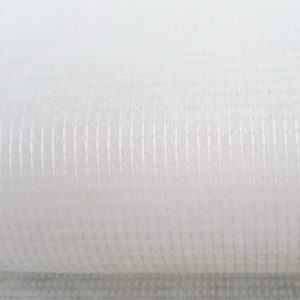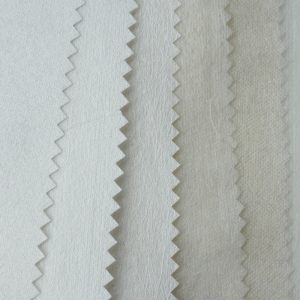


Description
RPET Stitch Bonded Nonwoven Fabric for Eco Shopping Bags
1. Introduction: Redefining Sustainability with RPET Nonwovens
In an era where environmental consciousness drives consumer choices and industry innovation, the demand for sustainable materials that reduce plastic waste has never been higher. WINIW, a leading supplier of nonwoven fabrics, addresses this need with its premium RPET Stitch Bonded Nonwoven Fabric—a material crafted entirely from recycled PET (polyethylene terephthalate) bottles, designed specifically for eco-friendly shopping bags, gift bags, and other reusable products. This fabric not only delivers exceptional durability and performance but also contributes to a circular economy by giving new life to plastic waste that would otherwise end up in landfills or oceans.
WINIW supply high quality Recycled PET RPET stitch bonded nonwoven fabric specialized for Eco-friendly shopping bags, gift bags, etc. Our commitment to sustainability goes beyond material selection: every step of our production process is optimized to minimize energy consumption and reduce carbon emissions, ensuring that the fabric’s “eco-friendly” label is backed by tangible environmental impact. Whether you’re a brand looking to enhance your green credentials, a manufacturer of reusable bags, or a retailer aiming to meet consumer demand for sustainable packaging, WINIW’s RPET Stitch Bonded Nonwoven Fabric offers a practical, high-performance solution that aligns with global sustainability goals.
What sets this fabric apart from traditional nonwovens? Unlike petroleum-based polyester nonwovens, which rely on finite fossil fuels, our RPET fabric is made from post-consumer plastic bottles—each meter of fabric diverts approximately 10–12 used PET bottles from waste streams. Additionally, the stitch bonded manufacturing process (a mechanical bonding method that uses yarns to stitch fiber webs together) eliminates the need for harsh chemicals or high heat, preserving the fabric’s eco-friendly properties while ensuring strength and longevity. This combination of recycled materials and sustainable production makes WINIW’s RPET Stitch Bonded Nonwoven Fabric a standout choice for eco-conscious applications.
2. The Story Behind RPET: From Discarded Bottles to Premium Fabric
WINIW RPET Stitch Bonded Nonwoven Fabric made of recycled PET bottles (used coca cola bottles, water bottles), after our production process, the recycled PET bottles become quality stitch bonded nonwoven fabric, widely used for shopping bags and gift bags, etc. The journey from a discarded plastic bottle to a durable shopping bag fabric is a testament to circular economy principles, and WINIW’s rigorous production process ensures that every step maintains the highest standards of quality and sustainability.
2.1 Sourcing & Sorting Recycled PET Bottles
The process begins with sourcing post-consumer PET bottles from certified waste collection facilities. These bottles—primarily used for beverages like Coca-Cola, water, and other soft drinks—are collected from households, businesses, and public recycling bins. Before processing, the bottles undergo a strict sorting stage:
- Material Separation: Workers and automated systems separate PET bottles from other plastics (e.g., HDPE, PVC) and non-plastic contaminants (e.g., metal caps, paper labels). Only pure PET bottles are selected, as other materials can compromise the fabric’s quality.
- Color Sorting: Bottles are sorted by color (clear, green, blue) to ensure consistency in the final fabric’s hue. For our black and white RPET fabrics, clear bottles are preferred for white (to avoid discoloration) and a mix of colored bottles is used for black (reducing the need for additional dyes).
- Quality Checks: Sorted bottles are inspected for damage, excessive dirt, or non-PET components. Any bottles that fail inspection are rejected to maintain the purity of the raw material.
This sorting stage is critical: pure, high-quality PET bottles are essential for producing RPET fabric with consistent strength, texture, and color.
2.2 Cleaning & Shredding
Once sorted, the bottles move to the cleaning phase, where all non-PET elements are removed:
- Cap & Label Removal: Automated machines strip metal caps (which are recycled separately) and paper/plastic labels from the bottles. Labels are either recycled as paper waste or incinerated for energy recovery.
- Washing: Bottles are washed in a series of hot water baths with mild, eco-friendly detergents to remove dirt, food residues, and adhesive from labels. This step ensures that no contaminants remain on the bottle surfaces, which could affect the fabric’s quality or cause odors.
- Drying: Cleaned bottles are dried in low-temperature ovens (to save energy) to remove excess moisture before shredding.
- Shredding: Dried bottles are fed into shredders that cut them into small flakes (approximately 5mm × 5mm). These flakes are the first form of recycled PET that will be processed into fiber.
After shredding, the PET flakes undergo another quality check to ensure they are free of remaining contaminants. Only flakes that meet our purity standards proceed to the next stage.
2.3 Melting & Fiber Extrusion
The PET flakes are then transformed into the fiber that forms the base of the nonwoven fabric:
- Melting: Flakes are fed into an extruder, where they are heated to approximately 260°C (a temperature lower than that used for virgin PET, reducing energy consumption). The melted PET is filtered to remove any remaining impurities, ensuring a smooth, consistent melt.
- Fiber Formation: The melted PET is forced through a spinneret (a metal plate with tiny holes) to form continuous filaments. These filaments are cooled with air to solidify them, then stretched to align the molecular structure—this stretching process enhances the fiber’s strength and durability.
- Crimping & Cutting: The continuous filaments are crimped (given a wavy texture) to improve their ability to interlock in the nonwoven web, then cut into short fibers (typically 38mm–51mm in length) known as “staple fibers.” These staple fibers are the building blocks of the nonwoven web.
The resulting RPET staple fibers have the same mechanical properties as virgin PET fibers—including high tensile strength and resistance to wear—while being fully recycled.
2.4 Stitch Bonding: Crafting the Nonwoven Fabric
The final stage in the process is the stitch bonding technique, which transforms the RPET staple fibers into a cohesive, durable fabric:
- Web Formation: RPET staple fibers are fed into a carding machine, which combs the fibers into a uniform, loose web. This web is then layered to achieve the desired thickness and gramage (70gsm–300gsm).
- Stitch Bonding: The loose fiber web is fed into a stitch bonding machine, where multiple rows of needles (threaded with RPET yarn) penetrate the web, stitching the fibers together. This mechanical bonding creates a stable, porous fabric with no chemical adhesives or heat-sealed bonds. The gauge of the needles (10, 14, or 22 gauge) determines the density of the stitches and the fabric’s overall thickness (0.3mm–1.5mm).
- Finishing: The stitched fabric is trimmed to the desired width (80cm–140cm), then inspected for defects. Any fabric with uneven stitching, holes, or inconsistencies is rejected. The finished fabric is wound into rolls, ready for shipment to customers.
The stitch bonding process is key to the fabric’s performance: it creates a structure that is both flexible and strong, making it ideal for shopping bags that need to withstand repeated use and carry heavy loads.
3. Detailed Specifications: Tailored for Eco Shopping Bags
WINIW’s RPET Stitch Bonded Nonwoven Fabric is engineered with specifications that meet the unique needs of eco shopping bags, gift bags, and other reusable products. Each parameter is carefully controlled to ensure consistency, performance, and compatibility with bag manufacturing processes. Below is a comprehensive breakdown of the fabric’s specifications, along with insights into how each attribute benefits end-use applications:
3.1 Composition: Recycled Polyester (RPET)
Specifications highlight: Composition: recycled polyester (recycled PET, RPET)
The fabric’s core composition is 100% recycled polyester (RPET), derived entirely from post-consumer PET bottles. This composition offers numerous advantages for eco shopping bags:
- Environmental Sustainability: Using recycled polyester reduces reliance on virgin petroleum-based materials, cutting carbon emissions by approximately 70% compared to virgin PET production (according to the Ellen MacArthur Foundation). For every ton of RPET fabric produced, 6.5 barrels of oil are saved, and 10.2 tons of carbon dioxide emissions are avoided.
- Mechanical Performance: RPET has identical strength and durability to virgin PET. The fabric can withstand repeated use (up to 100+ uses for a shopping bag) and resist tearing, even when carrying heavy items (e.g., groceries, books). It also has good abrasion resistance, preventing wear and tear from daily use.
- Chemical Resistance: RPET is resistant to water, mild detergents, and most household chemicals—critical for shopping bags that may be exposed to rain, spills, or cleaning. The fabric does not absorb water, so it dries quickly and won’t develop mold or mildew.
- Recyclability: At the end of its life, the RPET fabric can be recycled again, continuing the circular economy cycle. Unlike blended fabrics (e.g., PET/cotton), which are difficult to recycle, 100% RPET is easily processed into new materials.
For customers with specialized needs (e.g., enhanced softness or UV resistance), WINIW offers custom blends (e.g., RPET with a small percentage of recycled cotton), but the standard 100% RPET composition is preferred for its sustainability and performance balance.
3.2 Gauge: 10 Gauge, 14 Gauge, 22 Gauge
Specifications highlight: Gauge: 10 guage, 14 guage, 22 guage (note: standard spelling is “gauge”)
Gauge refers to the number of needles per inch in the stitch bonding machine, which directly impacts the fabric’s stitch density, thickness, and strength. The three available gauges are tailored to different shopping bag applications:
- 10 Gauge:10-gauge fabric has the largest needle size and the lowest stitch density (fewer stitches per inch). This results in:
- Thicker, More Rigid Structure: The larger stitches create a bulkier fabric with higher thickness (typically 1.0mm–1.5mm) and greater stiffness. This makes it ideal for heavy-duty shopping bags that need to hold large, heavy items (e.g., grocery bags, laundry bags) without sagging.
- Enhanced Durability: The larger stitches distribute weight more evenly, reducing stress on individual fibers. 10-gauge fabric can withstand a maximum load of 15kg–20kg, making it suitable for industrial or commercial use (e.g., wholesale shopping bags).
- Visible Stitch Pattern: The sparse stitch pattern creates a distinctive, textured appearance that adds a rustic, industrial aesthetic to bags—popular for brands targeting a “handcrafted” or “utilitarian” look.
Common uses for 10-gauge fabric: heavy-duty grocery bags, laundry bags, storage bags, and industrial tote bags.
- 14 Gauge:14-gauge fabric is the most versatile option, with a medium stitch density that balances thickness, flexibility, and strength. Key characteristics include:
- Moderate Thickness & Flexibility: Thickness ranges from 0.6mm–1.0mm, making the fabric flexible enough to fold or roll (for easy storage) while still maintaining structure. This flexibility is ideal for everyday shopping bags that need to be carried comfortably.
- Balanced Load Capacity: The medium stitch density allows the fabric to hold 10kg–15kg, suitable for most consumer shopping needs (e.g., clothing, cosmetics, light groceries).
- Subtle Stitch Pattern: The stitches are dense enough to be less visible, giving the fabric a smoother, more polished appearance—popular for retail shopping bags and gift bags that require a clean, professional look.
Common uses for 14-gauge fabric: retail shopping bags, gift bags, promotional tote bags, and reusable produce bags.
- 22 Gauge:22-gauge fabric has the smallest needle size and highest stitch density (most stitches per inch), resulting in a lightweight, fine-textured fabric. Key properties include:
- Thin & Lightweight: Thickness ranges from 0.3mm–0.6mm, making the fabric lightweight and easy to carry. It folds into a compact size, ideal for “on-the-go” bags (e.g., foldable shopping bags that fit in a purse or pocket).
- Soft Texture: The high stitch density creates a smooth, soft surface that is gentle on hands and won’t scratch delicate items (e.g., clothing, electronics). This makes it suitable for gift bags or premium shopping bags.
- Moderate Load Capacity: Despite its lightweight, 22-gauge fabric can hold 5kg–10kg, making it ideal for light shopping or promotional bags. It is not recommended for heavy items, as it may stretch over time.
Common uses for 22-gauge fabric: foldable shopping bags, gift bags, promotional tote bags, and lightweight produce bags.
The gauge selection directly impacts the bag’s functionality and aesthetic—WINIW’s team works with customers to choose the optimal gauge based on their target use case and brand identity.
3.3 Thickness: 0.3mm – 1.5mm
Specifications highlight: Thickness: 0.3mm 1.5mm
The fabric’s thickness (measured in millimeters) is closely tied to its gauge and gramage, and it plays a critical role in the bag’s durability, appearance, and usability. The 0.3mm–1.5mm range covers three distinct thickness categories, each suited to different applications:
- Thin (0.3mm–0.6mm):Thin RPET fabric is lightweight (70gsm–120gsm) and flexible, with a thickness similar to a heavy-duty sheet of paper. Key benefits include:
- Portability: Thin fabric folds into a small, lightweight package—ideal for foldable shopping bags that customers can carry in their purses, backpacks, or pockets.
- Cost Efficiency: Thinner fabric uses less material, reducing per-unit costs—suitable for high-volume promotional bags or budget-friendly retail options.
- Soft Feel: The thin structure creates a smooth, drapeable fabric that conforms to the shape of items inside the bag, preventing damage to delicate products (e.g., clothing, cosmetics).
Limitations: Thin fabric has lower load capacity and may stretch if overloaded. It is best used for light-duty applications.
- Medium (0.6mm–1.0mm):Medium-thickness fabric (120gsm–200gsm) is the most popular choice for general-purpose shopping bags, offering a balance of portability and durability:
- Versatility: It is thick enough to hold moderate loads (10kg–15kg) while still being flexible enough to fold for storage. This makes it suitable for a wide range of uses, from retail shopping to gift-giving.
- Structural Integrity: Medium thickness provides enough rigidity to keep the bag open when loading items, reducing the need for additional supports
- Aesthetic Appeal: The medium thickness creates a polished, professional appearance that works for both branded retail bags and plain eco-friendly options. It holds prints and logos well, enhancing brand visibility.
This thickness is the default choice for most customers, as it meets the needs of everyday shopping without compromising on portability.
- Thick (1.0mm–1.5mm):Thick RPET fabric (200gsm–300gsm) is designed for heavy-duty applications, with a rigid structure that resembles thin canvas. Key advantages include:
- Maximum Durability: The thick fiber web and dense stitching can withstand heavy loads (15kg–25kg) and repeated use, making it ideal for grocery bags, laundry bags, or industrial tote bags that carry bulky items.
- Structural Rigidity: The fabric maintains its shape even when empty, making it easier to load and unload items. This rigidity also reduces sagging, preventing items from falling out of the bag.
- Abrasion Resistance: Thick fabric is more resistant to scratches, tears, and wear from rough surfaces (e.g., concrete, metal shelves), extending the bag’s lifespan to 100+ uses.
Limitations: Thick fabric is heavier and less foldable than thinner options, making it less suitable for “on-the-go” bags. It also has a higher per-unit cost due to increased material usage.
WINIW’s production process ensures consistent thickness across each roll, with a tolerance of ±0.1mm. This consistency is critical for bag manufacturers, as it ensures uniform sewing and assembly—avoiding issues like uneven seams or ill-fitting handles.
3.4 Gramage: 70gsm – 300gsm
Specifications highlight: Gramage: 70gsm 300gsm
Gramage (weight per square meter, gsm) is a key indicator of the fabric’s density, strength, and weight. The 70gsm–300gsm range is tailored to cover every use case for eco shopping bags, from lightweight promotional totes to heavy-duty grocery bags. Each gramage category aligns with specific performance needs:
- Lightweight (70gsm–120gsm):Lightweight fabric is ideal for applications where portability is prioritized:
- Key Properties: Weighs 70–120 grams per square meter, with a thin, flexible structure. It is easy to fold into a compact size (often fitting into a small pouch) and weighs less than 50 grams per bag—making it convenient for customers to carry “just in case.”
- Use Cases: Foldable shopping bags, promotional tote bags (given away at events), lightweight produce bags, and gift bags for small items (e.g., jewelry, cosmetics).
- Performance Notes: Can hold 5–8kg of weight, but may stretch if overloaded. Best suited for occasional use or light shopping trips (e.g., picking up a few items from the pharmacy).
- Mediumweight (120gsm–200gsm):Mediumweight fabric is the most versatile, balancing portability and durability:
- Key Properties: Weighs 120–200 grams per square meter, with a substantial feel that is neither too thin nor too heavy. It folds easily but retains its shape when in use, and weighs 50–100 grams per bag.
- Use Cases: Everyday shopping bags (for clothing, groceries, or books), branded retail bags (used by department stores or boutiques), gift bags for larger items (e.g., clothing, home goods), and reusable produce bags for bulk items.
- Performance Notes: Can hold 8–15kg of weight, making it suitable for regular use. It withstands weekly shopping trips and can be washed (by hand or machine on a gentle cycle) without losing shape.
- Heavyweight (200gsm–300gsm):Heavyweight fabric is designed for demanding, frequent use:
- Key Properties: Weighs 200–300 grams per square meter, with a dense, rigid structure that feels sturdy and durable. It weighs 100–150 grams per bag, so it is less portable but offers maximum strength.
- Use Cases: Heavy-duty grocery bags (for large weekly shops), laundry bags, storage bags (for toys, blankets, or seasonal items), industrial tote bags (used in warehouses or factories), and reusable bags for bulky items (e.g., bottles, cans, or books).
- Performance Notes: Can hold 15–25kg of weight, making it suitable for carrying heavy, bulky items. It resists tearing even when dragged across rough surfaces and can withstand 100+ uses with proper care.
The gramage of the fabric directly impacts the bag’s cost, with heavier fabrics requiring more material and thus having a higher per-unit price. WINIW works with customers to select the optimal gramage based on their budget, target use case, and brand positioning—ensuring they get the best value for their needs.
3.5 Width: 80cm – 140cm
Specifications highlight: Width: 80cm 140cm
The fabric’s width is a critical specification for bag manufacturers, as it determines how many bags can be cut from a single roll and reduces material waste. The 80cm–140cm range covers the most common bag sizes, from small tote bags to large shopping bags:
- Narrow Width (80cm–100cm):Narrow-width fabric is ideal for small to medium-sized bags:
- Key Benefits: Reduces waste for small bags, as it avoids cutting large pieces of fabric into smaller sections. For example, an 80cm width can be cut into two 40cm-wide bag bodies (with minimal scrap) or one 80cm-wide bag for larger items.
- Suitable Bag Sizes: Small tote bags (30cm × 40cm), produce bags (20cm × 30cm), gift bags (25cm × 35cm), and foldable shopping bags (which fold down to 10cm × 15cm).
- Manufacturing Efficiency: Ideal for small-scale manufacturers or businesses producing niche bag sizes, as it requires less storage space and reduces inventory costs.
- Medium Width (100cm–120cm):Medium-width fabric is the most popular choice for standard shopping bags:
- Key Benefits: Accommodates most standard bag sizes without excessive waste. A 100cm width can be cut into two 50cm-wide bag bodies (for medium tote bags) or one 100cm-wide bag (for large shopping bags), and it works with most standard bag-cutting machines.
- Suitable Bag Sizes: Standard tote bags (40cm × 50cm), grocery bags (45cm × 55cm), retail shopping bags (35cm × 45cm), and gift bags for large items (30cm × 40cm).
- Manufacturing Efficiency: Ideal for medium to large-scale manufacturers producing high volumes of standard-sized bags, as it balances waste reduction and production speed.
- Wide Width (120cm–140cm):Wide-width fabric is designed for large bags or high-volume production:
- Key Benefits: Allows for cutting multiple bag bodies from a single width, maximizing efficiency and reducing waste. For example, a 140cm width can be cut into three 45cm-wide bag bodies (with minimal scrap) or one 140cm-wide bag for extra-large items (e.g., laundry bags, storage bags).
- Suitable Bag Sizes: Extra-large shopping bags (50cm × 60cm), laundry bags (55cm × 70cm), storage bags (60cm × 80cm), and industrial tote bags (45cm × 55cm).
- Manufacturing Efficiency: Ideal for large-scale manufacturers producing high volumes of bags, as it reduces the number of cuts needed per roll and speeds up production.
WINIW offers custom slitting services for customers who need widths outside the 80cm–140cm range (e.g., 60cm for small produce bags or 160cm for extra-large storage bags). This flexibility ensures that the fabric can be tailored to any bag design, regardless of size.
3.6 Color: Black, White
Specifications highlight: Color: Black, White
The fabric is available in two classic colors—black and white—that are versatile enough for most branding and design needs. These colors are chosen for their practicality, aesthetic appeal, and alignment with sustainability principles:
- White:White RPET fabric is a popular choice for brands prioritizing a clean, minimalist look:
- Key Advantages:
- Reflects light, keeping items inside the bag cooler in warm weather (ideal for grocery bags carrying perishables).
- Provides a blank canvas for printing logos, graphics, or brand messages—colors and designs stand out vividly against the white background.
- Conveys a sense of purity and eco-friendliness, aligning with the fabric’s sustainable credentials.
- Made from clear recycled PET bottles, reducing the need for dyes (minimizing water usage and chemical waste in production).
- Suitable Use Cases: Branded retail bags (for boutiques, cosmetics stores, or organic food shops), gift bags, and promotional tote bags where logo visibility is critical.
- Care Notes: May show dirt or stains more easily than black fabric, but can be cleaned with mild soap and water. Avoid bleach, as it may damage the RPET fibers.
- Black:Black RPET fabric is a practical, stylish choice for everyday use:
- Key Advantages:
- Conceals dirt, stains, and wear, making it ideal for frequent use (e.g., weekly grocery shopping, commuting).
- Has a sleek, modern appearance that complements any brand or outfit—popular for unbranded eco bags or brands with a minimalist aesthetic.
- Made from a mix of colored recycled PET bottles (green, blue, etc.), eliminating the need for black dye (reducing environmental impact).
- Resists fading from sunlight, maintaining its color even with prolonged outdoor use.
- Suitable Use Cases: Heavy-duty grocery bags, laundry bags, commuter tote bags, and storage bags where durability and practicality are prioritized.
- Care Notes: Hides dirt well, so it requires less frequent cleaning. Can be machine-washed on a gentle cycle with dark-colored items to prevent color bleeding (though bleeding is minimal due to the fabric’s dye-free production).
For customers with specific color needs (e.g., brand colors like red, blue, or green), WINIW offers custom dyeing services using eco-friendly, water-based dyes. These dyes are applied after the stitch bonding process and meet global safety standards (e.g., REACH, OEKO-TEX®) for skin contact and environmental impact. Custom colors require a minimum order quantity and may extend the delivery time by 3–5 days.
4. Key Advantages for Eco Shopping Bags: Why Choose RPET Stitch Bonded Nonwoven Fabric?
WINIW’s RPET Stitch Bonded Nonwoven Fabric offers a unique set of advantages that make it superior to traditional materials (e.g., virgin polyester nonwovens, cotton, or single-use plastic) for eco shopping bags. These advantages address the core needs of both consumers and manufacturers—sustainability, durability, functionality, and cost-effectiveness:
4.1 Unmatched Environmental Sustainability
The fabric’s greatest advantage is its positive environmental impact, which aligns with global efforts to reduce plastic waste and carbon emissions:
- Reduces Plastic Pollution: Each meter of fabric diverts 10–12 used PET bottles from landfills or oceans. A single shopping bag (made from 0.5 meters of fabric) keeps 5–6 bottles out of the environment—over its lifespan, a reusable RPET bag can replace 500+ single-use plastic bags, preventing significant pollution.
- Lowers Carbon Footprint: RPET production uses 70% less energy and emits 70% less carbon dioxide than virgin PET production (according to the Environmental Protection Agency). For example, producing 1 ton of RPET fabric emits 3.2 tons of CO₂, compared to 10.2 tons for virgin PET—this reduction helps brands meet their carbon neutrality goals.
- Water Conservation: The stitch bonding process uses 90% less water than woven fabric production (e.g., cotton), and the RPET recycling process uses 50% less water than producing virgin polyester. This is critical in regions facing water scarcity.
- Circular Economy Alignment: At the end of its life, the RPET fabric can be recycled again into new RPET products (e.g., new bags, fiberfill, or packaging), closing the loop on plastic waste. Unlike blended fabrics (e.g., cotton/polyester), which are difficult to recycle, 100% RPET is fully recyclable.
For brands looking to enhance their sustainability credentials, the fabric provides a tangible, marketable benefit—consumers are increasingly willing to pay a premium for products that reduce environmental harm, and RPET bags serve as a visible symbol of a brand’s commitment to sustainability.
4.2 Superior Durability & Long Lifespan
Unlike single-use plastic bags (which break after 1–2 uses) or thin cotton bags (which tear after 10–20 uses), RPET stitch bonded nonwoven fabric is designed for long-term use:
- High Tensile Strength: The fabric has a tensile strength of 15–30 N/5cm (depending on gramage), meaning it can withstand significant pulling force without tearing. This makes it suitable for carrying heavy items like cans, bottles, or books.
- Abrasion Resistance: The stitch bonded structure resists wear from friction—even when dragged across rough surfaces (e.g., concrete, metal shelves), the fabric maintains its integrity. Testing shows that the fabric retains 80% of its strength after 100 cycles of abrasion (compared to 50% for cotton).
- Water Resistance: RPET is naturally water-resistant, so the fabric does not absorb water or become heavy when wet. This prevents mold growth and extends the bag’s lifespan, even in rainy weather.
- Washability: The fabric can be washed by hand or machine (on a gentle cycle with mild detergent), allowing customers to keep their bags clean and hygienic. Unlike cotton, it does not shrink or fade with washing—maintaining its shape and color for years.
The long lifespan of RPET bags (100+ uses) means they provide greater value to consumers and reduce the need for frequent replacement—further minimizing environmental impact.
4.3 Functional Benefits for Everyday Use
Beyond sustainability and durability, the fabric offers practical functional benefits that enhance the user experience of eco shopping bags:
- Lightweight & Portable: Even heavyweight RPET fabric (300gsm) is lighter than traditional canvas or cotton fabric of the same thickness. A medium-sized RPET shopping bag (40cm × 50cm) weighs just 80–100 grams, making it easy to carry for extended periods—unlike bulky canvas bags that can cause shoulder strain.
- Foldable & Compact: The fabric’s flexibility allows bags to be folded into a small, portable size. A standard RPET tote bag can fold down to fit in a purse, backpack, or even a pocket, ensuring customers always have a reusable bag on hand (reducing the need to use single-use plastic bags when shopping spontaneously).
- Breathable & Ventilated: The stitch bonded structure creates tiny pores in the fabric, allowing air to circulate. This is ideal for grocery bags carrying fresh produce (e.g., fruits, vegetables), as it prevents moisture buildup and mold growth—unlike non-breathable plastic bags that trap humidity.
- Easy to Clean: The smooth surface of the RPET fabric resists dirt and stains, and any spills or marks can be wiped clean with a damp cloth. For deeper cleaning, the fabric is machine-washable (gentle cycle, cold water) and dries quickly (within 2–3 hours), ensuring the bag is ready for reuse in no time.
- Printable & Customizable: The fabric’s smooth surface accepts a wide range of printing methods, including screen printing, digital printing, and heat transfer. This allows brands to add logos, graphics, or sustainability messages to the bags—turning them into effective marketing tools while reinforcing their eco-friendly identity.
These functional benefits address common pain points of reusable bags (e.g., bulkiness, difficulty cleaning, poor breathability), making RPET stitch bonded nonwoven bags more appealing to consumers than other reusable options.
4.4 Cost-Effectiveness for Manufacturers & Brands
While sustainability is a key driver, cost remains a critical factor for manufacturers and brands. WINIW’s RPET Stitch Bonded Nonwoven Fabric offers excellent value compared to other sustainable materials:
- Lower Material Costs Than Organic Cotton: Organic cotton nonwovens are often 30–50% more expensive than RPET fabric, due to the high cost of organic cotton farming and processing. RPET fabric, by contrast, uses recycled materials that are more affordable and widely available, reducing per-unit costs.
- Reduced Production Waste: The stitch bonded process has a high material utilization rate (95%+), meaning very little fabric is wasted during production. Additionally, the fabric’s width options (80cm–140cm) are tailored to common bag sizes, minimizing scrap during cutting—reducing overall production costs.
- Longer Lifespan = Lower Replacement Costs: For brands that offer reusable bags to customers (e.g., retail stores, grocery chains), the long lifespan of RPET bags means fewer replacements are needed over time. This reduces the frequency of reordering and lowers long-term expenses.
- Minimal Maintenance Costs: Unlike canvas bags that may require repairs (e.g., stitching up tears) or cotton bags that shrink and lose shape, RPET bags require minimal maintenance. This reduces the need for customer support related to bag defects, saving brands time and resources.
The cost-effectiveness of RPET fabric makes it accessible to a wide range of businesses—from small boutique brands to large retail chains—allowing more companies to adopt sustainable packaging without breaking their budgets.
5. Applications Beyond Eco Shopping Bags: Versatility of RPET Stitch Bonded Nonwoven Fabric
While the fabric is specialized for eco shopping bags, its unique combination of sustainability, durability, and functionality makes it suitable for a wide range of other applications. This versatility allows manufacturers to expand their product lines and leverage the fabric’s eco-friendly credentials across multiple categories:
5.1 Gift Bags & Promotional Items
RPET stitch bonded nonwoven fabric is an excellent choice for gift bags and promotional items:
- Gift Bags: The fabric’s soft texture and customizable colors (white, black, or custom dyed) make it ideal for gift bags for holidays, birthdays, or corporate events. It is more durable than paper gift bags (which tear easily) and more sustainable than plastic gift bags—aligning with the growing demand for eco-friendly gifting options.
- Promotional Tote Bags: Brands often give away promotional tote bags at trade shows, conferences, or community events. RPET bags are a popular choice because they are lightweight, portable, and carry a strong sustainability message—helping brands build positive associations with consumers.
- Event Merchandise: Concerts, festivals, and charity events often sell branded merchandise. RPET tote bags with event logos or artwork are a top seller, as they are both useful and eco-friendly—appealing to event-goers who want to reduce their environmental impact.
5.2 Storage & Organizational Products
The fabric’s durability and water resistance make it suitable for storage and organizational products:
- Storage Bags: RPET fabric can be used to make storage bags for toys, blankets, seasonal clothing, or travel items. The fabric’s water resistance protects contents from moisture, and its breathability prevents musty odors—making it ideal for long-term storage.
- Laundry Bags: Heavyweight RPET fabric (200gsm–300gsm) is perfect for laundry bags, as it can withstand the weight of wet clothes and resist tearing from zippers or buttons. The fabric’s breathability also allows damp laundry to air out, preventing mold growth during transport to the laundry room.
- Produce Bags: Lightweight RPET fabric (70gsm–100gsm) can be made into reusable produce bags, replacing single-use plastic produce bags. The bags are washable, see-through (when made from thin fabric), and can be folded into a small pouch for easy storage in a grocery bag.
5.3 Industrial & Commercial Uses
The fabric’s strength and chemical resistance make it suitable for industrial and commercial applications:
- Industrial Tote Bags: Factories and warehouses use RPET tote bags to transport small parts, tools, or documents. The fabric’s durability can withstand the rigors of industrial use, and its water resistance protects contents from spills or moisture in the workplace.
- Janitorial Supplies: RPET fabric can be used to make cleaning cloths or dust bags for janitorial services. The fabric’s absorbency and durability make it effective for cleaning, and its sustainability credentials align with the growing demand for eco-friendly janitorial products.
- Protective Covers: Lightweight RPET fabric can be used as protective covers for furniture, equipment, or vehicles (e.g., bike covers). The fabric’s water resistance protects against dust and light rain, and its breathability prevents condensation buildup.
6. Quality Assurance & Certifications: Ensuring Excellence & Sustainability
WINIW is committed to delivering high-quality, sustainable RPET Stitch Bonded Nonwoven Fabric. To ensure the fabric meets the highest standards of performance and environmental responsibility, we have implemented rigorous quality control processes and obtained key certifications:
6.1 Quality Control Processes
Every step of the production process is monitored to ensure consistency and quality:
- Raw Material Inspection: All recycled PET bottles are inspected for purity and quality before processing. We only use bottles that meet our strict standards for cleanliness and PET content (minimum 99% pure PET).
- In-Process Testing: During production, samples of the fabric are tested for thickness, gramage, tensile strength, and stitch density at regular intervals (every 30 minutes). Any deviations from specifications trigger immediate adjustments to the production line.
- Final Inspection: Before shipment, every roll of fabric undergoes a final inspection. Inspectors check for defects (e.g., holes, uneven stitching, color inconsistencies) and verify that all specifications (width, gramage, color) match the customer’s order.
- Customer Samples: For new customers or custom orders, we provide a sample roll (1–5 meters) for testing before full production. This allows customers to verify the fabric’s quality and compatibility with their manufacturing processes.
These quality control processes ensure that every roll of fabric meets or exceeds customer expectations, reducing the risk of defects and ensuring consistent performance in end products.
6.2 Environmental & Safety Certifications
The fabric has obtained key certifications that validate its sustainability and safety:
- GRS (Global Recycled Standard): The GRS is the most widely recognized certification for recycled materials. Our RPET fabric is GRS-certified, which means it contains at least 90% recycled content, and our production process meets strict environmental and social standards (e.g., waste reduction, fair labor practices).
- OEKO-TEX® Standard 100: This certification ensures that the fabric is free from harmful substances (e.g., heavy metals, pesticides, formaldehyde) and is safe for skin contact. It is particularly important for bags that are used regularly and come into contact with hands or personal items.
- ISO 9001: Our manufacturing facility is ISO 9001-certified, which means we have implemented a quality management system that ensures consistent product quality, customer satisfaction, and continuous improvement.
- ISO 14001: This certification validates our commitment to environmental management. Our facility follows strict processes to reduce energy consumption, minimize waste, and lower carbon emissions—aligning with the sustainability of the RPET fabric itself.
These certifications provide customers with confidence that the fabric is both sustainable and safe, and they help brands meet regulatory requirements and consumer expectations for eco-friendly products.
7. Why Choose WINIW as Your RPET Stitch Bonded Nonwoven Fabric Supplier?
With numerous nonwoven fabric suppliers on the market, choosing the right partner is critical to the success of your eco shopping bag or reusable product line. WINIW stands out as a trusted supplier for the following reasons:
7.1 Expertise in RPET & Sustainable Nonwovens
WINIW has over 10 years of experience in manufacturing RPET nonwoven fabrics, and our team of engineers and sustainability experts has deep knowledge of the entire RPET supply chain—from recycled PET bottle sourcing to stitch bonded fabric production. We stay up-to-date with the latest advancements in sustainable nonwoven technology, ensuring our fabric meets the evolving needs of the market and our customers.
7.2 Flexible Production & Customization
We understand that every customer has unique needs, which is why we offer flexible production and customization options:
- Custom Specifications: We can adjust the fabric’s gramage (70gsm–300gsm), width (80cm–140cm), gauge (10, 14, 22), and color (black, white, or custom dyed) to meet your specific requirements.
- Small to Large Orders: We accommodate orders of all sizes, from small sample rolls (1–5 meters) for testing to large bulk orders (10,000+ kg) for high-volume production. Our minimum order quantity (MOQ) is flexible for long-term customers, making it easy for small businesses to get started.
- Fast Lead Times: We maintain a large inventory of standard RPET fabric (black and white, 14 gauge, 120gsm–200gsm, 100cm width), allowing us to ship standard orders within 3–5 days. For custom orders, our lead time is 10–15 days—faster than many competitors.
7.3 Global Logistics & Customer Support
We serve customers in over 50 countries worldwide, and our global logistics network ensures fast, reliable delivery:
- Shipping Options: We work with leading freight forwarders to offer sea, air, and land shipping options. For urgent orders, we provide express air shipping (3–7 days) to most destinations. For large bulk orders, sea shipping (20–30 days) offers cost-effective delivery.
- Customs Support: We provide all necessary documentation (e.g., commercial invoice, packing list, certification copies) to ensure smooth customs clearance. Our team also offers guidance on import regulations and duties in your country, reducing the risk of delays.
- After-Sales Support: Our customer support team is available 24/7 to address any questions or issues. If you encounter a problem with your order (e.g., defective fabric, incorrect specifications), we will resolve it quickly—either by replacing the fabric or offering a refund.
7.4 Commitment to Sustainability
Sustainability is not just a marketing claim for WINIW—it is a core value that guides every aspect of our business:
- Continuous Improvement in Environmental Performance: We regularly invest in new technology to reduce energy consumption, minimize waste, and lower carbon emissions. For example, we recently upgraded our production lines to use 20% less energy, and we recycle 98% of the waste generated during production.
- Transparent Supply Chain: We provide customers with detailed information about the sourcing of our recycled PET bottles and our production processes, ensuring full transparency about the fabric’s environmental impact.
- Partnerships for a Circular Economy: We partner with waste collection facilities, recycling companies, and other stakeholders to strengthen the circular economy for PET. By supporting the recycling infrastructure, we help ensure a steady supply of high-quality recycled PET for our fabric.
When you choose WINIW, you are not just buying a fabric—you are partnering with a supplier that is committed to creating a more sustainable future.
8. Conclusion: Invest in the Future with WINIW RPET Stitch Bonded Nonwoven Fabric
As consumer demand for sustainable products continues to grow and governments around the world implement bans on single-use plastics, the need for high-quality, eco-friendly materials like RPET Stitch Bonded Nonwoven Fabric has never been greater. WINIW’s RPET fabric offers the perfect combination of sustainability, durability, functionality, and cost-effectiveness—making it the ideal choice for eco shopping bags, gift bags, and other reusable products.
By choosing our RPET Stitch Bonded Nonwoven Fabric, you are:
- Reducing plastic pollution and supporting the circular economy.
- Creating durable, functional products that customers love.
- Enhancing your brand’s sustainability credentials and appealing to eco-conscious consumers.
- Saving money with a cost-effective material that requires minimal maintenance and replacement.
Whether you are a small business looking to launch a line of eco-friendly bags or a large manufacturer seeking to upgrade your sustainable product offerings, WINIW has the expertise, flexibility, and quality to meet your needs. Contact us today to request a sample, discuss your custom requirements, or place an order—let’s work together to create a more sustainable future, one RPET bag at a time.
Contact WINIW
- Email: [email protected]
- Phone: +0086-189-6568-7670
- Website: www.panonwoven.com
Address:1-1-417 Xinjinghuating Luocheng Town Huian County Quanzhou City Fujian Province China