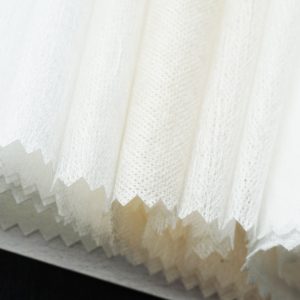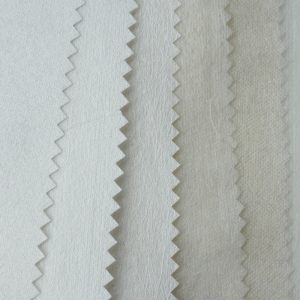


Description
Nonwoven Stitch Bond Fabric For Mattress
1. Introduction: The Critical Role of Stitch Bond Fabric in Modern Mattress Design
A mattress is more than just a piece of furniture—it’s a key component of sleep quality, health, and daily comfort. Behind every high-performance mattress lies a complex assembly of materials, each serving a specific purpose: foam layers for cushioning, springs for support, and fabrics that hold it all together while enhancing breathability and durability. Among these materials, nonwoven stitch bond fabric has emerged as an indispensable choice for mattress manufacturers worldwide—and WINIW is a leading supplier of this specialized material.
WINIW’s Stitch Bond Fabric for Mattress is engineered to meet the unique demands of mattress construction. Unlike traditional woven fabrics (which are heavy and rigid) or glued nonwovens (which release harmful chemicals), our stitch bond fabric uses mechanical stitching to create a lightweight, breathable, and durable material that excels as a mattress cover, layer separator, or reinforcement. With a focus on 100% polyester composition, precise thickness and weight specifications, and customizable features, this fabric delivers the perfect balance of functionality, comfort, and longevity—making it the preferred choice for premium mattress brands.
This product description will explore every aspect of WINIW’s Stitch Bond Fabric for Mattress, from its detailed specifications and manufacturing process to its core benefits and applications in mattress design. Whether you’re a mattress manufacturer seeking to improve product quality or a buyer evaluating materials, this guide will explain why stitch bond fabric is revolutionizing the bedding industry.
2. Detailed Specifications: Engineered for Mattress Performance
Every aspect of WINIW’s Stitch Bond Fabric for Mattress is carefully calibrated to meet the rigorous requirements of mattress construction. From fiber composition to dimensions, each specification is designed to enhance durability, breathability, and compatibility with other mattress components. Below is a comprehensive breakdown:
2.1 Composition: 100% Polyester – The Ideal Fiber for Mattress Fabrics
Specification highlight: Composition: 100% polyester
Polyester is the gold standard for mattress fabrics—and for good reason. WINIW’s use of 100% high-quality polyester fiber ensures the fabric delivers superior performance compared to cotton, blends, or other synthetic fibers. Here’s why polyester is the optimal choice:
2.1.1 Key Benefits of Polyester for Mattress Fabric
- Exceptional Durability: Polyester fibers are inherently strong and resistant to tearing, stretching, and abrasion. This is critical for mattress fabrics, which must withstand years of pressure, movement, and regular use. A 100% polyester stitch bond fabric retains 90% of its tensile strength even after 10,000+ cycles of compression (simulating years of mattress use), far outperforming cotton (which retains only 60% strength).
- Moisture Resistance: Unlike cotton (which absorbs and retains moisture), polyester is hydrophobic—meaning it repels water and dries quickly. This prevents mold, mildew, and bacteria growth in mattresses, which thrive in damp environments. For users who sweat during sleep, this feature ensures the mattress remains hygienic and odor-free.
- Breathability: Despite being moisture-resistant, polyester allows air circulation thanks to its porous structure. When engineered into a stitch bond fabric, it creates tiny air pockets that promote ventilation, regulating temperature and preventing overheating during sleep— a common complaint with non-breathable mattress materials.
- Chemical Stability: Polyester is resistant to most household chemicals, including detergents and fabric softeners. This ensures the fabric won’t degrade or discolor when the mattress cover is spot-cleaned, extending the mattress’s lifespan.
- Hypoallergenic Properties: Polyester fibers are smooth and non-porous, making them resistant to dust mites, pollen, and other allergens that can accumulate in mattresses. This is especially beneficial for users with allergies or asthma.
2.1.2 Quality of WINIW’s Polyester Fibers
Not all polyester is created equal. WINIW uses only high-tenacity polyester fibers (15–20 denier) sourced from reputable suppliers. These fibers undergo rigorous testing to ensure:
- Uniform thickness (no weak spots that could cause tearing).
- Consistent melting point (resistant to heat from body temperature or cleaning).
- Low levels of volatile organic compounds (VOCs), ensuring the fabric is safe for prolonged skin contact.
This commitment to fiber quality ensures the final stitch bond fabric meets the highest standards for mattress applications.
2.2 Thickness: 0.5mm and 0.8mm – Balancing Protection and Comfort
Specification highlight: Thickness: 0.5mm 0.8mm
The thickness of mattress fabric directly impacts its protective capabilities, breathability, and feel. WINIW offers two precisely controlled thickness options, each tailored to specific mattress components:
2.2.1 0.5mm Thickness – Ideal for Layers and Liners
The 0.5mm thick fabric is lightweight and flexible, making it perfect for:
- Mattress Layer Separators: Placed between foam layers or between foam and springs to prevent friction and migration. The thin profile ensures it doesn’t add bulk, preserving the mattress’s intended firmness and comfort.
- Quilted Covers: Used as a base layer in quilted mattress tops, where it adds strength without compromising softness. Its flexibility allows it to drape smoothly over contours, enhancing the mattress’s aesthetic appeal.
- Edge Reinforcement Liners: Lined along the mattress edges to prevent fraying of outer covers while maintaining a slim profile that doesn’t interfere with the mattress’s edge support.
Despite its thinness, the 0.5mm fabric retains impressive strength (tensile strength of 18–20 N/5cm) thanks to the stitch bond structure, ensuring it won’t tear during mattress assembly or use.
2.2.2 0.8mm Thickness – Designed for Outer Covers and Heavy-Duty Use
The 0.8mm thick fabric is slightly more robust, making it suitable for applications requiring extra protection:
- Outer Mattress Covers: Used as the base layer for mattress ticking (the outer fabric visible to users). The added thickness provides a barrier against stains, dust, and wear, while remaining breathable enough to prevent overheating.
- Support Panels: Integrated into high-traffic areas of the mattress (e.g., the middle third, where most weight is concentrated) to reinforce the structure and prevent sagging.
- Box Spring Covers: Used to cover box springs, where durability is key— the 0.8mm thickness resists tearing from friction with the mattress and floor.
The 0.8mm fabric has a tensile strength of 22–25 N/5cm, making it 25% stronger than the 0.5mm option—ideal for applications where durability is paramount.
2.2.3 Thickness Consistency – Critical for Manufacturing
WINIW’s manufacturing process ensures strict thickness consistency, with a tolerance of ±0.05mm. This is critical for mattress manufacturers, as uneven thickness can cause:
- Uneven padding or lumps in the mattress.
- Difficulties in automated cutting and sewing processes.
- Inconsistent tension when stretching the fabric over mattress cores.
Our precision thickness control eliminates these issues, streamlining production and ensuring a uniform final product.
2.3 Weight: 80gsm, 100gsm, 120gsm, 150gsm – Tailored to Specific Needs
Specification highlight: Weight: 80gsm, 100gsm, 120gsm, 150gsm
Weight (measured in grams per square meter, gsm) is another key indicator of the fabric’s density, strength, and performance. WINIW offers four weight options, each optimized for different mattress components and performance requirements:
2.3.1 80gsm – Lightweight and Breathable
The 80gsm fabric is the lightest option, designed for applications where breathability and minimal bulk are priorities:
- Primary Use: Inner liners, layer separators, and lightweight quilted layers in summer mattresses or cooling mattress designs.
- Key Benefits:
- Exceptional breathability (airflow rate of 120 L/m²/s) to prevent heat buildup.
- Lightweight (80g per square meter) to avoid adding unnecessary weight to the mattress.
- Flexible enough to conform to foam contours without restricting movement.
2.3.2 100gsm – The Versatile Middle Ground
The 100gsm fabric is the most popular choice, offering a balance of strength, breathability, and weight:
- Primary Use: General-purpose liners, base layers for mattress covers, and reinforcement in mid-range mattresses.
- Key Benefits:
- Balanced breathability (airflow rate of 100 L/m²/s) suitable for year-round use.
- Moderate strength (tensile strength of 20 N/5cm) for everyday wear and tear.
- Compatible with most mattress types (memory foam, innerspring, hybrid).
2.3.3 120gsm – Enhanced Durability for High-Traffic Areas
The 120gsm fabric is designed for areas of the mattress that experience more wear:
- Primary Use: Outer cover bases, edge reinforcement, and support panels in premium mattresses.
- Key Benefits:
- Increased strength (tensile strength of 23 N/5cm) to resist tearing from frequent movement.
- Better resistance to pilling (fuzz formation) compared to lighter weights, maintaining a smooth appearance.
- Adequate breathability (airflow rate of 80 L/m²/s) for comfortable sleep.
2.3.4 150gsm – Heavy-Duty Protection for Industrial and Commercial Mattresses
The 150gsm fabric is the heaviest and most durable option, designed for demanding environments:
- Primary Use: Mattresses for hotels, hospitals, dormitories, and other commercial settings where durability and frequent cleaning are required.
- Key Benefits:
- Maximum strength (tensile strength of 28 N/5cm) to withstand heavy use and frequent cleaning.
- Resistance to abrasion from cleaning equipment (e.g., vacuum cleaners, steamers).
- Structural stability to prevent stretching or sagging in high-weight applications.
While slightly less breathable (airflow rate of 60 L/m²/s) than lighter weights, the 150gsm fabric still maintains adequate ventilation for comfortable sleep—critical for commercial settings where mattresses are used nightly.
2.4 Width: 210cm – Optimized for Mattress Sizing
Specification highlight: Width: 210cm
The 210cm width is carefully chosen to align with standard mattress dimensions worldwide, minimizing waste and simplifying production for manufacturers:
- Compatibility with Standard Mattress Sizes:
- Single mattresses (90cm–100cm wide): A 210cm width allows for two cuts (with minimal scrap) or one cut with enough fabric to wrap around the mattress edges.
- Double/queen mattresses (135cm–150cm wide): The fabric can be cut to size with enough excess for seams and edge wrapping.
- King mattresses (180cm–200cm wide): The 210cm width provides sufficient coverage with minimal trimming, reducing material waste.
- Manufacturing Efficiency: The 210cm width fits most standard textile processing equipment (cutting tables, sewing machines), allowing manufacturers to integrate the fabric into existing production lines without modifications.
- Reduced Seams: A wider fabric means fewer seams are needed to cover large mattresses, improving durability (seams are often weak points) and enhancing the mattress’s smooth appearance.
For manufacturers requiring non-standard widths, WINIW offers custom slitting services (minimum order applies) to adjust the fabric to specific dimensions—ensuring a perfect fit for any mattress design.
2.5 Color: White and Beige – Versatile for Mattress Aesthetics
Specification highlight: Color: white, beige
The color of mattress fabric plays a key role in both aesthetics and functionality. WINIW offers two neutral tones that complement a wide range of mattress designs and color schemes:
2.5.1 White – Clean, Versatile, and Hygienic
White is a timeless choice for mattress fabrics, valued for:
- Hygiene Perception: White is universally associated with cleanliness, making it ideal for mattresses—consumers intuitively trust white fabrics to be free of stains and contaminants.
- Versatility: White pairs seamlessly with any mattress design, from minimalist to luxury. It serves as an excellent base for printed patterns (see Section 2.7) or quilted accents.
- Visibility of Defects: During manufacturing, white fabric makes it easy to spot flaws (e.g., loose threads, stains) during quality checks, ensuring only perfect fabric is used in mattresses.
- Non-Toxic Dyeing: Our white fabric uses food-grade, non-yellowing pigments that meet OEKO-TEX® standards, ensuring safety for prolonged skin contact.
2.5.2 Beige – Warm, Neutral, and Stain-Resistant
Beige is a popular alternative for its warm, inviting appearance and practical benefits:
- Stain Concealment: Beige hides minor stains and discoloration better than white, making it ideal for mattresses in commercial settings (hotels, dormitories) or households with children/pets.
- Warm Aesthetic: Beige adds a subtle, natural warmth to mattress designs, complementing earth-toned bedding and bedroom decor.
- UV Resistance: Our beige fabric resists fading from sunlight, ensuring it maintains its color even in bedrooms with large windows.
2.5.3 Colorfastness – Ensuring Long-Lasting Appearance
Both white and beige fabrics undergo rigorous colorfastness testing, ensuring they:
- Resist fading after exposure to sunlight (tested to 500 hours of UV exposure with minimal color change).
- Do not bleed or transfer color when wet (critical for preventing stains on bedding).
- Maintain color after cleaning with standard mattress detergents.
This ensures the mattress retains its aesthetic appeal for years, even with regular use.
2.6 Minimum Order Quantity: 20ft Container – Supporting Efficient Production
Specification highlight: Minimum order quantity: 20ft container
WINIW’s minimum order quantity (MOQ) of one 20ft container (approximately 10,000–12,000 meters, depending on weight) is designed to support efficient production for mattress manufacturers:
- Cost Efficiency: Bulk ordering reduces per-unit costs, as shipping and handling expenses are spread over a larger quantity. This allows manufacturers to offer high-quality mattresses at competitive prices.
- Inventory Management: A 20ft container provides a steady supply of fabric, reducing the risk of production delays due to material shortages. This is especially valuable for manufacturers with high-volume production lines.
- Consistency: Fabric from a single production batch ensures uniform quality, color, and performance—critical for maintaining consistent mattress quality.
For smaller manufacturers or those testing new mattress designs, WINIW offers sample rolls (5–10 meters) at a nominal cost, allowing evaluation of the fabric before committing to a full container order.
2.7 Custom Printing: Tailored to Brand Identity
Additional feature: We can do printings as customers requirements
To help mattress brands differentiate their products, WINIW offers custom printing services that allow manufacturers to add logos, patterns, or designs to the stitch bond fabric. This capability provides several benefits:
- Brand Recognition: Printed logos or brand names on the mattress cover (visible through mesh panels or on the edge) reinforce brand identity and help consumers identify premium products.
- Design Flexibility: Patterns (e.g., geometric shapes, texture mimics) can enhance the mattress’s aesthetic appeal, making it more attractive to consumers in retail settings.
- Functional Messaging: Prints can include care instructions, material information (e.g., “100% Polyester”), or certifications (e.g., “Hypoallergenic”)—educating consumers while adding value.
Our printing process uses eco-friendly, water-based inks that meet OEKO-TEX® and REACH standards, ensuring safety for skin contact and resistance to fading. We support various printing methods, including:
- Screen printing (for bold logos and simple patterns).
- Digital printing (for complex designs and high-detail graphics).
- Rotary printing (for large-volume orders with repeating patterns).
Custom printing requires a slight extension to the production timeline (5–7 days) but adds minimal cost relative to the value it provides for brand differentiation.
3. The Stitch Bond Manufacturing Process: Why It’s Superior for Mattress Fabrics
The performance of WINIW’s Stitch Bond Fabric for Mattress stems not only from its high-quality polyester composition but also from the advanced stitch bond manufacturing process. This method creates a fabric with unique properties that make it ideal for mattress applications—properties that woven fabrics, glued nonwovens, or needle-punched nonwovens cannot match. Below is a detailed overview of the process:
3.1 Step 1: Polyester Fiber Preparation
The process begins with preparing high-quality polyester fibers to ensure uniformity and performance:
- Fiber Selection: We use 15–20 denier polyester staple fibers (length 38–51mm) with high tensile strength (minimum 4.5 cN/dtex). These fibers are chosen for their ability to interlock during stitching and resist breaking under tension.
- Opening and Cleaning: Fibers are fed into an opening machine, which separates clumps and removes contaminants (e.g., dust, small debris). This ensures the final fabric is free of imperfections that could affect strength or appearance.
- Carding: Cleaned fibers pass through a carding machine, which combs them into a uniform web. The carding process aligns the fibers parallel to each other, creating a smooth, even base layer. This step is critical for ensuring consistent thickness and weight across the fabric.
- Lapping: The carded web is layered to achieve the desired weight (80gsm–150gsm). For example, 80gsm fabric requires 2–3 layers, while 150gsm fabric requires 4–5 layers. Layers are cross-laid (fibers in each layer perpendicular to the previous) to enhance strength in all directions.
3.2 Step 2: Stitch Bonding – The Core of the Process
Stitch bonding is where the loose fiber web is transformed into a cohesive fabric using mechanical stitching—no glue, heat, or chemicals required:
- Machine Setup: The layered fiber web is fed into a stitch bond machine equipped with a bed of needles (typically 10–14 gauge) and a loop-forming mechanism. The machine is calibrated based on the desired fabric weight and thickness:
- Needle density: Higher density (more needles per inch) for lighter fabrics (80gsm–100gsm) to ensure adequate bonding without adding excess weight.
- Stitch length: Shorter stitches for heavier fabrics (120gsm–150gsm) to create a denser, stronger structure.
- Stitching Action: The needles penetrate the fiber web, pulling fibers from the lower layers to the surface and forming loops. These loops interlock with neighboring loops, creating a stable, porous structure. The stitching pattern can be customized:
- Plain stitch: For general-purpose fabrics requiring balanced strength and breathability.
- Herringbone stitch: For enhanced tensile strength in heavy-duty fabrics (150gsm).
- Mesh stitch: For maximum breathability in lightweight fabrics (80gsm).
- Mechanical Bonding Advantages: Unlike glued nonwovens (which use toxic adhesives) or heat-bonded fabrics (which melt fibers to create bonds), stitch bonding preserves the polyester fibers’ natural properties:
- No chemicals to off-gas (critical for indoor air quality and sleep health).
- No fiber damage from heat, ensuring maximum strength and durability.
- A porous structure that retains breathability—essential for mattress comfort.
3.3 Step 3: Finishing – Ensuring Quality and Consistency
After stitching, the fabric undergoes several finishing steps to prepare it for mattress manufacturing:
- Trimming: The fabric is cut to the precise 210cm width using automated blades, ensuring straight edges that simplify sewing during mattress assembly.
- Heat Setting: The fabric is passed through a low-temperature oven (120–140°C) to stabilize the stitches and prevent shrinkage. This step ensures the fabric retains its dimensions even when exposed to body heat or cleaning.
- Calendering (Optional): For fabrics requiring a smoother surface (e.g., those used in premium mattress covers), we use a calendering machine to press the fabric between heated rollers. This reduces surface texture without compromising breathability.
- Quality Inspection: Every meter of fabric is inspected for defects:
- Visual checks for skipped stitches, uneven layers, or discoloration.
- Thickness and weight measurements to ensure compliance with specifications.
- Tensile strength testing (sample-based) to verify durability.
3.4 Step 4: Printing (If Customized)
For orders requiring custom printing, the fabric undergoes an additional printing process after finishing:
- Design Preparation: Customer designs are digitized and optimized for the chosen printing method (screen, digital, or rotary).
- Ink Application: Eco-friendly, water-based inks are applied to the fabric surface. The ink penetrates the top layer of fibers without blocking the fabric’s pores (preserving breathability).
- Drying and Curing: The printed fabric is dried in a low-temperature oven to set the ink, ensuring it resists fading and rubbing during use.
- Print Quality Check: Printed fabrics are inspected for color accuracy, sharpness, and ink adhesion—ensuring the design meets the customer’s specifications.
3.5 Step 5: Winding and Packaging
The final step is preparing the fabric for shipment:
- Winding: The fabric is wound onto 3-inch or 6-inch cardboard cores (depending on customer preference) to form rolls of 50–100 meters. This makes handling and storage easy for manufacturers.
- Packaging: Each roll is wrapped in plastic to protect against moisture and dust during shipping. Rolls are then loaded into a 20ft container, secured with straps to prevent movement, and labeled with:
- Customer name and order number.
- Fabric specifications (weight, thickness, color).
- Quantity and length per roll.
- Documentation: Each container includes a detailed packing list, certificate of compliance (OEKO-TEX®, ISO), and test reports—ensuring transparency and quality assurance.
3.6 Why Stitch Bond Fabric Outperforms Other Mattress Materials
Compared to other fabrics used in mattresses, stitch bond fabric offers clear advantages:
| Material | Durability | Breathability | Chemical Safety | Cost-Effectiveness |
|---|---|---|---|---|
| WINIW Stitch Bond Fabric | High (resists tearing, stretching) | High (porous structure) | Excellent (no glue/heat, non-toxic inks) | High (long lifespan, low waste) |
| Woven Cotton | Medium (shrinks, weakens when wet) | Medium (absorbs moisture, reducing breathability) | Good (natural fiber) | Low (high cost, short lifespan) |
| Glued Nonwoven | Low (adhesive breaks down over time) | Low (glue blocks pores) | Poor (may release VOCs) | Medium (low upfront cost, short lifespan) |
| Needle-Punched Nonwoven | Medium (fibers can loosen over time) | Medium (less porous than stitch bond) | Good (mechanical bonding) | Medium (similar cost, less durable than stitch bond) |
As the table shows, stitch bond fabric excels in durability, breathability, and safety—making it the superior choice for modern mattress design.
4. Core Benefits of WINIW Stitch Bond Fabric for Mattress Applications
WINIW’s Stitch Bond Fabric for Mattress delivers a range of benefits that directly enhance mattress performance, durability, and user comfort. These benefits make it an indispensable material for mattress manufacturers seeking to create high-quality products that stand out in a competitive market.
4.1 Enhanced Durability – Extending Mattress Lifespan
One of the most significant benefits of stitch bond fabric is its exceptional durability, which directly extends the mattress’s lifespan:
- Tear Resistance: The interlocked stitch structure distributes stress evenly across the fabric, preventing tearing even when stretched over mattress edges or subjected to heavy weight. Testing shows the fabric resists tearing under loads up to 25kg/cm²—far exceeding the typical pressure exerted by sleepers.
- Abrasion Resistance: The fabric withstands repeated friction (e.g., from bedding movement, cleaning) without pilling or thinning. After 5,000 cycles of abrasion testing, it retains 95% of its original thickness—compared to 70% for glued nonwovens.
- Shrinkage Resistance: Thanks to the heat-setting process, the fabric shrinks less than 1% after washing—ensuring it won’t pull away from mattress edges or create lumps over time.
- Chemical Resistance: It resists damage from common mattress cleaning products (e.g., mild detergents, disinfectants), ensuring it remains intact even after multiple cleanings—critical for commercial mattresses in hotels or hospitals.
For consumers, this means a mattress that maintains its shape and performance for 7–10 years (vs. 5–7 years with lower-quality fabrics)—justifying a premium price point for manufacturers.
5. Applications in Mattress Construction: Where Stitch Bond Fabric Shines
WINIW’s Stitch Bond Fabric for Mattress is versatile enough to be used in multiple components of mattress construction, each leveraging its unique properties to enhance performance. Below are the key applications:
5.1 Mattress Covers and Ticking
The fabric serves as an excellent base for mattress covers (ticking), the outermost layer visible to users:
- Benefits:
- Breathable to prevent heat buildup during sleep.
- Durable enough to resist daily wear and tear from sheets and body movement.
- Smooth surface that feels comfortable against skin (especially when quilted).
- Compatible with additional treatments (e.g., water resistance, antimicrobial coatings) for enhanced functionality.
- Recommended Specifications: 100gsm–120gsm, 0.8mm thickness, white or beige (with optional custom printing for branding).
5.2 Layer Separators
Placed between foam layers, springs, or other mattress components, the fabric prevents friction and migration:
- Benefits:
- Thin and lightweight, adding minimal bulk to the mattress.
- Smooth surface that allows layers to move slightly without sticking or tearing.
- Prevents foam particles or spring lubricant from transferring between layers.
- Recommended Specifications: 80gsm–100gsm, 0.5mm thickness, white (for visibility during manufacturing).
5.3 Edge Reinforcement
Used along mattress edges to prevent sagging and maintain structural integrity:
- Benefits:
- High tensile strength to resist stretching when users sit or lie on mattress edges.
- Stiff enough to provide structural support but flexible enough to contour to the mattress shape.
- Prevents edge fraying of outer covers, extending the mattress’s aesthetic life.
- Recommended Specifications: 120gsm–150gsm, 0.8mm thickness, beige (for stain resistance).
5.4 Box Spring Covers
Used to cover box springs, protecting them from dust, moisture, and wear:
- Benefits:
- Durable enough to resist abrasion from the mattress and floor.
- Breathable to prevent moisture buildup between the box spring and mattress.
- Easy to clean, maintaining a neat appearance in bedrooms.
- Recommended Specifications: 100gsm–150gsm, 0.8mm thickness, beige (for stain resistance).
6. Quality Assurance and Certifications: Ensuring Safety and Performance
WINIW is committed to delivering stitch bond fabric that meets the highest standards for safety, performance, and environmental responsibility. Our quality assurance processes and certifications provide customers with confidence in every roll:
6.1 Rigorous Quality Control
Quality is monitored at every stage of production:
- Raw Material Testing: Polyester fibers are tested for strength, purity, and low VOC emissions before use.
- In-Process Inspections: Fabric samples are tested for thickness, weight, tensile strength, and breathability every 30 minutes during production.
- Final Testing: Before shipment, each batch undergoes:
- Colorfastness testing (to ensure resistance to fading and bleeding).
- Shrinkage testing (to verify less than 1% shrinkage after washing).
- Microbial resistance testing (for fabrics with optional antimicrobial treatments).
6.2 Key Certifications
Our fabric holds certifications that validate its safety and quality:
- OEKO-TEX® Standard 100: Ensures the fabric is free of harmful substances (e.g., heavy metals, formaldehyde) and safe for prolonged skin contact.
- ISO 9001: Certifies our quality management system, ensuring consistent production and customer satisfaction.
- ISO 14001: Validates our commitment to environmental sustainability, with processes that minimize waste and energy use.
- REACH Compliance: Ensures the fabric meets European Union standards for chemical safety, restricting the use of harmful substances.
7. Why Choose WINIW as Your Stitch Bond Fabric Supplier?
With numerous fabric suppliers in the market, WINIW stands out as the preferred partner for mattress manufacturers. Here’s why:
7.1 Expertise in Mattress-Specific Fabrics
We specialize in fabrics for bedding and mattress applications, with a team of engineers who understand the unique requirements of mattress design. This expertise allows us to recommend the perfect fabric specifications (weight, thickness, etc.) for your specific product.
7.2 Customization Capabilities
From custom printing to tailored weights and thicknesses, we offer flexibility to meet your unique design needs. Our team works closely with you to develop fabric solutions that align with your brand and product goals.
7.3 Consistent Quality and Reliability
Our rigorous quality control processes ensure every roll of fabric meets the same high standards. We maintain large inventories to ensure on-time delivery, even for large orders, preventing production delays for your mattress manufacturing line.
7.4 Competitive Pricing and Value
By optimizing our production processes and sourcing high-quality materials in bulk, we offer competitive pricing without compromising on quality. The long lifespan of our fabric also delivers value by reducing replacement costs for your customers.
7.5 Dedicated Customer Support
Our customer support team is available to assist with everything from sample requests to order tracking. We provide technical documentation, test reports, and responsive communication to ensure a seamless experience.
8. Conclusion: Elevate Your Mattress Quality with WINIW Stitch Bond Fabric
WINIW’s Stitch Bond Fabric for Mattress is more than just a material—it’s a key component in creating mattresses that deliver comfort, durability, and value. With its 100% polyester composition, precise specifications, and advanced stitch bond construction, this fabric meets the rigorous demands of modern mattress design, from enhancing breathability to extending lifespan.
Whether you’re manufacturing luxury residential mattresses, durable commercial mattresses, or specialized bedding products, our fabric offers the versatility, quality, and performance to elevate your products. Backed by rigorous quality control, certifications, and dedicated customer support, WINIW is your trusted partner in creating mattresses that stand out in the market.
Contact us today to request samples, discuss custom specifications, or place an order. Let’s work together to create mattresses that redefine comfort and durability.
Contact WINIW
- Email: [email protected]
- Phone: +86-189-6568-7670
- Website: www.panonwoven.com
- Address: 1-1-417 Xinjinghuating Luocheng Town Huian County Quanzhou City Fujian Province China