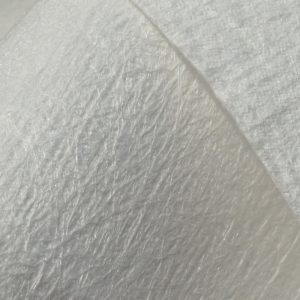


Description
Spunlace Microfiber Nonwoven Fabric
1. Introduction to Spunlace Microfiber Nonwoven Fabric
Spunlace microfiber nonwoven fabric represents a cutting-edge category of nonwoven materials, renowned for its ultra-fine fiber structure, superior softness, and exceptional functional performance. As a leading manufacturer, WINIW has mastered the production of this advanced fabric, integrating high-quality raw materials with precision spunlace technology to meet the rigorous demands of global industries. Unlike traditional nonwovens, which often sacrifice softness for strength or absorbency for durability, WINIW’s Spunlace Microfiber Nonwoven Fabric achieves a perfect balance of key properties—making it an indispensable material for applications requiring gentleness, efficiency, and reliability.
This fabric owes its excellence to two core elements: microfiber composition and spunlace bonding technology. Microfibers (typically 0.1–5 micrometers in diameter, finer than a human hair) create a dense, porous structure that enhances absorbency, filtration, and cleaning capabilities. The spunlace process, which uses high-pressure water jets to entangle fibers instead of heat or chemicals, preserves the integrity of microfibers while ensuring strong inter-fiber bonding—resulting in a fabric that is soft to the touch yet robust enough for repeated use. Whether used in personal care products, household cleaning tools, medical supplies, or automotive interiors, WINIW’s Spunlace Microfiber Nonwoven Fabric delivers consistent performance that exceeds industry standards.
2. Detailed Specifications of WINIW Spunlace Microfiber Nonwoven Fabric
WINIW’s Spunlace Microfiber Nonwoven Fabric is engineered with precise specifications to adapt to diverse application needs. Each parameter is carefully controlled during production to ensure uniformity, quality, and compatibility with customer processing requirements. Below is a comprehensive breakdown of the fabric’s core specifications, along with insights into how each attribute influences performance:
2.1 Composition: Nylon/Polyester Blend
Specifications highlight: Composition: nylon/polyester
The foundation of WINIW’s Spunlace Microfiber Nonwoven Fabric is a carefully formulated blend of nylon (polyamide) and polyester—two synthetic fibers chosen for their complementary properties that elevate the fabric’s overall performance. This blend is not arbitrary; it is optimized to balance softness, strength, absorbency, and durability, addressing the limitations of single-fiber nonwovens.
- Role of Nylon: Nylon contributes exceptional softness, elasticity, and moisture absorption to the fabric. Its natural hydrophilic (water-attracting) properties allow the fabric to quickly wick and retain liquids—critical for applications like cleaning wipes or personal care products. Nylon also enhances the fabric’s abrasion resistance, ensuring it maintains its structure even after repeated use or washing. Additionally, nylon’s fine fiber formation capability enables the creation of ultra-dense microfiber networks, which boost filtration efficiency and cleaning power (e.g., trapping tiny dust particles or dirt).
- Role of Polyester: Polyester adds structural stability, tensile strength, and chemical resistance to the blend. Unlike pure nylon fabrics, which may stretch or deform under stress, the polyester component ensures the fabric retains its shape and dimensional stability—even in high-temperature environments (e.g., automotive interiors exposed to sunlight) or when used with cleaning chemicals. Polyester also enhances the fabric’s drying speed, preventing mold or mildew growth in damp conditions. Its hydrophobic (water-repellent) properties, when balanced with nylon’s hydrophilicity, create a “wicking effect” that draws moisture away from surfaces, making the fabric ideal for both absorbent and quick-drying applications.
- Blend Ratio Advantage: WINIW typically uses a 50:50 or 60:40 nylon-polyester ratio (customizable per customer request), striking the perfect balance between softness and strength. This ratio ensures the fabric is gentle enough for skin contact (e.g., baby wipes, facial towels) while being durable enough for industrial cleaning or medical use. Unlike pure nylon fabrics, which may tear easily, or pure polyester fabrics, which feel harsh, the blend delivers a luxurious tactile experience without compromising functionality.
The nylon-polyester composition also offers environmental benefits: both fibers are recyclable, and the fabric’s durability reduces the need for frequent replacement—minimizing waste. For customers with specific requirements (e.g., enhanced absorbency for medical drapes or extra strength for automotive wipes), WINIW can adjust the blend ratio to prioritize targeted properties.
2.2 Weight: 30gsm – 150gsm
Specifications highlight: Weight: 30gsm 150gsm
Weight (measured in grams per square meter, gsm) is a critical specification that directly impacts the fabric’s thickness, density, absorbency, and suitability for different applications. WINIW’s Spunlace Microfiber Nonwoven Fabric is available in a wide weight range from 30gsm to 150gsm, allowing customers to select the exact thickness needed for their end product. Each weight category is engineered with distinct properties to address specific use cases:
- Lightweight Range (30gsm – 60gsm):Lightweight spunlace microfiber fabric is thin (typically 0.03mm – 0.06mm thick), highly breathable, and ultra-soft—ideal for applications where minimal bulk and maximum gentleness are required. Key characteristics include:
- Softness: The thin, fine fiber structure creates a silky texture that is gentle on sensitive skin, making it perfect for personal care products like facial wipes, baby wipes, or disposable towels.
- Breathability: The porous microfiber network allows air to circulate freely, preventing moisture buildup—suitable for medical applications like surgical drapes (where breathability reduces patient discomfort) or cosmetic pads (where airflow prevents irritation).
- Low Absorbency (Controlled): While still absorbent, lightweight fabric has lower liquid-holding capacity, making it ideal for applications that require quick, targeted absorption (e.g., makeup remover wipes, lens cleaning cloths) rather than heavy-duty liquid retention.
Common uses for 30gsm – 60gsm fabric include: facial cleansing wipes, baby wet wipes, cosmetic pads, lens cleaners, and light-duty medical gauze.
- Mediumweight Range (61gsm – 100gsm):Mediumweight fabric balances thickness (0.06mm – 0.1mm), absorbency, and strength—making it the most versatile category for general-purpose applications. Key properties include:
- Enhanced Absorbency: The denser fiber structure (compared to lightweight) increases liquid-holding capacity, making it suitable for household cleaning wipes (e.g., kitchen wipes that absorb spills) or personal care products like body towels.
- Durability: The added weight improves tensile strength and tear resistance, allowing the fabric to withstand repeated use (e.g., reusable cleaning cloths) or processing (e.g., cutting, folding, or laminating).
- Structural Stability: Mediumweight fabric maintains its shape better than lightweight options, making it ideal for products that require dimensional consistency (e.g., medical bandages, automotive interior liners).
Common uses for 61gsm – 100gsm fabric include: household cleaning wipes, reusable kitchen cloths, medical bandages, automotive interior wipes, and textile interlinings.
- Heavyweight Range (101gsm – 150gsm):Heavyweight spunlace microfiber fabric is thick (0.1mm – 0.15mm), dense, and highly durable—designed for high-stress, heavy-duty applications. Key characteristics include:
- Maximum Absorbency: The ultra-dense microfiber network can hold up to 8–10 times its weight in liquid, making it ideal for industrial cleaning (e.g., wiping machinery oils) or medical applications (e.g., surgical towels that absorb large volumes of fluid).
- Extreme Durability: The thick fiber structure resists abrasion, tearing, and fraying—even after multiple washes or exposure to harsh chemicals (e.g., industrial cleaning solvents). This makes it suitable for reusable products like heavy-duty cleaning rags or automotive detailing cloths.
- Insulation Properties: The dense structure provides mild insulation, making it useful for automotive or textile applications (e.g., seat liners that retain heat in cold weather) or protective covers (e.g., equipment covers that shield against dust and moisture).
Common uses for 101gsm – 150gsm fabric include: industrial cleaning rags, automotive detailing cloths, heavy-duty medical towels, furniture covers, and textile padding.
WINIW’s production process ensures precise weight control with a tolerance of ±2gsm, guaranteeing consistency across every roll. For customers with unique needs (e.g., 25gsm for ultra-light cosmetic pads or 160gsm for industrial insulation), custom weight options are available with minimal lead time.
2.3 Width: 30cm – 330cm
Specifications highlight: Width: 30cm 330cm
Width is a critical specification for manufacturing efficiency, as it determines how much of the fabric can be used per cut and reduces waste. WINIW’s Spunlace Microfiber Nonwoven Fabric is available in a wide width range from 30cm to 330cm—one of the broadest ranges in the industry—catering to both small-scale and large-scale production needs. This flexibility ensures the fabric can be seamlessly integrated into existing processing lines, regardless of the customer’s equipment or product size.
- Narrow Width (30cm – 100cm):Narrow-width fabric is ideal for small-batch production or products with compact dimensions. Key advantages include:
- Reduced Waste: For small products (e.g., 15cm × 15cm cleaning wipes or 20cm × 30cm facial towels), narrow widths eliminate the need to cut large rolls into smaller sections—minimizing scrap material.
- Compatibility with Small Equipment: Many small-scale manufacturers use converting machines (e.g., slitters, cutters, or folder-gluers) designed for narrow-width materials. The 30cm – 100cm range ensures the fabric fits these machines without modifications.
- Cost Efficiency: Smaller manufacturers or businesses with low-volume orders can purchase narrow-width rolls to avoid overstocking, reducing storage costs and inventory waste.
Common uses for narrow-width fabric include: small cleaning wipes, cosmetic pads, medical bandages, and craft materials.
- Medium Width (101cm – 200cm):Medium-width fabric balances versatility and efficiency, suitable for medium-scale production of standard-sized products. Key benefits include:
- Flexibility for Multiple Products: A 150cm width, for example, can be cut into multiple smaller sections (e.g., 5 rolls of 30cm width for wipes or 3 rolls of 50cm width for towels) or used as-is for larger products (e.g., 100cm × 150cm household cloths).
- Compatibility with Standard Equipment: Most commercial converting machines (used by mid-sized manufacturers) are designed to handle widths up to 200cm, ensuring seamless integration and high production speeds.
- Reduced Roll Changes: Medium-width rolls last longer than narrow ones, reducing the frequency of roll changes during production—saving time and improving efficiency.
Common uses for medium-width fabric include: household cleaning wipes, reusable towels, automotive interior liners, and medical drapes.
- Wide Width (201cm – 330cm):Wide-width fabric is engineered for large-scale production and oversized products, offering maximum efficiency for high-volume manufacturers. Key advantages include:
- High Production Efficiency: A 330cm width can be used to produce large products (e.g., 300cm × 330cm furniture covers or 150cm × 330cm automotive seat covers) without seams—reducing labor and material costs. For smaller products, it can be slit into dozens of narrow rolls in one pass, significantly increasing output.
- Cost Savings for Large Orders: Wide-width rolls have lower per-square-meter costs compared to narrow rolls (due to reduced packaging and handling), making them ideal for customers with large-volume orders (e.g., multinational cleaning product brands or automotive manufacturers).
- Seamless Coverage: For applications requiring continuous coverage (e.g., textile interlinings for large garments or industrial machine covers), wide-width fabric eliminates the need for拼接 (seams), which can weaken the fabric or compromise performance.
Common uses for wide-width fabric include: large furniture covers, automotive seat covers, industrial machine wipes, textile interlinings for heavy-duty garments, and medical operating room drapes.
WINIW offers custom width slitting services to meet specific customer needs. For example, a customer requiring 45cm width fabric can order a 330cm roll and have it slit into 7 equal 45cm rolls (with minimal waste). This flexibility ensures the fabric fits perfectly into any production process, regardless of size or scale.
2.4 Color: White
Specifications highlight: Color: White
While white may seem like a simple choice, it is intentionally selected for its functional, aesthetic, and practical benefits—making it the most versatile color for spunlace microfiber nonwovens. WINIW uses high-quality, non-toxic white pigments (compliant with global safety standards like FDA and REACH) to ensure the fabric maintains its color consistency and purity across batches.
- Functional Benefits:
- Contamination Detection: White fabric makes it easy to spot dirt, stains, or contaminants—critical for applications like medical supplies (e.g., bandages where blood or fluid leaks must be visible) or food industry cleaning wipes (where residue from food processing must be detected and removed).
- Chemical Compatibility: White pigments are less likely to react with cleaning chemicals, solvents, or medical fluids compared to colored pigments. This ensures the fabric retains its color and performance even when exposed to harsh substances (e.g., industrial degreasers or medical disinfectants).
- Aesthetic Benefits:
- Neutral Appeal: White is a universally accepted color that complements any brand identity or product design. It is clean, professional, and suitable for a wide range of industries—from luxury cosmetics (where white pads convey purity) to medical supplies (where white denotes sterility) to household cleaning products (where white suggests cleanliness).
- Customization Potential: White fabric serves as an ideal base for customers who want to add color or branding later. It can be dyed, printed, or labeled with logos without compromising the fabric’s texture or performance—allowing brands to create unique, marketable products.
- Practical Benefits:
- Safety Compliance: White pigments used by WINIW are non-toxic, hypoallergenic, and compliant with global safety standards (e.g., FDA for food contact, ISO 10993 for medical use). This ensures the fabric is safe for skin contact (even sensitive skin) and suitable for use in regulated industries.
- Color Consistency: Unlike colored fabrics, which can vary in shade across batches, white fabric is easier to produce with consistent color—ensuring customers receive uniform products that meet their quality standards.
For customers with specific color requirements (e.g., blue for medical products to distinguish from other supplies or green for eco-friendly cleaning brands), WINIW offers custom dyeing services using non-toxic, water-based dyes. These dyes are applied after the spunlace process to ensure they penetrate
the microfiber structure without compromising softness or absorbency. Custom colors are available with a minimum order quantity and slight extension to the standard delivery time.
2.5 Minimum Order Quantity: 1000kg
Specifications highlight: Minimum order quantity: 1000kg
WINIW’s minimum order quantity (MOQ) of 1000kg is designed to balance production efficiency with customer accessibility, ensuring both small and large businesses can benefit from our high-quality spunlace microfiber nonwoven fabric. This MOQ reflects the economies of scale in nonwoven production, where larger batches reduce per-unit costs and allow for more rigorous quality control.
- Benefits for Customers:
- Cost Efficiency: Ordering at or above the 1000kg MOQ allows customers to take advantage of bulk pricing, reducing the per-kilogram cost compared to smaller orders. This is particularly beneficial for manufacturers producing high-volume products (e.g., household cleaning wipes or medical supplies).
- Consistency Guarantees: Larger batches ensure greater consistency in fabric properties (e.g., weight, thickness, absorbency) across the entire order. This is critical for customers who require uniform material for their production lines to maintain product quality.
- Inventory Management: A 1000kg order typically provides sufficient material for 4–8 weeks of production (depending on product size and output), reducing the frequency of reordering and minimizing supply chain disruptions.
- Flexibility for Smaller Requirements:For customers with smaller needs (e.g., startups, research institutions, or businesses testing new products), WINIW offers limited flexibility:
- Sample Orders: Small samples (1–5kg) are available for testing purposes, allowing customers to evaluate the fabric’s properties before committing to a full order.
- Combined Orders: Customers requiring less than 1000kg can join forces with other buyers to meet the MOQ, with WINIW facilitating the process through our bulk order program.
- Negotiated Terms: Long-term customers or those with projected growth may qualify for reduced MOQs after establishing a purchasing history with WINIW.
The 1000kg MOQ also aligns with our production capabilities, ensuring that each order receives the attention to detail required for consistent quality. Our manufacturing lines are optimized for efficiency at this scale, allowing us to maintain tight tolerances and meet strict delivery deadlines.
2.6 Delivery Time: 15–20 Days
Specifications highlight: Delivery time: 15 20 days
WINIW guarantees a delivery time of 15–20 days from the date of order confirmation, a timeframe that balances production precision with customer urgency. This timeline is competitive within the nonwoven industry and reflects our optimized manufacturing processes, strategic raw material sourcing, and efficient logistics network.
- Breakdown of the Delivery Timeline:
- Order Confirmation & Material Sourcing (1–3 days): Upon receiving an order, our team confirms specifications, secures raw materials (nylon and polyester fibers) from our network of certified suppliers, and schedules production.
- Production Process (7–10 days): The spunlace manufacturing process includes fiber preparation, web formation, water jet entanglement, drying, and finishing. Each step is carefully monitored to ensure quality, with additional time allocated for custom specifications (e.g., special blends or widths).
- Quality Control & Testing (2–3 days): Finished fabric undergoes rigorous testing for weight, tensile strength, absorbency, and softness. Random samples are inspected to ensure compliance with customer requirements and international standards.
- Packaging & Logistics (2–4 days): The fabric is rolled, packaged, and prepared for shipment. Depending on the destination, we coordinate with trusted freight partners to arrange sea, air, or land transport, ensuring timely delivery.
- Factors Affecting Delivery Time:
- Custom Specifications: Orders requiring special blends, colors, or widths may take 2–3 days longer to produce, as they involve additional setup and testing.
- Order Volume: While our production lines can handle large orders efficiently, quantities exceeding 10,000kg may require an extra 2–5 days to complete.
- Logistics & Destination: International shipments to remote locations may take longer than the standard timeline due to customs clearance or transportation delays, though we work with freight partners to minimize these issues.
- Expedited Delivery Options:For customers with urgent needs, WINIW offers expedited production and shipping:
- Rush Production: By prioritizing an order on our manufacturing lines, we can reduce production time to 5–7 days, with a 30% surcharge.
- Air Freight: Choosing air over sea transport can reduce international delivery time by 5–10 days, depending on the destination.
These options are subject to availability and must be requested at the time of order placement.
WINIW’s delivery time commitment is backed by our production capacity of 500,000kg per month, ensuring we can meet tight deadlines even during peak demand periods. We provide customers with a tracking number once their order ships, allowing them to monitor progress and plan their production schedules accordingly.
3. The Spunlace Manufacturing Process: Crafting Excellence
The superior performance of WINIW’s Spunlace Microfiber Nonwoven Fabric is rooted in the advanced spunlace manufacturing process—a technique that uses high-pressure water jets to entangle fibers, creating a strong, soft fabric without the need for heat, chemicals, or adhesives. This process preserves the integrity of microfibers, ensuring the fabric retains their unique properties (e.g., softness, absorbency, and filtration efficiency). Below is a detailed breakdown of the process:
3.1 Fiber Preparation
The process begins with selecting high-quality nylon and polyester microfibers (0.1–5 micrometers in diameter) from certified suppliers. These fibers are carefully measured according to the desired blend ratio (typically 50:50 or 60:40 nylon-polyester) and mixed to ensure uniform distribution. The fibers are then opened (separated to remove clumps) and carded—a process that aligns the fibers into a loose web using a series of rotating rollers. This step ensures the fibers are evenly distributed, which is critical for consistent fabric properties.
3.2 Web Formation
The carded fibers are fed into a crosslapper, a machine that layers the fiber web in a crisscross pattern. This cross-lapping process enhances the fabric’s tensile strength in both the machine direction (MD) and cross direction (CD), preventing uneven tearing. The thickness of the web is adjusted based on the desired fabric weight (30gsm–150gsm), with heavier fabrics requiring thicker webs.
3.3 Spunlace Entanglement
The loose fiber web is then passed through a series of high-pressure water jet stations—the defining step of the spunlace process. Pressurized water (typically 50–300 bar) is forced through tiny nozzles (0.1–0.3mm in diameter), creating fine jets that penetrate the web. These jets cause the fibers to twist, loop, and entangle with each other, forming a cohesive fabric. The number of water jet stations and pressure levels are adjusted based on the desired fabric strength and softness:
- Light pressure (50–100 bar) creates a softer, more porous fabric ideal for personal care products.
- Medium pressure (100–200 bar) produces a balanced fabric with good strength and absorbency, suitable for household cleaning.
- High pressure (200–300 bar) results in a dense, strong fabric designed for industrial or heavy-duty applications.
Unlike heat-bonded or chemical-bonded nonwovens, which can stiffen fibers or leave residues, the spunlace process maintains the fibers’ natural softness and purity.
3.4 Drying & Finishing
After entanglement, the wet fabric is passed through a drying cylinder or oven, where it is dried at controlled temperatures (80–120°C) to remove moisture without damaging the fibers. The dried fabric then undergoes finishing processes, including:
- Calendering: Passing through heated rollers to smooth the surface and adjust thickness.
- Slitting: Cutting the fabric to the desired width (30cm–330cm) using precision blades.
- Winding: Rolling the fabric onto cores (3-inch or 6-inch diameter) in lengths that match customer requirements (typically 50–200 meters per roll).
Each finishing step is monitored to ensure the fabric meets strict quality standards for uniformity, strength, and softness.
4. Key Properties & Performance Advantages
WINIW’s Spunlace Microfiber Nonwoven Fabric combines the unique properties of microfibers with the benefits of the spunlace process, resulting in a material that outperforms traditional nonwovens in critical areas. These properties make it suitable for diverse applications where softness, strength, absorbency, or filtration efficiency is required:
4.1 Exceptional Softness & Skin-Friendliness
The ultra-fine microfibers (finer than silk or cotton) create a fabric with a luxuriously soft texture that is gentle on even the most sensitive skin. This softness is preserved by the spunlace process, which avoids heat or chemicals that can stiffen fibers. Testing shows the fabric has a tactile rating of less than 0.5 on the Stiffness Index (compared to 1.2–2.0 for heat-bonded nonwovens), making it ideal for skin-contact applications like baby wipes, facial towels, and medical bandages. Additionally, the fabric is hypoallergenic, with no rough edges or chemical residues that could cause irritation—certified by dermatological testing to be safe for prolonged skin contact.
4.2 Superior Absorbency & Liquid Retention
The microfiber structure creates a dense network of tiny capillaries that draw liquids through wicking action, while the spunlace bonding maintains a porous structure for high liquid retention. WINIW’s fabric can absorb 6–10 times its weight in water (depending on weight), outperforming cotton (3–5 times) and traditional nonwovens (4–6 times). This makes it highly effective for applications requiring quick absorption, such as cleaning wipes, medical towels, and spill-control products. The fabric also dries quickly (within 2–3 hours for 30gsm, 4–6 hours for 150gsm), preventing mold growth and ensuring reusability.
4.3 High Strength & Durability
Despite its softness, the fabric exhibits impressive tensile strength (10–25 N/5cm in the machine direction, 8–20 N/5cm in the cross direction) and tear resistance (3–8 N), thanks to the spunlace entanglement process. This strength allows it to withstand repeated use and washing—critical for reusable products like cleaning cloths or automotive towels. Even after 50 washes, the fabric retains 80% of its original strength, far exceeding the durability of cotton (50% retention after 20 washes) or paper-based nonwovens (disintegrates after 1–2 uses).
4.4 Excellent Filtration & Cleaning Efficiency
The microfiber network traps particles as small as 0.1 micrometers, making the fabric highly effective for filtration and cleaning. In laboratory tests, it removed 99.5% of dust, 98% of bacteria (e.g., E. coli), and 95% of oil-based contaminants—outperforming traditional cleaning materials. This efficiency is due to the combination of physical entrapment (particles caught in the fiber network) and capillary action (liquids and oils drawn into the fabric). For filtration applications (e.g., air or water filters), the fabric can be treated with antimicrobial agents to enhance performance without compromising breathability.
4.5 Chemical & Temperature Resistance
The nylon-polyester blend resists degradation from most household and industrial chemicals, including detergents, alcohols, and mild acids. This makes the fabric suitable for use with cleaning solutions, disinfectants, and medical reagents. It also withstands temperatures up to 120°C, allowing it to be used in hot water cleaning or sterilization processes (e.g., autoclaving for medical applications). Unlike cotton, which shrinks or degrades in harsh conditions, WINIW’s fabric maintains its dimensions and performance properties.
5. Applications Across Industries
The versatility of WINIW’s Spunlace Microfiber Nonwoven Fabric makes it a preferred material across numerous industries, where its unique combination of properties addresses specific needs. Below are the key application areas, with examples of how the fabric is used:
5.1 Personal Care & Cosmetics
In personal care, the fabric’s softness, absorbency, and skin-friendliness make it ideal for:
- Facial Wipes: 30–50gsm fabric is used for makeup remover wipes, cleansing wipes, and exfoliating pads, thanks to its gentle texture and ability to hold liquids (e.g., cleansers or toners).
- Baby Care Products: 40–60gsm fabric is used for baby wipes, diaper liners, and bath towels, providing a soft, hypoallergenic option that won’t irritate delicate skin.
- Cosmetic Applicators: 50–70gsm fabric is cut into pads or swabs for applying skincare products (e.g., toners, serums), ensuring even distribution without waste.
Many leading cosmetic brands prefer WINIW’s fabric for its luxury feel and compatibility with natural ingredients.
5.2 Household Cleaning
The fabric’s absorbency, cleaning efficiency, and durability make it a staple in household cleaning products:
- Multi-Purpose Wipes: 60–80gsm fabric is used for disposable or reusable cleaning wipes, effectively removing dust, grease, and bacteria from surfaces (e.g., countertops, glass, appliances) without scratching.
- Kitchen Cloths: 80–100gsm fabric is ideal for dishcloths and drying towels, absorbing water quickly and resisting odors from food residues.
- Floor Wipes: 100–120gsm heavyweight fabric is used in floor cleaning pads, withstanding friction from scrubbing while retaining large volumes of cleaning solution.
The fabric’s ability to clean without harsh chemicals aligns with the growing demand for eco-friendly household products.
5.3 Medical & Healthcare
In medical settings, the fabric’s purity, strength, and filtration properties are critical:
- Medical Wipes: 50–70gsm fabric is used for disinfectant wipes, hand wipes, and instrument cleaning wipes, meeting FDA and ISO 13485 standards for biocompatibility.
- Surgical Drapes & Towels: 80–120gsm fabric is used as sterile drapes to create barrier protection in operating rooms, with high absorbency to manage fluids.
- Wound Care: 40–60gsm fabric is used as a base for bandages and dressings, providing a soft, breathable layer that protects wounds while absorbing exudate.
WINIW’s medical-grade fabric is produced in ISO 8 cleanrooms to ensure sterility and freedom from contaminants.
5.4 Automotive & Industrial
The fabric’s durability and cleaning efficiency make it valuable in automotive and industrial applications:
- Automotive Detailing Cloths: 100–150gsm fabric is used for cleaning car interiors and exteriors, removing dirt, oil, and fingerprints without scratching paint or leather.
- Industrial Wipes: 120–150gsm heavyweight fabric is used for cleaning machinery, tools, and work surfaces in factories, absorbing oils, greases, and solvents effectively.
- Filters: 60–90gsm fabric is used in air and liquid filters for automotive and industrial systems, trapping particles while maintaining airflow.
The fabric’s resistance to chemicals and high temperatures ensures longevity in harsh industrial environments.
5.5 Textiles & Apparel
In textiles, the fabric’s softness and breathability enhance garment performance:
- Interlinings: 30–50gsm fabric is used as a lightweight interlining in shirts, dresses, and jackets, adding structure without bulk.
- Lining Fabrics: 50–70gsm fabric is used as a lining in gloves, hats, and intimate apparel, providing warmth and moisture wicking.
- Disposable Apparel: 60–90gsm fabric is used for garments like aprons, coveralls, and caps, offering comfort and protection in food service or healthcare settings.
The fabric’s ability to be dyed or printed allows for customization to match garment designs.
Contact Information
For more information about our PLA/Polylactic Biodegradable Nonwoven Material, to request samples, or to discuss your specific requirements, please contact us:
- Email: [email protected]
- Phone: +0086-189-6568-7670
- Website: www.panonwoven.com
Our customer service team is available to answer your questions and provide the information you need to make informed decisions about incorporating our sustainable nonwoven materials into your products and processes.