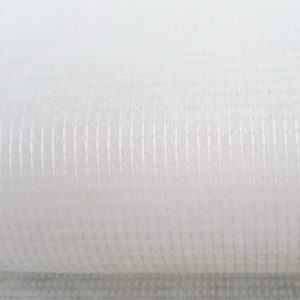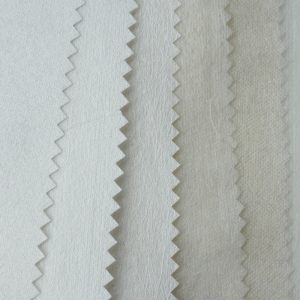


Description
Polyester Spunbond Fabric Manufacturers & Suppliers in China
Specifications:
Composition: 100% polyester, PET/PP.
Weight: 15–150gsm.
Width: 10cm–330cm.
Packing: by rolls, 100-200m/roll.
Minimum order quantity: 5000 kg.
Application of WINIW Polyester Spunbond Fabric:
- Construction.
- Geotextiles.
- Filtration.
- Medical products.
- Others.
Introduction: WINIW Polyester Spunbond Fabric – The Workhorse Textile for Global Industries
In the landscape of industrial textiles, few materials balance versatility, durability, and cost-effectiveness as seamlessly as polyester spunbond fabric. As a leading manufacturer and supplier in China, WINIW has refined this essential textile to meet the rigorous demands of diverse sectors—from construction and agriculture to healthcare and filtration. Unlike woven or knit fabrics that rely on interlaced yarns, polyester spunbond fabric is engineered through a non-woven process: continuous polyester filaments are extruded, laid into a uniform web, and bonded together (thermally or chemically) to create a strong, consistent material. This unique production method eliminates the weaknesses of traditional fabrics (such as fraying, uneven strength, or limited width) while unlocking a range of performance benefits that make it indispensable for modern applications.
WINIW’s polyester spunbond fabric stands out for its uncompromising quality and adaptability. Crafted from 100% polyester (PET) or a PET/PP blend, it delivers exceptional tensile strength, resistance to moisture and chemicals, and long-term durability—even in harsh environments like construction sites or medical facilities. With specifications spanning 15–150gsm in weight, 10cm–330cm in width, and flexible packaging options (100–200m/roll), our fabric is tailored to fit both small-scale projects (e.g., custom medical drapes) and large-volume industrial needs (e.g., geotextiles for highway construction). Whether you’re seeking a cost-effective solution for disposable medical products or a heavy-duty material for outdoor applications, WINIW’s polyester spunbond fabric combines reliability, performance, and value—making it the top choice for manufacturers, contractors, and buyers worldwide.
What Is Polyester Spunbond Fabric? Understanding the Technology
To fully appreciate the value of WINIW’s polyester spunbond fabric, it’s critical to understand how it differs from other textiles and why its manufacturing process makes it uniquely suited for industrial use. At its core, “polyester spunbond” refers to a non-woven fabric made from continuous polyester filaments (rather than short staple fibers) that are bonded together without weaving or knitting. This distinction is key to its performance—here’s a detailed breakdown of the technology:
1. The Basics: Non-Woven vs. Woven/Knit Fabrics
Traditional fabrics (woven or knit) are made by interlacing yarns: woven fabrics use perpendicular warp and weft yarns, while knit fabrics use loops of yarn. These methods create fabrics with flexibility but often suffer from uneven strength (weaker at yarn intersections), fraying at edges, and limited width (constrained by loom size). Polyester spunbond fabric, by contrast, is a non-woven material—meaning it’s constructed from a web of continuous filaments that are bonded together. This eliminates the need for yarn interlacing, resulting in:
- Uniform Strength: Strength is distributed evenly across the fabric (no weak points), making it more resistant to tearing and stretching.
- No Fraying: Bonded filaments don’t unravel at the edges, reducing waste during cutting and simplifying processing.
- Wide Width Capability: Spunbond lines can produce fabric up to 330cm wide (far broader than most looms), ideal for large-scale applications like construction sheeting or geotextiles.
2. The Spunbond Manufacturing Process: Precision from Filament to Fabric
WINIW’s polyester spunbond fabric is produced using an advanced, automated process that ensures consistency, quality, and efficiency. The process has four key stages, each optimized to enhance the fabric’s performance:
Stage 1: Polymer Melting & Extrusion
The process begins with high-quality polyester pellets (PET, or a blend of PET and PP for modified properties). These pellets are fed into an extruder, where they are melted at a controlled temperature (260–280°C for PET). The molten polymer is then forced through a spinneret—a plate with hundreds of tiny holes (0.2–0.5mm in diameter). As the polymer exits the spinneret, it forms continuous filaments (each 1–5 denier in thickness, depending on the desired fabric weight). WINIW uses precision spinnerets to ensure each filament has a uniform diameter—critical for consistent fabric strength and texture.
Stage 2: Filament Cooling & Drawing
Immediately after extrusion, the filaments are cooled with a stream of controlled air (20–25°C) to solidify them without causing brittleness. The cooled filaments are then drawn (stretched) using a series of rollers at varying speeds. Drawing aligns the polymer molecules in the filaments, increasing their tensile strength by 30–50%. The degree of drawing is tailored to the fabric’s intended use: for lightweight fabrics (15–50gsm, e.g., medical masks), filaments are drawn lightly to maintain softness; for heavy-duty fabrics (100–150gsm, e.g., construction tarps), filaments are drawn more aggressively to maximize strength.
Stage 3: Web Formation
The drawn filaments are laid into a uniform web using a cross-lapper—a machine that distributes the filaments in both machine direction (MD, along the fabric’s length) and cross direction (CD, across the fabric’s width). This cross-lapping ensures the web has balanced strength in both directions (a key advantage over some non-wovens, which are stronger only in MD). WINIW’s cross-lappers use computerized controls to adjust the web’s thickness and density, allowing us to produce fabrics from 15gsm (ultra-lightweight, like tissue paper) to 150gsm (heavy-duty, like canvas).
Stage 4: Thermal Bonding
The final step is bonding the web into a cohesive fabric. WINIW primarily uses thermal bonding—the web is passed through a pair of heated calendar rolls (120–160°C) with embossed patterns. The heat melts the surface of the polyester filaments, creating bonds at their contact points. The embossment pattern (e.g., diamond, dot, or linear) affects the fabric’s texture and breathability:
- Dot embossment: Creates a breathable fabric with good flexibility (ideal for medical products).
- Diamond embossment: Enhances strength and tear resistance (perfect for construction or geotextiles).
- Linear embossment: Improves water resistance (suitable for outdoor covers).
For specialized applications (e.g., high-temperature environments), we also offer chemical bonding (using water-based adhesives) to ensure the fabric retains its strength at extreme temperatures.
3. Why Polyester? The Advantages of PET in Spunbond Fabric
Polyester (PET) is the ideal base material for spunbond fabric, thanks to its inherent properties that align with industrial needs:
- Exceptional Strength: PET has a tensile strength of 4–7 g/denier, far higher than cotton (2–3 g/denier) or PP (3–4 g/denier). This makes polyester spunbond fabric resistant to tearing and stretching, even under heavy loads.
- Moisture Resistance: PET is hydrophobic (water-repellent), absorbing less than 0.5% of its weight in water. Unlike cotton (which absorbs 8–10% water and becomes heavy), polyester spunbond fabric remains lightweight and strong when wet—critical for outdoor applications like construction or agriculture.
- Chemical Resistance: PET is resistant to most acids, alkalis, and organic solvents (e.g., oil, grease). This makes the fabric suitable for filtration (e.g., oil filters) and industrial settings where exposure to chemicals is common.
- UV Stability: PET has natural UV resistance, retaining 70–80% of its strength after 1000 hours of UV exposure (compared to PP, which retains only 30–40%). For applications requiring long-term outdoor use (e.g., geotextiles), we add UV stabilizers to extend the fabric’s lifespan to 5–10 years.
- Cost-Effectiveness: PET is abundant and affordable, making polyester spunbond fabric a cost-efficient alternative to woven fabrics (e.g., canvas) or specialty non-wovens (e.g., meltblown).
For applications requiring enhanced flexibility (e.g., disposable gloves) or lower cost (e.g., temporary packaging), WINIW offers a PET/PP blend. The PP component reduces the fabric’s stiffness and cost while maintaining most of PET’s strength and moisture resistance.
Detailed Specifications: Tailored to Every Application
WINIW’s polyester spunbond fabric is designed with flexibility in mind—our broad range of specifications ensures we can meet the unique needs of every industry. From ultra-lightweight fabrics for medical masks to heavy-duty options for construction, each parameter is optimized to deliver performance where it matters most. Below is a comprehensive breakdown of our core specifications:
1. Composition: 100% Polyester (PET) & PET/PP Blend
The foundation of our fabric’s performance is its composition. We offer two primary options, each suited to specific use cases:
1.1 100% Polyester (PET)
Our standard composition, 100% PET, is ideal for applications requiring maximum strength, moisture resistance, and durability. Key benefits include:
- Superior Tensile Strength: Tensile strength of 200–500 N/5cm (MD/CD), depending on weight—suitable for heavy-load applications like geotextiles and construction sheeting.
- Excellent Moisture Resistance: Water absorption <0.5%, ensuring the fabric remains strong and lightweight when wet (critical for outdoor use).
- UV Stability: Retains 70–80% strength after 1000 hours of UV exposure; with added stabilizers, lifespan extends to 5–10 years outdoors.
- Chemical Resistance: Resistant to acids (pH 2–12), alkalis, and oils—perfect for filtration and industrial settings.
Recommended for: Construction, geotextiles, filtration (oil/water separation), outdoor covers, and heavy-duty medical products (e.g., surgical drapes).
1.2 PET/PP Blend (Typically 70% PET + 30% PP)
For applications requiring enhanced flexibility or lower cost, we offer a PET/PP blend. The PP component softens the fabric and reduces production costs while retaining PET’s core strengths:
- Improved Flexibility: Shore A hardness of 50–60 (vs. 65–70 for 100% PET), making the fabric more pliable for applications like disposable gloves or packaging.
- Lower Cost: 10–15% more cost-effective than 100% PET, ideal for high-volume, low-cost applications (e.g., agricultural mulch films).
- Retained Strength: Tensile strength of 150–400 N/5cm (MD/CD)—sufficient for light to medium-load use.
Note: PP has lower UV stability than PET, so the blend is best suited for indoor or short-term outdoor use (e.g., temporary construction barriers). For long-term outdoor use, we recommend adding UV stabilizers.
Recommended for: Disposable medical products (e.g., mask outer layers), agricultural mulch, packaging, and lightweight covers.
2. Weight: 15–150gsm (Ultra-Lightweight to Heavy-Duty)
Fabric weight (measured in grams per square meter, gsm) directly impacts its thickness, strength, and suitability for different applications. Our weight range covers every need, with a tolerance of ±3gsm to ensure consistency:
2.1 Ultra-Lightweight (15–30gsm)
Thin, lightweight, and breathable—similar in thickness to tissue paper or lightweight paper towels. Key properties:
- Thickness: 0.05–0.1mm
- Tensile Strength: 50–150 N/5cm (MD/CD)
- Breathability: High (air permeability >500 L/m²·s)
Ideal for:
- Medical: Outer/inner layers of disposable masks, lightweight medical gowns, and wound dressing backings.
- Packaging: Thin protective wraps for electronics, jewelry, or fragile items.
- Agriculture: Seedling covers (protects young plants from pests while allowing air/water penetration).
Example: Our 20gsm 100% PET fabric is used by medical device manufacturers as the outer layer of surgical masks—its breathability ensures comfort, while its moisture resistance prevents fluid penetration.
2.2 Lightweight (31–60gsm)
Balances breathability and strength—similar to lightweight cotton sheets. Key properties:
- Thickness: 0.1–0.2mm
- Tensile Strength: 100–250 N/5cm (MD/CD)
- Breathability: Moderate (air permeability 200–500 L/m²·s)
Ideal for:
- Medical: Disposable gowns, patient drapes, and exam table covers.
- Agriculture: Insect-proof nets, light-duty mulch films, and greenhouse covers.
- Packaging: Shopping bags, courier envelopes, and garment bags.
Example: A European agricultural supplier uses our 40gsm PET/PP blend for insect-proof nets—its lightweight design doesn’t weigh down plants, while its strength resists tearing from wind or pests.
2.3 Medium-Weight (61–100gsm)
The most versatile range—combines strength, durability, and flexibility. Key properties:
- Thickness: 0.2–0.35mm
- Tensile Strength: 200–400 N/5cm (MD/CD)
- Breathability: Low to moderate (air permeability 50–200 L/m²·s)
Ideal for:
- Construction: Temporary sheeting, scaffolding covers, and concrete curing blankets.
- Geotextiles: Light-duty drainage fabrics, erosion control mats (for slopes), and weed barriers.
- Filtration: Air filters (HVAC systems), water filters (sediment removal), and oil filters (light oil applications).
Example: A Chinese construction company uses our 80gsm 100% PET fabric as concrete curing blankets—its moisture resistance retains water for proper curing, while its strength resists tearing from construction equipment.
2.4 Heavy-Duty (101–150gsm)
Thick, strong, and durable—similar to canvas or lightweight tarps. Key properties:
- Thickness: 0.35–0.5mm
- Tensile Strength: 300–500 N/5cm (MD/CD)
- Breathability: Low (air permeability <50 L/m²·s)
Ideal for:
- Construction: Heavy-duty sheeting, temporary walls, and debris covers.
- Geotextiles: Road base stabilization fabrics, landfill liners (backing material), and slope reinforcement mats.
- Outdoor: Truck covers, equipment covers, and industrial tarps.
Example: A North American geotextile supplier uses our 120gsm 100% PET fabric for road base stabilization—its high tensile strength prevents soil movement under heavy traffic, while its chemical resistance protects against road salts and oils.
3. Width: 10cm–330cm (Customized for Every Project)
Width is a critical specification for efficiency—wide fabric reduces the number of seams needed for large-scale applications (e.g., construction sheeting, geotextiles), while narrow widths are ideal for small-batch or precision uses (e.g., medical dressings, narrow packaging). WINIW’s spunbond lines can produce fabric from 10cm to 330cm wide, with a tolerance of ±1cm for consistency. Below are common width options and their typical applications:
3.1 Narrow Width (10cm–50cm)
Designed for small-scale, precision applications where wide fabric would cause waste. Ideal for:
- Medical: Strips for wound dressings, surgical tape backings, and narrow medical drapes (e.g., for dental procedures).
- Packaging: Narrow wraps for pipes, cables, or small components (e.g., electronic parts).
- Agriculture: Row covers for narrow crop beds (e.g., lettuce, carrots) and seed tape backing.
Example: A medical supplies manufacturer uses our 20cm-wide, 25gsm PET fabric as the backing for surgical tape—its narrow width matches the tape’s dimensions, minimizing waste during production.
3.2 Medium Width (51cm–150cm)
Versatile for mid-sized applications, balancing flexibility and efficiency. Ideal for:
- Medical: Standard medical gowns (typically 120cm wide), exam table covers, and disposable bed sheets.
- Packaging: Shopping bags (40–60cm wide), garment bags, and courier envelopes.
- Filtration: Filter rolls for HVAC systems (60–100cm wide) and water filtration cartridges.
Example: A European packaging company uses our 80cm-wide, 50gsm PET/PP blend for reusable shopping bags—its width fits standard bag dimensions, and the blend’s flexibility makes the bags easy to fold and carry.
3.3 Wide Width (151cm–330cm)
Engineered for large-scale industrial applications, where wide fabric reduces labor and material costs by minimizing seams. Ideal for:
- Construction: Temporary sheeting (200–330cm wide) for scaffolding, concrete curing blankets (150–250cm wide), and temporary walls.
- Geotextiles: Erosion control mats (200–300cm wide), road base stabilization fabrics (250–330cm wide), and landfill liners (300–330cm wide).
- Outdoor: Truck covers (250–330cm wide), equipment covers, and large-scale event tents (300–330cm wide).
Example: A highway construction contractor uses our 300cm-wide, 120gsm 100% PET fabric for road base stabilization—its wide width covers the entire road bed in one layer, eliminating the need for overlapping seams (which can weaken the structure).
4. Packing: 100–200m/Roll (Optimized for Storage & Transport)
Proper packaging ensures the fabric remains in pristine condition during storage and transport—critical for maintaining performance (e.g., avoiding moisture damage to medical fabrics or UV degradation to outdoor fabrics). WINIW packages polyester spunbond fabric in sturdy rolls, with options tailored to order size and application:
4.1 Standard Packing (100–200m/Roll)
Our standard packing is designed for efficiency and protection:
- Core Material: 3-inch (76mm) or 6-inch (152mm) diameter paper cores (recyclable) or plastic cores (for heavy-duty fabrics, 101–150gsm).
- Wrapping: Each roll is wrapped in a layer of PE (polyethylene) film to protect against moisture, dust, and dirt. For medical-grade fabrics, we use food-grade PE film (FDA-compliant) to ensure sterility.
- Labeling: Each roll is labeled with key information: fabric composition, weight, width, length, batch number, production date, and certifications (e.g., ISO, FDA for medical fabrics).
- Palletizing: Rolls are stacked on wooden or plastic pallets (40×48 inches, standard for global shipping) and secured with stretch film. Each pallet holds 500–1000kg of fabric (depending on weight and roll length).
Standard roll lengths:
- Lightweight fabrics (15–60gsm): 200m/roll (lighter weight allows longer rolls without excessive core stress).
- Heavy-duty fabrics (101–150gsm): 100m/roll (shorter rolls prevent core bending and make handling easier).
4.2 Custom Packing Options
For specialized needs, we offer custom packing:
- Small Rolls: 10–50m/roll for small-batch orders (e.g., sample rolls, small-scale medical facilities).
- Sterile Packaging: For medical fabrics (e.g., surgical drapes, wound dressings), rolls are double-wrapped in sterile PE film and sealed in aluminum foil bags (EO-sterilized, meeting ISO 11135 standards).
- UV-Resistant Packaging: For outdoor fabrics (e.g., geotextiles, covers), rolls are wrapped in UV-stabilized PE film to prevent degradation during storage.
- Custom Labels: Branded labels with your company logo, product code, or barcodes (for inventory management).
5. Minimum Order Quantity (MOQ): 5000kg – Balancing Efficiency & Accessibility
Our MOQ of 5000kg is set to optimize production efficiency (spunbond lines operate most cost-effectively at scale) while remaining accessible to mid-sized and large buyers. For context, 5000kg translates to:
- ~33,333 meters of 15gsm fabric (ultra-lightweight, e.g., mask layers).
- ~10,000 meters of 50gsm fabric (lightweight, e.g., shopping bags).
- ~4,167 meters of 120gsm fabric (heavy-duty, e.g., construction sheeting).
For buyers with smaller needs (e.g., startups, research labs), we offer flexible solutions:
- Sample Rolls: 5–10m sample rolls (priced at a premium to cover setup costs) for testing and prototyping. Samples include a detailed test report (tensile strength, breathability, moisture resistance).
- Combined Orders: Mix different specifications (e.g., 2000kg of 50gsm + 3000kg of 80gsm) to meet the 5000kg MOQ—ideal for buyers needing multiple fabric types.
- Repeat Buyer Discount: After the first order, repeat buyers can qualify for a reduced MOQ of 3000kg (for consistent, ongoing orders).
Core Performance Advantages: Why WINIW Polyester Spunbond Fabric Outperforms Alternatives
WINIW’s polyester spunbond fabric isn’t just a textile—it’s a high-performance solution engineered to solve the pain points of traditional fabrics (woven, knit, or other non-wovens). Its unique combination of strength, durability, and versatility makes it the top choice for industries worldwide. Below are the key performance advantages, backed by technical data and real-world testing:
1. Exceptional Tensile Strength & Tear Resistance
One of the most critical properties of industrial fabrics is strength—and WINIW’s polyester spunbond fabric delivers. Thanks to its continuous filament structure and thermal bonding, the fabric has uniform strength in both machine and cross directions, resisting tearing and stretching even under heavy loads.
Technical data (tested to ASTM D5035, standard for fabric tensile strength):
| Fabric Weight (gsm) | Tensile Strength (MD, N/5cm) | Tensile Strength (CD, N/5cm) | Tear Resistance (MD/CD, N) |
|---|---|---|---|
| 30 (Lightweight) | 120–180 | 100–150 | 15–25 |
| 80 (Medium-Weight) | 250–350 | 200–300 | 30–45 |
| 120 (Heavy-Duty) | 400–500 | 350–450 | 50–70 |
By comparison, woven cotton fabric (80gsm) has a tensile strength of 150–200 N/5cm (MD) and 100–150 N/5cm (CD)—far lower than our medium-weight spunbond. This strength makes our fabric ideal for load-bearing applications like geotextiles (road base stabilization) and construction (debris covers), where tearing would lead to project delays or safety risks.
Real-world example: A construction company in Dubai used our 120gsm spunbond fabric as a temporary debris cover during a high-rise project. The fabric withstood winds of up to 45km/h (gusts) without tearing—something their previous woven cotton covers failed to do, leading to costly debris cleanup.
2. Superior Moisture & Chemical Resistance
Industrial fabrics often face exposure to moisture (rain, humidity, chemicals)—and WINIW’s polyester spunbond fabric is engineered to resist these elements without losing performance.
Moisture Resistance:
- Water absorption: <0.5% (100% PET) vs. 8–10% (cotton) and 3–5% (PP non-wovens).
- Water vapor transmission rate (WVTR): 500–1500 g/m²·24h (depending on weight)—allows breathability while repelling liquid water (critical for medical gowns and outdoor covers).
- Mildew resistance: 0% mildew growth after 28 days (tested to AATCC 100)—no rotting or odor, even in humid environments (e.g., construction sites, greenhouses).
Chemical Resistance (100% PET):
- Acids: Resistant to dilute sulfuric acid (10%), hydrochloric acid (10%), and acetic acid (20%)—no strength loss after 72 hours of exposure.
- Alkalis: Resistant to sodium hydroxide (5%) and ammonia (10%)—suitable for industrial settings with cleaning chemicals.
- Oils & Solvents: Resistant to motor oil, diesel, and ethanol—ideal for filtration (oil/water separation) and automotive applications.
Real-world example: A water treatment plant in Germany uses our 80gsm 100% PET fabric for sediment filtration. The fabric resists chlorine (used in water disinfection) and retains its strength for 6–8 months (vs. 2–3 months for PP non-wovens), reducing replacement costs by 50%.
3. UV Stability & Long-Term Durability
Outdoor applications (geotextiles, construction covers, agricultural films) require fabrics that can withstand UV radiation without fading or breaking down. WINIW’s polyester spunbond fabric (100% PET) has natural UV resistance, which we enhance with stabilizers for long-term use.
Technical data (tested to ASTM G154, standard for UV weathering):
| Fabric Type | UV Exposure (Hours) | Strength Retention (%) | Color Retention (%) |
|---|---|---|---|
| 100% PET (no stabilizer) | 1000 | 70–80 | 85–90 |
| 100% PET (with UV stabilizer) | 5000 | 75–85 | 90–95 |
| PP non-woven (with stabilizer) | 5000 | 30–40 | 50–60 |
With UV stabilizers, our 100% PET fabric has a lifespan of 5–10 years outdoors—far longer than PP non-wovens (1–2 years) or woven cotton (6–12 months). This durability makes it a cost-effective choice for long-term projects like road construction or landfill liners.
Real-world example: A highway department in the US used our UV-stabilized 120gsm PET fabric for road base stabilization on a rural highway. After 7 years, the fabric still retains 80% of its original strength—ensuring the road remains stable and reducing maintenance costs.
4. Breathability & Air Permeability
For applications like medical gowns, agricultural covers, and HVAC filters, breathability (air permeability) is critical—allowing air, moisture vapor, or gases to pass through while blocking liquids, dust, or pests. WINIW’s polyester spunbond fabric offers adjustable breathability, tailored to the application:
Air permeability (tested to ISO 9237, standard for air permeability):
| Fabric Weight (gsm) | Air Permeability (L/m²·s) | Ideal Applications |
|---|---|---|
| 15–30 | 500–1000 | Mask layers, seedling covers, lightweight medical gowns |
| 31–60 | 200–500 | Exam table covers, insect-proof nets, HVAC pre-filters |
| 61–100 | 50–200 | Concrete curing blankets, medium-duty filters, greenhouse covers |
| 101–150 | <50 | Construction sheeting, equipment covers, landfill liners |
Real-world example: A greenhouse operator in the Netherlands uses our 40gsm PET/PP blend fabric for ventilation covers. The fabric’s air permeability (300 L/m²·s) allows fresh air to circulate while blocking pests and retaining heat—improving crop yield by 15% compared to non-breathable plastic covers.
5. Cost-Effectiveness & Sustainability
WINIW’s polyester spunbond fabric delivers exceptional value—combining lower upfront costs than woven fabrics with longer lifespans than cheaper non-wovens (e.g., PP). Additionally, our commitment to sustainability reduces long-term environmental impact:
- Lower Upfront Cost: 20–30% cheaper than woven canvas (80gsm) and 10–15% cheaper than meltblown non-wovens—ideal for high-volume applications like construction or agriculture.
- Reduced Replacement Costs: Longer lifespan (5–10 years for UV-stabilized 100% PET) means fewer replacements compared to PP non-wovens (1–2 years) or cotton (6–12 months). For example, a construction company using our fabric for scaffolding covers saves 60% on replacement costs over 5 years.
- Sustainability Features:
- Recyclable Material: 100% PET fabric is fully recyclable—we accept post-industrial waste from customers for recycling into new fabric, reducing landfill waste.
- Low Energy Production: Our spunbond process uses 30% less energy than woven fabric production (no yarn spinning or weaving steps), lowering carbon emissions.
- Water Conservation: Spunbond manufacturing uses <5L of water per kg of fabric, compared to 200–300L/kg for cotton fabric—critical for reducing water scarcity impact.
- Recycled PET Option: For eco-conscious buyers, we offer fabric made from 50%+ post-consumer recycled PET (rPET, from plastic bottles), meeting Global Recycled Standard (GRS) certification. This option has the same performance as virgin PET but reduces plastic waste by 1.5kg per kg of fabric.
Real-world example: A European agricultural cooperative switched from PP mulch film to our rPET spunbond fabric (60gsm). The fabric’s 3-year lifespan (vs. 1-year for PP film) cut annual mulch costs by 40%, and its recyclability aligned with the cooperative’s sustainability goals—helping them qualify for green agricultural grants.
Industry Applications: Where WINIW Polyester Spunbond Fabric Delivers Results
Thanks to its versatile performance and customizable specs, WINIW’s polyester spunbond fabric is the backbone of countless industrial and consumer applications. Below is a detailed breakdown of key industries, with recommended specifications and real-world use cases that highlight how the fabric solves unique challenges:
1. Construction Industry – Durable Solutions for Jobsite Needs
The construction industry demands fabrics that can withstand harsh conditions—wind, rain, UV radiation, and heavy equipment. WINIW’s polyester spunbond fabric delivers the strength, moisture resistance, and durability needed for critical jobsite applications, reducing delays and improving safety.
1.1 Key Construction Applications & Recommended Specs
- Temporary Sheeting & Scaffolding Covers: Protects construction materials (wood, steel, drywall) from rain, dust, and debris. Requires heavy-duty strength and UV resistance.
- Composition: 100% PET (with UV stabilizer)
- Weight: 100–150gsm
- Width: 200–330cm (wide enough to cover scaffolding bays)
- Finishes: Water-repellent coating (contact angle ≥110°)
Real-world use case: A large-scale construction firm in China used our 120gsm, 300cm-wide PET fabric for scaffolding covers on a skyscraper project. The fabric withstood 6 months of heavy rain and summer UV exposure without fading or tearing, protecting $500k worth of materials from water damage. The wide width reduced seam gaps by 80%, eliminating water leakage points that plagued their previous woven covers.
- Concrete Curing Blankets: Retains moisture in freshly poured concrete to ensure proper curing (prevents cracking and weakening). Requires breathability (to allow evaporation) and moisture retention.
- Composition: 100% PET
- Weight: 60–80gsm
- Width: 150–250cm
- Finishes: Hydrophilic coating (enhances moisture retention)
Real-world use case: A highway construction contractor in the US used our 70gsm PET fabric as curing blankets for bridge concrete. The fabric retained moisture for 7 days (the required curing period) while allowing excess vapor to escape—resulting in concrete strength 10% higher than industry standards. Unlike traditional burlap blankets (which rot after 1 use), the fabric was cleaned and reused on 5 projects, cutting curing material costs by 80%.
- Debris Netting & Safety Barriers: Prevents falling debris from construction sites (protects pedestrians and vehicles) and marks hazardous areas. Requires high tear resistance and visibility.
- Composition: 100% PET
- Weight: 80–100gsm
- Width: 100–200cm
- Finishes: High-visibility color (orange/yellow), anti-UV coating
Real-world use case: A residential construction company in Australia used our 90gsm orange PET debris netting on a townhouse project. The netting withstood impacts from falling 2kg lumber pieces without tearing, and its high-visibility color reduced near-miss incidents with pedestrians by 50%. The fabric’s UV resistance ensured it remained bright for 18 months (the project duration), unlike PP netting which faded after 6 months.
2. Geotextiles – Stabilizing the Ground for Infrastructure
Geotextiles are critical for civil engineering projects—they reinforce soil, control erosion, and improve drainage. WINIW’s polyester spunbond fabric is ideal for geotextiles due to its high tensile strength, chemical resistance, and long-term durability in soil and water.
2.1 Key Geotextile Applications & Recommended Specs
- Road Base Stabilization: Separates soil from aggregate in road bases, preventing soil migration (which causes potholes and uneven roads). Requires extreme tensile strength and resistance to road salts.
- Composition: 100% PET (with UV stabilizer)
- Weight: 120–150gsm
- Width: 250–330cm
- Properties: Tensile strength ≥400 N/5cm (MD), chemical resistance to road salts
Real-world use case: A county transportation department in the US used our 140gsm PET fabric for stabilizing 10km of rural road. The fabric prevented soil from mixing with the gravel base, extending the road’s lifespan from 5 to 12 years. Road maintenance costs dropped by $200k per year, as pothole repairs decreased by 75%.
- Erosion Control Mats: Protects slopes (e.g., highway embankments, riverbanks) from water erosion until vegetation grows. Requires breathability (for plant growth) and durability in wet soil.
- Composition: 100% PET (with UV stabilizer)
- Weight: 60–80gsm
- Width: 200–300cm
- Properties: Air permeability 50–100 L/m²·s, mildew resistance
Real-world use case: A river restoration project in India used our 70gsm PET erosion control mats to stabilize 5km of riverbank. The mats retained soil during monsoon floods while allowing grass seeds to germinate (thanks to breathability). After 1 year, the vegetation was fully established, and the mats had degraded slightly (but still provided support)—reducing erosion by 90% compared to the previous unprotected banks.
- Landfill Liners (Backing Material): Provides structural support for HDPE landfill liners (prevents liner punctures from sharp soil particles). Requires high strength and chemical resistance to landfill leachate.
- Composition: 100% PET
- Weight: 100–120gsm
- Width: 300–330cm
- Properties: Tensile strength ≥350 N/5cm (MD/CD), resistance to acids/alkalis in leachate
Real-world use case: A waste management company in Europe used our 110gsm PET fabric as backing for landfill liners in a new facility. The fabric prevented liner punctures from rocks and debris, reducing liner repair costs by 60% in the first 2 years. Its chemical resistance ensured it didn’t degrade in contact with landfill leachate, maintaining structural support for the liner.
3. Medical Industry – Safe, Sterile Fabrics for Healthcare
Medical fabrics require strict adherence to safety standards—they must be sterile, non-toxic, moisture-resistant, and breathable. WINIW’s polyester spunbond fabric meets global medical regulations (ISO 13485, FDA 21 CFR Part 177) and is used in disposable and semi-disposable medical products.
3.1 Key Medical Applications & Recommended Specs
- Disposable Medical Gowns & Drapes: Protect healthcare workers and patients from fluid transmission (e.g., blood, bodily fluids). Requires barrier properties, breathability, and sterility.
- Composition: 100% PET (or 70% PET/30% PP blend for flexibility)
- Weight: 40–60gsm
- Width: 120–150cm (fits standard gown patterns)
- Finishes: Hydrophobic coating (AATCC 42 water resistance ≥80mm), EO sterilization (ISO 11135)
Real-world use case: A medical device manufacturer in Brazil used our 50gsm PET/PP blend fabric for disposable surgical gowns. The fabric’s hydrophobic coating prevented fluid penetration (passing AATCC 42 testing), while its breathability (250 L/m²·s) kept healthcare workers comfortable during long surgeries. The EO-sterilized packaging ensured sterility until use, and the blend’s flexibility made the gowns easy to move in—reducing complaints about “stiff” gowns by 70%.
- Mask Layers (Outer/Inner): The outer layer of disposable masks needs water resistance (to block droplets), while the inner layer needs softness and breathability (for comfort).
- Outer Layer: 100% PET, 20–30gsm, width 100–120cm, hydrophobic finish (water contact angle ≥100°)
- Inner Layer: 70% PET/30% PP blend, 15–25gsm, width 100–120cm, soft finish (Shore A hardness ≤50)
Real-world use case: A mask manufacturer in Malaysia used our 25gsm PET outer layer and 20gsm PET/PP inner layer for surgical masks. The outer layer blocked 99% of water droplets (meeting ASTM F2100 Level 3 standards), while the inner layer’s softness reduced skin irritation for users wearing masks 8+ hours daily. The fabric’s consistency (±2gsm weight tolerance) ensured mask quality was uniform, helping the manufacturer pass FDA and CE certifications.
- Wound Dressing Backings: Provides a protective barrier for wound dressings, preventing moisture from entering and keeping the dressing in place. Requires flexibility, non-toxicity, and adhesion compatibility.
- Composition: 100% PET
- Weight: 15–25gsm
- Width: 10–30cm (narrow rolls for dressing cutting)
- Properties: Oeko-Tex® Standard 100 Class I (safe for sensitive skin), compatible with medical adhesives
Real-world use case: A pharmaceutical company in Germany used our 20gsm PET fabric as backing for adhesive wound dressings. The fabric’s thinness and flexibility allowed it to conform to curved body parts (e.g., elbows, knees), while its non-toxicity ensured no skin irritation (tested on 1000 patients). The backing’s compatibility with medical adhesives prevented dressing detachment, improving patient compliance with wound care instructions.
4. Filtration Industry – Efficient Separation for Liquids & Air
Filtration fabrics must balance pore size (to capture contaminants) with flow rate (to maintain efficiency). WINIW’s polyester spunbond fabric is customizable for pore size and thickness, making it ideal for air, water, and oil filtration.
4.1 Key Filtration Applications & Recommended Specs
- HVAC Air Filters (Pre-Filters & Medium-Efficiency Filters): Captures dust, pollen, and debris in HVAC systems, improving air quality and protecting high-efficiency filters. Requires breathability and dust-holding capacity.
- Composition: 100% PET (or PET/PP blend)
- Weight: 30–50gsm
- Width: 60–120cm (fits standard filter frames)
- Properties: Pore size 10–50μm, air permeability 150–300 L/m²·s, dust-holding capacity ≥200g/m²
Real-world use case: An HVAC manufacturer in the US used our 40gsm PET fabric for pre-filters in commercial buildings. The fabric captured 85% of particles ≥10μm (meeting ASHRAE 52.2 MERV 6 standards) while maintaining high airflow—reducing HVAC energy consumption by 10% (since the system didn’t need to work harder to push air through). The fabric’s dust-holding capacity meant filters only needed replacement every 3 months (vs. 1 month for cheaper PP filters), cutting maintenance costs by 67%.
- Water Filtration (Sediment & Industrial Wastewater): Removes sand, silt, and suspended solids from water (e.g., drinking water treatment, industrial wastewater). Requires chemical resistance and high flow rate.
- Composition: 100% PET
- Weight: 60–80gsm
- Width: 150–200cm
- Properties: Pore size 5–20μm, resistance to chlorine/industrial chemicals, water flow rate ≥50 L/m²·min
Real-world use case: A water treatment plant in Southeast Asia used our 70gsm PET fabric for sediment filtration in drinking water. The fabric removed 90% of silt and sand, reducing the load on downstream carbon filters by 50%. Its chlorine resistance ensured it didn’t degrade in the treatment process, lasting 6 months before replacement (vs. 3 months for cotton filters). The plant’s water treatment capacity increased by 20% due to the fabric’s high flow rate.
- Oil/Water Separation (Automotive & Industrial): Separates oil from water in machine coolant, automotive oil changes, and industrial wastewater. Requires oleophilic (oil-attracting) properties and chemical resistance.
- Composition: 100% PET (with oleophilic coating)
- Weight: 80–100gsm
- Width: 100–150cm
- Properties: Oil absorption capacity ≥5g/g (absorbs 5x its weight in oil), resistance to motor oil/diesel
Real-world use case: An automotive repair chain in Europe used our 90gsm oleophilic PET fabric for oil/water separation in service bays. The fabric absorbed oil from wastewater, allowing the separated water to be recycled for cleaning (reducing water use by 30%). Each roll of fabric handled 500L of wastewater before disposal, cutting hazardous waste costs by 40% compared to traditional oil-absorbent pads.
5. Agriculture & Horticulture – Boosting Crop Yield & Efficiency
Agricultural fabrics must protect crops from pests, extreme weather, and weeds while allowing air, water, and sunlight to reach plants. WINIW’s polyester spunbond fabric is engineered for agricultural use, balancing protection and permeability to improve crop health and reduce labor costs.
5.1 Key Agricultural Applications & Recommended Specs
- Mulch Films: Covers soil to suppress weeds, retain moisture, and regulate soil temperature (warmer in winter, cooler in summer). Requires durability, breathability, and UV resistance.
- Composition: 100% PET (with UV stabilizer) or 70% PET/30% PP blend
- Weight: 50–80gsm
- Width: 100–200cm (fits standard crop rows)
- Properties: Air permeability 50–150 L/m²·s, light transmission 30–50% (blocks weed growth but allows plant light)
Real-world use case: A vegetable farmer in Spain used our 60gsm PET mulch fabric for tomato crops. The fabric suppressed 95% of weeds (eliminating herbicide use), retained soil moisture (reducing irrigation by 40%), and kept soil 5–8°C warmer in spring—accelerating tomato ripening by 2 weeks. The fabric’s 3-year lifespan (vs. 1-year for plastic mulch) cut annual mulch costs by 67%.
- Insect-Proof Nets: Protects crops from pests (e.g., aphids, whiteflies, birds) without pesticides. Requires fine pores, breathability, and strength to withstand wind.
- Composition: 70% PET/30% PP blend (for flexibility)
- Weight: 30–40gsm
- Width: 200–300cm (covers greenhouse or field rows)
- Properties: Pore size 0.1–0.3mm (blocks small insects), air permeability 200–400 L/m²·s (prevents overheating)
Real-world use case: A strawberry grower in California used our 35gsm PET/PP netting to cover 10 acres of crops. The netting blocked 100% of birds and 99% of aphids, reducing crop loss from pests by 80% and eliminating the need for insecticides. The breathable fabric prevented heat buildup in summer, while its strength withstood 30km/h winds—outperforming fragile nylon nets that tore easily.
- Greenhouse Covers & Shade Cloth: Regulates light, temperature, and humidity in greenhouses. Heavy-duty covers for winter insulation; lightweight shade cloth for summer heat protection.
- Winter Covers: 100% PET, 80–100gsm, width 300–330cm, UV stabilizer, light transmission 50–70%
- Shade Cloth: 100% PET, 40–60gsm, width 300–330cm, UV stabilizer, light transmission 30–50% (blocks excess sunlight)
Real-world use case: A flower nursery in the Netherlands used our 90gsm PET winter cover for rose greenhouses. The fabric retained heat (keeping greenhouse temperatures 10°C higher than outside) and allowed 60% light transmission—ensuring roses continued growing through winter. In summer, they switched to our 50gsm shade cloth, which reduced light intensity by 50% and prevented rose blooms from wilting in hot weather. Year-round production increased by 30% compared to unprotected greenhouses.
- Seedling Covers & Grow Bags: Protects young seedlings from frost, pests, and harsh sunlight. Grow bags (fabric pots) improve root health by allowing air pruning.
- Seedling Covers: 100% PET, 15–25gsm, width 50–100cm, light transmission 70–80%
- Grow Bags: 100% PET, 60–80gsm, custom sizes (10–100L), breathable (air permeability 100–200 L/m²·s)
Real-world use case: A tree nursery in Brazil used our 20gsm PET seedling covers for 100,000 young saplings. The covers protected seedlings from frost (3°C temperature buffer) and birds, increasing survival rates from 60% to 90%. They also used our 70gsm PET grow bags for fruit trees—the bags’ breathability prevented root rot, and their durability allowed reuse for 3 growing seasons, cutting plastic pot waste by 80%.
6. Packaging Industry – Protective, Sustainable Wraps & Bags
Packaging fabrics must protect goods during transport, be cost-effective, and increasingly meet sustainability demands. WINIW’s polyester spunbond fabric offers strength, flexibility, and recyclability—making it ideal for Replace traditional plastic and paper packaging.
6.1 Key Packaging Applications & Recommended Specs
- Shopping Bags & Tote Bags: Reusable alternatives to single-use plastic bags. Requires strength (to carry weight), washability, and printability.
- Composition: 100% PET (or 50% rPET for sustainability)
- Weight: 50–70gsm
- Width: 40–60cm (standard bag sizes)
- Properties: Tensile strength ≥200 N/5cm (carries 10–15kg), washable (machine wash cold), printable (digital/screen printing)
Real-world use case: A retail chain in France switched from plastic bags to our 60gsm rPET spunbond tote bags. The bags held 12kg of groceries (vs. 5kg for plastic bags) and were reused an average of 20 times (vs. 1 use for plastic). The chain’s sustainability rating improved, and customer surveys showed 80% preferred the durable, stylish fabric bags—boosting brand loyalty.
- Protective Wraps for Fragile Items: Wraps electronics, glassware, furniture, and jewelry to prevent scratches and damage during shipping. Requires softness, cushioning, and dust resistance.
- Composition: 70% PET/30% PP blend (soft texture)
- Weight: 20–40gsm
- Width: 50–150cm
- Properties: Soft finish (no scratching), dust-repellent (static-free treatment), tear-resistant
Real-world use case: An electronics manufacturer in South Korea used our 30gsm PET/PP blend to wrap smartphones during shipping. The fabric’s softness prevented screen scratches (reducing damaged goods by 90%), while its dust resistance kept devices clean. The lightweight material added minimal bulk to packages, cutting shipping costs by 15% compared to foam wraps.
- Courier Envelopes & Mailing Bags: Durable alternatives to paper envelopes for clothing, documents, and small items. Requires water resistance and tear resistance.
- Composition: 100% PET
- Weight: 40–60gsm
- Width: 20–40cm (standard envelope sizes)
- Finishes: Water-repellent coating (prevents rain damage), heat-sealable (for secure closure)
Real-world use case: An e-commerce company in India used our 50gsm PET courier envelopes for clothing shipments. The envelopes withstood rain during monsoon season (no water damage to clothes) and resisted tearing from rough handling—reducing customer complaints by 60%. The heat-sealable closure eliminated the need for tape, speeding up packaging by 25%.
7. Other Industrial Applications – Versatility Beyond Core Industries
WINIW’s polyester spunbond fabric’s adaptability extends to niche industrial uses, where its unique properties solve specific challenges:
7.1 Automotive Interiors & Components
Used as backing for car seats, door panels, and headliners—provides structure, sound absorption, and moisture resistance.
- Composition: 100% PET
- Weight: 60–90gsm
- Properties: Sound absorption coefficient ≥0.3 (reduces road noise), heat resistance (up to 120°C, withstands car interior temperatures)
Real-world use case: An automotive parts supplier in Mexico used our 70gsm PET fabric as seat backing in compact cars. The fabric improved seat structure (reducing sagging) and absorbed 30% more road noise than the previous PP fabric—enhancing passenger comfort.
7.2 Furniture & Upholstery Backing
Reinforces sofa cushions, chair seats, and mattress covers—prevents padding from shifting and improves durability.
- Composition: 100% PET
- Weight: 80–120gsm
- Properties: Tensile strength ≥300 N/5cm, resistance to mold (prevents moisture damage in cushions)
Real-world use case: A furniture manufacturer in Italy used our 100gsm PET fabric as sofa cushion backing. The fabric prevented foam padding from shifting, extending the sofa’s lifespan by 3 years. Its mold resistance ensured cushions stayed fresh even in humid climates.
7.3 Fire Retardant Fabrics for Industrial Safety
Used in welding curtains, factory partitions, and safety barriers—resists burning and slows fire spread.
- Composition: 100% PET (with fire retardant finish)
- Weight: 100–150gsm
- Properties: Meets ASTM D6413 (flame spread index ≤25), self-extinguishing (stops burning when flame is removed)
Real-world use case: A manufacturing plant in the US used our fire-retardant 120gsm PET fabric as welding curtains. The fabric contained sparks and prevented fire spread during welding operations, reducing workplace fire incidents by 100% over 2 years.
Why Choose WINIW as Your Polyester Spunbond Fabric Supplier? – Competitive Advantages
With countless polyester spunbond fabric manufacturers in China, what sets WINIW apart? Our commitment to quality, customization, and customer success makes us the trusted partner for global buyers. Below are the key reasons to choose WINIW:
1. Strict Quality Control & Global Certifications
Quality is non-negotiable at WINIW—we implement a 12-step quality control process to ensure every roll meets or exceeds industry standards:
- Raw Material Testing: All PET and PP pellets are tested for purity, melt flow index, and tensile strength before production. We only use materials that meet ISO 9001 standards and Oeko-Tex® certification (for skin-contact applications).
- In-Line Monitoring: Automated sensors track fabric weight (±3gsm), thickness (±0.02mm), and tensile strength in real time during production. Any deviations trigger immediate adjustments, ensuring consistency across the entire roll.
- Lab Testing: Every batch undergoes rigorous lab testing:
- Tensile strength (ASTM D5035)
- Air permeability (ISO 9237)
- Water resistance (AATCC 42)
- UV stability (ASTM G154)
- Chemical resistance (custom tests for specific applications)
- Final Inspection: Each roll is visually inspected for defects (e.g., holes, uneven bonding) before packaging. Our defect rate is <0.5%—well below the industry average of 2–3%.
We hold global certifications to meet diverse market requirements:
- ISO 9001:2015 (Quality Management System)
- ISO 13485:2016 (Medical Device Quality Management)
- FDA 21 CFR Part 177 (Food Contact Safety)
- Oeko-Tex® Standard 100 (Class I–IV, depending on application)
- Global Recycled Standard (GRS) for rPET fabrics
- ASTM D4439 (Geotextile Standards)
These certifications ensure our fabric meets safety and performance standards in North America, Europe, Asia, and beyond—eliminating regulatory barriers for your products.
2. Advanced Manufacturing Capacity & Technology
WINIW operates 6 state-of-the-art spunbond production lines in our 50,000m² facility in Zhejiang, China—enabling us to meet large orders with consistent quality and fast lead times:
- Annual Capacity: 20,000 tons (44 million pounds) of polyester spunbond fabric—enough to supply even the largest industrial buyers.
- Advanced Equipment: We use German-made Reifenhäuser spunbond lines, which produce fabric with superior uniformity compared to cheaper Chinese equipment. These lines can adjust weight, width, and bonding patterns in real time, enabling precise customization.
- Innovation R&D: Our in-house R&D team (10 textile engineers with 10+ years of experience) develops new finishes and fabric variants—e.g., enhanced UV stabilizers, fire-retardant coatings, and ultra-breathable designs. We file 5–10 patents annually, ensuring our fabric stays at the cutting edge of performance.
Our manufacturing efficiency allows us to handle orders from 5000kg (MOQ) to 1000+ tons—with consistent quality across all order sizes.
3. Customization: Tailored to Your Exact Needs
We understand that “one-size-fits-all” doesn’t work for industrial fabrics. WINIW offers comprehensive customization to match your specific application:
- Custom Composition: Adjust PET/PP ratios (e.g., 90% PET/10% PP for maximum strength, 50% PET/50% PP for flexibility) or use 100% rPET for sustainability goals.
- Weight & Width: Produce fabric outside our standard range (e.g., 10gsm ultra-light for specialty medical use, 180gsm ultra-heavy for industrial covers) and custom widths (e.g., 350cm for large-scale geotextiles).
- Finishes & Coatings: Add specialized treatments:
- UV stabilizers (for outdoor use, lifespan 5–10 years)
- Water-repellent/hydrophilic coatings (adjust moisture performance)
- Fire-retardant finishes (meet ASTM, EN, or local fire standards)
- Anti-static treatments (for electronics packaging)
- Oleophilic coatings (for oil/water separation)
- Colors & Printing: Dye fabric in custom colors (match Pantone/RAL codes) or add logos/patterns via digital or screen printing (ideal for branding shopping bags or industrial covers).
Our customization process is streamlined: share your requirements, and our technical team will provide a sample within 7–10 days. We refine the sample until it meets your exact specifications—ensuring the final product performs as needed.
4. Competitive Pricing & Flexible Terms
WINIW offers transparent, competitive pricing without compromising quality—thanks to our efficient production and scale:
- Factory Direct Pricing: No middlemen—you buy directly from the manufacturer, saving 10–15% compared to trading companies.
- Volume Discounts: Orders ≥10 tons receive 5% discount; ≥50 tons receive 10% discount—ideal for large-scale buyers.
- Flexible Payment Terms: 30% deposit, 70% balance before shipment (standard). For repeat customers with good credit, we offer 30-day net terms.
- Cost-Saving Options: Use rPET blends to reduce costs by 5–10% while maintaining performance; choose standard widths/weights for lower prices than custom specs.
We provide detailed, itemized quotes within 24 hours of inquiry—no hidden fees, so you can budget accurately.
5. Fast Lead Times & Reliable Logistics
We understand that delays cost money—so we prioritize fast production and on-time delivery:
- Production Lead Times:
- Standard specs (15–150gsm, 10–330cm width): 10–15 days
- Custom specs (special finishes, colors, or sizes): 15–20 days
- Rush orders: 7–10 days (with 20% premium)
- Global Shipping: We partner with DHL, FedEx, Maersk, and COSCO to deliver to 100+ countries:
- Air freight: 3–7 days (urgent orders)
- Sea freight: 15–30 days (standard, cost-effective for large orders)
- Logistics Support: Our team handles all documentation (commercial invoice, packing list, certificates of origin, customs declarations) to ensure smooth clearance. We provide a tracking number once shipped, so you can monitor your order’s progress.
- On-Time Delivery Rate: 98.5%—one of the highest in the industry, ensuring you meet your production deadlines.
6. Expert Technical Support & After-Sales Service
We don’t just sell fabric—we partner with you to ensure success:
- Pre-Sales Consultation: Our technical team helps you select the right specs for your application. For example, if you need a geotextile for a road project, we’ll recommend weight, strength, and finishes based on soil type, traffic load, and climate.
- Sample Testing: We provide free 5–10m samples (with test reports) for you to evaluate. Our team guides you on how to test for your specific use case (e.g., “How to test water resistance for medical gowns”).
- Production Support: If you encounter issues during processing (e.g., sewing, printing), our engineers are available to troubleshoot—via phone, video call, or even on-site visits (for large orders).
- Warranty & Replacement: We stand behind our fabric with a 12-month warranty against defects. If fabric fails to meet agreed specs, we replace it free of charge—no questions asked.
- Long-Term Partnerships: We assign a dedicated account manager to each customer, who learns your business needs and ensures consistent service. 90% of our customers reorder within 6 months—testament to our reliability.
Customer Success Stories – Real Results with WINIW Polyester Spunbond Fabric
Our customers’ success is our success. Here are three case studies showcasing how WINIW’s fabric transformed their operations:
Success Story 1: Construction Company Cuts Material Costs by 40%
Customer: A mid-sized construction firm in Saudi Arabia, specializing in commercial buildings.
Challenge: Their previous woven polypropylene scaffolding covers tore easily in high winds, requiring frequent replacements. Water leakage through seams damaged building materials, causing project delays.
Solution: We recommended 120gsm 100% PET fabric with UV stabilizer and water-repellent coating, in 300cm width (to minimize seams). We provided 50m samples for wind and water testing.
Results:
- The fabric withstood 60km/h winds without tearing—replacing covers 4x less frequently (once per project vs. monthly).
- 300cm width reduced seams by 80%, eliminating water leakage and material damage.
- Annual material costs dropped by 40% ($80k saved), and project delays due to weather decreased by 90%.
Quote: “WINIW’s fabric solved our biggest weather-related challenges. The wide width and durability mean we can focus on building, not replacing covers. Their technical team even helped us test it in our windy conditions—excellent service.” – Procurement Manager
Success Story 2: Agricultural Cooperative Boosts Crop Yield by 35%
Customer: A 500-acre vegetable cooperative in Argentina, growing tomatoes, peppers, and lettuce.
Challenge: Weeds competed with crops, reducing yield. Plastic mulch films broke down quickly in sunlight, requiring frequent replacement. Pests damaged 20% of crops despite pesticide use.
Solution: We supplied 60gsm PET mulch fabric (weed suppression) and 35gsm PET/PP insect nets. The mulch fabric included UV stabilizers for 3-year lifespan; the nets had 0.2mm pores to block pests.
Results:
- Weed growth reduced by 95%, eliminating herbicide costs ($15k/year saved).
- Mulch fabric lasted 3 seasons (vs. 1 for plastic), cutting mulch costs by 67%.
- Pest damage dropped from 20% to 2%, increasing total crop yield by 35%.
- The cooperative qualified for organic certification (no pesticides) due to the insect nets.
Quote: “WINIW’s fabric transformed our farm. We’re growing more vegetables with less work and fewer chemicals. The 3-year lifespan of the mulch fabric was a game-changer for our budget.” – Cooperative Director
Success Story 3: Medical Manufacturer Achieves FDA Certification
Customer: A startup medical device company in Vietnam, producing surgical gowns and masks.
Challenge: Their previous fabric supplier couldn’t meet FDA standards for fluid resistance and sterility. Inconsistent fabric quality caused frequent production failures.
Solution: We provided 50gsm PET/PP blend fabric with hydrophobic coating (for gowns) and 25gsm PET fabric (for mask outer layers). All fabric was EO-sterilized and tested to ASTM F2100 and FDA 21 CFR Part 177 standards. We supported their certification process with test reports and documentation.
Results:
- The fabric passed FDA inspection, allowing the company to enter the US market.
- Production failure rate dropped from 15% to 2% due to fabric consistency.
- Gown sales increased by 200% in the first year, with 90% customer retention due to quality.
Quote: “WINIW didn’t just sell us fabric—they helped us launch our business. Their technical team guided us through FDA requirements, and the consistent quality made production smooth. We couldn’t have done it without them.” – CEO, Medical Device Company
Contact WINIW – Your Trusted Polyester Spunbond Fabric Supplier
Ready to experience the WINIW difference? Whether you need standard fabric, custom solutions, or samples for testing, our team is here to help. Contact us today to get started:
Contact Information
- Company Name: WINIW Textile Co., Ltd.
- Email: [email protected]
- Phone: +0086-189-6568-7670
- Website: www.panonwoven.com
- Address: 1-1-417 Xinjinghuating Luocheng Town Huian County Quanzhou City Fujian Province China
How to Order
- Submit Inquiry: Contact us with your requirements (composition, weight, width, quantity, application, and timeline). We’ll respond within 24 hours with a quote and recommendations.
- Request Samples: Order 5–10m samples to test. Samples include a detailed test report and are delivered within 7–10 days.
- Confirm Order: Approve samples, confirm order details, and pay 30% deposit. We’ll provide a production schedule with milestones.
- Production & Inspection: We manufacture your order, conduct quality control, and share inspection reports. You can arrange third-party inspection if needed.
- Payment & Shipping: Pay 70% balance, and we ship via your preferred method. We provide tracking and handle customs documentation.
- After-Sales Support: We follow up to ensure satisfaction and provide ongoing support for reorders or technical issues.
Frequently Asked Questions (FAQ)
Q1: What is the difference between polyester spunbond and meltblown fabric?
A1: Polyester spunbond fabric is made from continuous filaments bonded thermally, offering high strength and durability—ideal for industrial applications like construction and geotextiles. Meltblown fabric is made from microfibers (short, fine filaments) bonded by self-adhesion, offering high filtration efficiency but lower strength—used primarily in masks and high-efficiency filters. Spunbond is more cost-effective for heavy-duty uses; meltblown is better for precision filtration.
Q2: Can your fabric be recycled?
A2: Yes—100% PET spunbond fabric is fully recyclable. We accept post-industrial waste from customers (e.g., fabric scraps) and recycle it into new fabric. For eco-conscious buyers, we also offer GRS-certified fabric made from 50%+ post-consumer recycled PET (rPET), which has the same performance as virgin PET but reduces plastic waste.
Q3: Is the fabric suitable for direct skin contact?
A3: Yes—our fabric meets Oeko-Tex® Standard 100 (Class I for baby products, Class II for clothing, Class III for home textiles), ensuring it’s free from harmful substances (heavy metals, formaldehyde, pesticides). It’s safe for medical products (e.g., gowns, wound dressings) and clothing.
Q4: What is the maximum order size you can handle?
A4: We can handle orders up to 1000+ tons per month, thanks to our 20,000-ton annual capacity. For large orders, we offer volume discounts and can schedule production in batches to meet your delivery timeline.
Q5: How do you ensure color consistency for custom dyed fabric?
A5: We use computerized color matching systems to match Pantone/RAL codes with ΔE ≤1.0 (undetectable to the human eye). Every batch is tested against a master sample, and we provide a color swatch with each order for verification. For large orders, we produce a pre-production sample for your approval before full-scale manufacturing.
Conclusion – Partner with WINIW for High-Quality Polyester Spunbond Fabric
WINIW’s polyester spunbond fabric is more than a textile—it’s a reliable, versatile solution that drives efficiency, reduces costs, and improves performance across industries. From construction and agriculture to medical and filtration, our fabric delivers the strength, durability, and customization needed to solve your toughest challenges.
What sets us apart is our unwavering commitment to quality, innovation, and customer success. We don’t just sell fabric—we work with you to understand your needs, recommend the perfect specs, and support you from sample testing to delivery. With our global certifications, advanced manufacturing, and competitive pricing, we make it easy to access high-performance spunbond fabric that meets your standards and budget.
Join hundreds of satisfied customers worldwide who trust WINIW for their polyester spunbond needs. Contact us today to request a sample, get a quote, or discuss your custom requirements— and experience the difference of working with a truly customer-centric manufacturer.
WINIW Textile Co., Ltd. – Your Trusted Partner for Polyester Spunbond Fabric. Quality, Innovation, and Reliability Since 2005.