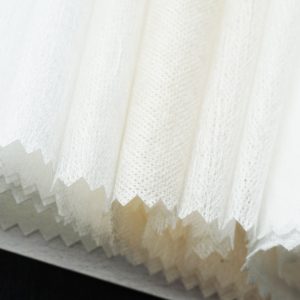


Description
Technical Specifications of WINIW Polyester Roofing Fabric
To provide precise guidance for project selection and application, WINIW has established detailed technical specifications for polyester roofing fabric, covering core parameters such as material composition, physical properties, and performance indicators. All data is tested in accordance with international standards (ASTM, ISO, GB) and verified by third-party laboratories to ensure accuracy and reliability.
| Category | Parameter | Test Standard | Value Range | Description |
|---|---|---|---|---|
| Material Composition | Raw Material | ASTM D6296 | 100% Recycled PET (Polyethylene Terephthalate) | Made from post-consumer PET bottles (food-grade recycled material), meeting FDA 21 CFR Part 177.1520 safety standards |
| PET Fiber Fineness | ISO 1973 | 2.0–6.0 denier | Fiber thickness adjusted according to application scenarios: 2.0–3.0 denier for lightweight fabrics (residential roofs); 4.0–6.0 denier for heavy-duty fabrics (commercial roofs) | |
| Fiber Length | ISO 1974 | 38–64 mm | Longer fibers (51–64 mm) enhance interlocking during stitch bonding, improving tear resistance; shorter fibers (38–50 mm) optimize breathability | |
| Basic Physical Properties | Gram Weight (gsm) | ISO 3801 | 50–300 gsm | Common specifications: 50–100 gsm (residential roofing), 120–200 gsm (commercial roofing), 250–300 gsm (industrial waterproofing) |
| Thickness (mm) | ISO 5084 | 0.3–1.5 mm | Corresponds to gram weight: 50 gsm ≈ 0.3 mm; 300 gsm ≈ 1.5 mm; uniform thickness variation ≤ ±5% | |
| Width | ASTM D3774 | 1.0–3.2 m (customizable) | Standard width: 1.5 m, 2.0 m, 2.5 m; maximum customizable width 3.2 m (reduces seam quantity for large-area projects) | |
| Roll Length | ASTM D3774 | 50–200 m/roll | Lightweight fabrics (≤100 gsm): 150–200 m/roll; heavy-duty fabrics (≥200 gsm): 50–100 m/roll; core diameter 76 mm (cardboard, recyclable) | |
| Mechanical Strength | Tensile Strength (MD/CD) | ASTM D5035 | 80–350 N/5cm | MD (Machine Direction): 120–350 N/5cm; CD (Cross Direction): 80–250 N/5cm; 200 gsm fabric: MD ≥200 N/5cm, CD ≥150 N/5cm |
| Elongation at Break (MD/CD) | ASTM D5035 | 15–35% | Balanced elongation ensures the fabric adapts to roof expansion/contraction without cracking; MD: 15–25%, CD: 25–35% | |
| Tear Resistance (MD/CD) | ASTM D1424 | 30–120 N | Superior to woven fabrics (average 20–50 N); 200 gsm fabric: MD ≥60 N, CD ≥45 N; resists tearing during installation and wind loads | |
| Puncture Resistance | ASTM D4833 | 50–200 N | 200 gsm fabric: ≥100 N; prevents damage from falling debris, foot traffic, and mechanical fasteners | |
| Breathability & Waterproofing | Air Permeability | ISO 9237 | 10–50 L/m²·s | Controlled porosity: 10–25 L/m²·s (moisture-proof for cold climates); 30–50 L/m²·s (ventilation for hot/humid climates) |
| Water Vapor Transmission Rate (WVTR) | ASTM E96 | 500–1500 g/m²·24h | High WVTR prevents condensation under the roof; 200 gsm fabric: ≥800 g/m²·24h | |
| Water Resistance (Hydrostatic Head) | ASTM D751 | ≥1000 mmH₂O | Blocks liquid water penetration; when combined with waterproof coatings, hydrostatic head can reach ≥5000 mmH₂O | |
| Environmental Adaptability | Operating Temperature Range | ASTM D885 | -40°C to +120°C | Stable performance in extreme climates: no brittleness at -40°C (suitable for cold regions like Northeast China); no melting at +120°C (resists solar radiation in subtropical areas) |
| UV Resistance (UV3000h) | ASTM G154 | Tensile strength retention ≥80% | Added UV stabilizers (carbon black or benzophenone derivatives); service life ≥10 years in outdoor exposure (tropical regions: ≥8 years) | |
| Chemical Resistance | ASTM D471 | Resistant to acids (pH 2–4), alkalis (pH 8–10), and petroleum derivatives | No tensile strength loss after 72h immersion in 5% HCl, 5% NaOH, or diesel; suitable for industrial roofs with chemical exposure | |
| Mildew Resistance | ASTM G21 | Grade 0 (no mildew growth) | Added antifungal agents (zinc pyrithione); prevents mold growth in high-humidity environments (e.g., basements, coastal areas) | |
| Sustainability Indicators | Recycled Content | ISO 14021 | ≥95% | Each ton of fabric recycles 8,000–10,000 PET bottles; reduces plastic waste by 1.2 tons |
| Carbon Footprint | ISO 14067 | ≤5.0 kg CO₂e/kg | 30% lower than virgin polyester fabrics (average 7.1 kg CO₂e/kg); eligible for LEED green building credits |
Performance Testing & Certification Details
WINIW Polyester Roofing Fabric undergoes a three-stage testing process (raw material inspection, in-process monitoring, final product verification) and holds multiple international certifications to ensure compliance with global market requirements. Below is a detailed breakdown of testing procedures and certification credentials.
1. Comprehensive Testing Procedures
1.1 Raw Material Inspection (Incoming Quality Control)
Before production, all recycled PET materials are subject to strict testing to eliminate substandard inputs:
- PET Resin Purity Test: Using gas chromatography (GC-MS) per ASTM D6296, testing for volatile organic compounds (VOCs) and heavy metals (Pb, Cd, Hg). Acceptance standard: VOC content ≤10 mg/kg, heavy metal content ≤1 mg/kg.
- Fiber Strength Test: Using a single-fiber tensile tester per ISO 5079, testing the breaking strength of recycled PET fibers. Acceptance standard: ≥4.5 cN/denier (ensures the final fabric has sufficient mechanical strength).
- Moisture Content Test: Using a halogen moisture analyzer per ASTM D2654, controlling the moisture content of fibers. Acceptance standard: ≤0.5% (prevents hydrolysis during stitch bonding, which would reduce fabric durability).
1.2 In-Process Monitoring (Real-Time Quality Control)
During production, 8 key parameters are monitored in real time using automated sensors and sampling inspections:
- Web Uniformity: Using a laser thickness gauge, measuring the thickness of the fiber web every 5 meters. Deviation tolerance: ≤±5% (ensures consistent gram weight of the final fabric).
- Stitch Bonding Density: Using a digital microscope, counting the number of needle punctures per square centimeter. Standard: 10–15 punctures/cm² (adjusted according to gram weight: higher density for heavy-duty fabrics).
- Needle Temperature: Monitoring the temperature of stitch bonding needles (range: 60–80°C) to prevent fiber melting (which would block pores and reduce breathability).
- Tensile Strength Sampling: Taking 1 sample every 30 minutes for tensile strength testing (ASTM D5035). If the value is 10% below the standard, production is paused for adjustment.
- Width Stability: Using edge position sensors to control fabric width deviation. Tolerance: ≤±10 mm/m (reduces waste during installation).
- Air Permeability Spot Check: Using a digital air permeability tester (ISO 9237) to test 1 sample per hour. Deviation tolerance: ≤±10% of the standard value.
- Static Electricity Test: Measuring the surface resistance of the fabric (target: 10⁶–10⁹ Ω) to prevent static buildup (which attracts dust and affects coating adhesion).
- Visual Inspection: Checking for defects such as holes, fiber clumps, and stains. Defect rate acceptance standard: ≤0.1%.
1.3 Final Product Verification (Outgoing Quality Control)
After production, each roll of fabric undergoes a full set of performance tests, and a “Certificate of Analysis (CoA)” is issued for traceability:
- Full-Size Mechanical Test: Cutting 5 samples from different positions of the roll (start, middle, end) for tensile strength, tear resistance, and puncture resistance tests. All samples must meet the parameter range (no single sample can be 5% below the minimum standard).
- Environmental Adaptability Test: Randomly selecting 1 roll per batch (≥3 rolls/batch) for UV aging (ASTM G154, 3000h) and low-temperature flexibility (ASTM D1053, -40°C for 24h) tests. Tensile strength retention ≥80% and no cracking are required.
- Coating Compatibility Test: Testing the adhesion between the fabric and common waterproof coatings (modified bitumen, polyurethane, acrylic) per ASTM D4541. Pull-off strength ≥1.5 MPa (ensures no delamination between the fabric and coating).
- Packaging Integrity Test: Checking the waterproof and dustproof performance of the packaging (PE film + cardboard tube). The packaging must pass the drop test (1.2m height, 3 drops on different faces) without damage.
2. International Certifications & Compliance
WINIW Polyester Roofing Fabric has obtained the following certifications, proving its compliance with quality, safety, and environmental standards in major global markets:
- ISO 9001:2015 Quality Management System: Certified by SGS, covering the entire process from raw material procurement to production and delivery. Ensures consistent product quality (batch-to-batch variation ≤±3%).
- ISO 14001:2015 Environmental Management System: Certified by TÜV Rheinland, verifying that the production process meets global environmental standards (wastewater discharge ≤50 mg/L COD, noise ≤65 dB).
- ASTM D751 (Standard Specification for Coated Fabrics for Roofing): Passed testing by the American Society for Testing and Materials (ASTM), confirming suitability for use in North American roofing systems.
- CE Certification (EN 13956:2005): Certified for sale in the European Union, meeting the safety and performance requirements for building materials (fire rating: Class B-s1, d0).
- LEED v4 Contribution Certificate: Recognized by the U.S. Green Building Council (USGBC), contributing 1–2 points to LEED certification (MR Credit 4: Recycled Content; MR Credit 5: Regional Materials).
- BREEAM Certification (Very Good Level): Eligible for BREEAM green building certification in the UK, meeting the requirements for sustainable materials (environmental impact score ≥70).
- China National Standard (GB/T 32841-2016): Compliant with the Chinese national standard for “Nonwoven Fabrics for Roofing Waterproofing,” approved for use in national key construction projects.
- FDA 21 CFR Part 177.1520: Certified for food contact safety (though used for roofing, this certification confirms the safety of recycled PET raw materials, avoiding harmful substance leaching).
Project Case Studies: WINIW Polyester Roofing Fabric in Real-World Applications
WINIW Polyester Roofing Fabric has been applied in over 5,000 roofing projects worldwide, spanning residential, commercial, industrial, and public infrastructure. Below are typical case studies, detailing project challenges, solution designs, and performance results, to provide practical references for customers.
Case 1: Large-Scale Commercial Roof Renovation – Shanghai International Trade Center
Project Overview
Location: Shanghai Pudong New Area; Building Type: Grade A commercial office building (28 floors, roof area 12,000 m²); Roof Type: Flat roof (original roof: built-up roofing (BUR) system, 15 years old, with widespread cracks and leaks); Renovation Goal: Extend roof service life by 15+ years, improve energy efficiency, and meet LEED Gold certification requirements.
Project Challenges
- Weight Restriction: The building’s old roof structure had a maximum load-bearing capacity of 80 kg/m²; traditional BUR systems (with gravel surfacing) weighed 120–150 kg/m², exceeding the limit and requiring costly structural reinforcement.
- Waterproofing & Breathability Balance: The roof housed HVAC equipment and electrical cabinets, requiring strict waterproofing to prevent equipment damage; meanwhile, Shanghai’s hot and humid climate demanded good breathability to avoid condensation buildup under the membrane.
- Fast Construction Requirement: The office building remained operational during renovation; the construction period was limited to 45 days (nights and weekends only) to minimize disruption to tenants.
- LEED Certification Compliance: The client required the renovation project to contribute at least 2 LEED points, necessitating the use of sustainable materials with high recycled content and low carbon footprint.
WINIW Solution Design
After on-site inspections and load calculations, we recommended a lightweight elastomeric coating + WINIW polyester roofing fabric reinforcement system, with the following configuration:
- Base Layer: WINIW 150 gsm polyester roofing fabric (width 2.5 m, roll length 100 m) – selected for its balance of strength (tensile strength MD 220 N/5cm, CD 160 N/5cm) and lightweight (150 g/m², 70% lighter than traditional glass fiber mats).
- Waterproof Coating: Two-component polyurethane elastomeric coating (total thickness 1.5 mm) – applied in two layers: first layer (0.8 mm) to saturate the fabric, second layer (0.7 mm) for enhanced waterproofing (hydrostatic head ≥5000 mmH₂O).
- Top Layer: Reflective acrylic coating (0.3 mm) – improves solar reflectance (SR ≥0.85) to reduce roof surface temperature by 8–12°C, enhancing energy efficiency.
Implementation & Results
- Construction Efficiency: The lightweight fabric (150 g/m²) allowed 2 workers to unroll and install 300 m² per night; the 2.5 m width reduced seam quantity by 40% compared to 1.5 m wide fabrics, shortening installation time to 38 days (ahead of schedule).
- Load Compliance: The total weight of the system (fabric + coatings) was 65 kg/m², well below the 80 kg/m² limit – eliminating the need for structural reinforcement, saving the client ¥1.2 million in costs.
- Performance After 3 Years: Post-renovation inspections showed:
- No cracks or leaks in the waterproof membrane (hydrostatic head remained ≥4800 mmH₂O).
- Roof surface temperature in summer averaged 42°C (vs. 55°C for the old roof), reducing HVAC energy consumption by 18%.
- No condensation buildup under the membrane (WVTR ≥850 g/m²·24h), ensuring normal operation of roof-mounted equipment.
- Sustainability Achievement: The 150 gsm fabric used in the project recycled 180,000 PET bottles; the system’s carbon footprint was 4.2 kg CO₂e/m², contributing 2 LEED points (MR Credit 4: Recycled Content; EA Credit 1: Optimize Energy Performance) – helping the building achieve LEED Gold certification.
Case 2: Residential Community Roofing – Chengdu Tianfu New Area Affordable Housing Project
Project Overview
Location: Chengdu Tianfu New Area; Building Type: 12-story affordable housing (20 buildings, total roof area 35,000 m²); Roof Type: Low-slope roof (slope 2%); Construction Goal: Cost-effective, durable roofing system (service life ≥10 years) with low maintenance, suitable for mass housing projects.
Project Challenges
- Cost Sensitivity: As an affordable housing project, the roofing budget was limited to ¥80/m² (inclusive of materials and labor), requiring a balance between cost and performance.
- Humidity & Mildew Prevention: Chengdu has a subtropical monsoon climate with annual rainfall of 1,000–1,200 mm and high humidity; the roof needed to resist mildew growth to avoid affecting indoor air quality.
- Mass Construction Consistency: With 20 buildings and multiple construction teams, ensuring uniform quality across all roofs was a key challenge (e.g., consistent fabric installation, coating thickness).
WINIW Solution Design
We recommended a modified bitumen coating + WINIW economical polyester roofing fabric system, optimized for cost and mass construction:
- Base Layer: WINIW 100 gsm polyester roofing fabric (width 2.0 m, roll length 150 m) – selected for its low cost (30% cheaper than 150 gsm fabric) and basic performance (tensile strength MD 150 N/5cm, CD 100 N/5cm; mildew resistance Grade 0).
- Waterproof Coating: Modified bitumen emulsion coating (total thickness 1.2 mm) – low-cost, easy to apply (brushable), and compatible with the polyester fabric (adhesion strength ≥1.2 MPa).
- Quality Control Measures: Provided on-site training for 15 construction teams; supplied pre-cut fabric rolls (customized to roof size) to reduce on-site cutting waste; deployed 2 full-time quality inspectors to check coating thickness and fabric overlap (≥2.5 inches) daily.
Implementation & Results
- Cost Control: The total cost of the system was ¥72/m² (¥35/m² for fabric and coating materials, ¥37/m² for labor), under the ¥80/m² budget – saving the project a total of ¥280,000.
- Performance After 5 Years:
- Roof leakage rate: 0.2% (only 7 out of 35,000 m² had minor leaks, repaired with local coating touch-ups).
- Mildew inspection: No mildew growth detected on the fabric or under the membrane (thanks to Grade 0 mildew resistance and WVTR ≥700 g/m²·24h).
- Maintenance cost: Average ¥1.5/m² per year (only annual cleaning and occasional touch-ups), far below the ¥5–8/m² annual cost of traditional tile roofs.
- Construction Consistency: Quality inspection pass rate reached 98% (only 2 buildings required rework due to insufficient coating thickness); the pre-cut fabric rolls reduced waste rate to ≤3% (vs. 8–10% for on-site cutting).
Case 3: Industrial Roof Waterproofing – Guangzhou Automobile Manufacturing Plant
Project Overview
Location: Guangzhou Nansha Development Zone; Building Type: Automobile assembly workshop (single-story steel structure, roof area 8,000 m²); Roof Type: Metal roof (corrugated steel sheets, with rust holes and joint leaks); Renovation Goal: Chemical-resistant, puncture-resistant roofing system to withstand industrial environment (exposure to machine oil, cleaning agents) and foot traffic during equipment maintenance.
Project Challenges
- Chemical Resistance Requirement: The workshop roof is exposed to machine oil splashes and alkaline cleaning agents (pH 9–10); the roofing material must resist chemical erosion to avoid premature failure.
- Puncture Resistance Need: Maintenance staff walk on the roof monthly to inspect HVAC and exhaust equipment; the fabric must withstand accidental impacts (e.g., tool drops) without puncturing.
- Metal Roof Compatibility: The corrugated steel roof has uneven surfaces and thermal expansion/contraction (temperature variation: -5°C to +70°C in Guangzhou); the fabric must be flexible enough to adapt to roof movement without cracking.
WINIW Solution Design
We customized a heavy-duty polyester fabric + chemical-resistant polyurethane coating system for industrial use:
- Base Layer: WINIW 250 gsm polyester roofing fabric (fiber fineness 6.0 denier, fiber length 64 mm) – enhanced for industrial performance:
- Tensile strength: MD 320 N/5cm, CD 230 N/5cm (resists roof expansion/contraction).
- Puncture resistance: 180 N (withstands 5kg tool drops from 1m height).
- Chemical resistance: Passed 72h immersion test in machine oil and 5% NaOH (tensile strength retention ≥90%).
- Primer Layer: Metal roof special primer (0.2 mm) – improves adhesion between the steel roof and fabric (adhesion strength ≥1.8 MPa).
- Waterproof & Chemical-Resistant Layer: Two-component aliphatic polyurethane coating (total thickness 2.0 mm) – resistant to machine oil, alkaline solutions, and UV radiation (service life ≥15 years).
- Reinforcement at Critical Points: Double-layer fabric (500 gsm total) applied at roof joints, rust holes, and equipment bases (high-stress areas) to prevent local failure.
Implementation & Results
- Industrial Environment Adaptation: After 4 years of use:
- Chemical resistance: No erosion or discoloration on the membrane, even in areas with frequent oil splashes (tensile strength retention 92%).
- Puncture resistance: Only 1 minor puncture reported (from a dropped wrench), easily repaired with a fabric patch – no leaks occurred.
- Thermal adaptability: No cracking or delamination at roof joints (expansion/contraction adapted well, elongation at break maintained at 25%).
- Maintenance Convenience: The smooth, durable membrane allows maintenance staff to walk freely without damaging the roof; monthly inspections take 50% less time than before (no need to avoid fragile areas).
- Cost-Benefit Ratio: The initial investment (¥180/m²) was higher than traditional systems, but the service life (≥15 years) and low maintenance cost (¥2/m² per year) result in a total cost of ¥12/m² per year – 40% lower than the previous roof’s annual cost (¥20/m² per year, with 5-year replacement cycles).
Customization Services for WINIW Polyester Roofing Fabric
Recognizing that different roofing projects have unique requirements (e.g., climate, roof type, budget, performance needs), WINIW offers comprehensive customization services to tailor polyester roofing fabric to specific client demands. From material modification to roll specification adjustment, we ensure the product perfectly matches project scenarios.
1. Material Performance Customization
Based on project environmental conditions and performance goals, we adjust the fabric’s fiber parameters, stitch bonding process, and functional additives to enhance targeted properties:
| Customization Type | Adjustment Measures | Applicable Scenarios | Performance Indicators After Customization |
|---|---|---|---|
| Enhanced UV Resistance | Add 2–3% carbon black (UV stabilizer) to PET fibers; increase stitch bonding density to 15–20 punctures/cm² (reduces fiber exposure to UV). | Desert or high-altitude regions (e.g., Xinjiang, Tibet) with strong UV radiation (annual UV radiation ≥6000 MJ/m²). | UV3000h tensile strength retention ≥90% (vs. standard 80%); service life extended to 12–15 years. |
| Super Puncture Resistance | Use 8.0 denier thick PET fibers; adopt “double-layer stitch bonding” (two layers of fiber web stitched together). | Industrial roofs with frequent foot traffic (e.g., factories, power plants) or risk of falling debris. | Puncture resistance ≥250 N (vs. standard 180 N for 250 gsm fabric); withstands 8kg tool drops from 1.5m height. |
| High Breathability | Use 1.5–2.0 denier fine PET fibers; reduce stitch bonding density to 8–10 punctures/cm² (increases fabric porosity). | Humid regions (e.g., Southeast China, coastal areas) or roofs with poor ventilation (e.g., attic roofs). | Air permeability ≥60 L/m²·s (vs. standard 50 L/m²·s); WVTR ≥1200 g/m²·24h (prevents condensation). |
| Low-Temperature Flexibility | Blend 10–15% PHA (polyhydroxyalkanoates) with PET fibers (PHA improves low-temperature toughness); use shorter fiber length (38–45 mm) to increase fabric flexibility. | Cold regions (e.g., Northeast China, Inner Mongolia) with winter temperatures ≤-30°C. | No brittleness or cracking at -40°C (ASTM D1053); elongation at break remains ≥20% (vs. standard 15% at low temperature). |
| Flame Retardancy | Add 5–8% brominated flame retardants (environmentally friendly, meets RoHS) to PET fibers; post-treat fabric with flame-retardant coating (0.1 mm). | Public buildings (e.g., schools, hospitals) or industrial facilities with strict fire safety requirements (fire rating ≥Class A). | Flame spread index (FSI) ≤25; smoke developed index (SDI) ≤50 (ASTM E84 Class A); self-extinguishes within 3 seconds after removing ignition source. |
2. Roll Specification Customization
To improve construction efficiency and reduce waste, we offer customized roll width, length, and packaging according to roof size and construction conditions:
- Width Customization: Standard widths are 1.5 m, 2.0 m, and 2.5 m; customizable range 0.5–3.2 m. For example:
- Small residential roofs (≤100 m²): Custom 1.0 m width rolls (easy to handle for small teams).
- Large commercial roofs (≥10,000 m²): Custom 3.0 m width rolls (reduces seams by 50% vs. 1.5 m width).
- Length Customization: Standard lengths are 50 m, 100 m, and 150 m; customizable range 20–300 m (subject to transportation limits). For example:
- High-rise building roofs (with elevator or crane access restrictions): Custom 20–30 m short rolls (easy to lift to roof).
- Large-span factory roofs (no access restrictions): Custom 200–300 m long rolls (reduces roll replacement frequency during construction).
- Packaging Customization:
- Standard packaging: PE film (waterproof) + cardboard core + wooden pallet (for rolls ≥1000 m²).
- Custom options:
- Waterproof woven bag packaging (for small rolls ≤50 m, suitable for humid construction sites).
- Pallet-free packaging (for container shipping to remote areas, reducing transportation costs by 15%).
- Label customization (printing project name, installation sequence, and quality inspection QR codes on packaging for large-scale projects with multiple buildings).
3. Special Function Customization
For projects with unique functional demands (e.g., anti-static, anti-root, conductive), we integrate advanced additives or composite materials to develop tailored solutions:
- Anti-Static Fabric:Application: Roofs of electronic factories or data centers (where static electricity may damage equipment).
Customization method: Add 3–5% carbon fiber (conductive) to PET fibers; surface resistance controlled at 10⁴–10⁶ Ω (ASTM D257). Performance: Eliminates static buildup, prevents dust adsorption, and meets IEC 61340-5-1 anti-static standards. - Anti-Root Fabric:Application: Green roofs (where plant roots may penetrate the waterproof membrane).
Customization method: Laminate a 0.15 mm thick HDPE (high-density polyethylene) film on the polyester fabric; add 2% copper naphthenate (root inhibitor) to the film. Performance: Blocks root penetration (resists roots of sedum, fescue, and other common green roof plants for ≥10 years); maintains breathability (air permeability ≥15 L/m²·s). - Conductive Fabric:Application: Roofs of oil storage tanks or chemical plants (for electrostatic discharge to prevent explosions).
Customization method: Embed stainless steel micro-wires (diameter 0.05 mm) into the fabric during stitch bonding (wire spacing 5 cm); volume resistivity ≤10⁻³ Ω·cm (ASTM D4496). Performance: Quickly discharges static electricity to the ground, meeting NFPA 77 electrostatic protection requirements. - Sound-Absorbing Fabric:Application: Roofs of buildings near airports, highways, or railways (for noise reduction).
Customization method: Use hollow PET fibers (hollow rate 30–40%) to increase fabric porosity; add a layer of non-woven sound-absorbing cotton (2 mm thick) via thermal lamination. Performance: Noise reduction coefficient (NRC) ≥0.6 (ASTM C423), reducing outdoor noise by 10–15 dB indoors.
4. Customization Process & Lead Time
WINIW simplifies the customization process to ensure efficient delivery while meeting quality standards:
- Requirement Communication: Clients provide project details (location, roof type, performance demands, budget, etc.). Our technical team conducts on-site surveys (if needed) and issues a “Customization Plan” within 3 working days, including material parameters, sample specifications, and cost estimates.
- Sample Development: After the plan is confirmed, we produce 1–3 rolls of sample fabric (1–5 m/roll) within 7–10 working days. Samples undergo full performance testing, and a “Sample Test Report” is provided to the client for verification.
- Mass Production: Once samples are approved, mass production starts. Lead time:
- Standard customization (width/length adjustment): 10–15 working days.
- Performance customization (UV resistance, puncture resistance): 15–20 working days.
- Special function customization (anti-root, conductive): 20–30 working days.
- Quality Inspection & Delivery: All customized products undergo the same three-stage testing as standard products. After passing inspection, we arrange shipping according to the client’s requirements (sea, air, or land transport) and provide a “Customization Certification” (including production records, test reports, and usage guidelines).
Logistics, Shipping & After-Sales Support
As a global supplier of polyester roofing fabric, WINIW has established a mature logistics network and comprehensive after-sales system to ensure timely delivery and reliable support for clients worldwide – from order placement to project completion and post-construction maintenance.
1. Logistics & Shipping Solutions
We offer flexible shipping options based on client location, order quantity, and delivery urgency, with full control over the supply chain to avoid delays:
| Shipping Method | Applicable Scenarios | Lead Time (From China Factory) | Packaging & Loading | Cost Advantage |
|---|---|---|---|---|
| Sea Freight (FCL/LCL) | Large orders (≥10 tons, e.g., commercial/industrial projects); clients with no urgent delivery needs. | Asia: 7–15 days; Europe: 25–35 days; North America: 30–40 days; Africa: 35–45 days. | Rolls packed in PE film + cardboard core; loaded on wooden pallets (fumigated, meets ISPM 15) or in containers (20ft container: ~15 tons; 40ft container: ~30 tons). | Lowest cost (60–70% cheaper than air freight); suitable for bulk purchases. |
| Air Freight | Small orders (≤5 tons, e.g., residential renovations); urgent orders (project construction delayed). | Global: 3–7 days (door-to-door service available). | Rolls packed in lightweight waterproof bags; loaded in cartons (max weight per carton: 30 kg) to meet air cargo restrictions. | Fastest delivery; ideal for emergency replenishment. |
| Land Freight | Clients in Southeast Asia (Vietnam, Thailand, Malaysia) or Central Asia (Kazakhstan, Uzbekistan) with land border access. | Southeast Asia: 5–10 days; Central Asia: 15–20 days. | Rolls packed in PE film + wooden pallets; transported by truck (temperature-controlled trucks available for hot/humid regions). | No port handling fees; direct delivery to construction site. |
| Warehouse Delivery (Overseas) | Regular clients with long-term cooperation; projects requiring phased material supply. | Local warehouse dispatch: 1–3 days. | Stocked in our overseas warehouses (Germany, USA, Malaysia); packed according to local logistics standards. | Reduces lead time for repeat orders; avoids peak season shipping delays. |
Customs Clearance Support: We provide full sets of export documents (commercial invoice, packing list, certificate of origin, quality inspection report, and certification documents) to simplify customs clearance. For clients unfamiliar with local customs procedures, we cooperate with professional customs brokers in major markets to ensure smooth clearance (clearance rate ≥99%).
2. After-Sales Support Services
WINIW’s after-sales service extends beyond product delivery, covering installation guidance, quality tracking, and problem-solving to ensure project success:
2.1 Installation Guidance
- On-Site Training: For large projects (≥10,000 m²), we send 1–2 technical engineers to the construction site for free installation training (duration: 1–2 days). Training content includes: fabric unrolling and positioning, seam overlapping (≥2.5 inches), coating saturation techniques, and quality control points during installation.
- Installation Manual: Each order is accompanied by a detailed “Installation Guide” (available in Chinese, English, Spanish, French, and Arabic), including step-by-step diagrams, common problems, and solutions. The guide also includes a QR code linking to installation demonstration videos.
- Remote Technical Support: For small projects or clients in remote areas, we offer 24/7 remote support via video call, phone, or email. Our engineers can provide real-time guidance on installation issues (e.g., fabric wrinkling, coating unevenness) and resolve problems within 4 hours.
2.2 Quality Tracking & Warranty
- Warranty Period: We provide a 5–10 year product warranty (depending on product type):
- Standard polyester roofing fabric (50–150 gsm): 5-year warranty (covers tearing, delamination, and performance degradation due to material defects).
- Heavy-duty polyester roofing fabric (200–300 gsm) or customized functional fabric (anti-UV, anti-root): 10-year warranty.
- Quality Tracking: For key projects, we conduct annual quality inspections (free of charge) during the warranty period. Inspectors test fabric tensile strength, tear resistance, and coating adhesion, and issue a “Quality Tracking Report” to the client. If performance degradation is detected, we provide free material replacement or on-site repair.
- Claim Process: If product quality issues occur during the warranty period, clients can submit a claim with photos/videos of the problem and the product batch number. We verify the issue within 3 working days and provide a solution (material replacement, on-site repair, or compensation) within 7 working days.
2.3 Post-Construction Maintenance Support
- Maintenance Manual: After project completion, we provide a “Roof Maintenance Guide” (customized based on the project’s climate and roof type), including:
- Regular maintenance items (cleaning frequency, debris removal, coating touch-up).
- Seasonal maintenance tips (winter snow removal, summer UV protection).
- Early warning signs of roof failure (e.g., coating cracking, fabric exposure) and emergency handling measures.
- Replacement Material Supply: For maintenance or repair needs after the warranty period, we provide replacement fabric at a 10% discount (same batch parameters to ensure compatibility). Lead time for replacement material is 3–5 working days (for standard products) or 7–10 working days (for customized products).
FAQ (Frequently Asked Questions)
To help clients better understand our polyester roofing fabric and services, we’ve compiled answers to the most common questions from past customers:
Q1: How does WINIW polyester roofing fabric compare to glass fiber roofing mat (a common alternative)?
A1: The two materials differ significantly in performance, installation, and cost – the choice depends on project needs:
| Indicator | WINIW Polyester Roofing Fabric | Glass Fiber Roofing Mat |
|---|---|---|
| Weight (gsm=150) | 150 g/m² (lightweight) | 220 g/m² (heavy) |
| Tear Resistance (CD) | 160 N/5cm (high, no brittle fracture) | 120 N/5cm (low, brittle when bent) |
| Installation | Flexible, easy to cut and fit irregular roofs; no fiber irritation to workers | Hard, difficult to fit curved surfaces; glass fiber dust may irritate skin/respiratory tract (requires protective gear) |
| Corrosion Resistance | Resistant to acids/alkalis (suitable for industrial roofs) | Prone to corrosion by alkalis (not suitable for coastal/industrial areas) |
| Cost | 30–40% higher than low-quality glass fiber mats; comparable to high-quality glass fiber mats | Low initial cost, but high maintenance cost (easy to damage, short service life) |
Recommendation: Choose polyester fabric for lightweight requirements (old buildings), irregular roofs, industrial environments, or sustainable projects; choose glass fiber mat only for budget-sensitive projects with no weight restrictions and dry, non-corrosive environments.
Q2: Can WINIW polyester roofing fabric be used for green roofs (with plants and soil)?
A2: Yes, but it requires customization. Our standard fabric is not designed for direct root exposure, but our anti-root customized polyester fabric (laminated HDPE film + root inhibitor) is specifically for green roofs. Key advantages:
- Blocks root penetration (resists roots of most green roof plants, including woody shrubs).
- Maintains breathability (avoids waterlogging in the soil layer).
- Lightweight (180–220 g/m²), reducing the load on the roof structure (critical for green roofs, which add soil/plant weight).
Note: For green roofs with deep soil (≥30 cm) or large plants (e.g., small trees), we recommend using double-layer anti-root fabric (total weight 400 g/m²) for enhanced protection.
Q3: How to store WINIW polyester roofing fabric before installation? What is the shelf life?
A3: Proper storage ensures fabric performance; follow these guidelines:
- Storage Environment: Store in a dry, ventilated warehouse (humidity ≤60%, temperature 5–30°C); avoid direct sunlight (UV will degrade performance) and contact with oil/chemicals.
- Stacking Method: Place rolls horizontally on pallets (not vertically, to prevent deformation); stack height ≤3 layers (for heavy-duty rolls ≥200 gsm) or ≤5 layers (for lightweight rolls ≤150 gsm).
- Shelf Life: 2 years under proper storage conditions (we recommend using the fabric within 1 year for optimal performance).
- Inspection Before Use: Check for signs of damage (e.g., tears, mildew, coating peeling) before installation. If stored for more than 1 year, test tensile strength (should retain ≥90% of the original value).
Q4: Does WINIW provide samples? Is there a fee for samples?
A4: Yes, we provide free samples for standard products (50–300 gsm, standard width). For customized products (e.g., anti-root, conductive), we charge a small sample fee (¥200–¥500, which is refundable when the client places a formal order ≥1 ton).
Sample application process:
- Client provides sample requirements (gram weight, width, performance, etc.).
- We confirm sample availability and fee (if applicable) within 1 working day.
- Sample is shipped via express (DHL, FedEx) within 3–5 working days; client bears the shipping cost (usually $20–$50).
- Each sample includes a “Sample Specification Sheet” with test data for reference.
Q5: What payment terms does WINIW accept? Can we pay against delivery?
A5: We offer flexible payment terms to meet the needs of global clients:
- For New Clients:
- Small orders (≤5 tons): T/T (Telegraphic Transfer) 100% in advance.
- Large orders (>5 tons): T/T 30% deposit, 70% against copy of B/L (Bill of Lading).
- For Regular Clients (Cooperation ≥1 year):
- T/T 20% deposit, 80% against copy of B/L.
- L/C (Letter of Credit) at sight (for orders ≥20 tons).
- Monthly settlement (for clients with annual purchase volume ≥100 tons).
- Payment Against Delivery: Available only for clients with credit guarantees (e.g., bank letter of guarantee) or those using our overseas warehouse services (payment upon warehouse pickup).
We accept major currencies (USD, EUR, CNY) and work with global banks (HSBC, Bank of China) to ensure secure transactions.
Q6: How does the recycled content of WINIW polyester roofing fabric affect its performance? Is it inferior to virgin polyester fabric?
A6: Our recycled polyester roofing fabric performs equally to virgin polyester fabric, thanks to advanced recycling and processing technology:
- Recycling Technology: We use “chemical recycling” (not simple mechanical recycling) to break down PET bottles into pure monomers, which are then repolymerized into high-quality PET resin. This removes impurities and ensures the recycled resin has the same molecular weight and strength as virgin resin.
- Performance Comparison: Tests show that our recycled polyester fabric has the same tensile strength, tear resistance, and UV resistance as virgin polyester fabric (tensile strength difference ≤3%; tear resistance difference ≤5%).
- Advantages of Recycled Content: While performance is equivalent, recycled polyester fabric has a 30% lower carbon footprint and supports sustainability goals – making it preferred for green building projects.
All recycled materials meet FDA and EU food contact standards, ensuring no harmful substances leach into the environment.
Q7: Can WINIW polyester roofing fabric be used with all types of waterproof coatings?
A7: It is compatible with most common waterproof coatings, but we recommend testing compatibility for specialized coatings. Compatible coating types include:
- Elastomeric Coatings: Polyurethane, acrylic, and silicone coatings (most commonly used; adhesion strength ≥1.5 MPa).
- Modified Bitumen Coatings: Emulsion-based or solvent-based modified bitumen (compatible with our standard and heavy-duty fabrics).
- Cementitious Coatings: Polymer-modified cement coatings (requires pre-treatment with a primer to enhance adhesion).
Not recommended for: Solvent-based chlorinated rubber coatings (may cause fabric swelling) and high-temperature asphalt coatings (>200°C, may melt PET fibers). For specialized coatings, we can provide compatibility testing (72h immersion test) with your coating sample to confirm suitability.
Contact Information & Cooperation Process
WINIW welcomes inquiries and cooperation from global clients. Whether you need product (consultation), samples, or customized solutions, our team is ready to assist you. Below is our contact information and standard cooperation process:
Contact Information
- Company Name: Winiw Nonwoven Materials Co., Ltd.
- Factory Address: 1-1-417 Xinjinghuating, Luocheng Town, Huian County, Quanzhou City, Fujian Province, China
- Overseas Office: Room 1201, International Trade Center, Shanghai (serving global clients)
- Sales Hotline: +86-189-6568-7670 (Chinese, English, Spanish)
- Email: [email protected] (response within 24 hours)
- Website: www.panonwoven.com (product catalog, case studies, and online inquiry form)
- WhatsApp/WeChat: +86-189-6568-7670 (real-time chat available)
Standard Cooperation Process
- Inquiry & Requirement Confirmation: Client submits inquiry via email, phone, or website form, specifying product parameters (gram weight, width, quantity), application scenario, and delivery requirements. Our sales team responds within 1 working day to clarify details and provide a preliminary quotation.
- Sample Provision & Testing: If needed, we provide samples (free for standard products) for client testing. Clients can test performance (tensile strength, breathability, etc.) or conduct on-site trial installations. We assist with testing by providing test standards and methods if required.
- Quotation & Contract Signing: Based on confirmed requirements and sample approval, we issue a formal quotation (including price, delivery time, payment terms, and warranty). After negotiation, both parties sign a sales contract (available in Chinese and English) to confirm the cooperation terms.
- Deposit Payment: Client pays the deposit according to the contract (30% for new clients, 20% for regular clients). Upon receipt of the deposit, we issue a “Production Order” and start manufacturing.
- Production & Quality Inspection: We complete production within the agreed lead time and conduct final quality inspection. A “Pre-Shipment Inspection Report” is sent to the client for confirmation.
- Balance Payment & Shipping: Client pays the balance (70%/80%) upon confirmation of the inspection report. We arrange shipping (sea/air/land) as agreed, provide shipping documents, and track the shipment until delivery.
- After-Sales Service: After delivery, we follow up to confirm receipt and provide installation guidance. During the warranty period, we conduct annual quality inspections and handle any quality issues promptly.
Conclusion
As a leading Polyester Roofing Fabric Supplier in China, WINIW Nonwoven Materials Co., Ltd. combines advanced technology, sustainable practices, and customer-centric services to provide high-quality, durable, and eco-friendly roofing solutions. Our polyester roofing fabric, made from 100% recycled PET bottles using stitch bonding technology, offers exceptional breathability, tear resistance, and versatility – making it suitable for residential, commercial, industrial, and public infrastructure roofing projects worldwide.
We differentiate ourselves through:
- Superior Performance: Rigorous testing and certification ensure our fabric meets or exceeds international standards, with customizable options to adapt to specific climates and project needs.
- Sustainability: Using recycled materials reduces environmental impact, supports green building certifications, and aligns with global efforts to reduce plastic waste.
- Comprehensive Support: From pre-sales consultation and sample testing to on-site installation training and after-sales warranty, we provide end-to-end support to ensure project success.
- Global Reach: With a mature logistics network and overseas warehouses, we deliver products efficiently to clients in Asia, Europe, North America, Africa, and beyond.
Whether you are a contractor, builder, or project owner, WINIW Polyester Roofing Fabric offers a reliable, cost-effective, and sustainable solution for your roofing needs. Contact us today to discuss your project requirements, request samples, or learn more about how our products can enhance the performance and longevity of your roofing system.
WINIW – Your Trusted Partner for High-Quality Polyester Roofing Fabric in China.